
16 National Parks in Italy: Best Parks by Region & Traveler
Compare 16 national parks in Italy by region, season, access and trail type, with picks for first-timers, hikers and no-car trips.
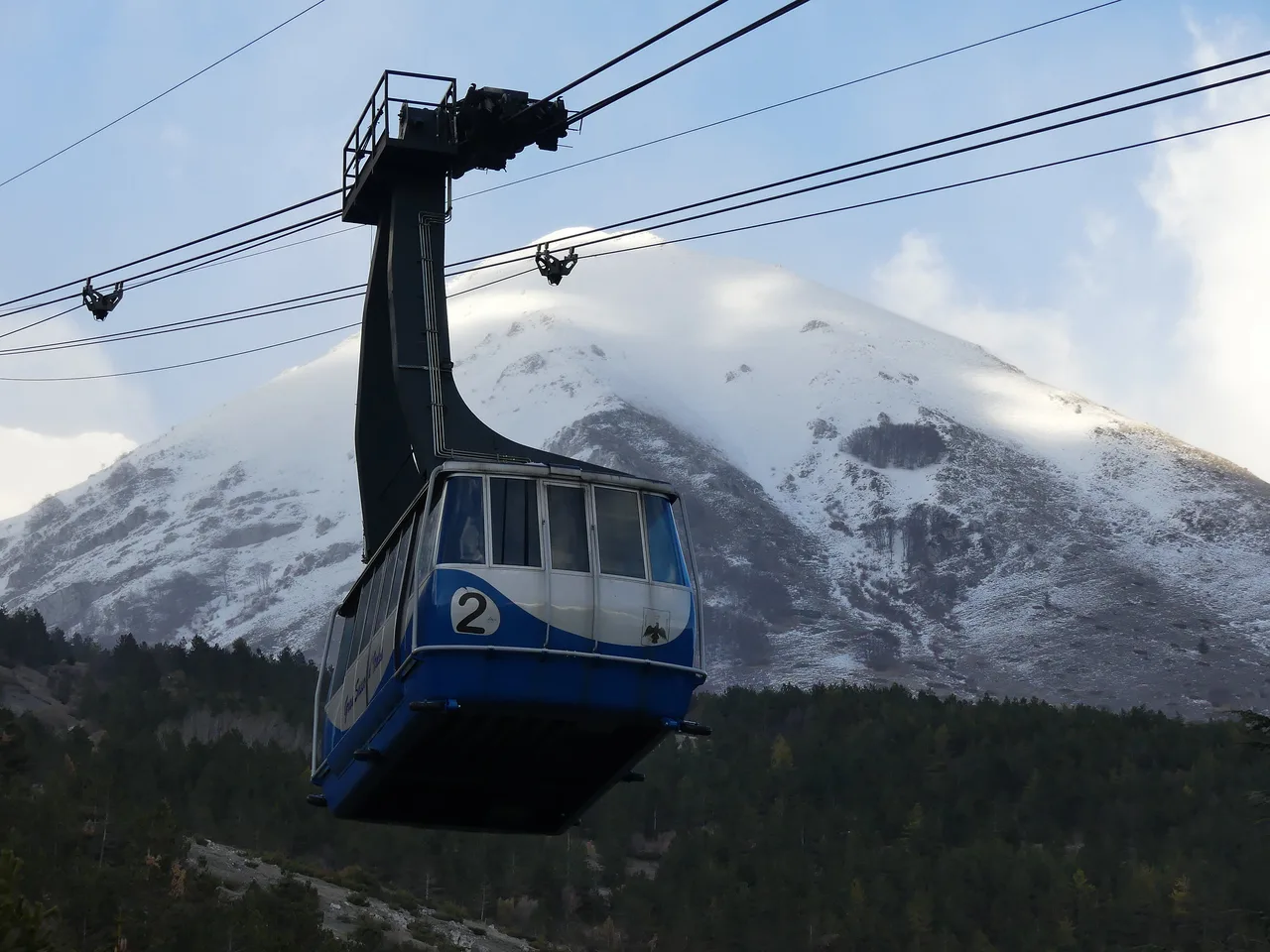
Last updated November 2026: national parks in Italy range from the Alpine valleys of Stelvio to the volcanic slopes of Vesuvius, and the count usually cited is 25. Only Cinque Terre and Vesuvius are easy without a car, while most Apennine and Calabrian parks reward a rental. Use the table and the numbered list below to match a park to your season, your transport and your appetite for trails.
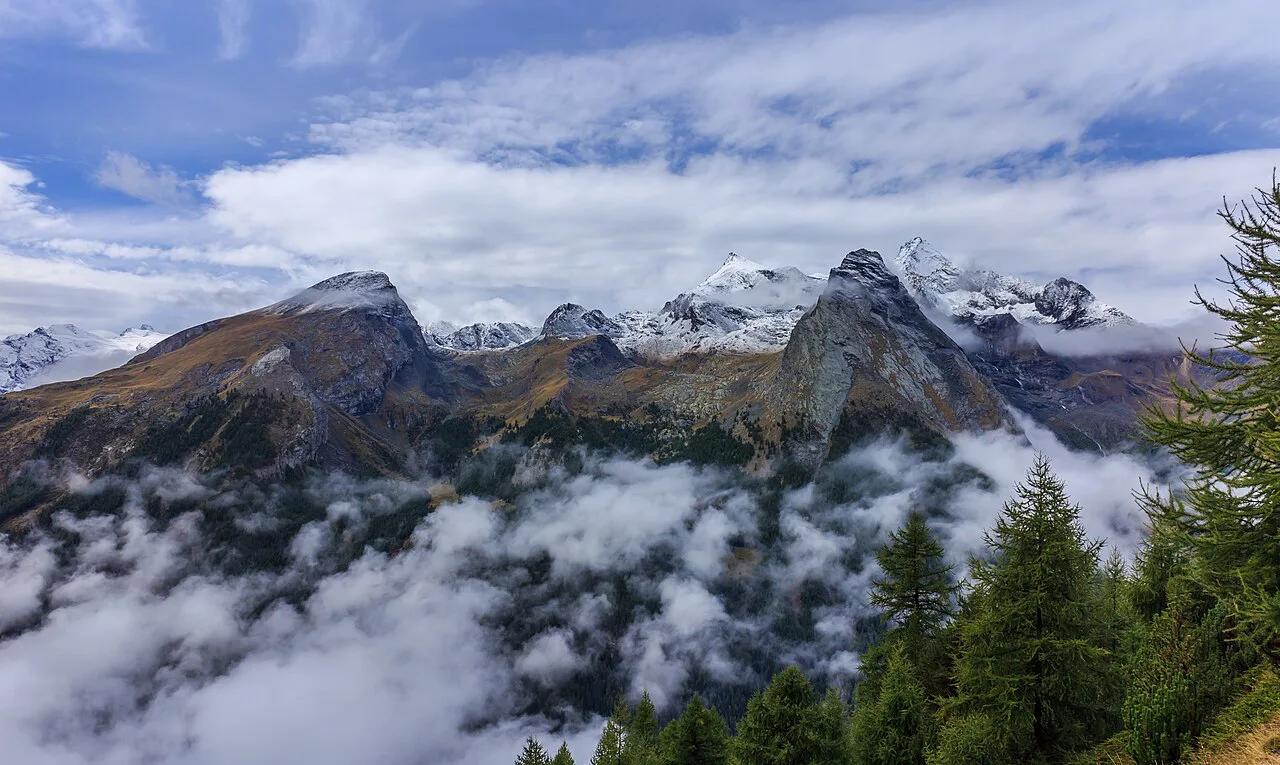
Featured image: Simone Ramella, CC BY 2.0, via Flickr.
Quick answer: the best national parks in Italy
Pick by traveler type. First-timers without a car should start with Cinque Terre or Vesuvius. Hikers who want big mountains should look at Stelvio, Dolomiti Bellunesi or Sibillini. Wildlife watchers should head for Abruzzo, Lazio and Molise. Travelers who want quiet should try Pollino, Aspromonte or Sila. Italy's environment ministry publishes the official list of protected areas, so use it for the current park count.
Italy's national parks at a glance
This table compares all 16 parks that have their own guides. Where a cell says check official site, the park authority is the right source for that detail. Car-dependence reflects realistic public transport for most visitors.
| Park | Region | Landscape | Best season | Car needed? | Typical time | Best for | Skip if |
|---|---|---|---|---|---|---|---|
| Stelvio | Alps | High alpine | Summer | Helpful | 2-3 days | Mountain hiking | You want low-altitude walks |
| Dolomiti Bellunesi | Veneto | Limestone peaks | Summer, early autumn | Yes | 2-3 days | Quiet trails | You want lifts and services |
| Val Grande | Piedmont | Remote wild valleys | Late spring to autumn | Yes | 1-2 days | Solitude | You need waymarked short loops |
| Cinque Terre | Liguria | Coastal cliff paths | Spring, autumn | No, train | 1-3 days | First-timers, villages | Crowds bother you |
| Abruzzo, Lazio and Molise | Central Apennines | Beech forest | Summer, autumn | Yes | 2-3 days | Wildlife | You want beaches |
| Majella | Abruzzo | Massif and gorges | Late spring to autumn | Yes | 2-3 days | Gorge walks | You dislike steep trails |
| Gran Sasso | Central Apennines | High plateau and peaks | Summer, winter | Yes | 1-3 days | Big skies, skiing | You want a coast |
| Sibillini | Marche, Umbria | Peaks and flower fields | Late spring, summer | Yes | 2-3 days | Hiking, flowers | You are visiting off-season |
| Foreste Casentinesi | Tuscany, Emilia-Romagna | Old forest | Autumn | Yes | 1-2 days | Forest walks | You want big views |
| Circeo | Lazio | Coast, lakes, promontory | Spring, autumn | Helpful | 1 day | Easy outings | You want mountains |
| Vesuvius | Campania | Volcano | Spring, autumn | No, train or bus | Half day | Volcano plus Pompeii | You dislike booking ahead |
| Cilento | Campania | Coast and hills | Late spring, early autumn | Yes | 3+ days | Beaches, Paestum | You have one day |
| Pollino | Calabria, Basilicata | Mountains | Late spring to autumn | Yes | 2-3 days | Quiet hiking | You need transit |
| Sila | Calabria | Plateau forest and lakes | Summer, autumn | Yes | 2 days | Forest and lakes | You want cliffs |
| Aspromonte | Calabria | Southern mountains | Spring, autumn | Yes | 2 days | Remote hiking | You want infrastructure |
| Gargano | Puglia | Forest and sea cliffs | Late spring, early autumn | Yes | 3+ days | Coast plus forest | You rely on trains |
The 16 best national parks in Italy, by region
Prices and hours checked November 2026. No entry fees are quoted here, because they change by park and season. Entries run from the Alps in the north to Puglia and Calabria in the south.
1. Stelvio National Park (Alps)
Stelvio is the pick for high-mountain scenery in Italy. Expect long summer hiking days among glaciated peaks and steep valleys, and start with our Stelvio hiking guide. Trail and seasonal information sits on the Stelvio park authority site.
Plan around a car or regional buses and a base in a mountain village. Snow can close high routes outside summer. Skip it if you only want a coastal or low-altitude trip.
2. Dolomiti Bellunesi National Park (Veneto)
Dolomiti Bellunesi covers limestone peaks and forested valleys in the province of Belluno. It suits walkers who prefer long, quiet routes over famous viewpoints, and our Dolomiti Bellunesi trail guide covers the options. Summer and early autumn are the practical walking months.
A car makes access far simpler than buses do. Skip it if you want a single famous viewpoint rather than a day of walking.
3. Val Grande National Park (Piedmont)
Val Grande is a remote, wooded mountain area with few villages and long, rough trails. It rewards experienced walkers who want solitude, and our Val Grande wilderness guide explains where to begin. Allow one or two days, carry a map, and expect limited phone coverage.
Reaching trailheads realistically means driving. Skip it if you want short, signed loops with cafés along the way.
4. Cinque Terre National Park (Liguria)
Cinque Terre links five villages: Riomaggiore, Manarola, Corniglia, Vernazza and Monterosso al Mare. About 120 km of trails connect them above the Ligurian Sea, and our Cinque Terre walking guide covers the routes. Trains run between the villages, so a car is unnecessary, and Genoa is roughly 1.5 hours away.
Trail pass rules are on the Cinque Terre park site. Skip it in peak summer if crowds bother you.
5. Abruzzo, Lazio and Molise National Park (Central Apennines)
This park protects Apennine beech forest and is the usual choice for wildlife watching. Brown bears and wolves live in the region, though sightings are rare, and our Abruzzo park guide sets realistic expectations. Walk the forest trails in summer or autumn.
Public transport is thin, so most visitors drive between villages. Skip it if you want beaches or a packed sightseeing list.
6. Majella National Park (Abruzzo)
Majella is a high limestone massif cut by deep gorges. Walkers come for the gorge routes and mountain hermitages, and our Majella hiking guide picks the best-known ones. Late spring to autumn is the dependable window for trails.
Plan on a car, and give it two or three days. Skip it if steep, exposed paths are not for you.
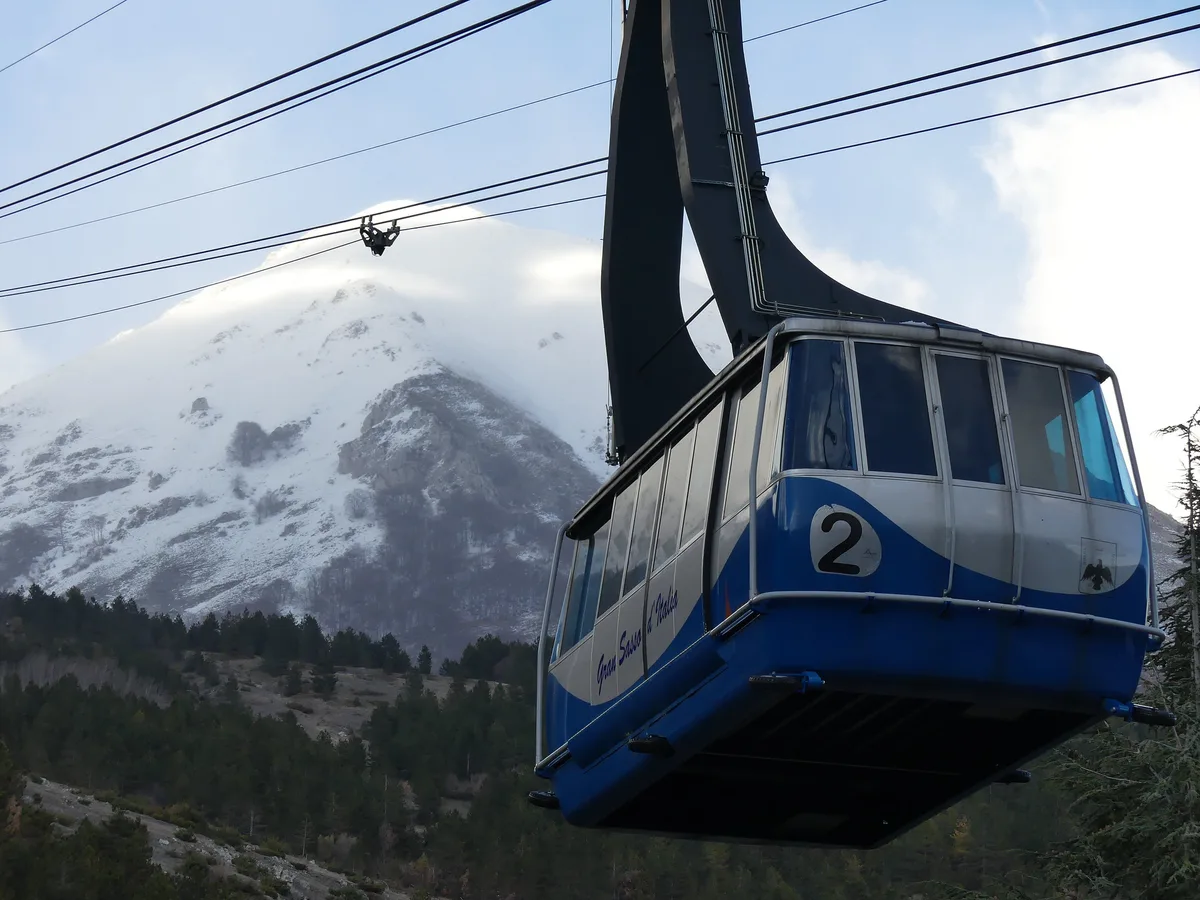
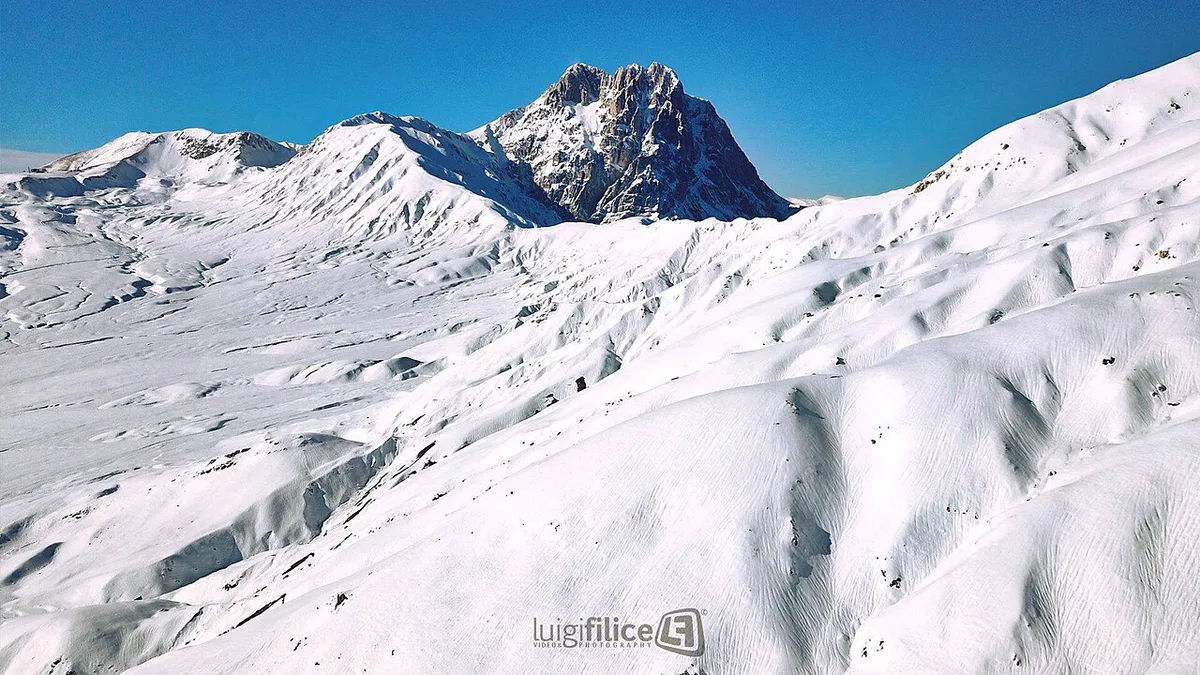
7. Gran Sasso National Park (Central Apennines)
Gran Sasso combines rocky peaks with the open Campo Imperatore plateau. It works for summer hikes and for winter skiing, and our Gran Sasso mountain guide lays out both seasons. The long skylines suit photographers who like wide, empty views.
Driving is the practical way in. Skip it if you are after sea or village life.
8. Sibillini National Park (Marche and Umbria)
Sibillini has more than 20 peaks above 2,000 m, plus hiking, biking and horseback routes. The flowering fields of Castelluccio di Norcia usually bloom from May to mid-July, though timing varies each year, so see our Sibillini flower season guide.
Ancona is about a one-hour drive away. Skip it if you are visiting outside the warmer months.
9. Foreste Casentinesi National Park (Tuscany and Emilia-Romagna)
Foreste Casentinesi protects old forest on the Apennine ridge between Tuscany and Emilia-Romagna. It is best in autumn, when the beech and fir woods change color, and our Casentinesi forest guide maps the walks.
Allow one or two days, and plan to drive. Skip it if you want big open mountain views.
10. Circeo National Park (Lazio)
Circeo sits on the Tyrrhenian coast of Lazio, between Anzio and Terracina. It packs a promontory, four lakes and walking and cycling routes into one easy outing, and our Circeo coast guide shows how to combine them. Sailing and boating are also possible.
Ferries run from Terracina to Ponza for a side trip. Skip it if you want alpine scenery.
11. Vesuvius National Park (Campania)
Vesuvius is the volcano above Naples, and the easiest big-name park to reach without a car. You can hike toward the crater rim, and our Vesuvius crater guide explains the walk. Check the Vesuvius park site for crater tickets and booking rules.
Pair it with the Pompeii Archaeological Park for a second stop. Skip it if you dislike booking ahead.
12. Cilento National Park (Campania)
Cilento mixes beaches, coastal pine forest, Greek ruins and hill monasteries around Salerno. It is a UNESCO Biosphere Reserve, recognized in 1997, and our Cilento coast guide covers the main stops. Paestum, the Palinuro caves and Marina di Camerota beach are the usual targets.
Give it three days or more and rent a car. Skip it if you only have a single day.
13. Pollino National Park (Calabria and Basilicata)
Pollino is a large mountain park on the border of Calabria and Basilicata. It draws walkers who want space and few other people, and our Pollino trekking guide introduces the area, including its old Loricato pines. Late spring to autumn suits most routes.
Public transport is limited, so drive. Skip it if you need frequent services.
14. Sila National Park (Calabria)
Sila is a high plateau of pine forest and lakes in Calabria. It suits slow days of forest walking and picnics, and our Sila forest guide covers lakeside and woodland routes. Summer and autumn are the easiest months.
Two days is enough for most visitors, with a car. Skip it if you want dramatic cliffs or coastline.
15. Aspromonte National Park (Calabria)
Aspromonte rises in the far south of Calabria, with remote mountain trails. It appeals to hikers who prefer quiet to infrastructure, and our Aspromonte hiking guide offers a starting point. Spring and autumn avoid the worst heat.
Expect to drive between trailheads. Skip it if you want polished visitor facilities.
16. Gargano National Park (Puglia)
Gargano is the promontory park of Puglia, joining forest and sea cliffs. The inland Foresta Umbra balances the coast, and our Gargano coast and forest guide shows how to split your time. Late spring and early autumn avoid the summer rush.
Allow three days or more and drive. Skip it if you depend on trains.
On the Swiss border, Stelvio National Park adjoins the Swiss National Park in the Engadine, so the two are easy to visit on one Alpine trip.
How to choose the right national park in Italy
First-timers should pick Cinque Terre or Vesuvius, because both are reachable without a car. Hikers who want altitude should choose Stelvio or Sibillini. Families usually do better at Circeo, where outings are short and easy. Photographers should consider Gran Sasso for its wide plateau views. Wildlife watchers should choose Abruzzo, Lazio and Molise. For a ranked shortlist, read our ranked park picks.
Getting there and getting around
Cinque Terre links its villages by train, and Vesuvius is manageable by train or bus from Naples. Most other parks are realistically car-dependent, so confirm local transport before you rely on it. Several island parks need a boat. Asinara is about 1 hour by ferry from Porto Torres, and La Maddalena is about 20 minutes from Palau. Gran Paradiso and the Tuscan Archipelago are also worth knowing, though they have no guide here. Ferry operators and timetables change, so check the operator.
Plan Asinara as a full day, since the Delcomar crossing takes about 1 hour, a longer ride than La Maddalena's about 20 minutes from Palau.
Costs, tickets and permits
Entry rules differ by park, and no single national pass covers them. Cinque Terre uses trail pass rules published on its park site. Vesuvius requires a crater ticket and booking, as the official Vesuvius park page explains. Many forest and mountain parks charge nothing to walk in, but huts, parking and cable cars carry their own fees. Each park authority lists current prices in euros, so read it before you travel.
Best time to visit
Summer suits alpine hiking at Stelvio and Dolomiti Bellunesi. Spring and autumn suit Cinque Terre, Vesuvius and the southern coasts, when it is cooler. Sibillini peaks from May to mid-July for flowers, though timing shifts each year. Winter skiing is possible in some Apennine parks, such as Gran Sasso. Autumn colour is best in Foreste Casentinesi.
Mistakes to avoid
A few planning errors cause most disappointments.
- Assuming every park has a station: most Apennine and Calabrian parks do not.
- Turning up at Vesuvius without checking the crater ticket and booking rules.
- Walking Cinque Terre trails without reading the current trail pass rules.
- Planning high Alpine routes in shoulder seasons, when snow can close paths.
- Counting on the same flower timing at Castelluccio each year.
Island national parks worth knowing
La Maddalena Archipelago National Park is a strong choice for a sea-focused break in northern Sardinia. Ferries from Palau take about 20 minutes, making it practical for visitors based on the mainland. The archipelago has more than 180 km of coastline, with coves and beaches rather than long mountain walks. Cala Coticcio and Cala Corsara are two well-known stops, but boat access and landing arrangements can vary.
Asinara National Park offers a quieter island alternative off Porto Torres. The Delcomar crossing takes about 1 hour, so allow a full day rather than treating it as a quick detour. Both parks depend on ferry services, which can change with weather and season. Check the operator’s timetable before planning a crossing, especially if you need to return the same day.
Explore More Guides
Keep planning your trip with these guides.
Guides
- Vesuvius National Park: How to Visit the Crater & Trails
- Cinque Terre National Park: Villages, Trails, Passes & Planning
- Stelvio National Park Guide
- Gargano National Park Guide
- Abruzzo National Park Guide
- Dolomiti Bellunesi National Park: Hiking, Access & Planning Guide
- Sila National Park Guide
- Cilento National Park Guide
- Pollino National Park Guide
- Circeo National Park: How to Visit, Trails and Getting There
- Majella National Park: Hikes, Towns & How to Visit
- Gran Sasso National Park Guide
- Aspromonte National Park: Hikes, Access and Trip Planning
- Sibillini National Park Guide
- Val Grande National Park: Hiking, Access & Planning Guide
- Foreste Casentinesi National Park: Trails, Access, Stays
- 10 Best National Parks in Italy by Trip Type
Notes for your next park visit
Optional updates to our national park guides.
Read next
Keep planning
Picked from the same area