
Sibillini National Park Guide: Hikes, Villages & Tips
Plan Sibillini National Park: where it is, Grande Anello hikes, Castelluccio bloom timing, villages to base in, and how to get around by trip length.
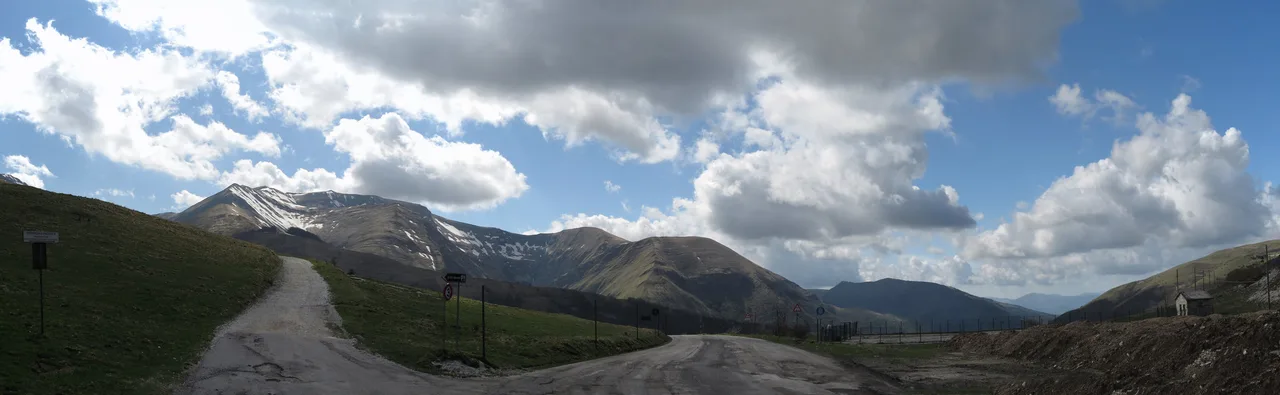
Last updated November 2026: Sibillini National Park (Parco Nazionale dei Monti Sibillini) is an Apennine park across Marche and Umbria, with Visso as its nearest town. It suits walkers who want high-mountain scenery, quiet villages and the Castelluccio lentil bloom, not coast or Alpine peaks. Use this guide to pick a base, match a hike to your days, and place the park within the wider national parks of Italy.
Featured image: bygdb - Gianni Del Bufalo (CC BY), CC BY 2.0, via Flickr.
Sibillini National Park at a glance
Monti Sibillini spans Marche and Umbria and covers the provinces of Macerata, Fermo, Ascoli Piceno and Perugia. Italy established the park on 6 August 1993, and its listed area is about 697 km². Visso is the nearest town and hosts the park authority, Ente Parco Nazionale dei Monti Sibillini. Monte Vettore is the highest peak, and many summits in the range pass 2,000 m. Visits revolve around villages and trailheads, not a single gate. Late spring to autumn suits most walkers, with the lentil bloom as the headline event.
- Regions: Marche and Umbria
- Nearest town: Visso, also the park authority's base
- Established: 6 August 1993
- Listed area: about 697 km²
- Highest peak: Monte Vettore
Is Sibillini worth it? Who it suits and who should pick another park
Sibillini is a high Apennine park visited from villages, not a headline coast or an Alpine range. It suits hikers, slow drivers and food-minded travellers. Skip it if you need frequent public transport to trailheads. Nearby Apennine parks offer a different balance. Gran Sasso and Monti della Laga fits a combined mountain trip. Majella attracts a similar walking crowd. Abruzzo National Park Guide: Wildlife, Hikes & Where to Stay adds another route for readers linking several parks. For another quiet forest option, look at Foreste Casentinesi. Coastal parks such as Cinque Terre are a different kind of trip entirely.
Best things to do in Monti Sibillini
Pick three or four of these instead of trying them all. Each one trades effort against season and access.
- Piano Grande and Castelluccio di Norcia: a short stop by car or a longer walk on marked paths. Best in the lentil bloom window.
- A day hike from a village base: Visso, Fiastra or Montemonaco give the quickest access to the ridges. Summer to early autumn is the easiest season.
- Sibyl's Cave on Monte Sibilla: a high-altitude hike to a cavity at about 2,150 m. Expect a long day and variable weather.
- Lake of Pilate: a legend-led hike, best in snow-free months. Ask the park office about access rules before you set out.
- A village night in Visso or Norcia: slow evenings, local restaurants and an early start on the trail.
- Food stops: buy Castelluccio lentils, ciauscolo and pecorino from local shops and farm sellers.
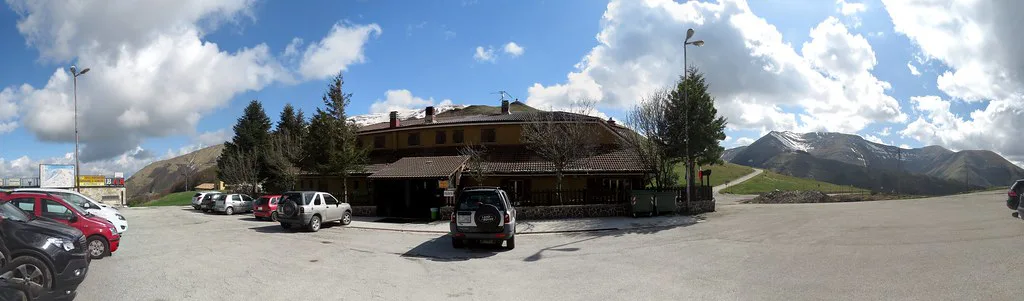
Hiking and trekking in Monti Sibillini: pick by days available
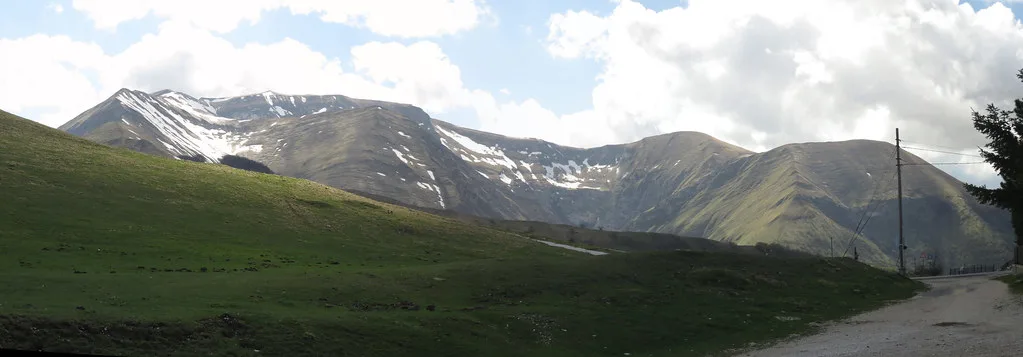
The Grande Anello dei Sibillini is a trekking loop of nine stages that starts and ends in Visso. Most visitors will walk one or two stages, not the full ring. Snow and water sources change by season, so check trail status on the official park site before choosing a route. The table matches routes to your time.
| Trip length | Route idea | Effort | Best season | Check first |
|---|---|---|---|---|
| Half day | Marked path walk around the Piano Grande | Easy | Bloom window or autumn | Path rules and parking |
| Full day | Ridge or summit hike from a village base, such as Monte Vettore or Monte Sibilla | Hard | Summer to early autumn | Snow, weather, route status |
| Multi-day | Two or three Grande Anello stages, such as Visso to Cupi to Fiastra | Moderate to hard | Late spring to autumn | Water, lodging, transfers |
| Full loop | All nine Grande Anello stages | Hard | Summer to early autumn | Closures and reroutes |
- Stage 1: Visso to Cupi
- Stage 2: Cupi to Fiastra
- Stage 3: Fiastra to Monastero
- Stage 4: Monastero to Garulla
- Stage 5: Garulla to Rubbiano
- Stage 6: Rubbiano to Colle di Montegallo
- Stage 7: Colle di Montegallo to Colle le Cese
- Stage 8: Colle le Cese to Campi Vecchi
- Stage 9: Campi Vecchi to Visso
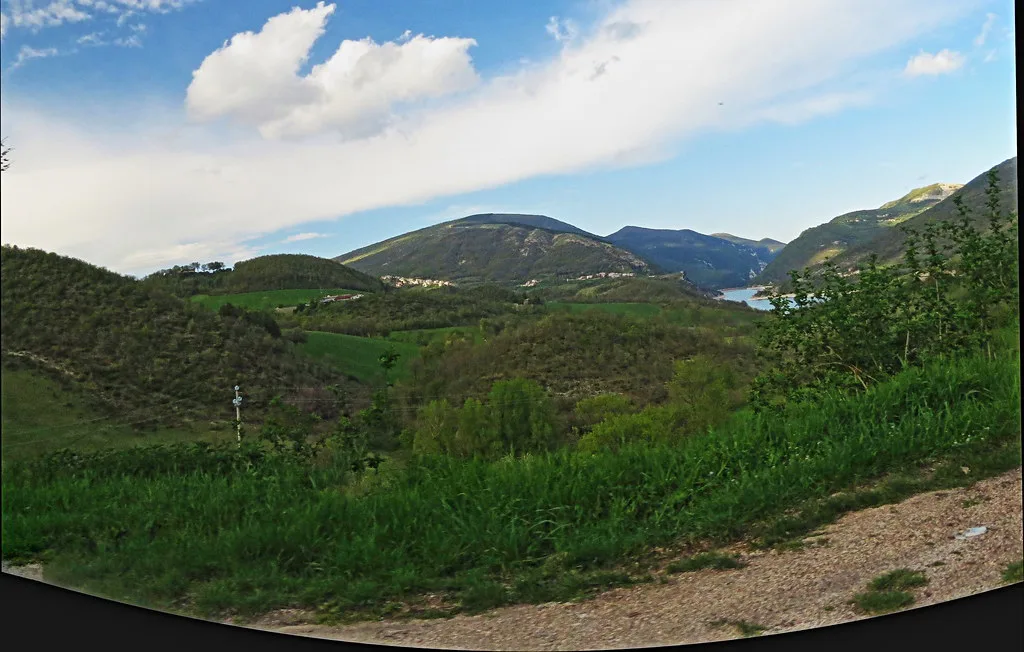
Castelluccio di Norcia flowering: timing and etiquette
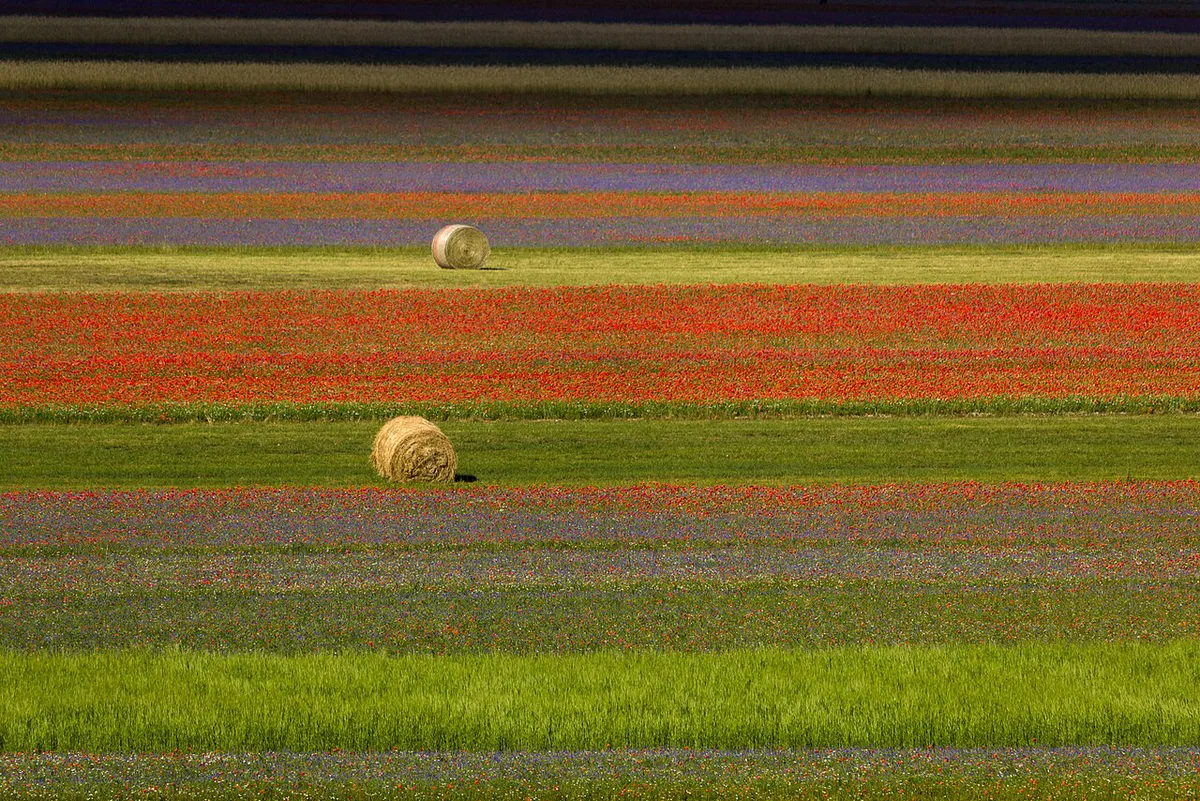
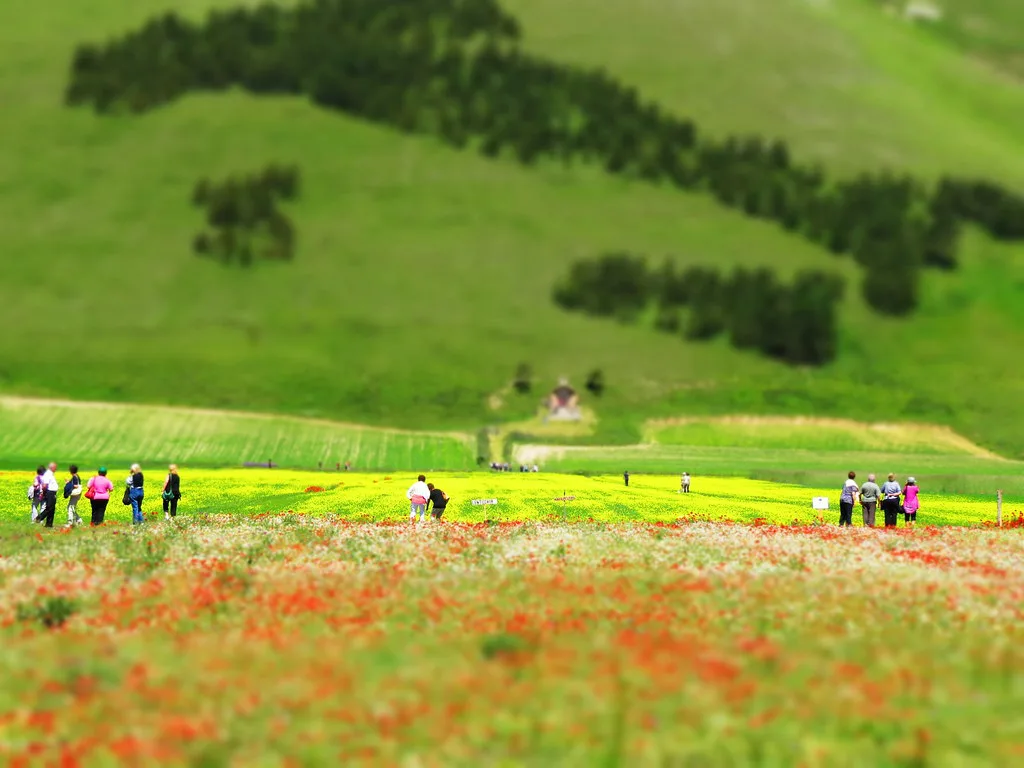
Lentil flowers at Castelluccio di Norcia typically appear between the end of May and the second half of July. Exact timing depends on rain, temperature and the season. The Blooming Festival is celebrated symbolically on the last Sunday of June, so a festival date never guarantees peak colour. Build in two or three flexible days and watch local reports in the weeks before you travel. Weekday visits and early starts reduce parking pressure on the Piano Grande. Walk only on the established paths, because stepping into the fields damages the crop. Ask the Norcia municipality or the Marche tourism office about current traffic and parking rules.
Legends of the Sibyl and Pilate
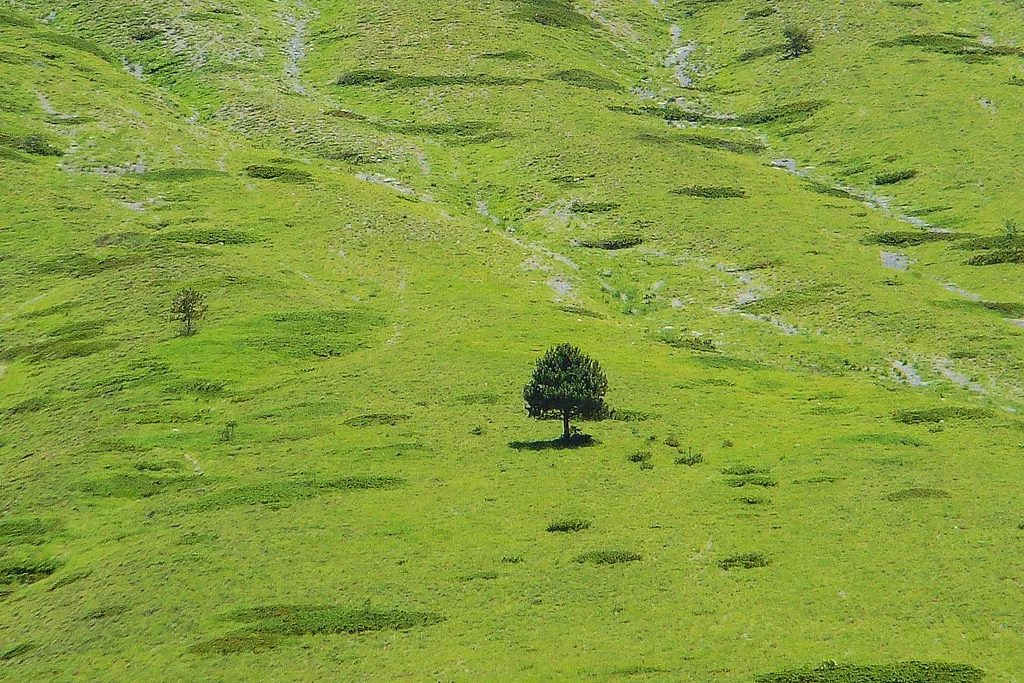
Two legends shape the range. Sibyl's Cave sits at about 2,150 m on Monte Sibilla. Tradition says a prophetess was condemned to live inside the mountain until judgment day. Lake of Pilate carries the second tale. Legend holds that the remains of Pontius Pilate lie at the bottom of the lake. After his execution, his body was placed on a cart drawn by buffaloes, which ran wild and plunged into the water. Both places are real hiking destinations at high altitude. Treat them as full mountain days with checked trail status, not casual strolls.
Villages and where to base yourself
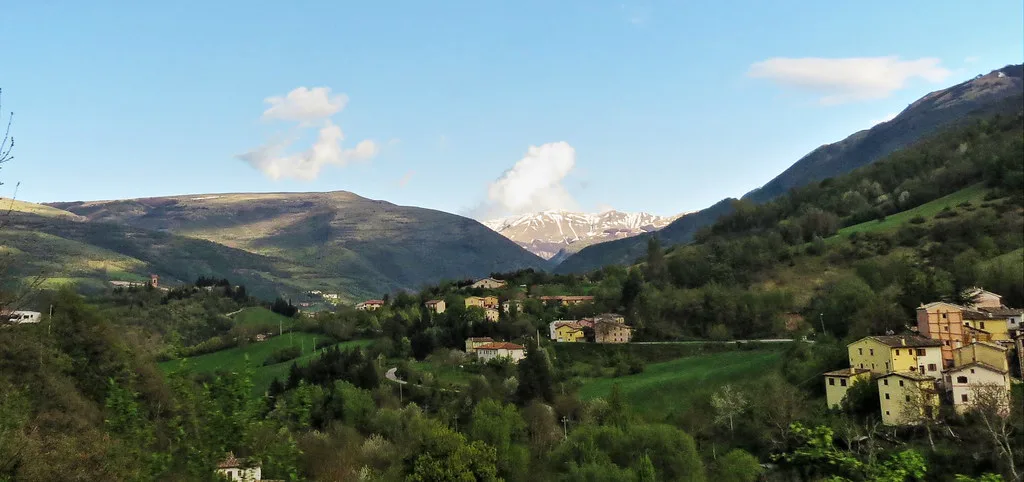
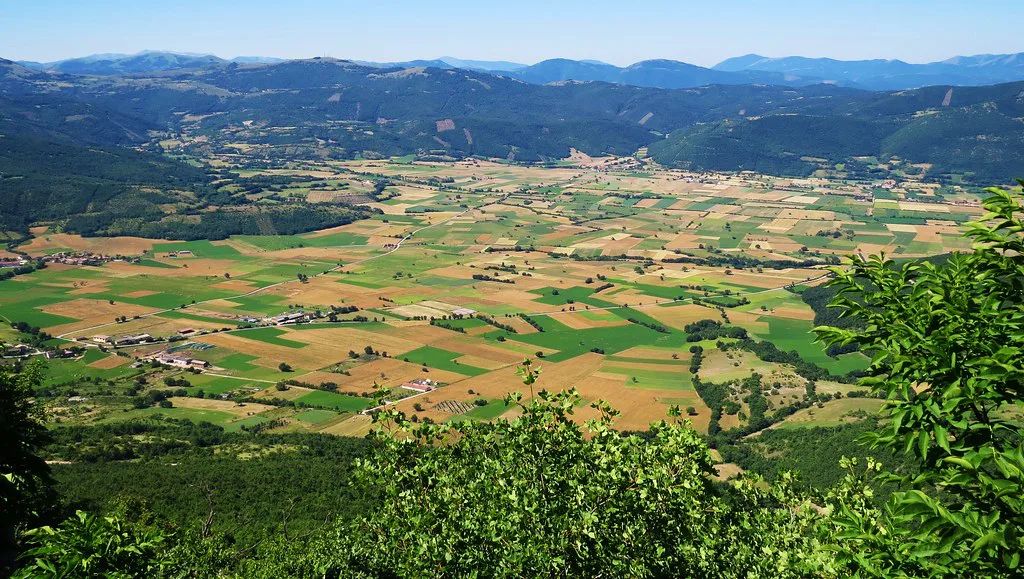
Four bases cover most trips. Choose by trail access, services and earthquake-recovery status. An earthquake affected many villages in this area, so confirm which streets, roads and trails are open with the municipality or park authority.
| Base | Good for | Trade-off |
|---|---|---|
| Visso | Park authority base, Grande Anello start and finish, village services | Trail choice varies by season |
| Norcia | Umbria side, food shopping, restaurants | More driving to Marche trailheads |
| Fiastra | Grande Anello stages Cupi to Fiastra and Fiastra to Monastero | Smaller village, fewer services |
| Amandola or Montemonaco | Quiet southern bases for ridge hikes and local apples | Longer drives to the Piano Grande |
How to get there and get around
A car is the practical choice. Public transport rarely reaches trailheads, and mountain roads change with the season. Ancona, Perugia and Rome are the usual airport options to compare. Foligno and Ascoli Piceno are the rail links worth checking. Verify timetables with Trenitalia and the regional bus operators, then plan the last stretch by car or pre-booked transfer.
- Airports to compare: Ancona, Perugia, Rome
- Rail towns to check: Foligno, Ascoli Piceno
- Car: needed for most trailheads and for the Piano Grande
When to go: season by season
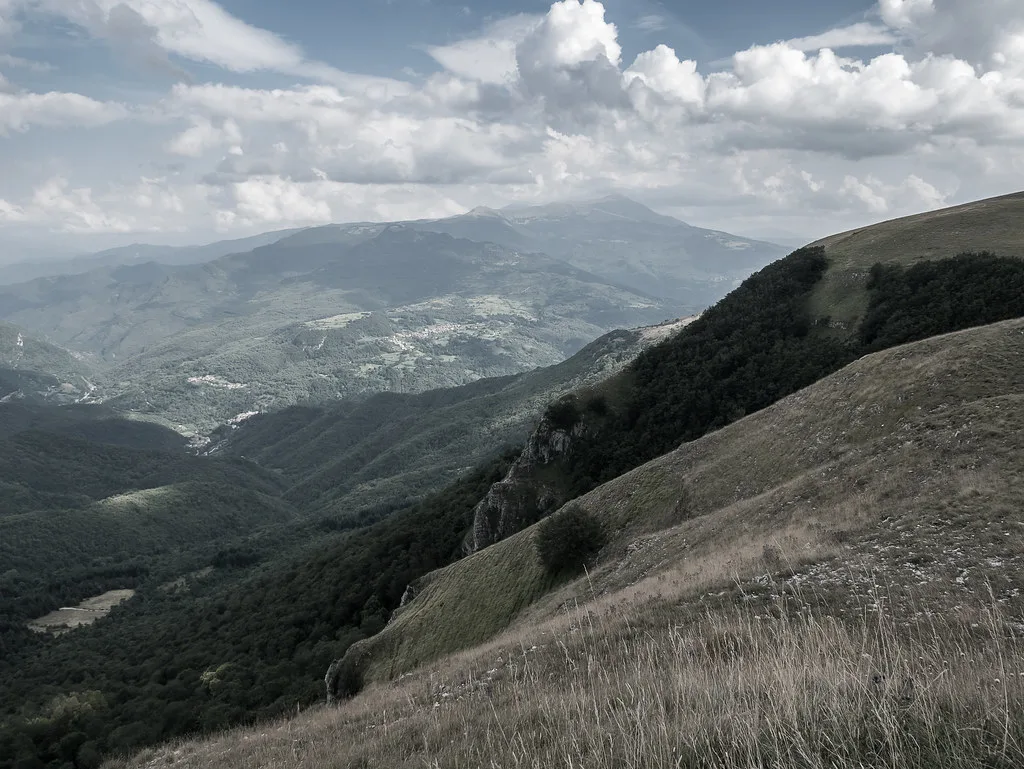
Spring brings green slopes and variable weather. The bloom window runs from the end of May to the second half of July, with the festival on the last Sunday of June. Summer suits high hikes, though heat and afternoon storms need an early start. Autumn offers foliage and food-led trips. Winter snow can close high routes and roads, so keep plans flexible and check local advice.
Costs, permits, and rules
Park entry typically carries no ticket. Camping, fires, dogs, drones, foraging and refuge costs are set by the park authority, so check the official park pages before you go.
Food and local specialties
Local food is a reason to visit. Castelluccio lentils are the best-known product. Look for ciauscolo, the spreadable salami of Marche, plus pecorino, truffles and mele rosa, the local pink apple. Buy from village shops, farm sellers and restaurants in Visso, Norcia and Amandola. Ask the park authority or the tourism office for a current list of producers, and avoid buying from roadside sellers you cannot identify. Pair a lentil soup or norcineria platter with a day on the trail.
Wildlife, flora, and responsible visiting
Wolves, deer, golden eagles and other raptors live in the park, but sightings are never guaranteed. Keep distance, take rubbish home and stay on marked trails. In the lentil fields, walk only on paths. Avoid drones and open fires unless the park authority confirms they are allowed.
Sample itineraries
Match the plan to the base and your time.
- 1 day: base in Visso or drive to the Piano Grande. Take a short marked walk and eat locally.
- 2 days: base in Visso. Walk one Grande Anello stage on day 1, then a village and food day on day 2.
- 3 to 4 days: day 1 Piano Grande, day 2 a Grande Anello stage, day 3 Norcia food stops, day 4 a Sibyl's Cave or Lake of Pilate hike once access is confirmed.
Mistakes to avoid
Most problems come from over-planning one date or one road.
Altitude is easy to underrate on a village-based trip. Sibyl's Cave sits at about 2,150 m on Monte Sibilla, so build in a flexible day for it.
- Relying on a fixed bloom date
- Assuming public transport reaches trailheads
- Entering lentil fields off the path
- Underestimating altitude weather
- Assuming every village is fully open
Plan your next national park
After Sibillini, 10 Best National Parks in Italy by Trip Type compares the options. Pollino is a larger mountain park in the south. Sila adds forest and lakes. Cilento mixes coast and hills. Aspromonte and Gargano round out the southern routes.
Frequently Asked Questions
What is the best national park in Italy?
No single park wins for every trip. Walkers who want quiet villages and high ridges look at Sibillini, while coastal travellers lean toward Cinque Terre.
What are the most beautiful hikes in Italy?
Within Sibillini, the nine-stage Grande Anello and the paths around the Piano Grande are the standout routes. Choose by season and check trail status before you start.
Notes for your next park visit
Optional updates to our national park guides.
Read next
Keep planning
Picked from the same area