
Pollino National Park Guide: Where to Stay, Hikes & Planning
Plan Pollino National Park in Calabria and Basilicata: how to get there, where to base yourself, hiking, villages, seasons and who it suits.
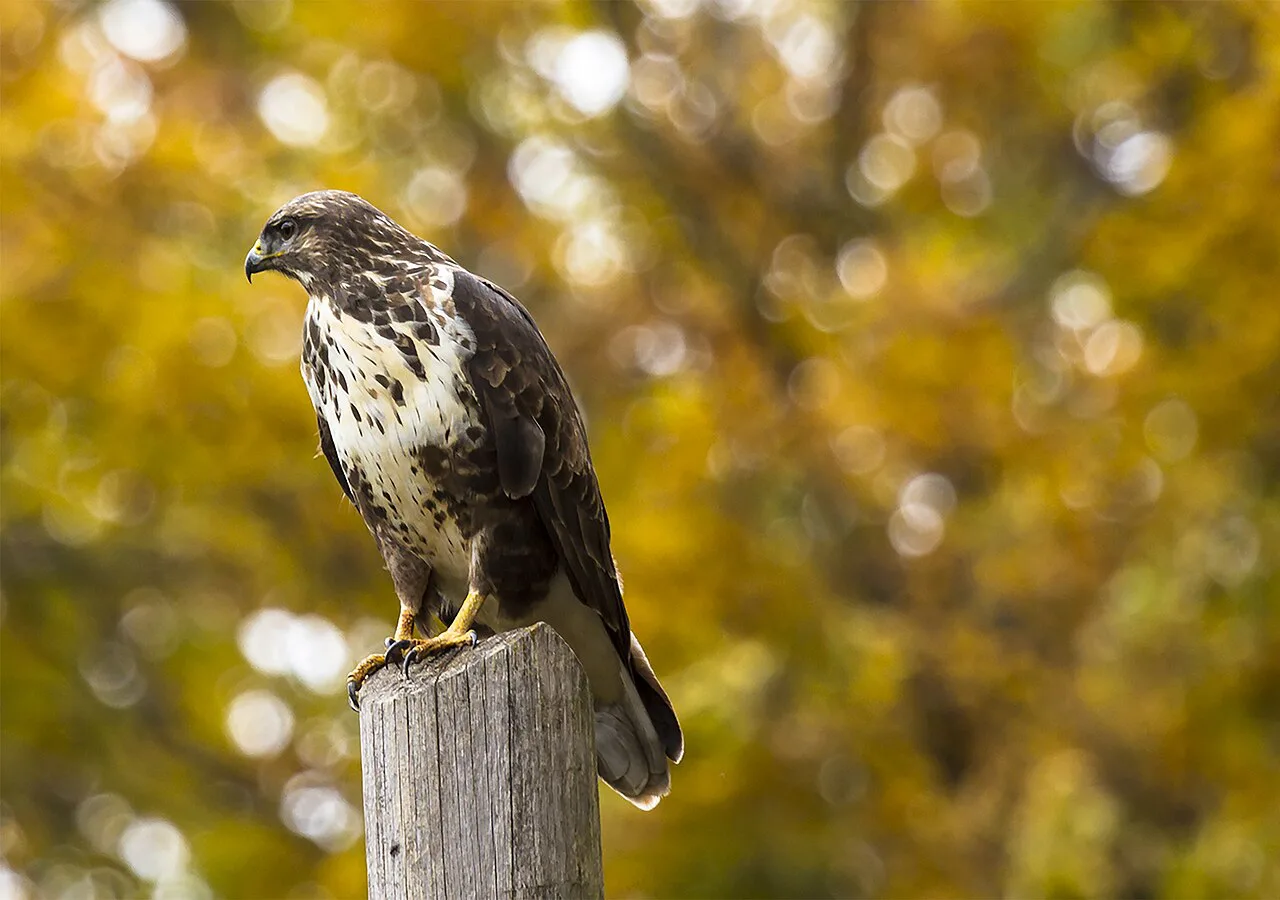
Last updated November 2026: Pollino National Park covers 1,925.65 square kilometers around the Pollino massif on the Calabria and Basilicata border in southern Italy. Hikers, village-hoppers and road-trippers get the most from it, and a car is realistically needed to link trailheads and villages. Our guide to Italy's national parks shows where Pollino sits among the other options.
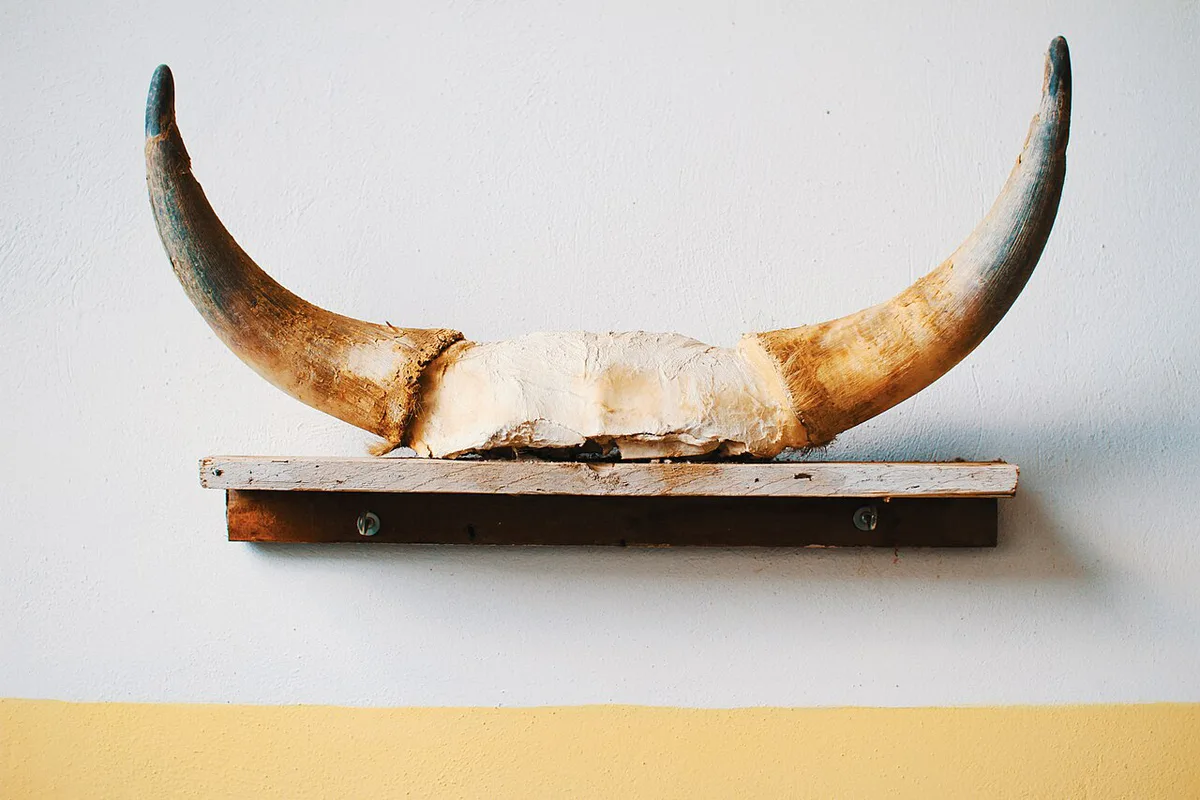
Featured image: Alessandro La Becca bisco, CC0, via Wikimedia Commons.

Pollino National Park at a glance
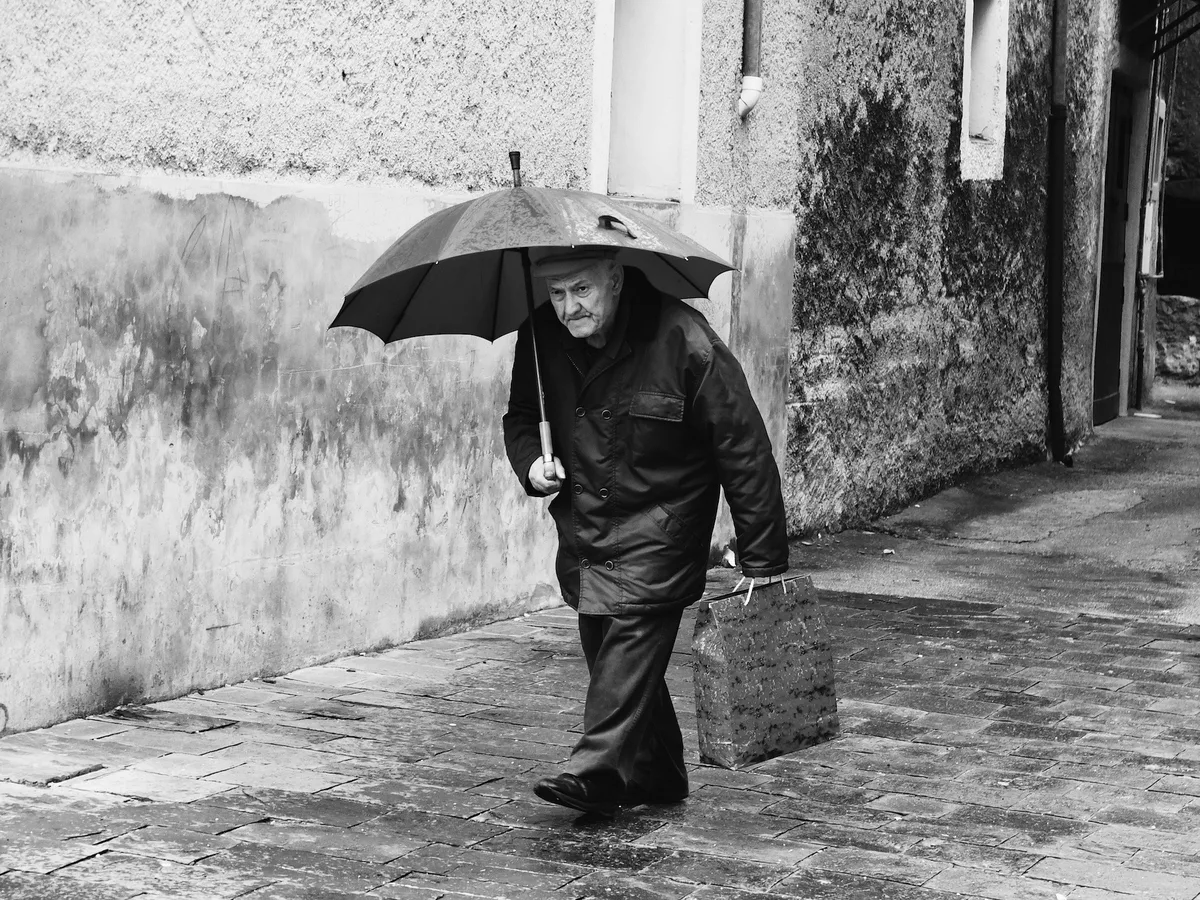
Pollino spans the provinces of Cosenza, Matera and Potenza. Describe it as a Calabria-Basilicata park, not as a park "in Potenza". Italy's largest national park, it joined the UNESCO Global Geoparks list in 2015. Its emblem is the Bosnian pine, known locally as pino loricato. A Heldreich's pine of about 1,230 years is thought to be Europe's oldest dated tree. Boundaries, rules and visitor centres are listed on the official park authority site. Wildlife named for the park includes:
- Golden eagle
- Italian wolf
- Otter
- Black squirrel
- Peregrine falcon
Is Pollino worth visiting?
Pollino rewards travelers who want quiet mountain scenery, old-growth pine and Albanian-speaking villages. Skip it on a short first trip to Italy without a car. Distances between villages are long, and stops are sparse. Readers still comparing parks can start with our best national parks ranking. Anyone with a rental car and three days in the south will find Pollino easier and calmer than the better-known coastal parks.
How to get to Pollino and get around
Plan on driving. Road approaches run through Lagonegro on the Basilicata side and Castrovillari on the Calabria side. Public transport timetables to the park villages change often, so check the park authority and regional operators before relying on a bus. Basilicata's official tourism site is the place to check regional travel information. Fill the tank and carry food before entering the mountain stretches.
Best things to do in Pollino National Park
Walking is the main draw. Pino loricato stands are the signature sight, and the park authority publishes current trail information. Choose routes by fitness and season, because mountain weather shifts quickly. Civita is the village to see for Arbëreshé culture and a setting among the rocks. Wildlife watching suits early starts away from the villages. Raganello Gorge river activities may be available, but confirm operators and safety requirements before booking.
- Pino loricato walks: check trail grades with the park authority
- Civita: Albanian-speaking heritage and rock-set village lanes
- Agritourism meals: local products in farm settings
- Wildlife watching: eagles, falcons and otters are all recorded in the park
Where to base yourself: Calabria side vs Basilicata side
Pick a base by how you travel. Villages suit slow, scenic stays, while towns with services suit drivers who need shops and restaurants. Agritourism stays suit travelers who want meals on site. Check each town's access with the park authority before booking.
| Base | Best for | Access | Trade-off |
|---|---|---|---|
| Civita | Culture and village atmosphere | Road approach via Castrovillari | Small village, limited services |
| Castrovillari | Town services and a central base | Road, on the Calabria side | Less village character |
| Rotonda | Basilicata-side stay | Road approach via Lagonegro | Car needed for trailheads |
| Terranova di Pollino | Quiet mountain stay | Road approach via Lagonegro | Remote, plan fuel and food |
How many days to plan
Pollino rewards slower trips. One day covers a single village and a short walk. Two to 3 days allow a proper hike plus a second base. Use the options below to match your time.
Two to 3 days allow a proper hike plus a second base. Since trailheads need a car, budget the drive between the two bases as part of that time.
- 1 day: Civita plus a short walk near one trailhead
- Weekend: one hike among pino loricato and a village night
- 3 days: two bases, a longer hike and an agritourism meal

Best time to visit
Seasons change the park's character. Summer suits hiking but brings heat at lower altitudes. Autumn brings color, and winter snow can close roads and trails. Spring brings wildflowers. Check the official park site for current trail and road status before you set out.
| Season | Best for | Watch for |
|---|---|---|
| Spring | Wildflowers and mild walks | Variable mountain weather |
| Summer | High-altitude hiking | Heat and busy coast roads |
| Autumn | Forest color and quieter trails | Shorter daylight |
| Winter | Snow scenery | Closures and road conditions |
Costs, permits and practical rules
No fee schedule is confirmed here for 2026. Park rules, guide requirements and any charges are listed on the park authority's site, so check it before hiking. Agritourism stays usually cost less than hotels in larger towns, but compare rates directly.
Combining Pollino with the coast and nearby areas
Praia a Mare offers a Tyrrhenian beach add-on, and Cosenza works as a city stop. Work out the drive times before committing to a same-day mix. Other Calabrian options include Sila National Park Guide: Where to Stay & How to Visit. A southern-Italy alternative is Cilento National Park Guide: Caves, Coves, Trails & Where to Stay. Travelers adding a second Calabrian park can look at Aspromonte National Park: Hikes, Access and Trip Planning.
Common mistakes to avoid
These are practical tips, not park rules.
- Relying on public transport between villages
- Underestimating mountain weather
- Starting a remote drive with a low tank
- Skipping advance booking for agritourism in summer
Frequently Asked Questions
What is the best national park in Italy?
It depends on what you want. Pollino suits quiet hiking and village culture in the south. Our best national parks guide compares the options.
What is the largest national park in Italy?
Pollino is Italy's largest national park, at 1,925.65 square kilometers; the park authority holds the current figure.
Notes for your next park visit
Optional updates to our national park guides.
Read next

Keep planning
Picked from the same area