
Swiss National Park Guide: Hikes, Access & Rules
Plan the Swiss National Park in Graubünden: which hikes suit you, wildlife timing, strict park rules, and how to get there by bus or train.
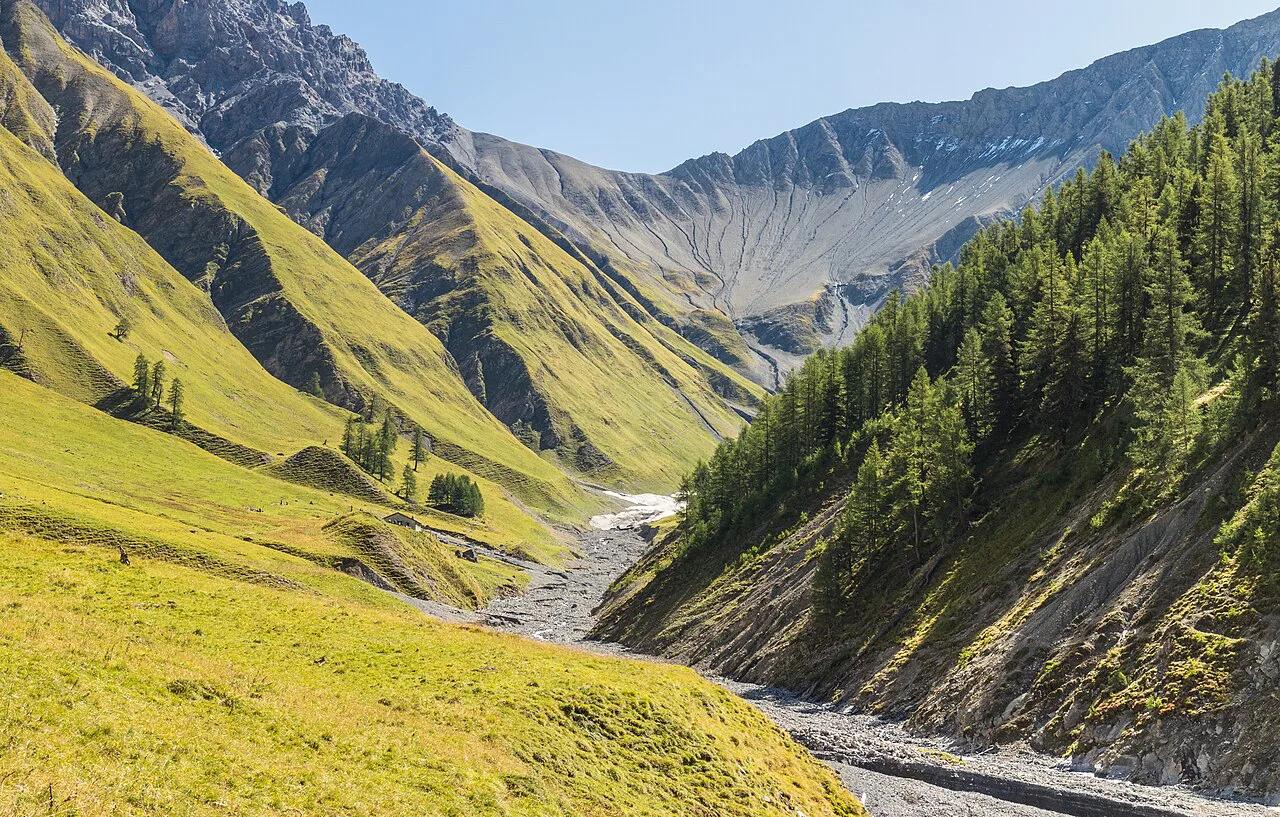
Last updated November 2026. The Swiss National Park is Switzerland's only national park, set in the Lower Engadin in Graubünden with Zernez as its gateway. Its visitor centre is in Zernez, and its rules are far stricter than those of most Alpine parks. This guide covers which hike fits your time, when wildlife shows up, and how to get there without a car. For the national picture, see our overview of Swiss national parks.
Featured image: Agnes Monkelbaan, CC BY-SA 4.0, via Wikimedia Commons.
Swiss National Park at a Glance
Reported figures put the park at about 174 km² (roughly 67 sq mi). It borders Italy's Stelvio National Park and sits between Zernez, S-chanf, Scuol and the Fuorn Pass. It opened on 1 August 1914 and became a UNESCO Biosphere Reserve in 1979. Its main visitor centre is in Zernez, the gateway town. Founders wanted land left to natural processes under scientific observation, and that goal still explains the rules. Visitors walk through forest, alpine meadow and scree rather than a managed landscape. Peaks above 3,000 m include Piz Pisoc at 3,173 m and Piz Quattervals at 3,165 m (about 10,384 ft).
- Location: Lower Engadin, canton of Graubünden
- Gateway and visitor centre: Zernez
- Trail network: about 80 km of marked paths
- Marked routes: 21 in the park's hiking guide
- Status: only national park in Switzerland
Is It Worth Visiting? Who It Suits
This park rewards walkers who want wildlife and quiet rather than lifts and viewing platforms. It suits families on short nature trails and fit hikers on full-day routes. It also suits anyone who likes watching animals through binoculars. It suits you less if you want cable cars, off-trail scrambling or a dog on the trail. Nearby lifts such as Corvatsch and Diavolezza are outside the park, so do not count them as a park visit. Rainy days still work, because the Zernez visitor centre has exhibits indoors. Opening times change by season, so check the official park site.
Swiss National Park Rules That Shape Your Visit
Walkers must stay on marked paths. The park is run as a strict reserve, so the usual Alpine freedoms do not apply. Expect bans on dogs, bikes, camping, open fires and picking plants. The visitor-rules page gives the exact current wording, so read it before you travel. These rules decide your trip. A dog or a bike means you need a different base outside the park. Cyclists find routes in the surrounding region instead.
- Stay on marked trails at all times
- Leave dogs at your lodging
- Leave bikes outside the park
- Plan a bed outside the park, since camping is not allowed
- Leave plants where they grow
Best Hikes in the Swiss National Park by Time and Fitness
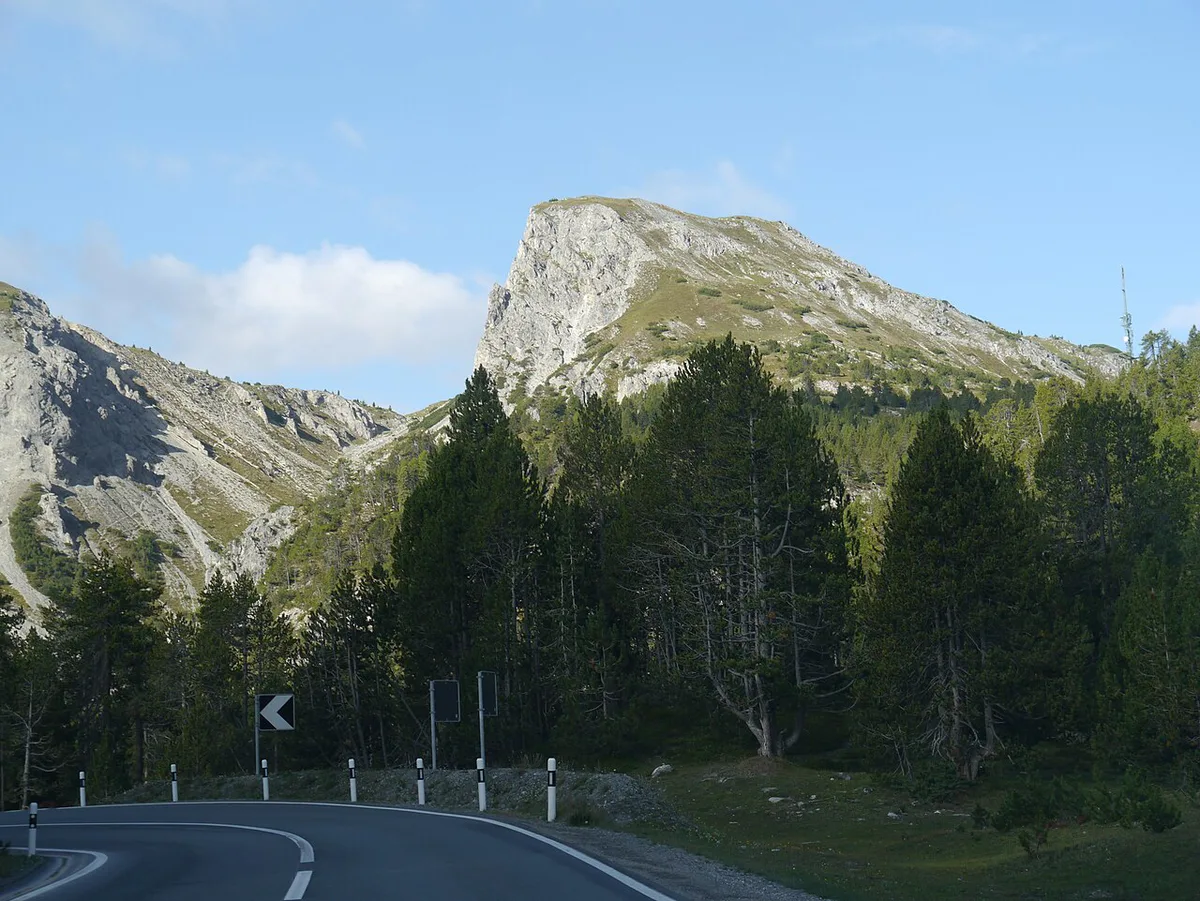
The park lists 21 routes. Distances and times below are published figures, and on some routes they differ by a kilometre or two from one source to another. Cross-check against the park's hiking guide before you pick one. Alp Trupchun is the usual first choice for wildlife. Murtersattel suits a full morning. Val Tantermozza works when weather turns.
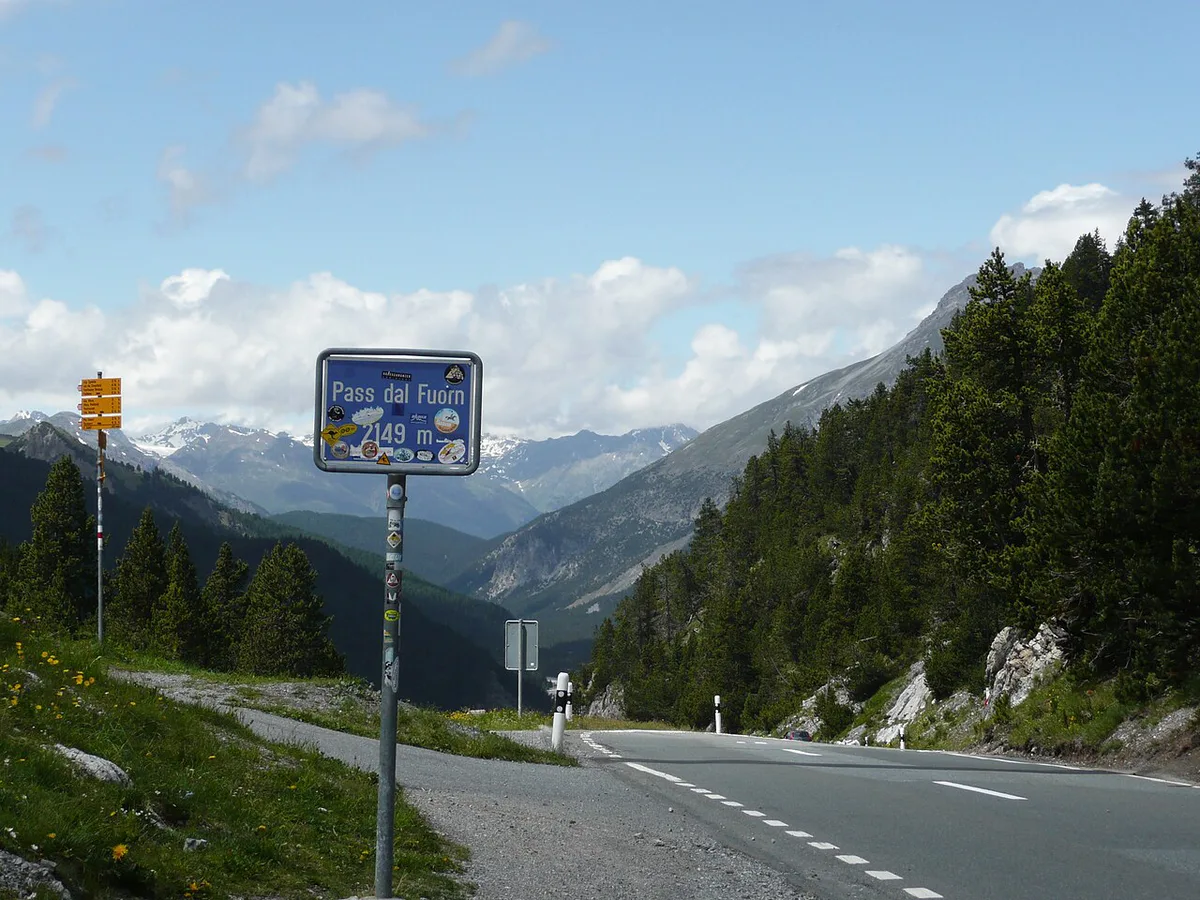
Murtersattel runs 3 hours 45 minutes, so a postal bus on the Fuorn Pass road only fits if its timetable leaves room for that walk.
| Route | Listed time | Listed distance | Best for |
|---|---|---|---|
| Alp Trupchun | About 3 h | About 7 km | Deer watching, best in Sept–Oct |
| Il Fuorn–Margunet nature trail | 3–4 h | Check guide | Families and learning |
| Murtersattel | About 3 h 45 min | About 7.5 km | Fit walkers, marmots, chamois |
| Val Tantermozza | About 40 min | About 1.5 km | Short outing, bad-weather fallback |
| Piz Quattervals | About 5 h | About 5 km | Experienced mountain hikers |
| Champlönch children's trail | Check guide | Check guide | Children, audio stories |
Wildlife and When to See It
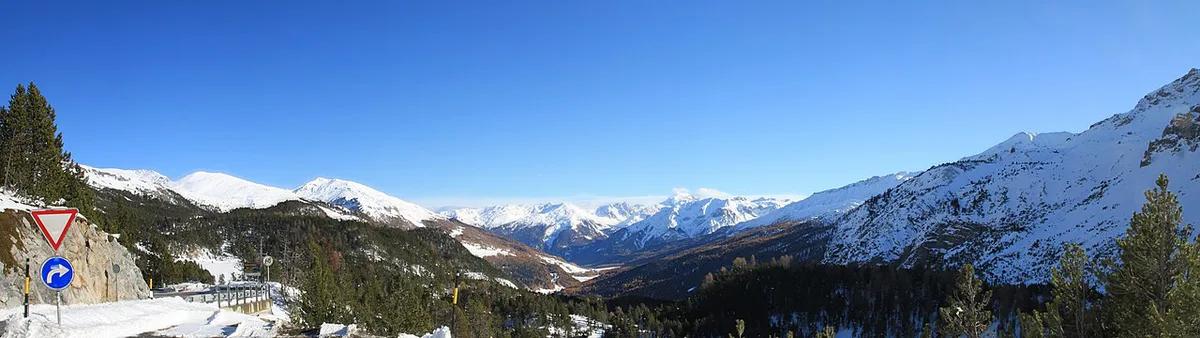
Animals here reward patience, and no sighting is guaranteed. Binoculars matter more than any other piece of gear, and the visitor centre in Zernez rents binoculars and telescopes. Dawn and dusk give the best odds for red deer, so Alp Trupchun in September and October is the classic plan. Ibex favour cooler, windier ground such as Fuorcla Trupchun. Chamois are often seen above the tree line, for example at Murtaröl or Val Cluozza. Marmots can be found at Alp Grimmels or Alp Stabelchod until the end of September. Avoid the hottest midday hours for marmots. Bearded vultures and golden eagles ride afternoon updrafts near Mot Tavrü and Munt la Schera. Do not plan around bears or lynx.
How to Get There and Get Around
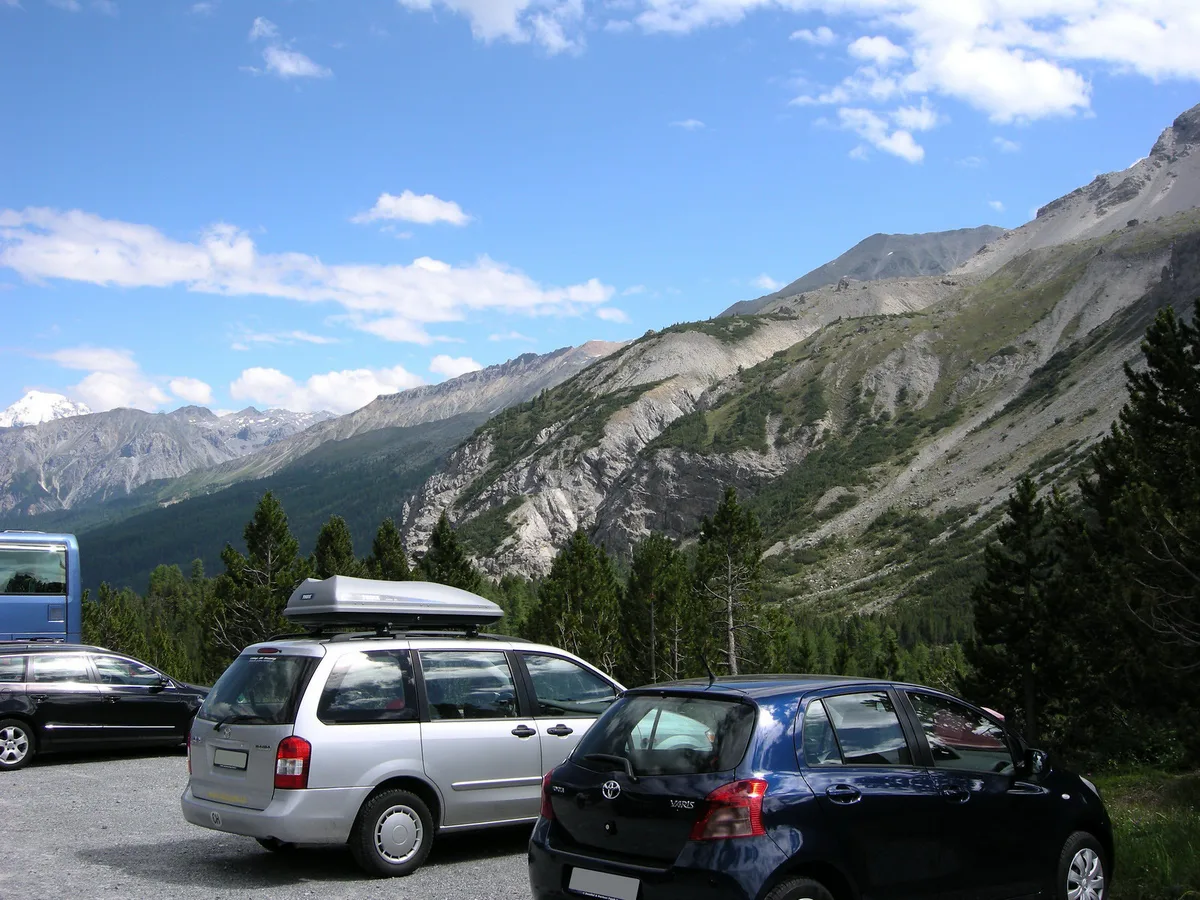
Zernez is the hub for reaching the park by public transport. Trains serve the Engadin, and a postal bus runs along the Fuorn Pass road. Numbered stops mark the trail access points, such as P1 Champlönch and P6 Il Fuorn. Parking lots use the same numbering, and a few routes end at different lots from where they start. That makes the bus useful for one-way hikes. Fares and timetables belong to the official operators, so check them on the Swiss rail and PostBus sites. Winter service often differs from summer service. Read our Zernez base guide for town services.
- Car-free: train to Zernez, then postal bus along the Fuorn Pass road
- By car: use the numbered park lots and plan the return leg
- Hike design: start at one numbered stop and finish at another by bus
Costs, Opening Season and Visitor Centre
No entry fee figure is confirmed here, so check the official site for any charge for parking, guided programs or exhibitions. Switzerland is among Europe's pricier countries, and mountain lodging adds to the bill. Opening season, snow closures on high trails and bus operating dates all shape the plan. The Zernez visitor centre opened in a new building in 2008 and was first opened in 1968. It makes the best first stop for trail status and a rainy-day fallback. Phone details sit on the park's visitor page.
Where to Stay: Inside the Park, Zernez or Further Afield
Hotel Parc Naziunal Il Fuorn sits inside the park and puts you on the trails at dawn. Chamanna Cluozza is a hut reachable on foot. Confirm both are open for your dates. Zernez gives you the train, buses, shops and the visitor centre. Guarda, S-chanf and Scuol are other bases around the park edge. Choose Il Fuorn for early wildlife and Zernez for simple transit. Regional lodging listings appear on the Engadin tourism site.
Plan Your Time: Half Day, One Day, Two Days
With half a day, visit the Zernez centre and walk Val Tantermozza for about 40 minutes. With one day, take the postal bus to a numbered stop and walk Alp Trupchun for about 3 hours, ideally in autumn. With two days, stay at Il Fuorn. Walk the Il Fuorn–Margunet trail the first afternoon. Take Murtersattel the next morning, which is about 3 hours 45 minutes. Add Piz Quattervals only if you are fit and the weather is settled. Bus timetables decide how late you can start, so plan around the last departure.
Swiss National Park vs Austria's National Parks
Switzerland has one national park, while Austria has six. The Engadin borders Austria's Silvretta region, so the Swiss park pairs naturally with an Austrian trip. Austria's parks are more varied in type. Donau-Auen protects a river floodplain. Kalkalpen covers forested limestone. Thayatal follows a river canyon. Start with our Austrian parks overview. For ranking and picks, see the best Austrian parks. The wider region is covered in our Alps parks hub. Austrian details are listed on the national parks Austria site.
Frequently Asked Questions
Does Switzerland have national parks?
Switzerland has one national park, the Swiss National Park in Graubünden. It opened in 1914 and its visitor centre is in Zernez. Other protected areas exist, such as biosphere reserves, but they are not national parks.
Notes for your next park visit
Optional updates to our national park guides.
Read next

Keep planning
Picked from the same area