
Abruzzo National Park Guide: Wildlife, Hikes & Where to Stay
Plan a visit to Abruzzo National Park in Italy: realistic bear and wolf odds, hiking, the best base town, getting there from Rome, and when to go.
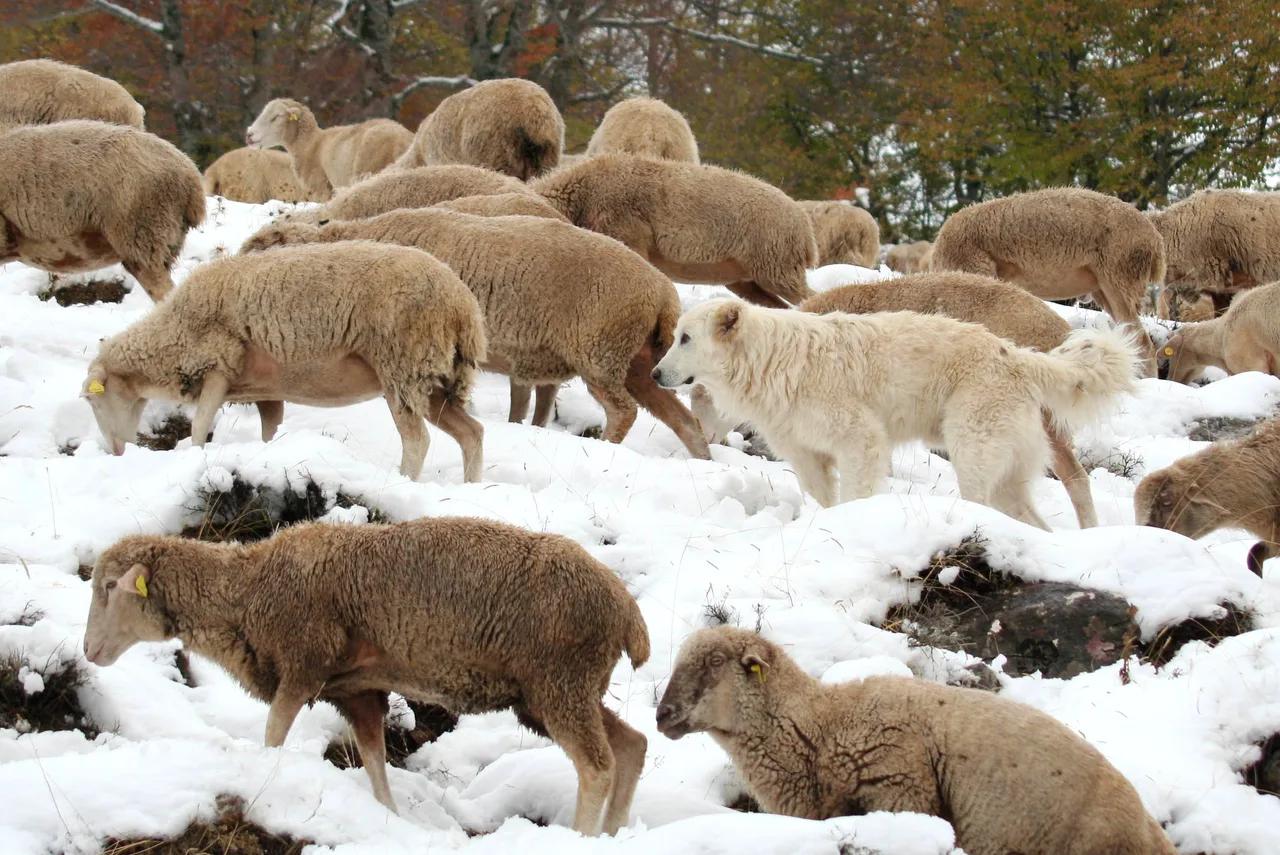
Last updated November 2026: Abruzzo National Park is the common name for Parco Nazionale d'Abruzzo, Lazio e Molise, a mountain reserve in the central Apennines. Most of it lies in Abruzzo, with smaller parts in Lazio and Molise, and Rome is about two hours away by road. Pescasseroli is the best base for most trips, and this guide covers wildlife, hikes, zones, access and seasons.
Featured image: Jon Gudorf Photography, CC BY-SA 2.0, via Flickr.
Abruzzo National Park at a Glance
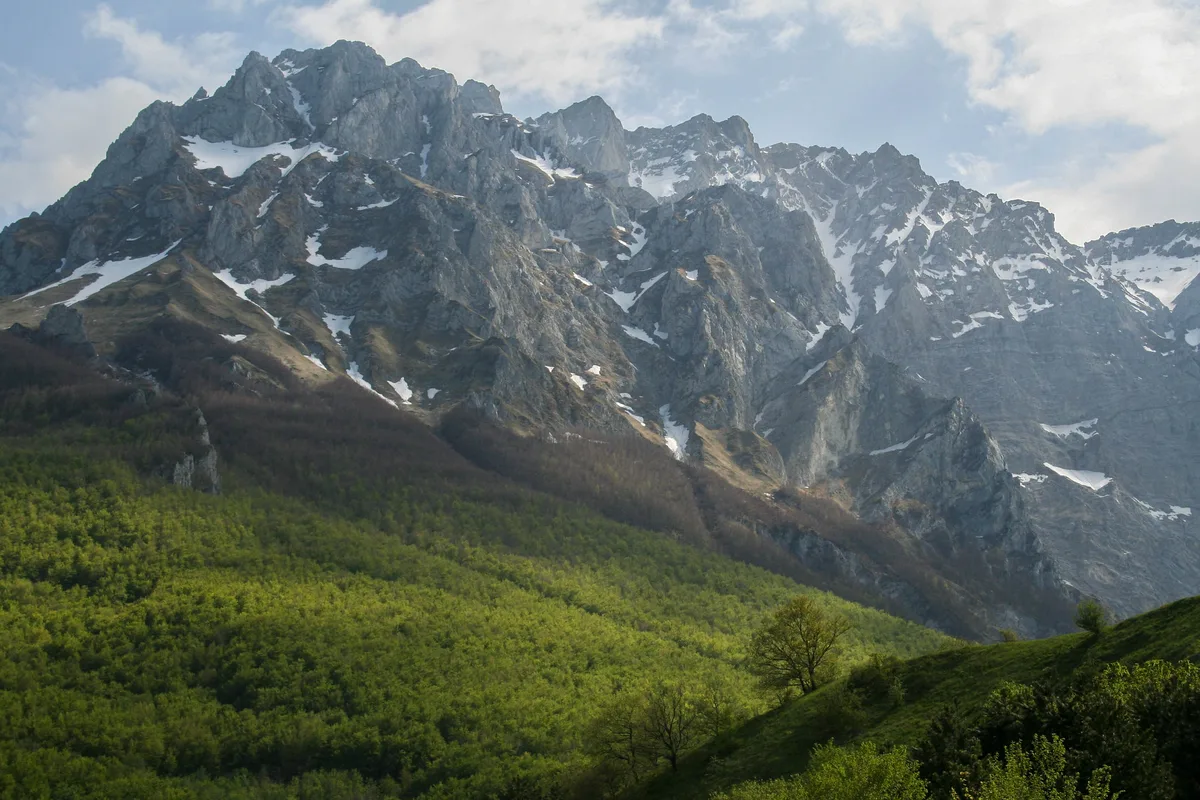
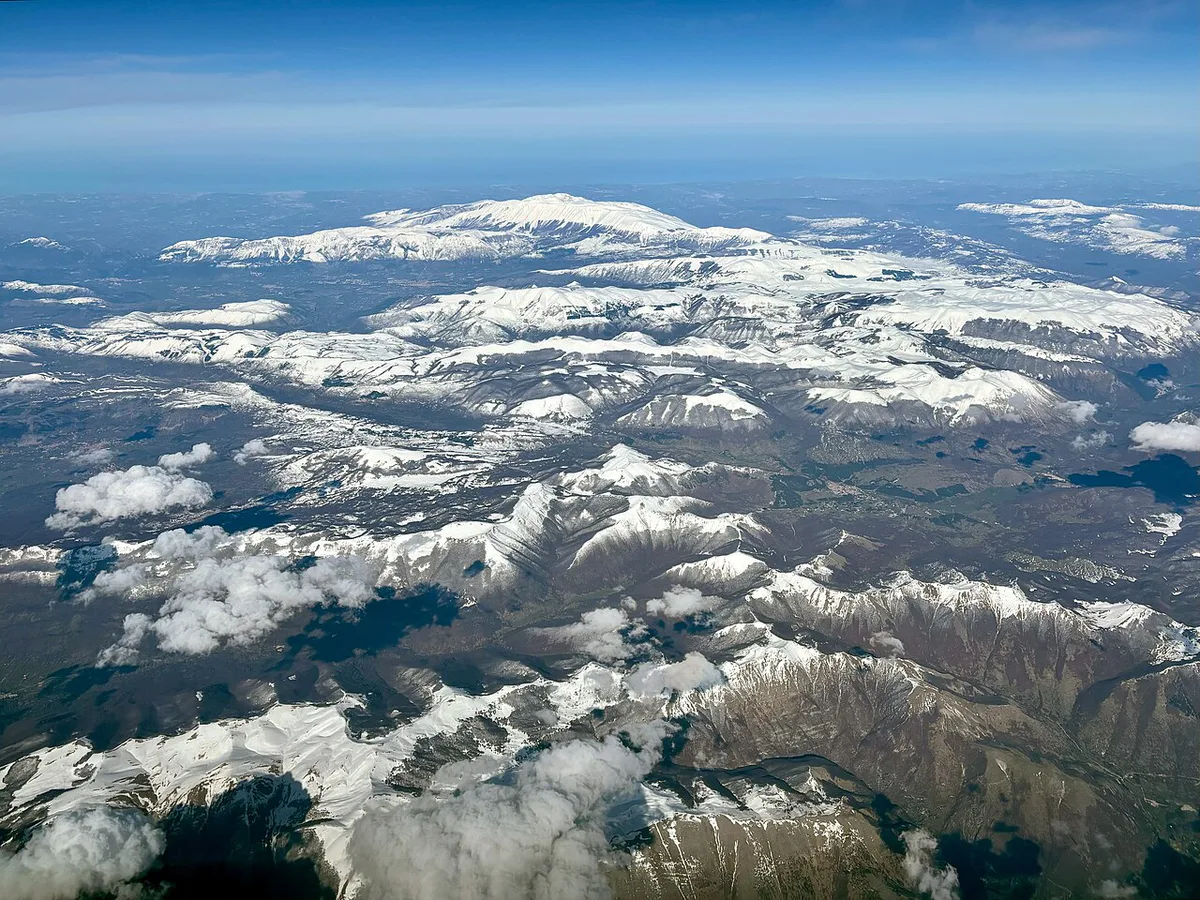
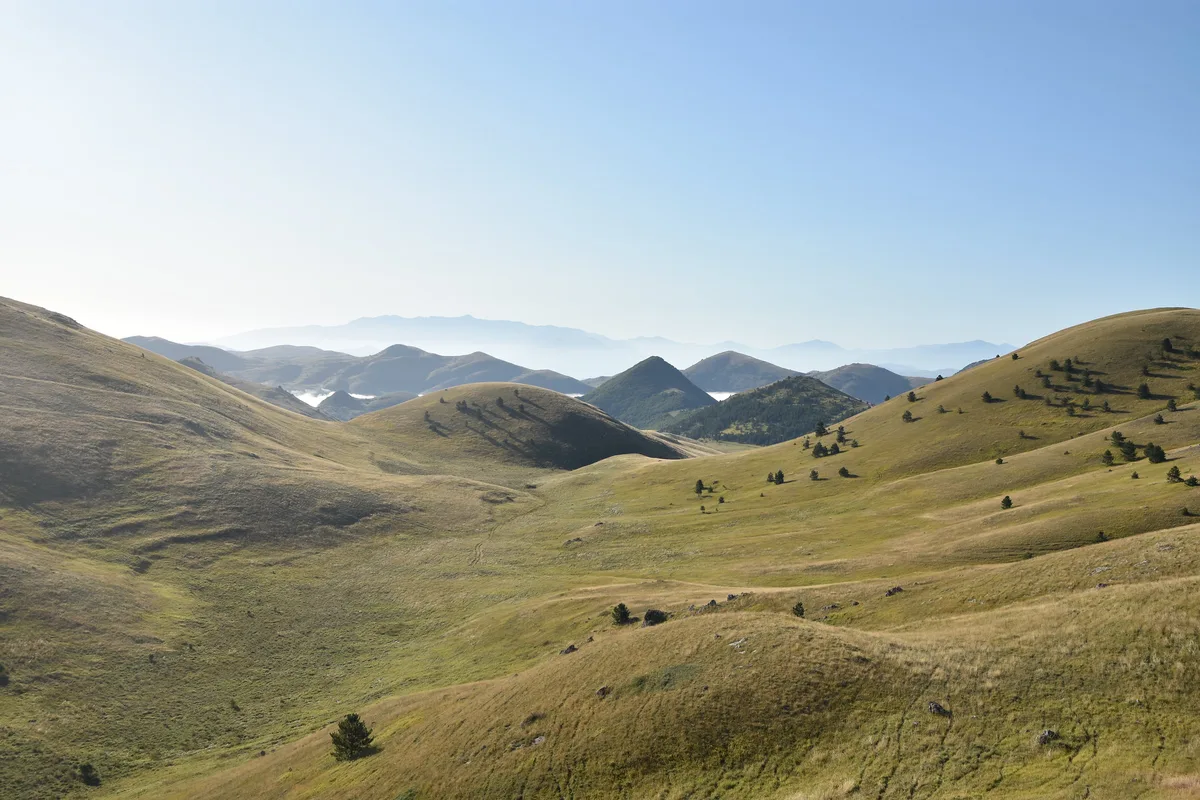
Parco Nazionale d'Abruzzo, Lazio e Molise covers 50,000 hectares (about 193 square miles), with roughly 80,000 more hectares of buffer zone around it. Founding began with a 500-hectare lease in 1921, the park followed in 1922, and a decree-law of January 11, 1923 gave it legal status. Its authority is based in Pescasseroli, in the province of L'Aquila, and lists trails, visitor centres and lodging on the park's official site. Woods cover almost 60% of the territory, mostly beech between 900 and 1,800 m (about 2,950 to 5,900 ft). Petroso is the highest peak at 2,249 m (about 7,380 ft), with Marsicano at 2,245 m and Meta at 2,242 m. Hikers and wildlife watchers get the most from it. For comparison with other reserves, see Italy's wider park system.
Is Abruzzo National Park Worth Visiting?
Go if you want forest walking, mountain villages and a modest but real chance at wildlife. Skip it if you need guaranteed animal sightings or a long list of monuments. Rome sits about two hours away by car, so a day trip is possible on paper but leaves little time on the trail. Plan a weekend at minimum, and three or four days if you want hikes plus visitor centres. Outside high summer, you may walk a full day without passing other hikers. Abruzzo holds two more national parks that pair well with this one. Walkers can add Majella's mountain trails to the same trip. A third option is the high country of Gran Sasso and Monti della Laga.
Wildlife: What You Can Realistically See
Bear sightings are rare, so treat a Marsican brown bear as a bonus. The park's own figures put the population at under 100 animals, and a bear can weigh more than 200 kg (440 lb). Outside bears, red deer, roe deer, wild boar, Apennine chamois, Apennine wolves and golden eagles all live here. Dawn and sunset give the best odds, and patience matters more than distance walked. Guides point out bear rubbing trees and tracks, which makes a quiet day feel productive. Wolves need extra care. Never approach or corner one, and never chase a photo. In April 2026, reports described suspected poisoning of wolves in the park. Debate over ski and road projects also continues, so follow the park's current visitor rules.
| Visit style | What to expect | Effort | Guide needed? |
|---|---|---|---|
| Dawn or dusk watching | Best odds for red deer and animal signs; sightings never guaranteed | Early start and long waits | Helpful, not required |
| Guided day | Tracks, rubbing trees and forest ecology explained | Moderate | The guide is the point |
| Self-guided trails | Beech forest, birds, chamois on higher ground | Varies by route | No, with a trail map |
| Rainy day | Visitor centre and wildlife areas with animals you can see for certain | Low | No |
| Winter visit | Wolf packs travel together in winter; ski and cross-country options exist | Higher | Wise for snow routes |
Best Hikes and Trail Planning
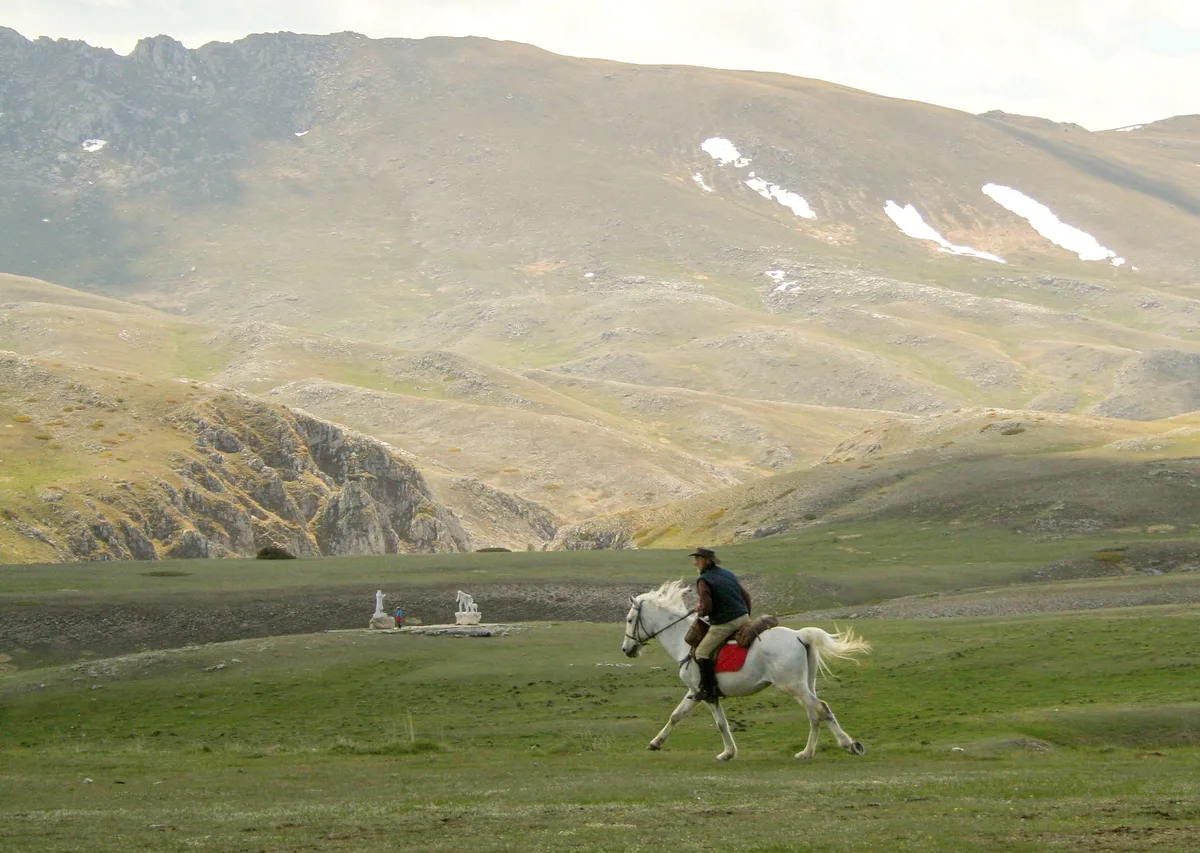
The park's trail network is large, with nearly 150 marked trails covering about 750 km (466 miles). Local tourist offices hand out a map listing them. Pick a base first, then choose routes that start near it. The park site also describes options on foot, by bicycle and on horseback. Camosciara, near Opi, is where the park began, so it makes a logical first walk. Cross-check current access before you set out. Guided walks add context to the forest itself. Intensive forest management ended about 50 years ago, and trees are slowly closing old gaps. Fallen trunks stay where they land, which feeds fungi and seedlings. Allow time to look, not just to cover distance.
Visitor Centres and Wildlife Areas
The park runs ten visitor centres, each with its own theme. Two large enclosures hold animals you can see for certain. The Pescasseroli centre shelters a couple of injured bears and other wild animals. Many displays there are in Italian only. It works well on a wet afternoon, but it is not essential on a dry day. Opening hours change, so read the current listing on the park's official pages.
Bear numbers sit under 100 animals, so for a sure bear sighting, head to the visitor centre enclosures rather than the trails.
- Pescasseroli: nature exhibits and a zoo area.
- Civitella Alfedena: wolf museum, plus an enclosure with wolf and lynx.
- Villetta Barrea: water.
- Opi: chamois.
- Villavallelonga: bear, plus an enclosure with bear and red deer.
- Pizzone and Campoli Appennino: bear.
- Bisegna: roe deer.
- Castel San Vincenzo: Apennine fauna.
- Ortona dei Marsi: flora.
Where to Stay: Pescasseroli, Villages and Mountain Huts
Pescasseroli has the most lodging and restaurants, so it suits first-timers. Smaller villages trade choice for quiet and closer access to one theme. Mountain huts, called rifugi, vary from simple to comfortable. One hut reviewed in the area offers beds, limited solar electricity and a cooked dinner for groups of up to ten. Book ahead for any hut. Pescara works as a base only if you want the coast and accept a longer drive. Cells marked "not confirmed" need a check with the park office.
| Base | Best for | Access without a car | Trade-off |
|---|---|---|---|
| Pescasseroli | Most lodging and food; park headquarters and main visitor centre | Not confirmed | Busiest base in high summer |
| Civitella Alfedena | Wolf museum and wolf-and-lynx enclosure | Not confirmed | Smaller choice of services |
| Villetta Barrea | Water-themed visitor centre | Not confirmed | Fewer dining options than the hub |
| Opi | Chamois centre and the Camosciara story | Not confirmed | Small village |
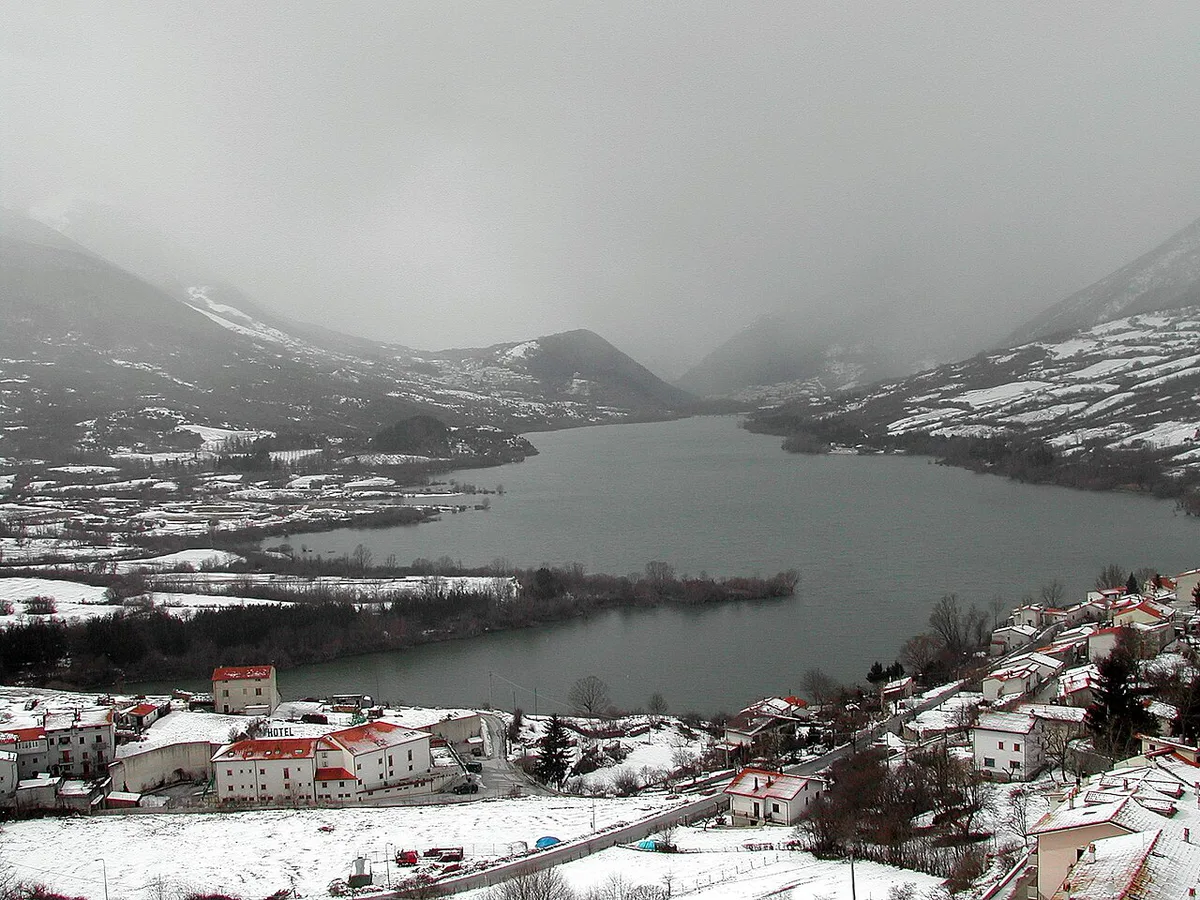
| Scanno | Scanno lake and an old village with local craft | Not confirmed | No visitor centre listed there |
| Mountain hut | Early starts in the high country | On foot only | Basic comfort; booking essential |
How to Get to Abruzzo National Park
A car is the best tool here. Rome's Leonardo da Vinci airport is about two hours by road from Pescasseroli. Trailheads and wildlife spots often sit away from villages, so a car saves hours. Public transport is thinner. Reported bus links run from Rome to Avezzano, but you then need a plan for the final leg into the park. Sulmona and Pescara are other gateways, so check regional timetables before relying on any route. The regional tourism site lists current visitor information for Abruzzo.
Best Time to Visit
Outside high summer, crowds thin out and trails feel empty. Beech woods change colour with the seasons, so autumn and spring both look different. Early mornings suit wildlife, including red deer displays. Wolves split up in summer and stay together in winter. Alpine and cross-country skiing are both possible in winter. The park site has a seasons page with local conditions.
Park Rules, Zones and Visitor Etiquette
The park uses four zones, and each changes what visitors may do. Stay on marked tracks and follow current rules posted by the park authority.
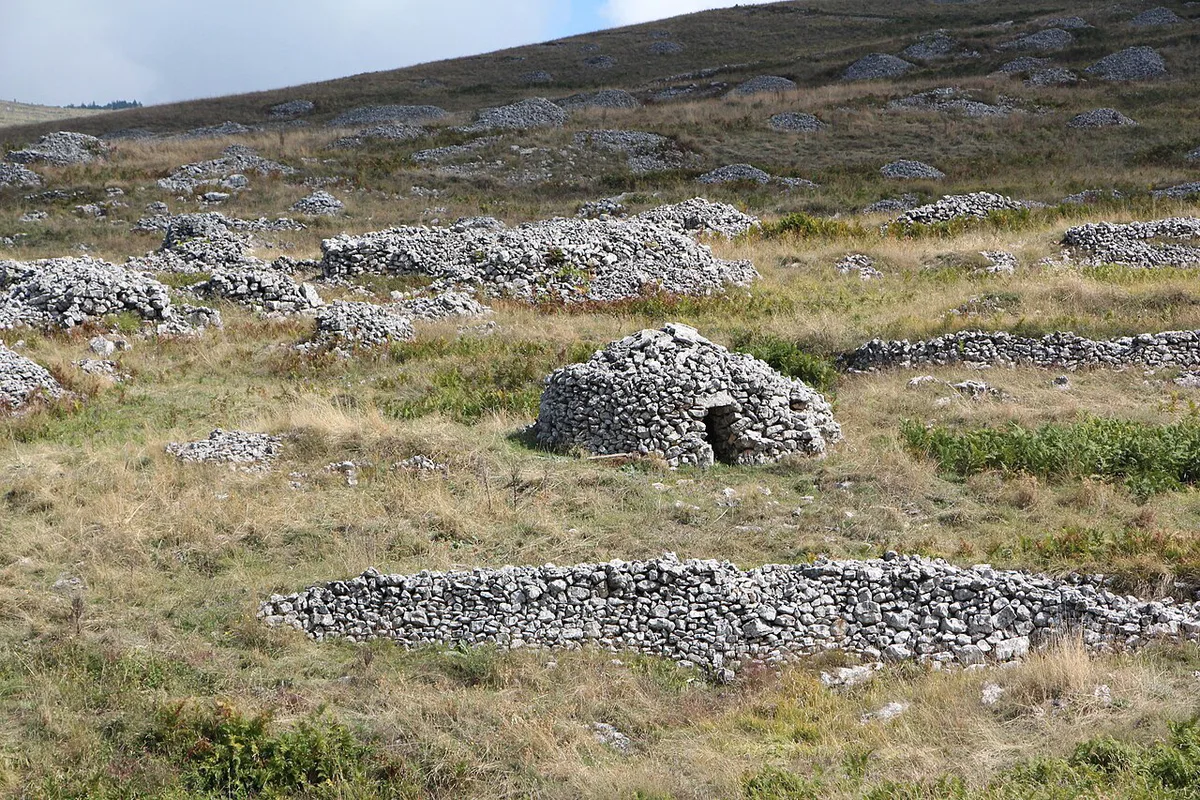
- Zone A, integral reserve: strict protection, access by permit only, mainly for research. Tourists stay confined to tracks.
- Zone B, general reserve: mostly beech forest and meadows, where traditional wood and truffle gathering continues.
- Zone C, protected landscape: farmland along flat valley floors, still worked in traditional ways.
- Zone D, development: the villages where you will sleep and eat.
Common Mistakes on a Short Visit
Most problems come from planning for a city break rather than a mountain reserve.
- Relying on public transport to reach trailheads.
- Expecting a bear on a one-day visit.
- Leaving marked tracks for a better photo.
- Approaching wolves or other animals.
- Expecting English signage in every visitor centre.
What to Eat After a Hike
Abruzzo is known for lamb. Arrosticini, small sheep skewers, are a local delicacy. Lamb also appears in agnello cacio e ovo, a dish in a lemon, egg and cheese sauce, and in mutton stew. Montepulciano d'Abruzzo is the region's best-known wine.
Sample Time Plans
Pick a plan by how much driving you can tolerate. Rome is about two hours away, so longer stays repay the journey. After the trip, compare how Italy's parks rank for your next one. The Apennine mountains continue at Sibillini's high trails.
- 1 day: one visitor centre plus one short trail near Pescasseroli. Expect a long drive for little time on the ground.
- Weekend: one full hike, one visitor centre, and a dawn or dusk wildlife watch.
- 3 to 4 days: a guided day, a self-guided route, a rainy-day centre visit, and an overnight in a rifugio.
Frequently Asked Questions
Is there a national park in Abruzzo?
Abruzzo has three national parks. They are this one, Gran Sasso e Monti della Laga, and Majella. This park also reaches into Lazio and Molise.
What is the best national park in Italy?
It depends on what you want. Abruzzo National Park suits wildlife and forest walking. For a wider comparison, read how Italy's parks rank side by side.
Notes for your next park visit
Optional updates to our national park guides.
Read next
Keep planning
Picked from the same area