
Vesuvius National Park: How to Visit the Crater & Trails
Plan a visit to Vesuvius National Park: how to reach the crater, tickets and booking, car park and bus options, timing, and who should skip the climb.
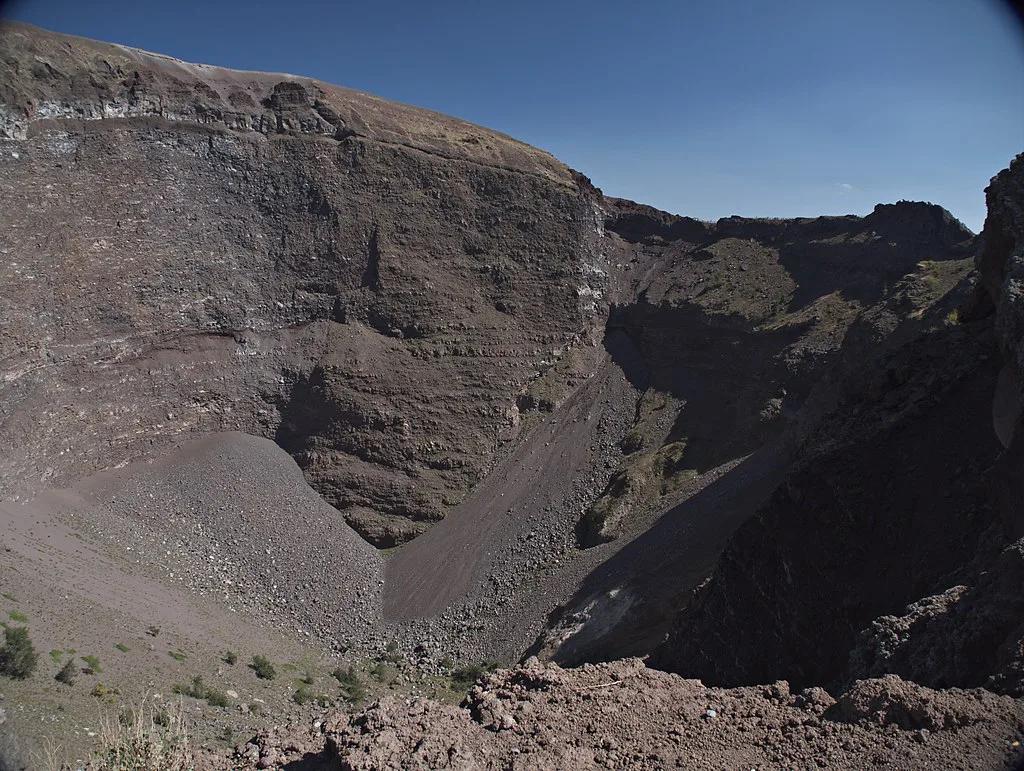
Last updated November 2026: Vesuvius National Park (Parco Nazionale del Vesuvio) was established in 1995 and surrounds an active volcano above the Bay of Naples. You can walk to the crater on the Gran Cono trail, but entry needs a ticket booked online in advance. Plan on half a day, and read the tickets section before you travel.
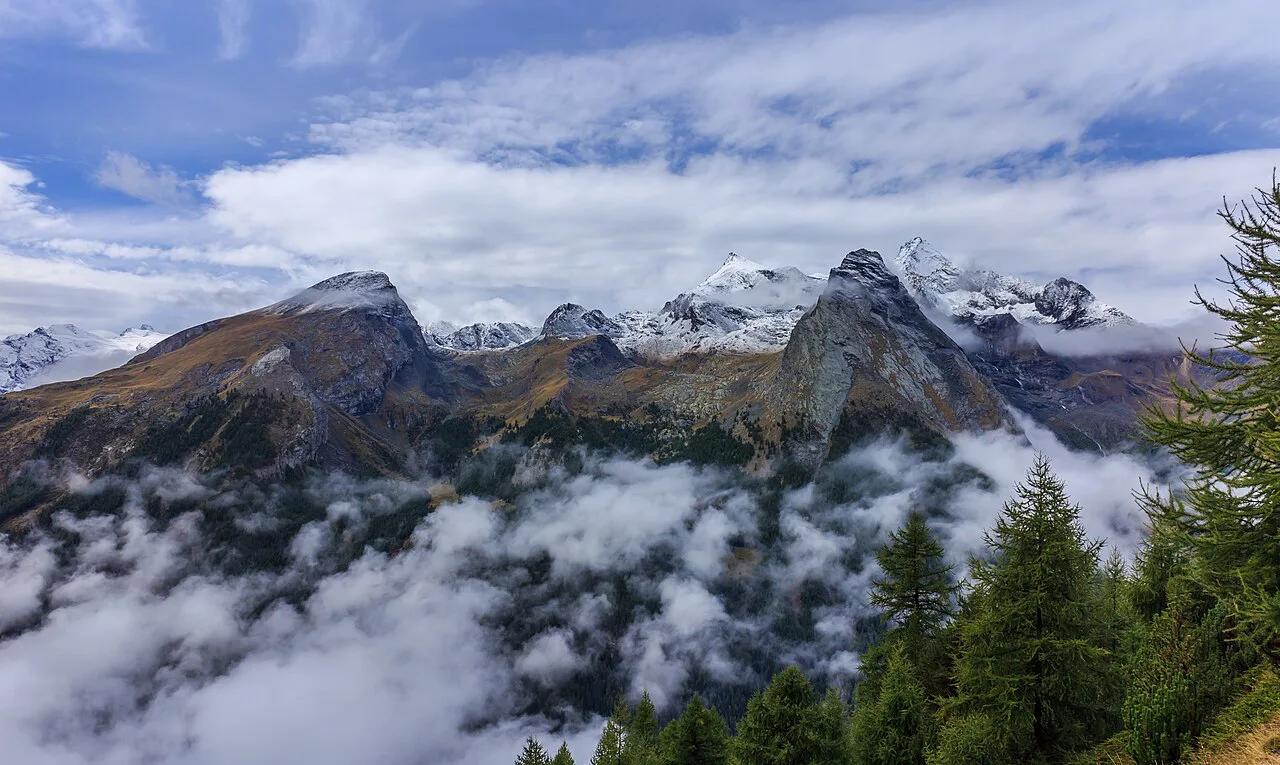
Featured image: nisudapi, Public Domain Mark 1.0, via Flickr.
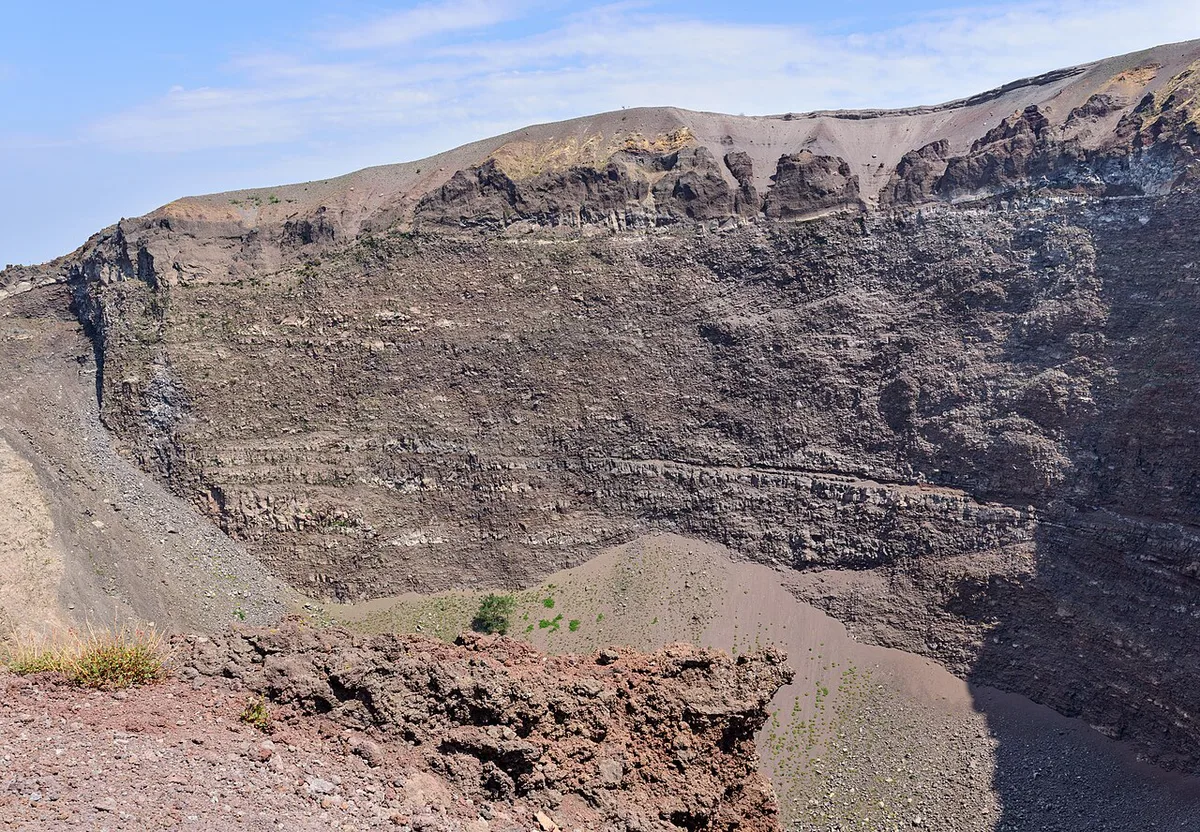
What Vesuvius National Park covers
Vesuvius National Park protects the volcano and the slopes around it in Campania. Most visitors only walk the Gran Cono, which is path no. 5 and leads to the crater rim. Park staff manage the wider trail network, so the official park site is the place to find its map and any other routes. Pick the crater walk if you want the big view, and use that map if you want a longer hike. For another southern Italian park, try Cilento National Park Guide: Caves, Coves, Trails & Where to Stay.

Why Vesuvius matters: the 79 AD eruption and the Somma caldera
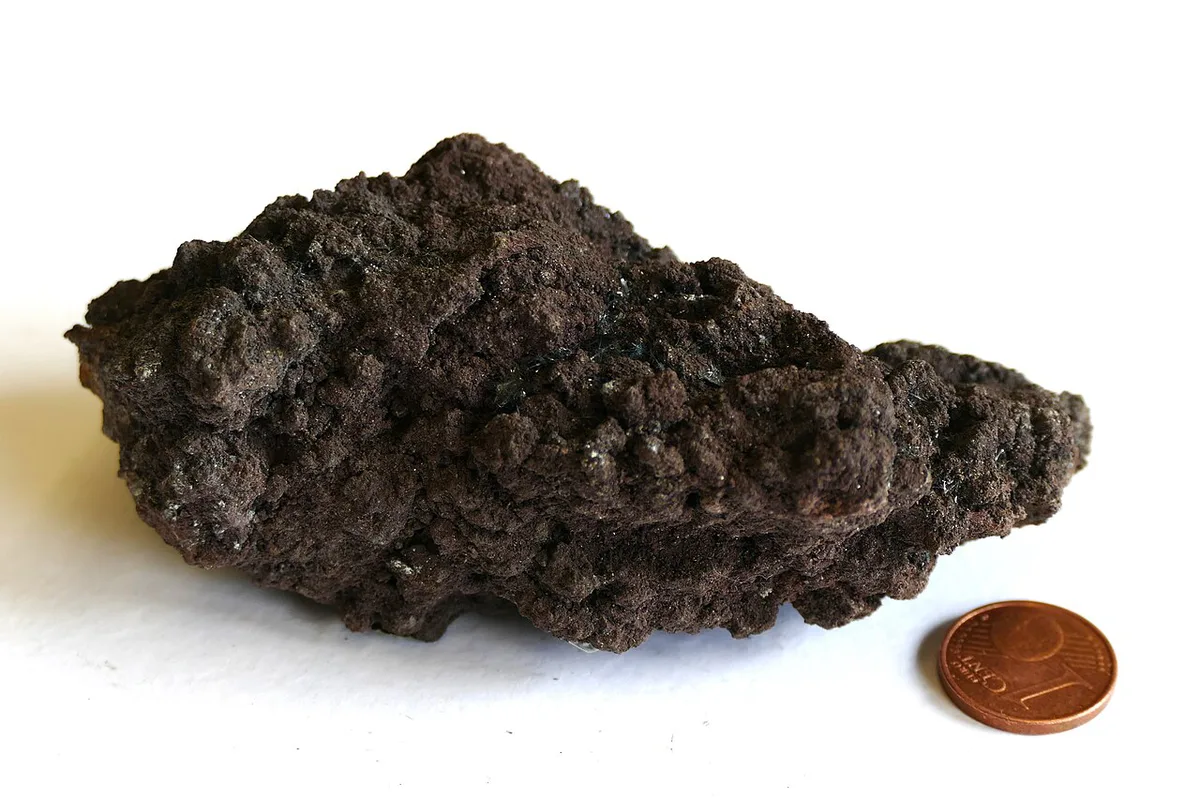
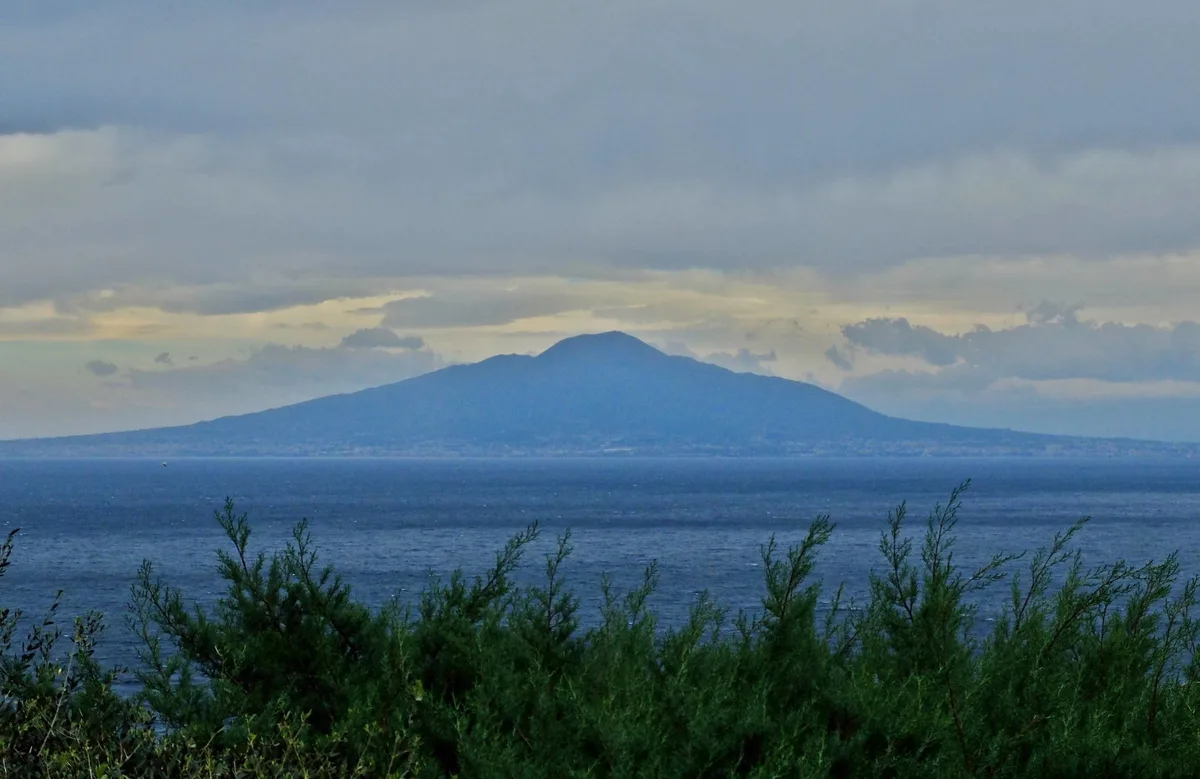
Vesuvius is a stratovolcano that rises to roughly 1,281 m (about 4,200 ft). The Gran Cono you climb is the younger cone. It grew inside the rim of an older, collapsed volcano called Monte Somma, whose curved ridge still wraps around the north side of the cone. From the crater edge you can pick out that ridge, which is why the mountain looks like two peaks from Naples.
The eruption that made the volcano famous began in 79 AD. It buried Pompeii under ash and pumice and Herculaneum under fast-moving volcanic flows. The traditional date is 24 August, though finds at Pompeii have led many scholars to argue for a date in autumn. Pliny the Younger watched from across the bay and described the event in letters to the historian Tacitus. They remain the main eyewitness account.
Knowing this changes how you read the day:
- On the crater rim: the Bay of Naples, Pompeii and the plain below show how close the settlements sit to the cone.
- At the ruins: Herculaneum and Pompeii show what the eruption did, and Vesuvius shows where it came from.
- Today: the volcano is quiet but active, which is why the Osservatorio Vesuviano monitors it continuously and why access can change with alerts.
If you want the geology explained on site, a guided walk or the talk at the top gives more context than the trail signs alone.
Getting to Vesuvius National Park from Naples, Ercolano or Pompeii
Trains connect Naples with Ercolano (Herculaneum) and with Pompeii, which makes both towns easy starting points. From Ercolano station, a bus runs up to Carpark A. Allow about 1.5 hours for that trip, with a Vesuvio Express return option. If you drive, Ercolano municipality manages the car parks, and booking a space in busy periods is wise. Carpark B sits at about 800 m (roughly 2,600 ft) and is for cars. Carpark A, at about 1,000 m (roughly 3,300 ft), is for motorbikes and tour buses. The Gran Cono trail starts at Carpark A.
Parking at Carpark B means a walk of 40 minutes uphill to Carpark A, unless you buy the €2 shuttle, which needs your crater ticket first.
| Option | Time | Cost level | Flexibility | Main risk |
|---|---|---|---|---|
| Train + bus from Ercolano | About 1.5 hours on the bus alone | Low | Medium: fixed return times | Missing the return bus |
| Car to Carpark B | Depends on traffic | Medium | High | Full car park without a booking |
| Guided tour | Full or half day, pick-up included | High | Low | Fixed schedule and group pace |
Tickets, opening hours and booking

Crater tickets are strict now, so buy yours online before you go. A Gran Cono ticket costs €12 per adult. Children under 1.2 m (about 3.9 ft) enter free. First entry is at 9am. Prices and hours checked November 2026. Walking from Carpark B to Carpark A takes about 40 minutes uphill on the road. A shuttle costs €2 instead, and you need your crater ticket before you board it. Check the park's ticket information for seasonal changes.
The crater walk: what to expect
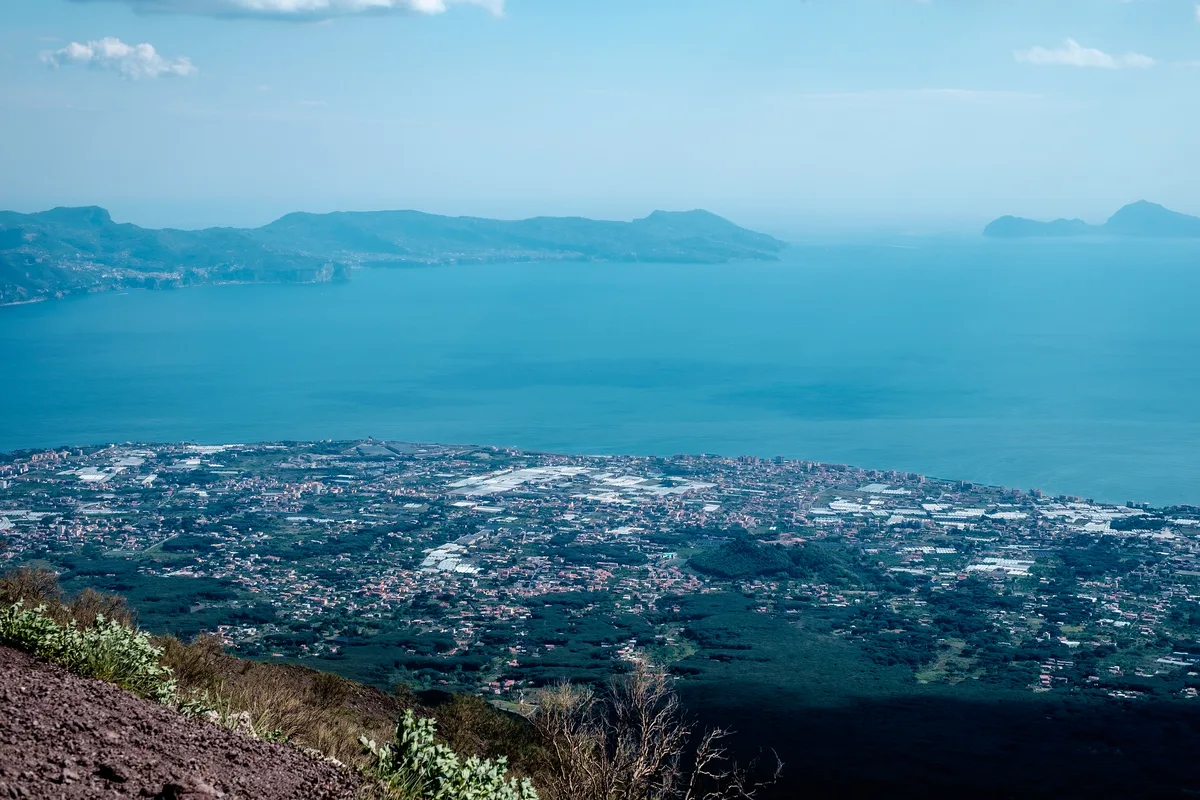
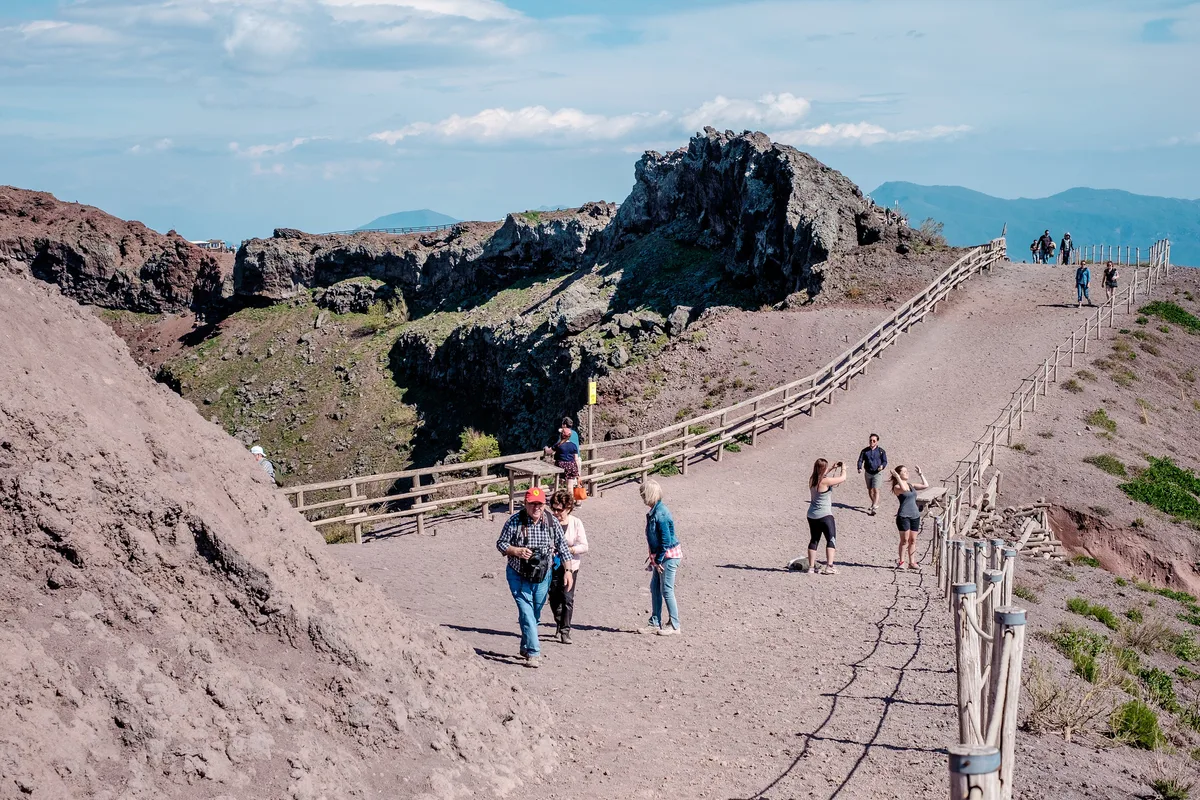
From Carpark A, path no. 5 climbs about 1 mile to the summit. The gradient is gentle and the path is wide, but fine gravel tires your feet over time. There is no shade anywhere on it. At the top, a 20-minute guided talk comes first, and then you walk the rim on your own. Views reach across the Bay of Naples to Capri and Ischia, with Pompeii below. You may see small puffs of smoke from the crater. Vendors at the entrance lend walking sticks for a tip. Kiosks sell basic food and drink, but toilets on the trail are unreliable, so bring your own water.
How much time to plan and when to go
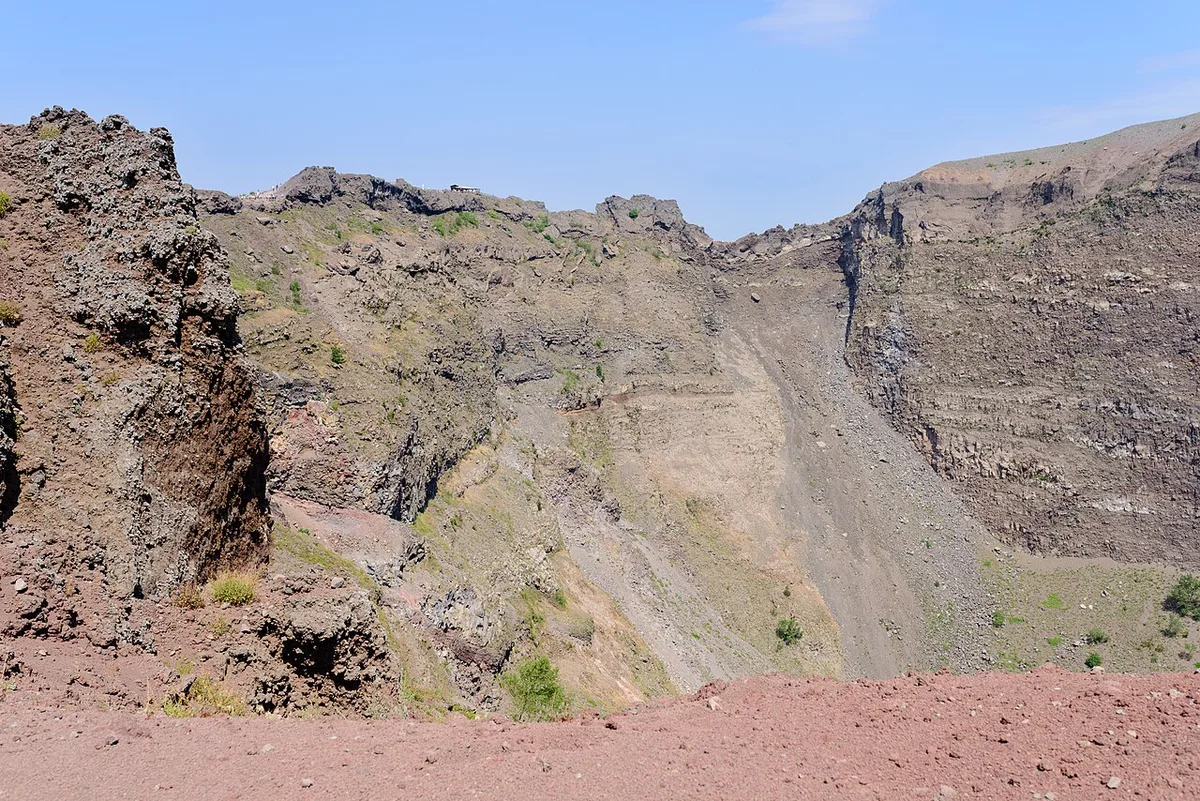
Give yourself at least 3 hours if you walk up from Carpark B, and 4 hours to be safe. Arrive close to 9am, especially in summer, when the open slope gets hot. The crater is colder than you expect, with no volcanic heat, so carry an extra layer. Outside May to October, late-afternoon light on the cone is a strong reason to go later in the day. Combining the volcano with ruins takes most of a day. Herculaneum is quieter and smaller than Pompeii, so it pairs better with a half-day climb. If Pompeii is your priority, see the Pompeii Archaeological Park information and give it its own morning.
Independent or guided: which fits you
Match the option to how you like to travel.
- Budget-focused: train to Ercolano, then the bus up, and buy the €12 ticket yourself.
- Want flexibility: drive to Carpark B and book your space ahead.
- Want history and hotel pick-up: a guided tour from Naples, the Amalfi Coast or Rome handles tickets and transport.
- Short on time: pick the volcano or the ruins, not both in a rush.
Who should skip or adapt the climb
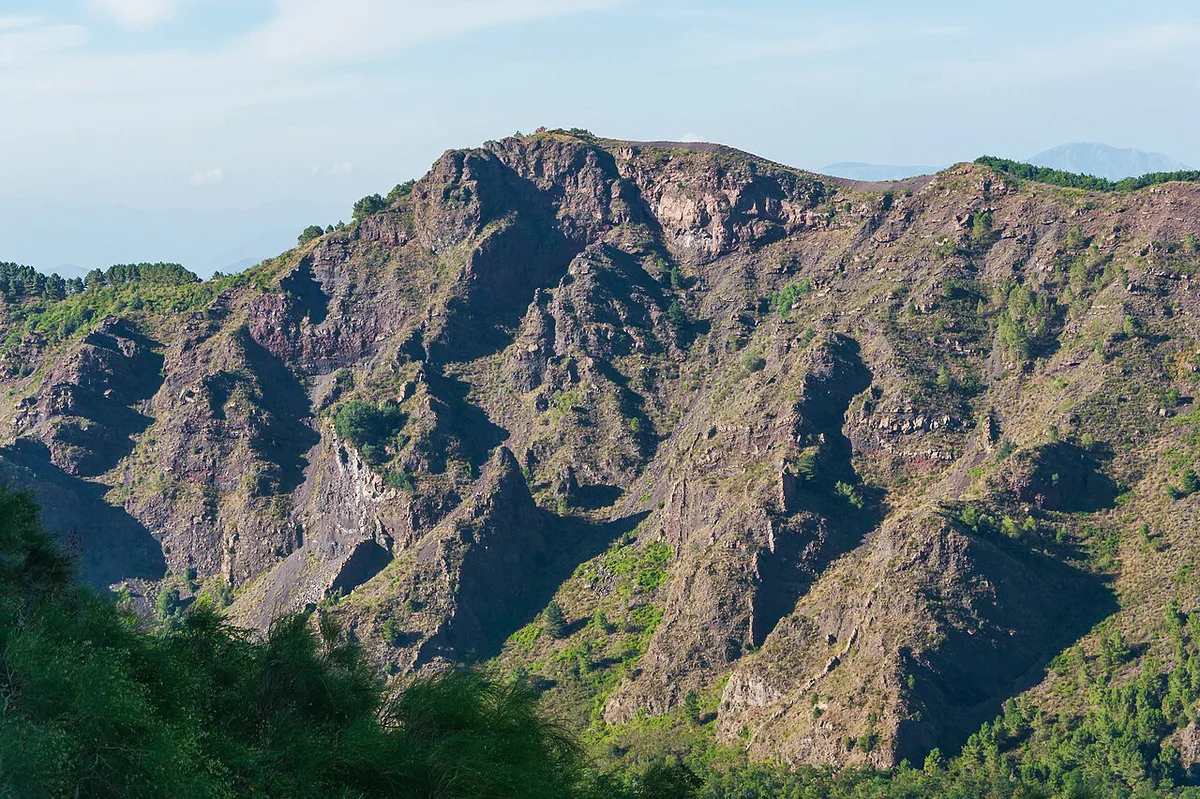
Skip or shorten the walk if heat, slopes or long walks are a problem. The path has no shade, and the gravel is tiring even though the gradient is gentle. Poor weather makes the crater cold and the views disappointing. Small children can manage if you pace them, and those under 1.2 m enter free. If you decide against the climb, look for views of the volcano from Herculaneum or around the Bay of Naples instead.
Safety, closures and volcano monitoring
Vesuvius is an active volcano, and its last eruption was in March 1944. Scientists at the Osservatorio Vesuviano monitor it continuously. The trail can close because of weather or alerts. Before you leave, check the official park site for current access and alert information.
Sample day plans
Two simple options cover most trips. Both assume you start early.
- Vesuvius + Herculaneum: train to Ercolano, bus up to Carpark A, walk the crater, then return to Ercolano for the ruins.
- Half day from Naples: take the train and bus, walk the crater, and be back in Naples by early afternoon.
- Where to base: Naples gives the most choices, Ercolano is closest to the bus, and Sorrento or the Pompeii area suit tour pick-ups.
Common mistakes to avoid
A few errors cause most problems on the day.
- Arriving without a pre-booked ticket.
- Wearing sandals on loose gravel.
- Going at midday in summer with no shade.
- Expecting heat or heavy smoke at the crater.
- Boarding the shuttle without your crater ticket.
More Italian parks to compare
Vesuvius is one of many protected areas in the country. Browse the full national parks of Italy hub for the rest. If you are choosing between parks, our best Italian parks ranking compares them.
Frequently Asked Questions
Is it free to climb Vesuvius?
No. A Gran Cono crater ticket costs €12 per adult, and children under 1.2 m enter free. Buy it online in advance.
Where is Mount Vesuvius located?
Vesuvius is in Campania, Italy, above the Bay of Naples. Ercolano and Pompeii are the nearest towns for access.
Notes for your next park visit
Optional updates to our national park guides.
Read next
Keep planning
Picked from the same area