
Foreste Casentinesi National Park: Trails, Access, Stays
Plan Foreste Casentinesi National Park: best trails, when to go, how to get there without a car, where to base yourself, and what to expect.
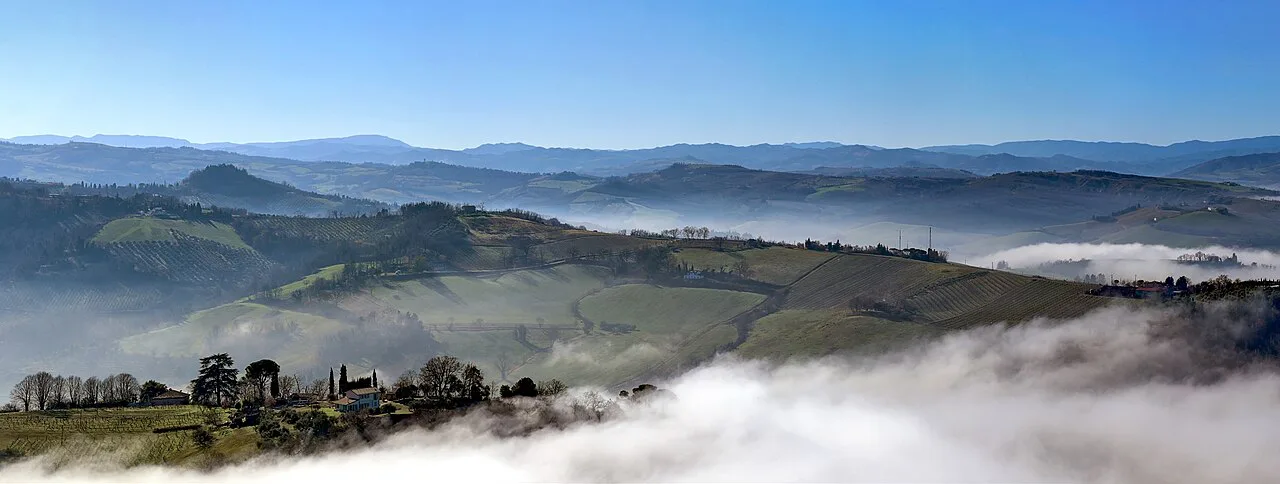
Last updated November 2026: Foreste Casentinesi National Park is a forest park on the Tuscany and Emilia-Romagna border, known for old beech and fir woods, Camaldoli hermitage, La Verna and Monte Falco. Quiet walkers get the most from it, but public transport is thin, so plan your return bus before any ridge walk. For the wider picture, see Italy's full national park network.
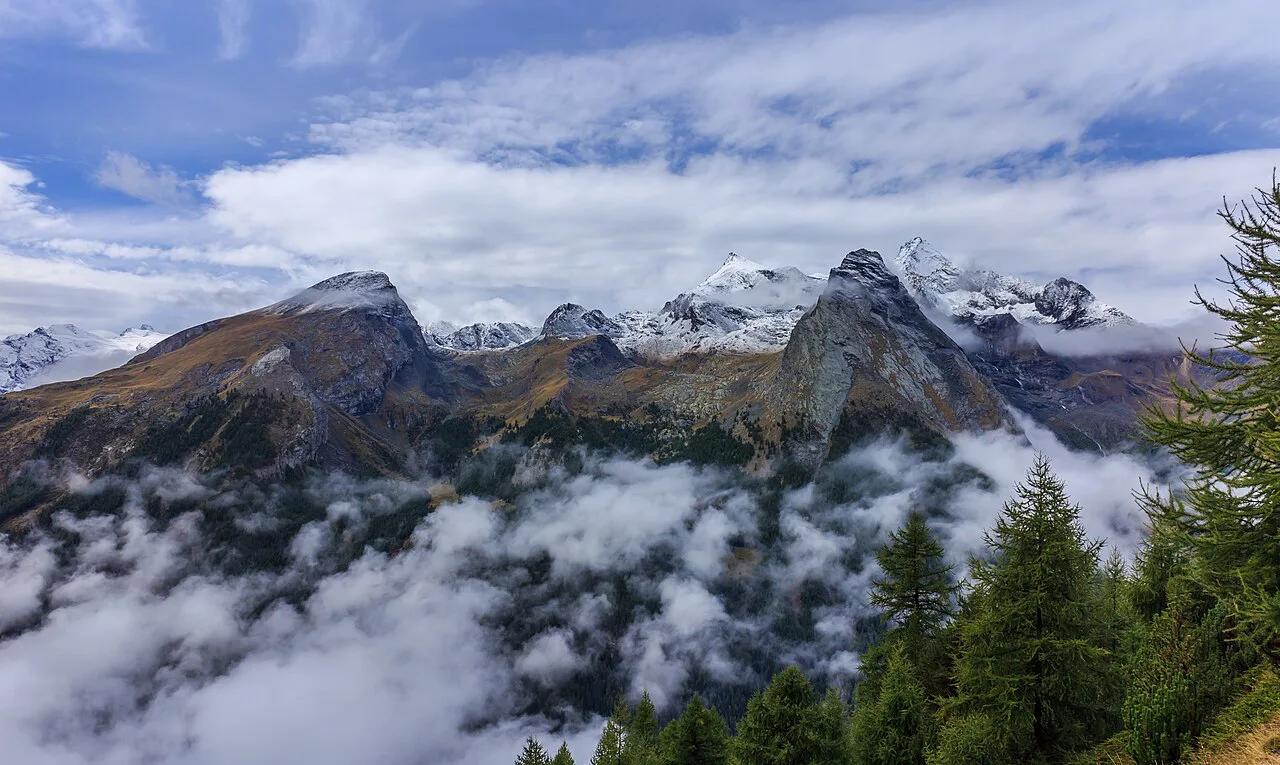
Featured image: Terragio67, CC BY-SA 4.0, via Wikimedia Commons.
Foreste Casentinesi National Park at a Glance
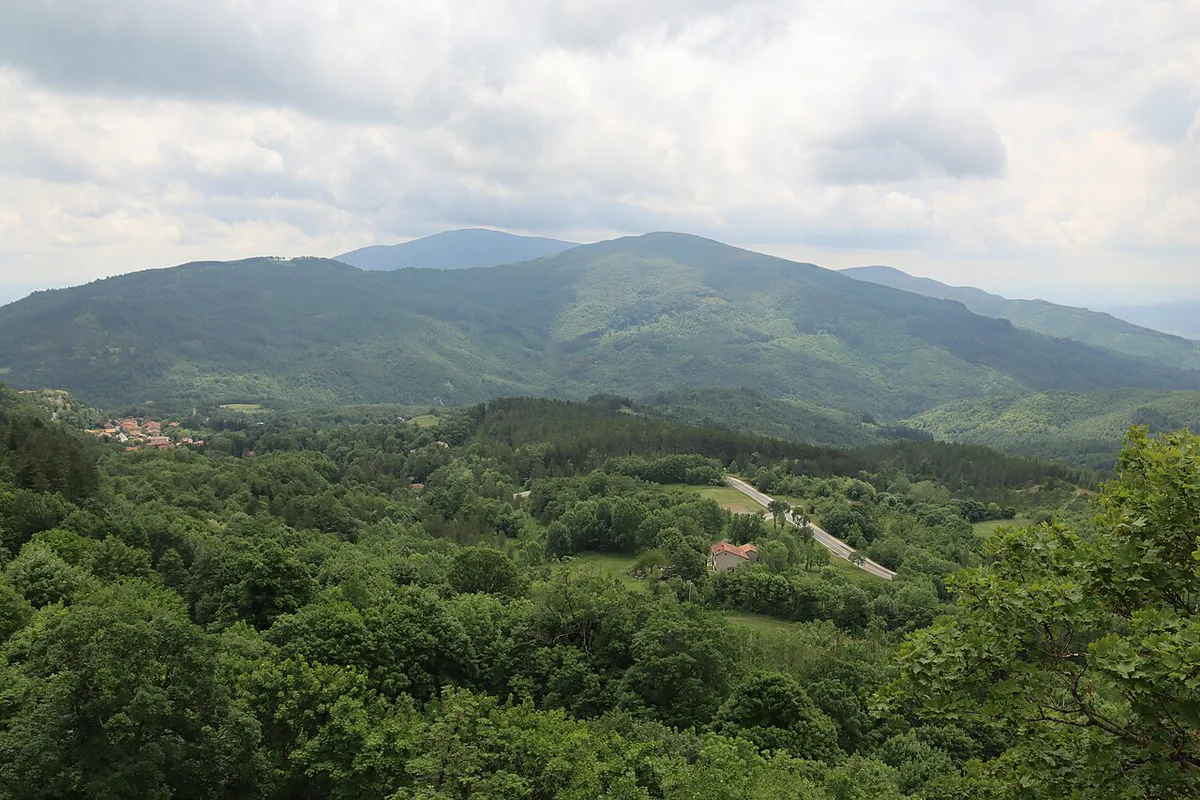
Parco Nazionale delle Foreste Casentinesi, Monte Falterona e Campigna runs along the Apennine ridge between Tuscany and Emilia-Romagna. Its park authority has offices in Pratovecchio on the Tuscan side and Santa Sofia on the Emilia-Romagna side. Old beech and silver fir cover much of the ground, and some of the beech woodland carries UNESCO World Heritage status. Marked trails link a working hermitage, a Franciscan sanctuary and a ridge with Adriatic views.
Who is it for? Walkers who like forest, silence and a little history. Families can start with the 9 official nature trails. Visitors after beaches, volcanoes or famous skylines will find a better fit elsewhere.
Access is the catch. Buses are few, Sunday and winter service is reduced, and a ridge walk can end far from the last return service. Sasso Fratino, the strict nature reserve, is closed to the public. You can see its edges or ask the park about guided visits, so do not build a day around entering it.
Best Things to Do in the Park
Six places carry most visits. Camaldoli and La Verna draw pilgrims and history lovers, while Monte Falco and the Acquacheta waterfall draw the walkers. Badia Prataglia suits an easy forest loop.
- Camaldoli Hermitage (Eremo di Camaldoli): an 11th-century hermitage among tall silver firs. Monks still live here in silence, and visitors may see the church and the cells from outside.
- Camaldoli Monastery: below the hermitage, with an old pharmacy that sells herbal remedies and liqueurs. It is a sensible wet-weather stop.
- La Verna sanctuary (Santuario della Verna): a Franciscan sanctuary on a rocky outcrop where St. Francis is said to have received the stigmata. A long corridor of frescoes is the highlight indoors.
- Monte Falco: at roughly 1,650 m (about 5,400 ft), it is described as the park's highest summit. Clear days give wide views toward the Adriatic.
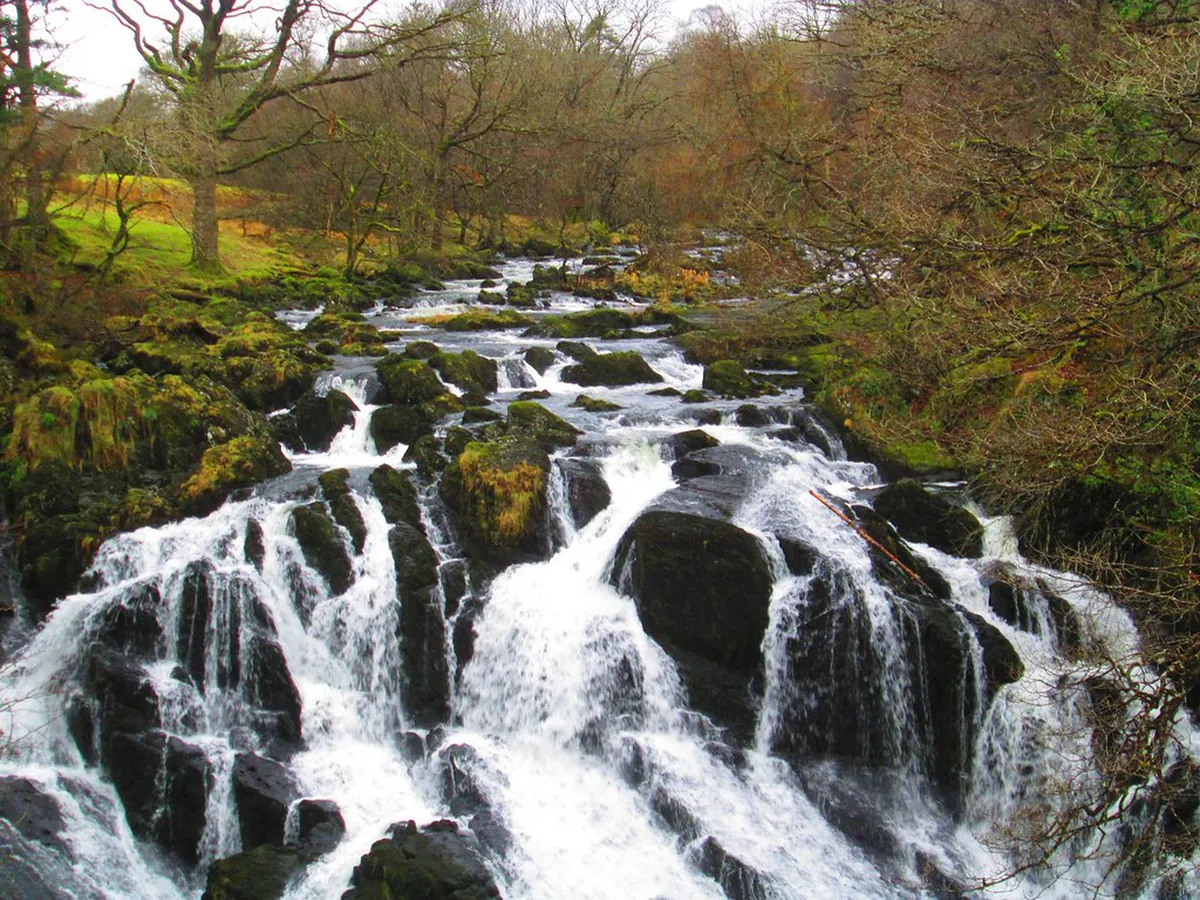
- Acquacheta waterfall: near San Benedetto in Alpe, and mentioned by Dante in the Inferno. It runs best after rain or snowmelt.
- Badia Prataglia forest: mixed beech, fir and chestnut with easy loops and a visitor centre.
Hiking Trails by Time and Difficulty
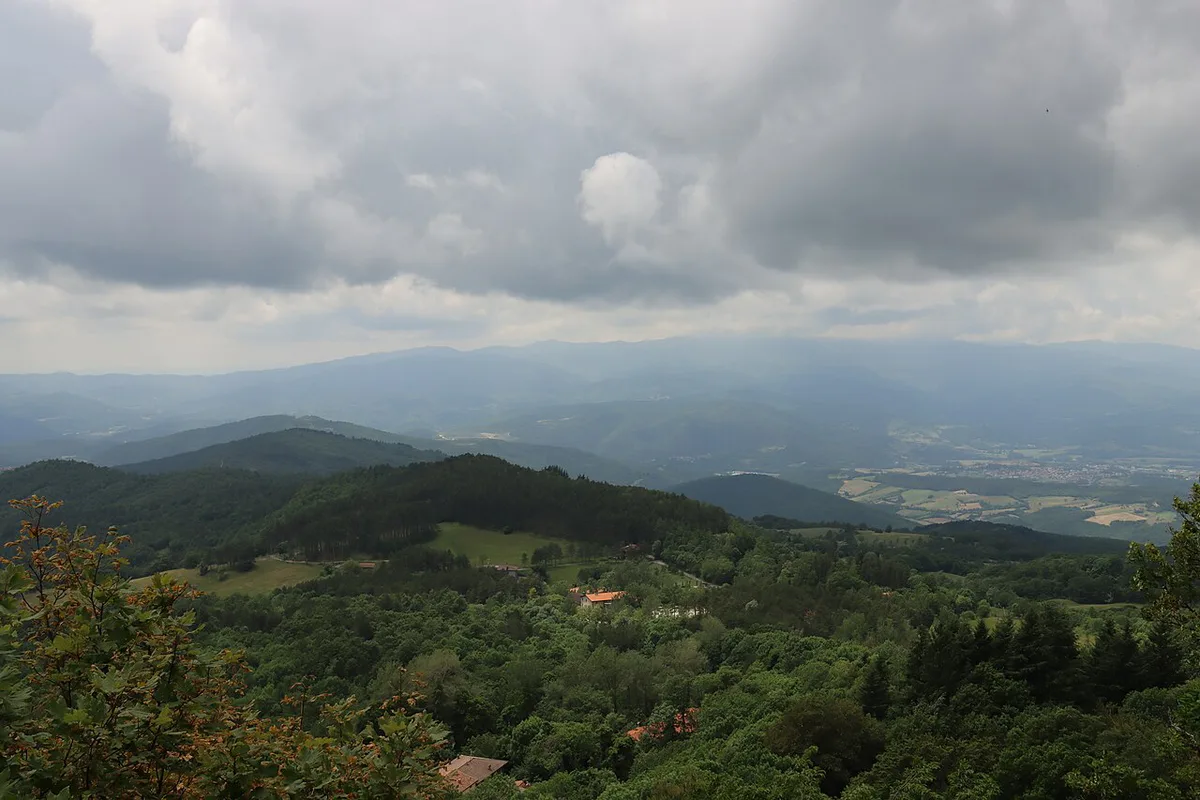
Distances and times below are approximate, and mud after rain adds time. Beginners should start with the Sentiero Natura or one of the nature trails. Experienced walkers can link ridge days into the Sentiero delle Foreste Sacre, which the park describes as over 90 km in 7 stages.
| Trail | Start | Distance | Time | Difficulty | Best for | Caveat |
|---|---|---|---|---|---|---|
| Sentiero Natura | Camaldoli | About 3 km (1.9 mi) loop | About 1.5 h | Easy | First-timers, old firs, information signs | Busy near the hermitage on weekends |
| Monte Falco ridge | Ridge trailhead; marked on the park map | About 12 km (7.5 mi) round trip | 4 to 5 h | Moderate | Summit views, beech climb | Fog can hide junctions; carry food and water |
| Acquacheta waterfall path | Near San Benedetto in Alpe | About 3 km (1.9 mi) each way | About 2 h each way | Moderate | Waterfall after rain | Stream crossing and slippery rock near the falls |
| Official nature trails (9) | Villages across the park | See the trail card for each | Short outings | Easy | Beginners, families | Boards explain the forest; boots still needed |
| Sentiero delle Foreste Sacre | Camaldoli to Badia Prataglia is one stage | Over 90 km in 7 stages | Several days | Hard overall | Multi-day walkers | Book beds and return transport first |
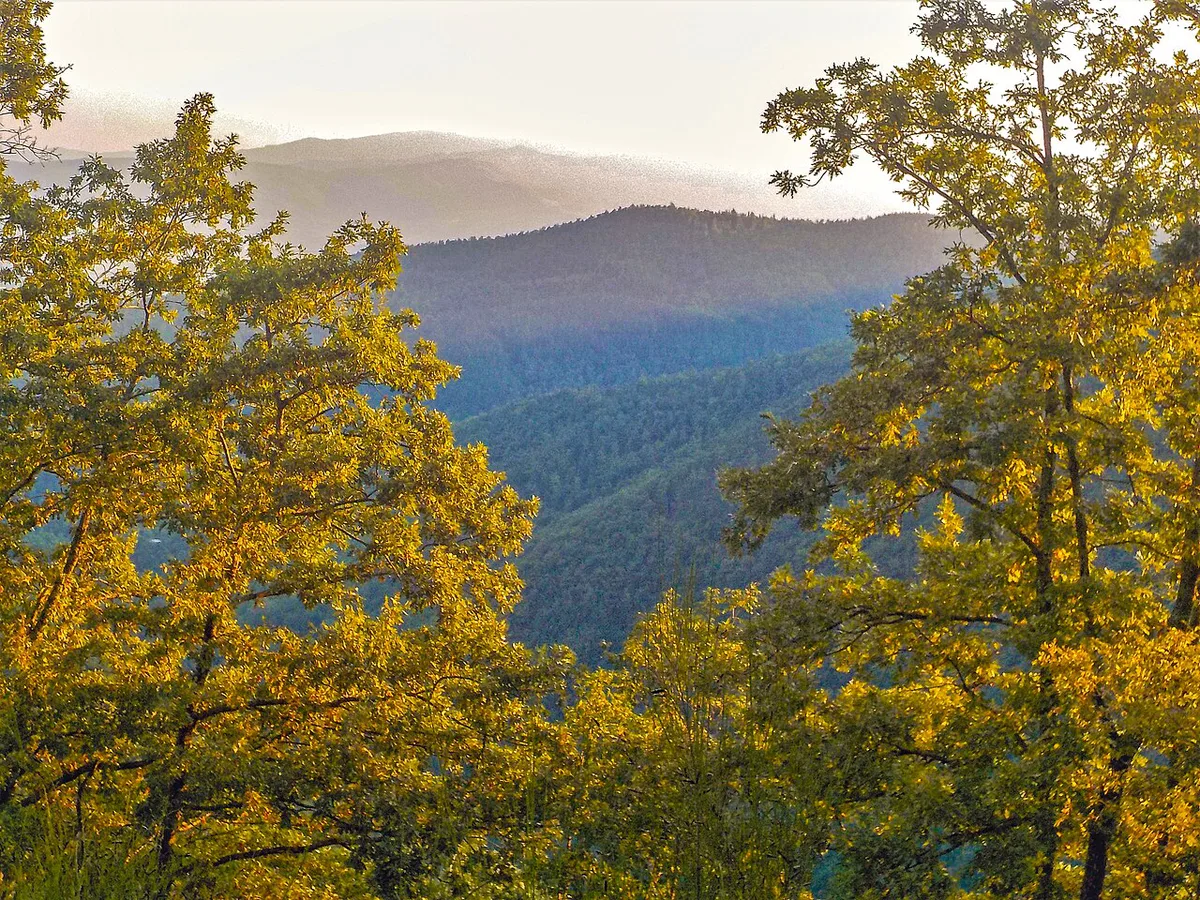
- Acquacheta: the valley and Dante's waterfall
- La Verna: nature, history and spirituality
- Badia Prataglia: the beechwood
- Camaldoli: woods and trees
- Campigna: the silver fir and fir woods
- Castagno d'Andrea: the chestnut civilization
- Fiumicello: the Mengozzi windmill and traces of early man
- Ridracoli: a valley, a lake and centuries of history
- Lago di Ponte: nature and the shapes of the territory
How to Plan Your Time
Pick a plan by the hours you have, not by ambition. Each option below keeps to walking distances shown in the table above. Treat La Verna as its own outing unless you have confirmed a bus or car link from your base.
- Half-day: walk the Sentiero Natura loop from Camaldoli in about 1.5 h. Finish at the monastery pharmacy, then catch a bus out while service still runs.
- One day: take the Monte Falco ridge, 4 to 5 h round trip. Pack lunch and water, and start early so you finish in daylight. A shorter alternative is the Acquacheta path, about 2 h each way.
- Two to three days: spend day one around Camaldoli. Use day two for the Monte Falco ridge. Give day three to La Verna or a nature trail near Badia Prataglia, and sort out the bus or drive link first.
Best Time to Visit
Late May to June and early October suit most people. Forests are green or turning, daylight is long in June, and crowds stay manageable. Avoid precise weather promises, because mountain conditions change fast at ridge height. Choose by the kind of trip you want.
- Late May to June: choose this if you want fresh beech green, long days and thin crowds.
- July and August: choose this only if school holidays fix your dates. Italian holiday crowds fill huts and Camaldoli, and lodging prices peak.
- Mid-October to early November: choose this for gold and red foliage and the sound of the deer rut in the woods.
- December to March: choose this if you want quiet and cheaper lodging. Snow can close high trails and days are short.
How to Get There Without a Car
You can visit by public transport, but it takes planning. The usual route is a train from Arezzo or Florence to Bibbiena or Stia, reported at roughly 1 to 1.5 hours, then a local bus to Camaldoli or Badia Prataglia. Check Trenitalia and the regional bus operators for current timetables. Sunday and winter service is reduced, so write down the last return bus before you start walking.
Train travel from Arezzo or Florence can take 1 to 1.5 hours before a bus starts, so a ridge day like Monte Falco needs an early start.
| Gateway | How you get there | Service level | Reachable on foot |
|---|---|---|---|
| Bibbiena | Train on the Arezzo to Stia line | Best transport base | Town only; buses needed for the forest |
| Stia | Train on the Arezzo to Stia line | Thin bus links onward | Village paths and nearby trails |
| Camaldoli | Local bus from Casentino towns | Reduced Sundays and winter | Sentiero Natura, hermitage, monastery, Monte Falco approach |
| Badia Prataglia | Bus from Arezzo and Stia | Thin; reduced Sundays and winter | Beechwood nature trail, forest loops, visitor centre |
Where to Stay: Choosing a Base
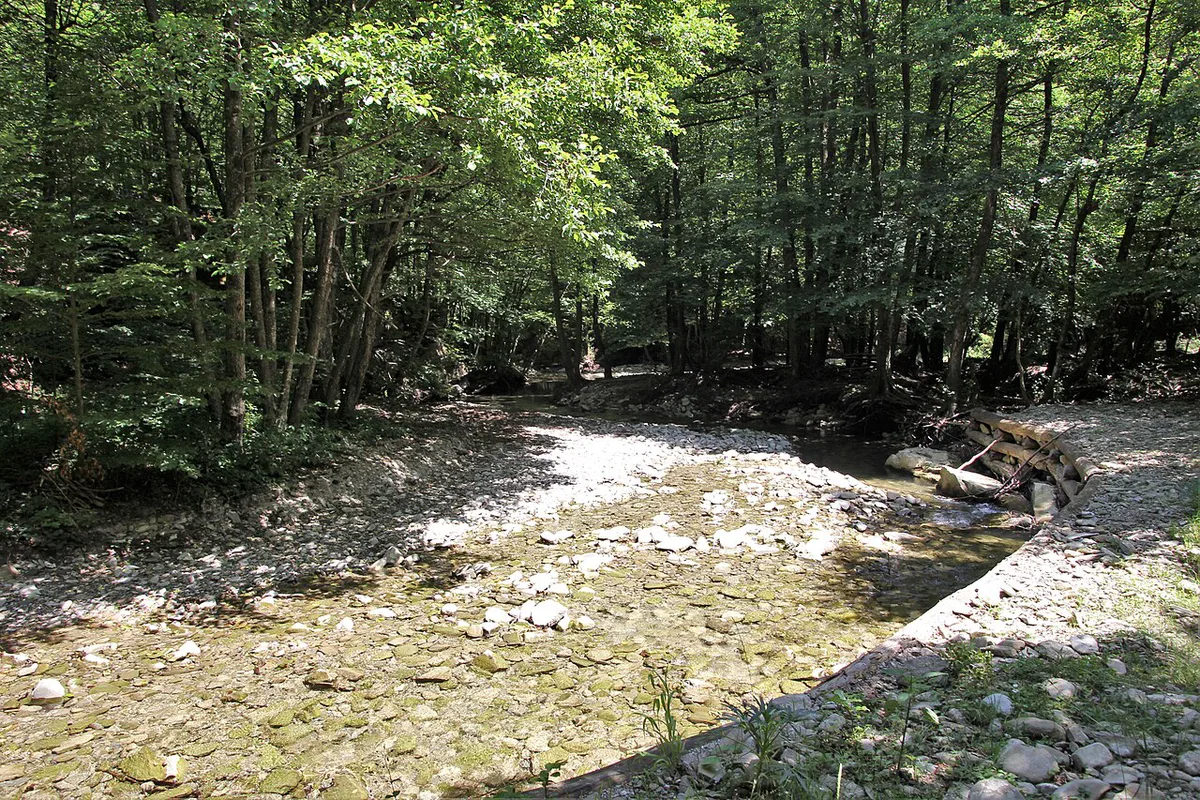
Staying inside the park villages puts you on trails from the door. Staying in the valley gives you more food and better transport. Pick the base that matches how you travel.

- Camaldoli: best for walkers who want trails at the door. Monastery guesthouses and a few small hotels are reported at about €50 to €90 for a double. Trade-off: fewer food options and heavy weekend traffic.
- Badia Prataglia and Campigna: best for self-caterers and families. Family-run pensions and apartments are the norm. Trade-off: buses are thin.
- Stia and Poppi: best for good food and more choice. Both sit in the Casentino valley. Trade-off: you need a bus or car to reach the high forest.
- Bibbiena: best if you rely on trains. It sits on the Arezzo to Stia railway. Trade-off: you spend more time travelling to trailheads.
- Rifugi on the main ridge: reported at roughly €35 to €50 for half board, and they fill in August. Wild camping is not allowed, and campsites sit outside the park near Stia and Bibbiena.
Costs, Fees and Opening Hours
Park access is free, and walking the forest paths costs nothing. Small fees may apply at sites such as the Camaldoli hermitage museum. Lodging is the main expense. A rough backpacker estimate of €55 to €97 a day is tied to high-season rooms, so shoulder-season visits should cost less. Local trains and buses are cheap by comparison. Prices and hours checked November 2026.
Park news shows closures happen. One visitor centre at Premilcuore closed for maintenance on a weekend, so check the official park site before building a rainy-day plan around a visitor centre. For the Tuscan side, Tuscany's official tourism site covers Casentino lodging and events.
| Item | What to expect |
|---|---|
| Park entry and forest paths | Free |
| Camaldoli hermitage museum and some sites | Small fees |
| Nature trail box set (9 cards with maps) | €10.00 on the park site |
| Camaldoli double room | About €50 to €90 reported |
| Rifugio half board | About €35 to €50 reported |
| Rough daily budget, high season | About €55 to €97 |
Safety, Rules and Responsible Visiting
Trails are well signed with CAI red-and-white markers, but weather changes quickly. The park publishes ten rules of safe hiking, so read them before you start. Use the points below as a minimum.
- Carry a downloaded map and a paper backup. Mobile signal drops under dense forest.
- Bring food and water. Refill points on ridges are scarce.
- Start early and finish in daylight. Afternoon thunderstorms can hit the ridge in summer.
- Expect fog at junctions and mud, roots and wet rock after rain. Wear boots with grip.
- Give wild boar distance, especially sows with piglets. Wolves avoid people.
- Do not enter Sasso Fratino. Wild camping is not allowed, and overnight rules are on the park site.
- Keep quiet near the Camaldoli hermitage, where the monks live in silence.
Mistakes to Avoid
Most problems here come from timing and supplies, not terrain. Five errors cause the trouble.
- Missing the last bus: write down the return time before you leave your base.
- Treating Sasso Fratino as open: it is a strict reserve closed to the public.
- Heading out without food or water: ridge refill points are scarce.
- Relying on a phone map in dense forest: download offline maps and carry a paper trail map.
- Underestimating mud after rain: add time and wear grip soles, especially on the Acquacheta path.
Other Italian National Parks to Visit
Walkers who enjoy this park can look at more Apennine and Alpine options. Monti Sibillini offers higher, more open terrain than forest. Gran Sasso and the Majella massif are both Apennine alternatives with their own character. Next door in the same range, Abruzzo's mountain park offers another forest-led trip. For Alpine walking, read about Dolomiti Bellunesi. To compare all of them, use our ranking of Italy's parks.
Notes for your next park visit
Optional updates to our national park guides.
Read next

Keep planning
Picked from the same area