
Cinque Terre National Park: Villages, Trails, Passes & Planning
Plan Cinque Terre National Park: how the five villages, trails and marine area work, what to check on passes and closures, and how long to stay.
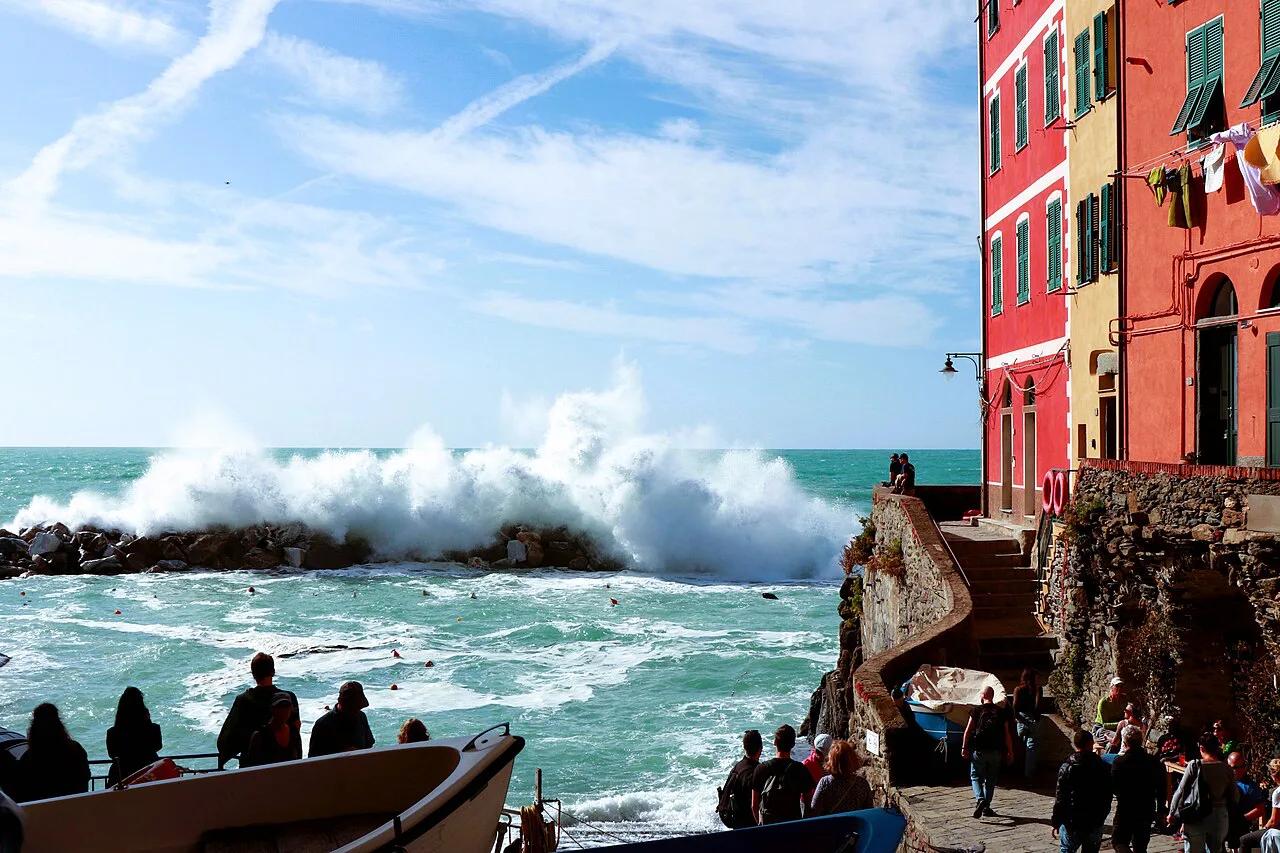
Last updated November 2026: Cinque Terre National Park covers 38.60 km² of Ligurian coast, five villages, almost 19 km of trails and a protected sea. Park status does not mean a single gate or ticket office, so planning comes down to villages, trails and train timing. Use this guide to pick a base, size your stay and find wilder options in our Italian national parks guide.
Featured image: Thank You (24 Millions ) views, CC BY 2.0, via Wikimedia Commons.
What Is Cinque Terre National Park?
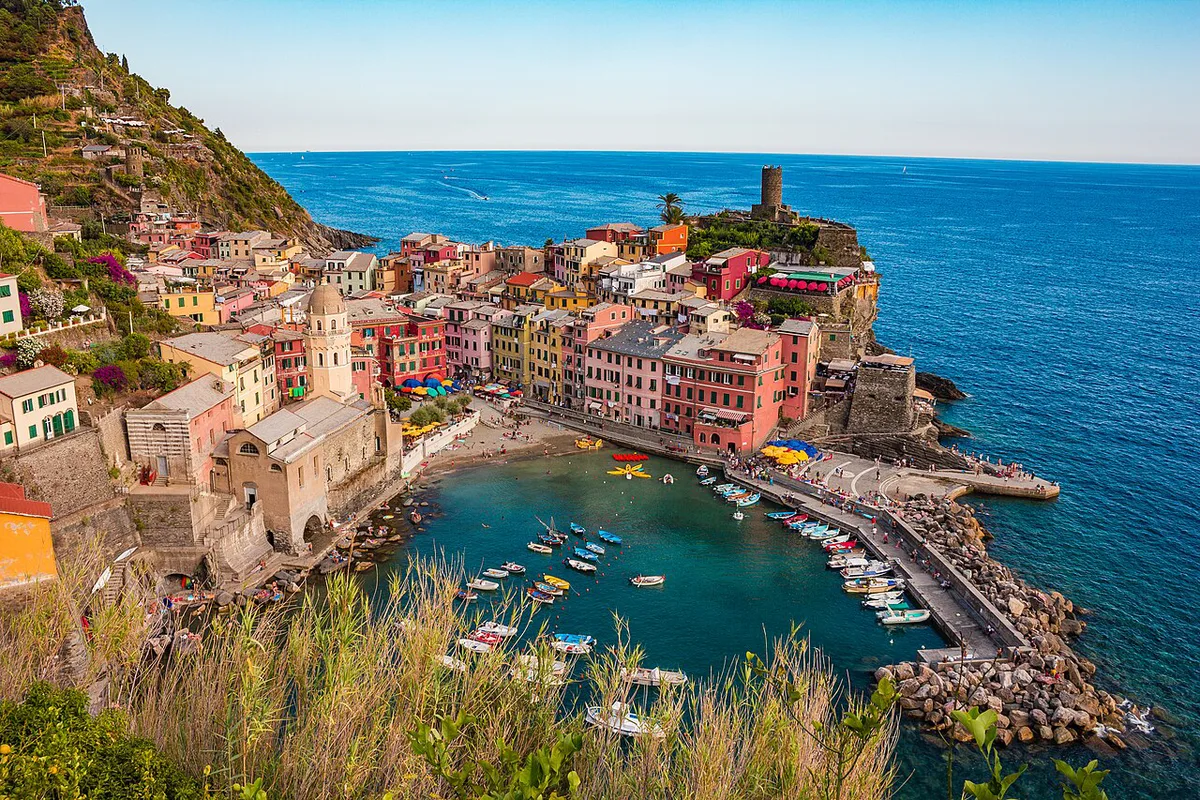
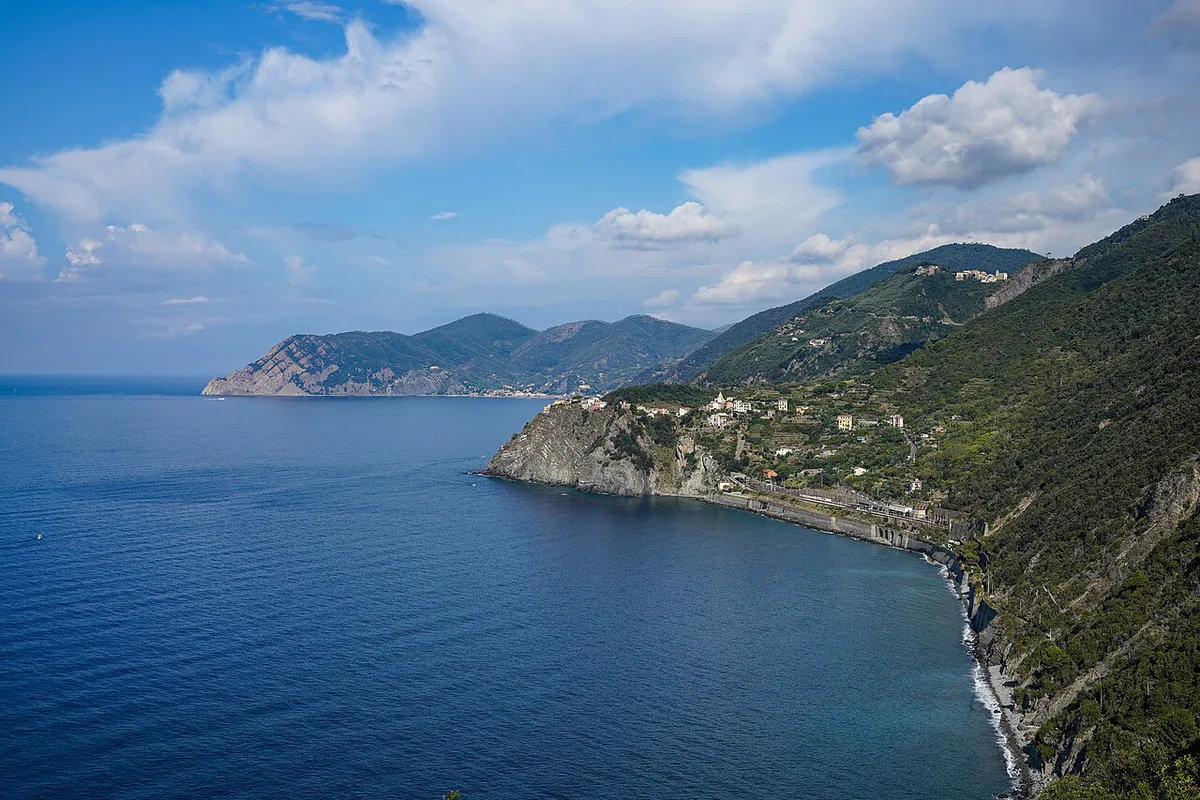
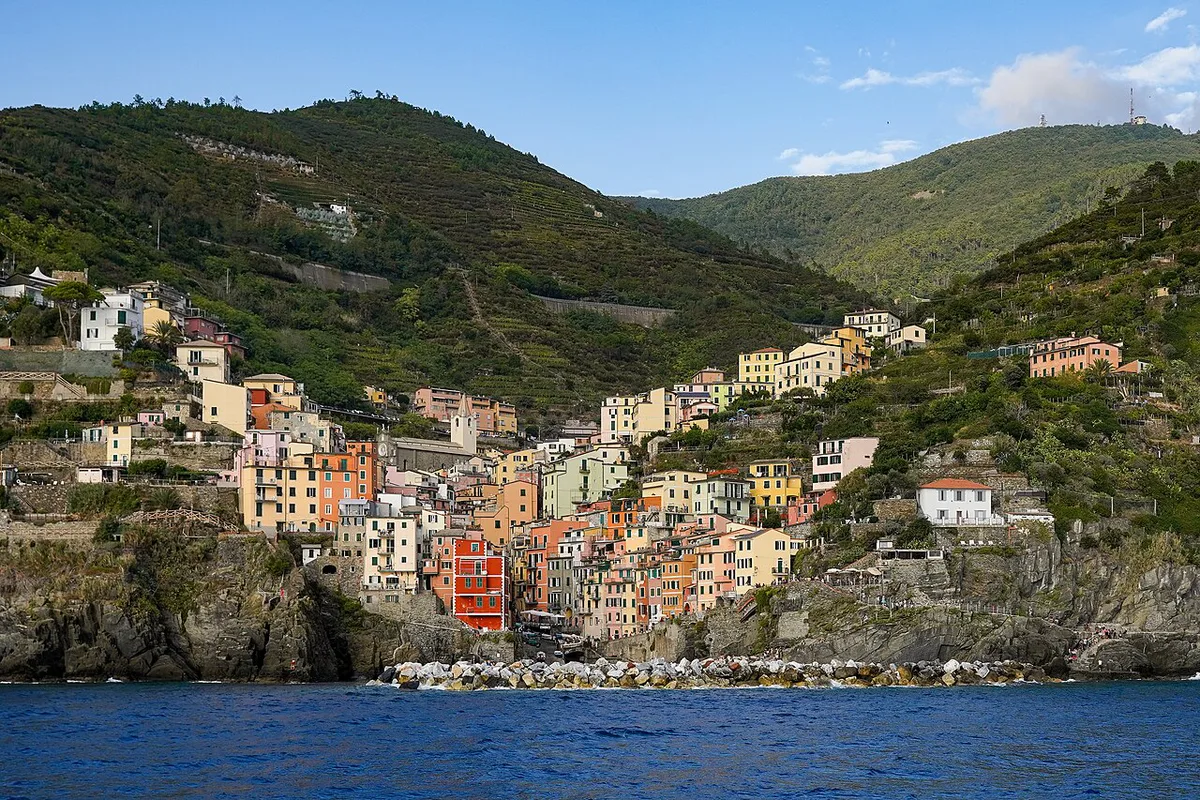
Parco Nazionale delle Cinque Terre was established on 6 October 1999 in Liguria, in the province of La Spezia. Italy's smallest national park covers 38.60 km² (14.90 sq mi) and has about 5,000 permanent residents. Its land takes in five coastal villages, plus parts of Levanto (Punta Mesco) and La Spezia. UNESCO listed the area as a cultural landscape on 5 December 1997, two years before the park existed. A Protected Marine Area was founded in 1997 as well. The Ministry of the Environment is the park's governing body. Visitors therefore meet three layers at once: a national park, a World Heritage landscape and a protected sea.
The Five Villages Compared
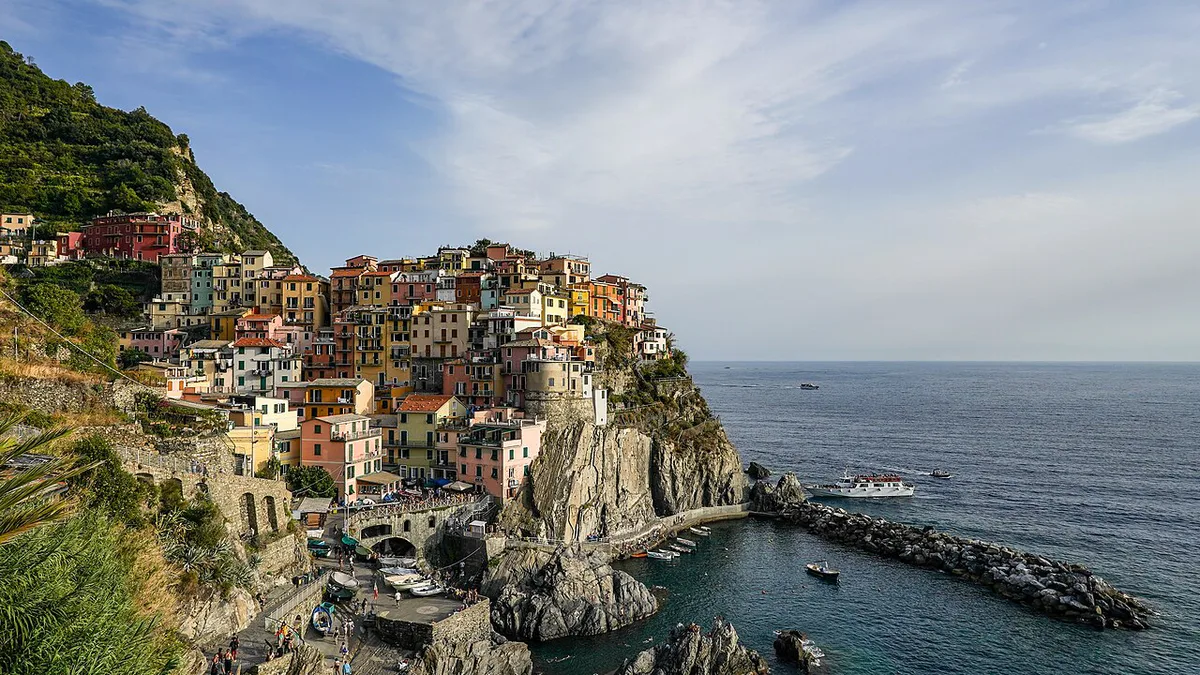
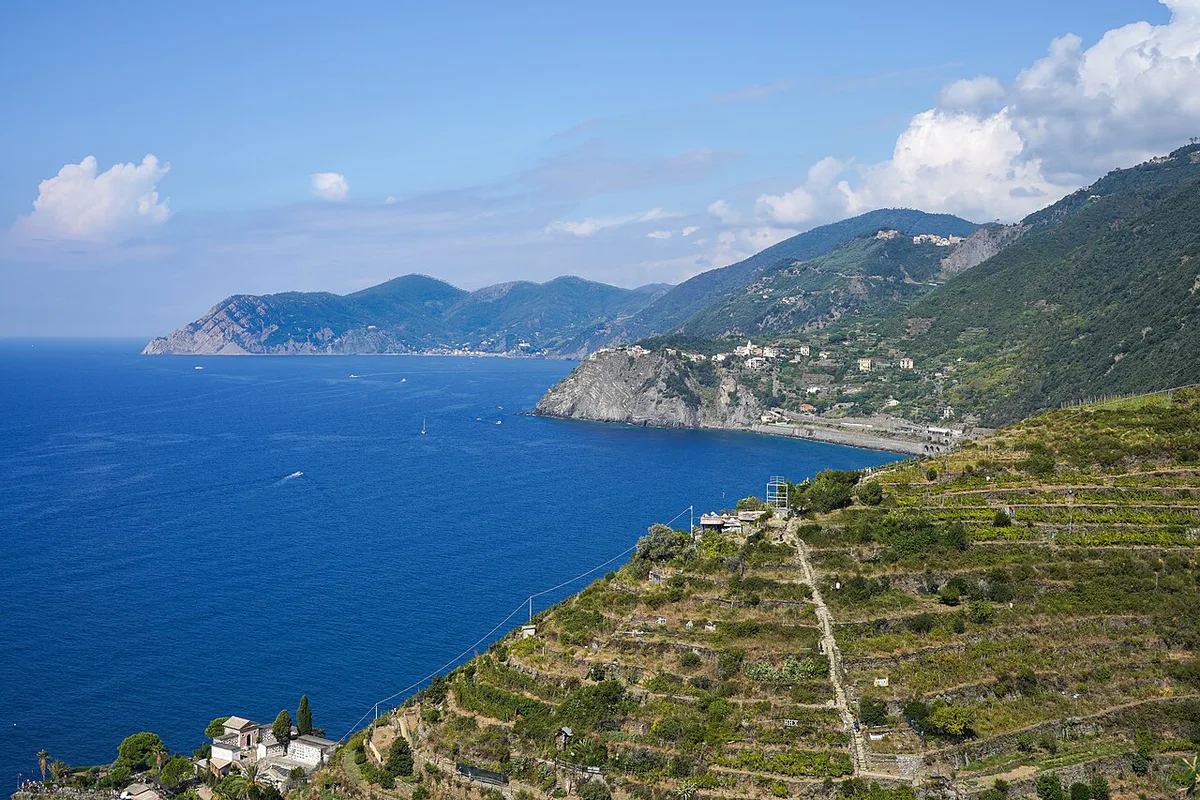
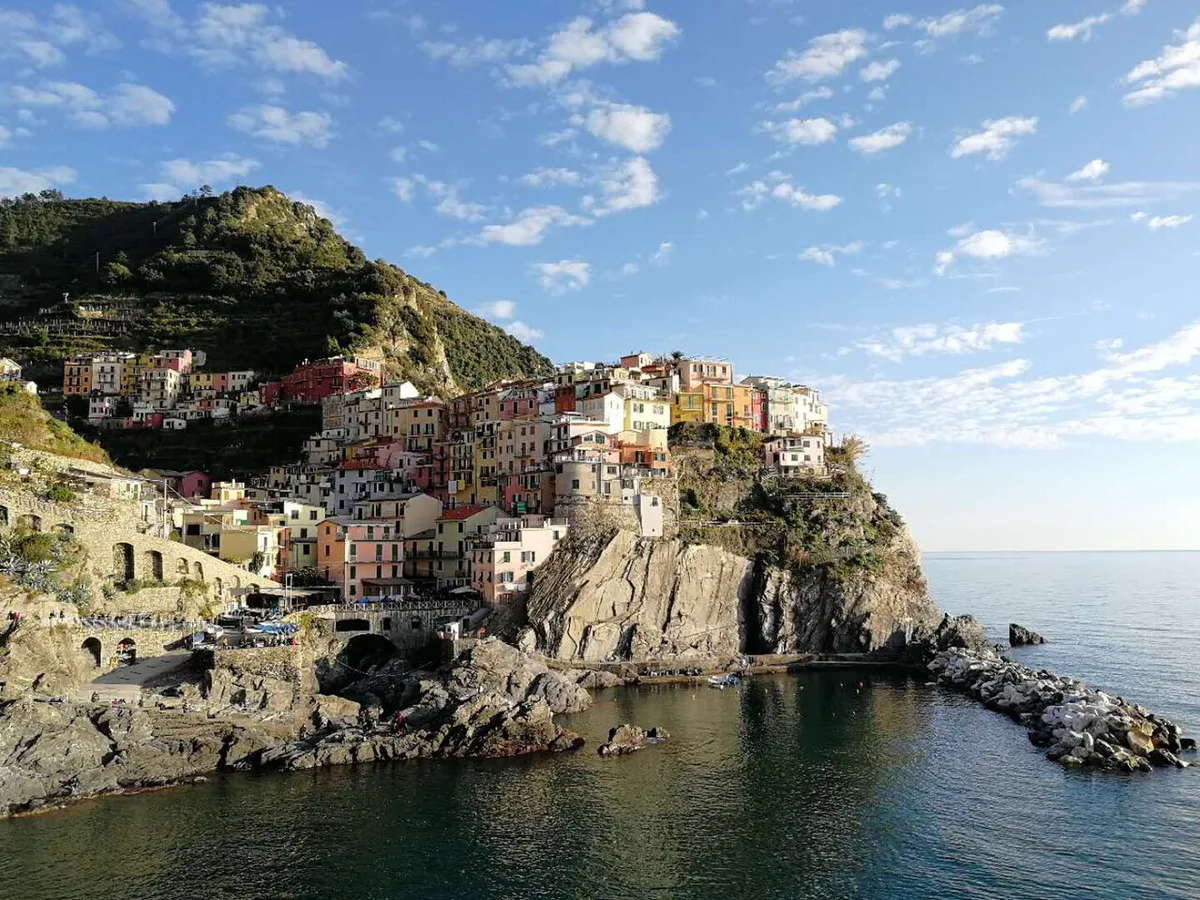
Pick a village by what you want from the day, not by fame. Corniglia is the smallest and highest village and the only one without direct sea access. Monterosso al Mare is the largest and has the most extensive sandy beach. Vernazza has a small harbor, and Riomaggiore, the easternmost village, has a tiny marina. Photographers should walk the short, easy path along Manarola's northern shore toward Corniglia for the classic view of the town. Hikers can start in Monterosso or Vernazza for the most-walked section of the Blue Trail.
| Village | Character | Swimming | Access note | Best fit | Trade-off |
|---|---|---|---|---|---|
| Monterosso al Mare | Largest village, widest sandy beach | Best sand in the park | Western end; the Levanto coastal path arrives here | Beach days, families | Far from Riomaggiore, so crossing the park takes a train ride |
| Vernazza | Small harbor, car-free streets | Small rocky beaches | Trails run toward Monterosso and Corniglia | Photography, hiking base | Demanding climbs on the Corniglia side |
| Corniglia | Smallest and highest village | None; no direct sea access | Sits above the coast | Quiet viewpoints, vineyard walks | Every trip down to the sea means a climb back |
| Manarola | Small port, stacked houses | Port rather than beach | Easy shore path north toward Corniglia | Photographers, short walks | Routes beyond the viewpoint get steeper |
| Riomaggiore | Easternmost village, tiny marina, castle dated 1260 | Small rocky beaches | Via dell'Amore leads toward Manarola | Cost-conscious base on the La Spezia side | Via dell'Amore has closed for repairs before |
Trails, Viewpoints and Less-Crowded Routes
Park trails span almost 19 km (12 mi) and need constant supervision against erosion. The Blue Trail, or Sentiero Azzurro, is the best-known route and is also written Sentiero Verde-Azzurro in park research. Its Monterosso–Vernazza section is the most popular. Trail status changes with weather and repairs, so open the official park site before committing to a day.
- Blue Trail (Sentiero Azzurro): links the five villages along the coast, with Monterosso–Vernazza the busiest stretch.
- Via dell'Amore: a flat cliffside footpath between Riomaggiore and Manarola, built by railroad workers in 1926–1928. Landslides have closed it for repairs, so check its status first.
- Levanto–Monterosso coastal path: starts outside the five villages in Levanto and gives a slightly less congested start if you leave early.
- Volpaia–Corniglia path (above Volastra): panoramic but very exposed and not always protected. Expect a steep climb and vineyard terraces.
- Sanctuary routes: a path network serves five Marian sanctuaries, one above each village. All but Montenero's are also reachable by road.
- Sanctuary highlights: Corniglia's stands at 390 m (1,280 ft), and Nostra Signora di Soviore appears in a document of 1225.
Costs, Passes and What to Check Before You Go
Cinque Terre National Park has no single entrance fee, and trail access runs through a card system that can change by season. Read current amounts on the official park site, and pay trains and boats to their operators.
- Trail access: the Cinque Terre Card grants access to the trails. Community reports from 2024 describe higher rates from June to September.
- Trains: paid separately to the rail operator, so check fares there.
- Boats and shuttles: paid separately to each operator, with services varying by season and sea conditions.
- Villages and sea: not gated, so no park ticket is needed to walk the streets.
How Long to Stay: Half Day, One Day, Two Days
Effort, not distance, sets the pace here. With almost 19 km of trails and steep climbs, one day works best with two or three villages. Match the plan below to your energy and to current trail status.
- Half day: one village, one short path such as Manarola's northern shore walk, and a swim or lunch. Effort: low.
- 1 day: the Monterosso–Vernazza section, then a train back or on to a third village. Effort: moderate.
- 2 days: add the Volpaia–Corniglia climb or a sanctuary route, and Via dell'Amore if it is open. Effort: moderate to high.
- 3+ days: add the Levanto–Monterosso path, boat time and the marine area. Effort: spread out, so rest days are easy.
- If weather or closures hit: swap trails for train hops between villages and a boat trip.
Best Time to Visit and Crowd Management
Spring (April–May) and early autumn (September–October) bring pleasant walking weather and smaller crowds than June–August. Summer suits swimming at Monterosso, but trails turn hot and busy. One hiker in May 2024 found the Corniglia–Vernazza–Monterosso route demanding in elevation and would not repeat it in summer heat. Colder months still work for the Volpaia–Corniglia path, though some village businesses wind down in the off-season. To spread out, start trails early, choose higher routes to the sanctuaries and visit outside June–August.
Getting There and Getting Around
La Spezia is the nearest city and the usual rail gateway, and Genoa is the other train approach. Trains link the villages, which is why most visitors skip the car. Levanto sits just outside the five villages and joins the park by the coastal path to Monterosso. Boats also serve the coast. Start with Liguria's official tourism site for rail and boat links. Last-train timing matters if you finish a trail late.
| Mode | Effort | Cost | Flexibility | Best for |
|---|---|---|---|---|
| Train | Low | Paid to the rail operator; check current fares | Tied to timetables, including the last train | Hopping between villages |
| Trail | High on steep or exposed sections | Trail card under park rules | Weather and closures can change the route | Scenery and viewpoints |
| Boat | Low | Paid to each boat operator | Seasonal and weather dependent | Seeing the coast from the sea |
Where to Stay: Base-Village Trade-Offs
Monterosso al Mare suits travelers who want space and a sandy beach. Riomaggiore gives a base at the eastern end of the park. La Spezia and Levanto sit outside the five villages and often trade atmosphere for easier logistics and lower costs. Car-free village streets mean you carry luggage on foot, and Corniglia adds a climb every time you leave the sea. Rates vary widely by season, so compare current listings before you commit.
Riomaggiore bases can reach Manarola on the path built by railroad workers in 1926–1928, but repair closures mean checking its status before you plan around it.
Safety, Closures and Weather
On 25 October 2011, 56 cm (22 in) of rain fell over four hours and flash floods nearly destroyed Monterosso al Mare and Vernazza. Corniglia, Manarola and Riomaggiore largely escaped, helped by natural topography and effective drainage. Abandoned terraces were thought to be a contributing factor. Today, trails are closed when weather or ground conditions require it. Wear sturdy shoes, carry water and plan shade on exposed paths such as Volpaia–Corniglia.
- Mistake: trying all five villages and every trail in one hot summer day.
- Mistake: wearing sandals on exposed or steep paths.
- Mistake: assuming a trail is open without checking current status.
- Mistake: ignoring last-train timing at day's end.
- Mistake: treating the park as one ticketed attraction.
Marine Area, Terraces and Responsible Visiting
The Protected Marine Area, founded in 1997, has three zones. The Strict Nature Reserve prohibits boaters. The General Nature Reserve allows motor boats, registered fishermen and guided scuba tours. The Partial Nature Reserve permits monitored recreational fishing. Check the park authority before snorkeling or anchoring. At Punta Mesco, red gorgonian fans grow at only 15–20 m (50–70 ft) depth. The sea also lies within the Pelagos Sanctuary, founded in 2002 for Mediterranean marine mammals. On land, about 3,500 acres were cultivated in 1951, against roughly 275 acres today. The "Uncultivated Lands" LIFE Project, co-founded in 2001, restores terraces for Albarola and Vermentino vines. Stay on marked paths and never climb terrace walls.
Families and Reduced Mobility
Monterosso's sandy beach is the easiest family stop. Some viewpoints near Vernazza are reachable without a long hike, and boat tours offer a relaxed way along the coast. Corniglia's height and the steeper trails are poor fits for limited mobility. Ask your accommodation about steps before booking.
Quieter Alternatives to the Coast
If summer crowds put you off, Italy's best national parks offer wilder scenery. Mountain lovers can try Val Grande's wild valleys. Forest walkers should look at Foreste Casentinesi's old woodlands. For high Apennine ridges, see Sibillini National Park Guide: Hikes, Villages & Tips.
Frequently Asked Questions
Can you walk the five towns of Cinque Terre?
Yes, the Blue Trail (Sentiero Azzurro) links the villages, and park trails total almost 19 km. Sections close for repairs or weather, so check the official park site before planning a full walk.
Where is the Cinque Terre region of Italy?
Cinque Terre sits in Liguria, in the province of La Spezia, with La Spezia as the nearest city. Monterosso al Mare, Vernazza and Corniglia come first from the west. Manarola and Riomaggiore follow to the east.
Notes for your next park visit
Optional updates to our national park guides.
Read next

Keep planning
Picked from the same area