15 National Parks in the UK: Full List and How to Choose
The UK has 15 national parks across England, Wales and Scotland. Compare them by landscape, size and trade-offs, then choose the right one for your trip.
Last updated November 2026. The UK has 15 national parks: 10 in England, 3 in Wales and 2 in Scotland. This guide to national parks in UK terms gives the full list grouped by country, then a chooser table, planning trade-offs and the rules that shape a visit.
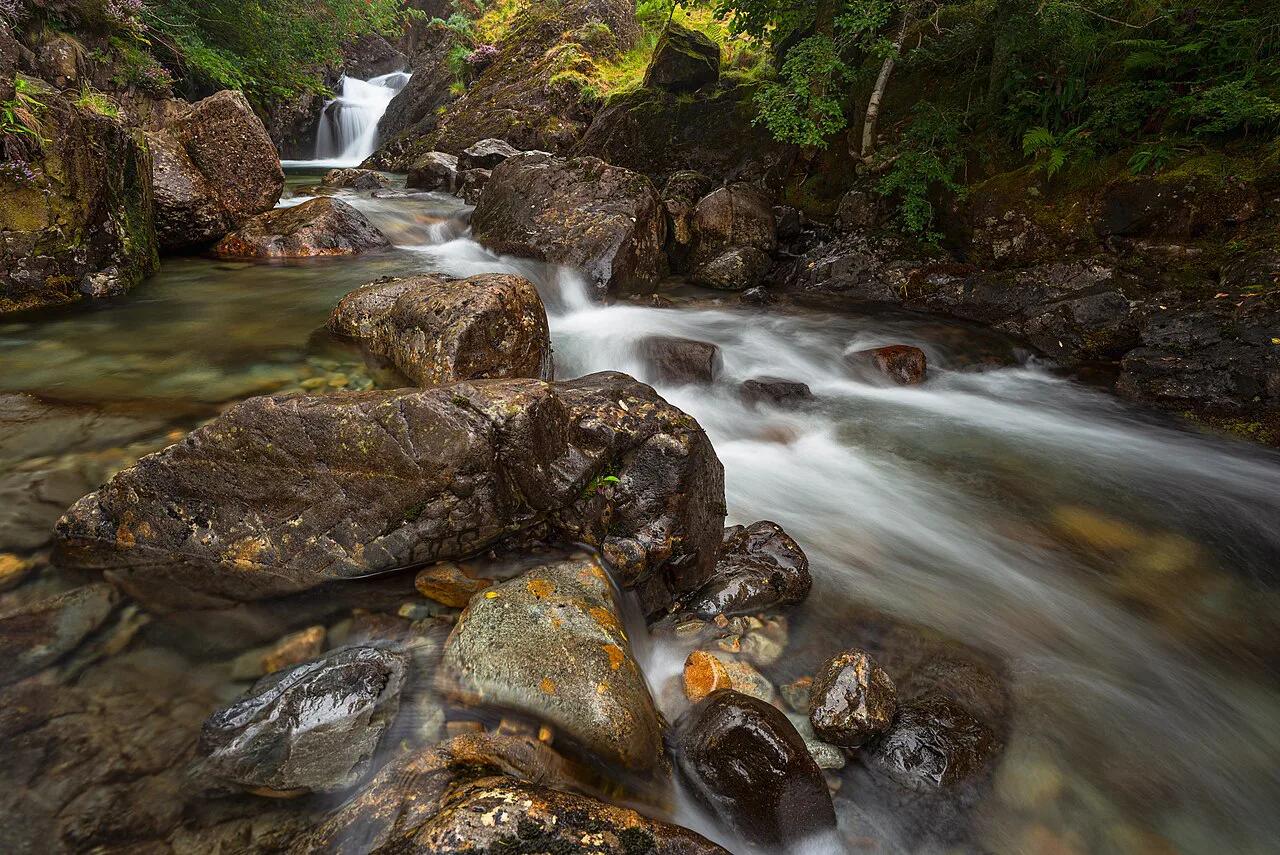
Featured image: Julian Herzog (Website), CC BY 4.0, via Wikimedia Commons.
How many national parks are in the UK?
The count is 15, according to National Parks UK. That total uses one counting rule: The Broads is included because it has status equivalent to a national park. Some lists show 14 parks plus The Broads, which is the same set of places. England therefore has 10, Wales has 3 and Scotland has 2. Northern Ireland has none, and our note on Northern Ireland's protected landscapes covers the alternatives. Land in the 10 English parks equals about 10% of England. The three Welsh parks cover about 20% of Wales, and the two Scottish parks cover 7.3% of Scotland.
15 National Parks in the UK, Grouped by Country
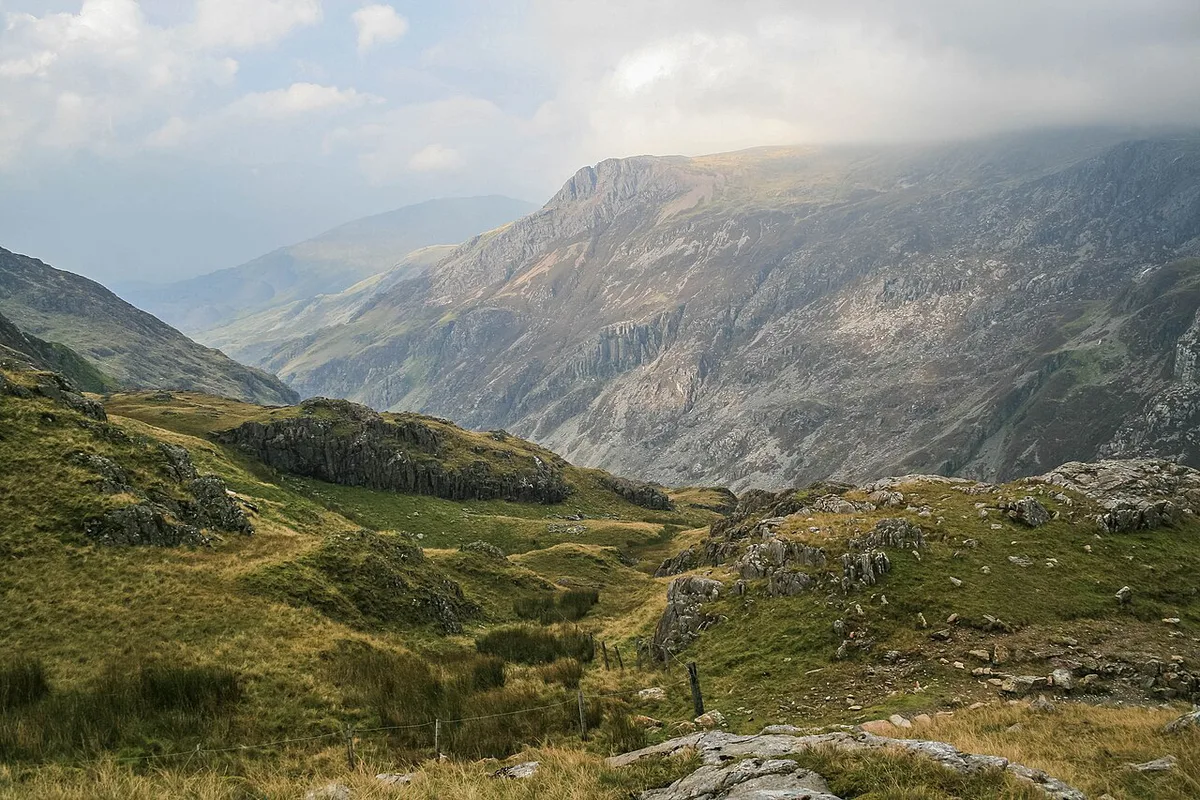
Each entry gives the designation year, the area and one reason to go. Use the country guides for deeper planning: start with England's ten parks. Then read about the three Welsh parks. Scotland has its own page on the two Scottish parks.
1. Peak District (England, 1951)
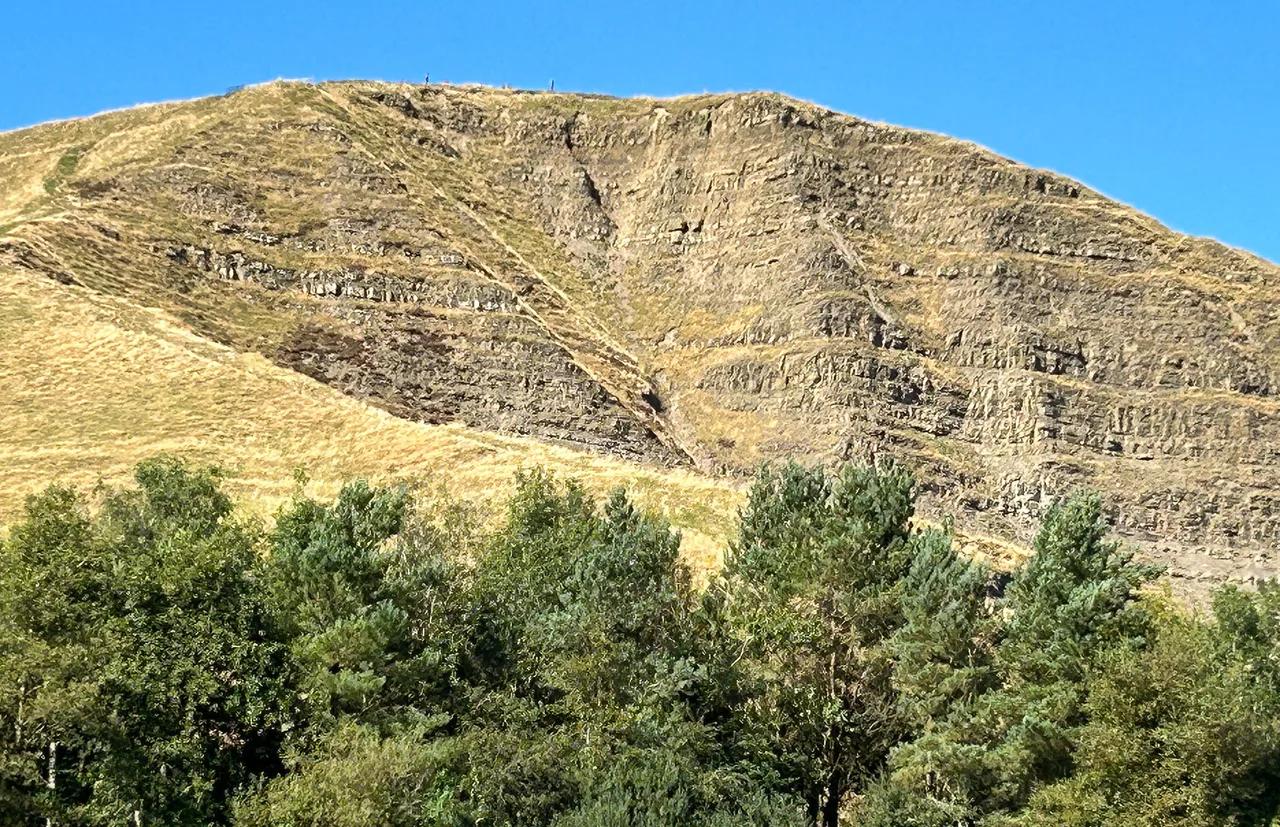
Designated on 17 April 1951, this was the first national park in the UK. It covers 555.2 sq mi across Derbyshire, Cheshire, Greater Manchester, Staffordshire, South Yorkshire and West Yorkshire. The southern White Peak has limestone dales. The northern Dark Peak has gritstone edges and peat moorland.
The 1932 Kinder Scout mass trespass, which pushed the national parks campaign forward, happened here. Skip it if you want sea cliffs or high mountains, because the park has neither.
2. Lake District (England, 1951)
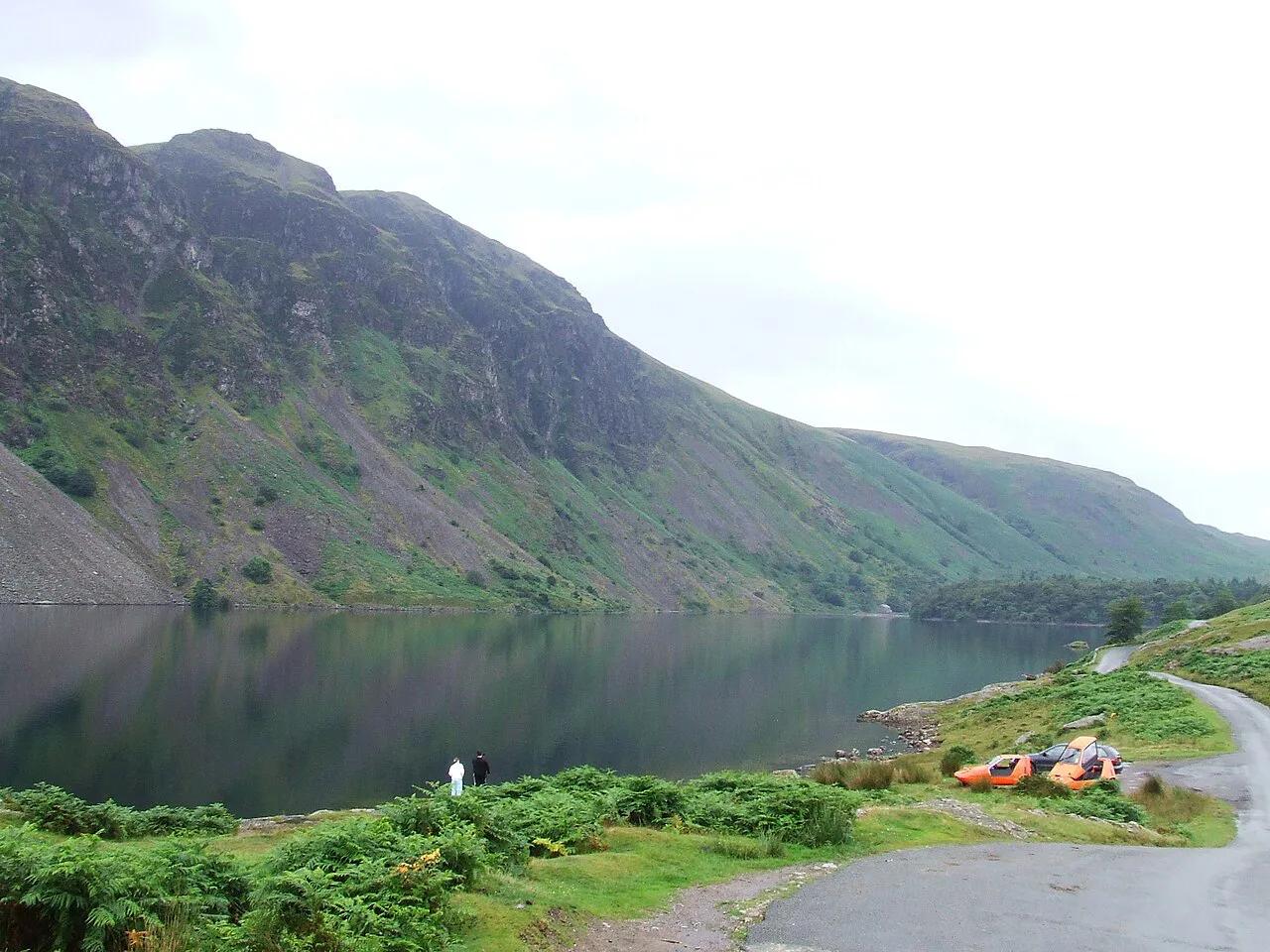
The Lake District covers 884.9 sq mi in Cumbria. It is the largest national park in England and the second largest in the UK. It holds the largest and deepest lakes and the highest peaks in England. The head of Wasdale appears on the park authority's logo, so it is a good first stop for the classic view.
It is the most-visited park by headcount, with 15.8 million visitors recorded in 2009. Skip it in peak holiday periods if you dislike sharing viewpoints with crowds.
3. Dartmoor (England, 1951)
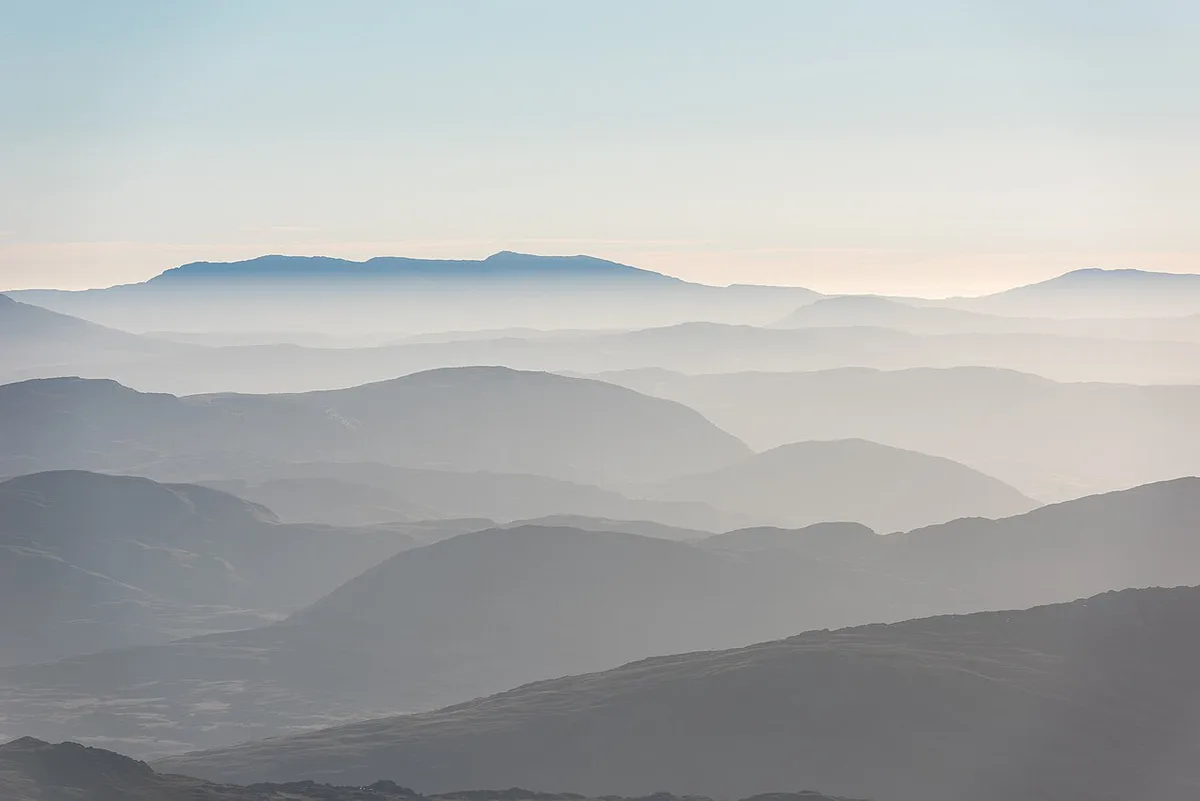
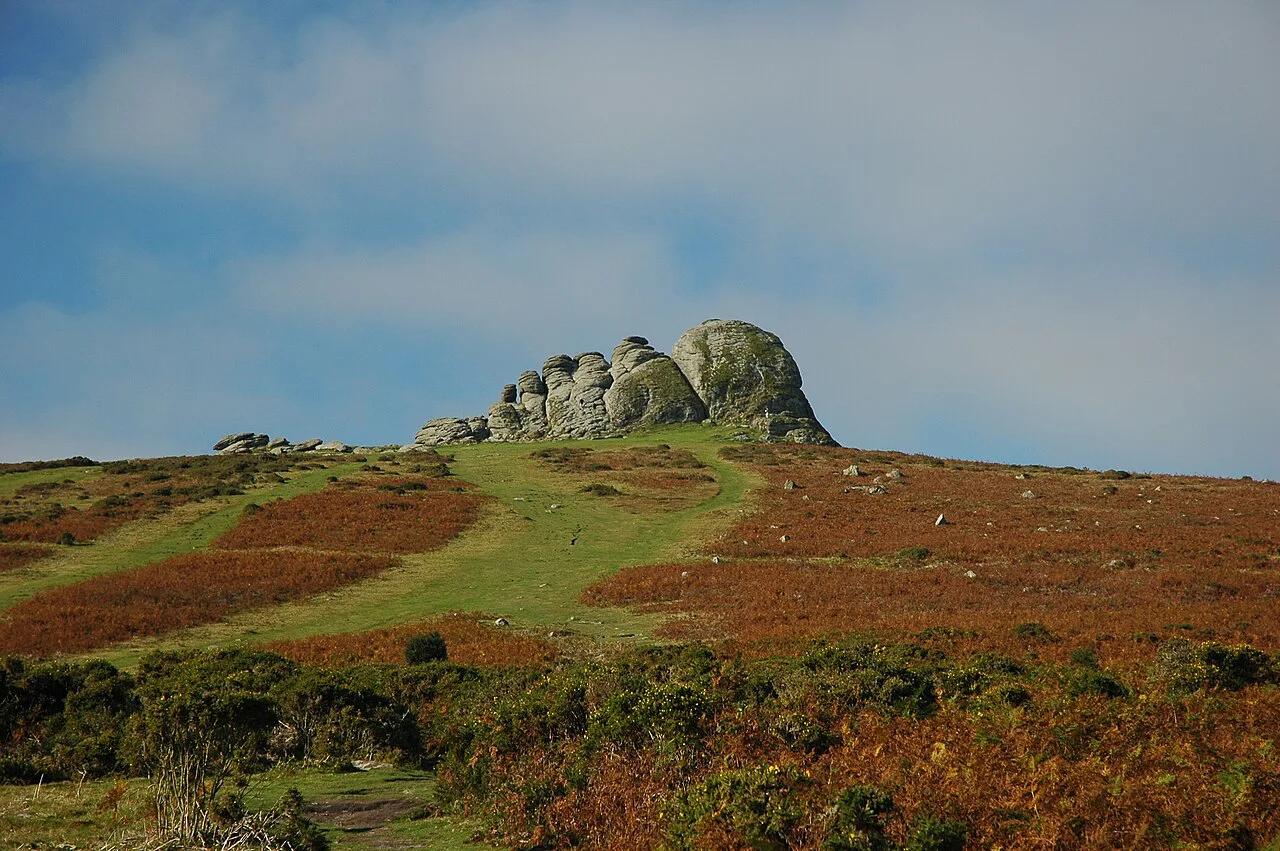
Dartmoor is the largest and wildest area of open country in the south of England. It covers 369.1 sq mi of Devon. Granite underlies 65% of the park, and almost half of it is moorland. Four national nature reserves lie inside the boundary. Canonteign Falls, England's second highest waterfall, is also within the park.
It suits walkers who want open moor without a long journey north. Skip it if you are after mountain summits or a beach, since it offers neither.
4. North York Moors (England, 1952)
Designated in 1952, the North York Moors guide covers 554.4 sq mi of North Yorkshire. It holds the largest Iron Age hill-fort in the North of England, plus Roman forts, castles and abbeys. Geologists have worked here for over a century, and the area is known for fossils from ammonites to dinosaur footprints.
The North Yorkshire Moors Railway offers a rail-based way into the heather. Skip it if you only want dramatic peaks, because the appeal is history and moorland.
5. Yorkshire Dales (England, 1954)
The Dales straddle the central Pennines and cover 841.3 sq mi across North Yorkshire, Cumbria and Lancashire. The Millstone Grit Three Peaks rise to over 2,300 ft. Limestone scenery in the south brings crags, pavements and extensive cave systems.
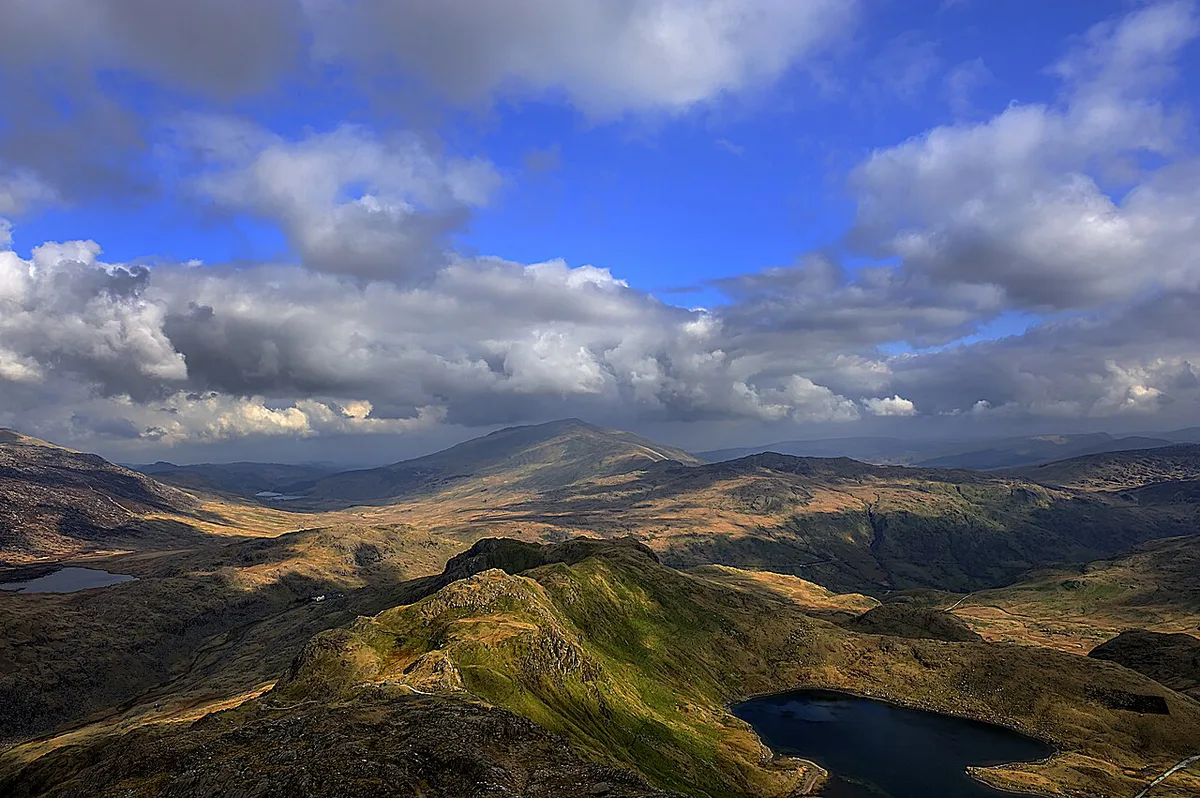
Waterfalls include Hardraw Force and the Aysgarth Falls, and Malham Tarn is a post-glacial lake. Skip it if you want a coastline, since the Dales are entirely inland.
6. Exmoor (England, 1954)
Exmoor is one of the smaller upland parks, at 267.6 sq mi across Somerset and Devon. Our Exmoor visitor guide covers the practical side. The moor rises to 1,703 ft at Dunkery Beacon and has 34 mi of coastline.
Rivers such as the Lyn run towards that coast, so you can combine high moor and sea in one trip. Skip it if you want big mountains or a long list of famous landmarks.
7. Northumberland (England, 1956)
Hadrian's Wall crosses this park, which covers 405.0 sq mi of Northumberland. The Northumberland National Park authority publishes visitor information for the area. Our Northumberland park profile adds walking and planning ideas.
It suits anyone who wants Roman history alongside open upland. Skip it if you want lakes or tall peaks, because the draw here is the wall.
8. The Broads (England, 1988)
The Broads is the smallest of the 15, at 117.0 sq mi across Norfolk and Suffolk. It has equivalent status rather than full national park status, and its own Act of 1988. Its third purpose, protecting the interests of navigation, carries equal weight with the other two.
That makes it the obvious pick for a boating trip, and our Broads waterways guide explains the setting. Skip it if you want hills or walking on high ground.

9. New Forest (England, 2005)
Designated on 1 March 2005, the New Forest covers 223.9 sq mi across Hampshire and Wiltshire. It includes the largest remaining tracts of unenclosed pasture land, heathland and old-growth forest in South East England. Livestock roam freely, and the authority asks drivers to stay alert and slow down.
The New Forest National Park Authority publishes a visitor code and seasonal guidance. Our New Forest planning guide adds route ideas. Skip it if you expect to drive quickly.
10. South Downs (England, 2010)
The South Downs came into effect on 31 March 2010 and covers 633.6 sq mi across East Sussex, Hampshire and West Sussex. Land remains largely private. Nearly one-fifth of the park, 70,699 acres, is owned by eight landowners. By visitor days it ranks high, at 39 million.
The South Downs National Park Authority lists walking and travel information. Our South Downs walking guide goes further. Skip it if you want remote, empty country.
11. Eryri / Snowdonia (Wales, 1951)
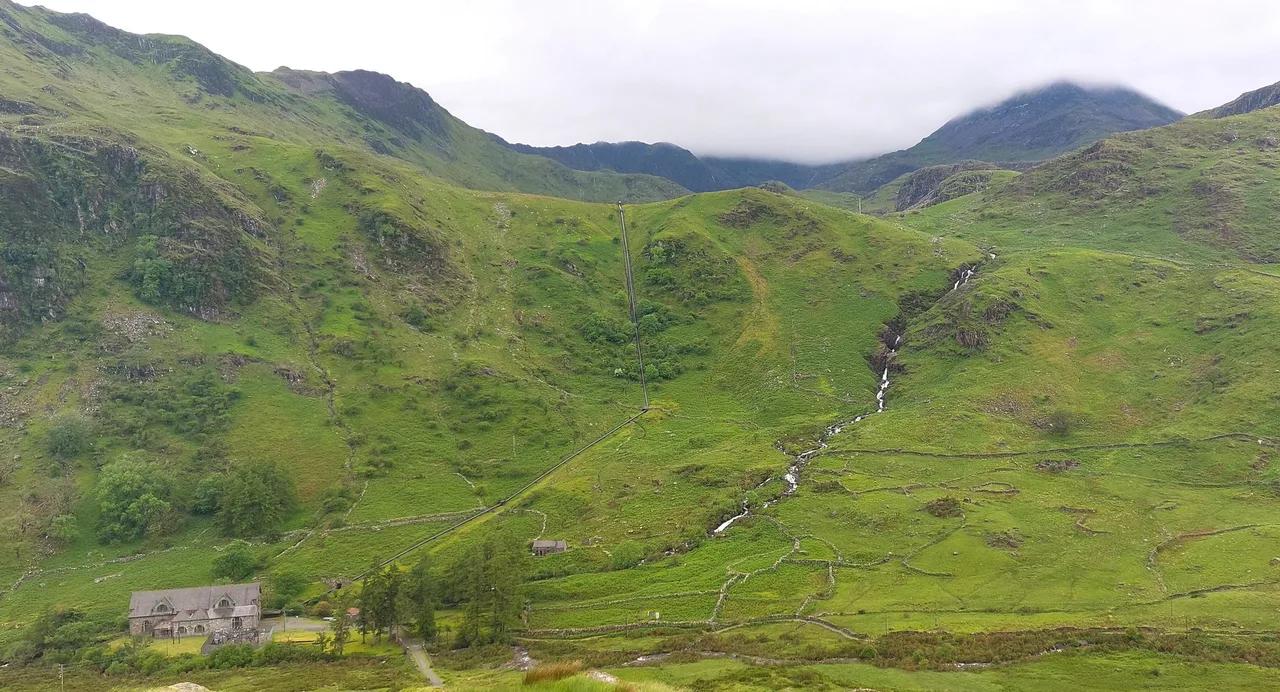
Eryri was designated on 18 October 1951 and covers 827.0 sq mi across Gwynedd and Conwy. It is the largest park in Wales and the fourth largest in the UK. This is the pick for mountain days, so expect real climbing effort and changeable weather.
It has no internal guide on this site yet, so use the park authority's own pages to plan. Skip it if you want gentle lowland strolls.
12. Pembrokeshire Coast (Wales, 1952)
The Welsh name is Arfordir Penfro, and the park covers 239.4 sq mi of Pembrokeshire. It is the coastal option among the Welsh parks and one of the smallest overall. The Pembrokeshire Coast National Park Authority is the official source for coast path and visitor information.
Our Pembrokeshire coast profile covers planning. Skip it in poor weather if you dislike exposed cliff walking.
13. Bannau Brycheiniog / Brecon Beacons (Wales, 1957)
Designated on 17 April 1957, this park covers 521.6 sq mi across eight Welsh local authority areas, including Powys and Monmouthshire. Pen y Fan rises to 886 m (2,907 ft), and the view from the top looks across to Cribyn at 795 m (2,608 ft). Read our Brecon Beacons visitor guide before choosing a route.
It suits hill walkers who want height without Eryri's scale. Skip it if you prefer coast or water.
14. Loch Lomond and The Trossachs (Scotland, 2002)
Designated on 24 April 2002, it covers 720.1 sq mi across West Dunbartonshire, Argyll and Bute, Perth and Kinross, and Stirling. It was created under the National Parks (Scotland) Act 2000. Scottish parks carry two extra purposes on sustainable use and sustainable development of communities.
It is a good Scottish option if you want a mix of loch and hills. Skip it if the Highlands' remoteness is the goal.
15. Cairngorms (Scotland, 2003)
The Cairngorms is the largest of the 15, at 1,748.3 sq mi across Highland, Moray, Aberdeenshire, Angus, and Perth and Kinross. It is bigger than the Lake District, the largest park in England, which covers 884.9 sq mi. Our note on the largest park in the UK compares the two.
It suits long trips with several days of walking. Skip it for a short weekend, because distances inside the park are large.
Which National Park Is Right for You?
Match the park to the trip, not the other way round. Effort and ease differ most between big mountain parks and small lowland ones. Hobhouse's 1947 criteria asked that at least one park be quickly accessible from each main population centre, which is why many English parks suit short breaks. For a ranked shortlist, read our guide to choosing a first park.
| Trip type | Good fits | Landscape | Main trade-off |
|---|---|---|---|
| Mountains | Eryri, Cairngorms | Peaks and high ground; Cairngorms is 1,748.3 sq mi | More effort and changeable weather |
| Moorland | Exmoor, North York Moors, Dartmoor | Open moor; Exmoor reaches 1,703 ft | Fewer dramatic summits |
| Coast | Pembrokeshire Coast, South Downs | Cliffs and chalk downs | Weather exposure on cliffs |
| Waterways | The Broads | 117.0 sq mi, the smallest park | Little high ground |
| History | Northumberland, North York Moors | Hadrian's Wall and Iron Age hill-fort | Less dramatic scenery |
| Lakes and fells | Lake District | 884.9 sq mi, largest in England | Crowds in peak periods |
Planning a Visit: Time, Access and Getting Around

Settlements, farms and roads sit inside every park, so do not expect wilderness. Britain has lacked substantial wilderness for thousands of years. A short stop suits the smaller parks, such as The Broads and the New Forest. A weekend works for the Peak District, Dartmoor or the North York Moors. The Lake District, Eryri and the Cairngorms reward a longer base. For car-free trips, check each authority's travel page, such as the New Forest's sustainable travel section. No single fee covers all 15 parks, so check each park authority for local charges.
No single fee covers all 15 parks, so check each park authority for local charges. Combining the Cairngorms with the Lake District means two separate charge checks.
| Choice | Time saved or gained | What it costs you |
|---|---|---|
| Park near a city | Short journey | More visitors at weekends |
| Remote park | Quieter trails | Longer travel and fewer services |
| Big mountain park | Bigger views | More effort |
| Small lowland park | Easier days | Less drama |
How UK National Parks Work
England and Wales use the National Parks and Access to the Countryside Act 1949. The Environment Act 1995 set two purposes: conserve and enhance natural beauty, wildlife and cultural heritage, and promote public understanding and enjoyment. Under the Sandford Principle, the first purpose wins if the two conflict. Scotland uses the National Parks (Scotland) Act 2000, which adds two purposes on sustainable resource use and community development. Each park has its own authority. Land stays largely private, with farms, villages and public rights of way inside the boundary.
Ireland’s national parks work differently: they are state-owned land managed by the National Parks and Wildlife Service, as covered in our guide to national parks in Ireland.
Visiting Responsibly: Mistakes to Avoid
Stay on public rights of way, because access to cultivated land in England and Wales is limited to them. Drive slowly in the New Forest, where livestock cross roads. Read the Forestry England New Forest pages for local guidance before you go. Follow seasonal guidance on park authority sites. Erosion and congestion are the main pressures, so keep to paths and park carefully.
Frequently Asked Questions
Which is the most visited national park in the UK?
The Lake District is the most visited by headcount, with 15.8 million visitors recorded in 2009. By visitor days, the South Downs recorded 39 million against 23.1 million for the Lake District.
Does the UK have any national parks?
Yes, it has 15. They differ from many overseas parks because people live and farm inside them, and land stays largely private.
Explore More Guides
Keep planning your trip with these guides.
Guides
- North York Moors National Park: Planning Guide, Best Bases and Seasons
- Exmoor National Park Guide
- South Downs National Park Guide
- New Forest National Park: Visitor Guide, Planning and Logistics
- Northumberland National Park: Plan Your Visit
- Pembrokeshire Coast National Park: Plan Your Visit
- National Parks in England: Full List and How to Choose
- National Parks in Scotland: 2 Parks Compared and How to Choose
- The Broads National Park: Where It Is & How to Visit
- Brecon Beacons National Park (Bannau Brycheiniog)
- National Parks in Wales: The 3 Parks Compared and How to Choose
- 8 Best National Parks in the UK
- National Parks in Northern Ireland: Is There One?
- Largest National Park in the UK
Notes for your next park visit
Optional updates to our national park guides.
Read next
Keep planning
Picked from the same area