National Parks in England: Full List and How to Choose
See all 10 national parks in England, which one suits your trip, and how to reach and visit each. Includes a quick comparison table and practical tips.
Last updated November 2026: England has 10 national parks, from Dartmoor and Exmoor in the south-west to the Lake District and Northumberland in the north. Our guide to national parks in England names all ten, then compares them by region, trip type and access. Wales has three parks and Scotland has two, which brings the UK total to 15.
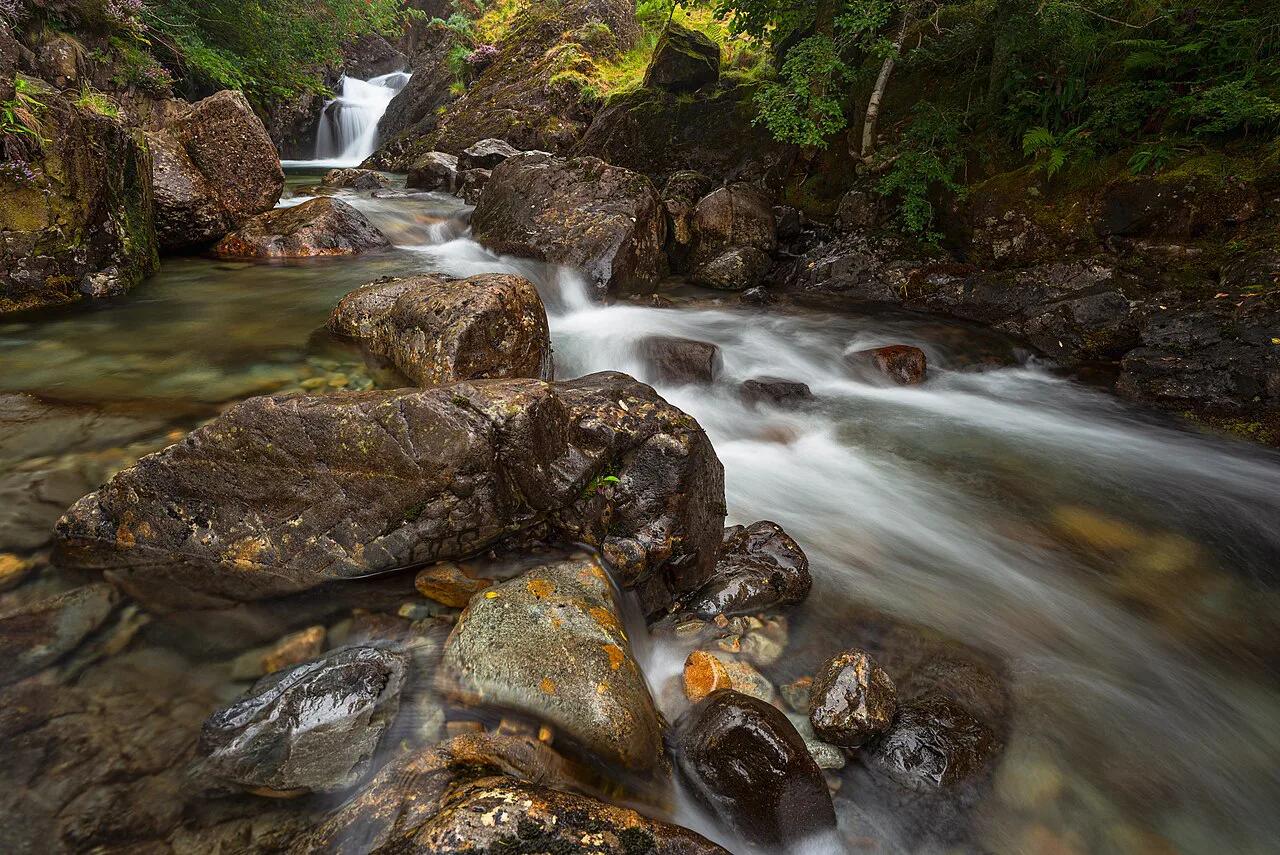
Featured image: Jagandrk, CC BY-SA 4.0, via Wikimedia Commons.
How many national parks are there in England?
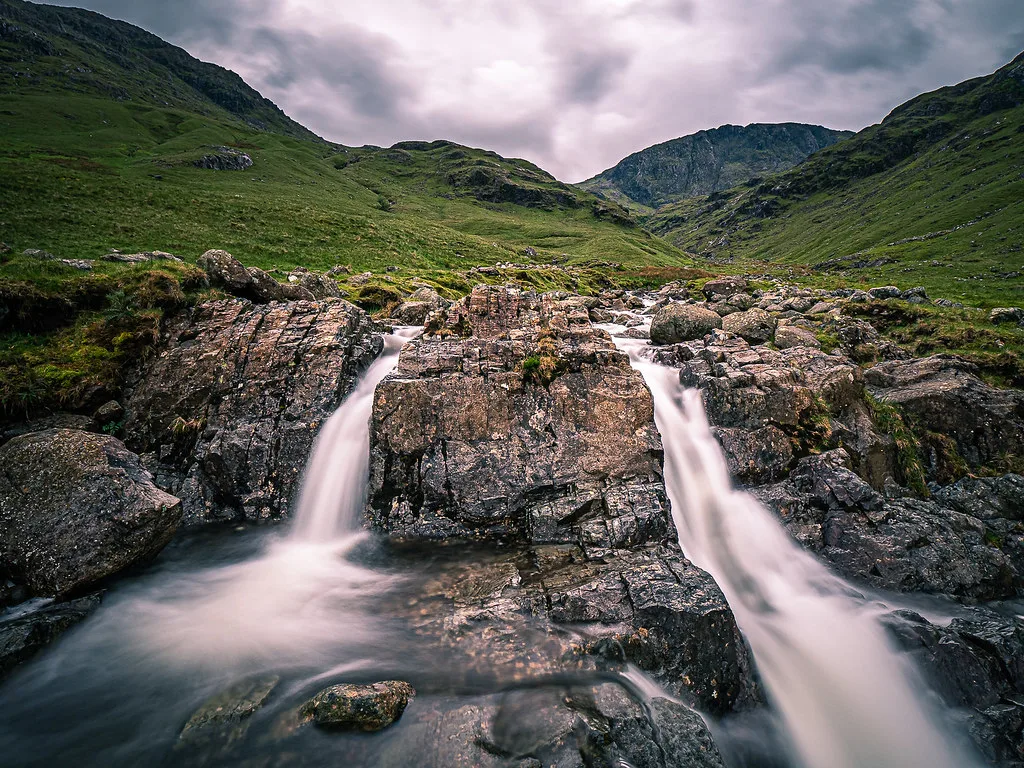
England has 10 national parks, according to National Parks UK. Nine are hill, moor, forest or coastal landscapes. The tenth, The Broads, is a lowland network of rivers and lakes with equivalent status. No new English park has been added to this list, so treat any talk of a Chilterns, Cotswolds or Dorset park as a proposal. The UK-wide picture is covered in our guide to all four nations.
- Dartmoor
- Exmoor
- The Broads
- New Forest
- South Downs
- Peak District
- Lake District
- Yorkshire Dales
- North York Moors
- Northumberland
Map and list of England's national parks
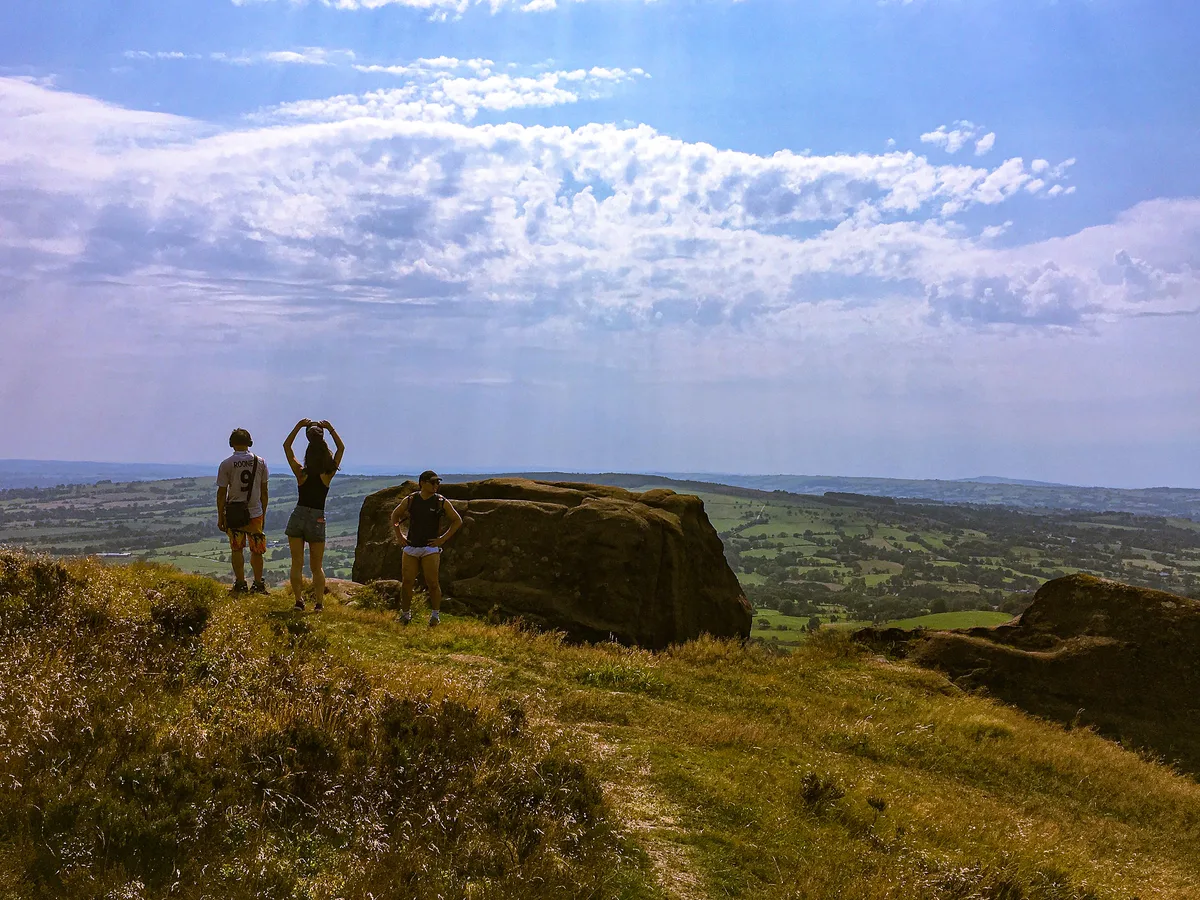
This table places each park by region and says what it suits best. Regions follow the standard English regional split, and the Peak District and Yorkshire Dales each touch more than one region. Parks with their own guide are linked.
| Park | Region | Best for |
|---|---|---|
| Dartmoor | South West | Open moorland walking |
| Exmoor | South West | Wild coast and moor |
| New Forest | South West and South East | Woodland and heath near London |
| South Downs | South East | Easy trip from London |
| The Broads | East of England | Flat waterways and boating |
| Peak District | East Midlands, West Midlands, Yorkshire and Humber | Upland walking |
| Lake District | North West | Mountains and lakes |
| Yorkshire Dales | Yorkshire and Humber, North West | Dales walking |
| North York Moors | Yorkshire and Humber | Moorland and a heritage railway |
| Northumberland | North East | Wild, quiet landscapes |
What national park status means on the ground
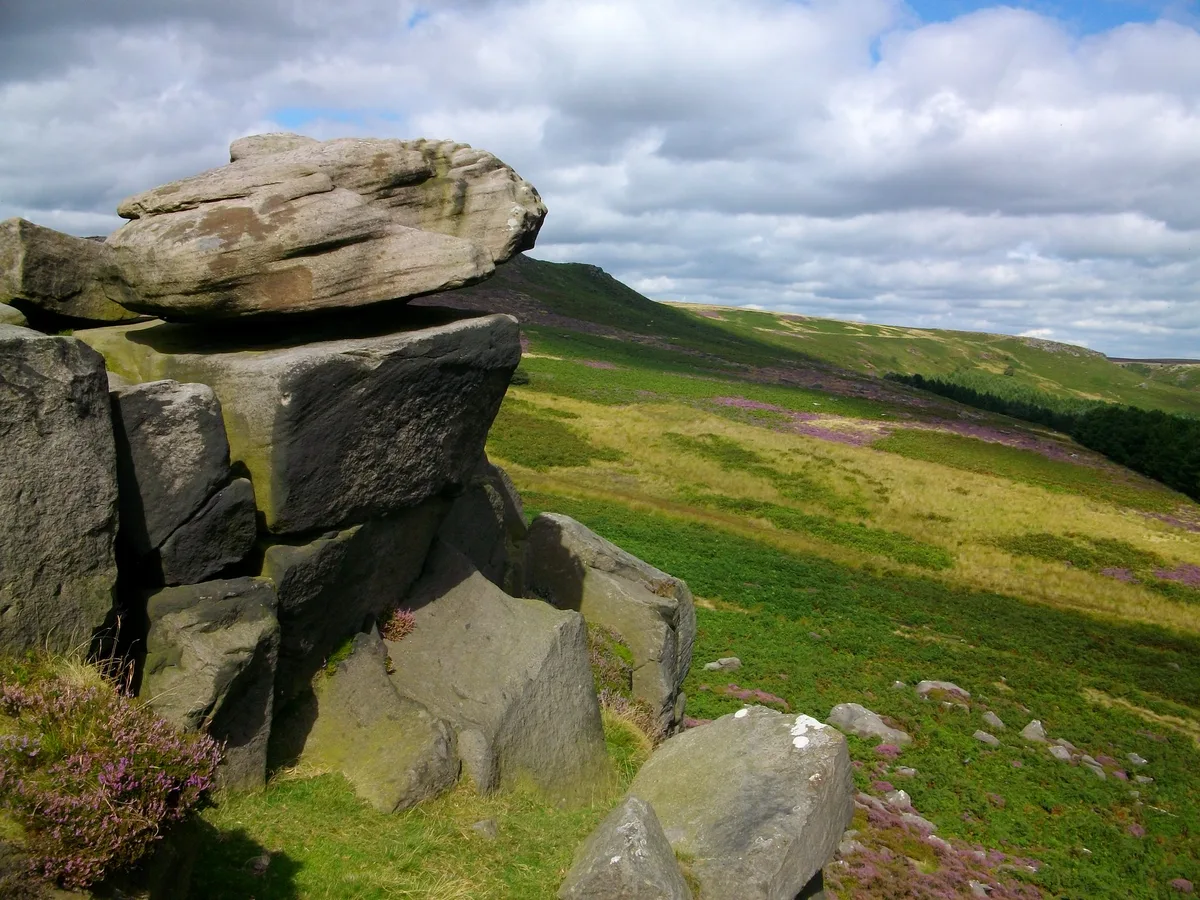
An English national park is a protected landscape, not a nature reserve or a public estate. People live, farm and work inside every one of them, and most of the land is privately owned. The park authority's job is to conserve the landscape and help people enjoy it, so you will pass villages, working farms and main roads as well as open country.
This explains a few things visitors notice:
- Boundaries are rarely visible. There are no gates or ticket offices. You usually know you have crossed into a park from a brown sign or a change in scenery.
- Each park has its own authority. Visitor centres, ranger services, events and planning pages are run park by park, so the practical details differ between, say, the Lake District and the South Downs.
- Protected is not the same as wilderness. The New Forest has commoners' ponies and cattle on the roads, and the Broads has busy boatyards in summer.
For exact boundary lines, use the official map on the park authority's own website. The outline in a general map app can be out by a few hundred metres, which matters if you are checking whether a campsite or a walk starts inside the park.
Which of the national parks in England should you choose?
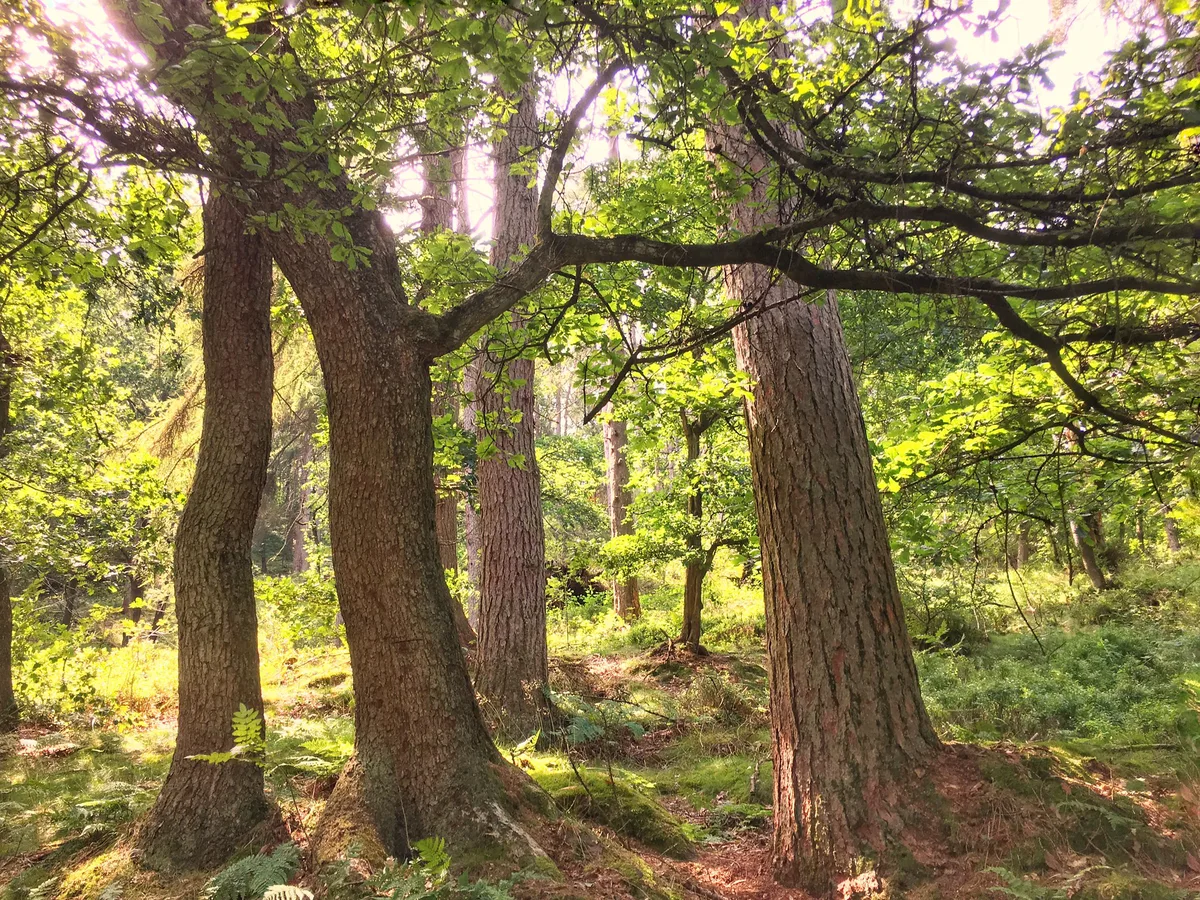
Pick by the kind of day you want, then check the access notes below. Our ranking of the best parks helps if you are comparing across nations.
- Mountains and lakes: the Lake District is the clearest fit.
- Moorland plus steam trains: North York Moors, where the North Yorkshire Moors Railway runs.
- Easy from London: South Downs or New Forest.
- Wild coast: Exmoor or Northumberland.
- Flat, slow water: The Broads, which is not hill country.
- Quiet walking: Dartmoor, Yorkshire Dales or Peak District.
How to visit: getting there and getting around
Car-free trips work best in the parks closest to towns with stations. The South Downs and New Forest are the usual picks for a rail-based break, and each authority lists transport options. Start with the South Downs National Park Authority for walking routes. Remote parks such as Northumberland and Exmoor realistically suit a car. Distances between villages are longer than maps suggest. Phone signal can drop out inside a park. National Parks UK advises carrying a map and compass on walks.
Long-distance trails that run through the parks
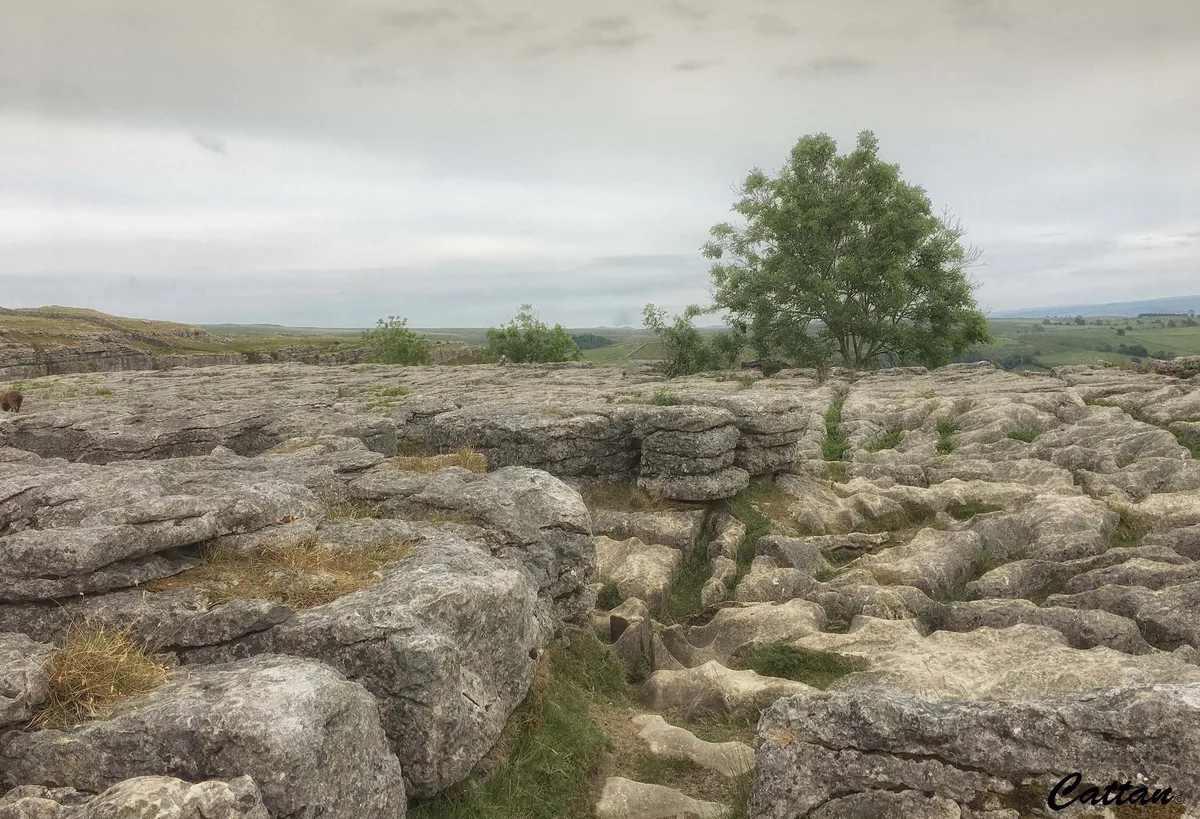
Several of England's best-known walking routes cross national parks, which makes them a useful way to structure a trip. You do not need to walk a whole trail. Most can be sampled in a day section between two villages with a bus or car park at each end.
| Trail | Parks it passes through |
|---|---|
| Pennine Way | Peak District, Yorkshire Dales, Northumberland |
| Hadrian's Wall Path | Northumberland (central section) |
| Cleveland Way | North York Moors, including its coast |
| South Downs Way | South Downs, Winchester to Eastbourne |
| South West Coast Path | Exmoor coast |
The Pennine Way starts at Edale in the Peak District, which makes it an easy first taste of the route. Day walks on any of these trails are well signed, but check the national trail website or the park authority for current diversions before you set out.
Plan for the distance between facilities. Pubs and cafes in small villages may close early or midweek outside summer, so carry water and food on any section that crosses open moor. If you are comparing the English parks with other countries' protected areas, our guide to the best national parks in Europe shows how they differ.
Costs: what is free and what is not
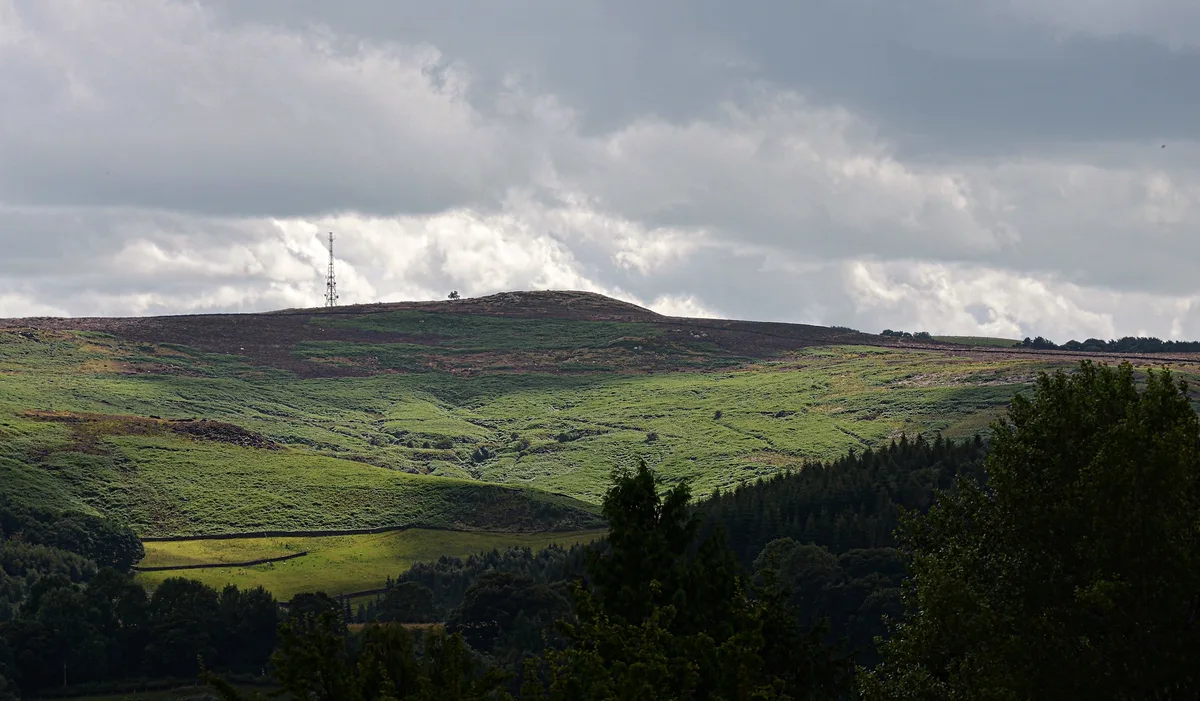
Visiting a national park is free of charge, and you do not need to book. Parking, boat hire, heritage railway tickets and many attractions do cost money. Check parking arrangements on the National Parks UK site before you drive. Forest car parks in the New Forest are run by Forestry England, so look there for current charges.
When to go
Summer weekends and bank holidays bring the biggest crowds, especially in the Lake District, the Peak District and the New Forest. Autumn gives colour in wooded parks and thinner crowds. Winter brings harsher weather on high moor and fell, so pack for wind and rain. Spring suits low-level walks and coastal paths in Exmoor and Northumberland.
Where to stay
Base yourself in a village or market town inside or beside the park rather than a big city. Moorland parks suit small villages with walking access. The Broads suit a riverside village or a boat-based stay. South Downs visitors can stay in towns close to rail links. Check the park authority's own site for current lodging and campsite guidance.
Planning time: a weekend or a week
A weekend covers one park well. A week lets you pair two neighbours, such as North York Moors with the Yorkshire Dales, or Exmoor with Dartmoor. Check road distances on a current map first, because moorland routes are slower than they look. The New Forest National Park Authority and the Northumberland National Park sites both publish visitor planning pages.
Mistakes to avoid
These errors catch first-time visitors most often.
- Treating a park as one attraction instead of a region with many villages.
- Underestimating distances between villages and car parks.
- Relying on phone maps where signal is patchy.
- Expecting hills in The Broads, which is flat and water-based.
- Mixing up English parks with Welsh and Scottish ones.
- Forgetting the Countryside Code, including taking rubbish home and respecting livestock.
- Confusing a national park with a National Landscape, the name given to AONBs in 2023.
Not in England: Wales, Scotland and Northern Ireland
Wales has three parks. Two are Brecon Beacons and Pembrokeshire Coast, covered in our guides to Brecon Beacons and Pembrokeshire Coast. See the full list in National Parks in Wales: The 3 Parks Compared and How to Choose. Scotland has two, listed in National Parks in Scotland: 2 Parks Compared and How to Choose. For the northern part of the island, read about National Parks in Northern Ireland: Is There One?. For size comparisons, see the largest national park in the UK.
Across the UK, the 10 national parks in England sit beside Wales's three and Scotland's two, making 15 in all.
Notes for your next park visit
Optional updates to our national park guides.
Read next
Keep planning
Picked from the same area