North York Moors National Park: Planning Guide, Best Bases and Seasons
Plan a North York Moors National Park trip: where to base yourself, when to go for heather and coast, how to get around, and costs to check.
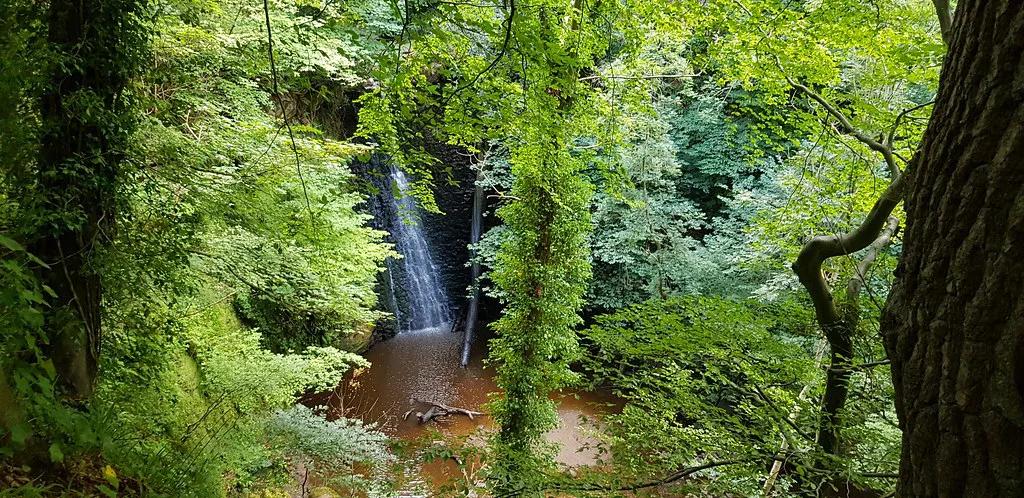
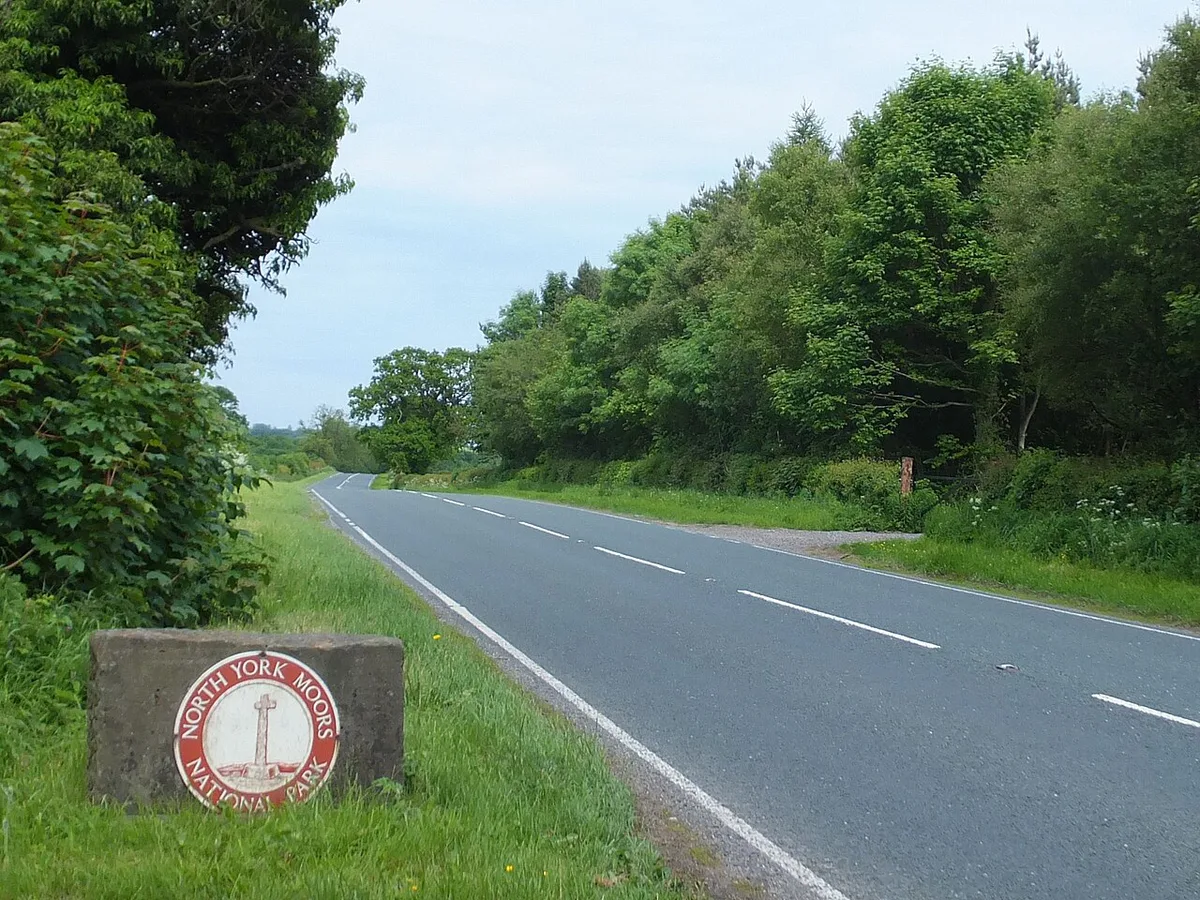
Last updated November 2026. North York Moors National Park sits north of York and covers a high moorland plateau, deep dales and a coastline on its eastern edge. Heather moorland, Whitby, Robin Hood's Bay and a steam railway are the signature draws, with abbeys and castles around the market towns. This guide suits walkers and road-trippers, and it helps you choose a base before you book anything.
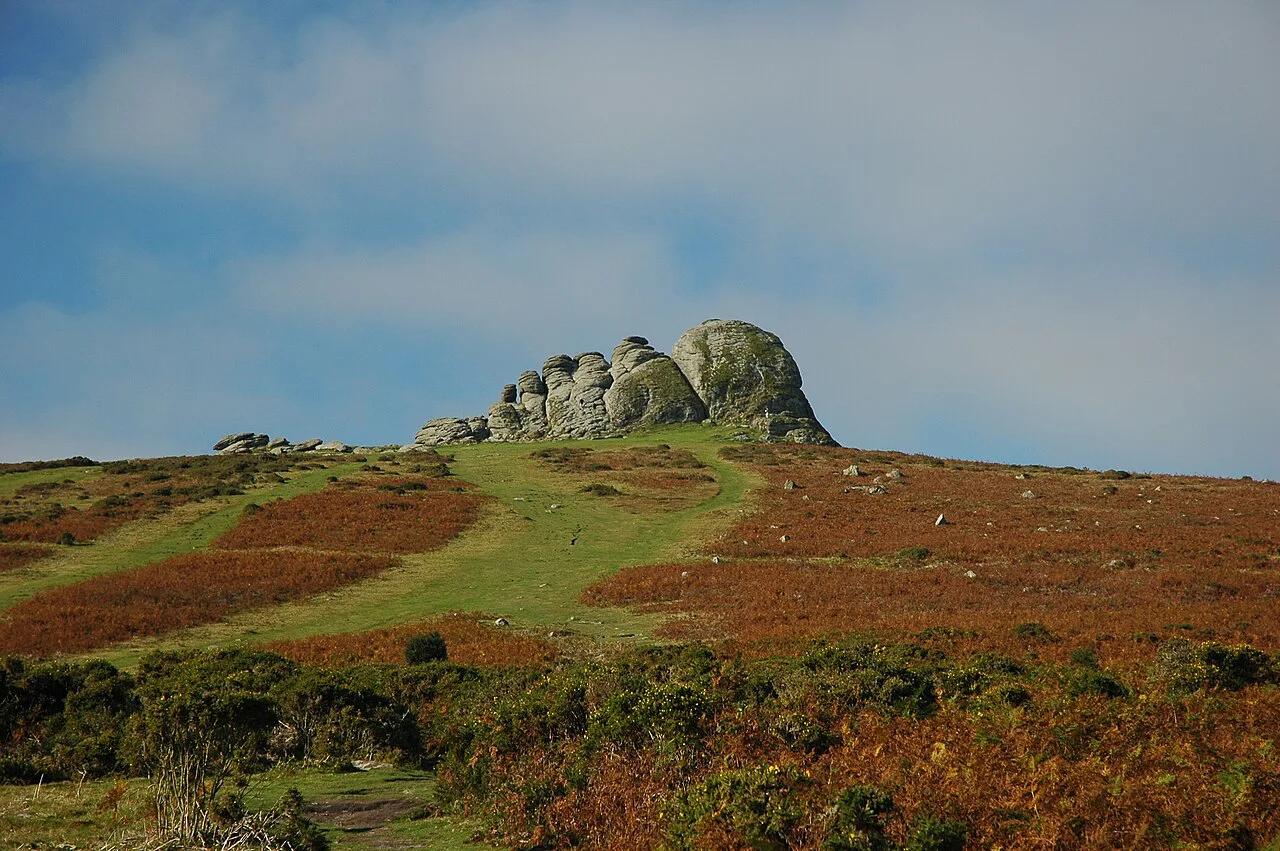
Featured image: Victor O', CC BY-SA 2.0, via Flickr.
North York Moors National Park at a glance
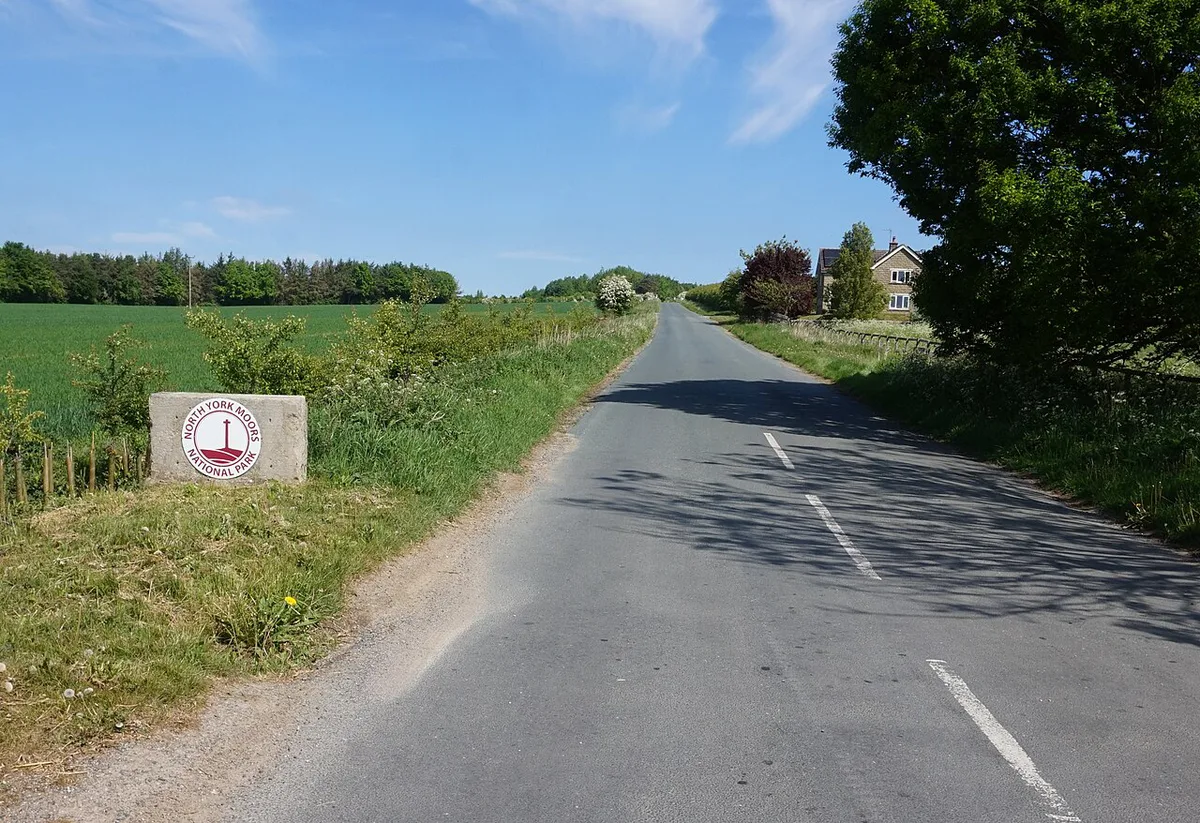
This is one of the smaller English national parks. A high plateau is bounded on the north by the Plain of Cleveland and on the south by the vales of Pickering and York. Dales cut into the plateau, and the eastern edge ends at the sea. Heather is at its best in August and September. Farndale draws spring crowds for its daffodils, along the walk between Low Mill and Church Houses. Danby (the Moors Centre) and Sutton Bank are the two visitor centres. For a wider comparison, see our ranking of UK parks. Another English option is the full England list.
Best things to do in the North York Moors
Split your list into four themes, then pick two. Each one needs its own stretch of road.

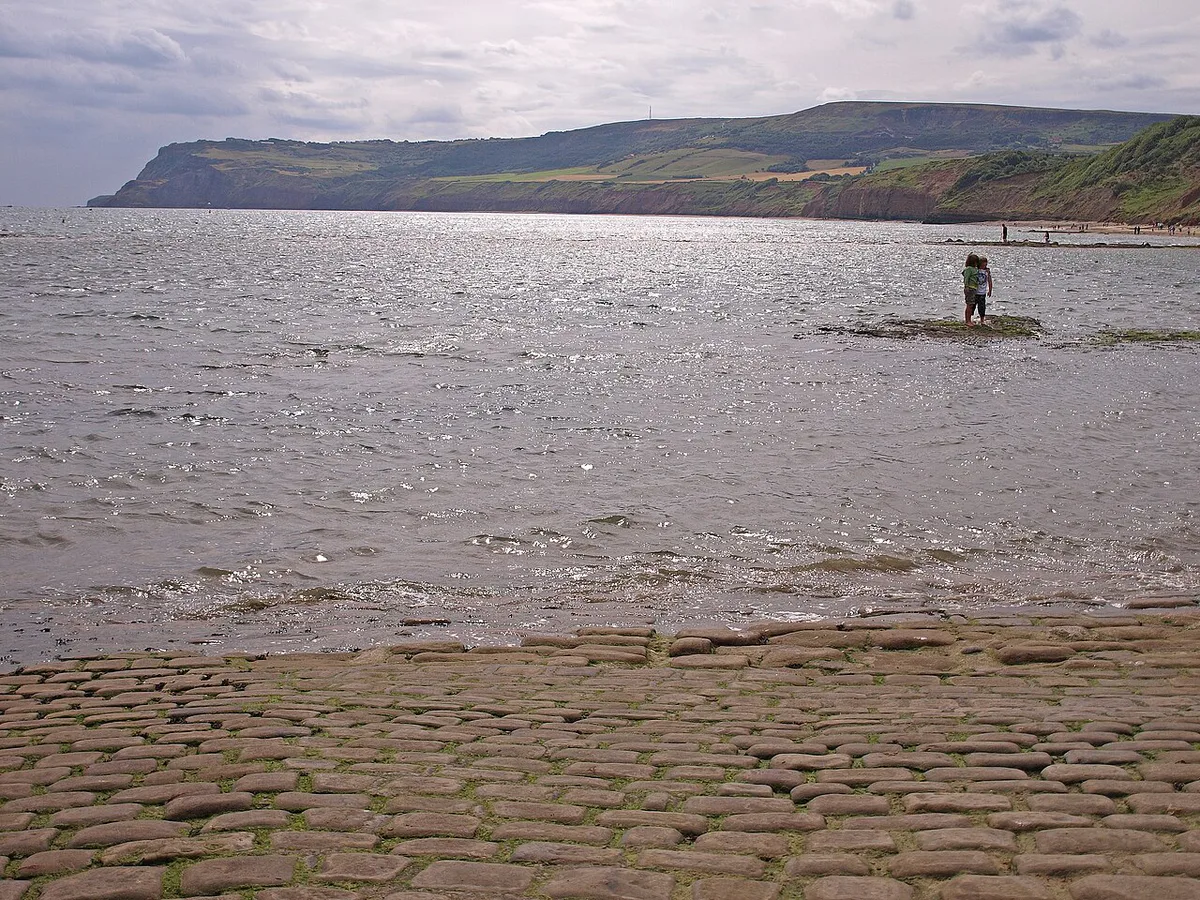
- Coast: Whitby has the medieval abbey ruins, Robin Hood's Bay is a smugglers' village, and Staithes is a small harbour.
- Walks: the Cleveland Way National Trail follows the rim of the moor and passes Roseberry Topping.
- Long trails: the Esk Valley Walk runs 33 miles from Farndale Moor to Whitby, beside the river and the Esk Valley railway.
- Short trails: the Ravenscar Geological Trail offers 2.5 and 4.5 mile walks past disused alum quarries, in fossil-rich ground.
- Old railway: the Rosedale Railway trackbed leads from Rosedale to Ingleby Greenhow across high moor.
- Heritage: Rievaulx Abbey has 12 walks through its woodland, and Rievaulx Terrace looks down on the ruins.
- Castles and gardens: Helmsley Castle is a 12th-century Norman fortress, Pickering Castle dates from the 11th century, and Duncombe Park is an 18th-century landscape garden.
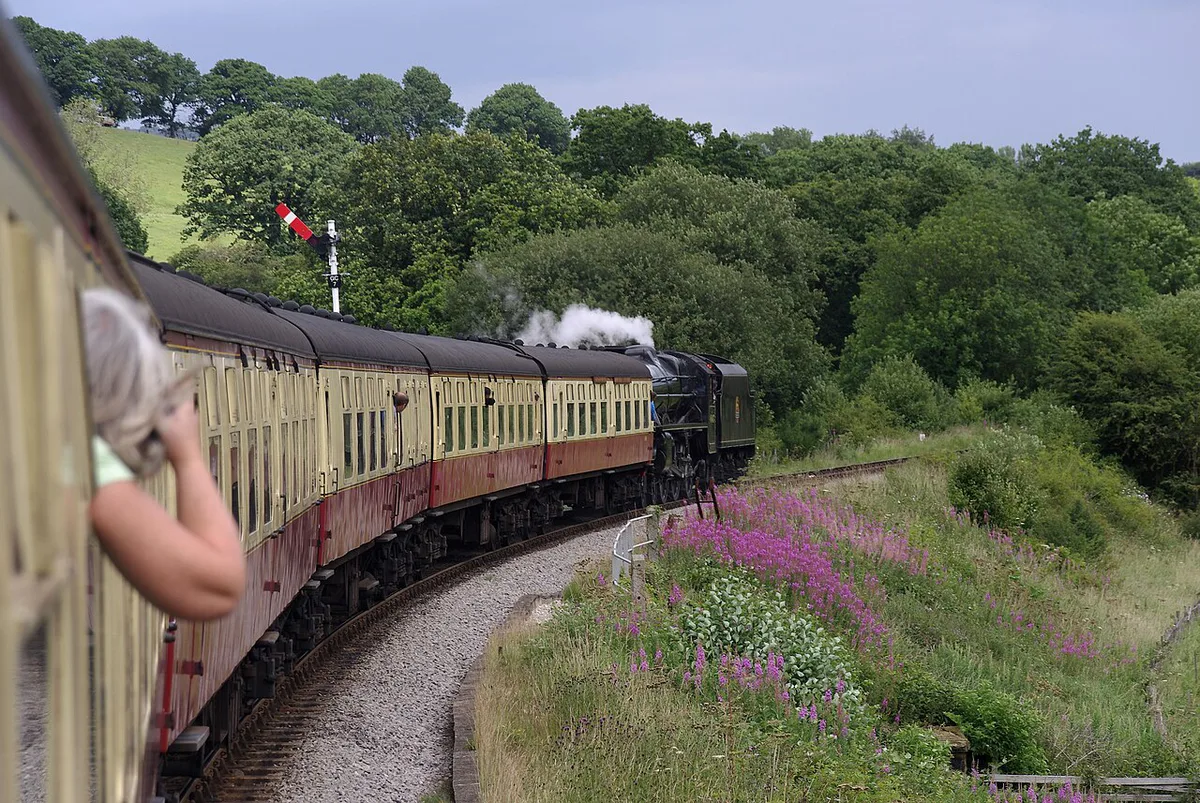
- Steam: the North Yorkshire Moors Railway links Pickering and Grosmont.
How long to stay and how to plan your time
Coast, moors and abbeys are too far apart for one day. Pick one theme per day and cut the rest. The Moors Centre in Danby has 13 acres of woods and meadow walks, which makes it a good short stop on a moors day. Northern England has more space if you extend the trip, and Northumberland's quieter hills make a natural next leg.
| Trip length | Anchor stop | Pace | What to cut |
|---|---|---|---|
| 1 day | Whitby Abbey ruins and Robin Hood's Bay | Coast only, short walks | Moors and abbeys |
| 2 to 3 days | Rievaulx Abbey, Helmsley, then the steam railway | One theme per day | Long trails |
| 4+ days | Cleveland Way section plus Esk Valley | Walking-led, with rest days | Castles you have seen elsewhere |
A two-day driving route across moor, abbey and coast
The park's best stops are spread out, so a fixed loop saves backtracking. This route starts and ends at Pickering and follows roads that cross the open heather plateau.
Day 1: Pickering to the high moor
- Morning: Take the A169 north from Pickering. Stop at the Hole of Horcum, a huge natural bowl beside the road, for a short rim walk.
- Midday: Continue to Goathland, the village famous for its railway station on the North Yorkshire Moors Railway. Wheeldale Roman Road, a stretch of exposed Roman paving, is a short drive away.
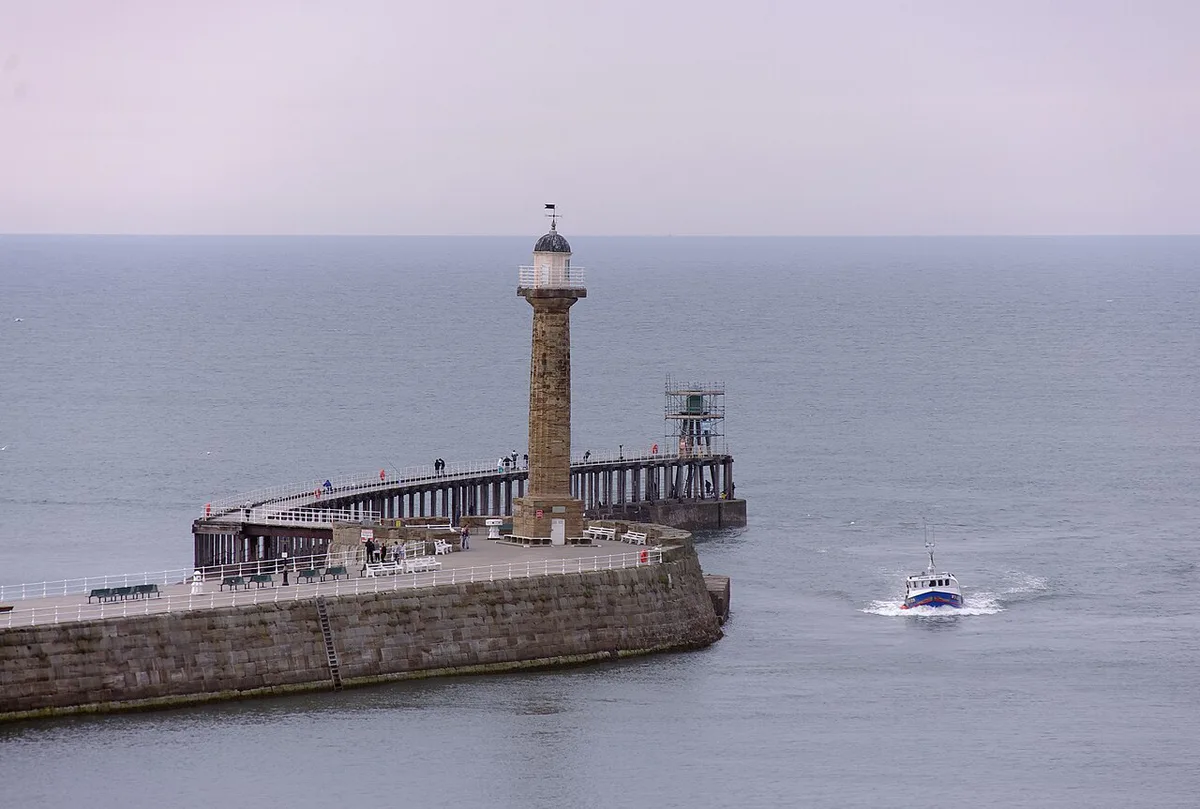
- Afternoon: Drop to Whitby for the abbey ruins and the harbour. Arrive by early afternoon, because town parking fills quickly in summer.
Day 2: Coast to dales and abbeys
- Morning: Visit Robin Hood's Bay and walk the lower village. The way back up is steep, so leave time for it.
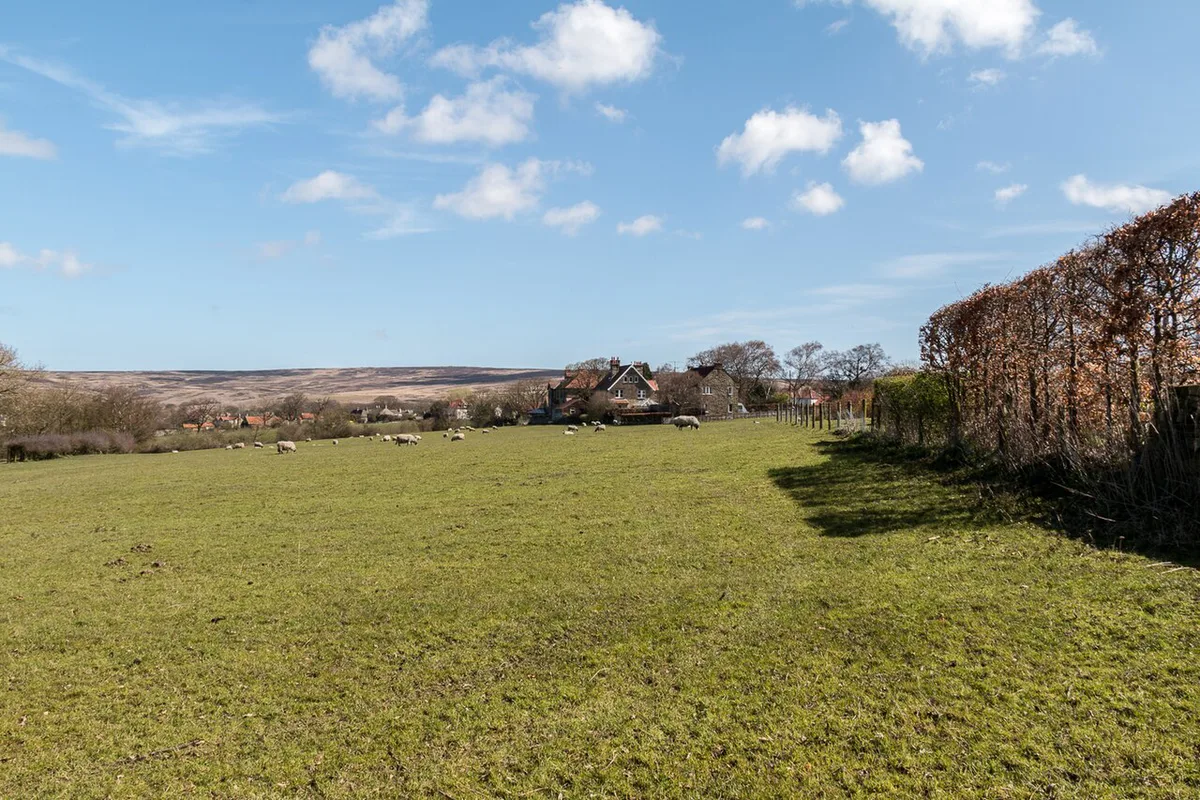
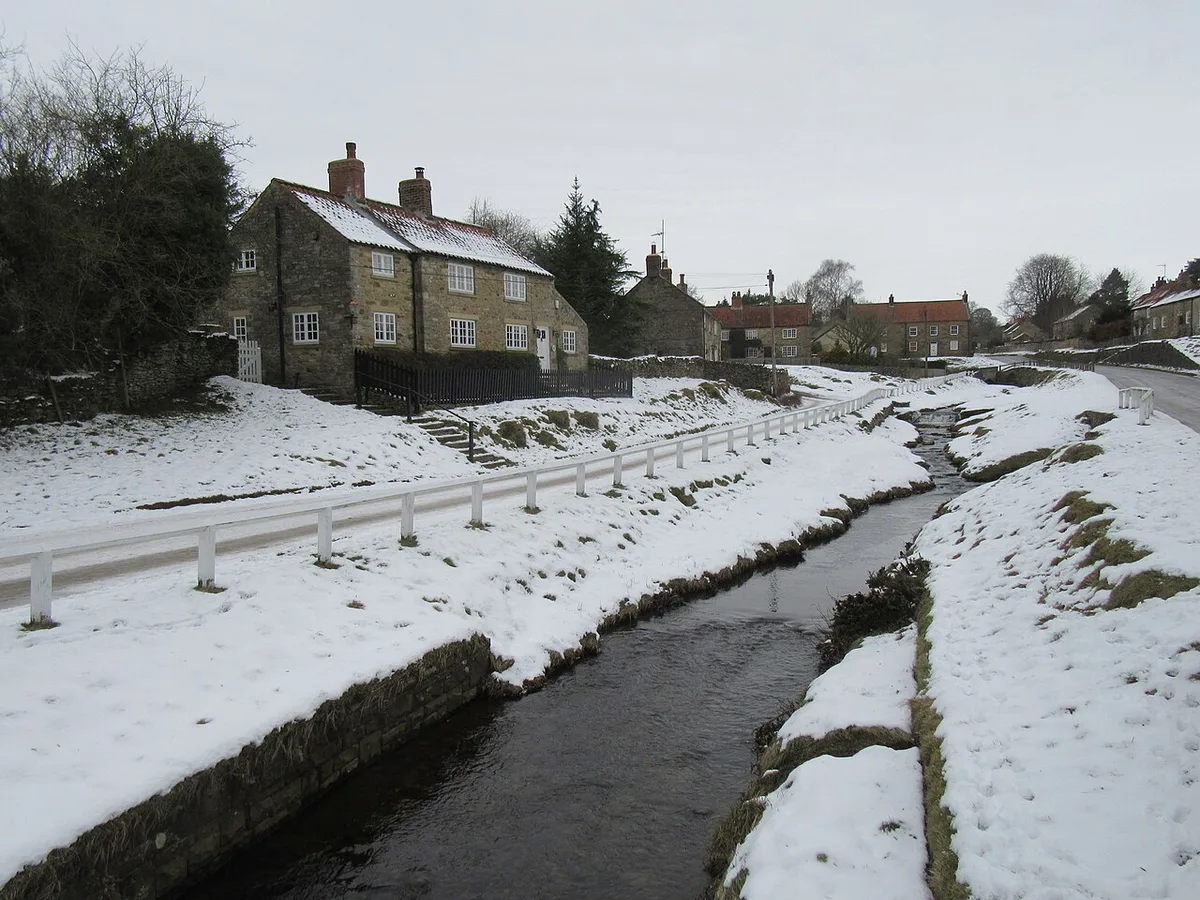
- Midday: Cross the moor to Hutton-le-Hole, a village with a stream and grazing sheep on the green. It makes a good lunch stop.
- Afternoon: Finish at Helmsley and Rievaulx Abbey, then return to Pickering.
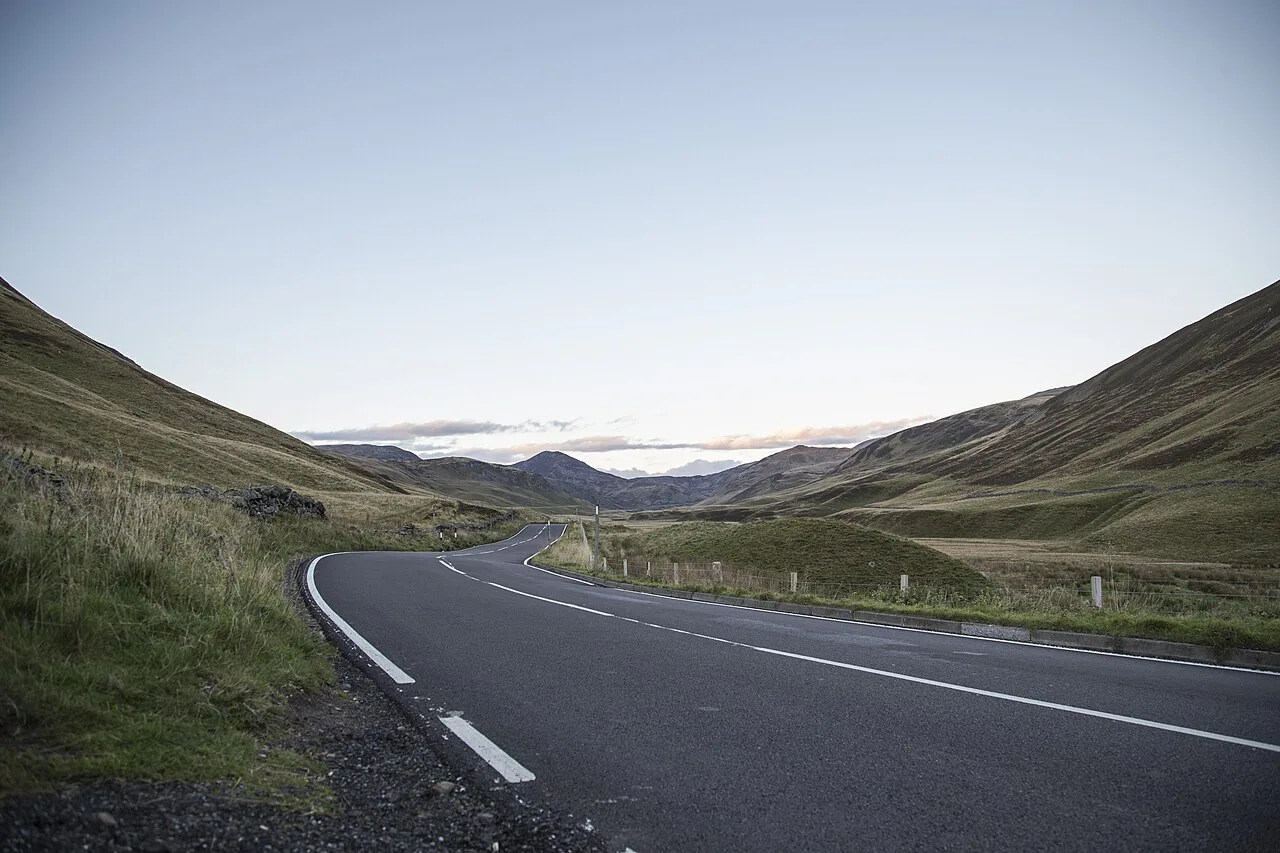
Allow plenty of time on the moor roads. They are narrow and often have unfenced sheep, so the driving is slower than the map suggests. Check each heritage site's opening days before you set off, as noted in the costs section above.
If you have only one day, drop the Whitby leg and keep the Hole of Horcum, Goathland and Rievaulx stops, which sit closer together.
Best time to visit
August and September suit the heather, and spring suits Farndale. Coast and rail operating seasons change, so check the railway's site before you build a trip around it. Winter moorland is bleaker and the weather turns faster. Visitors who prefer a gentler southern landscape can compare the South Downs.
| Season | What to expect | Best for |
|---|---|---|
| Spring | Daffodils in Farndale | Short valley walks |
| Summer | Open coast and heritage sites; crowds in Whitby | Families, steam railway |
| Late summer | Purple heather in bloom, August and September | Moorland walkers, photographers |
| Winter | Exposed moor, shorter days | Experienced walkers, quiet coast |
Costs, tickets and opening hours
Entry to the national park itself is free. Costs come from parking, the steam railway, English Heritage and National Trust sites, and accommodation. Rievaulx Abbey, Helmsley Castle and Pickering Castle each run their own opening days, so check each site's page before you drive out. Fares and dates for the steam railway are on the railway's own site. Coastal parking is the main pressure point in Whitby, Robin Hood's Bay and Staithes. Prices and hours checked November 2026.
Where to stay and how to get around
A car gives the most freedom across the moors. Public transport works best along set corridors, such as the Esk Valley line and the Pickering to Grosmont steam railway, which is a scenic leg rather than a commuter link. Bus availability varies by season, so check the operator before you rely on it.
Esk Valley Walk runs 33 miles, and the Esk Valley line is a transport option from Whitby, so you can plan a partial walk.
| Base | Best for | Transport | Trade-off | Skip if |
|---|---|---|---|---|
| Whitby (coast) | Abbey ruins, harbour, Robin Hood's Bay | Esk Valley line, buses | Busy parking | You want quiet moors |
| Pickering or Helmsley | Castles, Rievaulx, steam railway | Railway at Pickering, car for the rest | Further from the sea | You only want coast walks |
| Danby (Esk Valley) | Moors walking, Moors Centre | Esk Valley line, car | Fewer shops | You want nightlife |
Mistakes to avoid and safety basics
Do not try the coast, moors and abbeys in one day. Do not visit heritage sites without checking opening days. Do not rely on buses without checking the seasonal timetable. Moorland weather changes quickly, and mobile signal can be patchy. Carry an Ordnance Survey Explorer map covering the area you plan to walk, and check the exact sheet for your route. Read the safety guidance at National Parks UK before a long walk. For a different moorland and coast mix, try Exmoor's sea cliffs, or return to our UK parks overview to compare options.
Dark skies, livestock and moorland etiquette
The park is an International Dark Sky Reserve, so clear nights can be as good a reason to visit as the daytime views. A few habits keep a visit safe and keep the moor working for the people who farm it.
- Stargazing: Pick a spot away from village lights and bring a red-light torch, which preserves your night vision. The park authority publishes dark-sky sites and events, so check its site for current listings. Moor roads have no street lighting, so drive slowly and park only in recognised car parks.
- Sheep and cattle: Livestock graze open moorland and roadsides. Slow down, never feed animals, and keep dogs on a lead near them.
- Ground-nesting birds: Heather moor supports birds that nest on the ground in spring and early summer. Stay on paths and keep dogs close during that period.
- Heather and fire: Dry heather burns easily. Do not light barbecues or leave glass on the moor, and report any smoke to the emergency services.
- Adders: Britain's only native venomous snake lives on heathland. Bites are rare, but watch where you step on warm days and keep dogs from poking into undergrowth.
- Gates and paths: Close field gates behind you and follow marked rights of way across farmland.
Phone signal can fail in the dales, so download your route and tell someone where you are heading before an evening outing.
Frequently Asked Questions
What is the difference between the Dales and the Moors?
The North York Moors is its own national park, with heather plateau, dales and a coastline. The Yorkshire Dales is a separate park, so check which one your trip covers.
What is the prettiest place to visit in North Yorkshire?
Robin Hood's Bay and Staithes are the coast's best-known villages. Inland, Hutton-le-Hole and Helmsley are good market-town and village stops. Pick by your base.
Notes for your next park visit
Optional updates to our national park guides.
Read next
Keep planning
Picked from the same area