Northumberland National Park: Plan Your Visit
Where to go in England's northernmost national park, how to get there without a car, and what to see, from Hadrian's Wall to dark skies.
Last updated November 2026. Northumberland National Park is England's northernmost national park, on the Scottish border, and it is known for the Cheviot Hills, Hadrian's Wall country and dark skies. It suits walkers who want space and Roman heritage, but skip it if you need frequent cafés, reliable phone signal or a car-free, spontaneous trip.
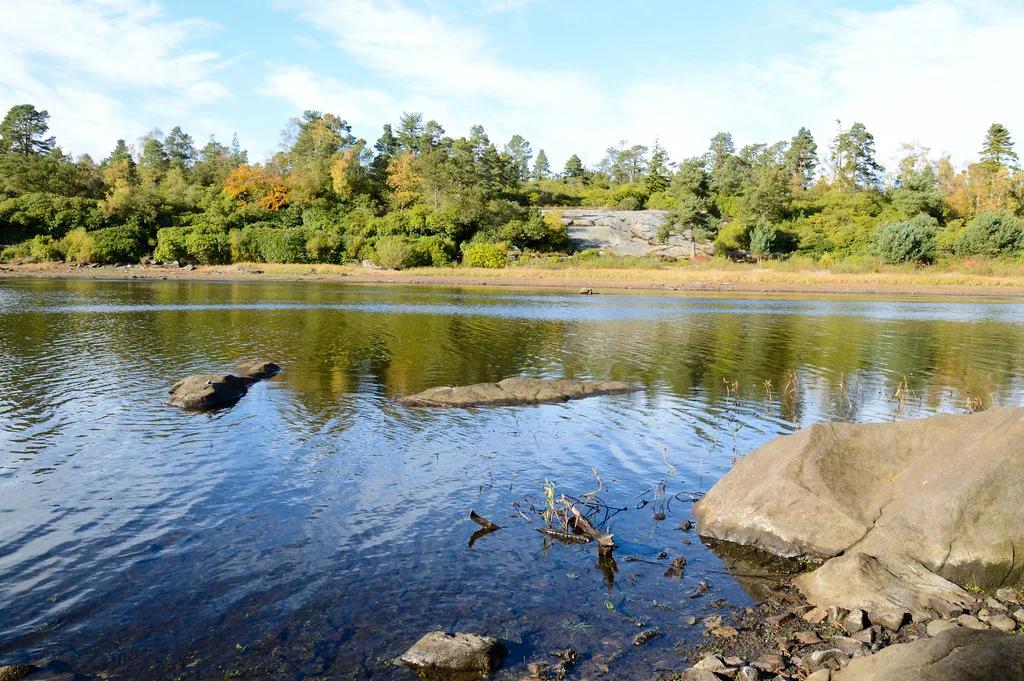
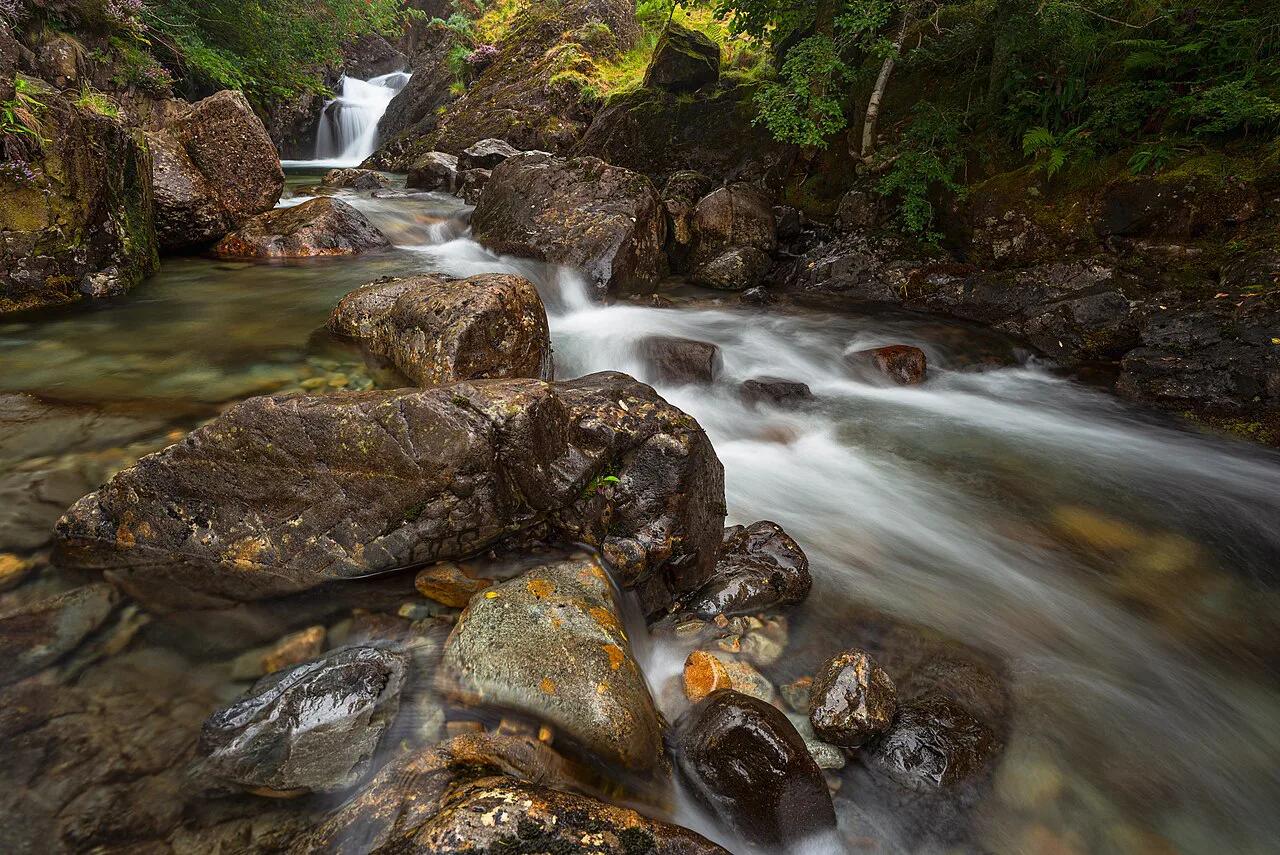
Featured image: Dave_S., CC BY 2.0, via Flickr.
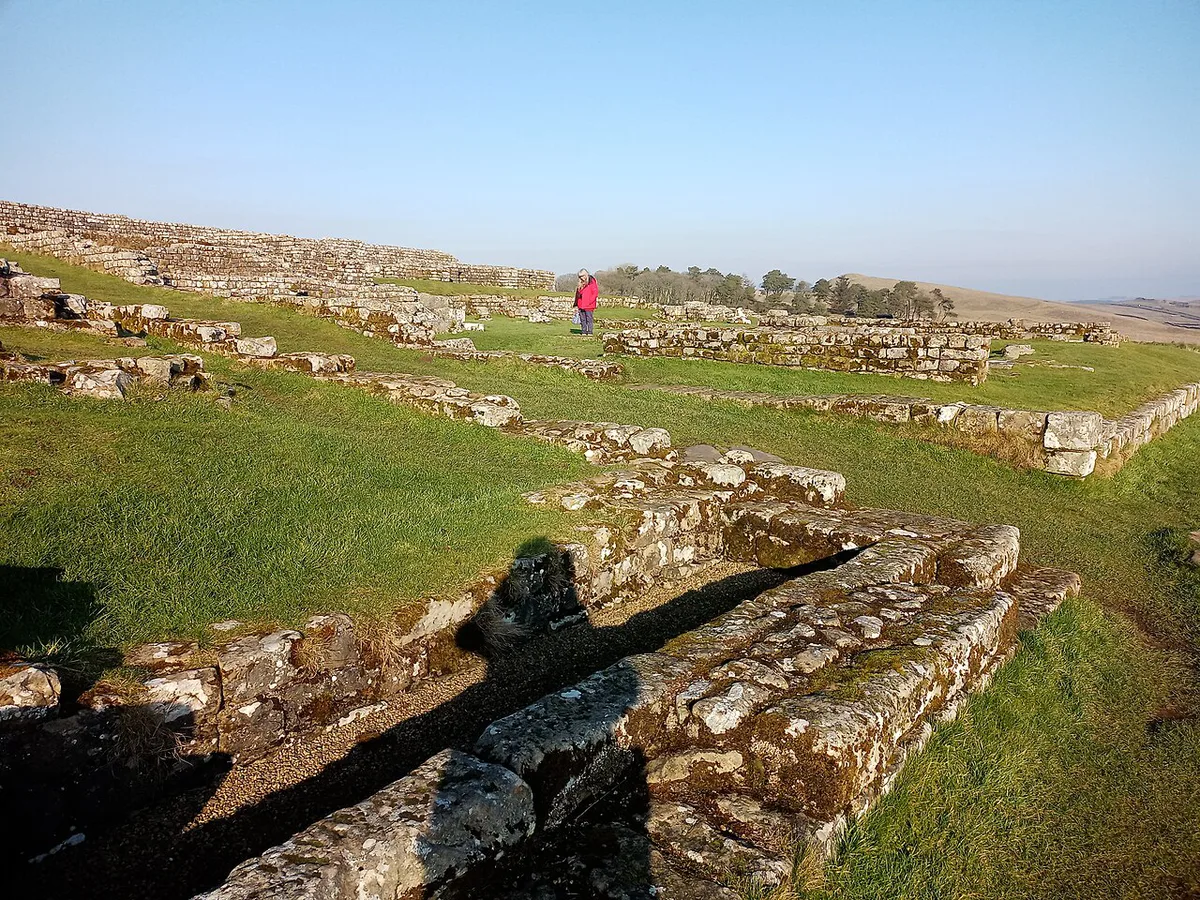
What Northumberland National Park is and where it sits
The park is one of the national parks in England's protected landscapes. It is large and thinly populated, so the real planning question is which zone to visit. The table below compares the main areas. Kielder Water and Forest Park is a neighbour with its own managers, and it is not simply "inside" the park. The park authority's official site and map show the exact boundaries, which are worth having to hand before you plan a route.
| Zone | Best for | Base | Main friction |
|---|---|---|---|
| Hadrian's Wall and Housesteads | Roman history, ridge walking | Hexham, Haltwhistle | Car or seasonal bus needed |
| Cheviot Hills, College Valley and Breamish Valley | Hill walking, solitude | Wooler, Powburn area | Remote, access rules, weather |
| Simonside Hills, Coquetdale and Rothbury | Short moorland walks, quiet drives | Rothbury | Few buses, limited services |
| Kielder area (adjacent) | Dark skies, forest and lake | Kielder village | Separate managers, long drive |
What to do in Northumberland National Park, by interest
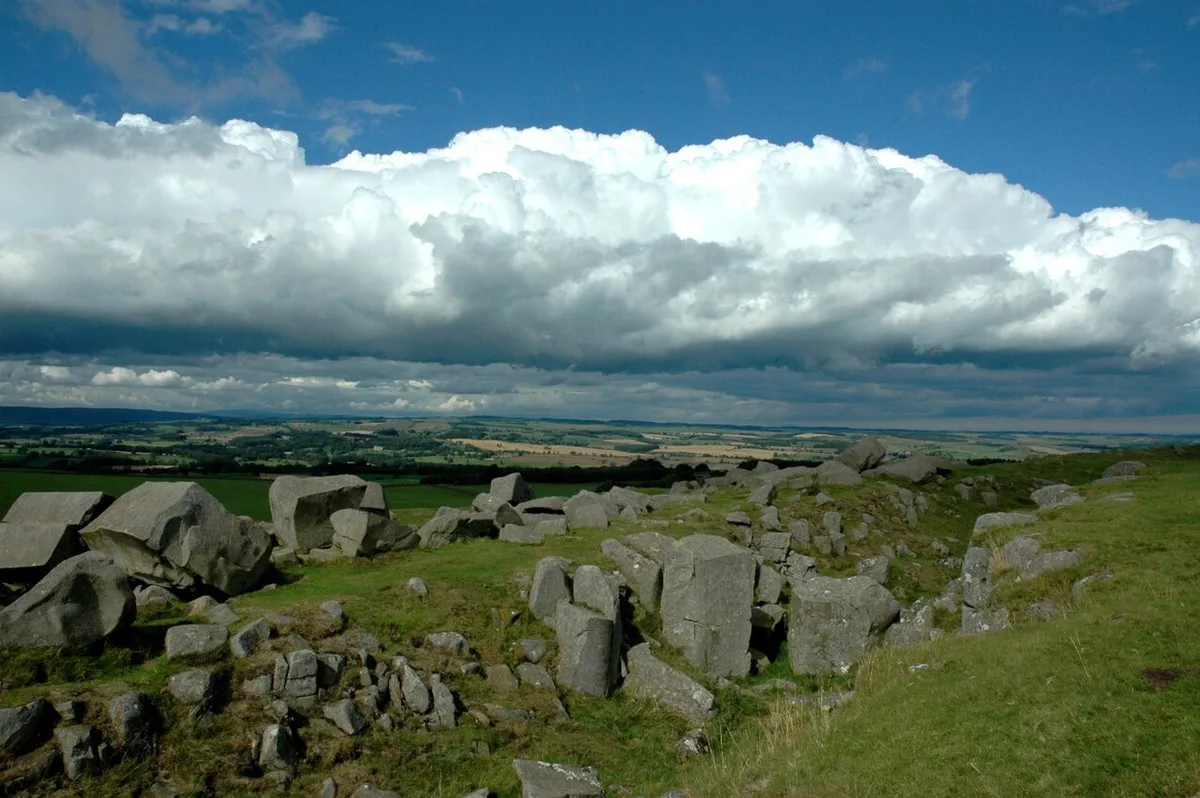
Pick one or two interests rather than trying to cover the whole park. Each one below points to a different zone.
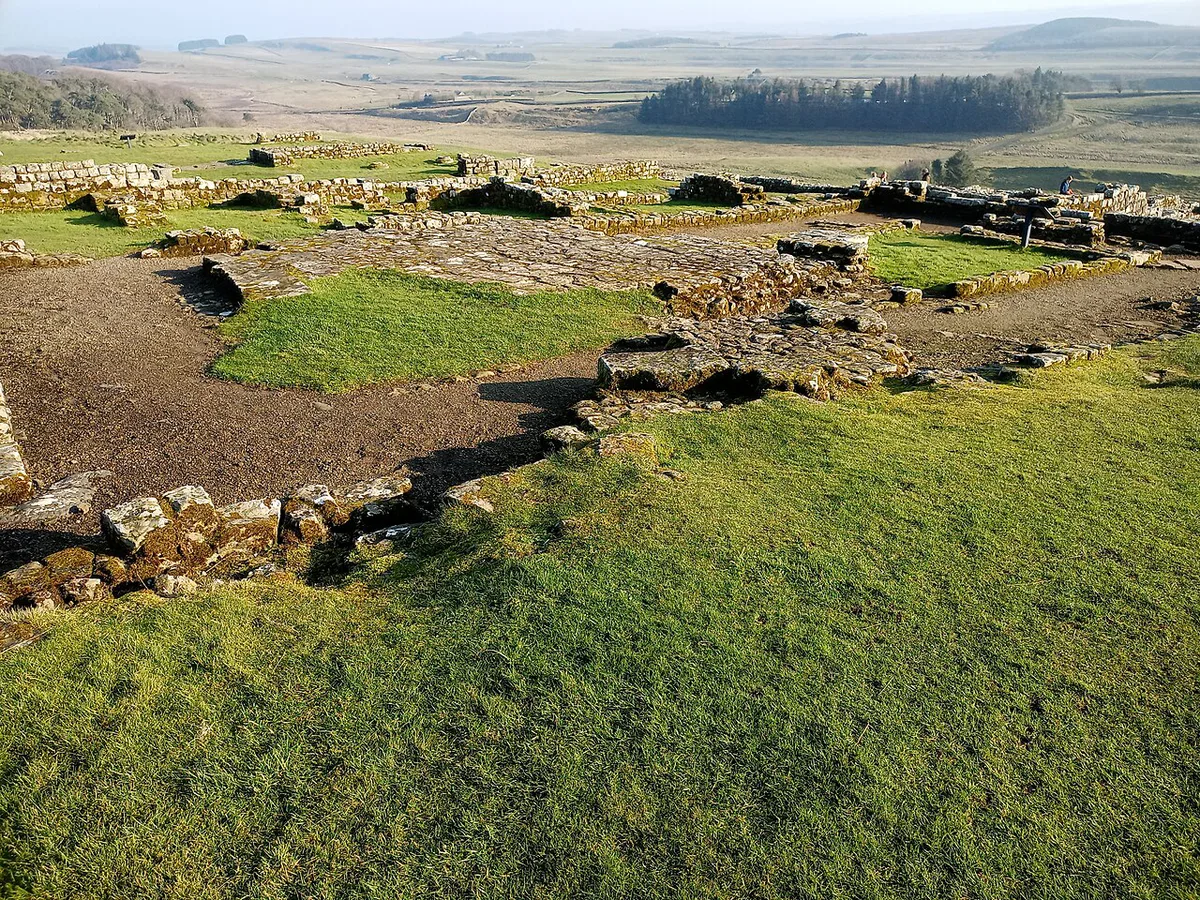
- Roman history: walk the Hadrian's Wall ridge around Housesteads Roman Fort and the Once Brewed area. The fort is run by heritage bodies, and admission details are on its own page.
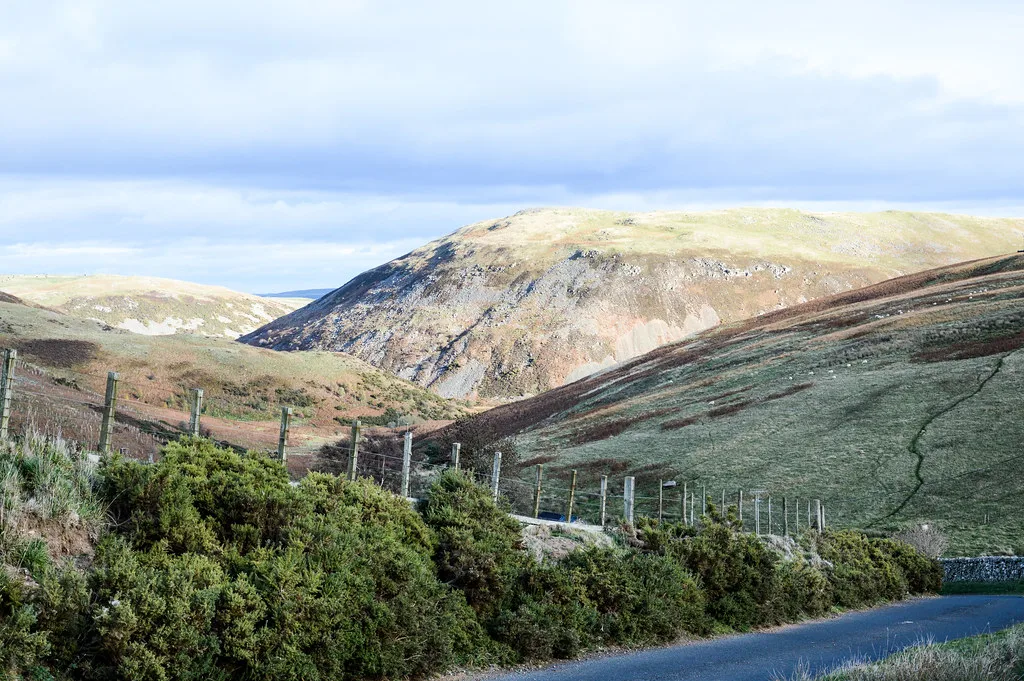
- Hill walking: head to the Cheviot Hills for big, empty skylines. The Cheviot itself is the high point, and the hills carry the Pennine Way's northern end.
- Gentler walks: the Simonside Hills near Rothbury give moorland views without a long approach.
- Dark skies: the park and Kielder Water and Forest Park together form the Northumberland International Dark Sky Park. Kielder Observatory is a separate venue that runs its own events.
- Quiet drives: valley roads such as Coquetdale reward slow touring, with few places to stop.
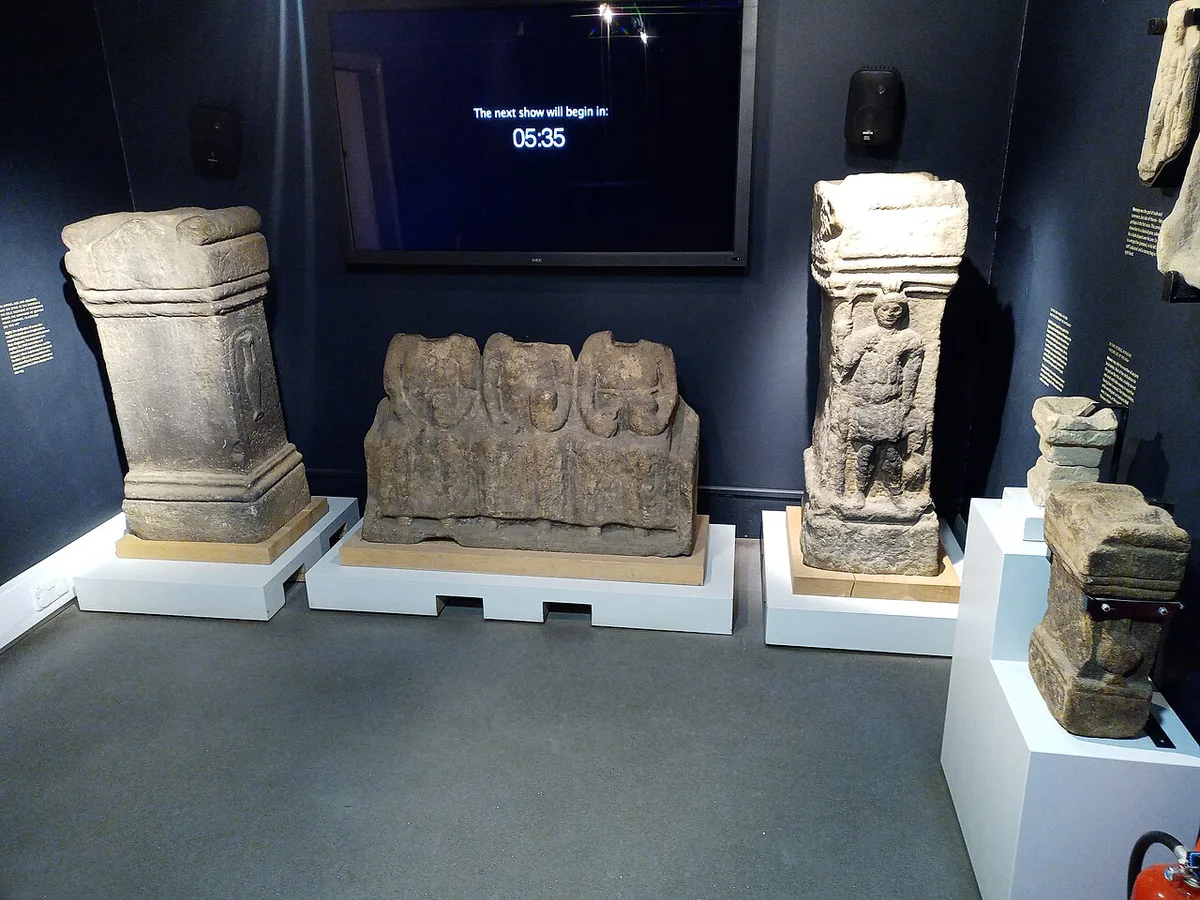
Walking routes and difficulty in Northumberland National Park
The park's walking splits into three types of terrain. Each needs different kit and a different attitude to navigation.
- Hadrian's Wall ridge: The stretch between Housesteads and Steel Rigg is about 3 miles one way. It is well defined and busy in summer, but the crags involve steep up-and-down sections. Walkers often go one way and take the AD122 bus back when it is running.
- Simonside Hills: These are short moorland circuits from the Rothbury side. Paths are mostly clear, but ground can be wet and rocky near the top. They suit a half day.
- The Cheviot: At 815 m, this is the high point and a proper hill day. The summit plateau is boggy and featureless in cloud, so carry a map and compass and know how to use them. Do not rely on a phone, because signal drops out in the valleys.
Longer routes pass through the park. The Hadrian's Wall Path National Trail runs 84 miles (135 km) coast to coast, and the Pennine Way finishes by crossing the Cheviots on its way to Kirk Yetholm over the Scottish border. Most visitors take a single section rather than the whole trail.
Choosing a route: start with the Wall if you want waymarked paths and an easy way back to your car or the bus. Choose the Simonsides for a shorter outing with fewer people. Save the Cheviot for settled weather and an early start. Whichever you choose, check firing-range notices before heading into the Cheviot hills.
Dark skies in Northumberland National Park
The International Dark Sky designation covers the park and the Kielder area together, as set out by the park authority. Plan around the moon, because a full moon washes out faint stars. Winter gives long nights, but cloud decides everything. Dress for exposed hills after dark, and bring a red torch to protect your night vision. Check the forecast the same day, because clear spells can be short.
How long to spend in Northumberland National Park
Travel times between zones are long on small roads, so split your time by area rather than by sights.
Without a car, the seasonal AD122 bus is what links the Wall stops, so build a one-day visit around its operating dates.
- 1 day: choose Hadrian's Wall at Housesteads and Once Brewed. It is the most compact option, with a fort, a ridge walk and a visitor centre.
- Weekend: add a second zone, either the Simonside Hills near Rothbury or the Cheviot valleys near Wooler. Base in one town and drive out.
- 3 days: combine the Wall, the Cheviots and a dark-sky evening. Stay at least one night near Kielder or the Wall for stargazing.
Best time of year to visit Northumberland National Park
The park changes character with the seasons, and the right month depends on what you came for.
- Spring: Lambs are in the fields, so keep dogs on a lead near livestock. Hill tops can still hold snow into early spring, and wet ground slows walking.
- Summer: This is the easiest season for access. Days are long this far north, which leaves plenty of time for a ridge walk. The seasonal AD122 bus normally runs in this period, and the Wall is at its busiest. Arrive early at Housesteads and Steel Rigg, where parking fills up.
- Late summer and early autumn: Heather blooms on the Simonsides and Cheviot slopes, which turns the moorland purple. Light is good for photography and the crowds are thinner after school holidays.
- Winter: Long nights suit stargazing and the frost can be spectacular. Snow and ice can close small roads, and daylight for walking is short, so plan a low-level route and carry a head torch.
Pick a month by the activity. For Roman sites and bus-supported walks, go in summer. For dark skies, go in the colder months and time the visit around the new moon. For solitude, choose a weekday outside school holidays. Timetables, opening dates and road conditions change, so check them with the operators and the park authority shortly before you travel.
Costs, access and what to check before you go
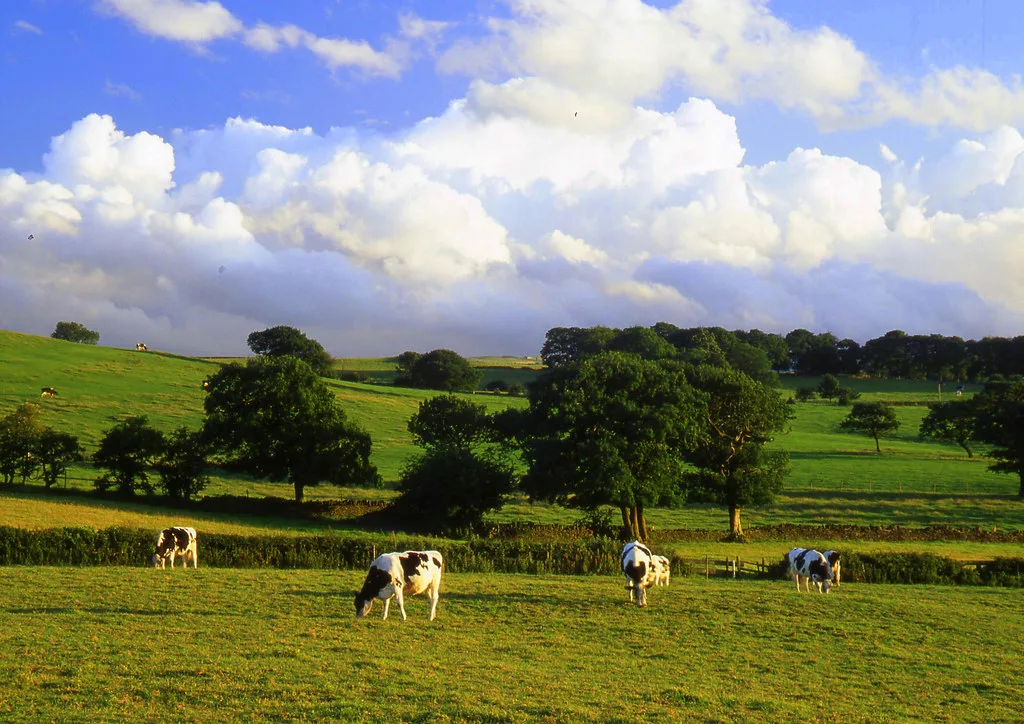
Walking in the open countryside of the park is free. Paid costs arise at managed sites such as Housesteads and at car parks, so check the park's visitor pages and the heritage owners' pages for current admission and parking. Prices and hours change each season, and none are listed here. Military training areas around Otterburn restrict access on firing days, so look at the Ministry of Defence range notices before you set off. Dogs must be kept under control around livestock, and lambing time in spring needs extra care.
Where to base yourself and how to get around without a car
Hexham and Haltwhistle are the gateway towns for Hadrian's Wall, and both have rail stations. The seasonal AD122 bus runs along the Wall, so check its current operating dates with Northumberland County Council or the operator before you plan around it. Wooler and Rothbury are the usual bases for the Cheviots and Coquetdale, but bus links there are thin. A car is practically needed for the Cheviot valleys, Simonside and the Kielder area. A car-free trip works best if you stay at Hexham or Haltwhistle, use the bus and treat the Wall as the whole trip.
Mistakes to avoid in Northumberland National Park
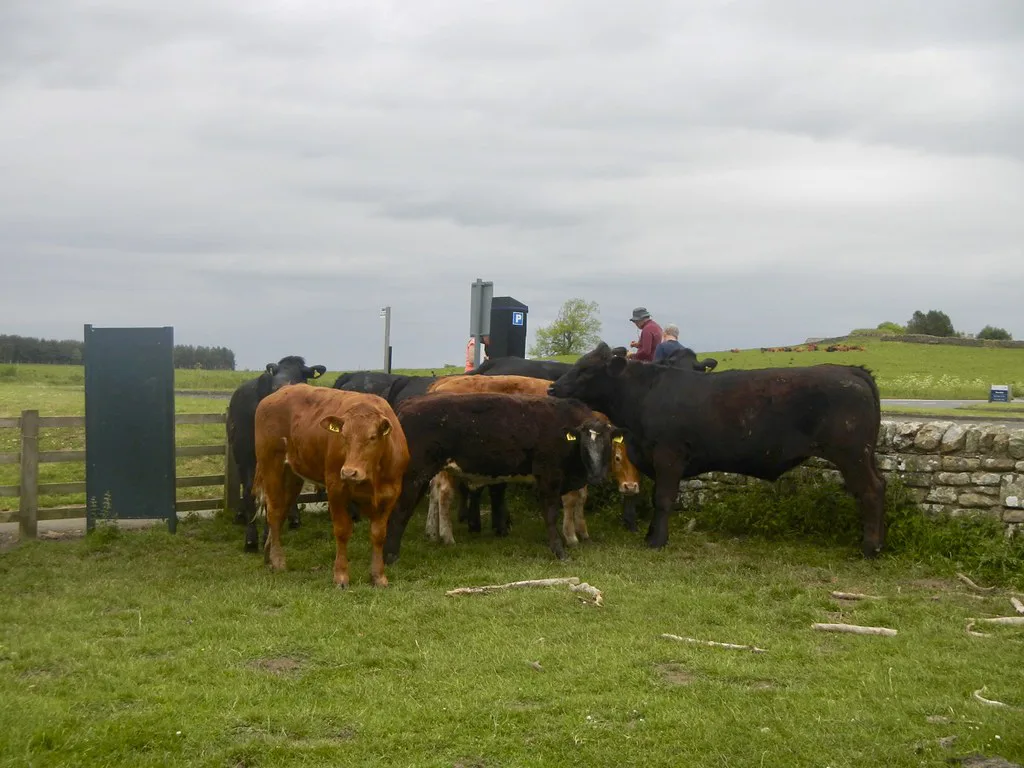
Most problems here come from underestimating how remote the park is.
- Mobile signal drops out in valleys, so download maps before you leave.
- Fuel and food are scarce, so fill the tank and carry supplies.
- Hill weather changes quickly, so pack waterproofs and navigation.
- Firing ranges near the Cheviots can be closed to walkers, so check the notices.
- Livestock and lambing rules apply to dogs, so follow the Countryside Code.
- Kielder is not automatically in the park, so check which site you are visiting.
Northumberland National Park compared with other UK parks
Choose this park for quiet, space and Roman heritage rather than facilities. If you want more amenities and a moorland-and-coast mix, the North York Moors is a more serviced alternative. For a wider view, see our guide to the best UK national parks. Scotland's parks lie just across the border, covered in our Scottish national parks guide. The full list sits in our UK national parks overview.
Notes for your next park visit
Optional updates to our national park guides.
Read next
Keep planning
Picked from the same area