10 Best Things to Do in Dartmoor National Park
Plan Dartmoor National Park with 10 best stops: tors, ponies, woods and villages, plus time plans, safety, seasons and where to base yourself.
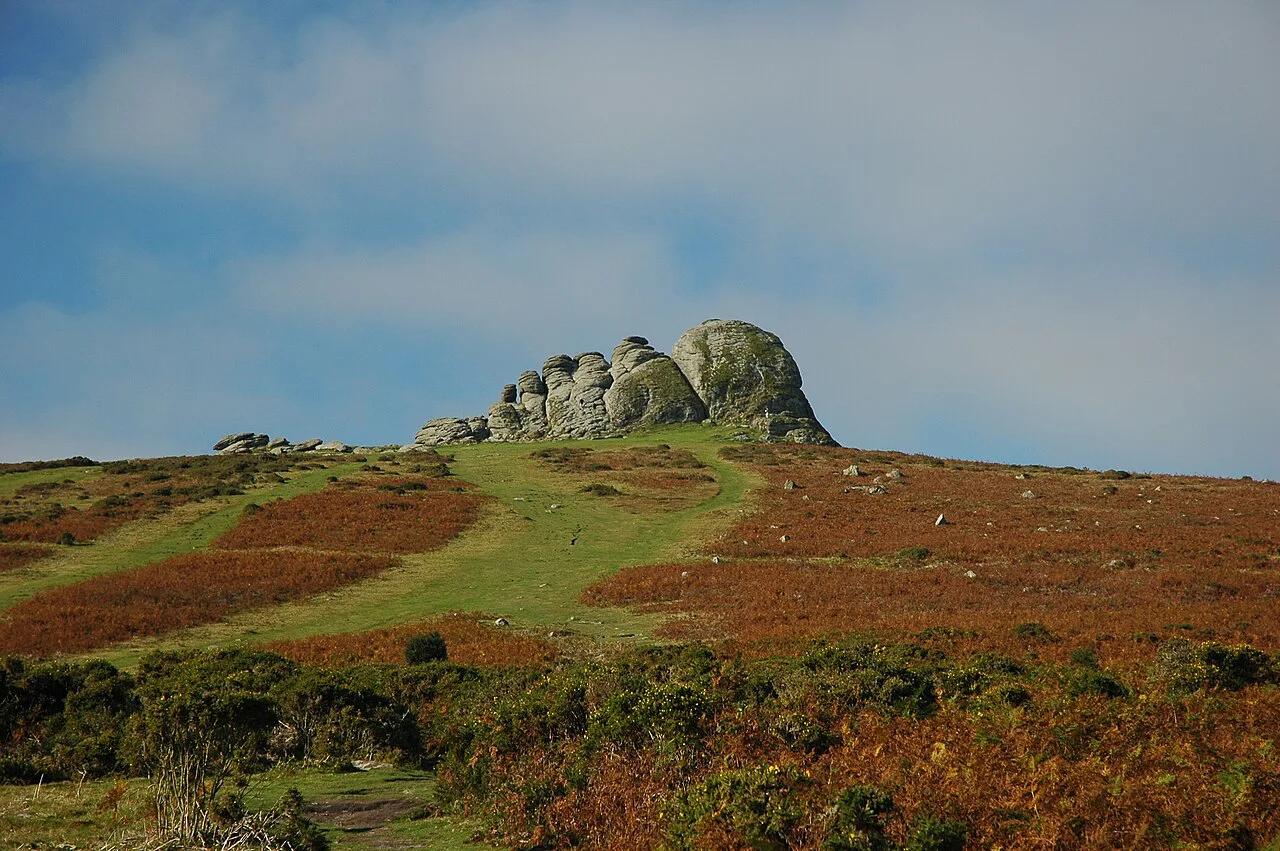
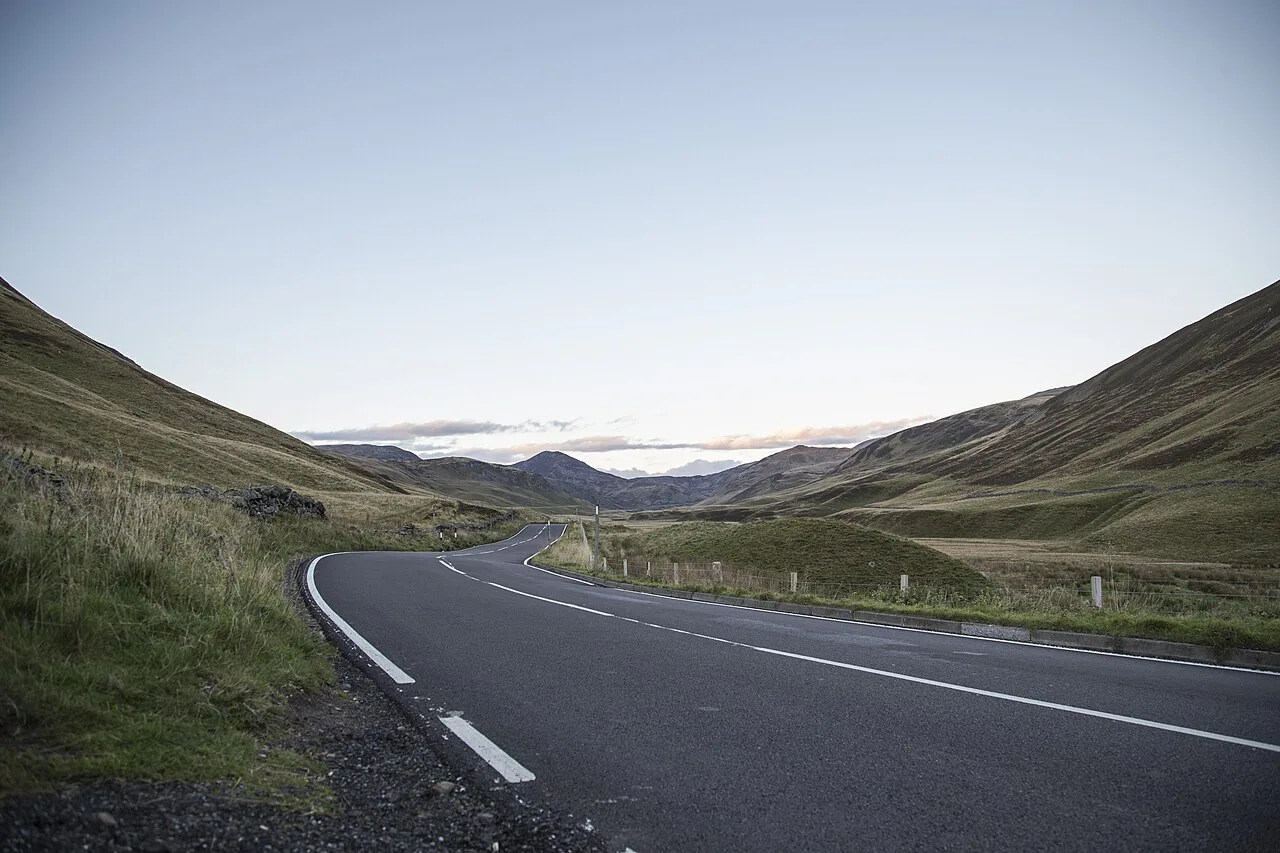
Last updated November 2026: Dartmoor National Park covers about 954 km² of Devon, with granite tors, open moorland, free-roaming ponies and wooded river valleys. It suits walkers, photographers and drivers who like empty roads. The main caution is that mist and weather can change within an hour. Start with the ten picks below, then use the planning, safety and cost sections to shape a half-day, one-day or three-day trip.
Featured image: Calips, CC BY-SA 3.0, via Wikimedia Commons.
Dartmoor National Park at a Glance
Dartmoor sits in Devon, in South West England, and its 954 km² split into three kinds of country. The high moor is open, exposed and dotted with granite tors. River valleys such as the West Dart hold ancient woodland and rocky banks. Villages around the edges supply beds, pubs and visitor centres. Ancient stone rows, burial monuments and settlements make the park especially important for Bronze Age archaeology. Our guide to the named granite tors explains how the rock outcrops differ. Use the table to choose which side of the moor fits your day.
| Area | Best for | Typical stops | Access | Exposure | Skip if |
|---|---|---|---|---|---|
| East | First-timers wanting classic tor views | Haytor, Hound Tor, Widecombe-in-the-Moor | Car is simplest; check bus options before you rely on them | High on the tors, sheltered in the village | You have no sturdy footwear |
| West and central | Ponies, woods, archaeology and pubs | Princetown, Two Bridges, Wistman's Wood, Postbridge, Bellever | Car for most stops, then short walks | High on open moor | Mist is forecast and you carry no map |
| North | Quieter, greener walking beside streams | Okehampton area | Car; check local buses | Moderate to high | A military firing day is posted |
| South and wooded valleys | Shelter, rivers and woodland | Valley paths and village stops | Varies by valley; check locally | Lower than the high moor | You want big summit views |
Is Dartmoor Worth Visiting?
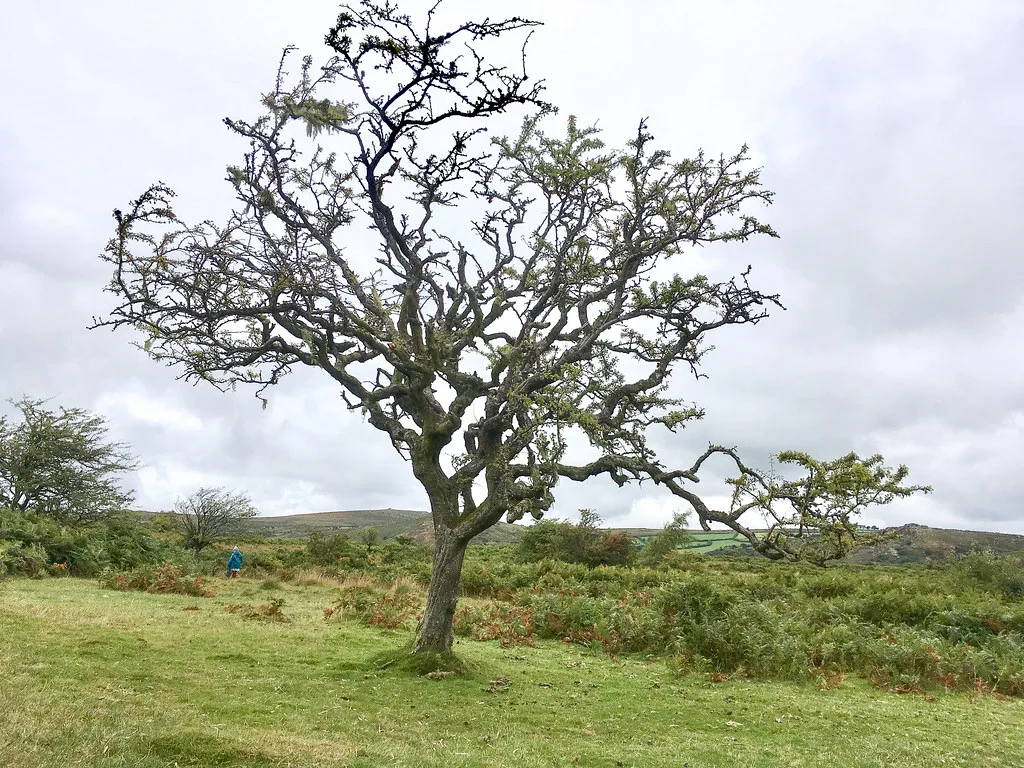
Yes, if you like big skies, rock outcrops and pubs at the end of narrow roads. Visitors describe walks that range from easy to hard, plus cycling tracks and riding areas. Skip the high moor if you have no car and only a few hours. Mobility-limited visitors who want a flat, accessible route should look at village stops rather than tor summits. A poor forecast is the other reason to stay low. Haldon Forest sits on the edge of Dartmoor rather than inside the park, and offers woodland trails with less exposure. Buckfast Abbey is another edge-of-moor add-on with gardens. Check Forestry England and the abbey for current hours.
10 Best Things to Do in Dartmoor National Park
Prices and hours checked November 2026. The ten picks run roughly from east to west to north, so you can string neighbours together. Each entry says what to expect, how much effort it takes and who should skip it.
1. Haytor and the quarry pools
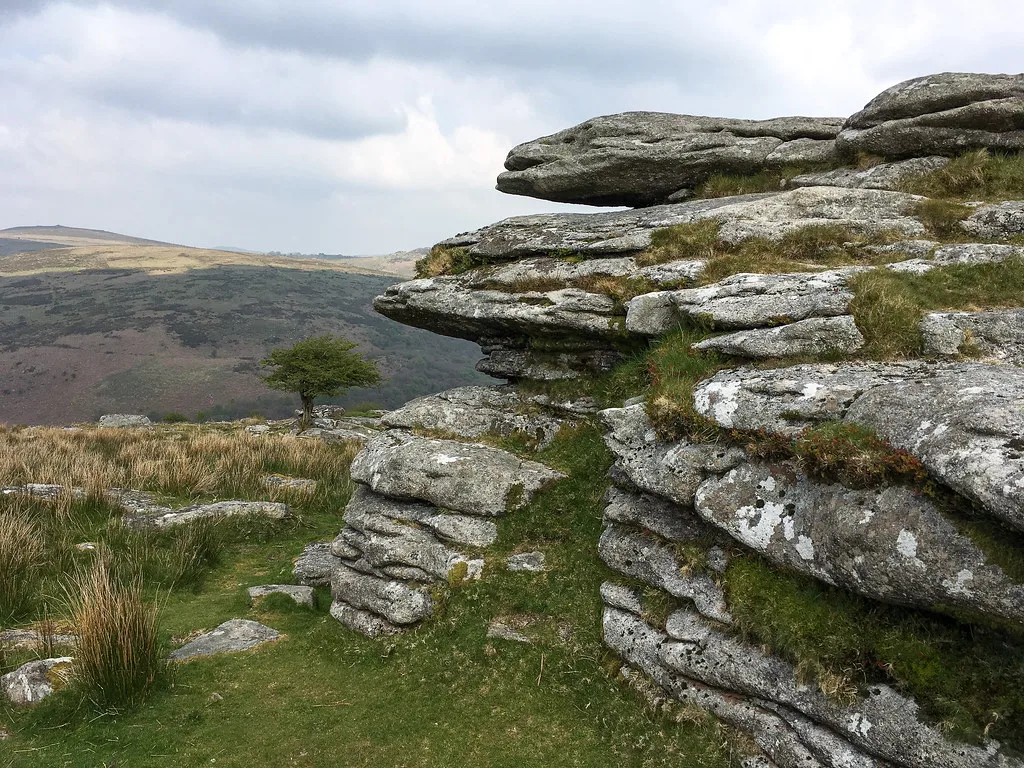
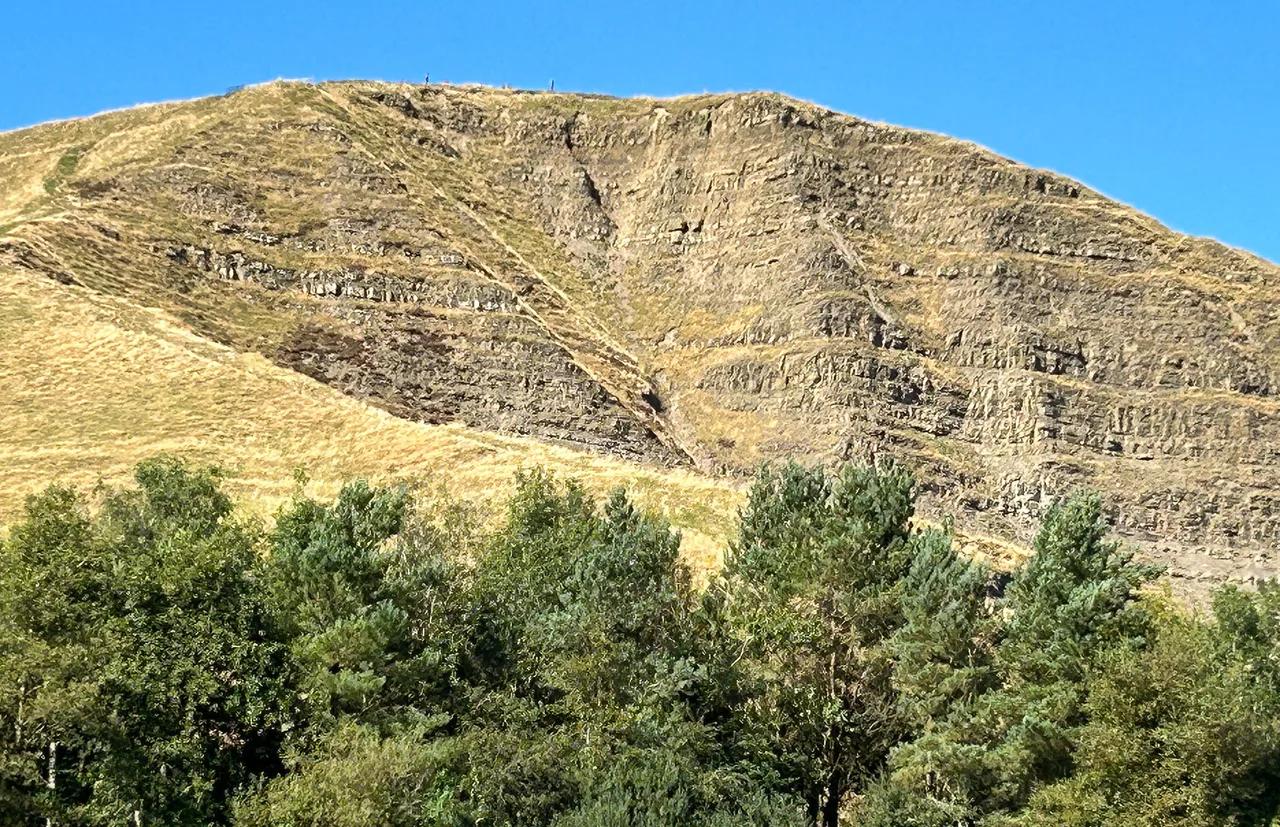
Haytor is the famous granite outcrop on the eastern side of the park, and it is the classic first tor for most visitors. The trail climbs narrow dirt paths through gorse and heather. It passes quarry pools framed by steep stone cliffs before reaching the rock itself. From the top you look across rolling moorland, and late light turns the distant fields gold.
Start early and be down before dusk, because the path is exposed once cloud drops. Skip it in poor visibility or if you only have trainers, since the dirt trails are uneven.
2. Hound Tor and the eastern tors
Hound Tor is a rocky outcrop in the same eastern cluster as Haytor and Widecombe, so it pairs easily with a Haytor morning. It gives you the open-moor feel without a long drive between stops. If you want more tor options, the complete list of Dartmoor's tors covers Great Mis Tor, Staple Tor and Bowerman's Nose.
Each has its own shape and its own views across the open countryside. Skip tor-hopping if the cloud base is low, because the outcrops vanish and the paths look alike.
3. Wistman's Wood
Wistman's Wood lies on the West Dart, about 1 km north of the Two Bridges Hotel at the A382 and Princetown road junction. It is a National Nature Reserve and SSSI, with stunted oaks among granite boulders. Reported access is a rocky footpath of about 2 km from the Two Bridges Hotel car park, 25 to 30 minutes each way. Wear ankle boots.
Stay outside the wood and view it from the boundary, because stepping in damages the moss. No fires, no picking lichen and no dogs off the lead, as livestock and ground-nesting birds use the area. Skip it late in the day in winter, when light fades fast.
4. Bellever Tor and the central moor
Bellever Tor is one of the best-known named tors and sits among the central moor stops, close in spirit to Postbridge and Two Bridges. Choose it when you want a tor walk on the central moor rather than the eastern side. Use the route map for the moor to pick an approach and note where you can park.
Carry a paper map as well, because mobile signal is patchy and mist can erase the landmarks. Skip it on a day when the forecast shows heavy cloud and you have no navigation kit.
5. Widecombe-in-the-Moor
Widecombe-in-the-Moor is the eastern village stop, useful for a pub lunch between tor walks. Visitors also pick Widecombe for a B&B base, and the Widecombe village guide covers what is there. It works well as a rest stop after Haytor and Hound Tor.
The village itself needs little walking, which suits anyone not wanting a summit. Skip it if your whole aim is empty open moor, because the village is a people stop.
6. Princetown and the prison story
Princetown sits on the central moor and is a base that walkers use for early starts. If you plan a night here, our Princetown base guide covers the village. Its best-known landmark is the granite prison, closed since 2024, and the history of Dartmoor Prison sets out the background.
Official details on the site sit on the HMP Dartmoor guidance page. A prison museum has its own site, so check the Dartmoor Prison Museum for current hours. Skip it if you want scenery only, because this stop is about history.
7. Postbridge clapper bridge
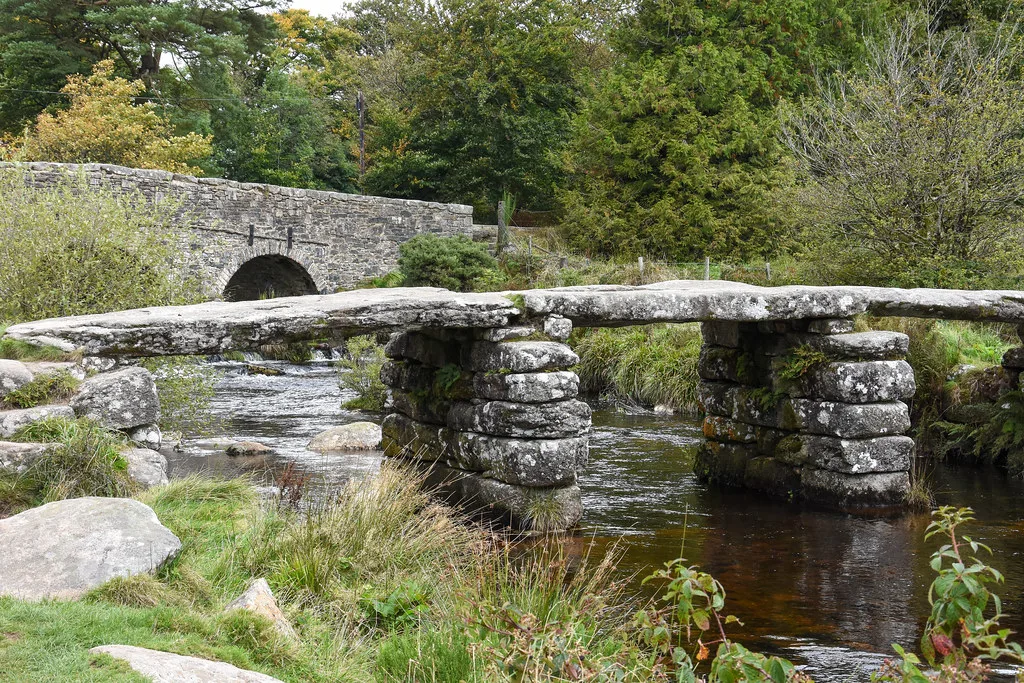
Postbridge is home to a clapper bridge, a crossing built from granite slabs, and it is one of the easiest central stops to add to a drive. Read the detail in the clapper bridge at Postbridge guide. It needs little walking, so it suits families and anyone saving energy for a longer route.

Pair it with Bellever or Wistman's Wood on a central-moor day. Skip it if you only want summits, because this is a short heritage stop.
8. Warren House Inn
Warren House Inn is a remote pub reached by narrow roads across open moorland. On the way you are likely to pass ponies, sheep and sometimes Highland cattle. Inside are low ceilings, thick stone walls and a fireplace that has reportedly burned since the 1840s.
Confirm opening hours before you drive, as the pub is far from anywhere else. Skip it if you are the designated driver on a tight schedule, because the roads are slow.
9. Dartmoor ponies on the open moor
Free-roaming ponies share the moor with cattle and sheep, and they are among the most recognisable sights in the park. Foals appear in the groups visitors photograph. Learn more about the free-roaming ponies before you go.
The Dartmoor Pony Heritage Trust explains the breed's background. Watch from a distance and never feed them. Skip pony hunting if you expect close contact, because the animals are semi-wild and unpredictable.
10. Okehampton and northern Dartmoor
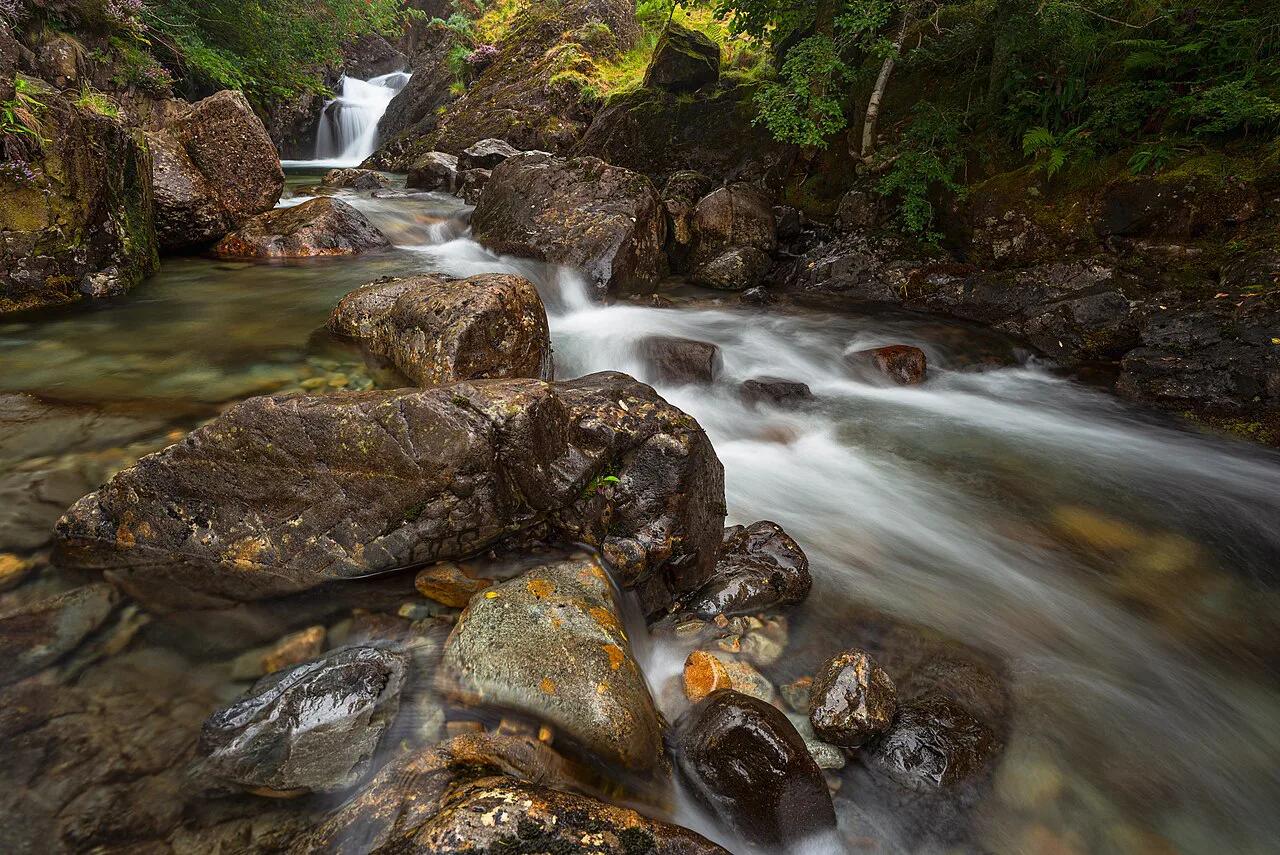
North of the central moor, near Okehampton, the park changes character and turns wilder and greener. Streams cascade over mossy rocks, with thick ferns and steep valley ridges around them. It is a good choice when the east is crowded and you want quieter walking.

Check the Ministry of Defence firing schedule before you walk, as parts of the moor are used for live firing. Skip it if you only have a couple of hours, because the drive and walks need a full day.
How to Plan Your Time in Dartmoor
Match the route to the time you have rather than trying to see everything. Open the Dartmoor planning map first and mark your parking.
Budget for the walk to Wistman's Wood from Two Bridges, which takes 25 to 30 minutes each way, before adding a Postbridge stop.
- Half day
- Choose one cluster only. Haytor with Hound Tor works on the east side.
- Wistman's Wood with the Postbridge clapper bridge works in the centre.
- One day
- Pick one region and add a pub stop. The east gives you Haytor, Hound Tor and Widecombe.
- The west and centre give you Princetown, Wistman's Wood and Warren House Inn.
- Two to three days
- Use one day each for the east, the west and centre, and the north near Okehampton.
- Base yourself in a village to avoid long drives in poor light.
Best Time to Visit Dartmoor
Dartmoor changes with the weather more than with the calendar. Mist can turn the tors into silhouettes, while sunlight brings out golden grasses. In the last week of November 2026, forecasts for the moor ranged from about 2°C to 11°C, with rain and showers on several days. Read the seasonal weather patterns guide, then check the Met Office forecast before you leave.
| Season | What changes | Plan around it |
|---|---|---|
| Spring and autumn | Changeable weather and shifting light | Carry layers and waterproofs |
| Summer | Midges and flat midday light, with more visitors at popular tors | Walk early or late and use repellent |
| Winter | Mist, rain and short days | Start early and finish before dusk |
Dartmoor Safety: Mist, Navigation, Ponies and Military Ranges
Mist can arrive within two hours of a clear morning and erase paths and landmarks. Phone signal is patchy and GPS alone is not enough. Carry a paper map, a compass and a whistle. Tell someone your route and expected return time. Pack waterproofs, warm layers and extra food, and turn back if you are unsure. Visitor centres sell and show detailed printed maps. Walking with a buddy or a guided group is safer than crossing the open moor alone. Keep dogs on the lead near livestock and ground-nesting birds. Check the Ministry of Defence firing schedule before you walk in any range area.
Dartmoor ponies are one of several native moorland breeds in Britain and Ireland. In the west of Ireland, the Connemara pony has a similar history as a hardy hill breed.
Costs, Parking and Opening Hours
The moor itself has no entry gate, so most spending comes from parking, pubs and attractions. At the Two Bridges Hotel car park for Wistman's Wood, one report lists £5 for 4 hours, refundable with food, but confirm this on the day. Visit Dartmoor lists current visitor information at Visit Dartmoor. For pubs and attractions, check each venue's own site for hours before a long drive. Park only in proper bays, never on verges.
Where to Stay and How to Get Around Dartmoor
Villages make the best bases because they put you near the trailheads at first light. Widecombe-in-the-Moor suits the east, while Princetown and Two Bridges suit the centre. Browse places to stay on the moor for options. A car gives the most flexibility, since many stops are remote and car parks are scattered across the moor. Without a car, check Traveline South West for bus routes before you plan. Roads are narrow, and ponies, sheep and cattle often stand on them, so drive slowly.
What Visitors Commonly Run Into in Dartmoor
Most problems come from a few repeat mistakes.
- Trusting phone GPS in mist
- Signal drops, so carry a paper map and compass.
- Walking alone without kit
- Go with a buddy or a guided walk, and share your route.
- Starting late
- Short days and fast-changing weather punish late starts.
- Approaching or feeding ponies
- Keep your distance, as the animals are semi-wild.
- Entering Wistman's Wood
- Stay at the boundary to protect the moss and lichens.
- Dogs off the lead
- Livestock and ground-nesting birds need protecting.
- Parking on verges
- Use proper car parks and leave the roadside clear.
Frequently Asked Questions
What is the most beautiful village in Dartmoor?
There is no official ranking, so it depends on what you want. Widecombe-in-the-Moor suits the east and tor walks. Princetown and Two Bridges suit the central moor.
What has been filmed on Dartmoor?
The landscape featured prominently in War Horse. Arthur Conan Doyle's novel The Hound of the Baskervilles also draws on Dartmoor's atmosphere, although it is a book rather than a film.
What animals are in Dartmoor National Park?
Free-roaming ponies are the best-known animals. Cattle and sheep share the moor, and Highland cattle are sometimes seen too. Watch from a distance and never feed them.
Explore More Guides
Keep planning your trip with these guides.
Guides
- Dartmoor Prison: Can You Visit? Museum, History & Princetown Guide
- Dartmoor Ponies: Where to See Them and How to Act
- Princetown, Dartmoor
- Widecombe-in-the-Moor Guide
- Dartmoor Map: Where Things Are and Which Map to Use
- Dartmoor Tors: Best Tors to Visit, Access and Map
- Dartmoor Weather: Seasons, Safety & What to Pack
- Postbridge Clapper Bridge: Visiting Guide, Access & Nearby Walks
- Hotels in Dartmoor: Where to Stay by Base & Budget
Notes for your next park visit
Optional updates to our national park guides.
Read next
Keep planning
Picked from the same area