Snowdonia Weather: Seasons, Mountain Forecast & What to Expect
Plan Snowdonia weather by season. Learn why summit and valley conditions differ, how to read the mountain forecast, and when to go.
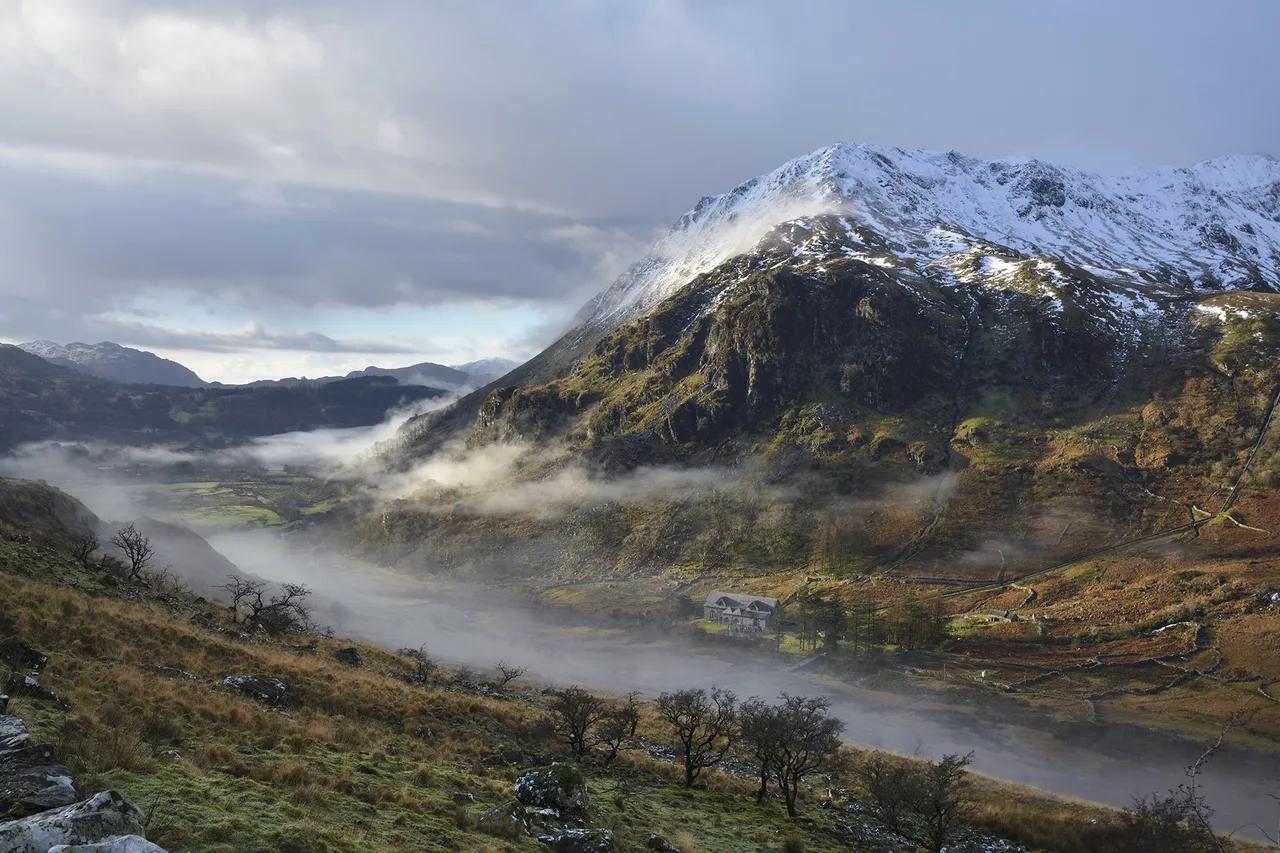
Last updated November 2026: Snowdonia weather is changeable and often wet, and valley conditions can differ sharply from the tops. Use the mountain forecast, not the town forecast, before you go up. This guide covers the seasons, how to read a forecast, and which activities suit which conditions.
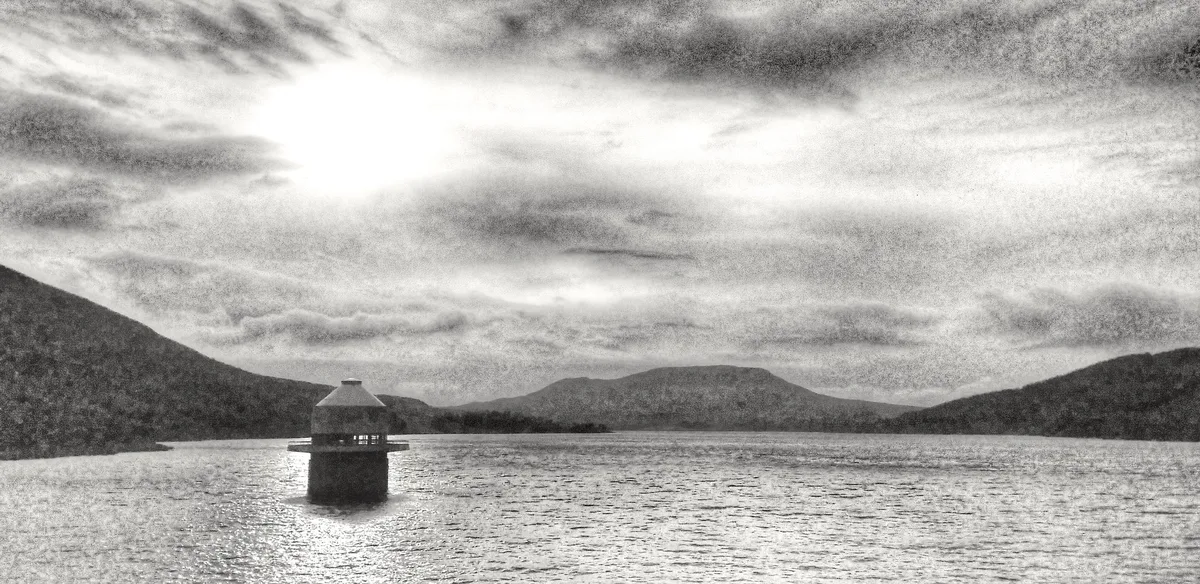
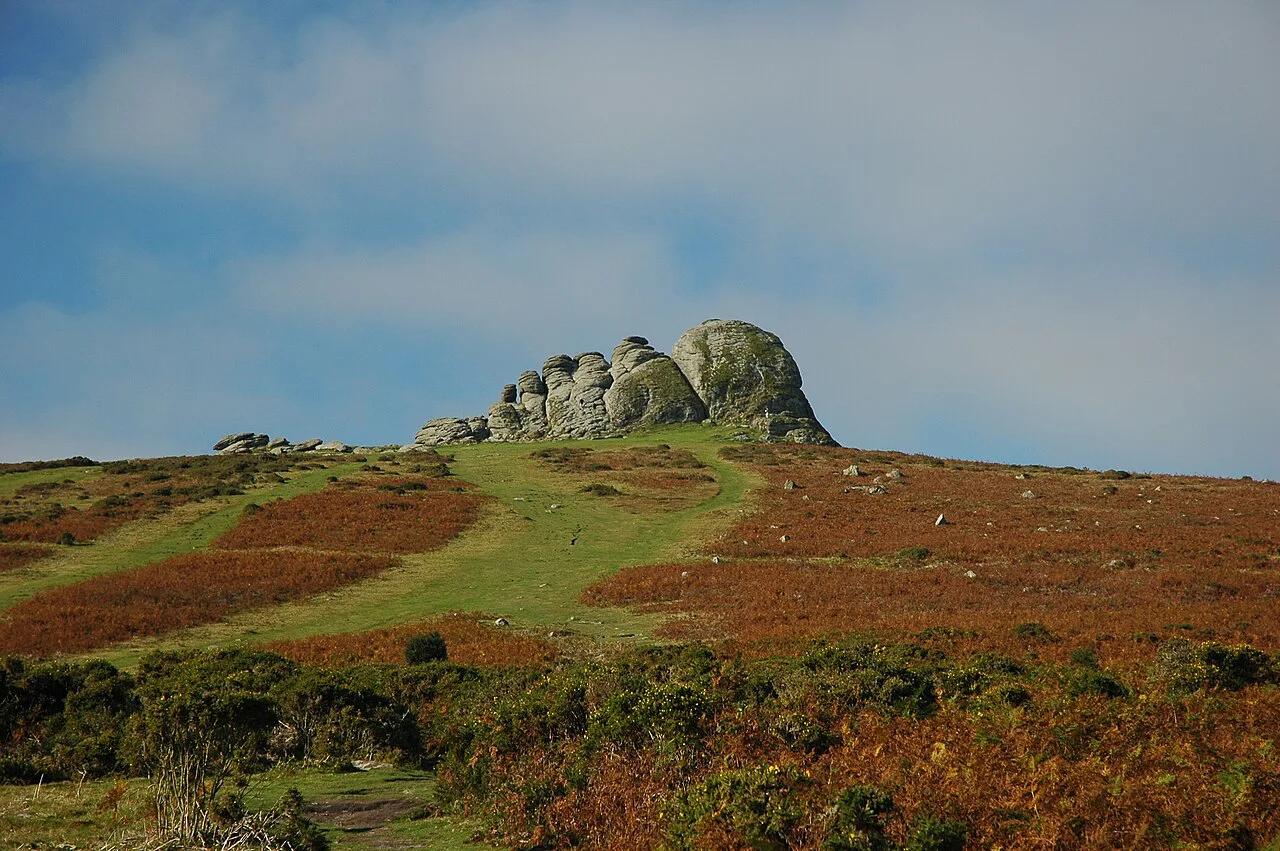
Featured image: Petersrockypics, CC BY-SA 4.0, via Flickr.
Quick answer: Snowdonia weather at a glance
Expect rain at any time of year, with the mildest, longest days in summer and the shortest, coldest ones in winter. Eryri's 90 peaks include Yr Wyddfa (Snowdon) at 1,085m. Hazards on the Met Office mountain forecast apply at or above 300m. That is where wind, cloud and cold behave very differently from the villages below. For the wider area, start with our Snowdonia National Park guide.
Why valley and summit weather differ
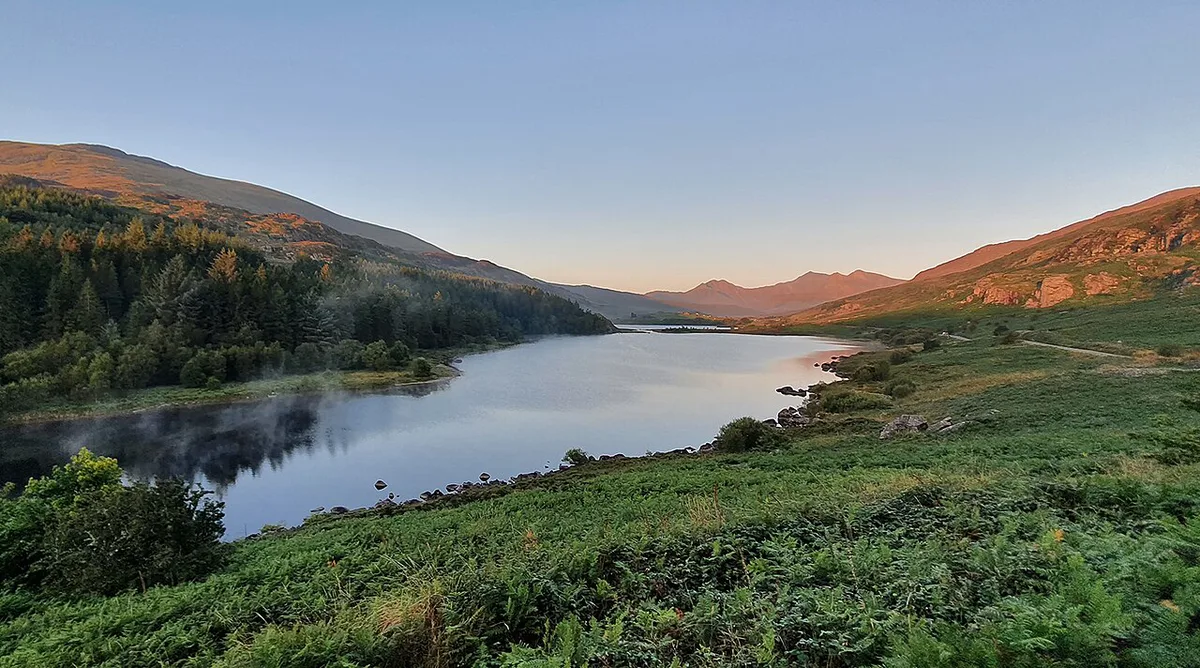
Temperature falls and wind rises as you climb. One late-November Met Office forecast showed the valley at 6–9°C (43–48°F) with winds of 5–12mph. The same day, 900m was at 1–3°C (34–37°F) with winds building to 34mph. Gusts at 900m reached 43mph, against 24mph in the valley. Feels-like temperature at 900m dropped to -7°C (19°F) by 21:00. That is one day's snapshot, not a typical day. Check the live figures before you set out.
| Level (one late-November snapshot) | Air temperature | Peak wind | Feels like at 21:00 |
|---|---|---|---|
| Valley | 6–9°C (43–48°F) | 12mph | 2°C (36°F) |
| 300m | 5–8°C (41–46°F) | 12mph | 1°C (34°F) |
| 600m | 3–6°C (37–43°F) | 17mph | -2°C (28°F) |
| 900m | 1–3°C (34–37°F) | 34mph | -7°C (19°F) |
Snowdonia weather by season
The pattern below is qualitative. For climate figures, use the Met Office climate pages or the Eryri National Park Authority.
| Season | What to expect | Best fit | Main risk |
|---|---|---|---|
| Spring | Changeable, with sun and showers in the same hour. Summits can stay wintry early on. | Waterfall walks, village bases, lower ridges | Cold, wet tops after a mild valley morning |
| Summer | Warmest and longest days. Cloud and rain still arrive from the west. | Summit walks, railway, zip lines, camping | Crowds and full car parks on dry weekends |
| Autumn | Cooler, wetter and more windy as the months go on. Daylight shrinks fast. | Quieter paths, rivers in spate, forest walks | Descents in fading light |
| Winter | Freezing levels often near the tops, with ice, snow and strong wind. | Valley strolls, museums, winter-skilled walkers | Severe wind chill and short days |
How to read a mountain forecast
A mountain forecast gives more than a temperature. Learn these terms before you rely on it. The Met Office flags Severe Chill Effect when wind sharply lowers the feels-like temperature. In one MWIS snapshot, 2°C (36°F) at 900m was forecast to feel as cold as minus 10°C (14°F) in the wind. Use the Mountain Weather Information Service (MWIS) alongside the Met Office for a second opinion.
| Term | What it tells you |
|---|---|
| Feels-like / wind chill | How cold exposed skin will feel once wind is counted |
| Mean wind vs gusts | Gusts can be far stronger than the average and upset your balance |
| Freezing level | The height where air temperature reaches 0°C; above it, expect ice and snow |
| Chance of cloud-free summits | Whether views and navigation will be easy |
| Visibility | Distance you can see; under 1km counts as very poor on the Met Office scale |
| Chance of precipitation | How likely rain or snow is at the stated height |
Daylight and timing
Winter daylight is the key limit. In late November, sunrise is around 07:55 and sunset around 16:10, so you have roughly 8 hours of light. Plan your descent against sunset, not your summit time. Summer days are far longer, which gives more margin. Carry a torch in every season.
Sunset in late November falls around 16:10, so a summit route timed for the afternoon can end in the dark. Keep a torch in your pack.
Decision guide: go, adapt or skip
Match each activity to the weather factor that matters most. Low cloud and high wind affect summit plans first. For the mountain, see the Snowdon Mountain Railway: Booking, Weather and Is It Worth It and check its official operating status. For a base with services, try Llanberis.
| Activity | Key weather factor | If conditions are poor |
|---|---|---|
| Summit walk | Wind, visibility, freezing level | Take a low-level route in Betws-y-Coed |
| Mountain railway | Wind and cloud at the top | Check operator status; choose a valley day |
| Zip line | High wind | Check Zip World North Wales: Which Site to Choose for the day's status |
| Waterfall walk | Heavy rain raises flow and makes paths slippery | Swallow Falls, Snowdonia: Visiting Guide & Tips is best after rain; see more Snowdonia Waterfalls: Best Falls, Access and Tips |
| Village stroll | Light rain only | Try Beddgelert or a museum |
| Camping | Wind and prolonged rain | Move to a sheltered site or a roofed base |
What to pack by season
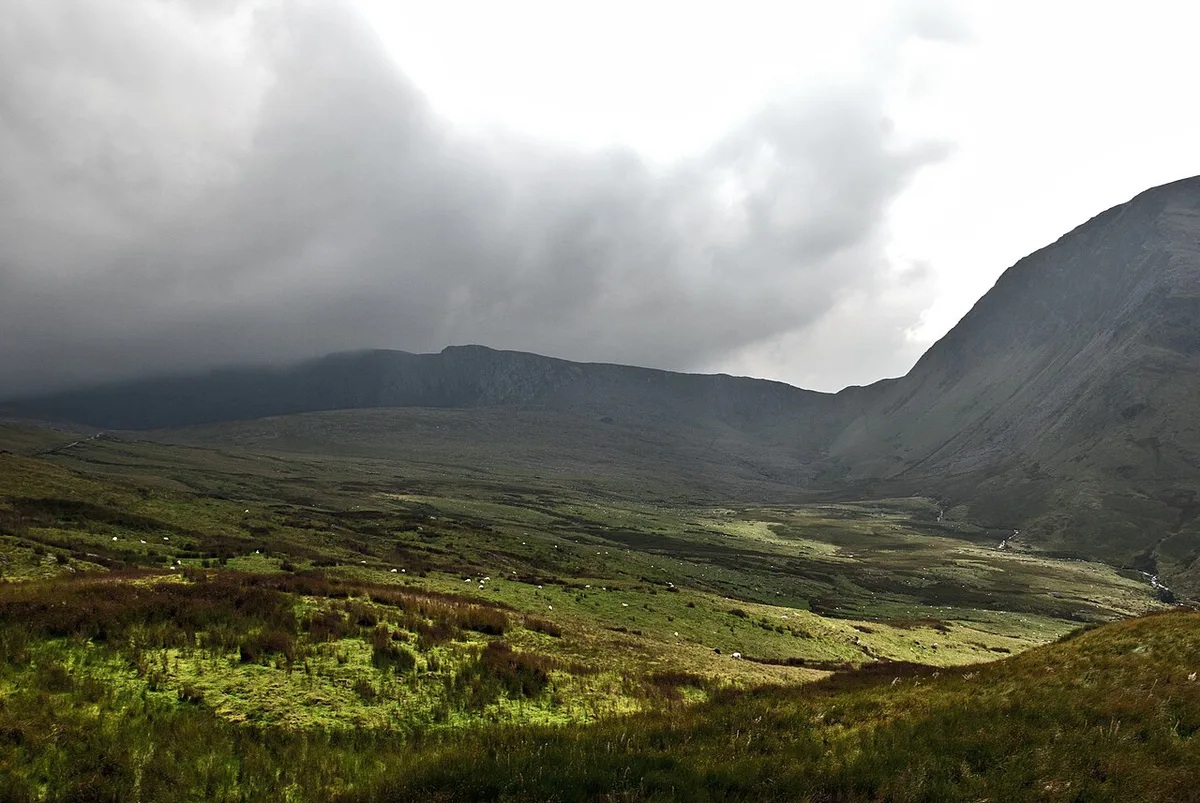
Layers matter more than any single item. Pack a waterproof jacket and trousers, boots with grip, a warm layer for the summit, a map and compass, and a torch. Summit conditions can be wintry when the valley is mild. Add hat, gloves and spare warm clothing outside midsummer. For rainy days off the hill, our list of 10 Best Things To Do In Snowdonia (Eryri) in 2026 has indoor and low-level options.
Winter conditions and safety
Winter on the tops means ice, snow and severe chill, and it calls for winter skills and equipment beyond a summer walk. Railway and other services may run a limited service, so check each operator's official site. Our guide to Snowdonia in Winter: What to Do, Weather & Safety covers planning in more detail. The Snowdon ground-conditions site named by the Met Office is snowdon.live.
Where to stay and park, and weather trade-offs
A flexible base helps when forecasts shift. Compare options in our Snowdonia hotels guide. Wind and rain make camping in Snowdonia harder, so choose sheltered pitches. For budgeting, take a worked example: a £90 room in March against £150 in July shows how season can swing a bill. Those figures are illustrative only, so check live rates. On dry summer weekends, read our Snowdonia Parking Guide: Where to Park and Booking Tips guide and arrive early.
Live forecast sources and who to call
Use the Met Office mountain forecast and MWIS for the tops. Check snowdon.live for ground conditions. The Met Office page also links the Snowdon wardens and Ogwen Valley Mountain Rescue. Plan routes with the Snowdonia Map: Which Map to Use and Where to Go. For guided options when conditions are tricky, see Snowdonia Tours: Day Trips, Hiking and Self-Drive Compared. In an emergency on the hill, call 999 and ask for the police, then mountain rescue.
Frequently Asked Questions
How cold is it at the top of Snowdon?
It is usually several degrees colder than the valley, and wind makes it feel colder still. In one late-November forecast, 900m sat at 1–3°C (34–37°F) while the valley was 6–9°C (43–48°F). Check the live mountain forecast for current feels-like values.
Is Snowdonia always snowy?
No. Snow and ice are mainly a winter and early-spring feature on the higher ground. Valleys are often mild and wet instead. Check the freezing level in the mountain forecast.
What is the best time to visit Snowdonia?
Summer gives the longest days and the best odds for summit walks, but also the biggest crowds. Spring and autumn are quieter and more changeable. Winter suits experienced walkers and valley visits.
Notes for your next park visit
Optional updates to our national park guides.
Read next
Keep planning
Picked from the same area