National Parks in Scotland: 2 Parks Compared and How to Choose
Scotland has two national parks. Compare Cairngorms and Loch Lomond & The Trossachs by access, time needed and trip style, and see what else counts as protected land.
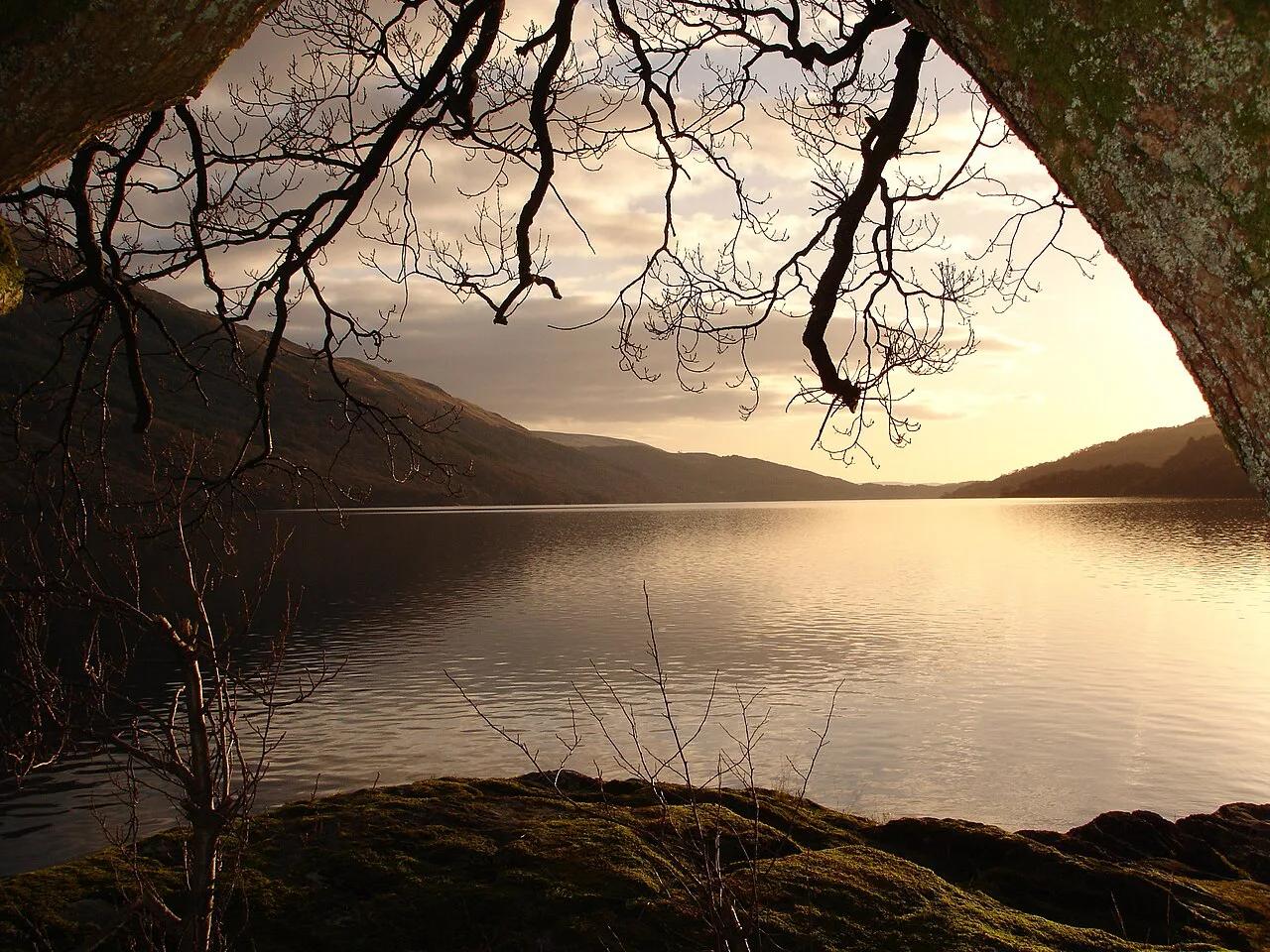
Last updated November 2026: national parks in Scotland number two, Loch Lomond & The Trossachs (2002) and the Cairngorms (2003). Loch Lomond & The Trossachs was the first, and the Cairngorms followed a year later, with its area extended in 2010. Below you can compare both parks, match one to your trip style, and see which protected places are not national parks at all. For the wider picture, start with our UK national parks overview.
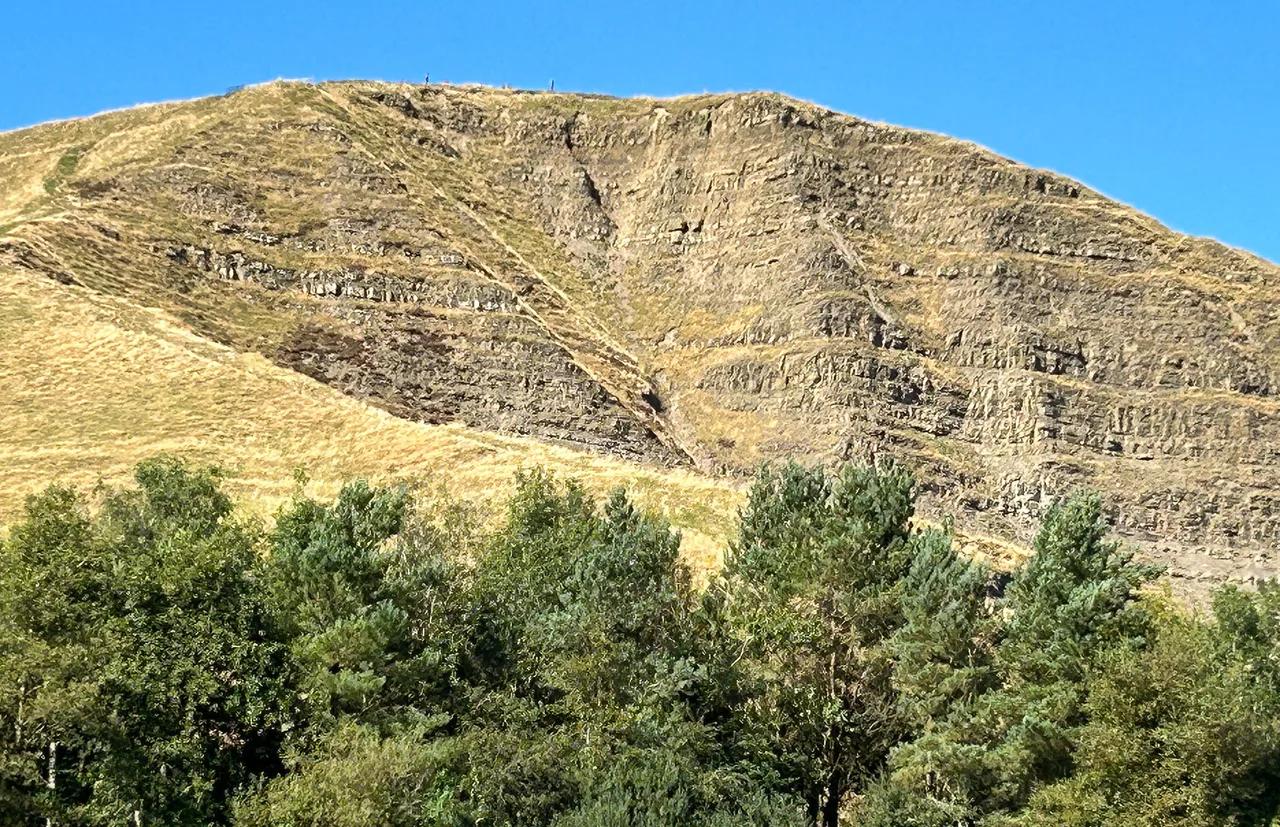
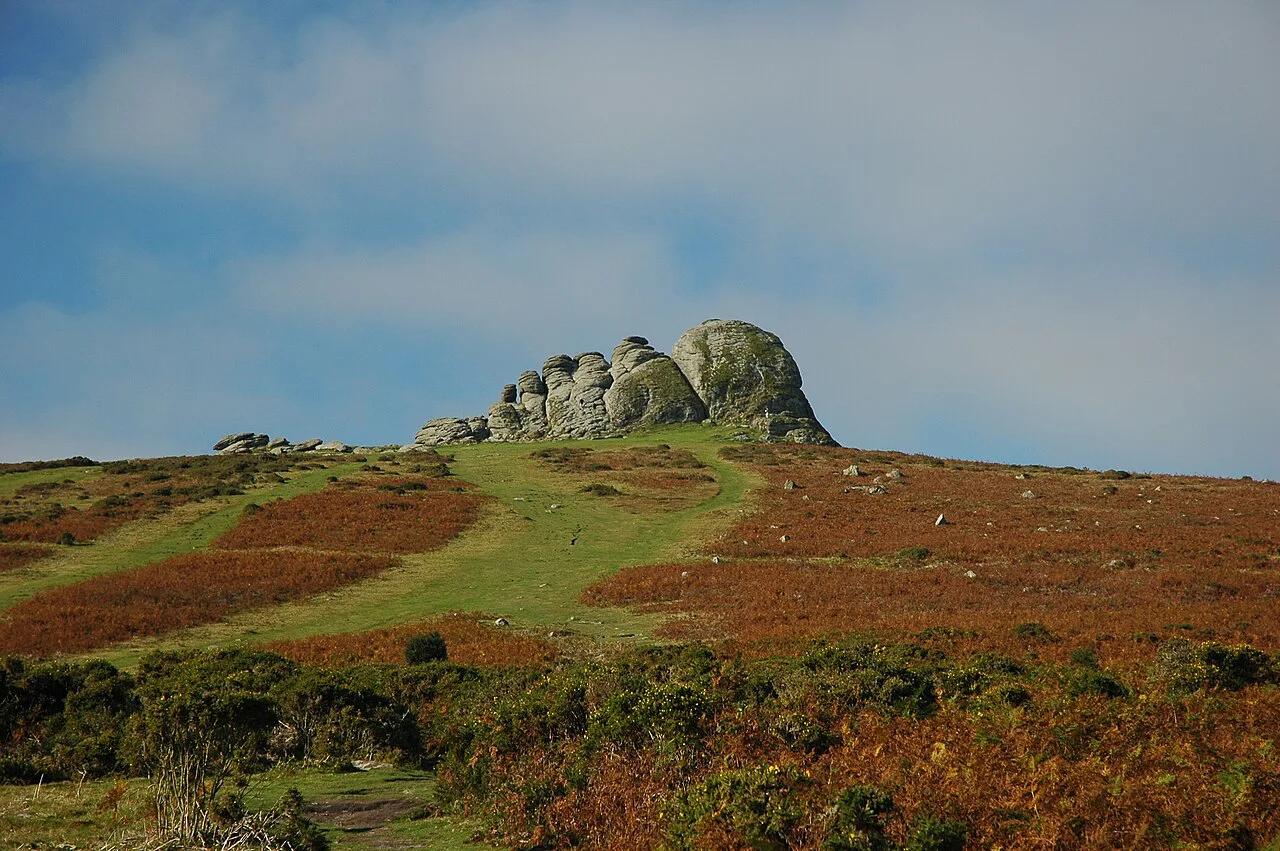
Featured image: Abubakr Hussain, Mohammed-Hayat Ashrafi, Maaz Farooq, Farmaan Akhtar, Mohammed Shah, CC BY-SA 2.5, via Wikimedia Commons.
How many national parks does Scotland have?
Scotland has two national parks. Loch Lomond & The Trossachs was established in 2002, and the Cairngorms in 2003. Both were created under the National Parks (Scotland) Act of 2000, after the Scottish Parliament opened in 1999. The Cairngorms park was extended in 2010 to take in part of Perth and Kinross.
Scotland's parks came late compared with England and Wales. Ten national parks were set up in England and Wales after World War II. Scotland's areas were proposed as "National Park Direction Areas" in 1945, but they never gained full status. They were replaced by national scenic areas in 1981.
Both Scottish parks are lived-in landscapes with towns, estates and working land, not empty wilderness. That shapes how you visit: you base yourself in a village, drive or take transport in, and walk out from there. Compare this with the National Parks in England: Full List and How to Choose, which follow a similar lived-in model.
Cairngorms vs Loch Lomond & The Trossachs: at a glance
The Cairngorms covers about 4,528 square kilometers (roughly 1,750 square miles), with around 18,000 residents. That makes it the biggest park in Britain, as covered in our guide to the largest national park in the UK. Loch Lomond & The Trossachs is the more compact option and sits closer to Glasgow. The table sets out the main differences.
| Factor | Cairngorms | Loch Lomond & The Trossachs |
|---|---|---|
| Established | 2003 (extended 2010) | 2002, Scotland's first |
| Size | About 4,528 km², the UK's largest | Smaller; check the park authority for its area |
| Character | High mountain plateaus, ancient pine forest, glens | Highland Boundary Fault scenery: rugged hills, woods and lochs |
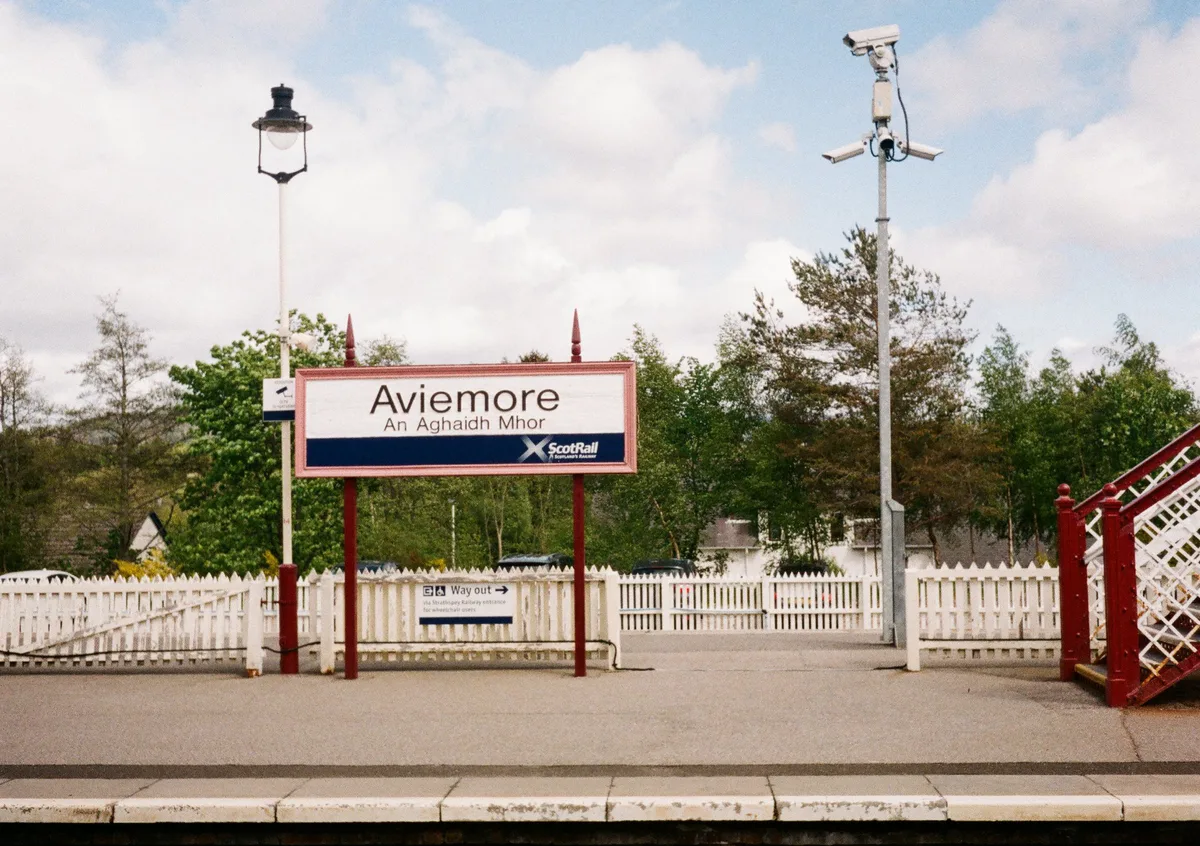
| Nearest gateway | Aviemore for the western side; Braemar and Ballater for Deeside | Glasgow and Stirling, via Balloch and Aberfoyle |
| Best base | Aviemore, Grantown-on-Spey, Boat of Garten, Ballater | Balloch or Aberfoyle |
| Best season | Summer for walking, winter for snow sports | Spring to autumn for lochs and woods |
| Main activities | Walking, wildlife, skiing, water sports, whisky | Loch and hill days, short walks, scenic drives |
| Suits | Multi-night trips and serious hillwalkers | Day trips and short breaks from Glasgow |
Cairngorms National Park
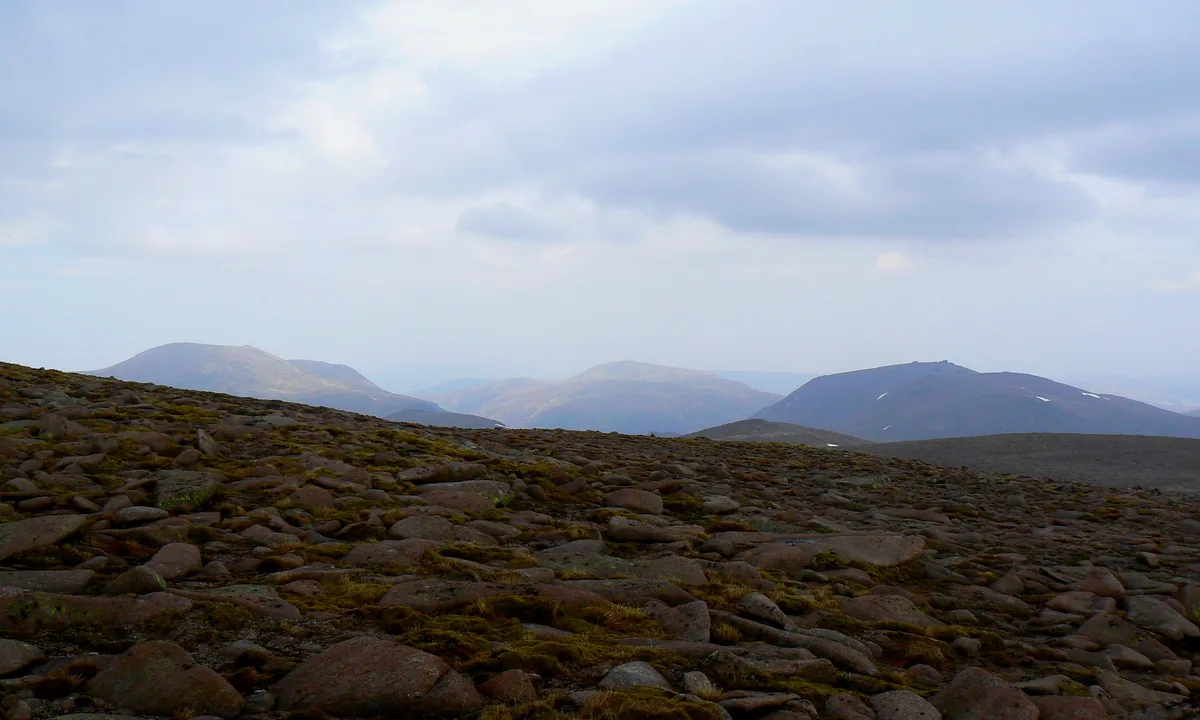
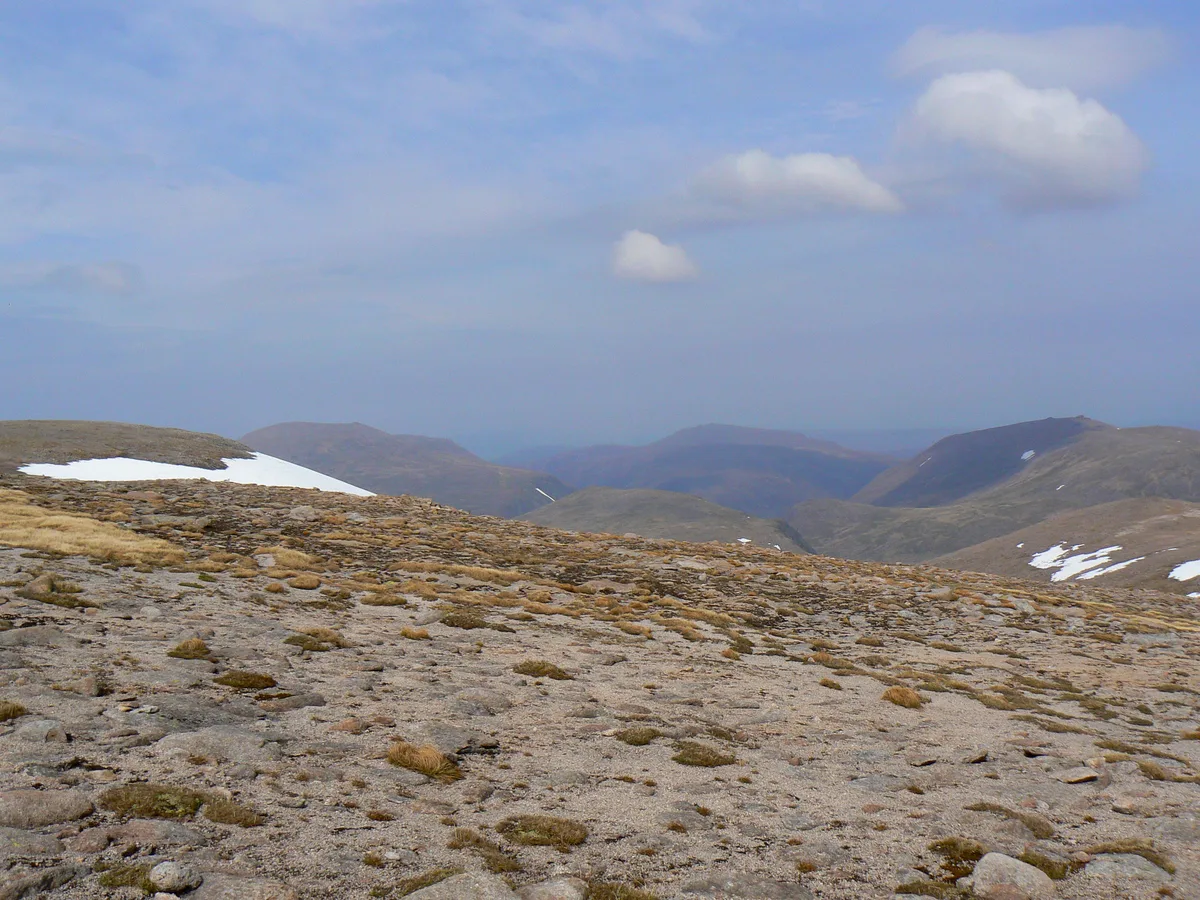
The Cairngorms is the park to pick when you want scale. Its mountain plateaus include Ben Macdui and Cairn Gorm, and weather there can change quickly, even in summer. Below them, glens, rivers and lochs open out, and native pinewoods survive at Rothiemurchus and Glenmore. Park information is on the Cairngorms National Park Authority site.
Rothiemurchus and Abernethy are remnants of the ancient Caledonian pine forest. Loch Morlich has a sandy freshwater beach, and boat, canoe, kayak and paddleboard hire is available there. Loch an Eilean has a ruined island castle and a footpath of about 5 km around the shore.
Wildlife is a major draw. Ospreys nest near Loch Garten, and red deer are common at dawn and dusk. The Cairngorm reindeer herd roams near Glenmore and is visited on guided walks. Capercaillie survive here, but sightings are uncommon.
- Easy: Loch an Eilean, a 5 km loop through pinewood with views of the island castle.
- Easy to moderate: Boat of Garten to Aviemore along the Speyside Way, about 2 hours.
- Moderate: Loch Kinord and Burn o' Vat at Muir of Dinnet, about 4 miles, near Ballater.
- Moderate: Meall a' Bhuachaille from Glenmore, just over 5 miles and about 4.5 hours.
- Short and scenic: Linn of Dee on the River Dee, a popular picnic spot where parking fills early on sunny days.
- Hard: Ben Macdui, Cairn Gorm and Braeriach need navigation skills, proper kit and a clear weather forecast.
Cairngorms bases, rainy days and winter
Aviemore is the main hub on the western side. From there you can reach Glenmore, Rothiemurchus and Abernethy. Braemar and Ballater anchor Royal Deeside. Grantown-on-Spey, Nethy Bridge and Boat of Garten suit quieter stays.
For a wet day, the Strathspey Steam Railway runs a 10-mile line from Aviemore via Boat of Garten, with a round trip of about 2 hours. The Highland Folk Museum in Newtonmore is an open-air museum of Highland life. Blair Castle, Braemar Castle and the Malt Whisky Trail are other indoor options.
Seasonal opening applies. Balmoral Castle's grounds have been open from May to July, and the castle has been closed to visitors from August 1 until spring. Check each attraction's own site before you go.
Winter brings three ski areas: Glenshee, The Lecht and Cairngorm Mountain. Glenshee is the largest, and The Lecht is smaller and suits beginners and families. Snow is variable, so check conditions before you book. The area around Tomintoul and Glenlivet holds dark sky status, so clear winter nights are good for stargazing.
Loch Lomond & The Trossachs National Park
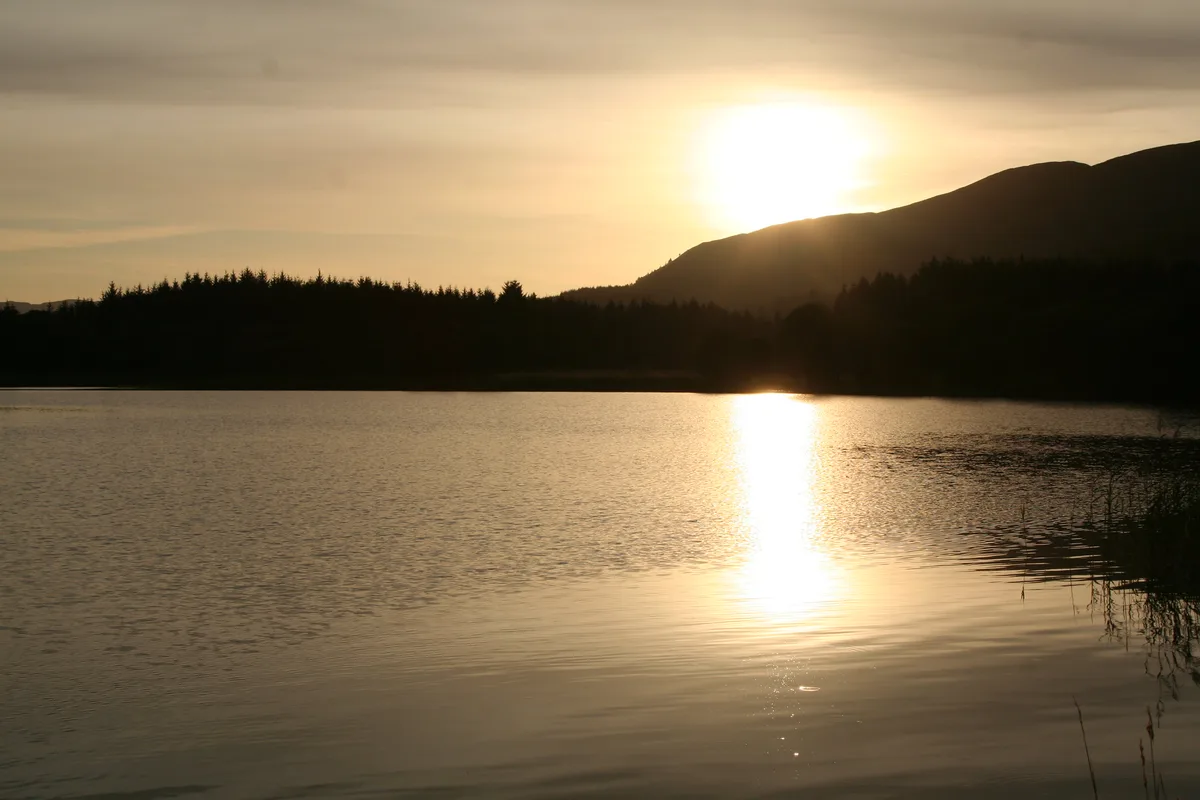
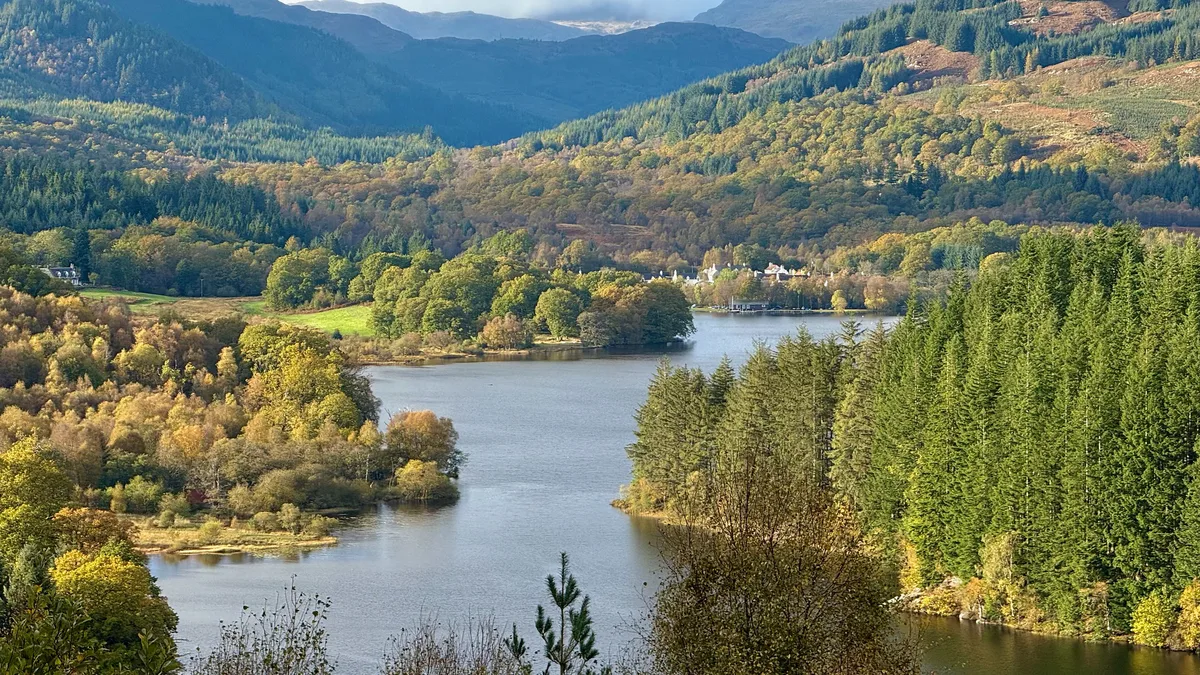
Loch Lomond & The Trossachs is Scotland's first national park, set up in 2002. The Highland Boundary Fault, which divides the Highlands from the Lowlands, runs through it. That is why one park holds rugged mountains, wooded glens and large stretches of open water. The Loch Lomond & The Trossachs National Park site lists walks, boat trips and visitor information.
Gateways are Glasgow and Stirling. Balloch sits at the southern end of Loch Lomond, and Aberfoyle is the usual entry to the Trossachs side. Both are practical starting points if you are coming from Glasgow without a long drive.
This park suits short trips well. You can spend a day on the loch shore, in the forests around Aberfoyle or on a hill walk, then return to the city that evening. It also works for a weekend of two bases, one on each side. Timetables and routes change, so use the park's travel pages for current bus and rail options.
- Loch days: Balloch is the natural base for time on the water and the shoreline.
- Forest and hill days: Aberfoyle opens the Trossachs woods and hills.
- City add-on: Glasgow and Stirling are both gateways, so the park fits easily around a city break.
- Longer stays: choose one base on each side of the fault line to see the contrast in scenery.
Which national parks in Scotland should you choose?
Match the park to your time, transport and appetite for hills. The Cairngorms rewards a longer stay. Loch Lomond & The Trossachs is the easier add-on to a city trip. Our best national parks in the UK guide shows how both rank against English and Welsh options.
| Trip length | Best fit | Relative cost | Access |
|---|---|---|---|
| Day trip | Loch Lomond & The Trossachs | Lowest: no overnight, transport only | Easiest from Glasgow and Stirling |
| Weekend (2 nights) | Either park | Medium: accommodation is the main cost | Car helpful in both; Aviemore has a station |
| 3+ nights | Cairngorms | Highest overall, but best value per day | Plan for distances between towns |
- First-timer without a car: Loch Lomond & The Trossachs, starting from Glasgow or Stirling. Aviemore also works because it has a train station.
- Short city-break add-on: Loch Lomond & The Trossachs, as a day trip or one night.
- Hillwalker: Cairngorms, for Ben Macdui, Cairn Gorm and Braeriach, and the longer Munro circuits.
- Family: Loch Morlich beach and boat hire, Loch an Eilean's 5 km loop, the reindeer centre and The Lecht ski area for beginners.
- Wildlife watcher: Cairngorms, for ospreys at Loch Garten, red deer and the reindeer herd.
- Winter sports: Cairngorms, with Glenshee, The Lecht and Cairngorm Mountain.
- Rainy-day flexibility: Cairngorms, thanks to the Strathspey Railway, Highland Folk Museum and castles.
Getting there and getting around
Aviemore has a train station, which makes it the easiest Cairngorms base without a car. Beyond the town, trailheads such as Glenmore, Linn of Dee and Loch Muick are far easier with a car. Loch Muick is about 20 minutes from Ballater, and its parking fills early on summer days.
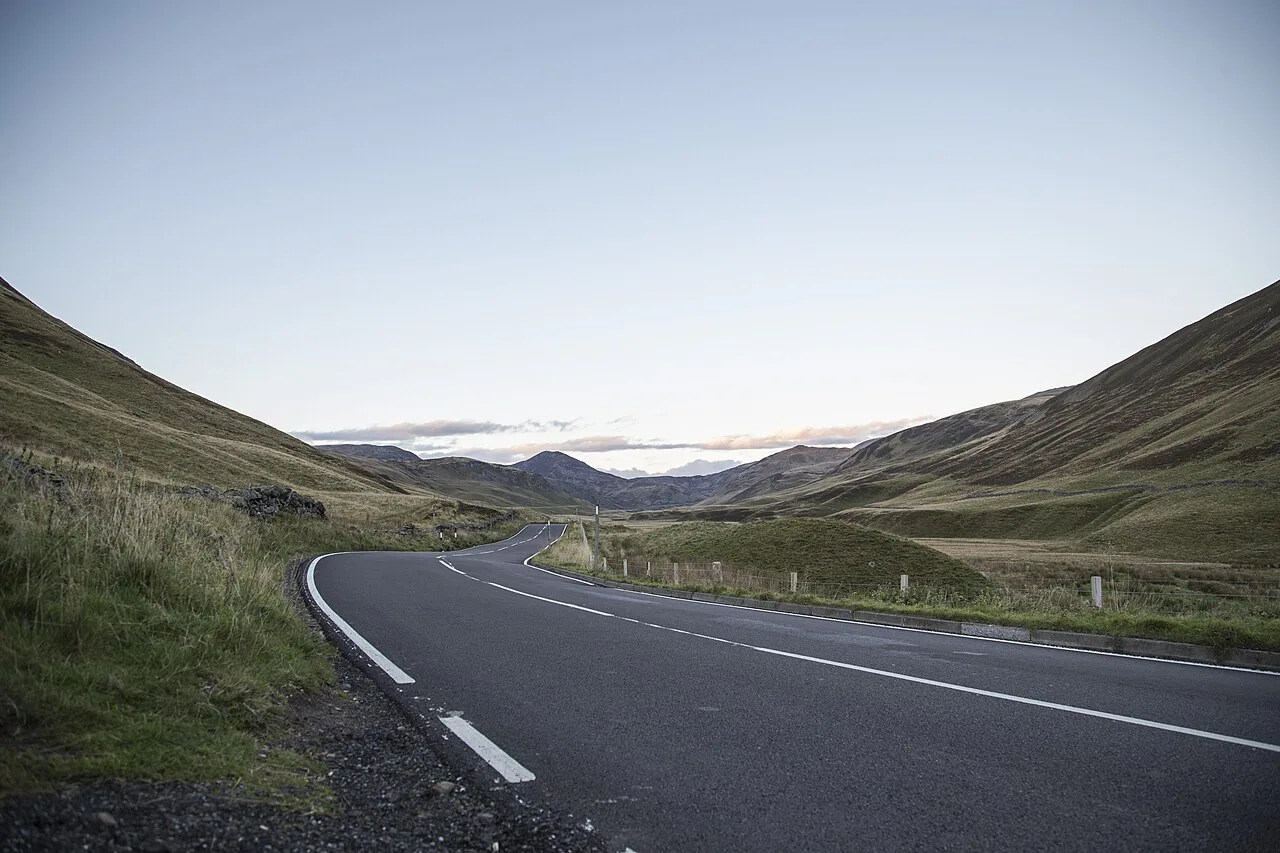
The Snow Roads Scenic Route runs about 90 miles from Grantown-on-Spey to Blairgowrie. It passes Tomintoul, the Lecht Road at Cock Bridge, the pine forests near Braemar and the Glenshee Pass, Scotland's highest mountain road. High roads can close in bad winter weather.
For Loch Lomond & The Trossachs, Glasgow and Stirling are the gateways. Check the park's travel pages for current bus and train links.
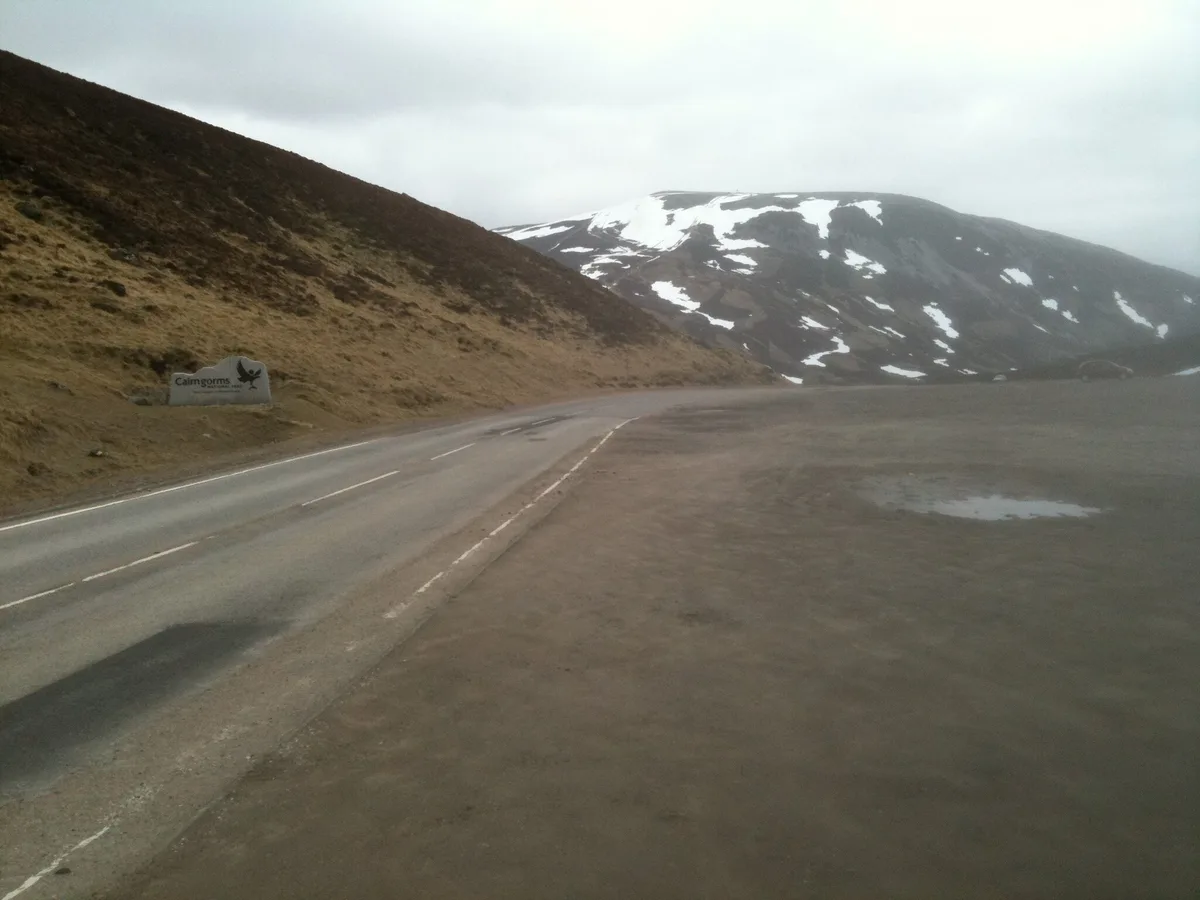
Midges are a summer nuisance in the Highlands, so bring repellent from late spring. Mountain weather is a separate planning issue. Hill conditions can turn fast, so check the forecast and carry spare layers.
Best time to visit
Summer gives long days for walking, water sports and the Strathspey Railway, which runs mainly in summer. Spring brings salmon leaping at Linn of Dee, according to local guides. Autumn suits quieter walking in the glens. Winter is the season for skiing and dark skies in the Cairngorms.
Loch Lomond & The Trossachs is at its easiest from spring to autumn, when boat trips and forest walks run most freely. Both parks are open year round, but attractions and facilities vary by season.
Wildfire risk rises in dry weather. Visitors are asked not to light open fires during long dry spells and to extinguish cigarettes fully. Check current guidance on VisitScotland before you travel.
Protected places that are not national parks
Scotland's other designations are often confused with national parks. They protect land differently, and most have no town base or park authority.
- National Nature Reserves: places set aside so you can enjoy the landscape without disturbing wildlife. Examples are Glen Affric, Glencoe, St Cyrus in Aberdeenshire and the Isle of May in the Firth of Forth.
- Global Geoparks: areas of major geological interest that explain how Scotland's landscapes formed over millions of years.
- UNESCO biosphere reserves: places that show a balanced relationship between people and nature. Scotland has two, and the UK has six.
- Dual status: some reserves sit inside the Cairngorms, including Abernethy and Mar Lodge Estate, so a park trip can include a reserve visit.
Planning mistakes to avoid
Most problems come from treating each park as one small area or a single stop. These are the errors that cost visitors the most time.
Treat the 10-mile line as a wet-day option only after checking the season, since it runs mainly in summer and may not suit a winter plan.
- Treating the Cairngorms as small: it covers about 4,528 km², so Aviemore to Braemar is a real drive.
- Underestimating hill weather: Ben Macdui, Cairn Gorm and Braeriach are serious mountains, not park strolls.
- Expecting pay-to-enter gates: access works differently from many national parks elsewhere, so you pay for individual attractions, parking and activities.
- Not checking seasonal attractions: Balmoral's castle closure from August 1 and limited castle opening can break a rainy-day plan.
- Assuming a visitor centre is open: check the Glenmore and Nethy Bridge centres or the Loch Garten Osprey Centre before you go.
- Skipping the second park: a day at Loch Lomond & The Trossachs can bookend a Cairngorms trip.
Beyond Scotland
Scotland sits within a wider UK system. Our National Parks in Wales: The 3 Parks Compared and How to Choose guide covers Pembrokeshire and Brecon Beacons. Our guide to Northern Ireland's protected areas explains why the picture there differs. For a quick England comparison, try the New Forest National Park: Visitor Guide, Planning and Logistics, which is a lowland contrast to the Cairngorms. The official National Parks UK site offers more UK-wide information.
Frequently Asked Questions
Is Cairngorms National Park in the Highlands?
Yes. The Cairngorms sits in the Scottish Highlands, in the northeast of Scotland. Its 2010 extension brought in part of Perth and Kinross.
Notes for your next park visit
Optional updates to our national park guides.
Read next
Keep planning
Picked from the same area