New Forest National Park: Visitor Guide, Planning and Logistics
Plan a New Forest National Park visit: what to expect, getting there without a car, ponies and forest rules, where to base yourself, and how long to stay.
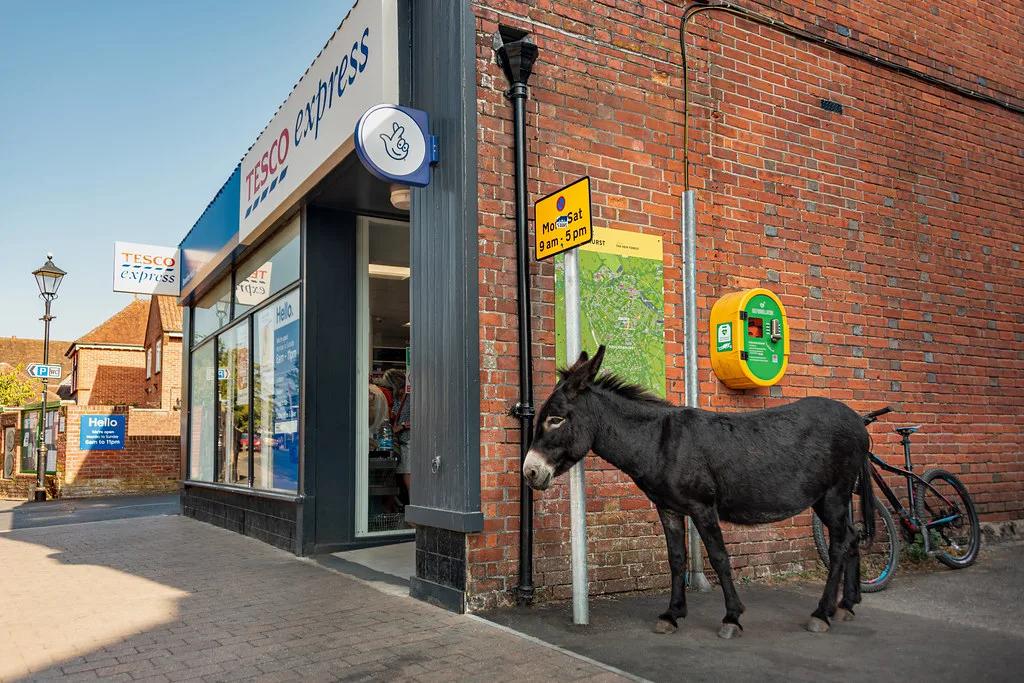
Last updated November 2026: the New Forest National Park is a protected area of heathland, ancient woodland and villages in southern England, mostly in Hampshire and reaching into Wiltshire. Ponies, cattle, pigs and donkeys roam its open ground and many of its roads, and that shapes how you plan a visit. Our guide covers access, bases, time plans, animal rules and seasons, and it places the park among the wider set of UK national parks.
Featured image: Jorge Franganillo, CC BY 4.0, via Flickr.
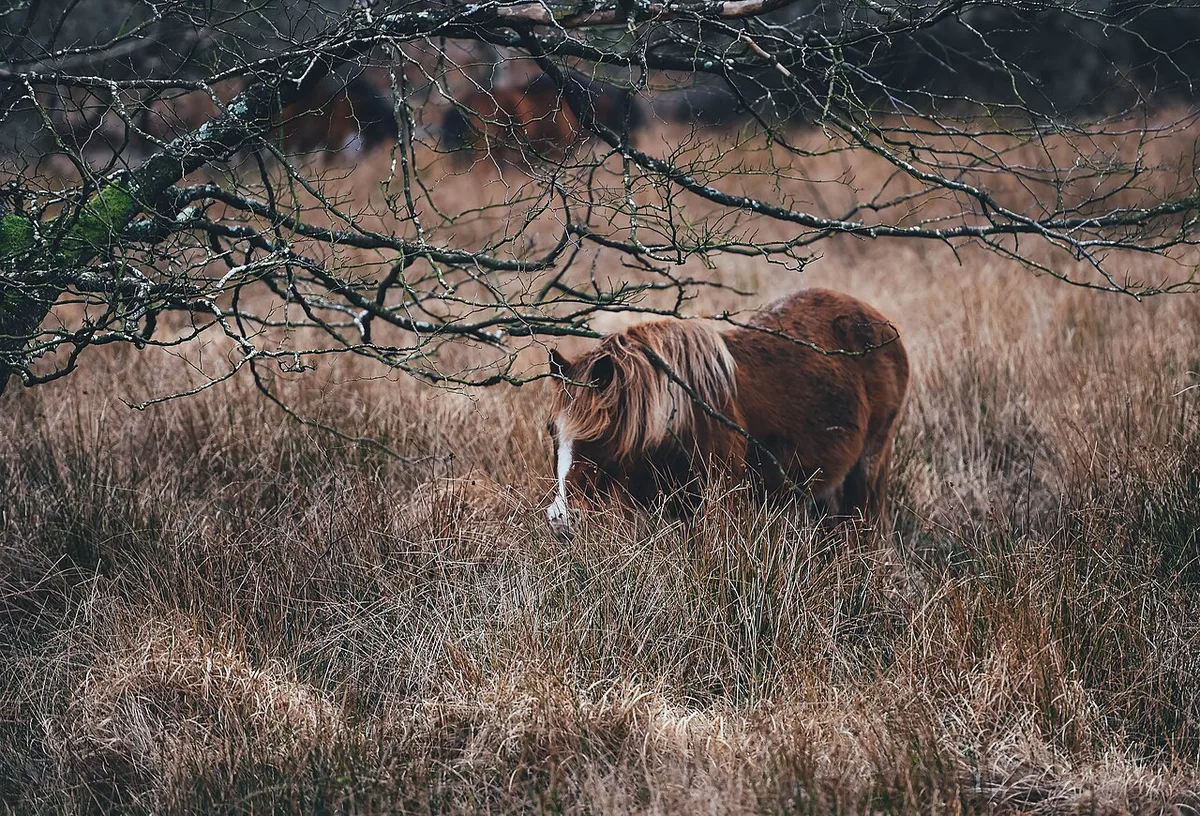
New Forest National Park at a glance: who it suits
The New Forest National Park Authority runs the park, which was designated in 2005. Published figures put its area at roughly 570 km² (about 220 sq mi), though the exact number differs between sources. Commoners' animals graze the heath and woodland, and their grazing keeps the landscape open. Southampton is the nearest city. The park suits walkers, cyclists, families and anyone who wants wildlife without a long drive between stops. It is a weaker fit for visitors who want dramatic peaks, since the highest point, Pipers Wait near Nomansland, reaches only 129 m (422 ft).

- Best for: easy walking, cycling, ponies, heath birds and village stops.
- Time needed: a half day for a taste, 1 day for a good loop, 2 days to cover several areas.
- Without a car: workable if you base yourself in Brockenhurst and hire a bike.
- Main costs: lodging and parking dominate, since the open forest itself is free to roam.
- Typical bases: Brockenhurst, Lyndhurst, Burley, Lymington and Beaulieu.
Getting to the New Forest National Park

The park lies in south-west Hampshire and extends into south-east Wiltshire. Southampton sits on its eastern side, which makes the city a sensible gateway for rail and road arrivals. Brockenhurst is the main rail stop inside the park. Lymington is reached by a branch line. Lyndhurst and Beaulieu have no station, so you need a bus, taxi or bike for them. Fares, timetables and bus routes change, so use National Rail and the local bus operator for current details. The Authority's visitor pages list the bus options.
| Option | Best for | Trade-off |
|---|---|---|
| Train to Brockenhurst | Car-free visitors, cyclists, walkers | Limited reach beyond the village without a bike or bus |
| Train to Lymington | Coastal base with forest access | Branch line, so plan the change of train |
| Local bus | Linking villages such as Lyndhurst and Burley | Services thin out; plan around the timetable |
| Car | Remote heath, Rufus Stone, several stops in a day | Parking choices and animals on the road |
| Bike from a hire shop | Flexible car-free exploring | Hire shops cluster around Burley and Brockenhurst |
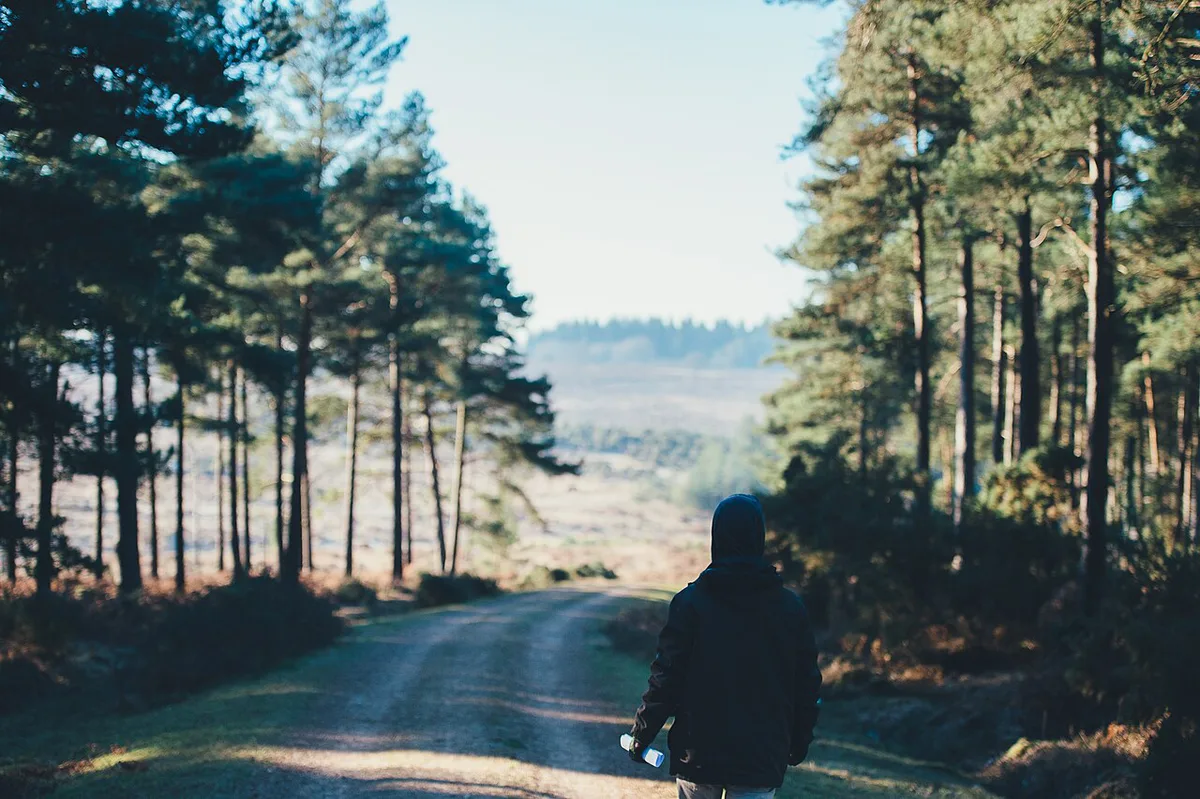
Best things to do in the New Forest
Choose by interest rather than trying to see everything. The forest rewards slow movement, and most visits work best with two or three stops. Forestry England manages much of the Crown land, and its New Forest pages cover car parks, walks and campsites.
- Walking and cycling: Burley and Brockenhurst both have cycle hire, and the forest offers many miles of cycle paths.
- Wildlife and heath: look for Dartford warbler, woodlark and nightjar on open heath. Adders live on open heath and grassland, so keep to paths.
- Villages and history: the Rufus Stone marks the reputed spot where William Rufus died in 1100. Beaulieu and Buckler's Hard suit a slower day. Bolton's Bench in Lyndhurst is a simple resting stop.
- Families: New Forest Wildlife Park and the New Forest Reptile Centre are listed visitor attractions. Hatchet Pond near Beaulieu is a short, easy stop. Check each venue's season before you go.
- Coast and harbour: Lymington gives you a town base with marsh and shoreline close by.
How to plan your time: half day, 1 day, 2 days
A half day gets you one village and one short walk. A full day fits a loop of 2 or 3 stops. Two days let you split the park into an east-side day and a west-side day, which spares you long drives. Without a car, stay in one base and use the train, local buses or a hired bike for the rest.
| Time | With a car | Without a car |
|---|---|---|
| Half day | Rufus Stone plus a heath walk | Brockenhurst village and a short walk from the station |
| 1 day | Lyndhurst, a heath loop and Beaulieu or Buckler's Hard | Cycle loop from Brockenhurst or Burley |
| 2 days | Day one around Lyndhurst and the heath; day two Beaulieu and the coast near Lymington | One night in Brockenhurst, one in Lymington, linked by train |
Ponies, cattle and forest rules (common rights in practice)
Commoners hold ancient rights to turn out ponies, cattle and donkeys, and the animals graze unfenced. Formal common rights were confirmed by statute in 1698, and the New Forest Act 1877 restated them. Their grazing keeps heath and bog habitats open, which is why animals are everywhere. Pigs join them for pannage in autumn. Pannage lasts 60 days, and the Verderers set the start date each year according to when acorns fall. Acorns can harm ponies and cattle in large quantities, but pigs eat them safely. Ask the Authority for the current rules and speed limits before you drive.
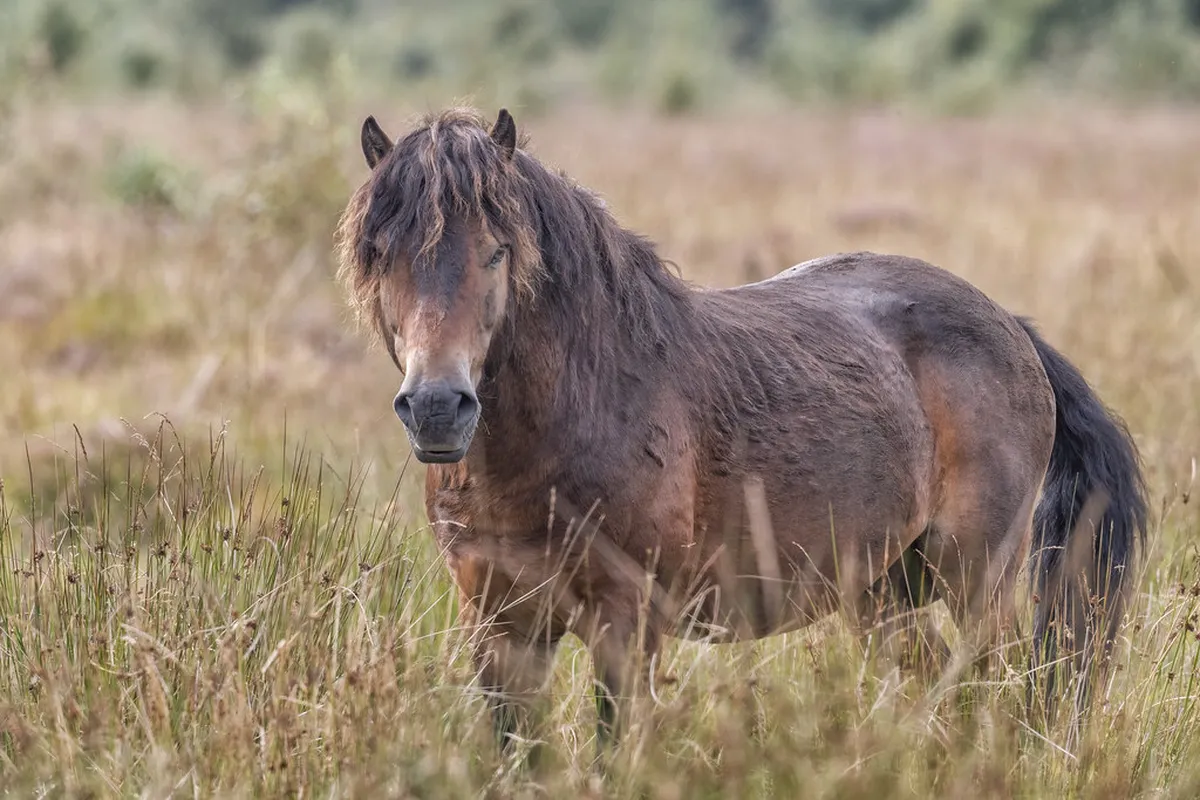
- Do not feed the animals. Fed ponies learn to approach cars and visitors.
- Do not touch or crowd foals, even when they look calm.
- Drive slowly, especially at dusk, since deer also cross roads.
- Do not park on verges where animals or walkers need space.
- Keep dogs under control and close on open heath.
Costs, parking and opening hours
Walking the open forest is free. Parking, cycle hire and attraction prices change, so check Forestry England for car parks and each operator for tickets and hours.
Where to stay: choosing a base
Pick a base for how you will move, not just for looks. Brockenhurst suits car-free visitors, since the station and cycle hire sit in one village. Burley suits ponies and short walks. Lyndhurst works as a central stop for drivers. Lymington gives you a coastal option, and Beaulieu is quieter. If you want a short list of attractive villages, start with Brockenhurst, Burley and Beaulieu.
| Base | Fits | Notes |
|---|---|---|
| Brockenhurst | Car-free visitors, cyclists | Mainline station and cycle hire |
| Burley | Walkers, families | Ponies walk its streets; cycle hire is available |
| Lyndhurst | Drivers wanting a central stop | Bolton's Bench is nearby |
| Lymington | Coast and town | Reached by a rail branch line |
| Beaulieu | Quieter stays, history | Close to Buckler's Hard |
When to visit: season-by-season trade-offs
Autumn brings pannage, with pigs under the oaks between September and November. Spring and early summer suit heath birds, but summer brings the largest crowds, so start early and park away from village centres. Winter is quieter, though paths can turn muddy and ponies graze gorse when grass freezes. Confirm pannage dates with the Verderers each year, since the start moves with the acorn fall.
Pannage lasts 60 days, and the Verderers set its start each year, so check the start date before you plan an autumn visit.
Is a short itinerary worth it? Pairing with other UK parks
A weekend suits the New Forest well, especially if you want gentle terrain and wildlife. For more landscapes, pair it with the South Downs, another park in southern England. Our guide to England's parks lists the rest. Wilder alternatives include Exmoor and the North York Moors. The Broads offer a waterway option. Northumberland suits dark skies. To compare them, see our ranking of the best parks. For other nations, start with the Welsh parks. The National Parks UK site is a good planning start.
Frequently Asked Questions
What animals are in New Forest National Park?
Commoners' ponies, cattle and donkeys roam freely, and pigs join them for pannage in autumn. Fallow, roe and red deer live in the woods, though they tend to keep out of sight. Heath birds include Dartford warbler and woodlark, and adders live on open heath.
Are national forests and national parks the same?
No. A national park is a protected landscape with its own authority. The New Forest takes its name from its royal hunting origins, and today it is also a national park.
What is the prettiest town in the New Forest?
That is a matter of taste. Brockenhurst, Burley, Lyndhurst, Lymington and Beaulieu are the usual choices. Brockenhurst suits rail visitors, and Beaulieu suits a quieter stay.
Notes for your next park visit
Optional updates to our national park guides.
Read next
Keep planning
Picked from the same area