
16 National Parks in Spain: Complete Guide and Planning Tips
All 16 national parks in Spain, with a quick-pick table, access and permit notes, seasons and park combinations. Plan your route before you go.
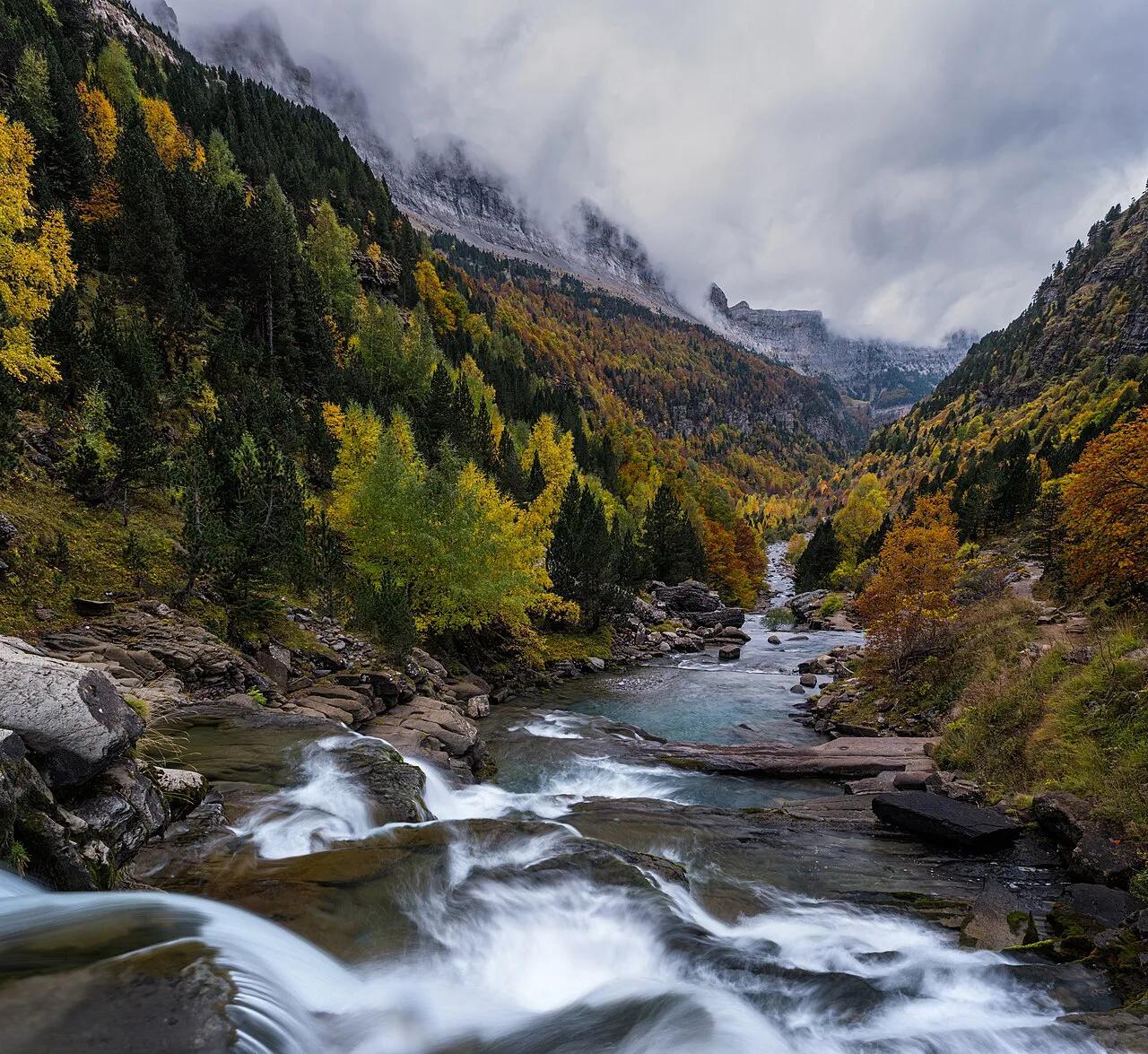
Last updated November 2026. Spain's national parks number 16 as of 2026, spread across the Pyrenees, Andalusia, the interior, the north coast and the Atlantic and Mediterranean islands. Pick hiking parks for the Pyrenees, volcanic parks for the Canary Islands, and wetland or woodland parks for birds. Our ranked list of favorites narrows the choice, while this page covers the whole network.
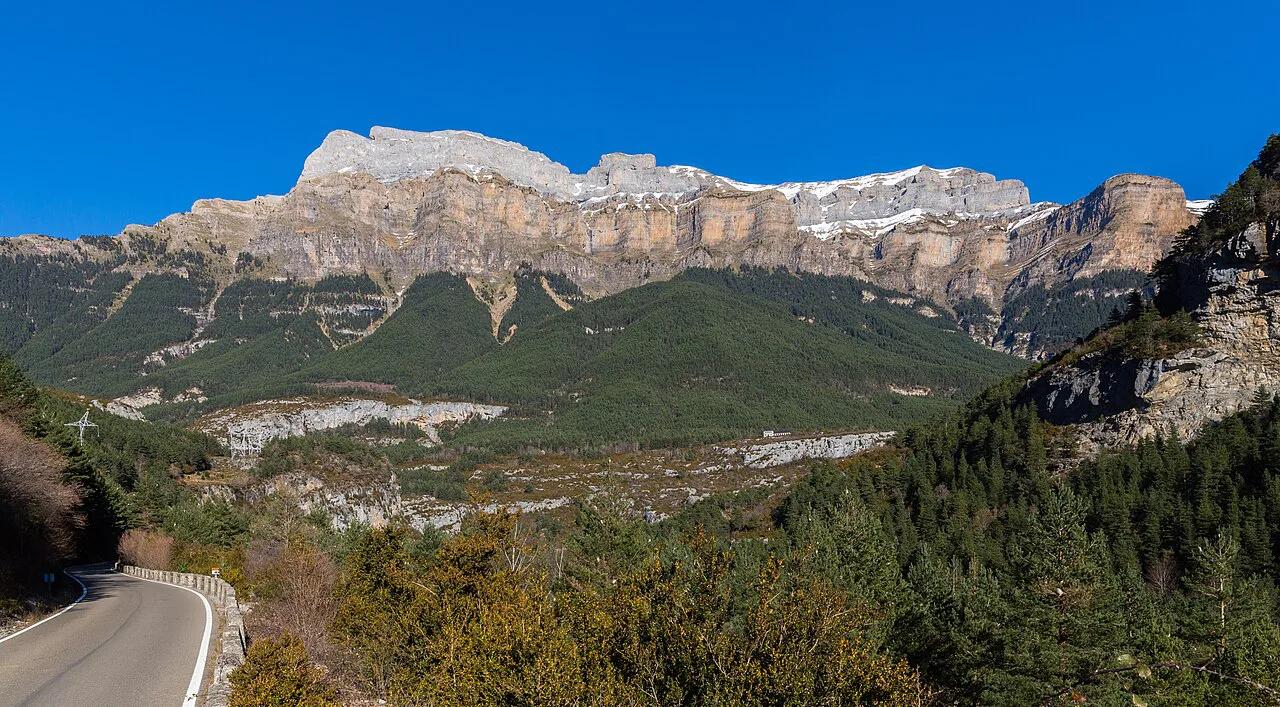
Featured image: Moahim, CC BY-SA 4.0, via Wikimedia Commons.
National Parks in Spain at a Glance
Use this table to compare all 16 parks by region, landscape and trip type. Each park has its own section below, and the official network lists current counts and park pages on the national parks network site.
| Park | Region | Landscape | Best for |
|---|---|---|---|
| Ordesa y Monte Perdido | Aragón, Pyrenees | Canyons and peaks | Hiking |
| Aigüestortes i Estany de Sant Maurici | Catalonia, Pyrenees | Lakes and granite | Hiking |
| Picos de Europa | Asturias, Cantabria, Castilla y León | Limestone mountains | Hiking, cable car |
| Sierra Nevada | Andalusia | High mountains | Skiing, hiking |
| Doñana | Andalusia | Marsh, dunes, forest | Birds |
| Sierra de las Nieves | Andalusia | Mountains, fir forest | Hiking |
| Sierra de Guadarrama | Madrid, Castilla y León | Granite mountains | Day trips from Madrid |
| Monfragüe | Extremadura | Cliffs and river | Birds |
| Cabañeros | Castilla-La Mancha | Plains and forest | Wildlife |
| Tablas de Daimiel | Castilla-La Mancha | Wetland | Wetland birds |
| Teide | Tenerife | Volcano | Volcanic scenery |
| Timanfaya | Lanzarote | Lava fields | Volcanic scenery |
| Garajonay | La Gomera | Laurel forest | Walking |
| Caldera de Taburiente | La Palma | Volcanic crater | Hiking |
| Cabrera Archipelago | Balearic Islands | Islands and sea | Boat trips, snorkeling |
| Atlantic Islands of Galicia | Galicia | Islands and coast | Ferry trips |
What Counts as a National Park in Spain?
A national park belongs to the state-managed network and follows nationwide protection rules. Spain also has many natural parks, called parques naturales, which regional governments run under different rules. Sources sometimes mix the two, and they also mix in caves that are not parks. Treat only the 16 listed here as national parks.
How to Choose: Match the Park to Your Trip
Start with what you want to do, then narrow by region.
- Hiking and big scenery
- Choose Ordesa y Monte Perdido, Picos de Europa, Aigüestortes or Caldera de Taburiente.
- Volcanic landscapes
- Choose Teide, Timanfaya or Caldera de Taburiente, plus Garajonay for a laurel forest on a volcanic island.
- Wildlife and birds
- Choose Doñana, Monfragüe, Cabañeros or Tablas de Daimiel.
- Skiing and winter
- Choose Sierra Nevada, and check snow conditions in the Pyrenees and Picos.
- A day from a major city
- Choose Sierra de Guadarrama from Madrid.
- Islands and sea
- Choose Cabrera or the Atlantic Islands of Galicia, and check boat or ferry rules first.
16 National Parks in Spain, Park by Park
Prices and hours checked November 2026. Entries run from the Pyrenees through the interior to the islands, with a link wherever we have a full guide.
1. Ordesa y Monte Perdido (Aragón)
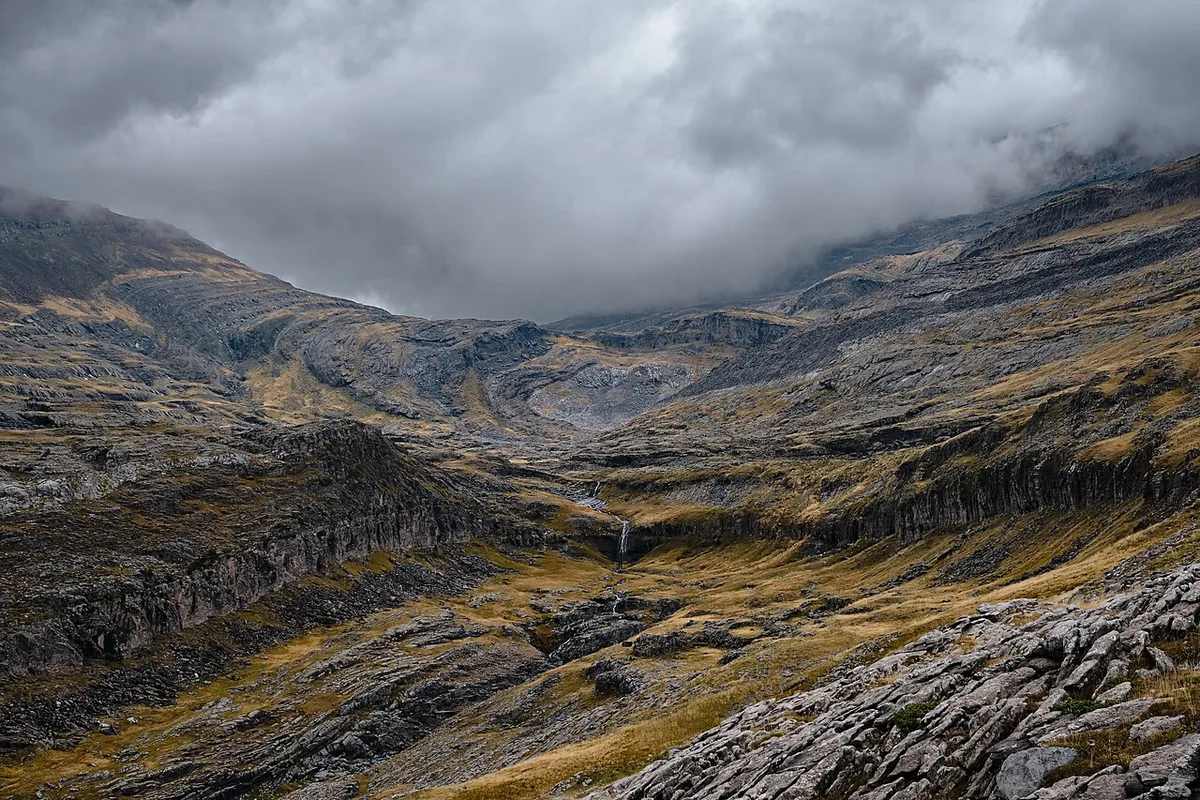
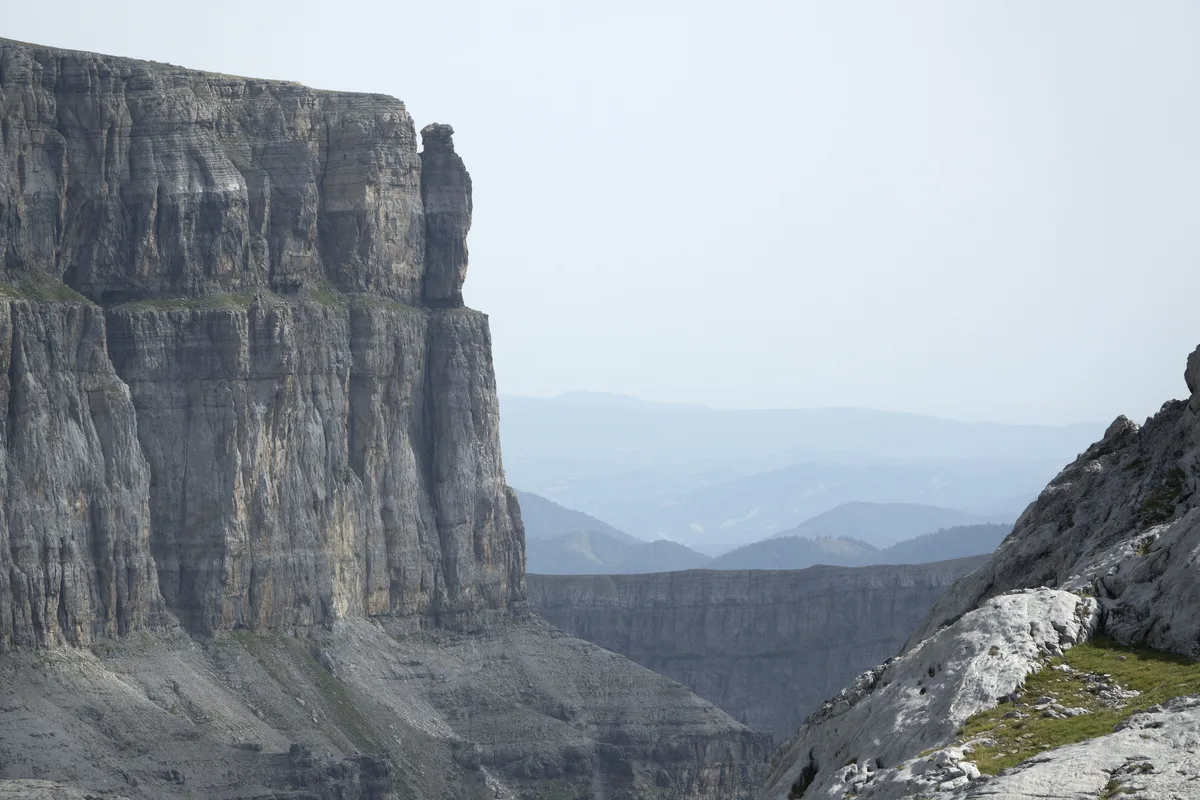
This Pyrenean park is built around the Ordesa Valley, with towering cliffs and the peak of Monte Perdido above it. Our Ordesa park guide covers routes in detail. Chamois, marmots and eagles live here, so bring binoculars for the high slopes.
Peak-season parking and shuttle limits can apply, and Torla-Ordesa tourism lists current arrangements. Plan at least one full day for the valley. Skip it in deep winter if you are not equipped for snow.
2. Aigüestortes i Estany de Sant Maurici (Catalonia)
Lakes, granite peaks and streams define this Pyrenean park in Catalonia. Walking routes link the lakes, and our Aigüestortes hiking guide picks the most rewarding ones. The Generalitat park page covers access and visitor rules.
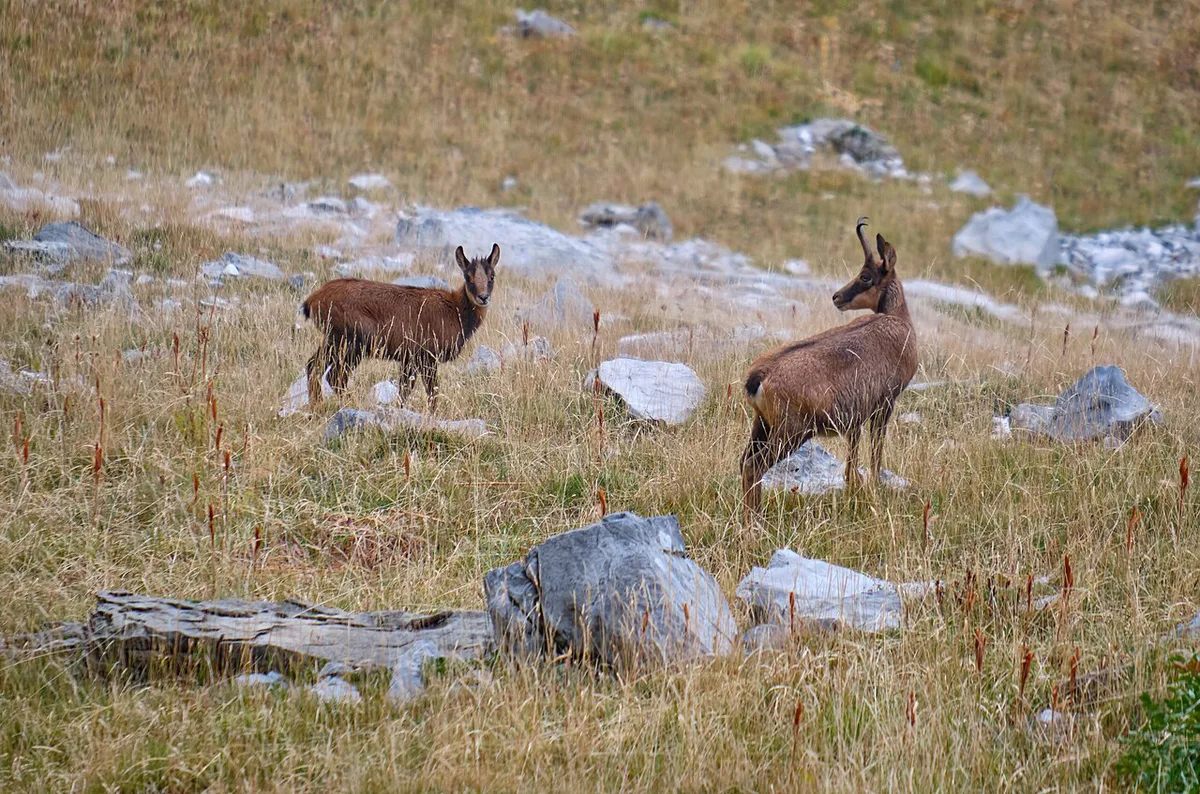
Allow a full day, or two if you plan a high-lake loop. Skip it if you need a quick roadside viewpoint, because most rewards come on foot.
3. Picos de Europa (Asturias, Cantabria, Castilla y León)
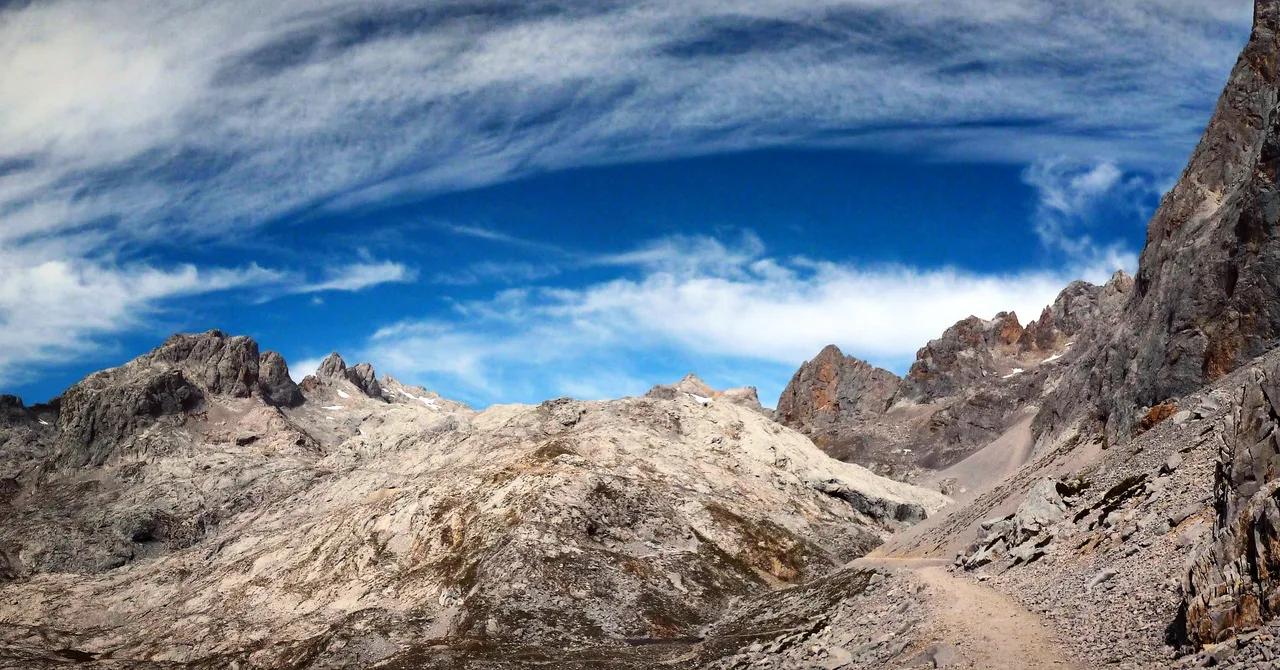
Rugged limestone peaks and deep gorges make this the northern Spanish park most travelers think of first. The Fuente Dé cable car lifts you toward higher ground and the harder hiking routes. Chamois and eagles are among the wildlife reported here.
Weather changes quickly at altitude, so carry layers and check forecasts. Allow two or three days to see more than one valley. Skip the high routes in snow season unless you have winter experience.
4. Sierra Nevada (Andalusia)
Sierra Nevada is a high mountain range that suits both winter sports and summer hiking. Skiing and snowboarding dominate winter, while summer trails open up long views over valleys and peaks. Our Sierra Nevada park guide compares the seasons.
Sturdy boots, water and sun protection matter in summer. Allow a day for a single route, longer for ridge walks. Skip July afternoons if you dislike heat, and aim for mornings.
5. Doñana (Andalusia)
Doñana mixes marsh, dunes, forest and beach, and it is best known for its birds. Flamingos, herons and eagles are the usual sightings, especially in spring and fall migration. Our Doñana visitor guide explains how guided access works.
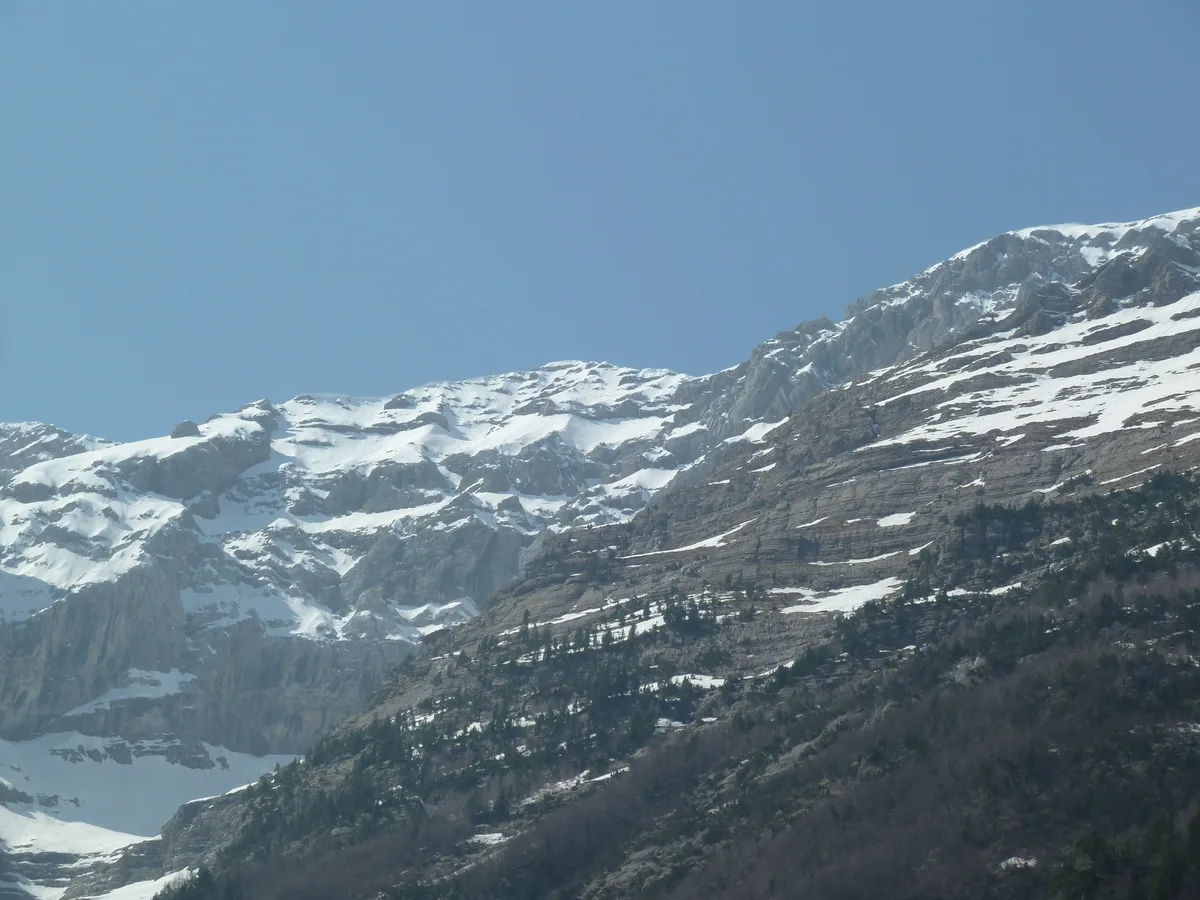
Some areas open only with a guided tour, so book ahead and bring binoculars. Plan a full day for a tour plus a coastal stop. Skip it if you want self-guided wandering, since access is controlled.
6. Sierra de las Nieves (Andalusia)
Spain's newest national park sits in the mountains near the Costa del Sol. It protects a fir forest with the rare Spanish fir, plus griffon vultures and golden eagles overhead. Our Sierra de las Nieves guide maps out the routes.
Ronda and Monda are the nearby white villages for a base. Allow a day, and carry water on higher trails. Skip it in snow or ice unless you have the right gear.
7. Sierra de Guadarrama (Madrid and Castilla y León)
Granite ridges and pine slopes make this the most practical park for a trip from Madrid. Walking is the main activity, from short viewpoint strolls to longer ridge routes. Our Guadarrama day-trip guide covers routes and access.
The park's official site lists current transport and rules. A single day is enough for one route. Skip weekends in good weather if you want quiet trails.
8. Monfragüe (Extremadura)
Monfragüe is a river-and-cliff park in Extremadura, known for birdwatching. Raptors and vultures patrol the rock faces, so a telescope or good binoculars pay off. Our Monfragüe birding guide lists viewpoints.
Extremadura tourism covers regional lodging and routes. Spring and fall are the comfortable seasons. Skip midsummer afternoons, because heat makes walking hard.
9. Cabañeros (Castilla-La Mancha)
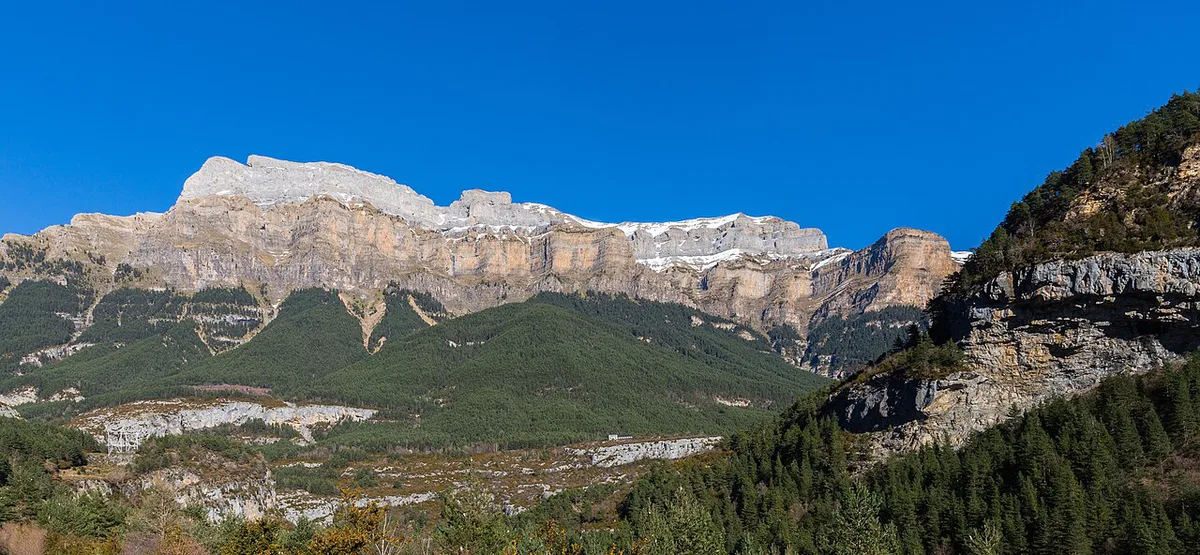
Cabañeros is an open mix of plains, forest and streams in Castilla-La Mancha. Deer, wild boar and the Spanish imperial eagle are the main wildlife draws. Local guides add context that casual walkers miss, so consider a guided outing.
Our Cabañeros park guide covers the main routes. Allow a full day. Skip summer midday, since shade is limited.
10. Tablas de Daimiel (Castilla-La Mancha)
This is a wetland park, and water levels shape what you see. Wetland birds are the main reason to come, and boardwalk-style paths keep walking easy. Our Tablas de Daimiel guide explains the seasons.
Castilla-La Mancha tourism lists regional stays. Half a day is enough. Skip it in summer heat if you dislike open, shadeless walking.
11. Teide (Tenerife)
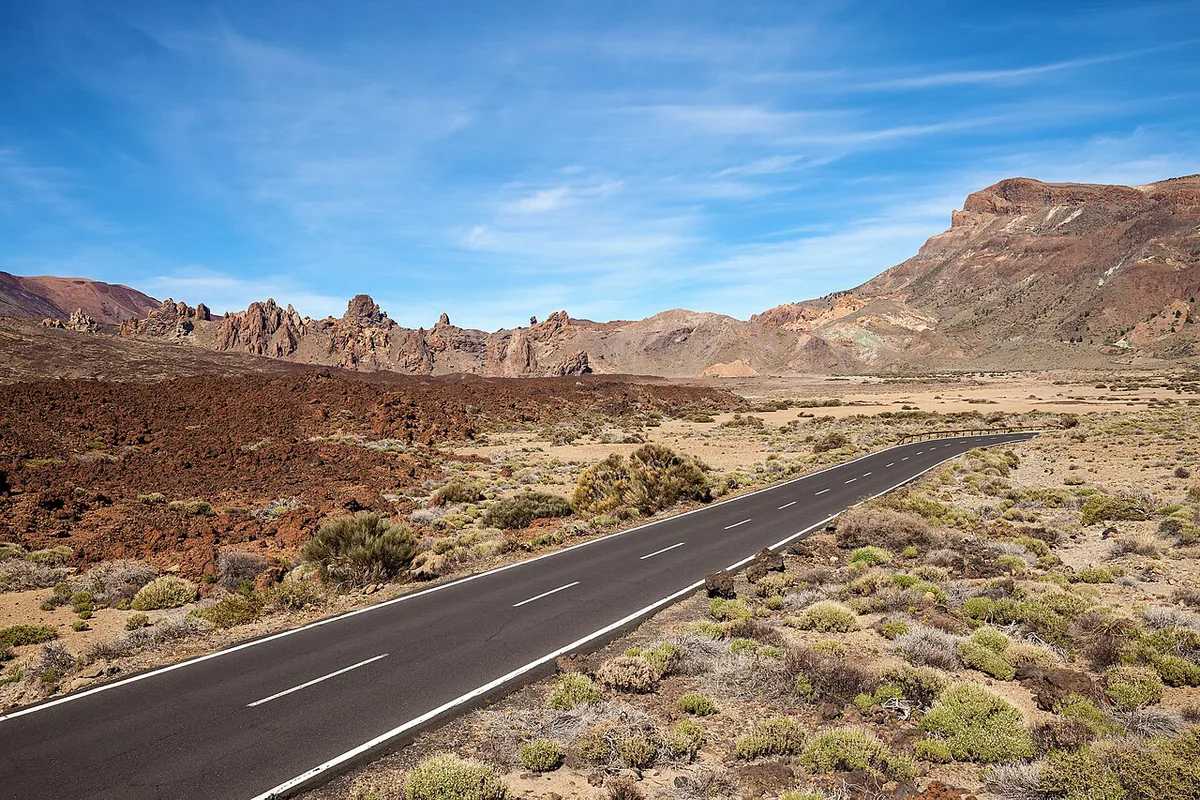
Teide is built around the volcano that gives the park its name, with rocky terrain and lava formations. A cable car takes you part of the way up, and hikers can aim for the summit. Summit access needs a permit, so check the official park page before you plan.
The clear night skies make it a stargazing stop. Bring water and sun protection, and allow a day. Skip the summit on windy days.
12. Timanfaya (Lanzarote)
Timanfaya is a lava landscape on Lanzarote, shaped by volcanic eruptions. Geothermal demonstrations and guided routes are the main visitor experiences. Access to the core of the park is managed, so you travel with guides rather than wandering freely.
Allow half a day. Bring a hat and sunglasses, since shade is rare. Skip it if you want long self-guided hikes.
13. Garajonay (La Gomera)
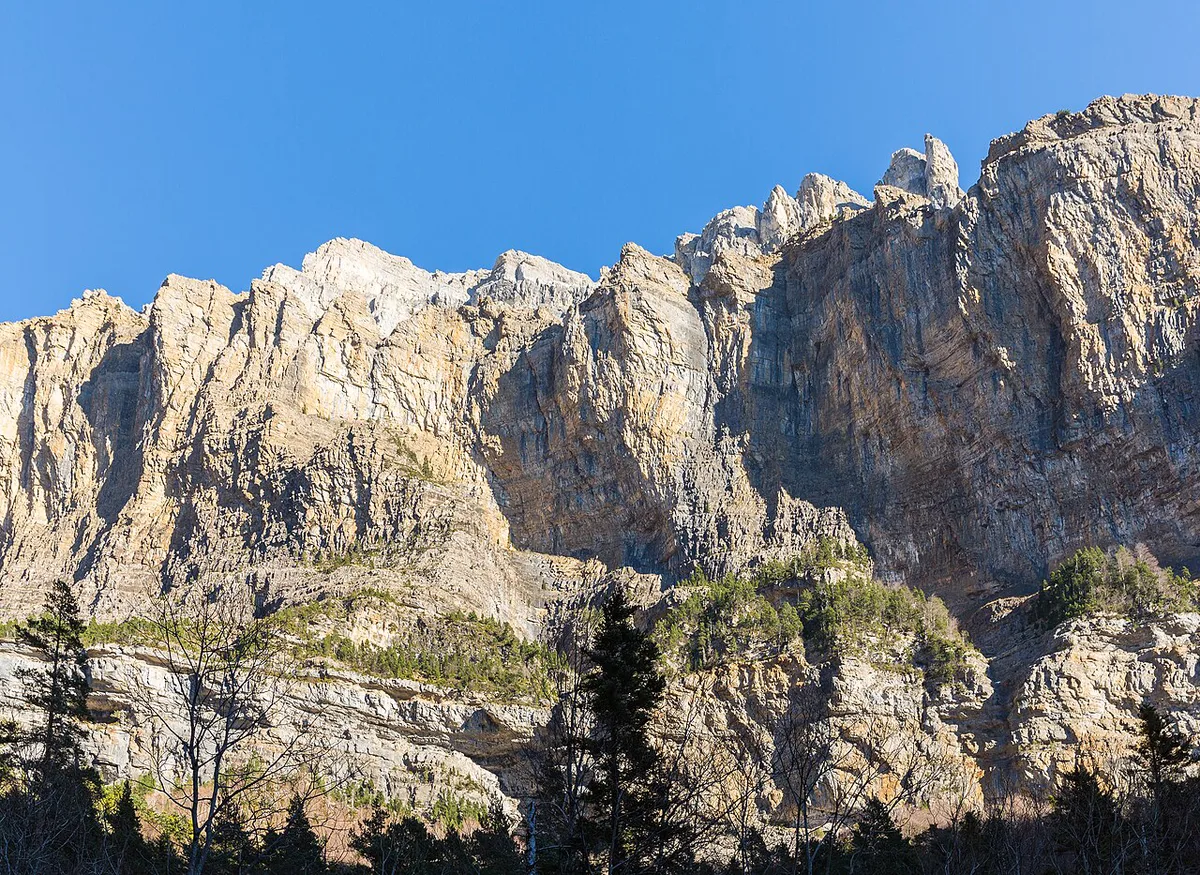
Garajonay protects a laurel forest on a volcanic island. Mist and moss-covered trunks give the park its character, and walking paths wind through them. Our Garajonay walking guide lists the routes.
Spain.info gives general island travel framing. Allow a day. Skip it in heavy fog if you want long views.
14. Caldera de Taburiente (La Palma)
This park centers on a huge volcanic crater on La Palma. Hiking is the main activity, with routes into and around the crater. Our Caldera de Taburiente guide explains access and routes.
Visit La Palma covers island travel. Allow a full day for a proper hike. Skip it if you only want a roadside viewpoint.
15. Cabrera Archipelago (Balearic Islands)
Cabrera is an island group reached by boat from Mallorca. Snorkeling, diving, short hikes and a castle on the main island make up the visit. Visitor numbers and boat access are controlled, so book early and check the departure rules.
Bring water and sun protection. Allow a full day. Skip it if you get seasick or need flexible timing.
16. Atlantic Islands of Galicia
This is an island park off the Galician coast, reached by ferry. Coastal walks and beaches are the draw, with seabirds and rocky shorelines. Ferry schedules and visitor limits apply, so check them before you travel.
Allow a day, and carry layers because Atlantic weather shifts quickly. Skip it in rough sea conditions, when sailings may be cancelled.
Planning Your Visit: Seasons, Permits and Getting Around
Spring and fall suit most parks, but the best season varies. Summer is hot in the south and in Extremadura and La Mancha, while snow can close high routes in the Pyrenees, Picos, Sierra Nevada and Teide. Doñana and Monfragüe shine during bird migration. Cars help in most parks, though Guadarrama works as a day trip from Madrid.
Costs, Tickets and Booking
Most national parks do not charge a general entry fee, but cable cars, boats, guided tours and parking can cost money. Fees change, so the official park pages are the place to check current prices in euros. Book boats to Cabrera, guided tours in Doñana and Teide summit permits well ahead.
Where to Stay and How to Combine Parks
Group parks by region to avoid long transfers.
- Andalusia
- Combine Doñana, Sierra Nevada and Sierra de las Nieves.
- Canary Islands
- Combine Teide, Timanfaya, Garajonay and Caldera de Taburiente, but check inter-island flights and ferries.
- Pyrenees
- Combine Ordesa y Monte Perdido and Aigüestortes, and allow for mountain driving.
- Interior
- Combine Guadarrama, Monfragüe, Cabañeros and Tablas de Daimiel.
Ordesa y Monte Perdido shares a border with France’s Pyrenees National Park, so hikers can combine the two. See our Pyrenees National Park guide for the French side.
Common Mistakes to Avoid
Avoid these planning errors.
Treat only the 16 listed here as national parks. Regional parques naturales are run under different rules, so check which kind a listing means before you book.
- Assuming every park is open year-round
- Snow, heat and wetland conditions limit access in many parks.
- Skipping permits and bookings
- Cabrera boats, Doñana tours and Teide summit access need advance planning.
- Underestimating distances
- Parks are far apart, so limit each trip to one region.
- Mixing up park types
- Natural parks and caves are not national parks.
Frequently Asked Questions
Are there national parks in Europe?
Yes, many European countries run national parks. Spain alone has 16 as of 2026, listed above.
What is a beautiful part of northern Spain to visit?
Picos de Europa spans Asturias, Cantabria and Castilla y León. It offers rugged peaks, gorges and the Fuente Dé cable car.
Explore More Guides
Keep planning your trip with these guides.
Guides
- Ordesa National Park: Walks, Access & When to Go
- Sierra Nevada National Park: Visiting Guide, Seasons & Access
- Doñana National Park
- Sierra de Guadarrama National Park: Visitor Guide from Madrid
- Garajonay National Park Guide
- Monfragüe National Park Guide
- Aigüestortes National Park
- Caldera de Taburiente National Park
- 8 Best National Parks in Spain by Trip Type
- Sierra de las Nieves National Park: Trails, Access and Planning
- Cabañeros National Park
- Tablas de Daimiel National Park
Notes for your next park visit
Optional updates to our national park guides.
Read next

Keep planning
Picked from the same area