
Tablas de Daimiel National Park: Visitor Guide
Plan a visit to Tablas de Daimiel: what to see, walks, best season for birds, getting there from Madrid, and how it fits with Almagro.
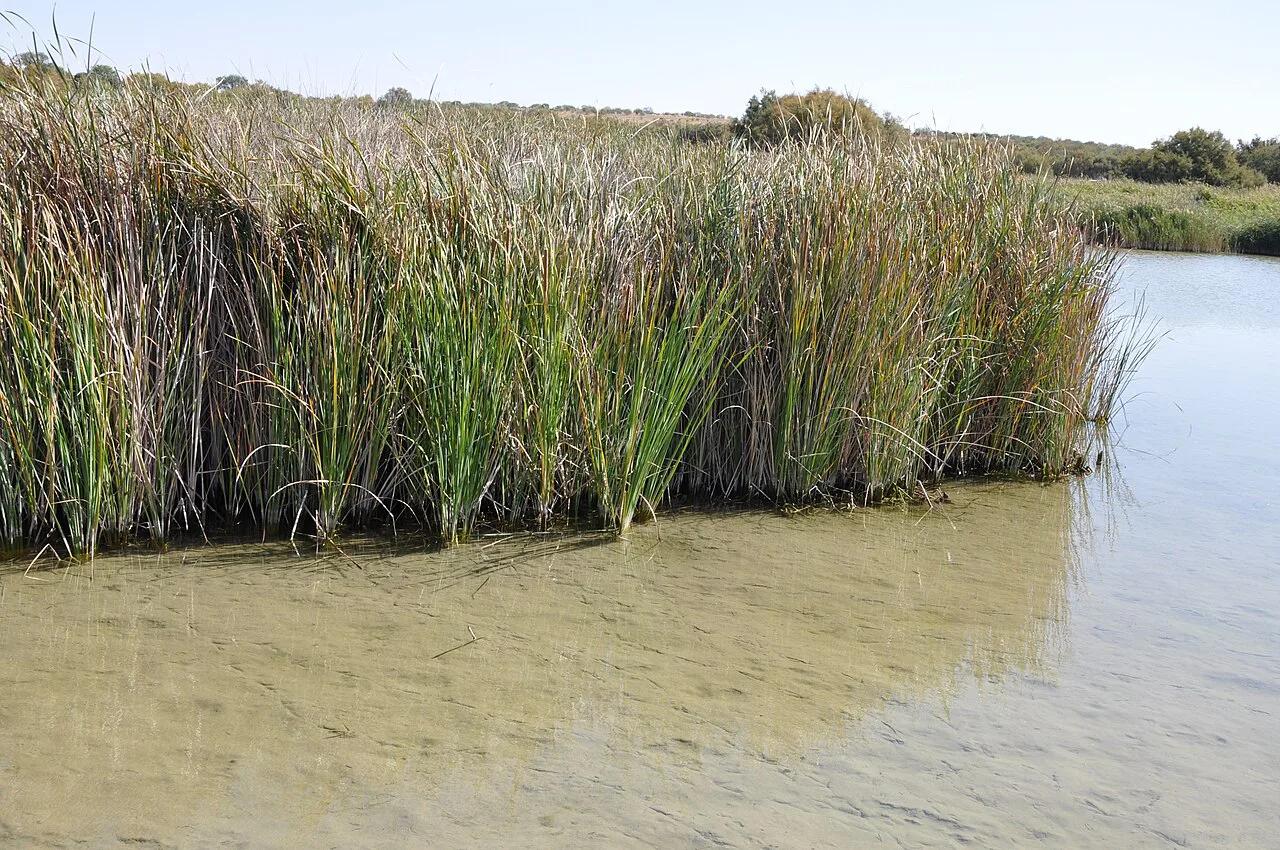
Last updated November 2026: Tablas de Daimiel is a 3,030-hectare floodplain wetland in Ciudad Real province, where wooden boardwalks cross shallow water and reedbeds. Go if you like flat, quiet birdwatching and have two to three hours to spare. Skip it if you want hiking or big scenery, and compare it with the other parks in our guide to 16 National Parks in Spain: Complete Guide and Planning Tips.
Featured image: Xemenendura, CC BY-SA 4.0, via Wikimedia Commons.
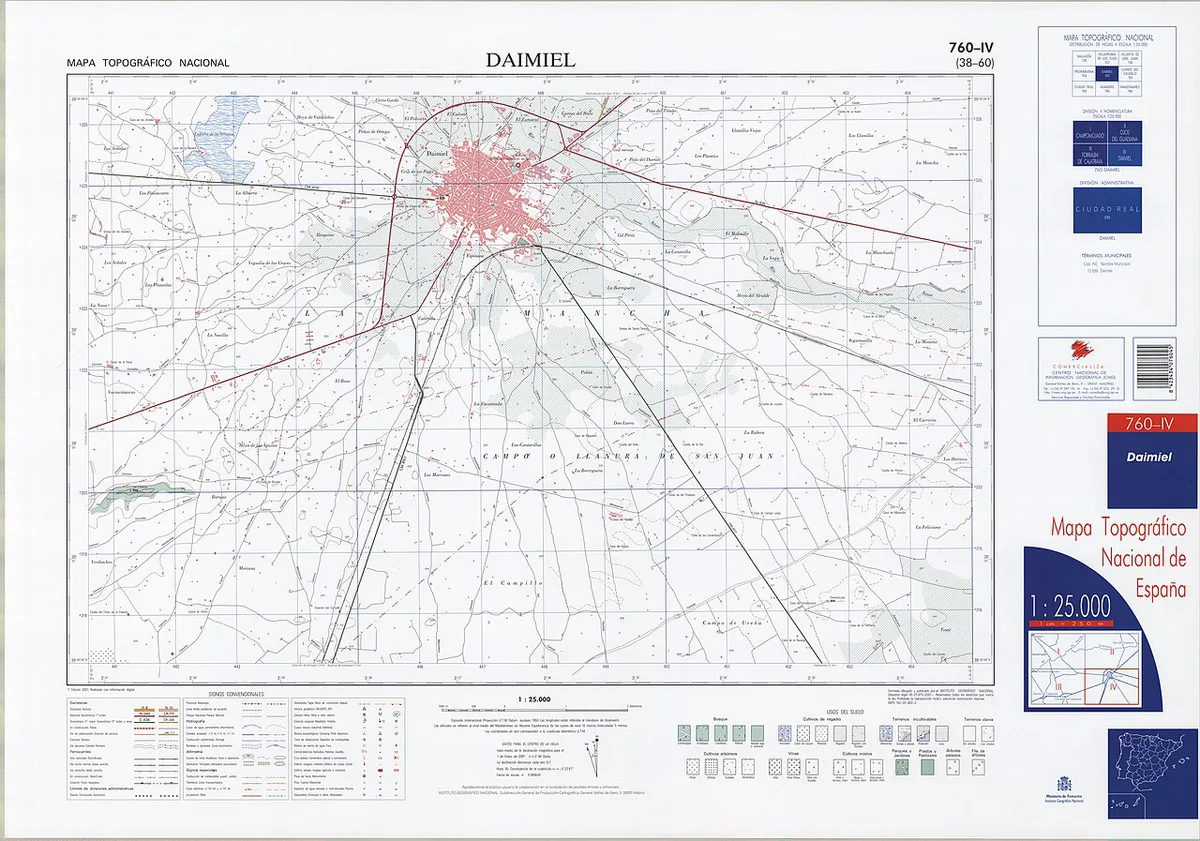
Tablas de Daimiel at a glance
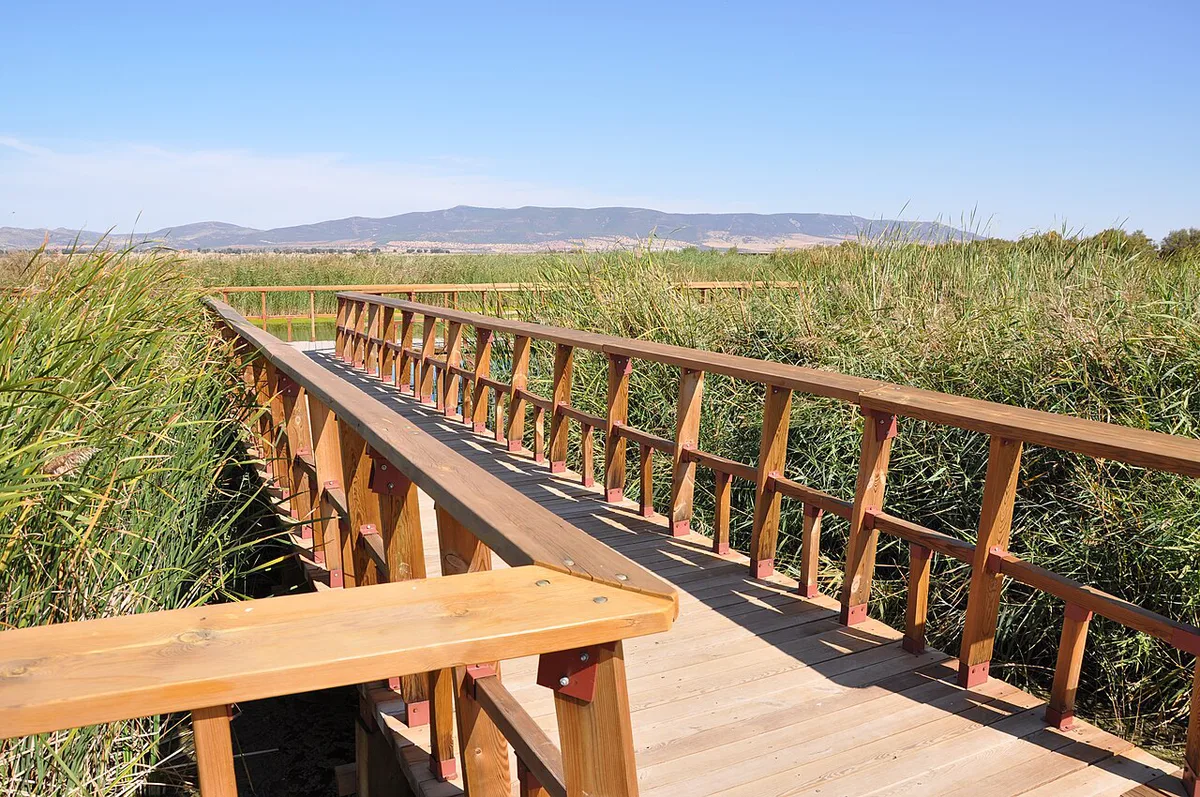
Tablas de Daimiel is a small, flat park in Castilla-La Mancha. Spain's tourism board calls it the smallest of the country's 16 national parks. You walk on pasarelas (boardwalks) between islands of reed and tamarisk, and you stop often to look at birds. Nothing here is steep, and a visit fits comfortably into a half day.
- Size: 3,030 hectares, after enlargements in 1980 and 2014.
- Declared a national park in 1973.
- Location: Ciudad Real province, shared by the municipalities of Daimiel and Villarrubia de los Ojos.
- Wildlife: more than 200 bird species are reported for the park.
- Distance from Almagro: about 35 minutes by car.
Is it worth it? A quick verdict
Time against reward decides this one. A short boardwalk loop gives you the landscape in about an hour. A longer visit with the Centro de Visitantes (visitor center) and a second route fills two to three hours. Anything beyond that only makes sense if you are a dedicated birdwatcher or photographer.
- Worth it for: first-timers driving between Madrid and Andalusia, birdwatchers, photographers, and families with children who like animals.
- Worth it for: anyone who wants an easy walk on level ground.
- Skip it if: you expect mountains, long hikes, or a full-day itinerary.
- Skip it if: you cannot check water conditions first, because Mancha wetlands change a lot with rainfall.
What makes Las Tablas unusual
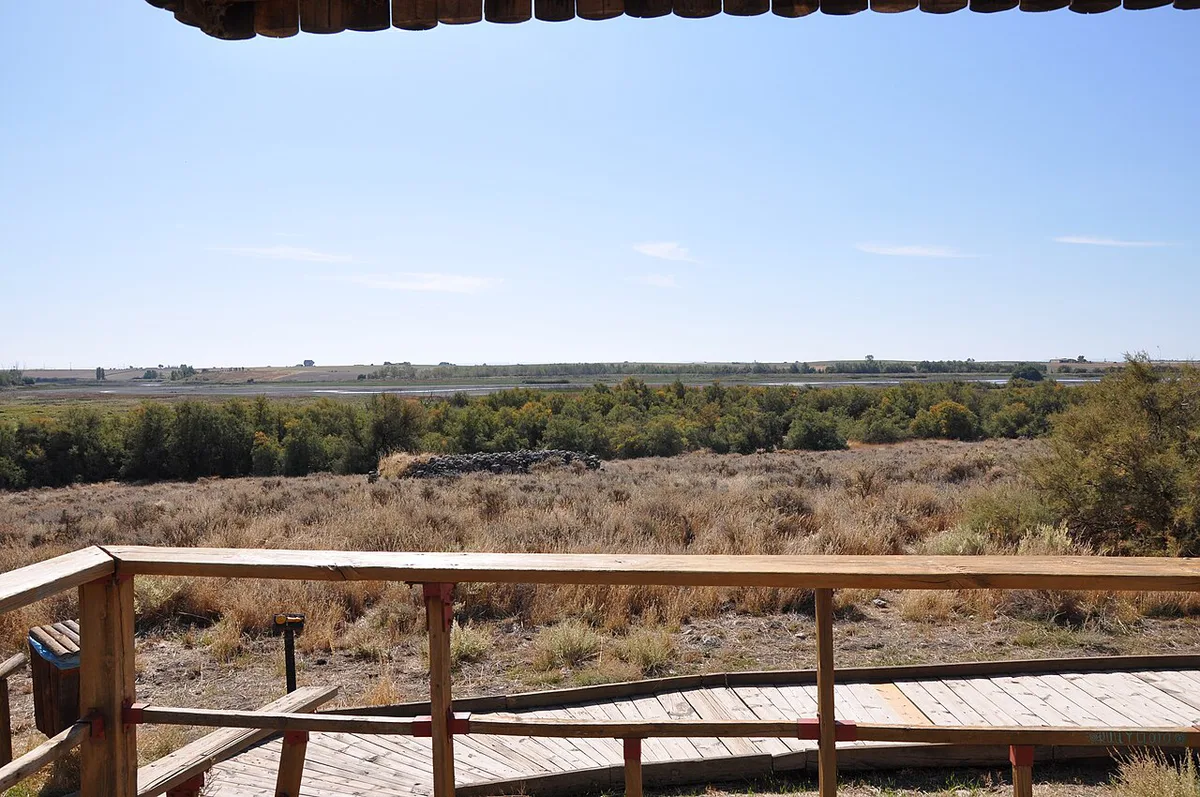
Official park material describes Las Tablas as the last representative of the tablas fluviales, a floodplain ecosystem once typical of the central Spanish plain. Water arrives when the Guadiana and Gigüela rivers overflow where they meet. Groundwater from a large aquifer adds to the mix. You can read the official description on the MITECO park page. Drainage projects started in the 1960s threatened the wetland. Park status in 1973 helped save it, and the area grew again in 1980 and 2014. Today it carries several protections: Wetland of International Importance, Special Protection Area for birds, Biosphere Reserve, and Site of Community Interest. It belongs to the wider Mancha Húmeda, a region of scattered lagunas across the upper Guadiana basin.
Walks and boardwalk routes
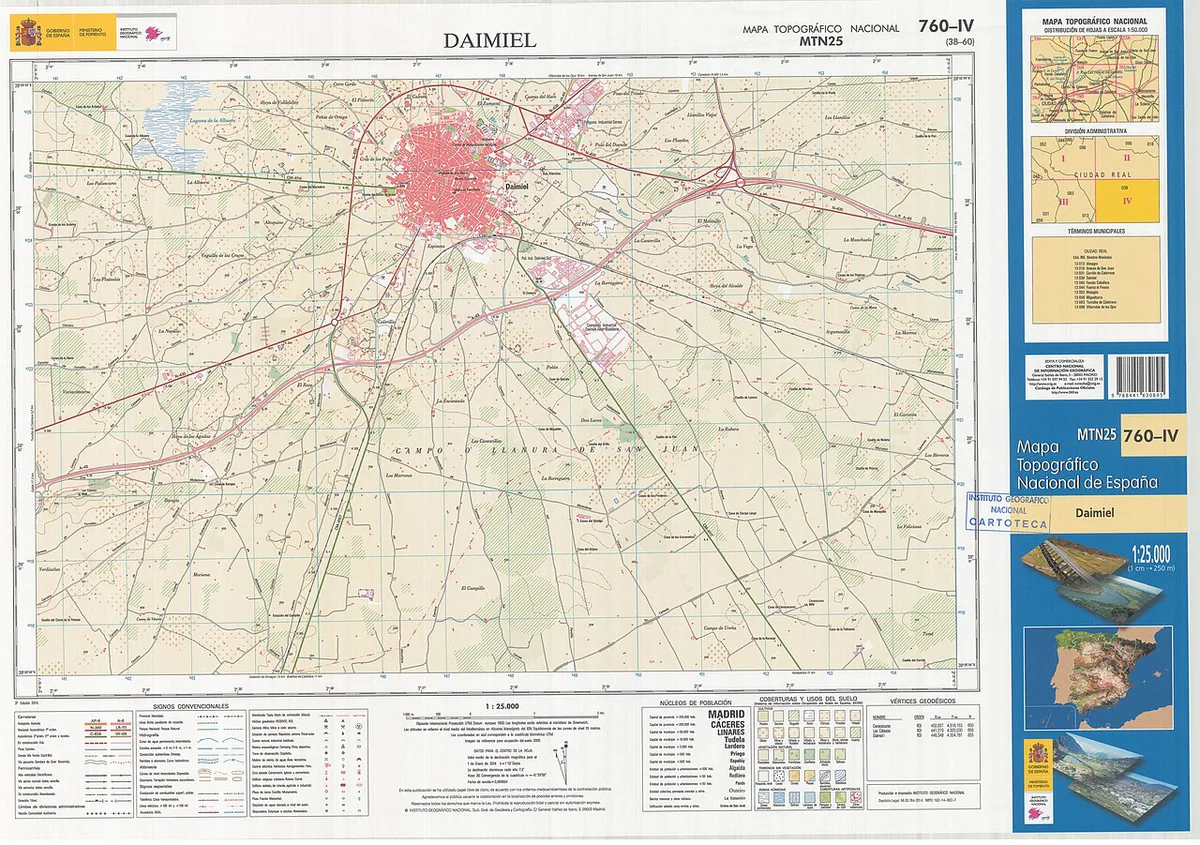
Three self-guided walks start from the visitor area, and the Centro de Visitantes hands out a leaflet with the routes marked. Spain's tourism board lists them as Isla del Pan (circular, 2 km), Laguna Permanente (800 m), and Torre de Prado Ancho (1,500 m). The national parks portal gives different figures for the same names, shown below. Route lengths vary by source, so ask at the visitor center for the current map before you set out. This is a wetland park, not a hiking park, and most visitors walk one or two routes.
| Route | Distance | Time | Shape | Best fit |
|---|---|---|---|---|
| Isla del Pan (yellow) | 2.7 km | 2.5 h | Circular | Photographers, a full visit |
| Laguna Permanente (red) | 1.7 km | 1.5 h | Out and back | Families, short on time |
| Molino de Molemocho (magenta) | 1.2 km | 1.5 h | Out and back | Slow birdwatching |
| Torre de Prado Ancho (blue) | 3.3 km | 2.5 h | Out and back | Longer, quieter walk |
Birds and wildlife by season
Park material says the wetland serves birds as a refuge, a wintering area, and a breeding ground. Spain's tourism board names great crested grebe, little grebe, and black-necked grebe as typical water birds. Tamarisk is the characteristic tree. Observation points along the boardwalks mean binoculars help but are not essential. Season shapes what you see, though exact timings vary with the year and the water level.
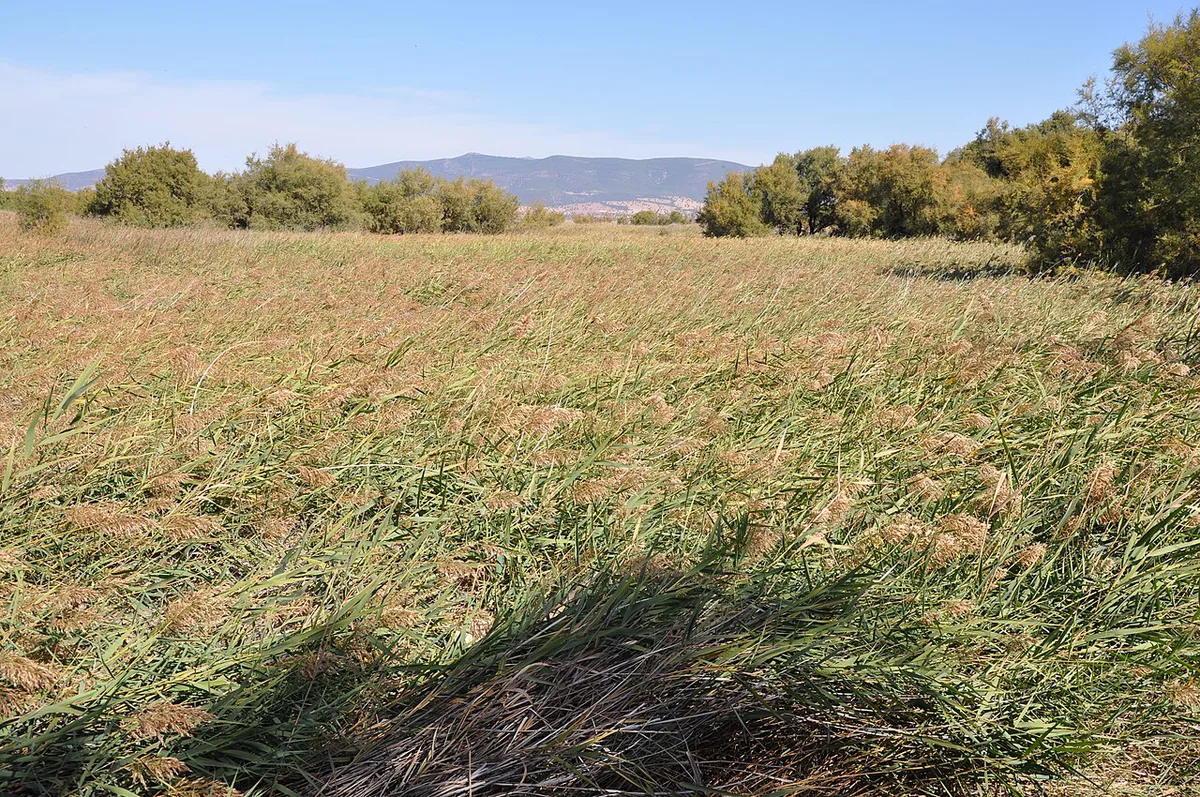
- Autumn: migrating birds stop in the reedbeds, and the reeds turn ochre.
- Winter: wintering waterbirds gather, including ducks and common crane, which the national parks portal lists.
- Spring: nesting season for herons and grebes.
- Summer: heat and low water reduce activity, so go early.
- Always check current water levels before a long drive.
Guided visits versus self-guided
Self-guided walking is the simplest way in, and the leaflet covers all three routes. Spain's tourism board also says park guides run free guided itineraries that you can reserve. Local companies sell private guided walks and vehicle visits, which are a separate paid option. Confirm which of these run now on the official park page. A guide is worth it if you cannot tell a grebe from a coot, and self-guided suits everyone else. Plan roughly 1.5 hours for a single route and up to 2.5 hours for the longest.
Getting there and getting around
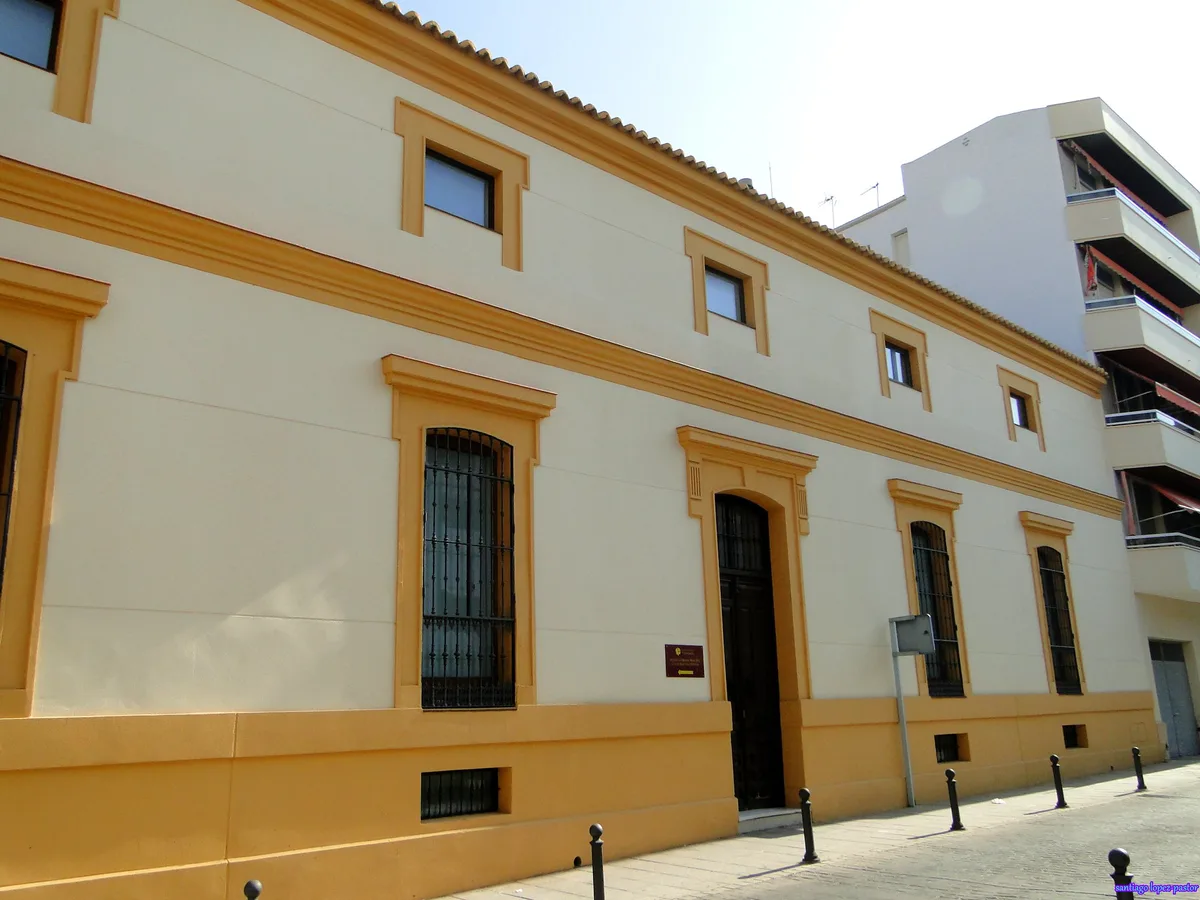
A car makes this easy. The park sits in Ciudad Real province, and the visitor center has a postal address in Daimiel. Almagro is about 35 minutes away by car. From Madrid or Ciudad Real, use a navigation app to set the route and drive time for your departure hour. Public transport links are poorly documented, and no reliable train or bus connection is confirmed here. Without a car, check the park's official page for current options, or consider a taxi from Daimiel town. Start at the Centro de Visitantes, since skipping it means missing the maps and local advice.
Costs, opening hours, and booking
No fee, schedule, or capacity figure is confirmed for this page. Spain's tourism board points visitors to reservasparquesnacionales.es for bookings, and the park's official page is the place to check hours by season, fees, and any entry rules before you leave.
When to go and what to bring
Autumn through spring suits most visitors, because the boardwalks are exposed and summer midday heat is hard work. Late afternoon is a good time, since the tourism board suggests catching the sunset colors. Pack the following:
- Binoculars and a camera with a zoom lens.
- Sun hat, sunscreen, and a windproof layer for open boardwalks.
- Water and snacks, since the routes are far from town.
- Comfortable flat shoes.
- A look at the water conditions before you set out.
Where to stay and eat nearby

Daimiel town is the closest base, and rural lodgings are scattered around the park. Almagro works as a larger base with more restaurants and hotels, about 35 minutes by car. Regional dishes to look for include queso manchego, migas, and duelos y quebrantos. For lodging ideas across the region, browse Castilla-La Mancha tourism.
Combine it with Almagro and the Don Quixote route
Almagro pairs naturally with the park. Its Corral de Comedias has stayed active since the 17th century, and the town has a Museo Nacional del Teatro. For a half day, walk one route in the morning and have lunch in Daimiel. For a full day, add Almagro in the afternoon. For two days, add part of the Don Quixote route and the Calatrava la Vieja and Calatrava la Nueva castles. Nearby Cabañeros National Park offers a very different inland landscape. If wetlands are your focus, compare this park with Doñana National Park in the south, which is far larger. For another bird-focused option, see Monfragüe National Park. You can also weigh all of them in our list of the 8 Best National Parks in Spain by Trip Type.
Frequently Asked Questions
How long does it take to visit Tablas de Daimiel?
Allow two to three hours for a visitor center stop and one or two boardwalk routes. Single routes are listed at 1.5 to 2.5 hours on the national parks portal.
How much does it cost to enter Tablas de Daimiel?
No current fee is confirmed here. Check the official park page and reservasparquesnacionales.es for fees, hours, and booking rules.
Notes for your next park visit
Optional updates to our national park guides.
Read next

Keep planning
Picked from the same area