
Sierra Nevada National Park: Visiting Guide, Seasons & Access
Plan a visit to Sierra Nevada National Park in Spain: how to reach it, when to go, Mulhacén and Veleta access, and where to base yourself.
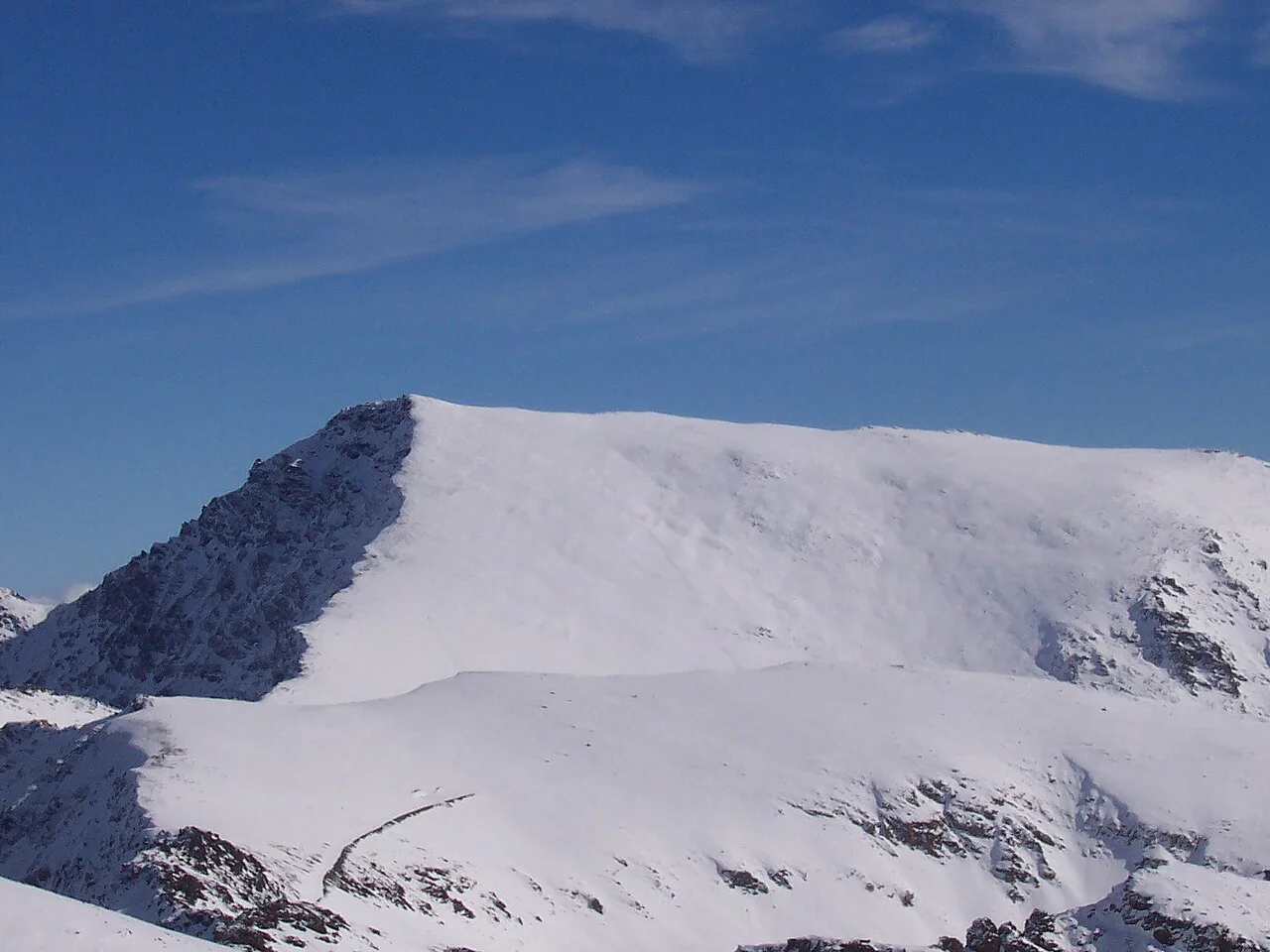
Last updated November 2026. Sierra Nevada National Park sits in the provinces of Granada and Almería in Andalusia, Spain, and holds the highest summits on the Iberian mainland. It is not California's Sierra Nevada, and it is not only the Pradollano ski resort. Season and altitude decide almost everything about a visit, so this guide starts there.
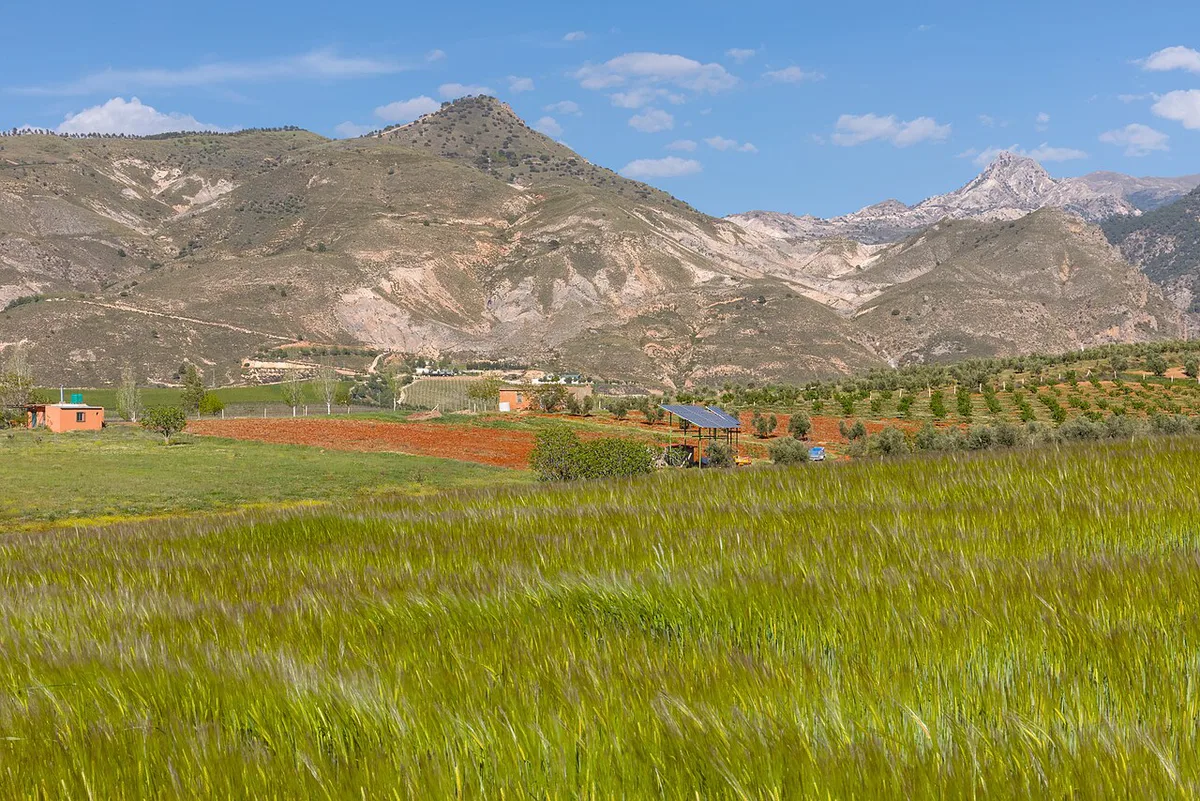
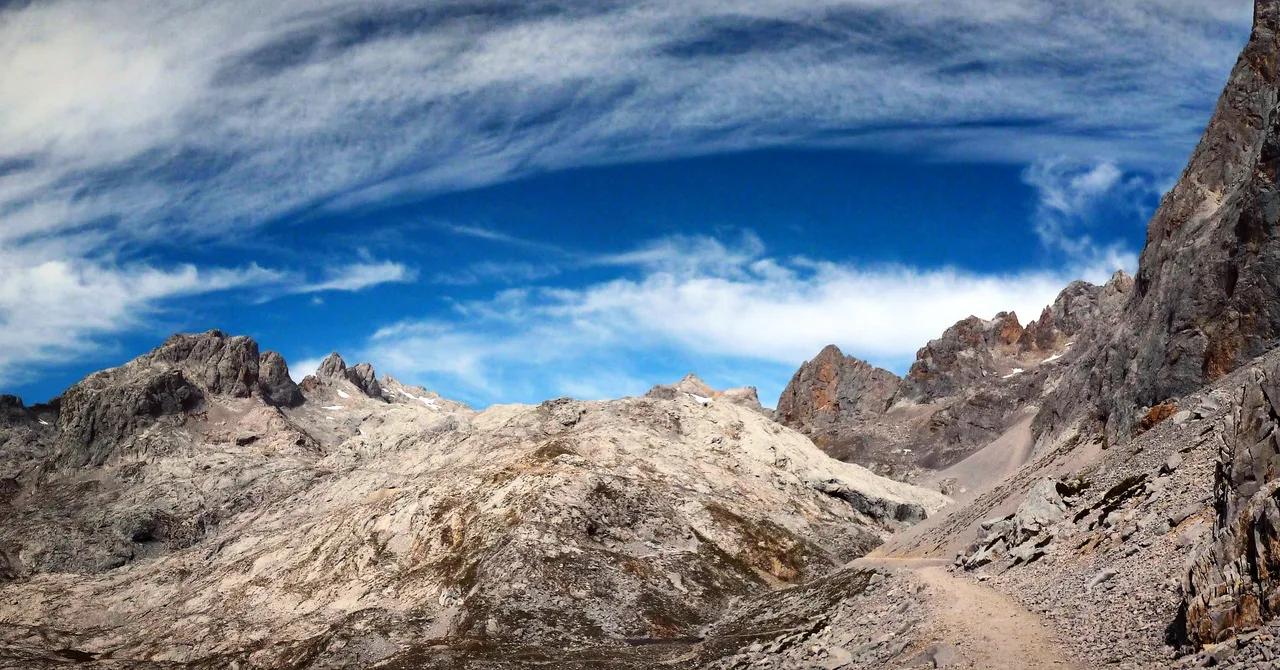
Featured image: Nilsf at German Wikipedia, CC BY-SA 3.0, via Wikimedia Commons.
Sierra Nevada National Park at a glance
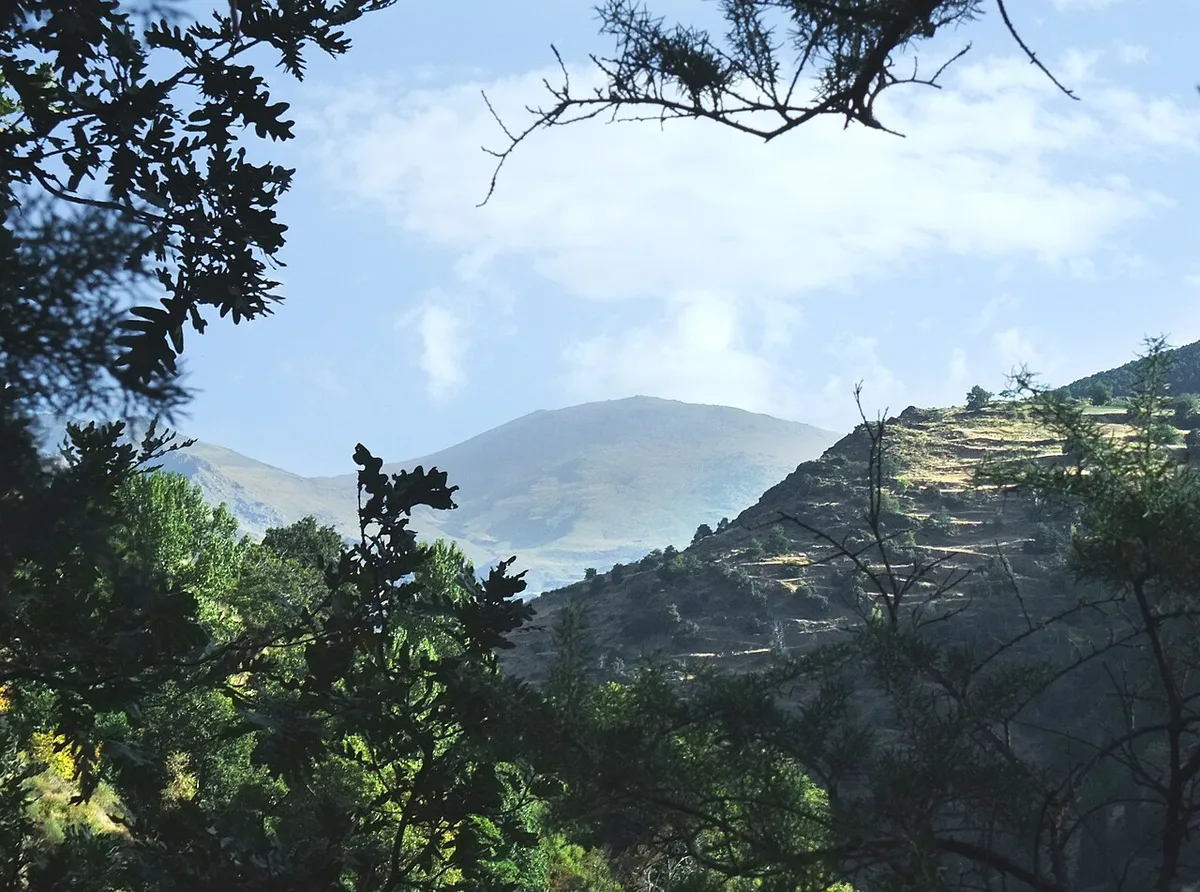
The park was declared on 14 January 1999 and covers about 85,883 hectares. The Junta de Andalucía manages it, and Spain's park network lists it on the official national park page. It stretches from the Alpujarra villages on the south slope to El Marquesado and the Lecrín Valley. More than 20 peaks top 3,000 m. Mulhacén is the highest at roughly 3,480 m, and Veleta and Alcazaba follow. Spain's wider park network is mapped in our overview of Spain's national park network.
- Location: Granada and Almería provinces, Andalusia
- Declared: 14 January 1999
- Area: about 85,883 hectares
- Headline peaks: Mulhacén (roughly 3,480 m), Veleta (3,396 m), Alcazaba (3,371 m)
- Landscape: glacial U-shaped valleys above about 2,400 m and nearly 50 high lakes
- Wildlife: Iberian ibex, golden eagle, wild boar
When to go: season-by-season trade-offs
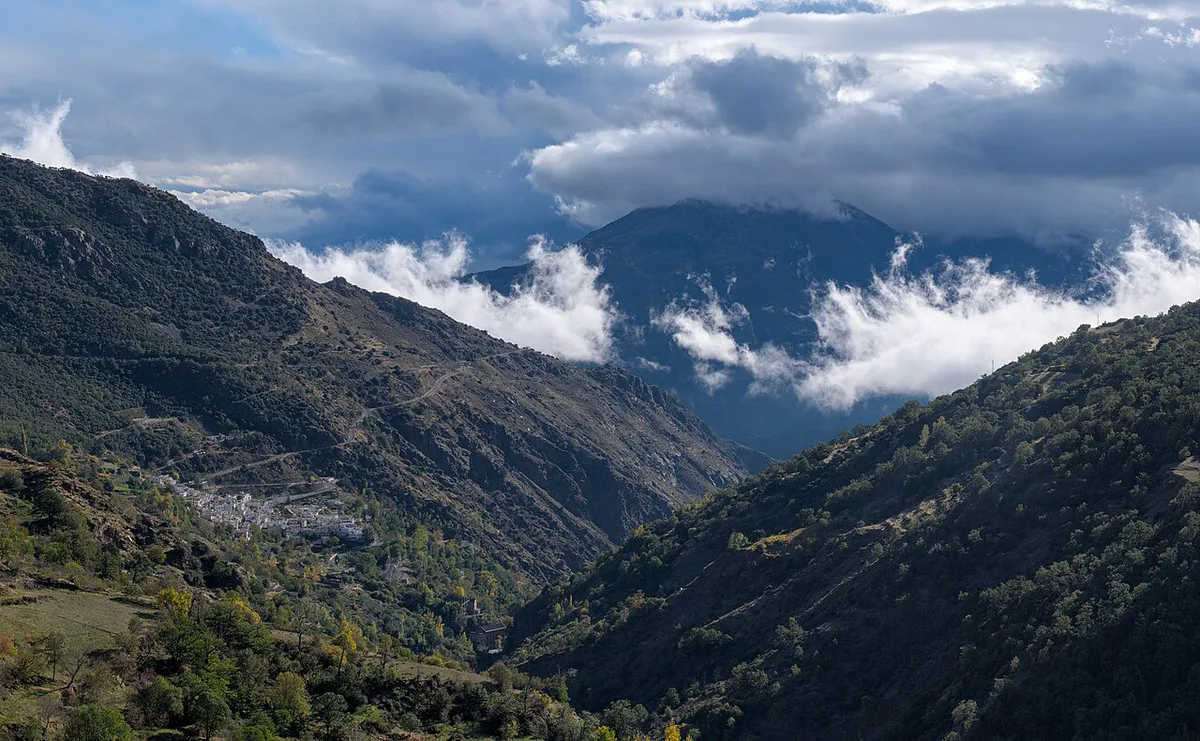
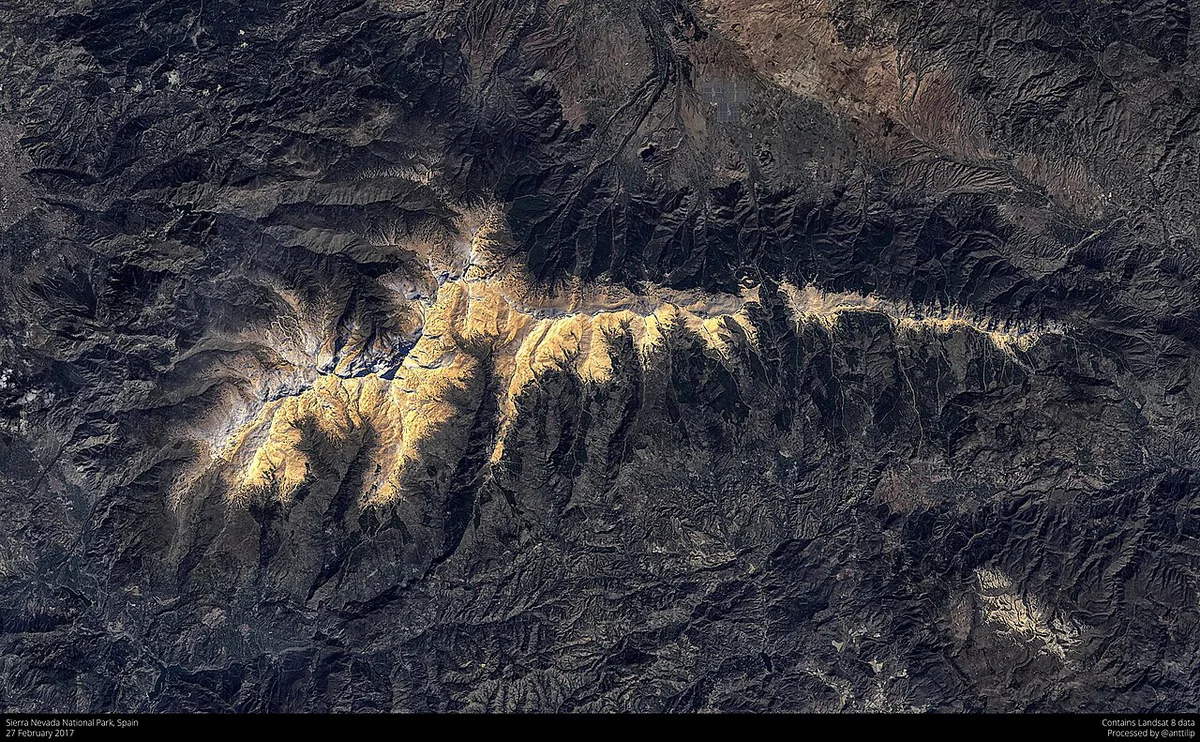
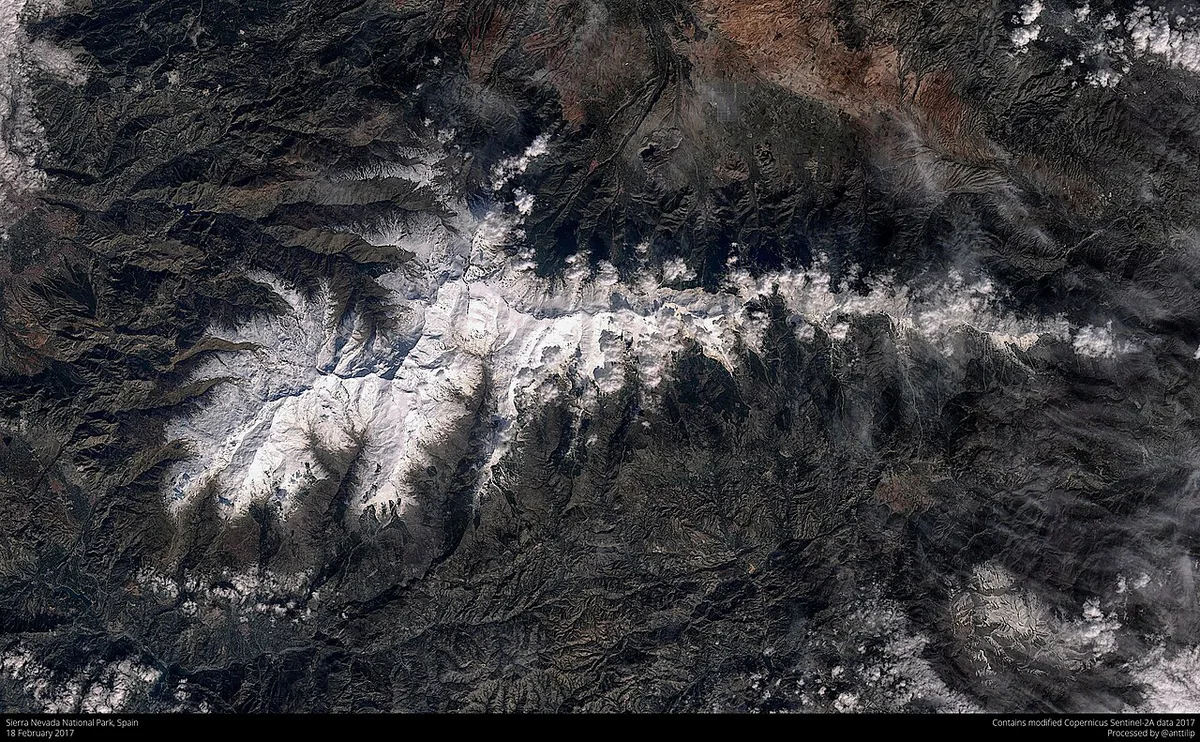
Snow and ice can cover the high zone for much of winter, so summit hiking suits the snow-free months. Summer is the safest window for Mulhacén, Veleta and Alcazaba. Lowland villages get hot then, so start walks early. Spring brings meltwater and flowers, but upper slopes may still hold snow. Autumn is quieter and cooler, with shorter days. Pradollano is the winter base for skiing. Official bodies, not city forecasts, should guide your plans, and AEMET publishes mountain weather. Roads and services at altitude can change by season, so check the park's current notices before driving up.
| Season | Best for | Avoid if |
|---|---|---|
| Summer | Snow-free summit hikes | You dislike lowland heat or crowds |
| Autumn | Quieter trails, cooler air | You need long daylight hours |
| Winter | Skiing from Pradollano | You lack mountain gear or experience |
| Spring | Meltwater, wildflowers | You want guaranteed snow-free summits |
Best things to do
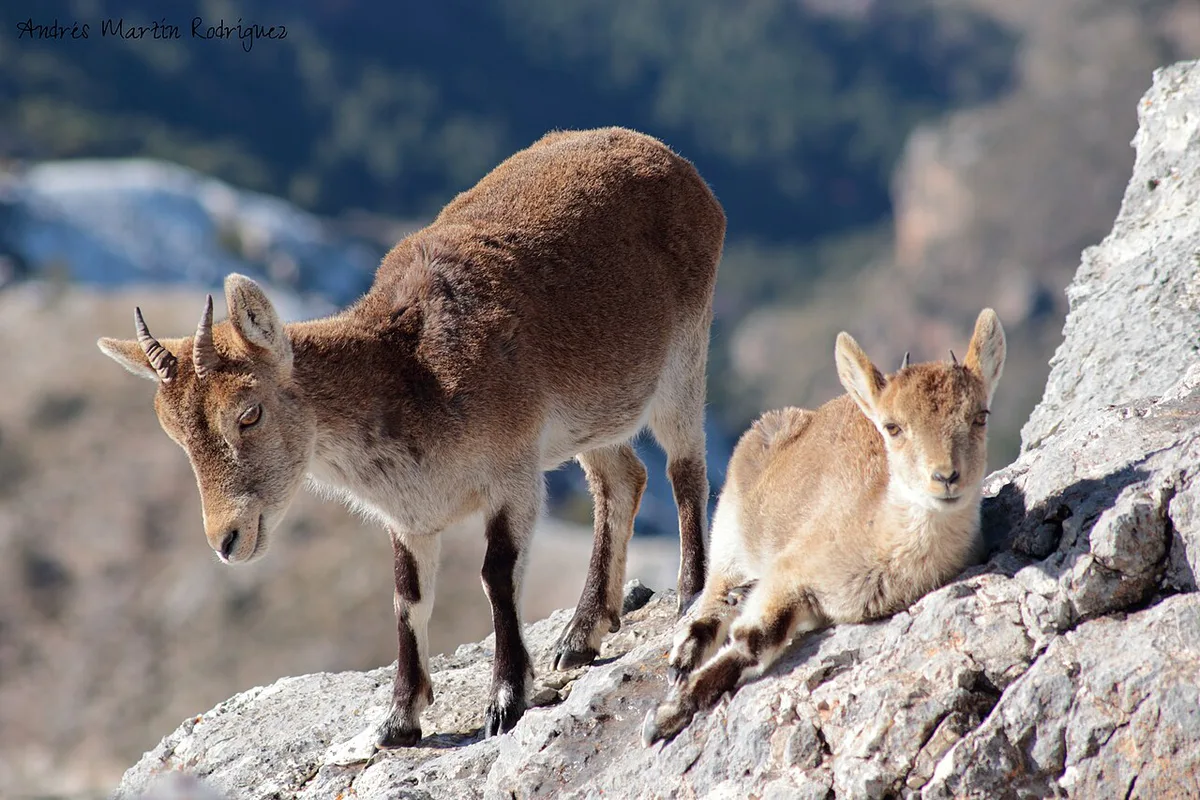
Rank options by effort. Lagoon walks suit most fit walkers. Veleta, at 3,396 m, is the more approachable summit. Mulhacén is the big prize and a long mountain day. Alcazaba, at 3,371 m, is the more demanding objective. Start with a lower route before attempting any 3,000 m summit. Alpujarra villages on the south slope offer slower days with mountain views. Look for Iberian ibex on rocky slopes and golden eagles overhead. The snow star, Plantago nivalis, is the emblematic plant among more than 2,100 species recorded in the park.
Getting there and getting around
From Granada, the A-395 climbs to the Pradollano ski resort, which is the main northern entry. Villages on the Alpujarra side are reached by separate mountain roads from the south. A car gives the most flexibility. Public transport to trailheads is limited, so plan your return before you set out. Seasonal restrictions on the high road can apply, and the park authority publishes current access details. Visitors flying into Málaga or arriving from Almería should price in extra driving time to Granada first.
Permits, costs and rules
Entry rules, bivouac and camping permits, and vehicle access are set by the park authority. Information centres publish their own opening hours. Read the national park network page for general rules, then use the Junta de Andalucía site for current permits. No fee or permit figure is quoted here, because only the official pages can confirm it.
Where to stay: Granada, Alpujarras or Pradollano
Granada city gives the best transport links and day-trip logistics. Alpujarra villages suit slower stays with direct access to the south slope. Pradollano is oriented toward winter sport. Pick the base that matches your season and your car access. Readers who also want lower-altitude Andalusian scenery can add Andalusia's Sierra de las Nieves to the same trip.
| Base | Best for | Trade-off |
|---|---|---|
| Granada city | Transport links, day trips | Longer drive to high trailheads |
| Alpujarra villages | Quiet stays, south-slope walks | Slower access by mountain road |
| Pradollano | Winter skiing | Winter-oriented services |
Which route fits you
Use this table to match effort and logistics. Times and exact access depend on season, so treat them as planning guides, not promises.
Alcazaba (3,371 m) is lower than Veleta yet the more demanding route, so height alone does not decide difficulty.
| Route | Difficulty | Access needs | Best months | Skip if |
|---|---|---|---|---|
| Mulhacén ascent | Demanding | Car, full day, mountain gear | Summer | You are untrained or unprepared for altitude |
| Veleta | Moderate to demanding | Car from Pradollano side | Summer | Snow remains and you lack equipment |
| Alcazaba | Demanding | Strong fitness, early start | Summer | You want a gentle walk |
| Lagoon walks | Moderate | Car, good boots | Late spring to autumn | Snow still blocks the trail |
| Alpujarra villages | Easy | Car or local transport | Spring and autumn | You want summit views only |
What to pack for Sierra Nevada's high ground
Most trouble in the high zone comes from gear that suits Granada's streets rather than a 3,000 m ridge. Above about 2,400 m, where the glacial terrain begins, conditions can differ sharply from the villages below. Pack for the summit, not the trailhead.
Core kit for summer and early autumn
- Footwear: sturdy hiking boots or trail shoes with a good grip. Loose scree and rocky ground are common on the upper routes.
- Layers: a warm mid-layer and a windproof shell, even on a hot day. Wind on exposed ridges can feel far colder than the forecast for the valley.
- Sun protection: hat, sunglasses and high-factor sunscreen. There is little shade above the treeline and ultraviolet exposure rises with altitude.
- Water: carry all you need for the day, and do not count on refilling from lakes or streams unless you have a way to treat the water.
- Navigation: an offline map or a printed route. Mobile coverage can be patchy in the high valleys.
- Extras: headlamp, a small first-aid kit, snacks, and trekking poles for long descents.
When snow is still on the ground
Spring and winter routes can hold snow and ice well after the villages have thawed. Crampons and an ice axe, plus the experience to use them, separate a summit attempt from a lower walk. If you do not have both, stay on the lagoon and village paths described above.
Before you set off
- Check AEMET's mountain forecast for the day, not a city forecast.
- Tell someone your route and expected return time.
- Start early so you are off the ridge before afternoon weather builds.
- In an emergency, call 112, the Spain-wide emergency number.
Mistakes to avoid and safety
Altitude catches people out, so go slowly above 2,400 m, where glacial terrain begins. Do not rely on a Granada forecast for the summit, because mountain weather shifts fast. Carry water and layers, even in summer. Arrange transport to and from the trailhead before you leave. Do not expect every service to run all year. Snow in shoulder months can close routes that look easy on a map. If you lack winter equipment, stay on lower paths.
How many days, and how it compares with other parks
One day fits a single lagoon walk or Veleta. Two days allow a summit plus a village stay. Three days or more suit Mulhacén, Alcazaba and the south slope together. For a short Spain trip, Granada's city sights may fit better if you have only one or two days. Sierra Nevada is a high-mountain, glacial park. Compare it with Ordesa's Pyrenean canyons or Aigüestortes' glacial lakes. Doñana offers a contrast, and its wetlands near the Andalusian coast pair well with a mountain trip. Madrid-based travelers can look at Guadarrama's peaks near Madrid. Our ranking of the strongest Spanish parks helps you choose among them.
Frequently Asked Questions
Where are the Sierra Nevada mountains?
Spain's Sierra Nevada lies in Granada and Almería provinces in Andalusia. The national park covers the highest part of the range.
Is Sierra Nevada good for hiking?
Yes, especially in summer, when Veleta, Mulhacén and Alcazaba are most accessible. Lagoon walks and Alpujarra village routes suit less experienced hikers.
What is the Sierra Nevada, Spain famous for?
It is known for the highest peaks on the Iberian mainland and for Pradollano skiing. It also holds glacial valleys, high lakes, and Iberian ibex.
Notes for your next park visit
Optional updates to our national park guides.
Read next

Keep planning
Picked from the same area