
Monfragüe National Park Guide: Birds, Viewpoints and Visit Tips
Plan a visit to Monfragüe National Park in Extremadura: raptor viewpoints, best seasons, how to get there and how long to stay.
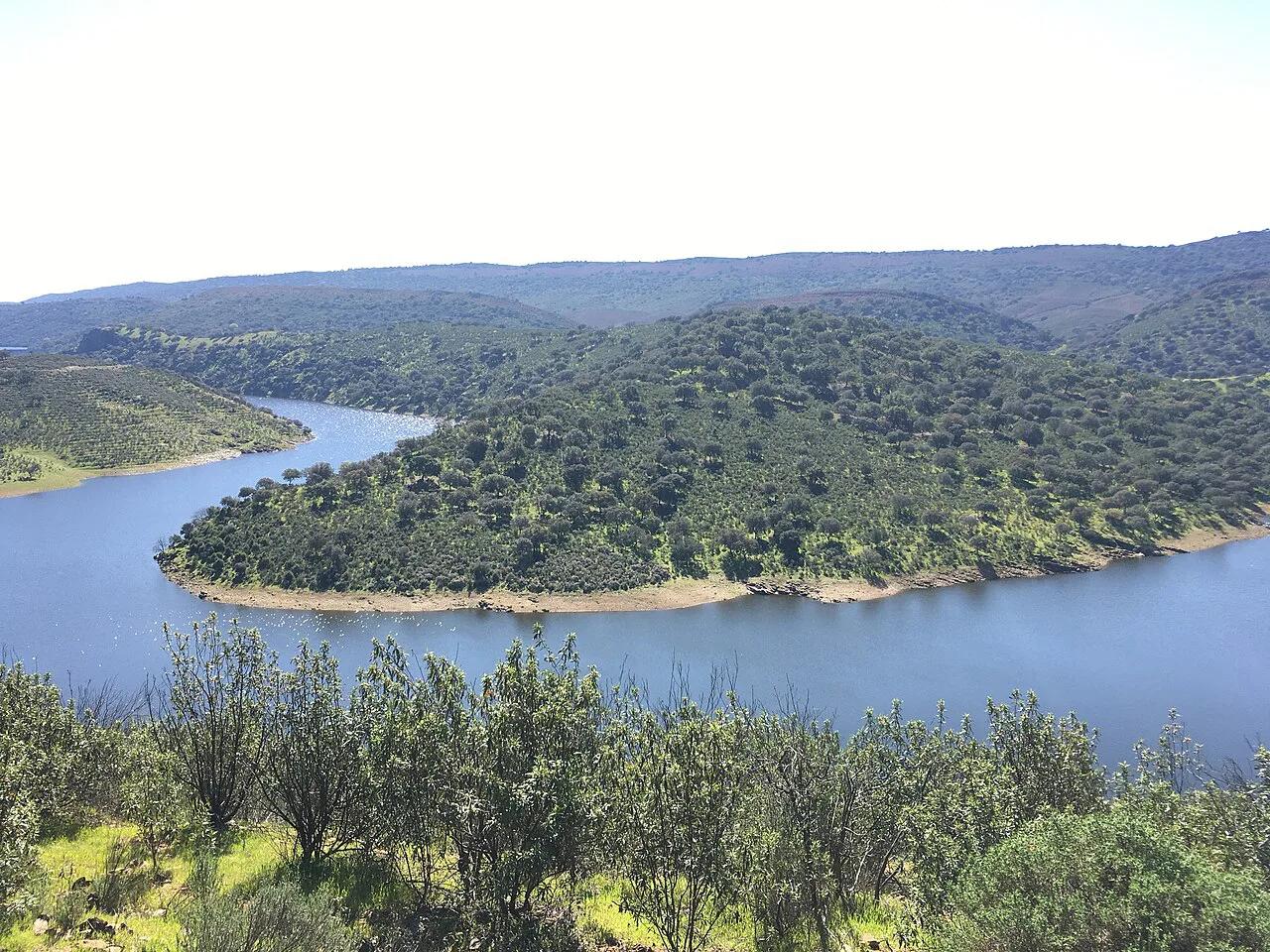
Last updated November 2026: Monfragüe National Park is a river-gorge and dehesa reserve in Cáceres province, Extremadura, and it is best known for birds of prey. Allow one full day by car to reach its main viewpoints. This guide covers the viewpoints, the seasons and the base towns, and it sits inside our cluster on Spain's national parks.
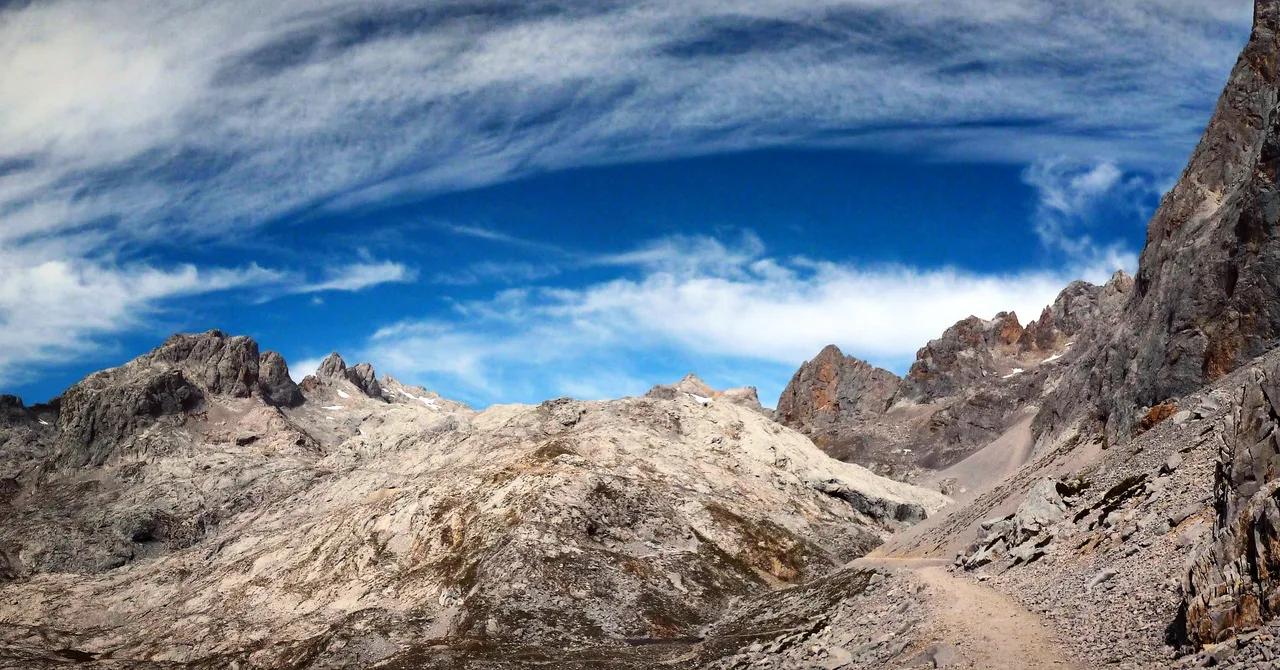
Featured image: Manzana de Eva, CC BY-SA 4.0, via Wikimedia Commons.
Monfragüe National Park at a Glance
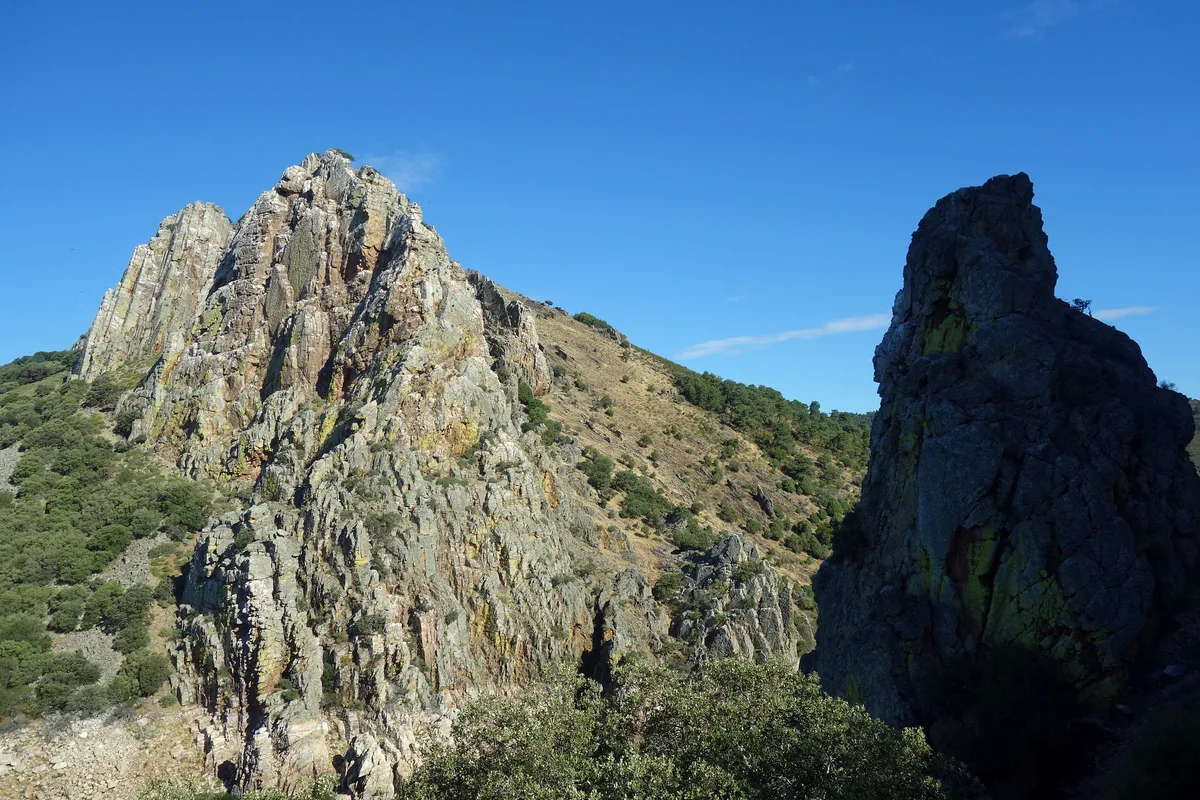
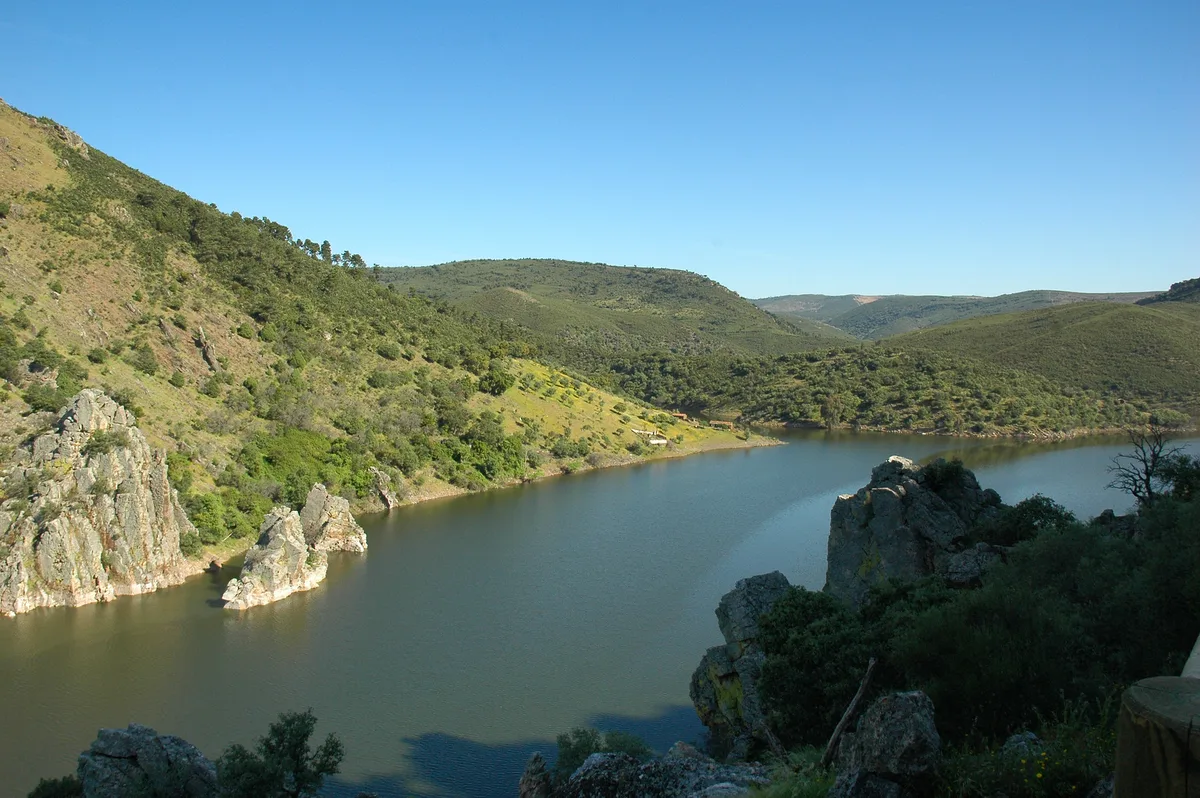
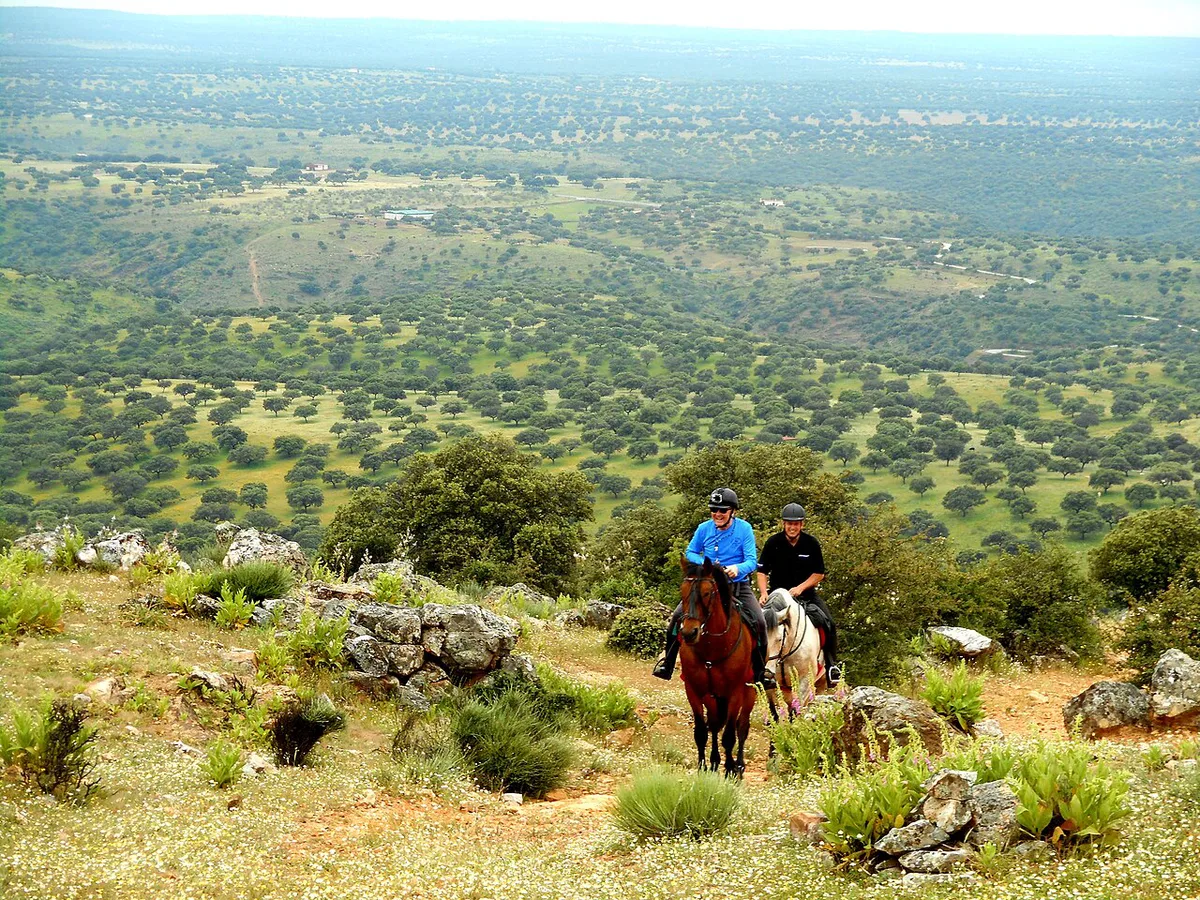
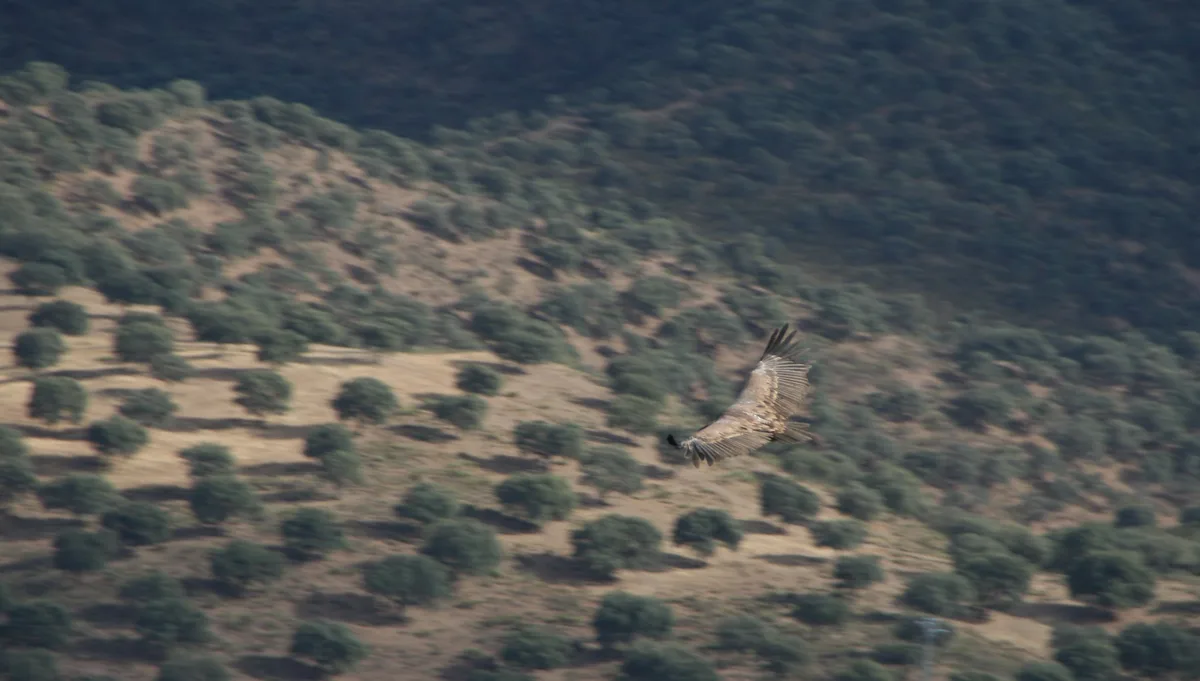
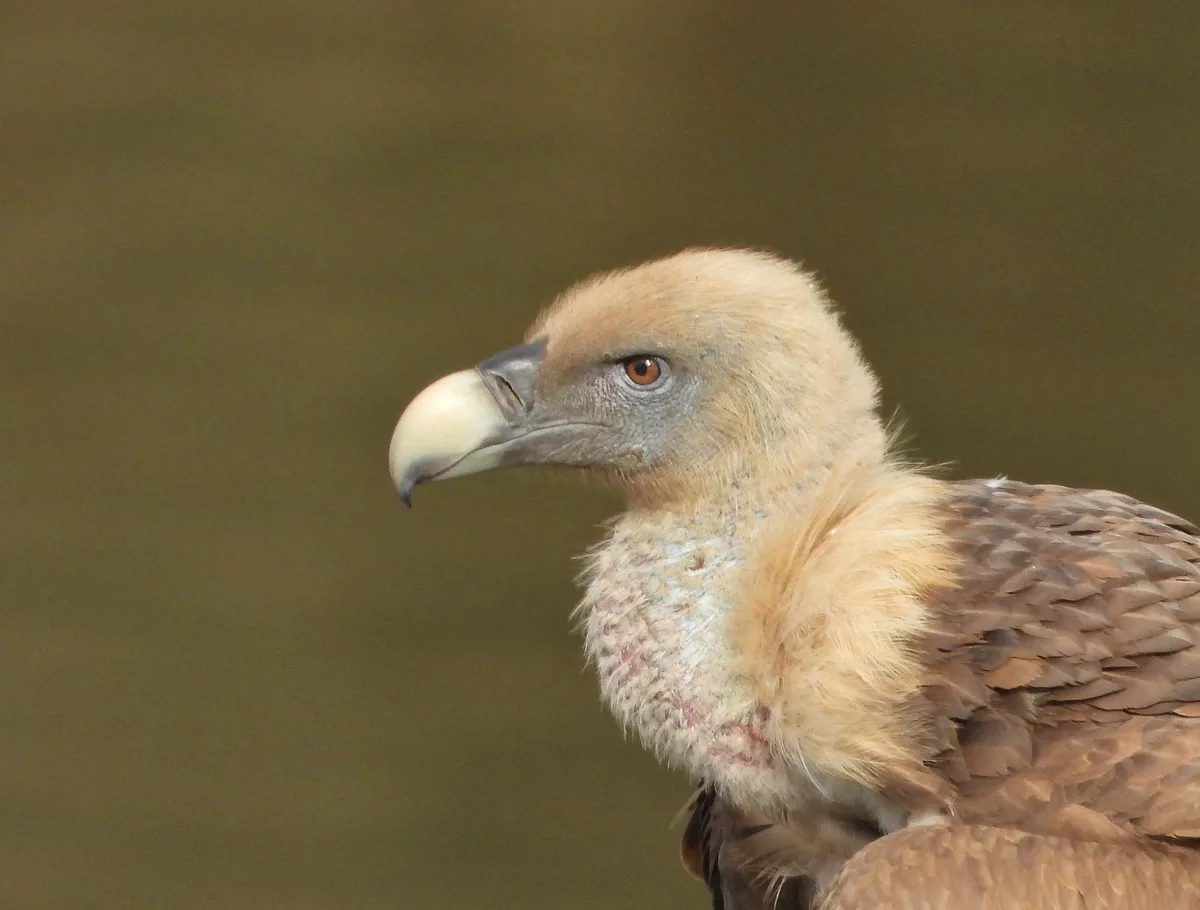
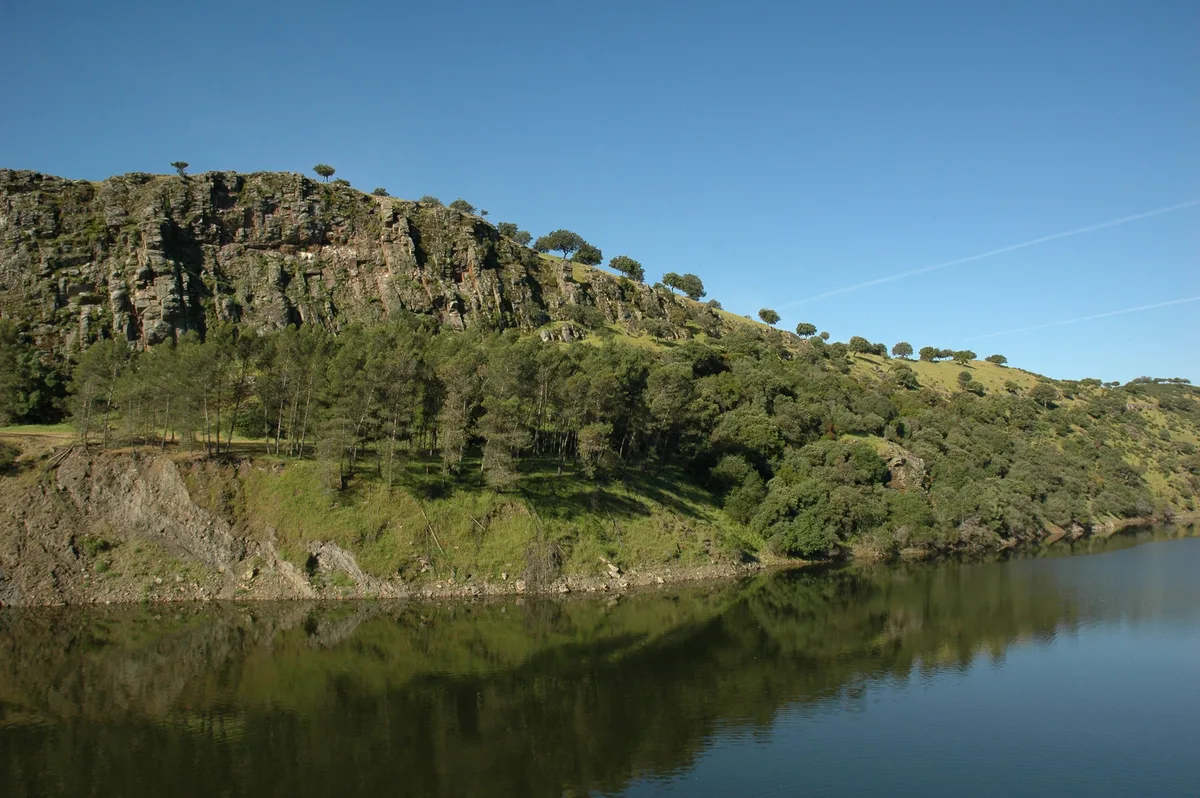
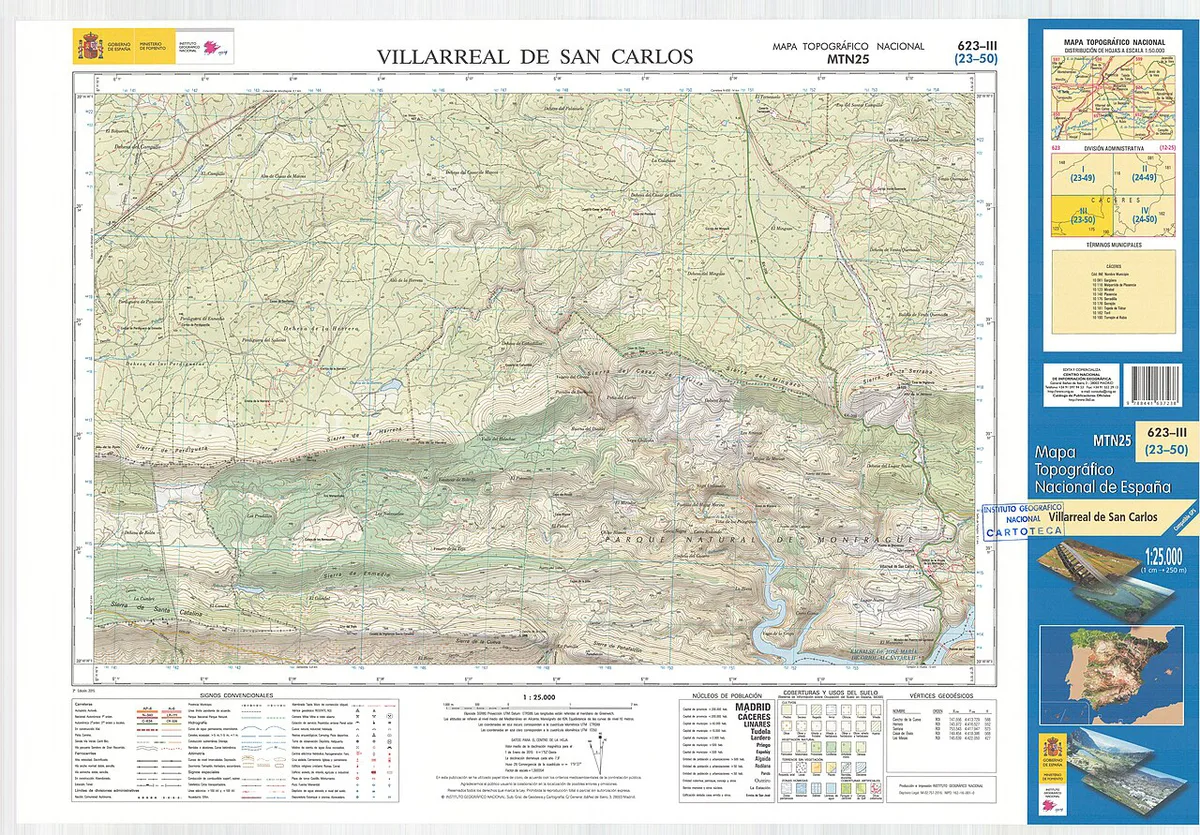
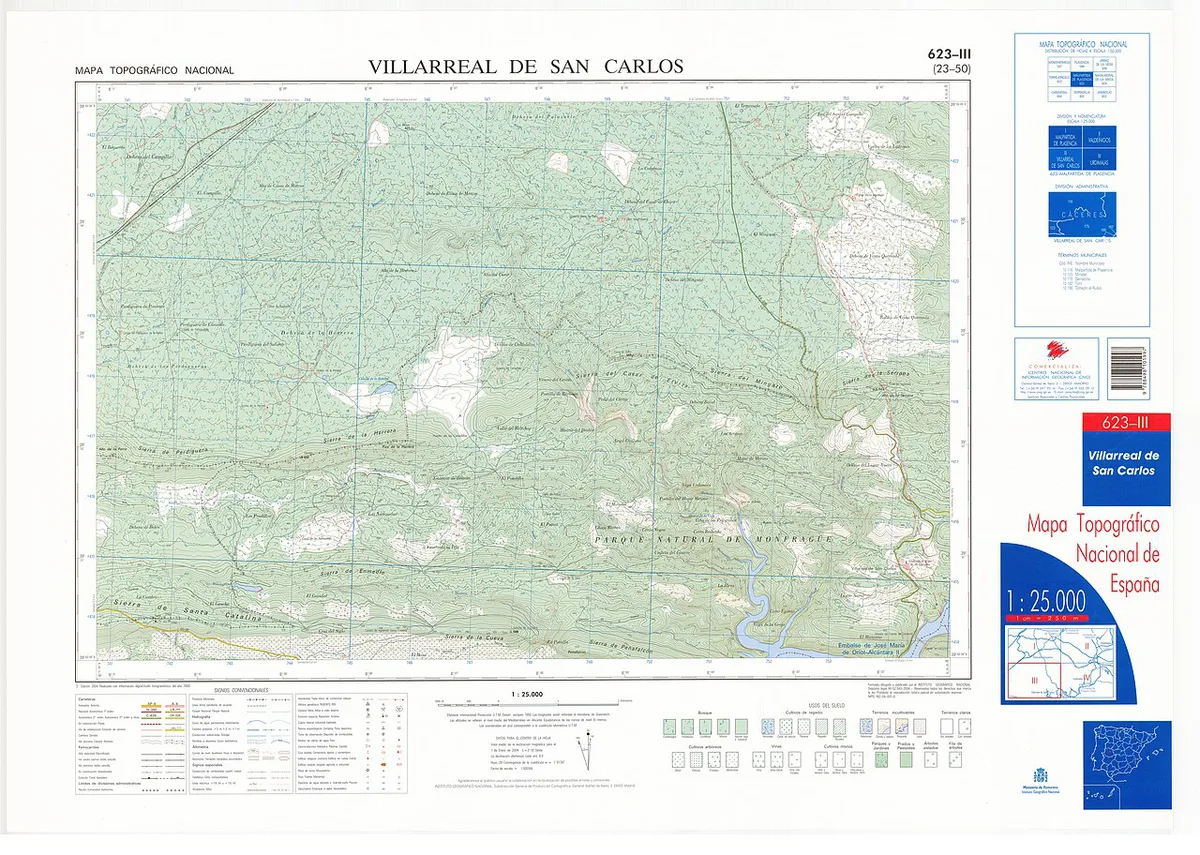
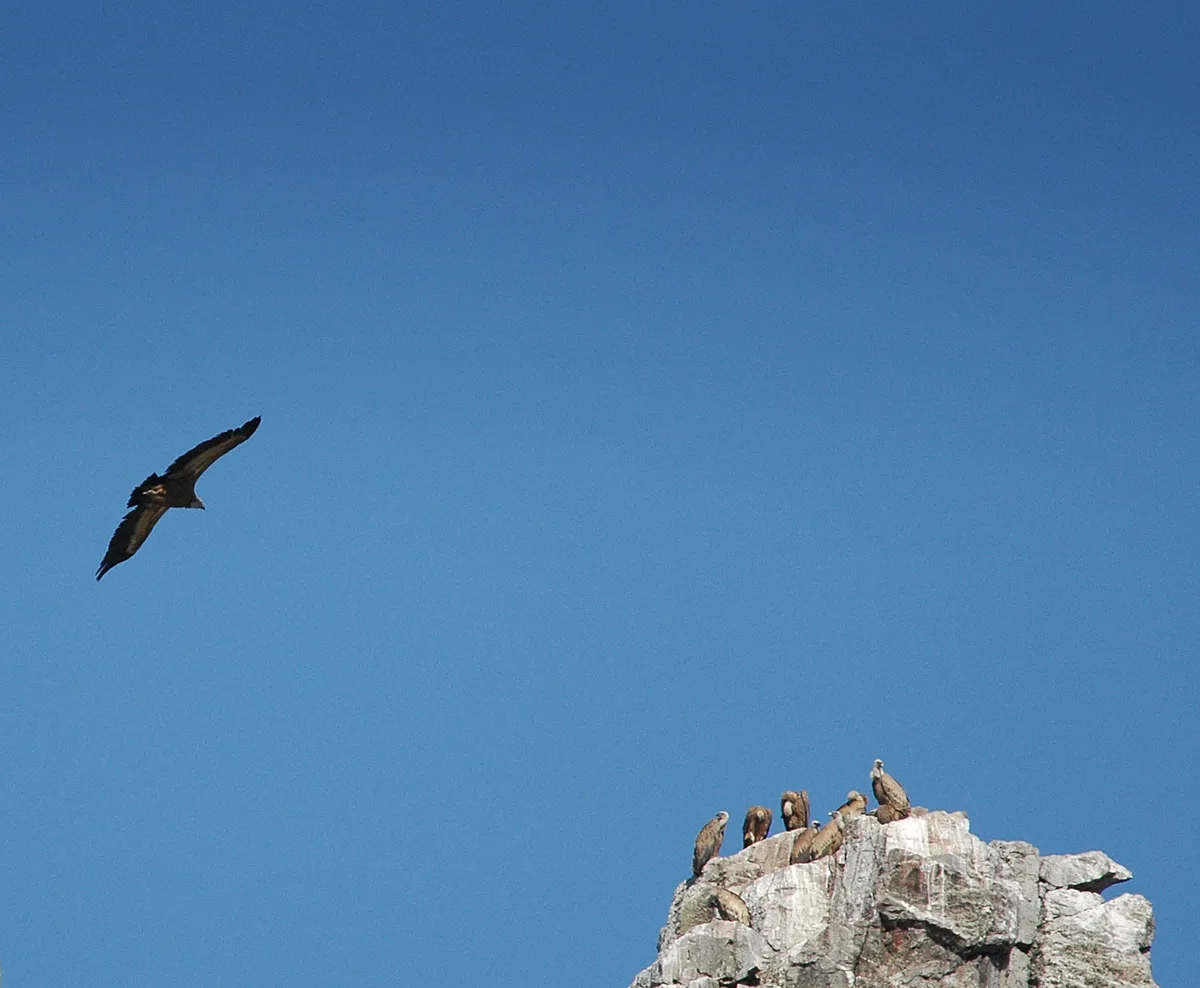
Monfragüe lies in Cáceres province, between Plasencia and Trujillo. The EX-208 road and the village of Villarreal de San Carlos are the usual way in. Spain's national parks network page lists Monfragüe as one of its parks. It was declared a national park in 2007, after a biosphere reserve designation in 2003. The Tajo and Tiétar rivers cut gorges through the landscape. Cork oak and holm oak pasture fills the ground between the cliffs. Griffon vultures nest on the rock faces, and that is the main draw. Monfragüe suits birders, photographers, road-trippers and short-stay walkers. Skip it if you want big mountain hiking or have no car.
| Item | Detail |
|---|---|
| Region | Extremadura, Cáceres province |
| Between | Plasencia and Trujillo |
| Main road | EX-208 |
| Main village | Villarreal de San Carlos |
| Best for | Raptors, photography, short walks |
| Main trade-off | Little shade and a car is effectively required |
Best Things To Do in Monfragüe
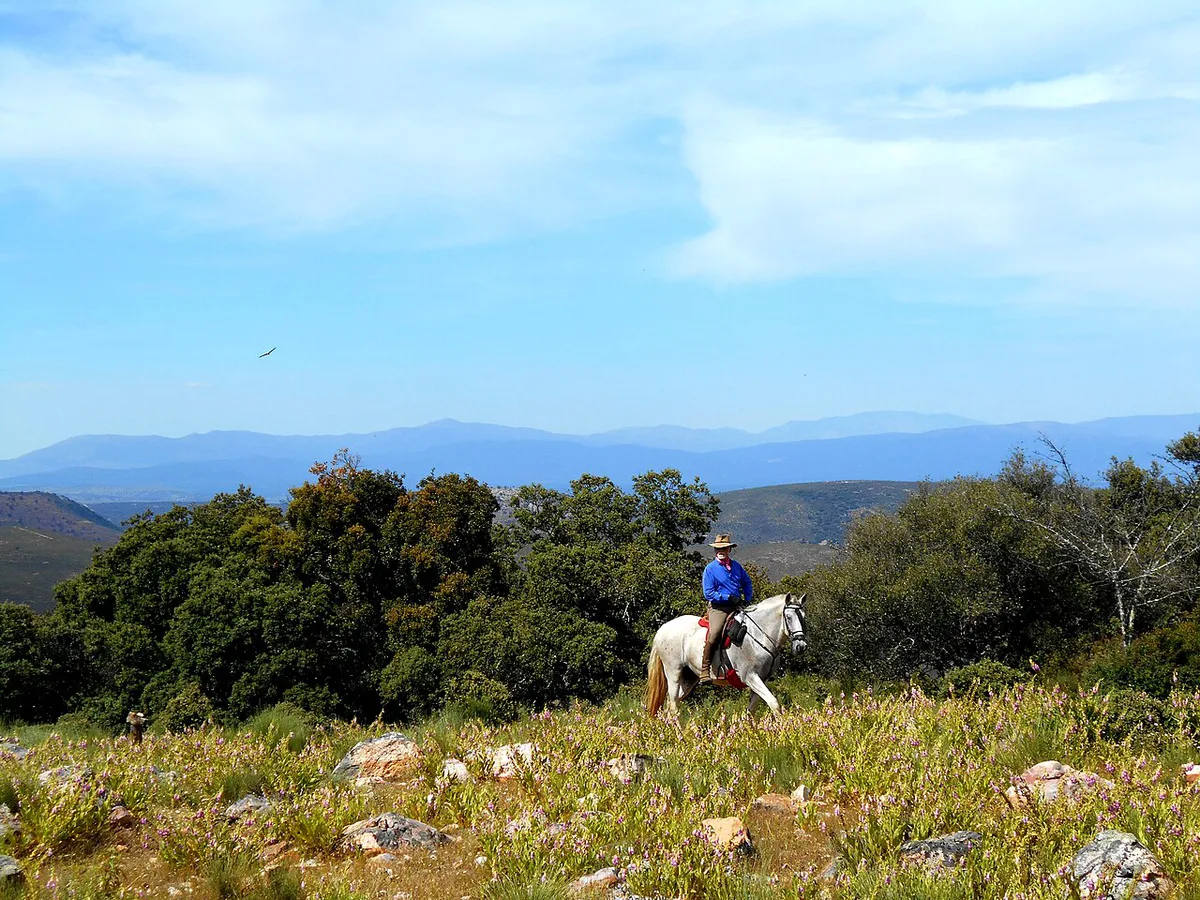
Most visitors build a day around a short chain of stops. Each one is a viewpoint reached by road, with a short walk at most. Bring binoculars. Birds sit on cliff ledges across the water, so a zoom lens or scope matters more than distance walked. Start at the visitor centre in Villarreal de San Carlos to ask about current routes and any nesting closures. Official route lists give walking distances, so rely on them rather than on rough estimates.
- Salto del Gitano and Peñafalcón: the cliff across the Tajo where griffon vultures nest and often pass close to the viewpoint.
- Castillo de Monfragüe: a hilltop castle that looks over the drowned Tajo valley and the Peñafalcón cliff.
- Portilla del Tiétar: a gap cut by the Tiétar river, with viewing hides and a cliff where eagle owls can breed in spring.
- Visitor centre, Villarreal de San Carlos: the place to collect route information and ask which paths are open.
How To Plan Your Time
A single full day covers the main viewpoints without rushing. Drive between stops and walk only the short paths. Begin at the Salto del Gitano while the light is soft. Move on to the castle and finish at Portilla del Tiétar. Durations in the table are our editorial recommendations. They are not official figures.
| Time budget | What to see | Pace | Suits |
|---|---|---|---|
| Half day | Visitor centre, Salto del Gitano, castle | Drive and short walks | Road-trippers passing through |
| 1 day | All three main viewpoints plus one marked walk | Relaxed, with long stops for birds | Most first-time visitors |
| 2 days | Dawn and dusk sessions, longer routes, Portilla del Tiétar hides | Slow, with time for photography | Birders and photographers |
Best Time To Visit Monfragüe
Spring is the strongest season. Birds are active, nesting is under way, and the pasture is green. Autumn brings milder light and migration. Summer is hot with little shade, so keep walks to early morning. Winter is quieter and cooler. For species and peak weeks, check the park's current notes on the Extremadura tourism site.
| Season | Wildlife | Heat | Crowds | Light |
|---|---|---|---|---|
| Spring | Nesting raptors, eagle owls, wildflowers | Mild | Busiest | Clear and soft |
| Summer | Vultures on thermals | Hot, little shade | Lighter | Harsh at midday |
| Autumn | Migrating birds | Mild | Moderate | Warm and low |
| Winter | Resident raptors | Cool | Quiet | Low and crisp |
Costs, Access Rules and Opening Hours
Entry fees, parking rules and visitor centre hours change, and none is confirmed here. Check the official park page before you travel.
Getting There and Getting Around
Treat a car as essential. The viewpoints are spread along the EX-208 and side roads, and public transport links are not documented for the park. From Madrid, Seville or Lisbon, plan a day trip or an overnight stop, and check drive times on a live route planner. Park only in marked bays at each viewpoint. Plasencia and Trujillo sit on either side of the park, so either town works as an approach.
Where To Stay and Eat
Villarreal de San Carlos puts you closest to the dawn viewpoints. Choices are limited, so book ahead in spring. Plasencia offers more restaurants and rooms and works as a base for a one-day visit. Cáceres suits travellers who want a historic city stay and accept a longer drive each way. Pick the park village for birding, Plasencia for convenience and Cáceres for sightseeing.
For 2 days of dawn and dusk sessions, staying in Villarreal de San Carlos keeps you closest to the dawn viewpoints, but book ahead in spring.
Responsible Visiting and Mistakes To Avoid
Stay on marked paths and keep voices low near nests. Use binoculars instead of approaching birds. Respect any seasonal path closures posted at the visitor centre.
- Arriving at midday in summer, when heat is highest and birds are less active.
- Leaving binoculars at the hotel.
- Expecting buses or taxis to reach the viewpoints.
- Ignoring posted access restrictions near nesting cliffs.
Other Spanish National Parks To Pair With This Trip
If birds are your main goal, Doñana's wetlands are the other big bird destination in the southwest. For a central Spain route, add Cabañeros' dehesa. Wetland fans can follow with Tablas de Daimiel National Park: Visitor Guide. Readers comparing options can start with our ranking of the 8 Best National Parks in Spain by Trip Type.
Notes for your next park visit
Optional updates to our national park guides.
Read next

Keep planning
Picked from the same area