
10 Best National Parks in Europe by Traveler Type
Compare the best national parks in Europe by season, access and travel time, with picks for hikers, first-timers and glacier or volcano fans.
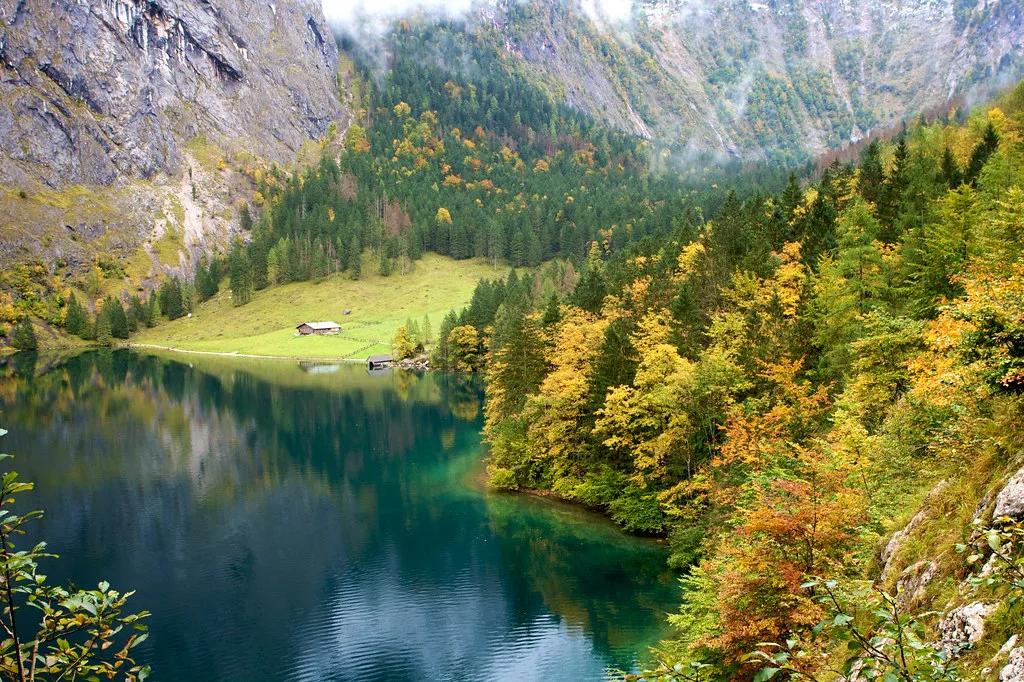
Last updated November 2026: the best national parks in Europe depend on who is travelling, so we matched ten parks to first-timers, hikers, glacier chasers and volcano fans. Our short answer is Triglav for first-time alpine scenery, Ecrins for serious hikers, Skaftafell for glaciers and Teide for a volcano. Each pick below adds season, access and skip-if notes, and our complete park directory covers the rest.
Featured image: Tim Dorr, CC BY-SA 2.0, via Flickr.
Quick Comparison: Best National Parks in Europe at a Glance
Heights on this shortlist run from the sandstone lowlands of Saxon Switzerland, listed at about 173 m, to Teide at 3,718 m (about 12,200 ft). Use the table to narrow ten parks to three. Then read those entries in full.
| Park | Country | Best for | Standout figure |
|---|---|---|---|
| Triglav | Slovenia | First-time alpine scenery | Lakes Bled and Bohinj |
| Ecrins | France | Serious hikers | Barre des Écrins, 4,102 m |
| Ordesa y Monte Perdido | Spain | Canyon and waterfall walks | Monte Perdido, 3,355 m |
| Berchtesgaden | Germany | Lake and ridge hiking | Königssee and Watzmann |
| Plitvice Lakes | Croatia | Lakes and waterfalls | UNESCO-listed 1979 |
| Saxon Switzerland | Germany | Rock formations and climbing | Bastei bridge |
| Jotunheimen | Norway | High-peak trekking | Galdhøpiggen, 2,469 m |
| Skaftafell | Iceland | Glaciers | Part of Vatnajökull NP |
| Teide | Spain (Tenerife) | Volcano | Pico del Teide, 3,718 m |
| Cairngorms | United Kingdom | Forests, lochs, winter sports | 4,528 km² |
How We Chose: What Counts as a National Park in Europe
We judged each park on five practical criteria. Those were ease of access without a car, scenery payoff near a trailhead or lift, crowd levels, season length and cost. Europe here includes the UK and Iceland. We kept only places with national park status we could name, so protected landscape areas and UNESCO-only sites stay off the list. Plitvice Lakes has been UNESCO-listed since 1979, and Cairngorms became a national park in 2003. Both clear that bar. We give cost as relative levels because fees change, and you should read each park's official page for current rules.
10 Best National Parks in Europe, Picked by Traveler Type
Heights and access notes below were checked in November 2026. We order the ten parks roughly from easiest alpine scenery to most remote, and every entry ends with a skip-if note.
1. Triglav National Park, Slovenia
Triglav covers the Julian Alps on the Slovenian side, with lakes such as Bled and Bohinj and the Vintgar Gorge. It earns its spot for variety: lakes, gorges and high trails sit within one park. Our pick for first-timers who want alpine scenery without committing to a multi-day trek.
Allow two to three days to pair a lake day with a mountain day. Skip it if you want empty paths in peak summer, since Bled and Vintgar are the best-known stops.
2. Ecrins National Park, France
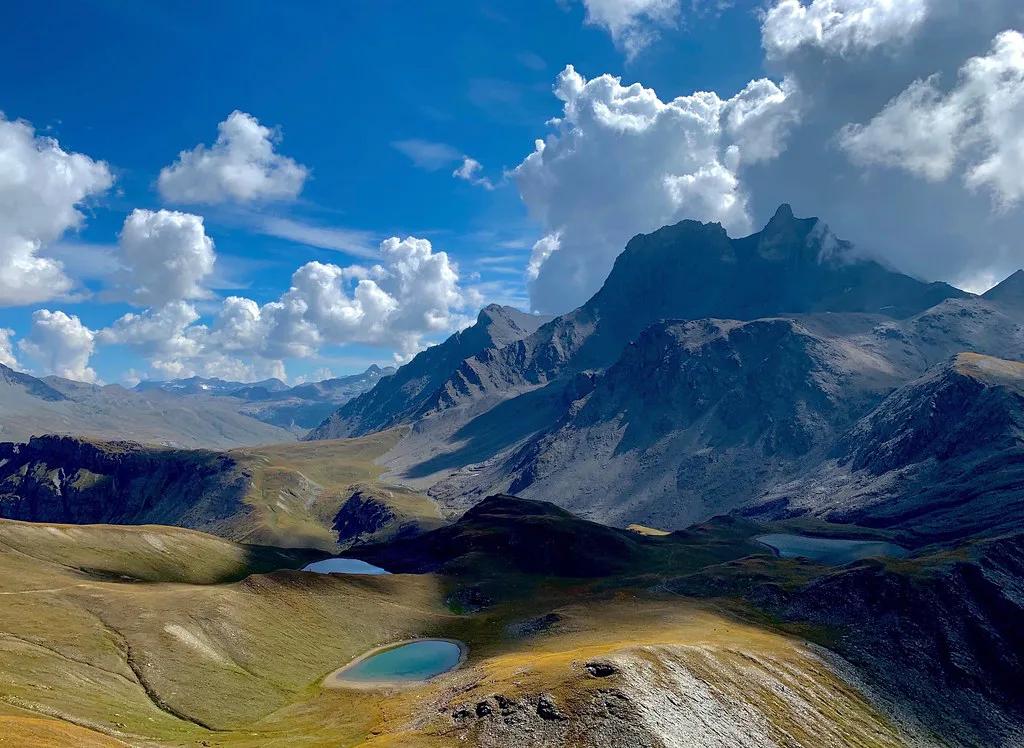
Ecrins is built around the Barre des Écrins, which reaches 4,102 m (about 13,450 ft). Its appeal is size: hundreds of peaks and valleys with no winter ski resorts built into the landscape. That makes it our pick for serious hikers who want a quieter alpine feel.
Plan around the snowline, because high routes open later than valley paths. Skip it if you want lifts to do the climbing for you.
3. Ordesa y Monte Perdido National Park, Spain
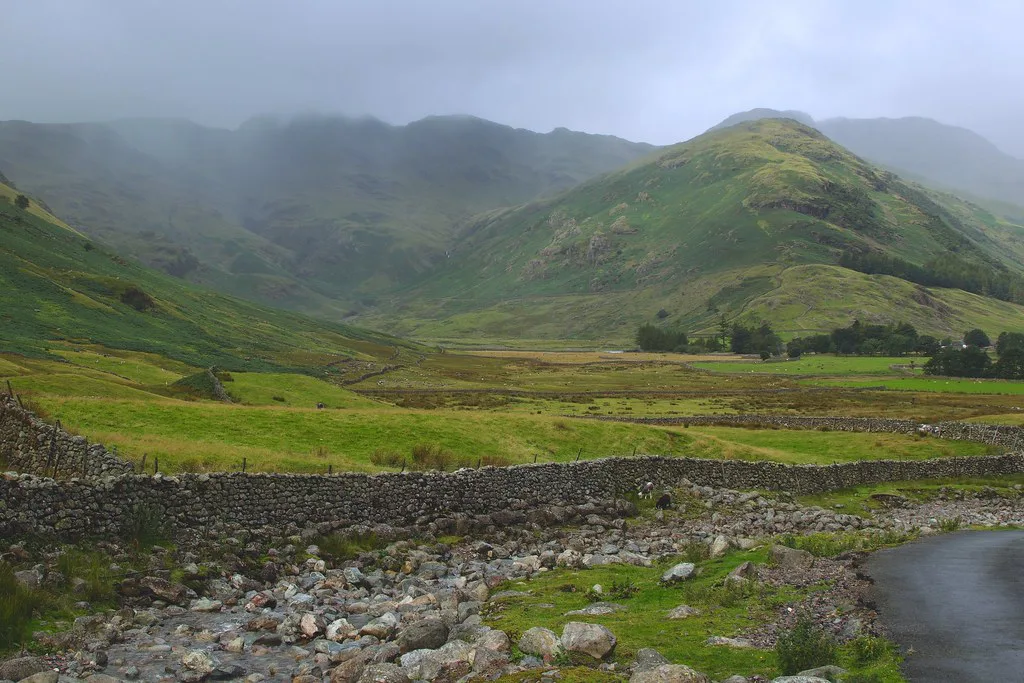
This Spanish Pyrenees park centers on the Río Arazas valley, also called Ordesa Canyon. The GR11 long-distance trail runs through it, and Monte Perdido, at 3,355 m, is the third highest mountain in the Pyrenees. Waterfalls make a canyon day worthwhile even if you never climb high.
The Spanish national parks agency publishes current access rules. Skip it if you need a lift-served summit.
4. Berchtesgaden National Park, Germany
Berchtesgaden centers on Lake Königssee, with the Watzmann ridge rising above it. It suits walkers, climbers and via ferrata fans in the Bavarian Alps. Our pick for a compact park where the scenery starts near the lake rather than after a long approach.
Trail and hut details sit on the official Berchtesgaden park site. Skip it if you want a gentle lowland park, since many routes climb steeply.
5. Plitvice Lakes National Park, Croatia
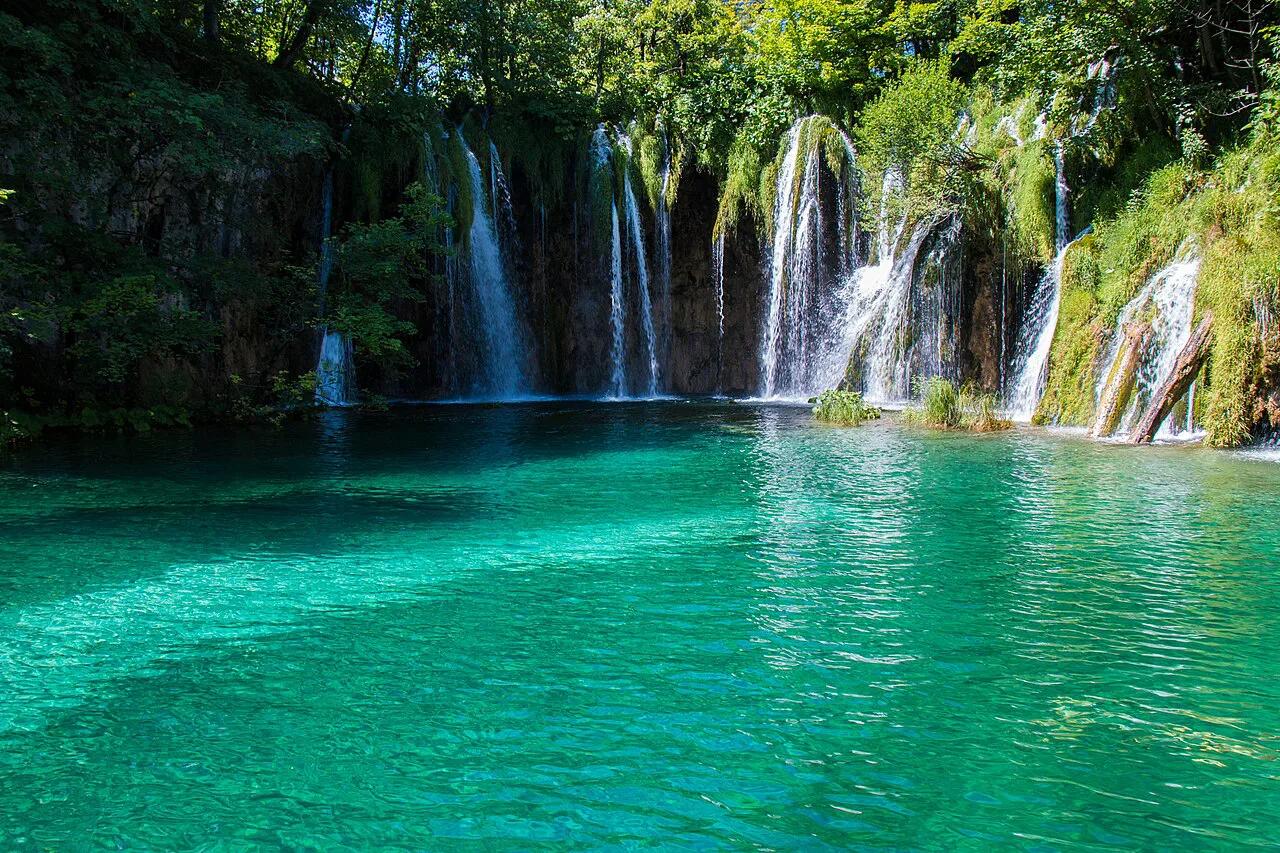
Plitvice is a chain of lakes and waterfalls, UNESCO-listed since 1979. The park sits at around 523 m, so snow is less of a barrier than in alpine parks. Entry is ticketed and busiest at midday, so we'd arrive early or late in the day.
Allow a full day, or stay overnight nearby to avoid the peak crowd. Skip it in peak summer if crowds ruin a walk for you.
6. Saxon Switzerland National Park, Germany
Saxon Switzerland lies in eastern Germany on the Czech border and links to České Švýcarsko. Sandstone towers, the Bastei bridge and forest paths make it strong for climbing and cycling. It offers a low-altitude walking season, with the area listed at about 173 m.
Pair it with the Czech park for rock bridges such as Pravčická brána. Skip it if you want high alpine peaks.
7. Jotunheimen National Park, Norway
Jotunheimen is Norway's highest mountain area, topped by Galdhøpiggen at 2,469 m (about 8,100 ft). Dozens of peaks pass 2,000 m, and trails thread through the range. Our pick for trekkers who want big Nordic mountains and are happy to plan around the season.
Norway tends to be among the pricier choices on this list. Skip it if you have a tight budget or only a day to spare.
8. Skaftafell, Vatnajökull National Park, Iceland
Skaftafell sits inside Vatnajökull National Park and is the most accessible part of the glacier landscape. The Skaftafellsheiði plateau lies between the Skaftafellsjökull and Morsárjökull glaciers. Glacier tongues, sharp ridges and wildflower slopes make it our pick for glacier seekers.
The Vatnajökull park site lists current conditions. Skip it if your schedule has no slack, since weather decides what you can do.
9. Teide National Park, Spain
Teide surrounds Pico del Teide on Tenerife, the highest mountain in Spain at 3,718 m. Hiking trails cross an ancient caldera with far-reaching views. It is our pick for volcano fans, and it pairs easily with a beach stay.
Summit access and cable-car rules are set by the park, so read the national parks agency page first. Skip it if altitude bothers you.
10. Cairngorms National Park, United Kingdom
Cairngorms is Scotland's largest national park at 4,528 km² (about 1,750 sq mi), founded in 2003. Ancient forests, lochs and hills hold animals and plants found nowhere else on the British islands. It is also a winter option, with a large ski resort and the second highest mountain in the UK.
For the size ranking beyond Scotland, see our guide to the largest park in Europe. Skip it if you want guaranteed sun or alpine drama.
When to Go: Season-by-Season Trade-Offs
High parks hold snow late. Teide reaches 3,718 m and Galdhøpiggen in Jotunheimen reaches 2,469 m, so trail and hut access follows the snowline. Iceland and Nordic parks also close roads and routes by season. Plitvice (523 m) and Saxon Switzerland have longer walking seasons. Summer suits Ecrins, Triglav and Ordesa. Shoulder months cut crowds at Plitvice and Bled. Winter fits Cairngorms, which has a large ski resort. Check each park's official page for current opening dates before booking.
Plitvice (523 m) sits far lower than Teide, which reaches 3,718 m, so its walking season can run longer than the volcano park's.
Common Mistakes When Planning a European National Park Trip
Underestimating drive times is the classic error in remote parks such as Skaftafell and Jotunheimen. Many travelers also assume every trail is open year-round, which is rarely true above the snowline. At Plitvice, avoid the best-known lake at midday. Counting a nearby city as being in the park is another trap, since the real trailhead can be far from town. Some parks restrict access too. Podyjí in Czechia has 76 km of marked trails, yet its most valuable areas need a guide.
Combine Parks Into One Trip
Link parks by geography rather than by wish list. Saxon Switzerland and České Švýcarsko adjoin each other, so a Central Europe loop crosses the border on foot. For an alpine loop, group Ecrins, Berchtesgaden and Triglav by mountain range. Jotunheimen and Skaftafell are far apart, so treat Norway and Iceland as separate trips. Our national park map helps you plan the order. For a pure scenery ranking, read our guide to the most beautiful parks next.
Notes for your next park visit
Optional updates to our national park guides.
Read next
Keep planning
Picked from the same area