Dartmoor Ponies: Where to See Them and How to Act
Where to see Dartmoor ponies, when to go, how wild they really are and what to do (and not do) when you meet them on the moor.
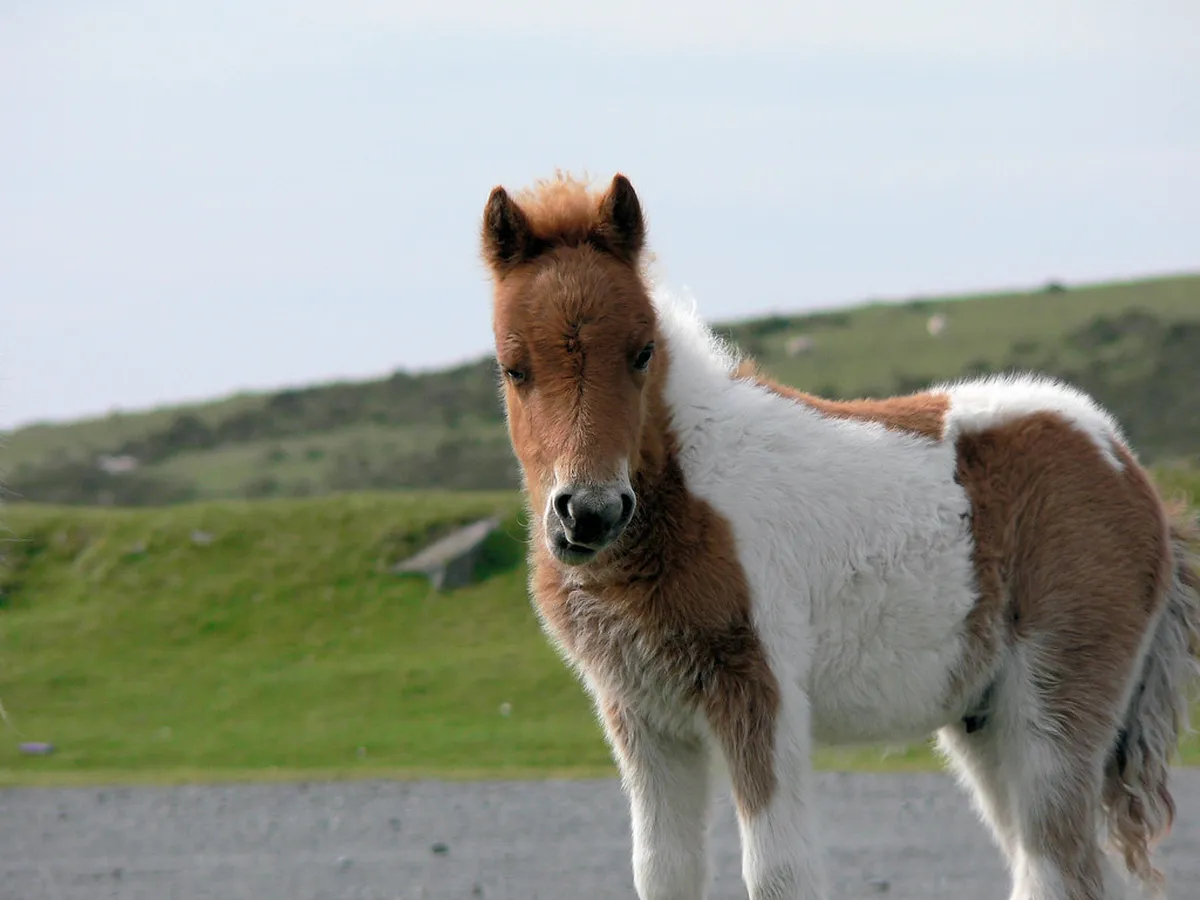
Last updated November 2026. Dartmoor ponies are semi-feral animals owned by local farmers, so they are not truly wild, and you should never feed or touch them. This guide covers where to look, when to go and how to behave on the open moor. Sightings are never guaranteed, so plan for a good day out even if the ponies stay out of view.
Featured image: lostajy, CC BY 2.0, via Flickr.
Dartmoor ponies at a glance
Every Dartmoor pony has an owner. Local farmers, known as commoners, hold grazing rights on the commons and turn their ponies out onto the open moor. That makes the herds free-roaming but not wild. The Dartmoor Pony Heritage Trust works on the future of the hill ponies. Ponies are most often seen in small groups, and mares keep foals close in spring and summer. Feeding them is the biggest mistake visitors make, because it draws ponies toward roads and teaches them to beg.
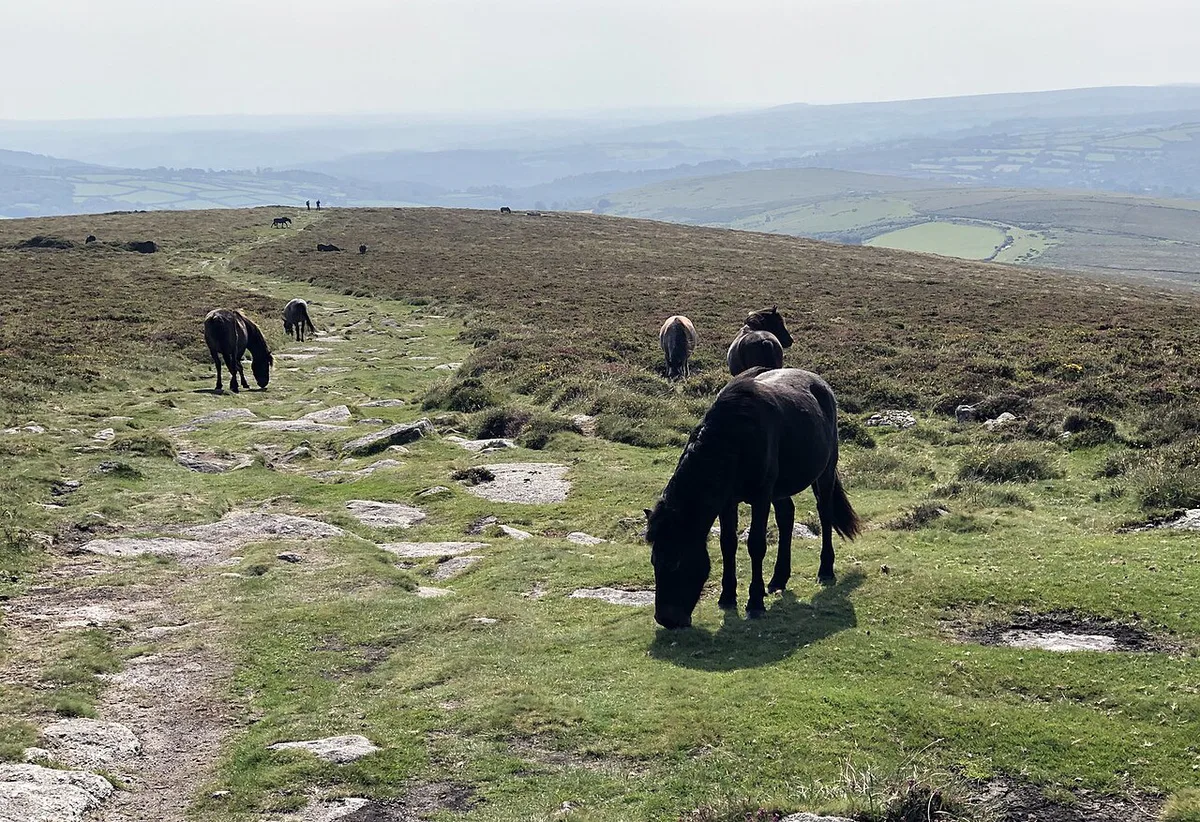
- Who owns them: commoners and farmers with grazing rights.
- Are they wild: semi-feral and free-roaming, but owned.
- Can you feed them: no.
- Can you touch them: no. Keep your distance and let them come and go.
History and origin of the Dartmoor pony
Ponies have grazed the moor for a very long time. The often-quoted early written reference is the will of Bishop Aelfwold of Crediton, dated around 1012, which mentions horses on Dartmoor. Farming on the high ground has relied on hardy hill stock ever since.
The pony you see today is also a registered breed. The Dartmoor Pony Society was formed in 1925 and keeps the studbook, so a pure Dartmoor pony is one registered in it, not simply any pony standing on the moor.
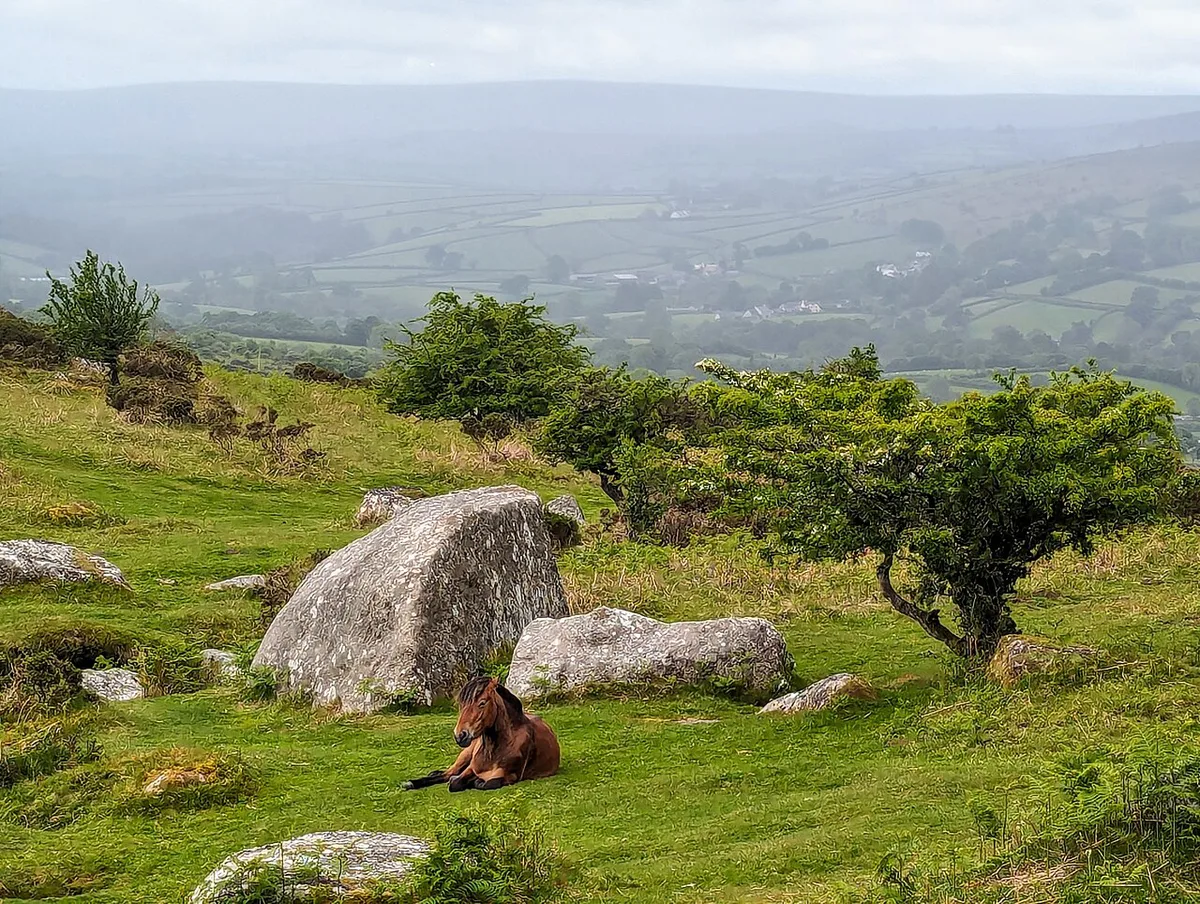
- Tin mining and farming: small, sure-footed ponies carried loads and worked the commons.
- Pit ponies: in the 19th and 20th centuries many Dartmoor-type ponies were sold to work underground in coal mines.
- The 20th-century decline: falling demand for working ponies, and heavy losses during the Second World War, cut numbers sharply and led to the breed's rescue and registration efforts.
Not every pony on the open moor is a purebred Dartmoor, because commoners have also turned out cross-bred ponies. If you want a sense of what a typical Dartmoor looks like, the breed standard describes:
- A small, compact pony, with a height limit of 12.2 hands (127 cm).
- A small head, a deep body and strong legs with hard hooves.
- Colours of bay, brown, black, grey or chestnut, with large white markings not accepted in the registered breed.
A calm, sensible temperament is a breed trait, but it applies to handled ponies. Moor ponies are semi-feral and should be treated as unpredictable.
Where to see Dartmoor ponies
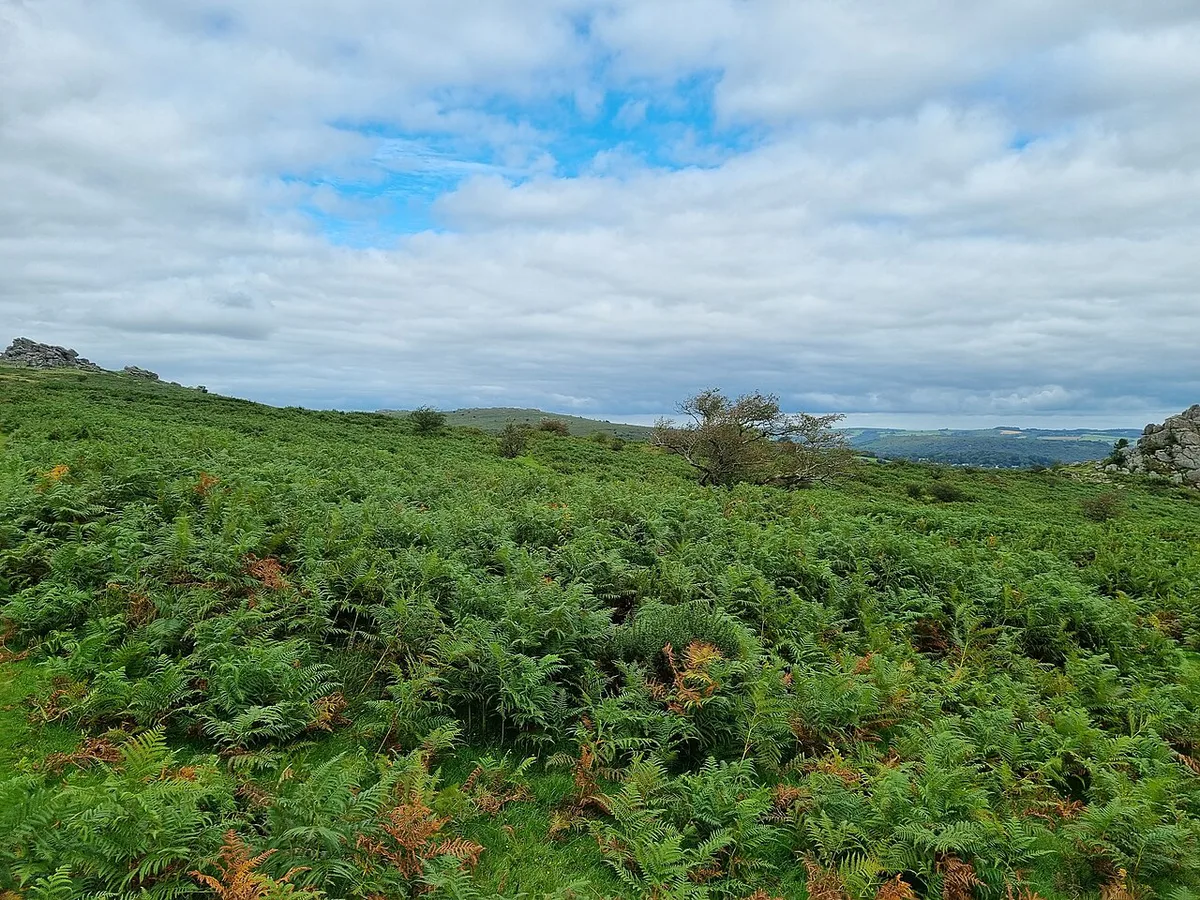
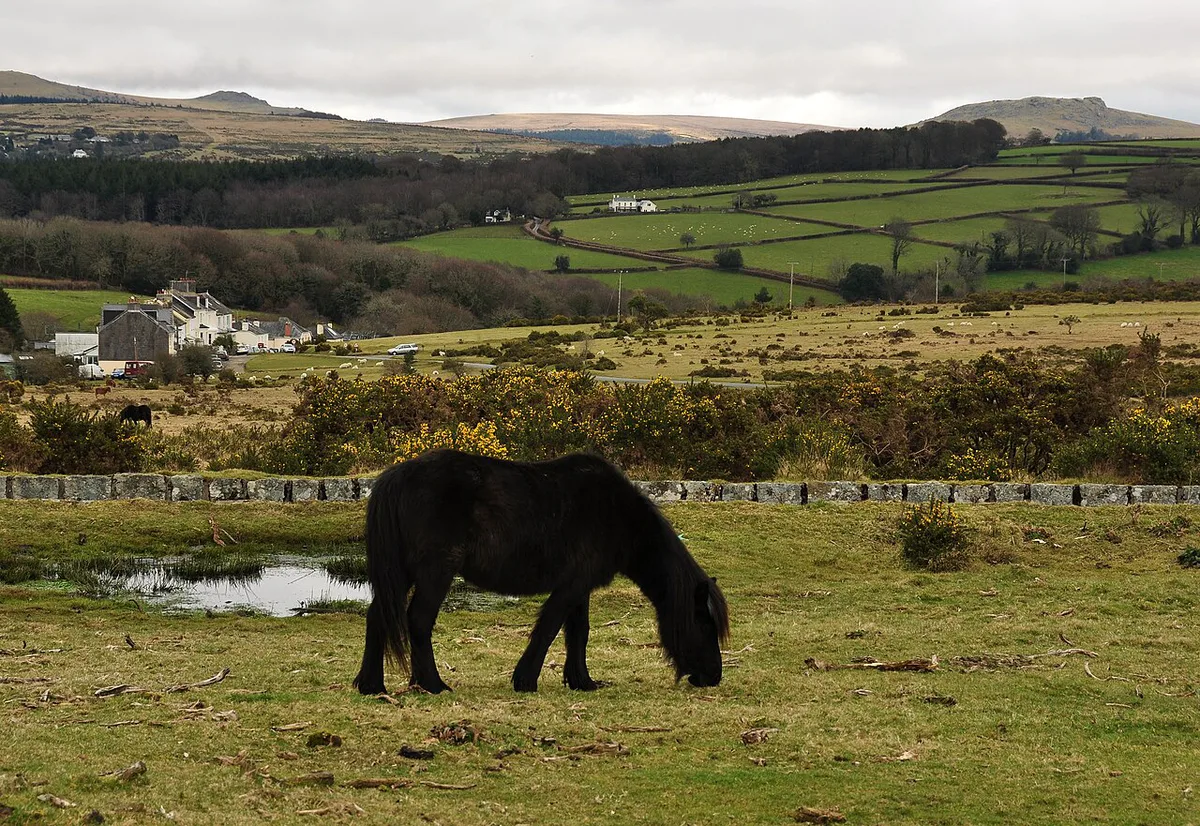
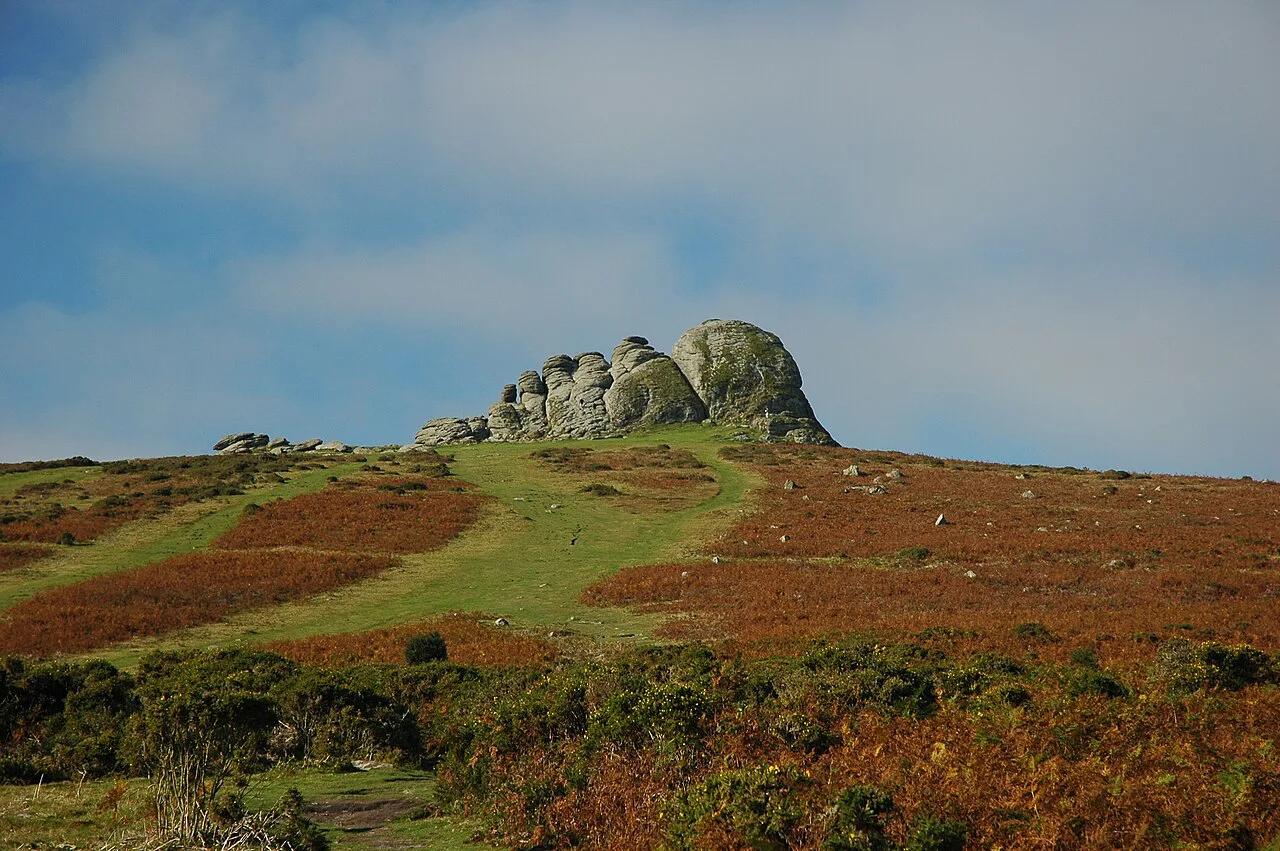
Ponies graze across the open moor, so there is no fixed spot. Look on unfenced moorland and near the tors rather than expecting them beside a car park. Start with the Dartmoor National Park overview and use the Dartmoor Map: Where Things Are and Which Map to Use to pick open ground. A walk toward one of the Dartmoor Tors: Best Tors to Visit, Access and Map puts you on the commons where animals graze. Chances change by day and by weather.
| Area | How you reach it | Effort | Sighting chance |
|---|---|---|---|
| Moorland around Princetown | Road, then open moor | Low to moderate | Variable |
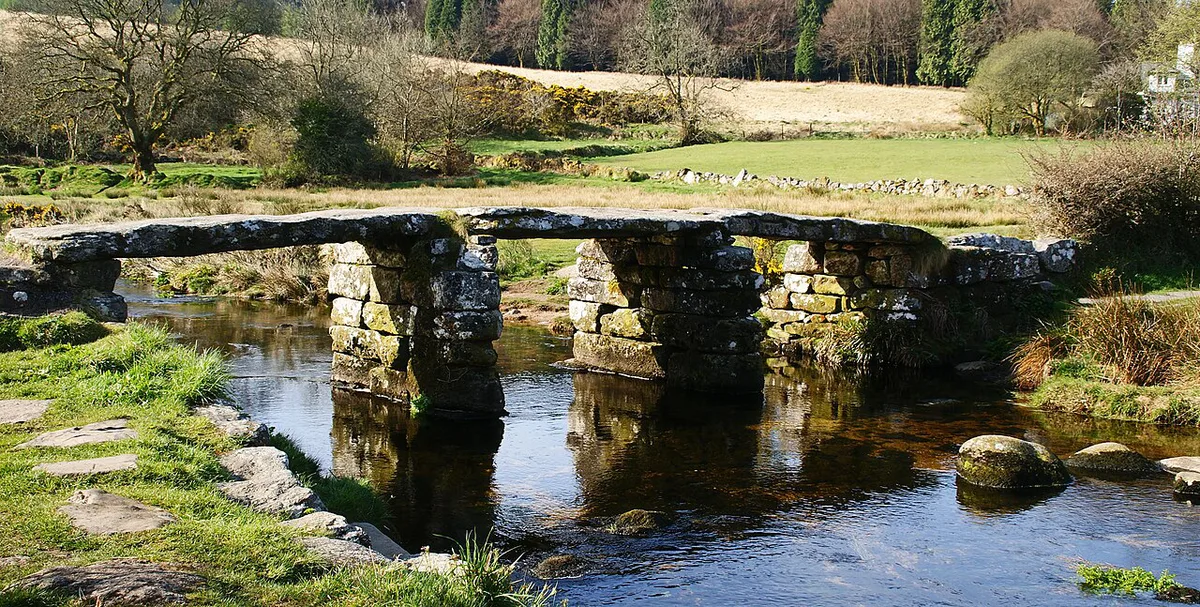
| Near the Postbridge Clapper Bridge: Visiting Guide, Access & Nearby Walks | Road and short walks | Low | Variable |
| Open ground by Widecombe-in-the-Moor | Road and footpaths | Low to moderate | Variable |
| Slopes below the tors | Walk-in | Moderate to high | Variable |
Best time to see them
Foals usually appear in spring and summer, and that is when most visitors hope to see them. In autumn, farmers hold the annual drift, gathering ponies off the moor. Dates change each year, so check local listings for the current schedule. Moor weather matters more than the calendar. Fog can hide animals and landmarks within minutes, so read the Dartmoor weather guide and the Met Office forecast before you set out.
| Season | What to expect |
|---|---|
| Spring | Foals begin to appear; weather swings quickly. |
| Summer | Longer days and the easiest walking; moor roads are busiest. |
| Autumn | The annual drift gathers ponies off the moor. |
| Winter | Short days and poor visibility; ponies may stay low on sheltered ground. |
How to behave around ponies
These are working farm animals on shared land. Treat them as you would livestock in any field.
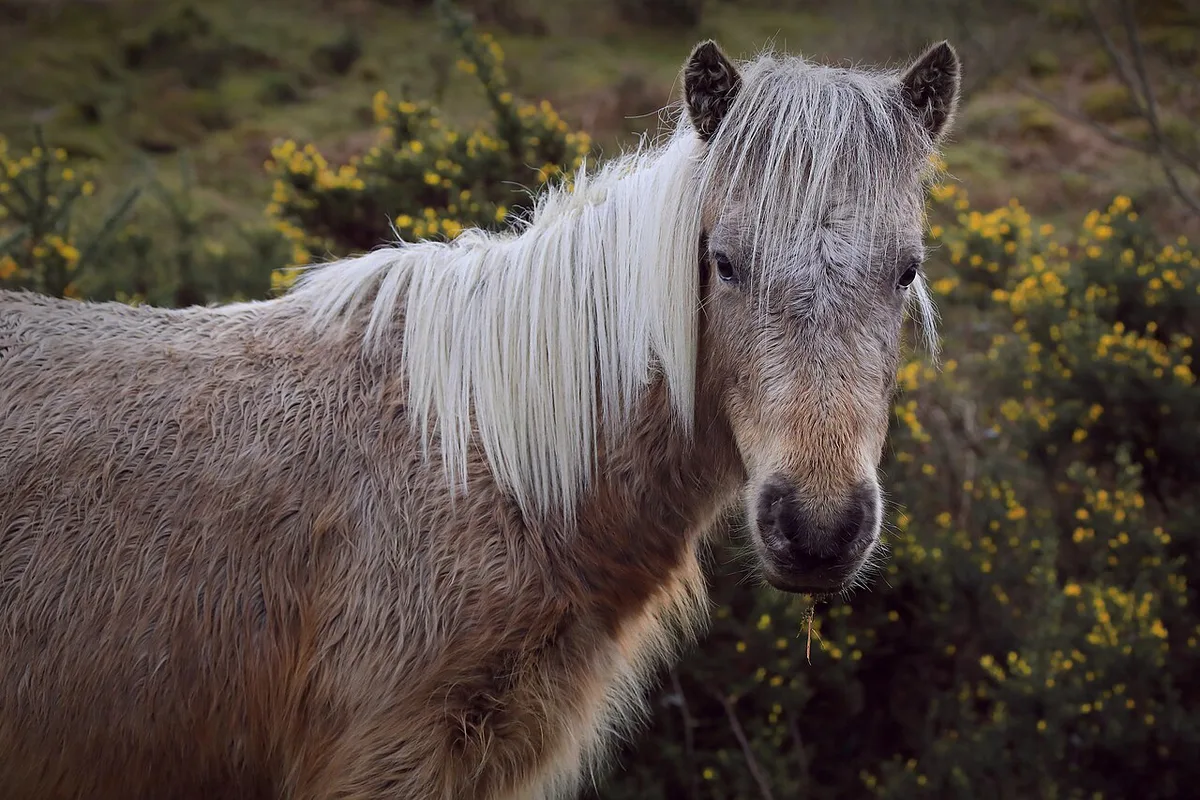
- Do not feed ponies, even a small snack. It is harmful and it pulls them toward traffic.
- Do not touch them or approach foals, however calm they look.
- Keep dogs on a lead near any livestock.
- Stay on the path when you photograph; do not walk toward foals for a better shot.
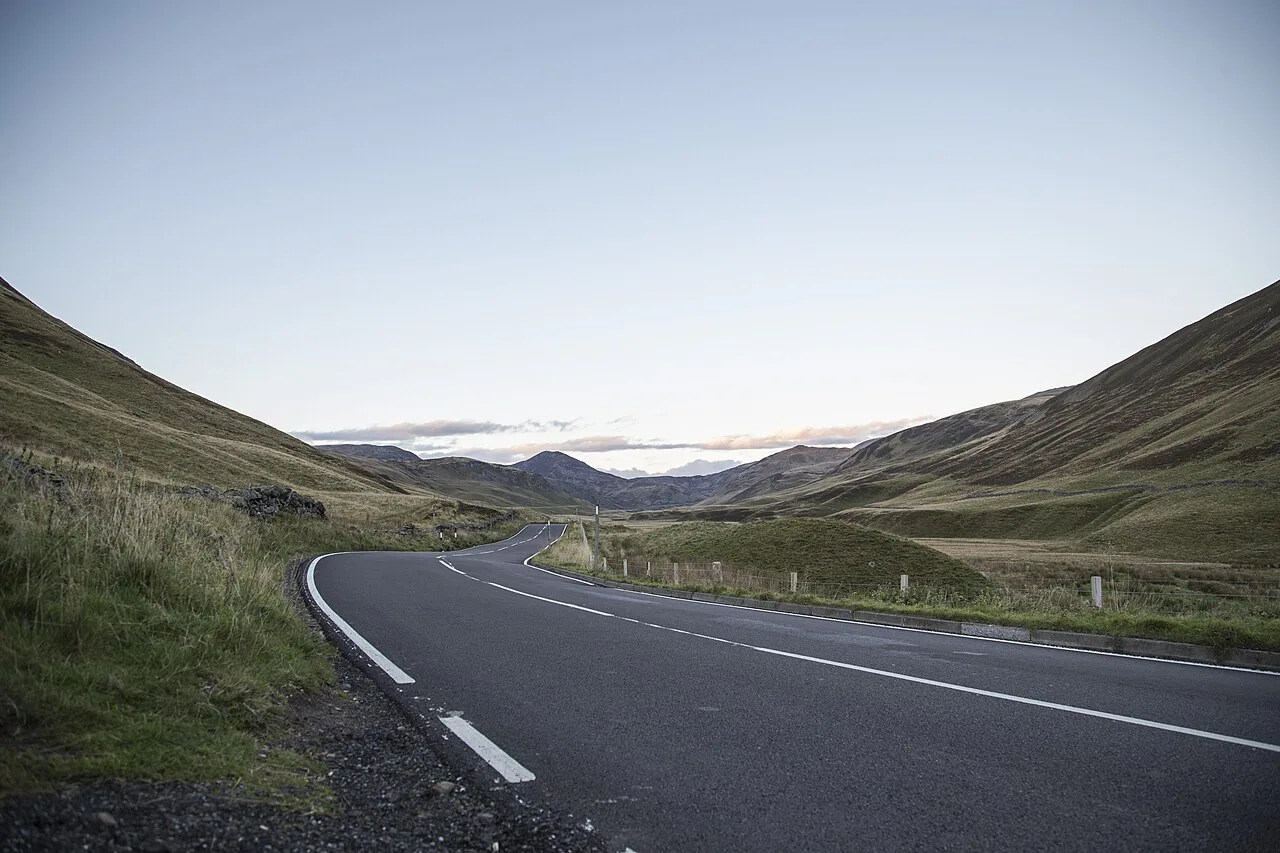
- Drive slowly on unfenced moor roads, because ponies, cattle and sheep stand on the tarmac, especially near cattle grids.
- Never stop in a narrow road to watch. Use a pull-in or car park instead.
- Cattle and sheep graze here too. Cows with calves can be more protective than ponies, so give them extra space.
Why the herds are under pressure
Demand for hill ponies has fallen over several decades, so farmers have less reason to breed them. A 2014 estimate put the moor population at about 1,200 ponies, far below earlier decades. Treat that as a dated figure, not a current count. The Heritage Trust is a good place for current work on the herds. As a visitor, the best help is simple. Follow the behaviour rules, keep the verges clear and avoid disturbing animals.
Dartmoor vs Exmoor ponies and other British breeds
Dartmoor and Exmoor ponies are often confused because both are native hill breeds from Devon, and both are managed by grazing on open moorland. They are separate breeds with separate studbooks.
| Feature | Dartmoor pony | Exmoor pony |
|---|---|---|
| Home moor | Dartmoor, Devon | Exmoor, Somerset and Devon |
| Face | Small, neat head; solid colouring on the muzzle | Pale, mealy muzzle and hooded "toad" eyes |
| Colours | Bay, brown, black, grey, chestnut | Bay, brown or dun, with mealy markings |
| Build | Fine and compact, up to 12.2 hands | Stocky, strongly built |
The quickest field test is the muzzle. If the pony has a pale ring around the nose and eyes, it is probably Exmoor, not Dartmoor.
Other native breeds
Britain's native breeds include the New Forest, Welsh, Shetland, Fell and Dales ponies. Ireland's best-known is the Connemara, a taller and more athletic pony that is covered in our guide to Connemara ponies. The Dartmoor sits at the smaller end of this group and was bred for the harsh uplands of the south-west.
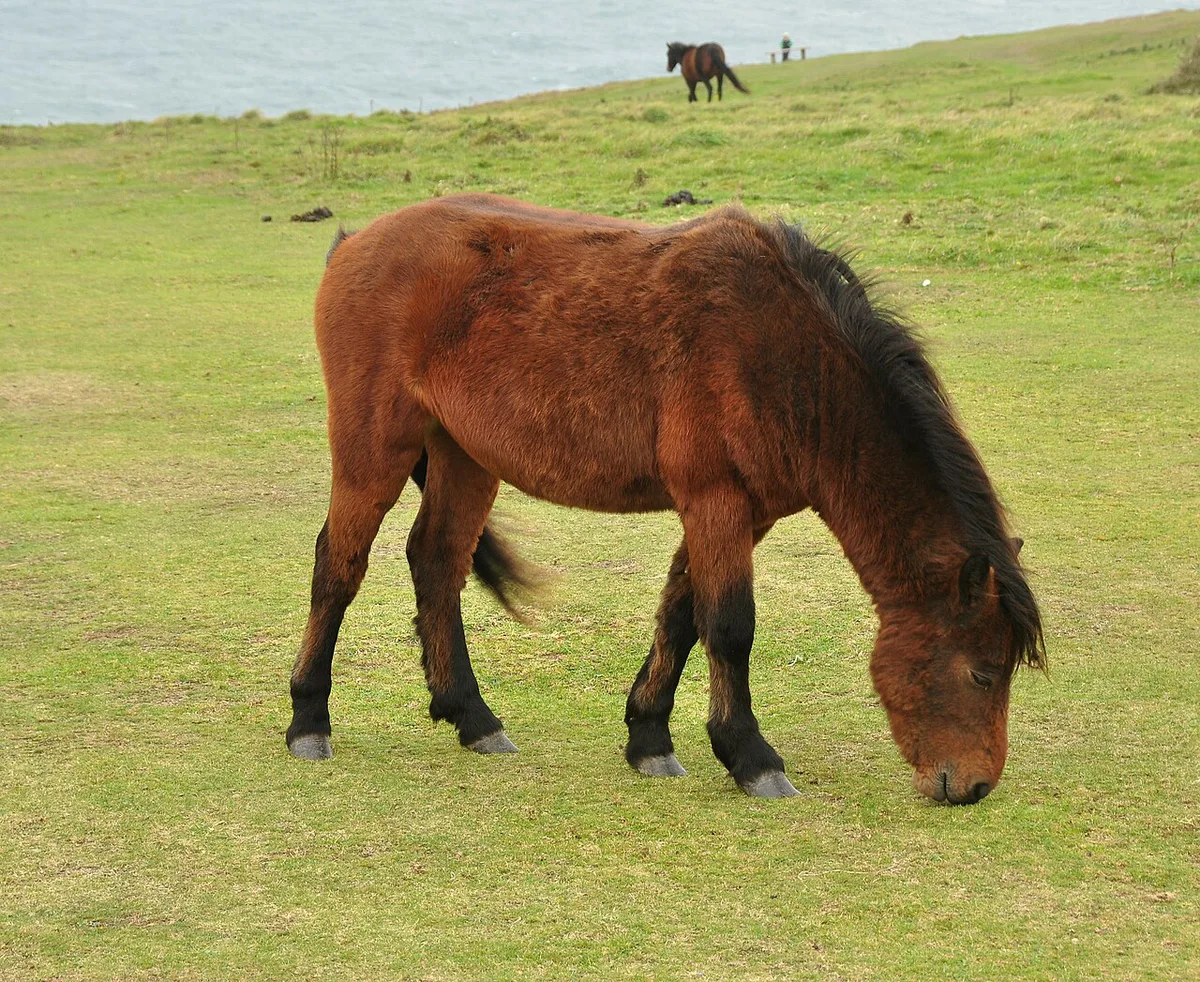
On a visit, you may see ponies of mixed breeding grazing alongside registered Dartmoors, so do not worry about being certain what you are looking at. Whatever breed they are, the same rules apply: keep your distance, do not feed them and keep dogs on a lead.
Planning your day
Watching ponies on open moorland is free. Check Visit Dartmoor for current visitor information. You will need a car or a longer walk to reach open ground, so visitors without transport or with limited mobility may prefer to focus on a village base. Pack for changing weather and carry a map. Ponies are not tied to car parks, so a quiet pull-in near open ground is more useful than a busy stop. For a night away, see Hotels in Dartmoor: Where to Stay by Base & Budget. Dartmoor Prison: Can You Visit? Museum, History & Princetown Guide near Princetown is a landmark you may pass on the way.
Why the autumn drift matters
The autumn drift is more than a visitor spectacle. It is the point when commoners gather free-roaming ponies from the open moor for essential handling and management. The exact date changes each year, so check local listings before planning a special trip around it.
It also explains why respectful viewing matters throughout the year. A 2014 estimate placed the moor population at about 1,200 ponies, but that is a historical figure rather than a current count. Ponies that learn to seek food beside roads are harder to manage safely.
If you encounter a gathering, give the people and animals plenty of room. Do not block gates, park on narrow roads, or try to photograph animals at close range. Choose a lawful pull-in, keep dogs controlled, and let the ponies move without pressure.
Notes for your next park visit
Optional updates to our national park guides.
Read next
Keep planning
Picked from the same area