Widecombe-in-the-Moor Guide: Things to Do & Visiting Tips
Plan a visit to Widecombe-in-the-Moor, Dartmoor: the Cathedral of the Moors, Widecombe Fair history, walks, parking and when to go.
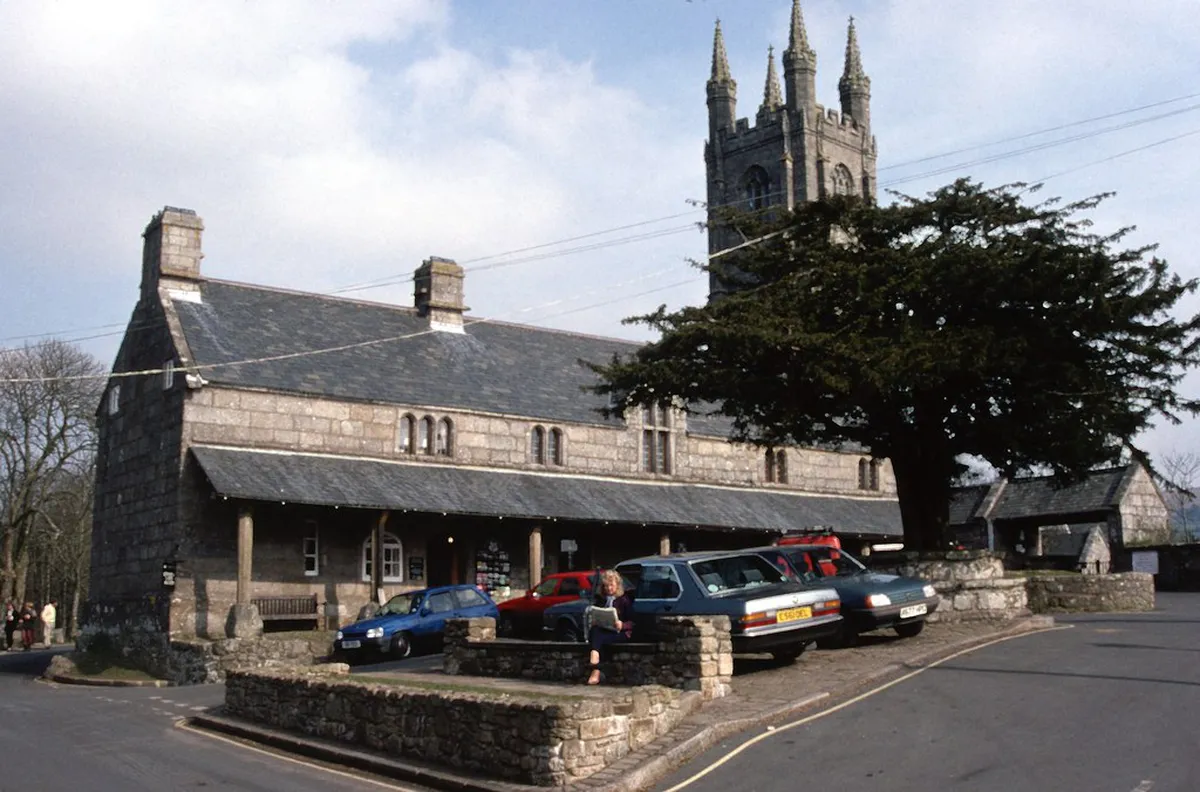
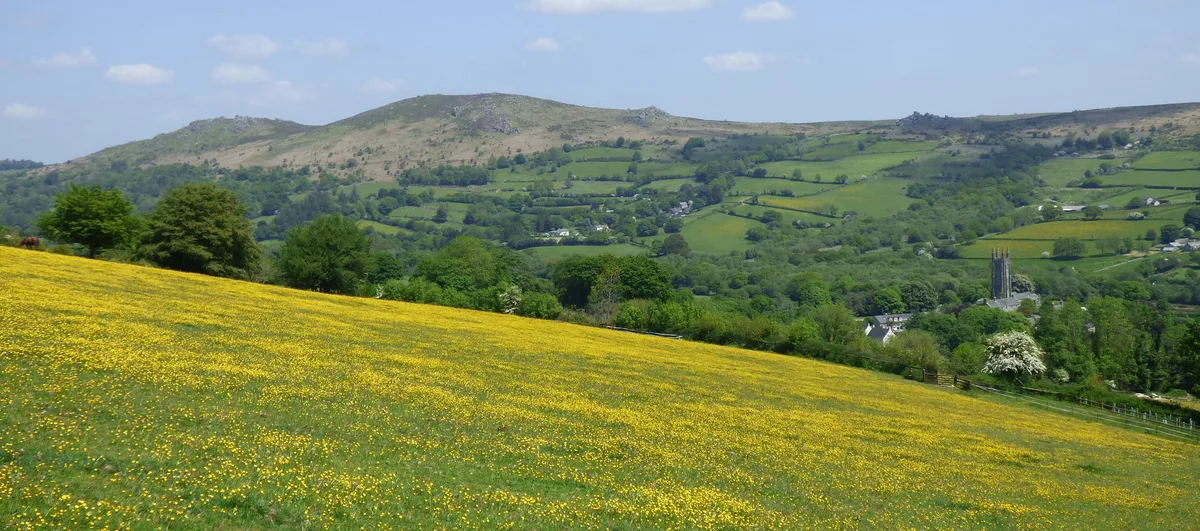
Last updated November 2026: Widecombe in the Moor is a village and large civil parish inside the national park in Devon. It is known for the church nicknamed the Cathedral of the Moors and for the folk song "Widecombe Fair". Our guide covers what to see, how to split your hours, parking, weather and add-on stops.
Featured image: daves_archive _inactive at current time, CC BY 2.0, via Flickr.
Widecombe in the Moor at a glance
Widecombe-in-the-Moor sits in east Dartmoor, in Devon's Teignbridge district. Its postal town is Newton Abbot. Around 196 households form the village, according to the parish website, while the wider parish spreads across isolated cottages and moorland farms. Within a small area you will find several gift shops, one cafe and two pubs. Services stay limited, so plan meals and fuel before you arrive. Use the list below to decide how much time the village deserves.
- Worth it if you want a compact village with a landmark church, a folk-song story and a National Trust shop.
- Worth it if you plan a half-day that mixes a short village walk with a pub lunch.
- Worth it if you want a base for tors and valley walks in east Dartmoor.
- Skip it if you expect a large town with a full range of shops and late-night food.
- Skip it if you have only a few minutes and dislike narrow lanes.
Things to do in Widecombe-in-the-Moor
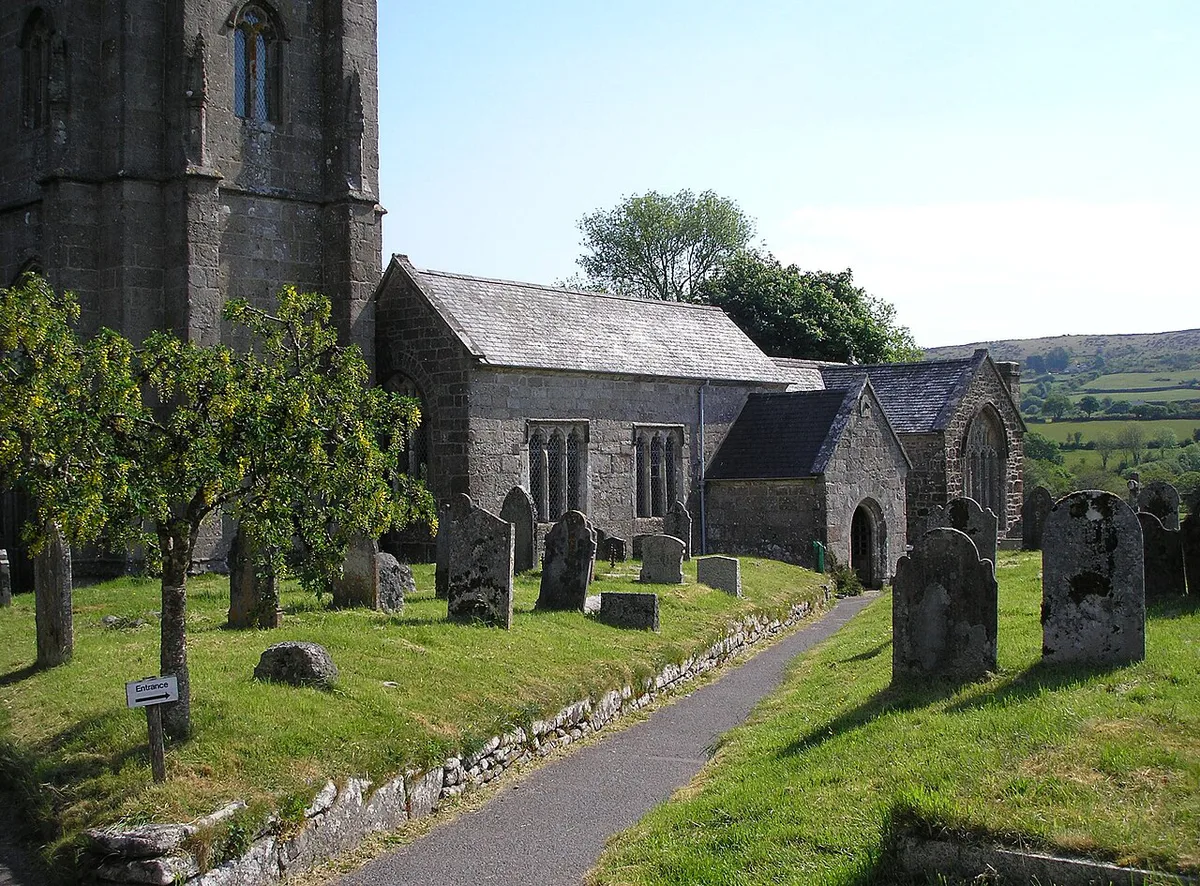
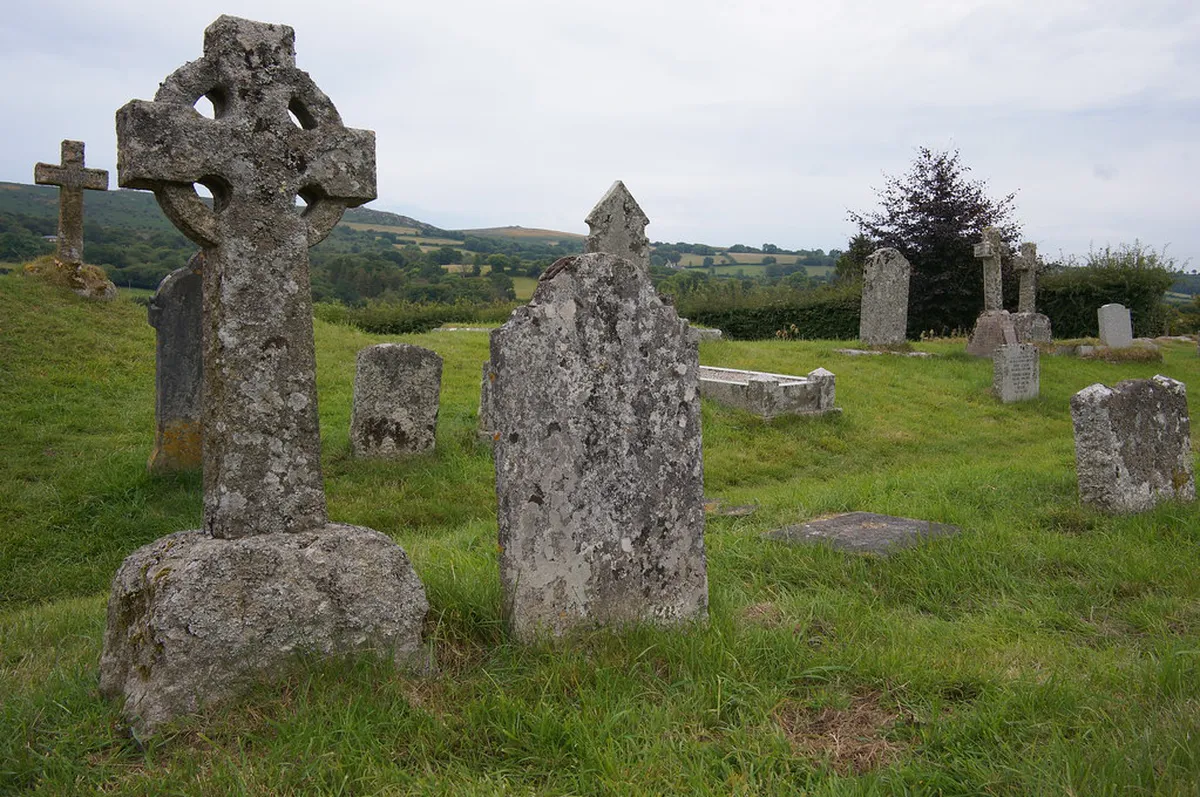
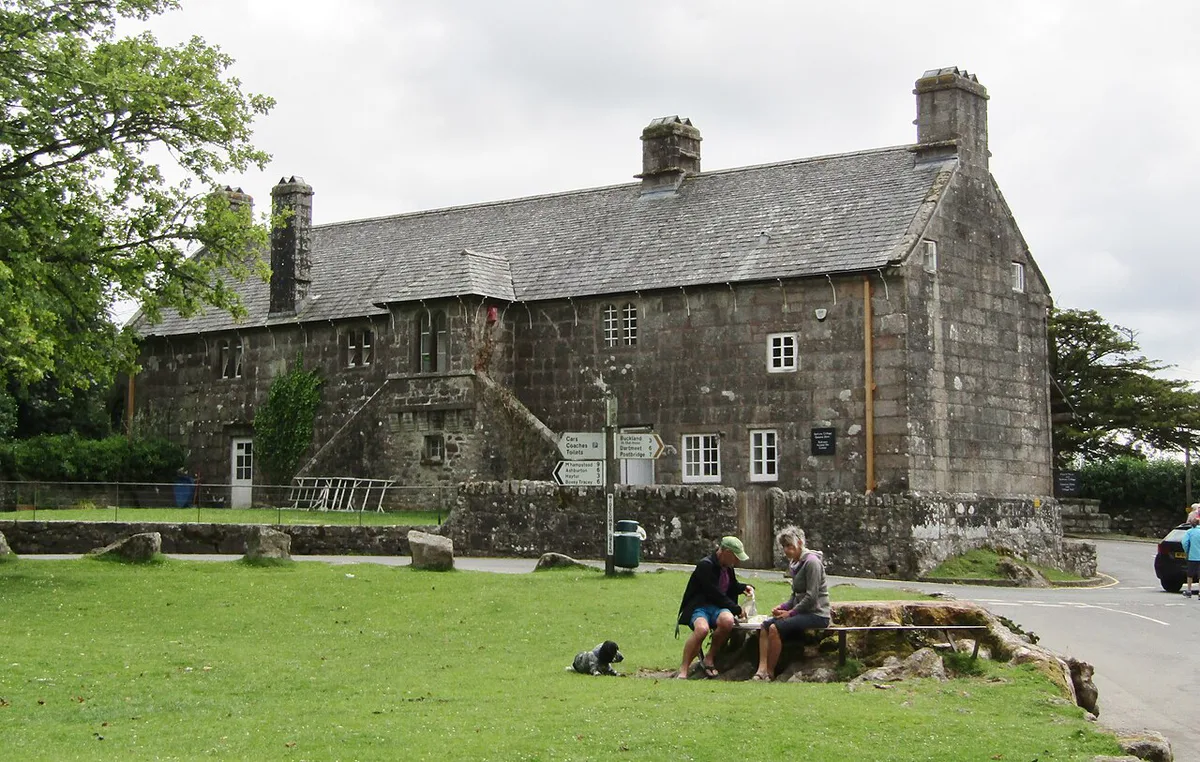
Start at the church of St Pancras, known as the Cathedral of the Moors for its 120-foot tower and its size next to such a small village. Builders used local granite in the 14th century in the Perpendicular style, then enlarged it over the following two centuries partly on tin-mining money. Inside, look up at the decorated roof bosses. Novelist Beatrice Chase lies in the churchyard. Church House stands next to the church and dates from 1537. Its western end, Sexton's Cottage, is a National Trust shop and Dartmoor National Park information point. Visit Dartmoor lists Sexton's Cottage Gallery & Gifts among local things to do. A 15-inch naval shell stands outside, donated after the First World War to thank villagers for supplying sphagnum moss to troops. Pub and cafe listings can date, so check what is open on the day.
When you visit St Pancras, picture the 300 people who sheltered inside during the 1638 storm.

- St Pancras church: 14th-century granite landmark with a 120-foot tower.
- Church House and Sexton's Cottage: 1537 building with a National Trust shop and park information point.
- Old Inn: one of the two village pubs.
- Rugglestone Inn: the second pub, listed alongside the Old Inn.
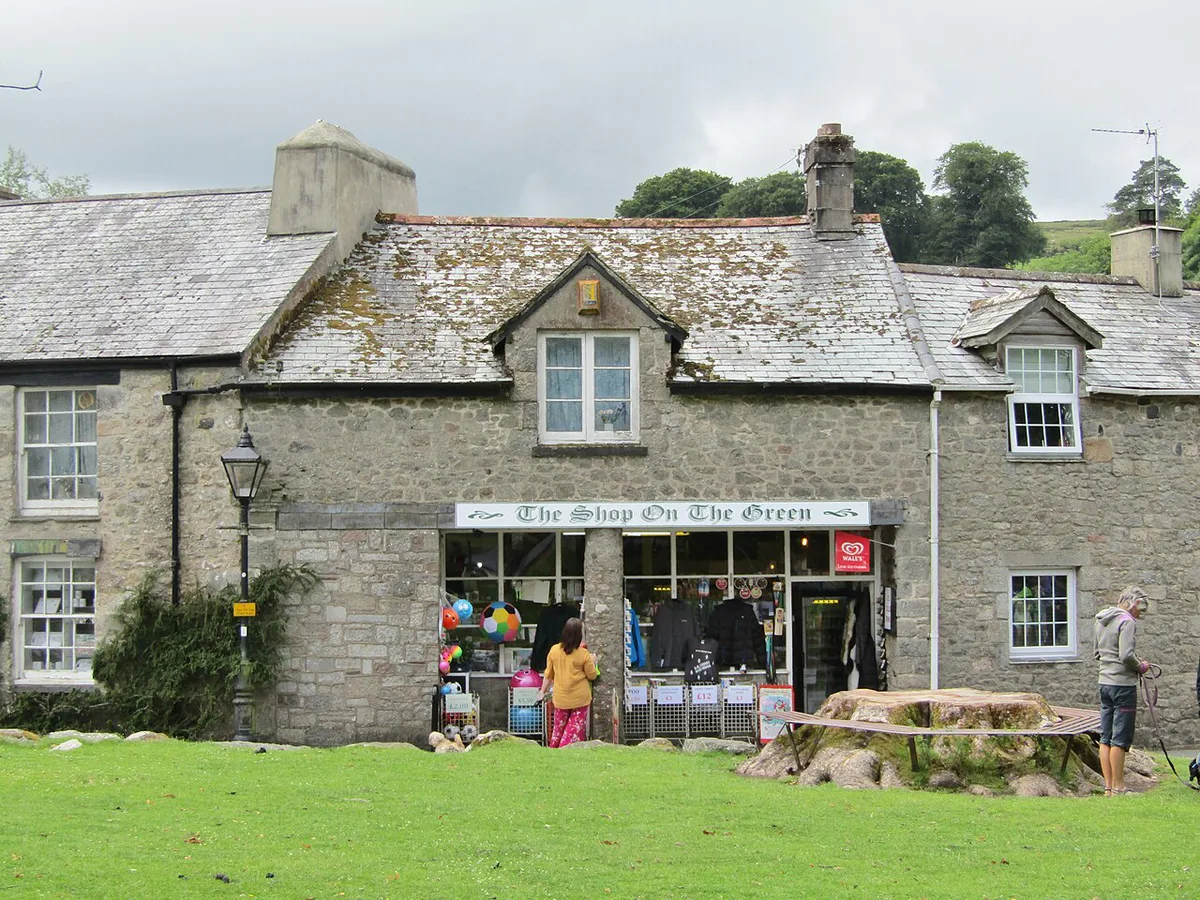
- Gift shops: several in a small area, many selling Widecombe Fair souvenirs and Toby jugs.
Widecombe Fair and Uncle Tom Cobley
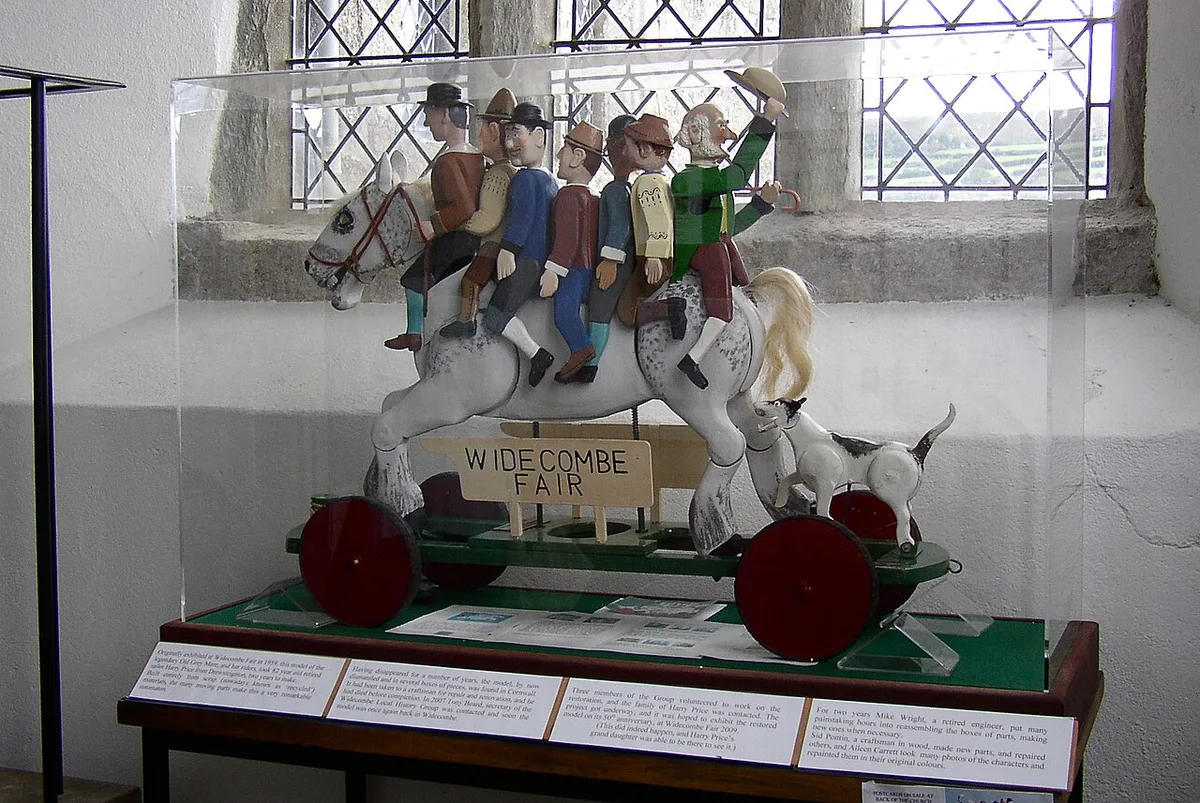
Widecombe Fair is an annual event and also the title of a folk song. Its words, which feature "Old Uncle Tom Cobley and All", were first published in 1880. Characters from the song appear on many souvenirs in the village shops. Traditional Toby jugs are another popular buy. Fair day draws crowds into narrow lanes, so arrive early or pick another day if you want a quiet village. Look up the current fair date on the official Widecombe-in-the-Moor website, because dates change.
History and legend: the 1638 storm and the Coffin Stone
Documented history and legend overlap here, so keep them apart. In 1638, the Great Thunderstorm badly damaged St Pancras, apparently through ball lightning during an afternoon service. About 300 people sheltered inside, four were killed and around 60 were injured. Local legend blames a visit from the Devil. North Hall Manor stood just north of the church, and the family of Ralph are believed to have held it from about 1216. On Dartmeet Hill, the Coffin Stone marks a rest point for bearers carrying coffins to church. Legend says a thunderbolt split the stone after a wicked man's body was laid on it.
| Story | Status |
|---|---|
| 1638 Great Thunderstorm damages St Pancras | Recorded history |
| Tin-mining money helps enlarge the church | Recorded history |
| The Devil visits during the storm | Local legend |
| Thunderbolt splits the Coffin Stone | Local legend |
How to plan your time in Widecombe
These times are planning estimates, not measured figures. One hour covers the church, the village green and a browse of the shops. Three hours lets you add Church House, a pub lunch and a short walk. Walkers can use a full day to start from the village and loop out to tors and valleys. Start with the church while it is quiet, then walk the lanes between the green, Church House and the pubs. Save longer walks for a day with a clear forecast.
| Plan | Time | What fits | Trade-off |
|---|---|---|---|
| Short stop | About 1 hour | Church, green, shops | Little time for food or walking |
| Half-day | About 3 hours | Church, Church House, pub lunch, short walk | Parking and queues on busy days |
| Full day | Most of a day | Village plus a moorland walk or nearby add-on | Needs weather and navigation prep |
Getting there, parking and getting around
Most visitors arrive by car along narrow Dartmoor lanes. Expect slow going in summer and on fair day. Search for roughly 50.576 N, 3.812 W on an interactive map of Dartmoor to place the village before you set off. Public transport needs checking with Traveline South West or the bus operator, because routes and days change. Parking fees and rules vary by car park, so read the signs and current charges on arrival. Once parked, the village centre is compact enough to cover on foot. Moorland ponies often stand by the road, so slow down and give them space. Do not feed them, and see the Dartmoor Pony Heritage Trust for current guidance. For more on spotting them safely, read about moorland ponies by the road.
Costs and opening hours
Walking around Widecombe costs nothing. Costs come from parking, meals and shop purchases, so current charges sit with each operator.
| Item | Cost level | Note |
|---|---|---|
| Village walk | Free | Lanes and green are open to walk |
| St Pancras church | Free to look; donation optional | Check the church notice for visiting times |
| Parking | Low to moderate | Varies by car park |
| Pub or cafe meal | Moderate | Old Inn, Rugglestone Inn, village cafe |
| Gift or National Trust shop | Optional | Sexton's Cottage and village shops |
Best time to visit and weather
Dartmoor weather can change quickly, so read how Dartmoor weather shifts before you plan walks. Winter suits short village stops, and a February visit can be very cold. Summer and fair day bring the heaviest traffic. Check the Met Office forecast before you leave. Mobile signal can be patchy on the moor, so download your route and carry a paper map. Moorland navigation needs care once you leave the lanes, especially in mist.
- Mistake: arriving on fair day without a parking plan.
- Mistake: heading onto the moor without a forecast or navigation backup.
- Mistake: feeding ponies by the roadside.
- Mistake: expecting a full range of services in the village.
Walks and sights near Widecombe
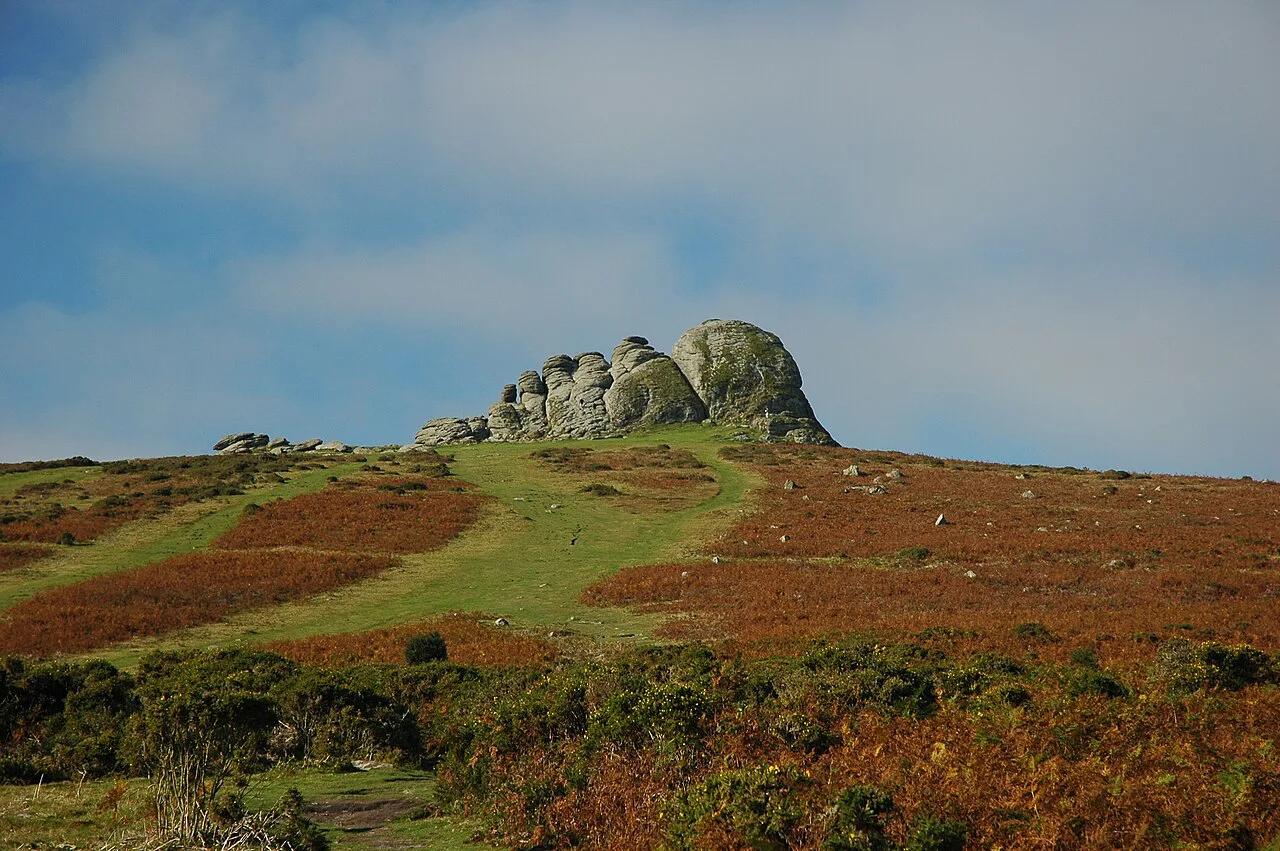
Short walks and drives extend a visit without adding crowds. Hutholes, a deserted medieval village, and the abandoned farmstead Dinna Clerks (Dinah Clark's) both lie nearby. Dartmeet Hill holds the Coffin Stone, close to the road. Rippon Tor Rifle Range lies within five miles of the village, so check range warnings before walking that way. For high ground, browse our notes on nearby tors. Drivers can add Postbridge's clapper bridge as an easy stop. A longer drive leads to Princetown. Pair it with the prison story for a contrast with this quiet village.
Where to stay and eat
Staying in the village keeps you close to early and late walks, while a nearby town widens food and shop choices. Ashburton and Moretonhampstead appear in Dartmoor visitor listings with guest houses and inns. Compare current options in places to stay on Dartmoor. For food, the Old Inn and Rugglestone Inn are the two pubs, and the village has one cafe. Book early if you plan to stay around fair day.
Frequently Asked Questions
Why is it called Widecombe in the Moor?
The name is thought to derive from Withy-combe, meaning Willow Valley. "In the Moor" places the village on Dartmoor.
Is there a village called Widdecombe?
The village is spelled Widecombe, with one d, though many people type Widdecombe. Search for Widecombe-in-the-Moor to find the village, parish and its fair.
What to do in Widecombe in the Moor?
Visit St Pancras church, Church House with Sexton's Cottage, and the village pubs. Add Hutholes or Dartmeet Hill if you want a short walk.
Notes for your next park visit
Optional updates to our national park guides.
Read next

Keep planning
Picked from the same area