
Connemara Ponies: Where to See Them and What to Know
Learn what makes Connemara ponies special and how to see them: where to look, rides and shows, etiquette, and how to plan from Galway.
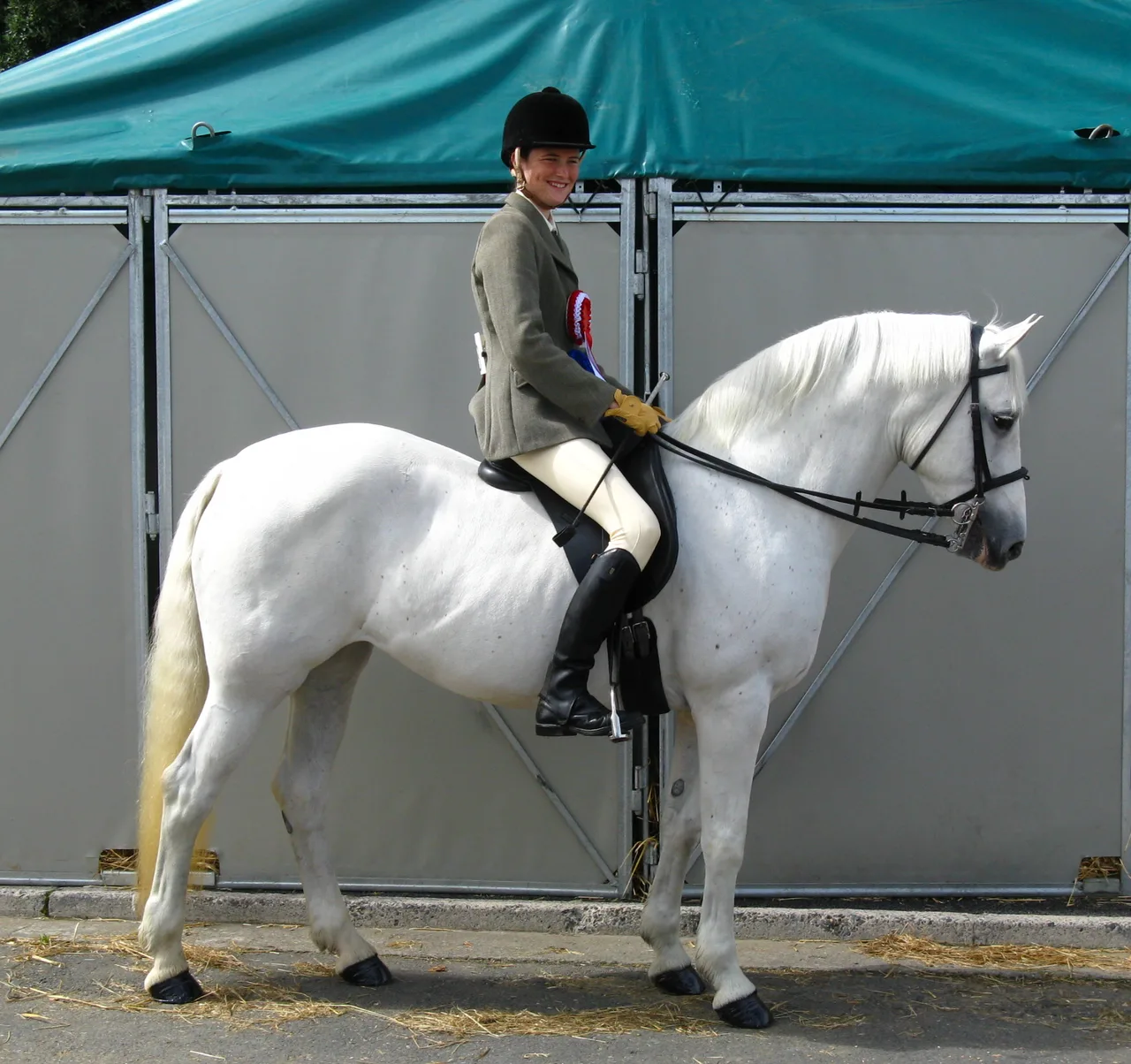
Last updated November 2026: Connemara ponies are a native Irish breed from the north-west of the country, and we'd treat a sighting as a bonus rather than a promise. Many ponies graze on private farmland, so seeing one takes a little planning. This guide covers where to look, what to book, and how to behave around them.
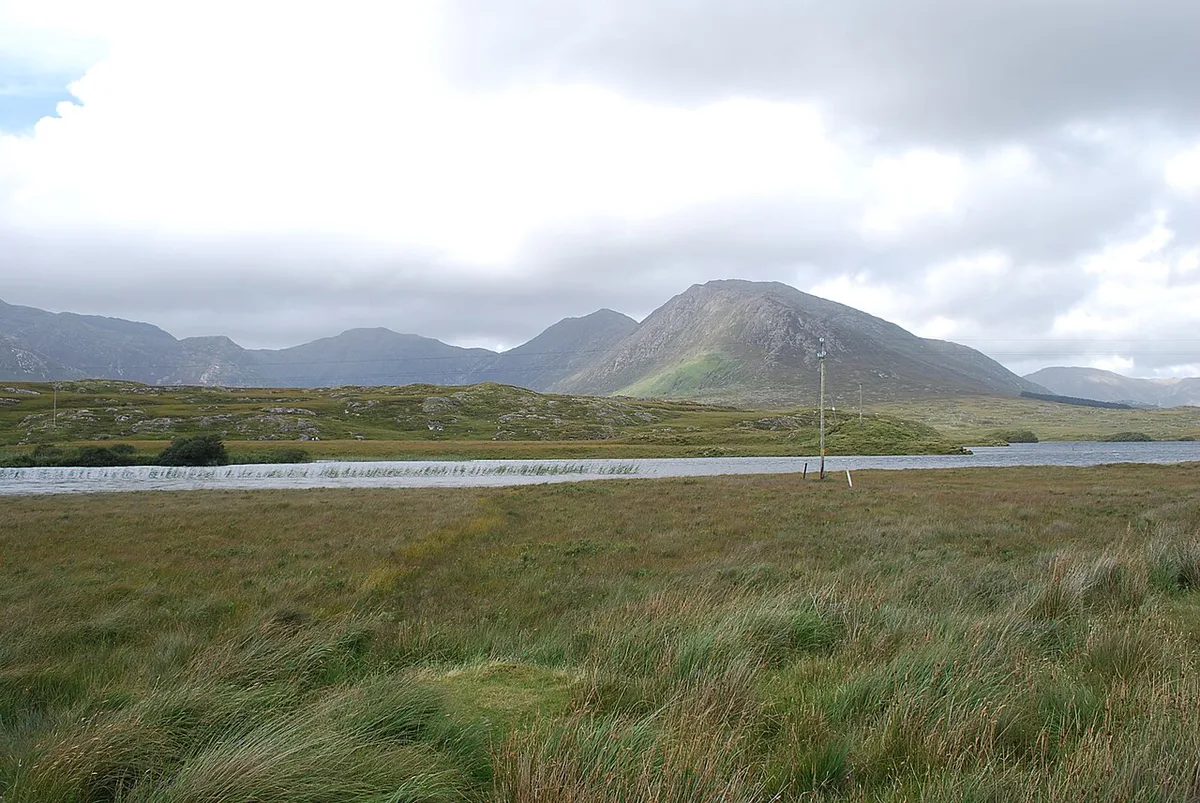
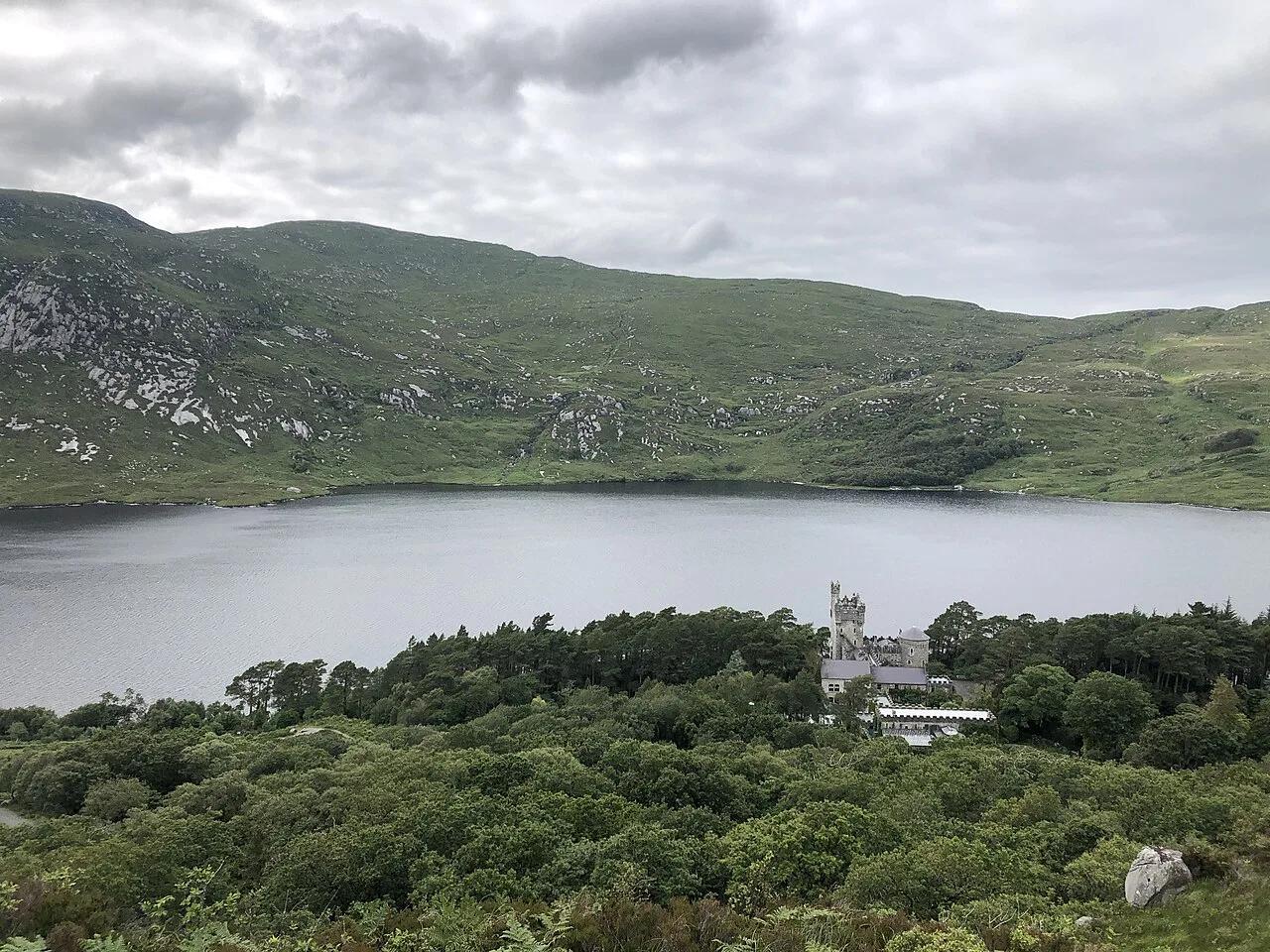
Featured image: Culnacreann, CC BY-SA 3.0, via Wikimedia Commons.
What Are Connemara Ponies?
Connemara ponies are a hardy native breed from Connemara, in the north-west of Ireland. They are classed as ponies but are often described as small horses. Many live outdoors and manage on sparse grass, rushes and bog plants, which suits the open, wet landscape here. Today they are also known as riding and show ponies. The Connemara Pony Breeders' Society keeps the stud book and is the best place to check breed facts. This is a guide to seeing the breed, not a buying guide.
How to Recognise a Connemara Pony in the Field
Not every pony beside a Connemara road is a registered Connemara, and a quick look at build and colour helps you tell. The breed society's standard describes a pony of roughly 128 to 148 cm (about 12.2 to 14.2 hands), though individuals vary.
- Build: a compact, deep-bodied pony with strong legs and good bone, built for rough ground.
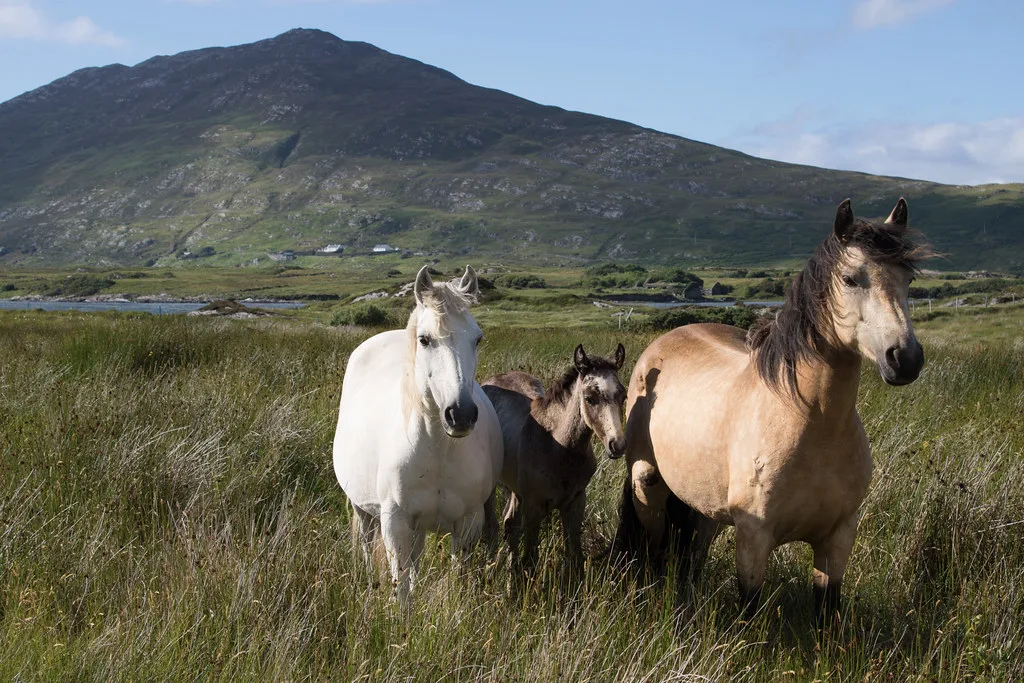
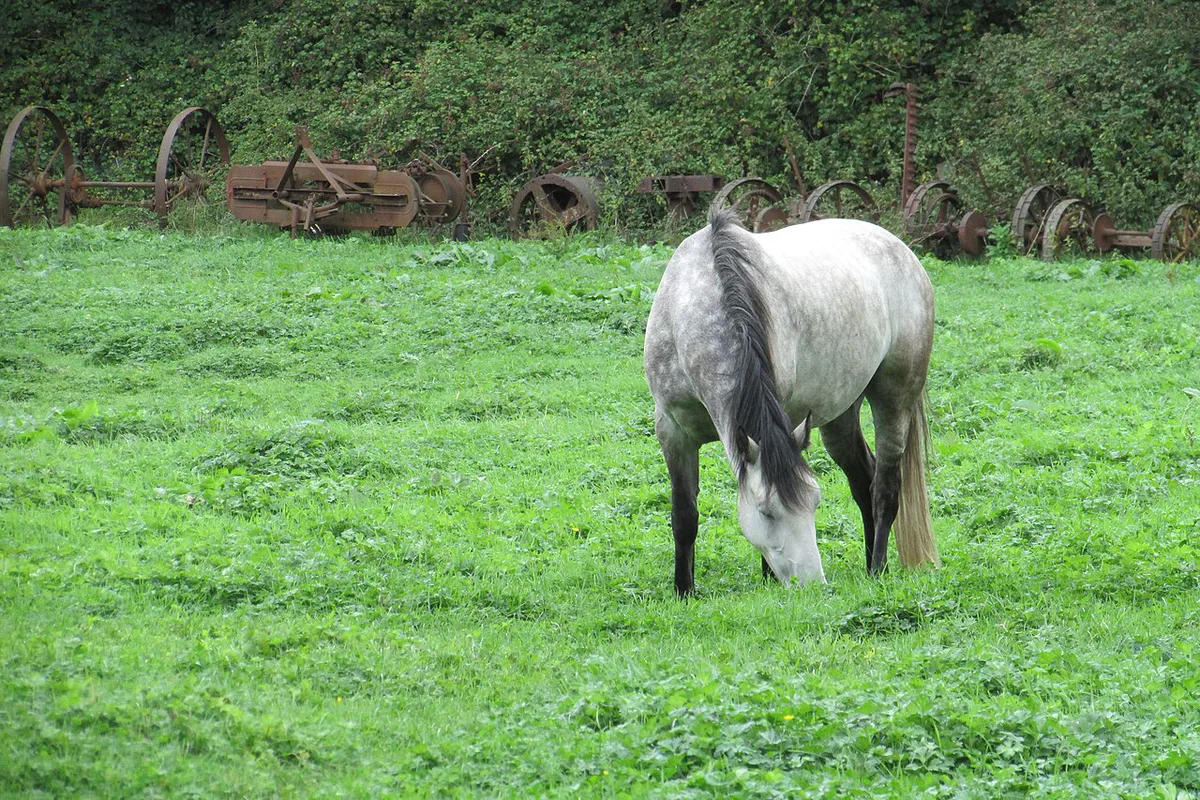
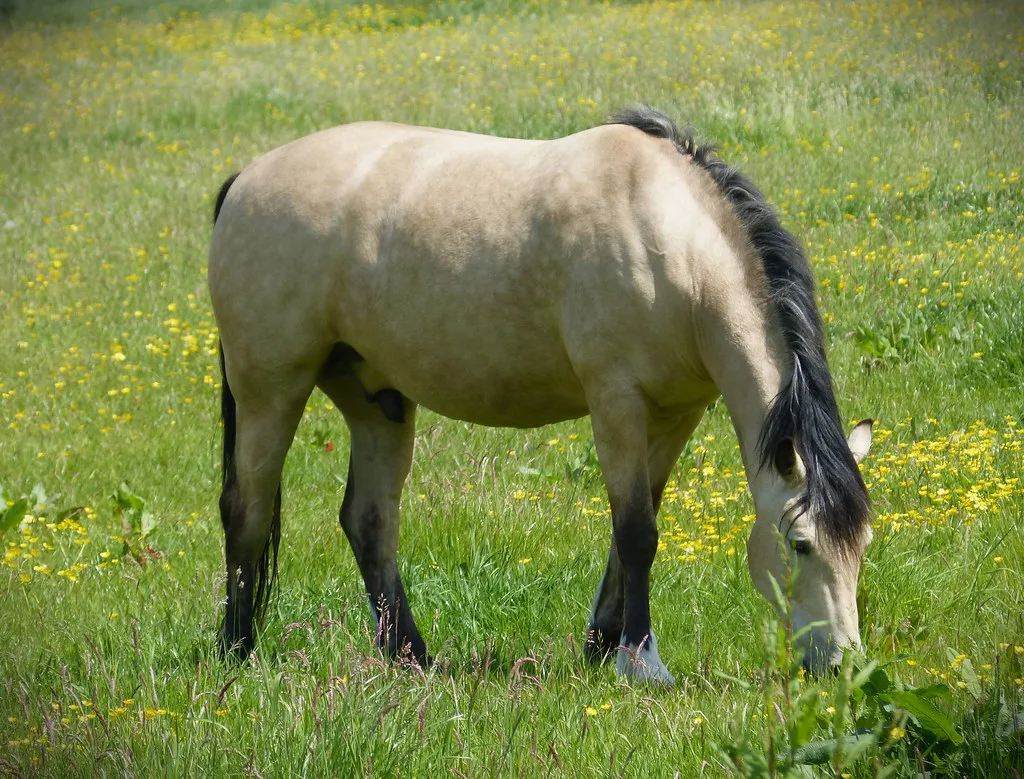
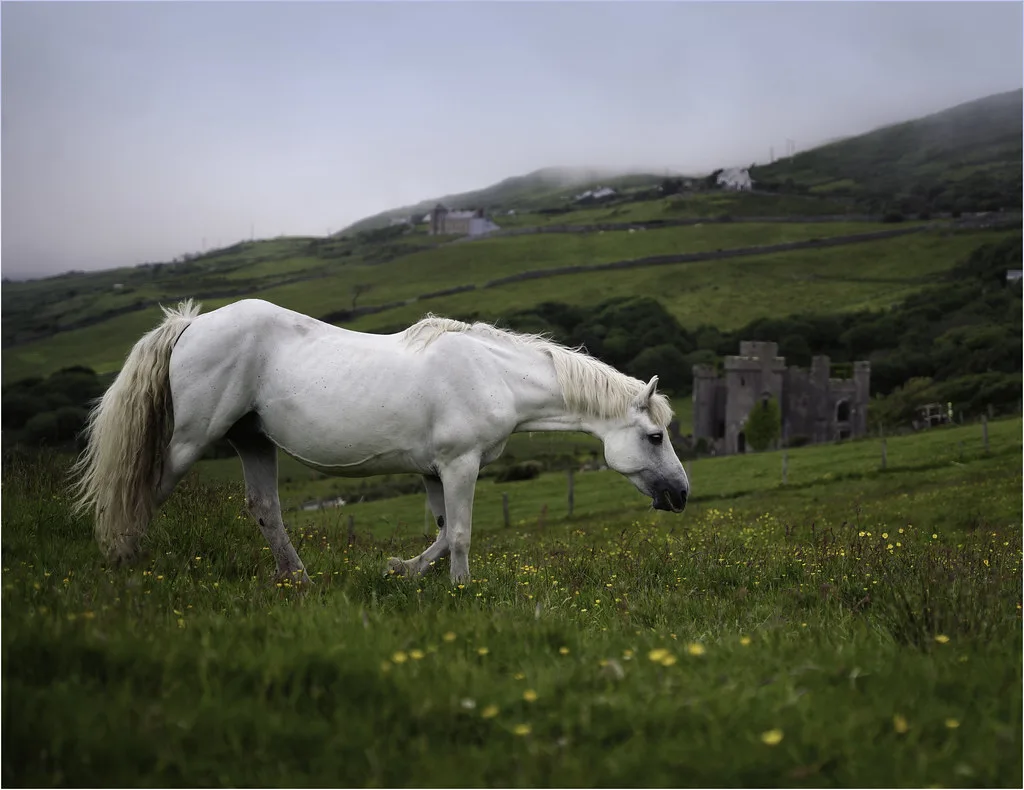
- Colour: grey is the most common coat. Dun, bay, black and brown also appear, and chestnut and palomino are seen less often.
- Head and movement: a well-set head with a kind eye, and a sure-footed walk over uneven ground.
- Other ponies: farmers also keep crossbreds and other small horses, so a pony in a field is not proof of the breed.
If a sighting matters to you, ask the owner or the host of a farm visit. Registered ponies carry papers with the breed society, and an owner will usually be glad to explain what you are looking at.
Where to See Connemara Ponies
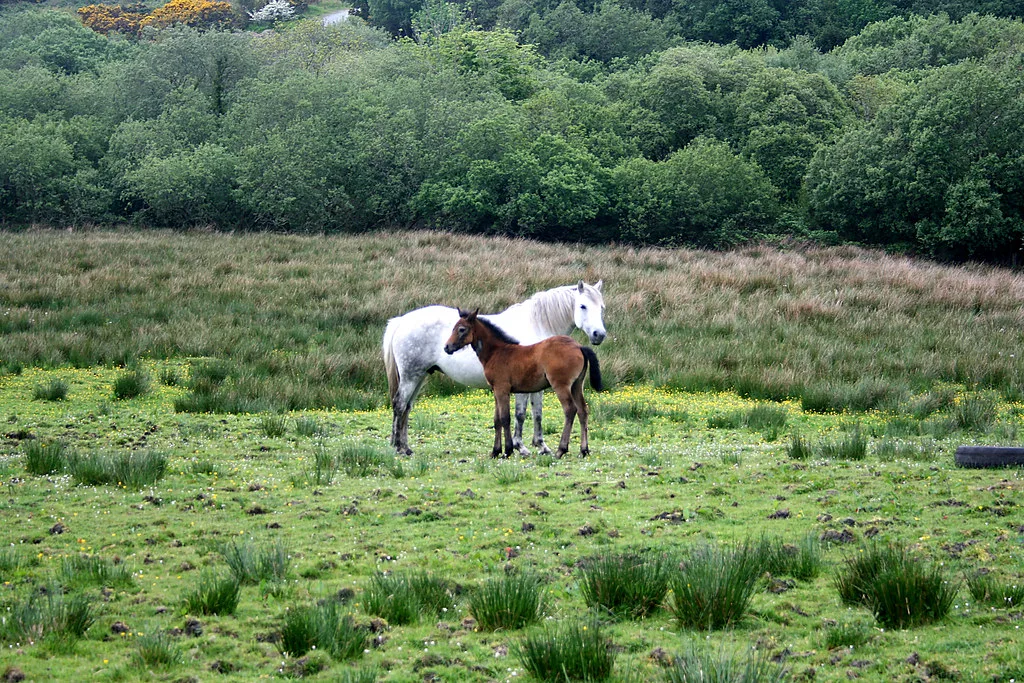
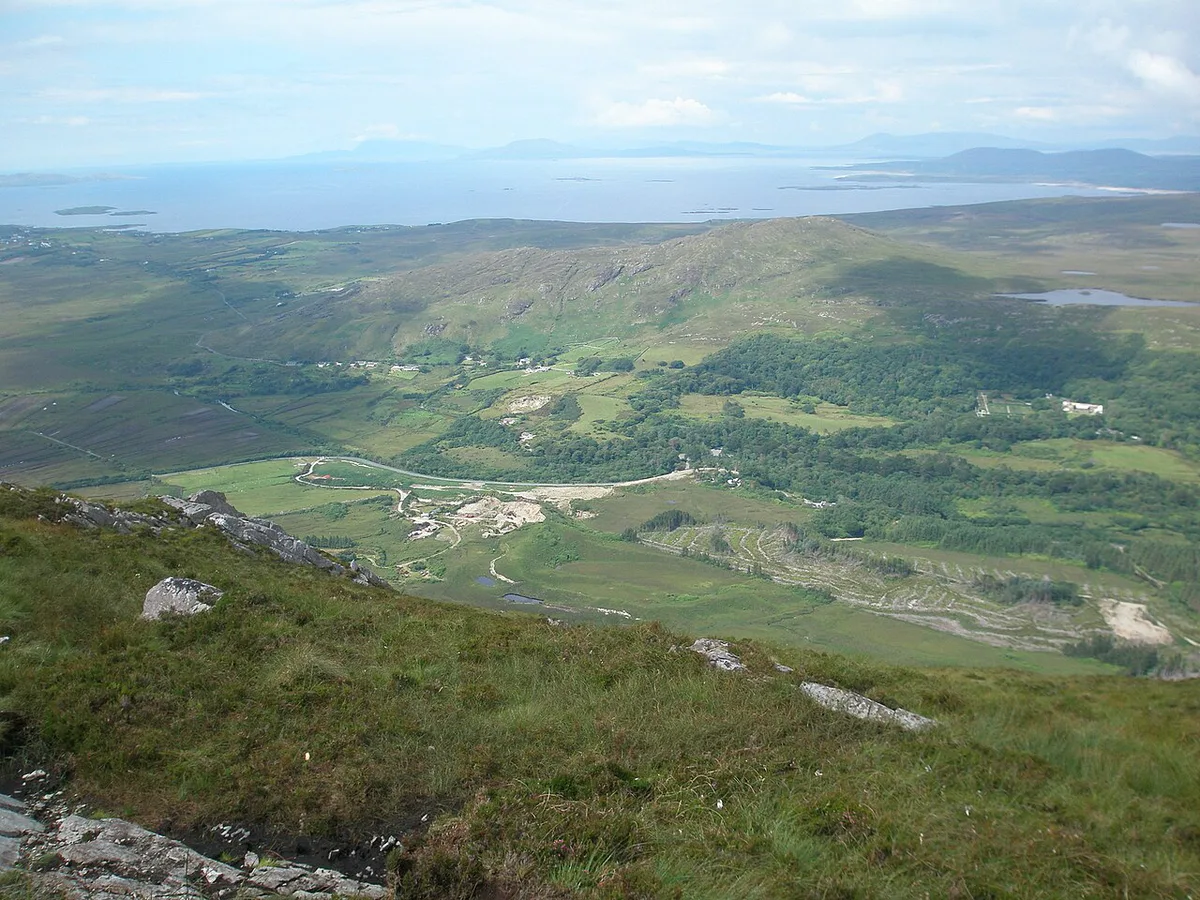
Most sightings happen on roadsides and fields across Connemara, where ponies graze behind walls and fences. Those animals belong to local owners. They are not wild, and nobody can guarantee you'll find one on a given day. We'd plan a drive through the region and enjoy any ponies as a bonus. Whether ponies graze inside 8 Best Things to Do in Connemara National Park itself is a question for the National Parks and Wildlife Service before you promise anyone a sighting. Wide views toward the Twelve Bens mountains make good scenery for a slow drive, though we would not assume ponies on any trail.
Connemara Ponies vs Dartmoor Ponies: Key Differences
Travellers often plan a pony trip in Ireland after seeing photos of free-roaming herds on Dartmoor in England. The two experiences differ, and it helps to know what to expect before you set off.
| Point | Connemara ponies | Dartmoor ponies |
|---|---|---|
| Country | Ireland, north-west (Connemara, Co. Galway) | England, Devon (Dartmoor) |
| Size | Roughly 128 to 148 cm, often described as small horses | Smaller, with a lower height limit in the breed standard |
| Typical coat | Grey is most common; dun, bay, black and brown also appear | Mostly bay, black and brown |
| Where you see them | Fields and roadsides on private farmland | Open moorland, where herds graze in the open |
| Chance of a sighting | Unpredictable; best treated as a bonus | Much easier to find while driving or walking on the moor |
The practical difference is access. On Dartmoor, ponies are a regular sight along moorland roads. In Connemara they usually stand behind walls and fences, so a sighting depends on luck, the time of year and which roads you take. If ponies are the main reason for your trip, book a trekking ride, a farm visit or the Connemara Pony Show rather than relying on the roadside.
If you are weighing up both destinations, our guide to Dartmoor ponies covers where to look on the moor and how to behave around the herds there. The advice on feeding, gates and keeping dogs on a lead applies in both places.
Combining a Pony Search With a Walk or Park Visit
Ponies are easiest to enjoy when they are a bonus on a day that already has a purpose. A walk gives you that purpose and slows you down enough to scan the fields on either side of the road.
- Park day: check opening times, facilities and trail information at the Connemara National Park visitor centre before you set off.
- Hill walk: Diamond Hill is the classic Connemara climb. Treat any pony you see on the way as luck rather than part of the plan.
- Driving between stops: go slowly on the minor roads, keep an eye on the verges and use proper lay-bys if you want to look.
Allow extra time for stopping. A walk of a few hours plus the drive can fill most of a day, so a ride or farm visit is better booked for a separate morning or afternoon.
Rides, Stud Visits and the Connemara Pony Show
Roadside viewing is free but unpredictable. Organised options give you a reliable close encounter, but they cost more and need advance booking. Look at pony-trekking centres, stud or farm visits, and the annual Connemara Pony Show. The society's site carries the show's current date and location, which we won't guess at. Ask any operator for current prices and hours directly.
| Option | Cost level | Time | Booking | Season | Best for |
|---|---|---|---|---|---|
| Roadside and field viewing | Free | Short stops while driving | None | Year-round, weather permitting | Flexible travellers |
| Trekking ride | Paid | Part of a day | Usually needed | Check with the centre | Riders who want contact |
| Stud or farm visit | Varies | Short to half day | Ask first | Check with the host | Breed enthusiasts |
| Connemara Pony Show | Check official site | Full day | Check official site | Annual event | Seeing many ponies at once |
Best Time to See Connemara Ponies
Foals are the main seasonal draw, and spring and early summer are the usual time to look for them. Show season brings the largest number of ponies in one place, so check the society's calendar. Weather matters more than the month, since Connemara rain and low cloud can hide the scenery. Daylight shortens in winter, so we'd keep a drive to daytime hours.
How to Meet Ponies Responsibly
Ponies on open land belong to local owners, so treat every field as someone's property. A few habits keep people and animals safe.
- Do not feed ponies, even if they come to the fence.
- Stay on the road side of walls and fences, and close any gate you open.
- Pull into a proper lay-by rather than stopping on a narrow road.
- Keep dogs on a lead and away from grazing animals.
- Never assume a sighting is guaranteed, and never enter a private field for a photo.
Planning Your Day From Galway or Letterfrack
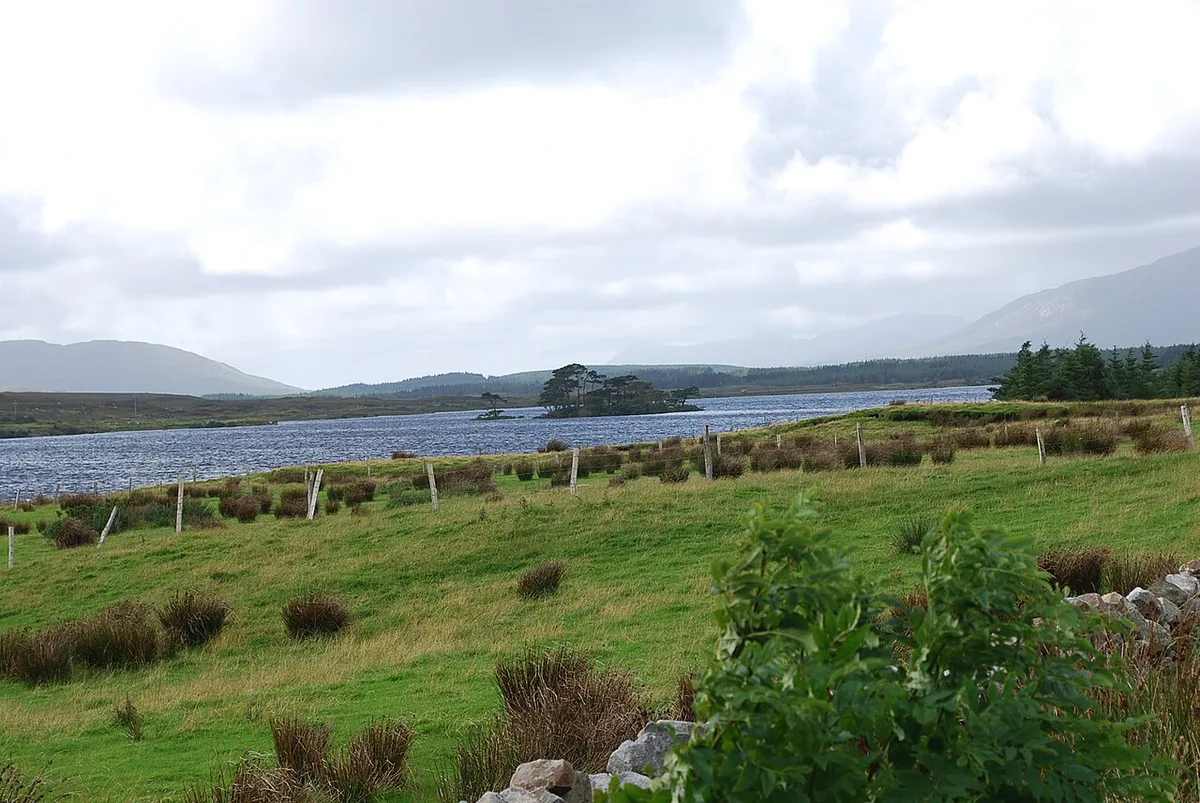
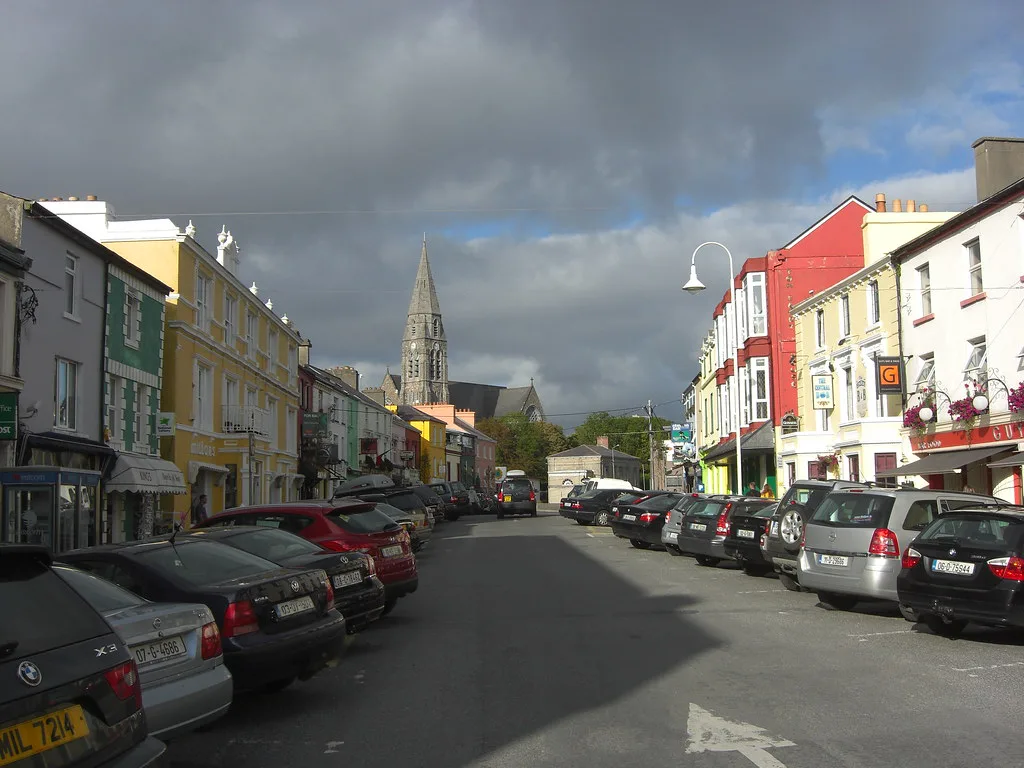
We'd fold ponies into a wider day rather than make a dedicated trip. Our pick is a drive on the route from Galway to Connemara, with a stop at Letterfrack and the park. If you prefer not to drive, compare the guided tours, and ask whether a pony stop is included.
- Self-drive: most flexible for roadside stops, but you must find safe places to pull over.
- Guided tour: less stress, though pony sightings are not part of every itinerary.
- Pony stop within a park or Letterfrack day: efficient, with the least extra effort.
- Dedicated pony trip: worth it only if you book a ride, a farm visit or the show.
History and Folklore, Briefly
The breeders' society was established in 1923 and controls the stud book. Irish breeders improved the breed over time with outside bloodlines, including Arab, thoroughbred and Irish Draught. A folk story says Spanish horses from the Armada shaped the breed. It is unproven, so we'd treat it as legend rather than fact. For anything more precise, go to the breed society.
Show dates and breed facts both sit with the society founded in 1923, so ask there before planning around the Connemara Pony Show.
Notes for your next park visit
Optional updates to our national park guides.
Read next

Keep planning
Picked from the same area