Dartmoor Weather: Seasons, Safety & What to Pack
What is Dartmoor weather really like? Season-by-season guidance, fog and safety tips, what to pack and the best time to visit.
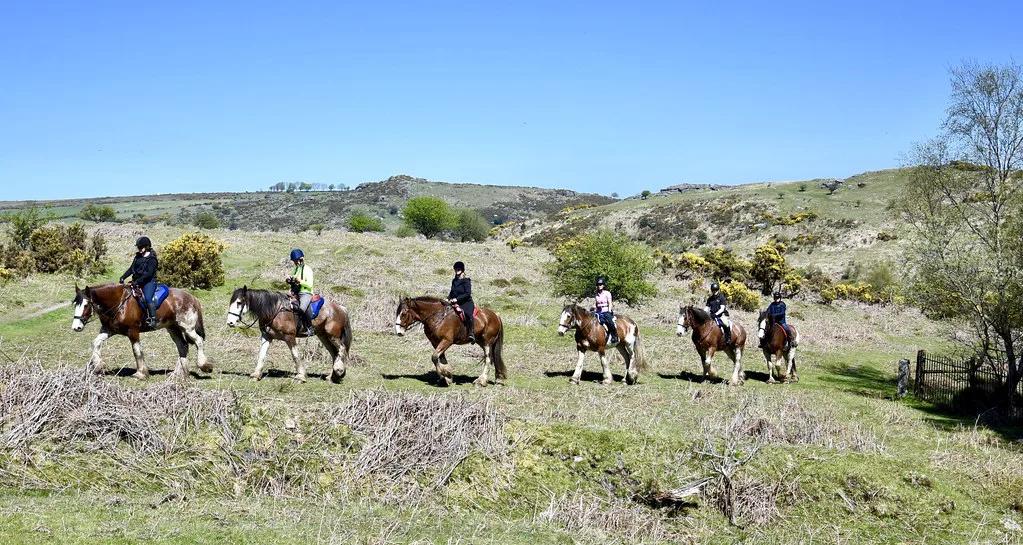
Last updated November 2026. Dartmoor weather is cooler, wetter, windier and more changeable than the Devon lowlands around it. Conditions can shift between a sheltered valley and an open tor within minutes. This guide covers each season, the fog and wind risks, and what to pack for the moor inside 10 Best Things to Do in Dartmoor National Park.
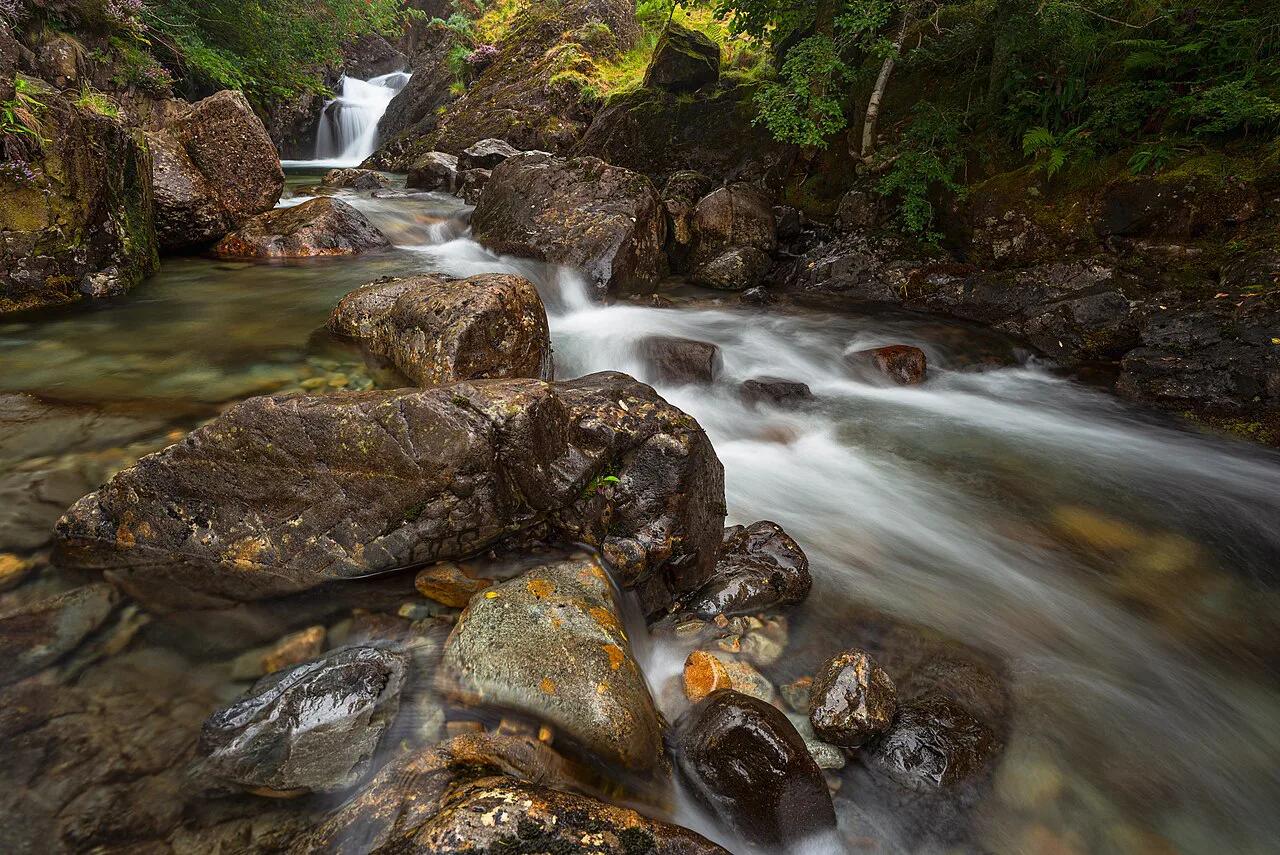
Featured image: Dave_S., CC BY 2.0, via Flickr.
Dartmoor Weather at a Glance
Expect four weather types on any visit: soft rain, low cloud, bright wind-scoured days and, in winter, frost or snow. Few days stay the same from morning to evening. Planning for change matters more than planning for a single forecast. As a rough guide, winter days on the open moor often hover near 5°C (41°F), while a good summer afternoon may reach about 18°C (64°F). Overnight lows in winter can reach 0°C (32°F) or below. Treat these as planning ranges and read the Met Office climate averages for exact figures.
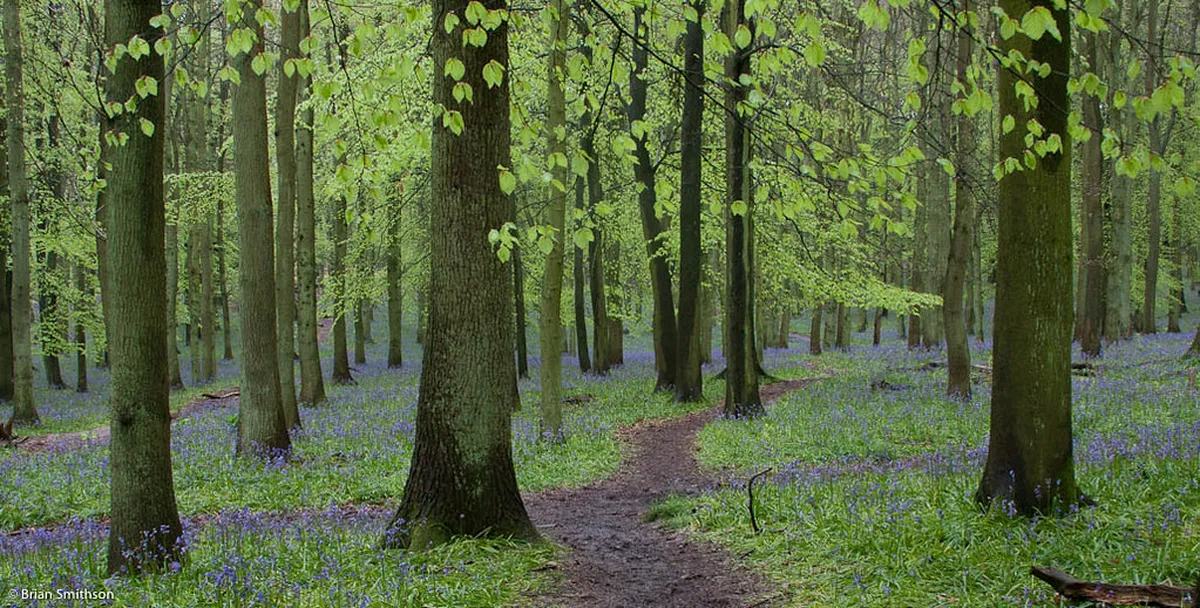
- The high moor is colder, wetter and windier than coastal and valley Devon.
- Fog can arrive quickly and removes landmarks on open ground.
- Summer is the easiest season, but waterproofs still belong in the bag.
- Winter daylight is short, so start early and carry a torch.
- Check the forecast for the moor itself, not a nearby town.
Why Dartmoor Weather Differs From the Rest of Devon
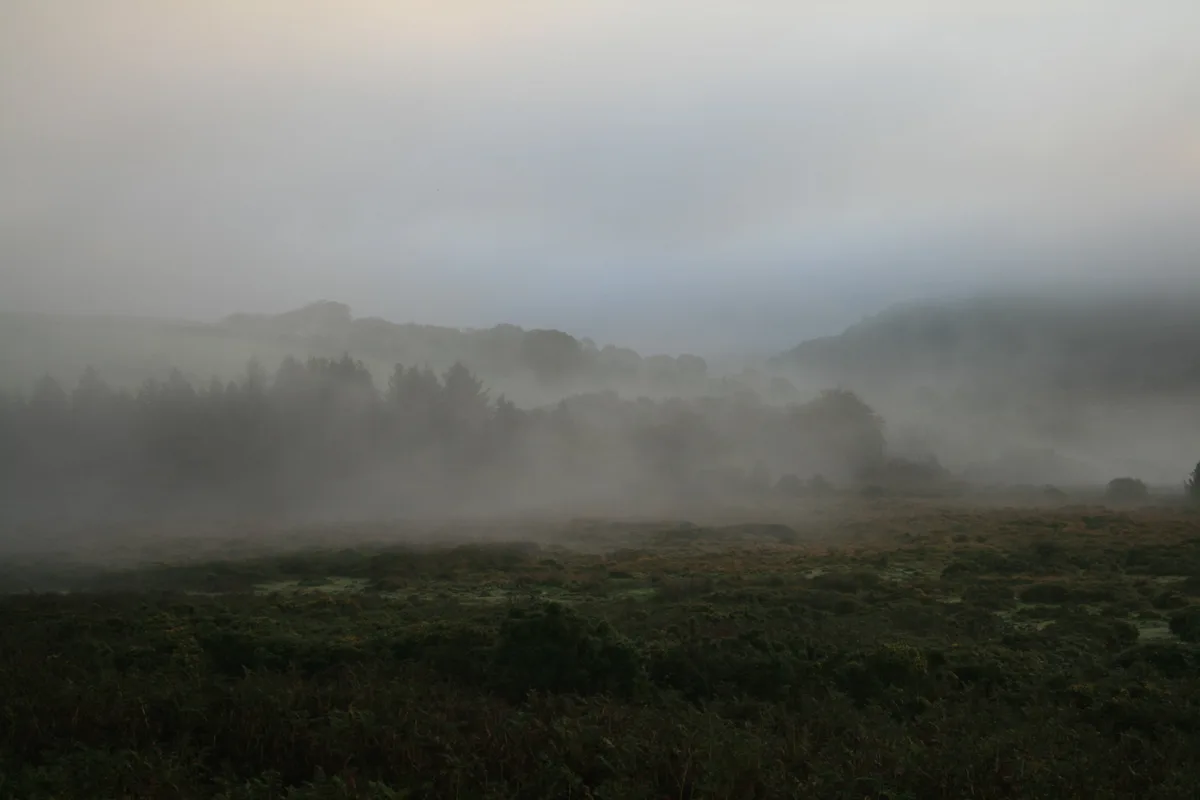
Dartmoor is a high plateau, and height changes the weather. Air forced up over the moor cools, so cloud forms and rain falls more often than in the lowlands. Temperatures usually drop as you climb. Wind has little to slow it on open ground, so an exposed ridge feels colder than the thermometer says.
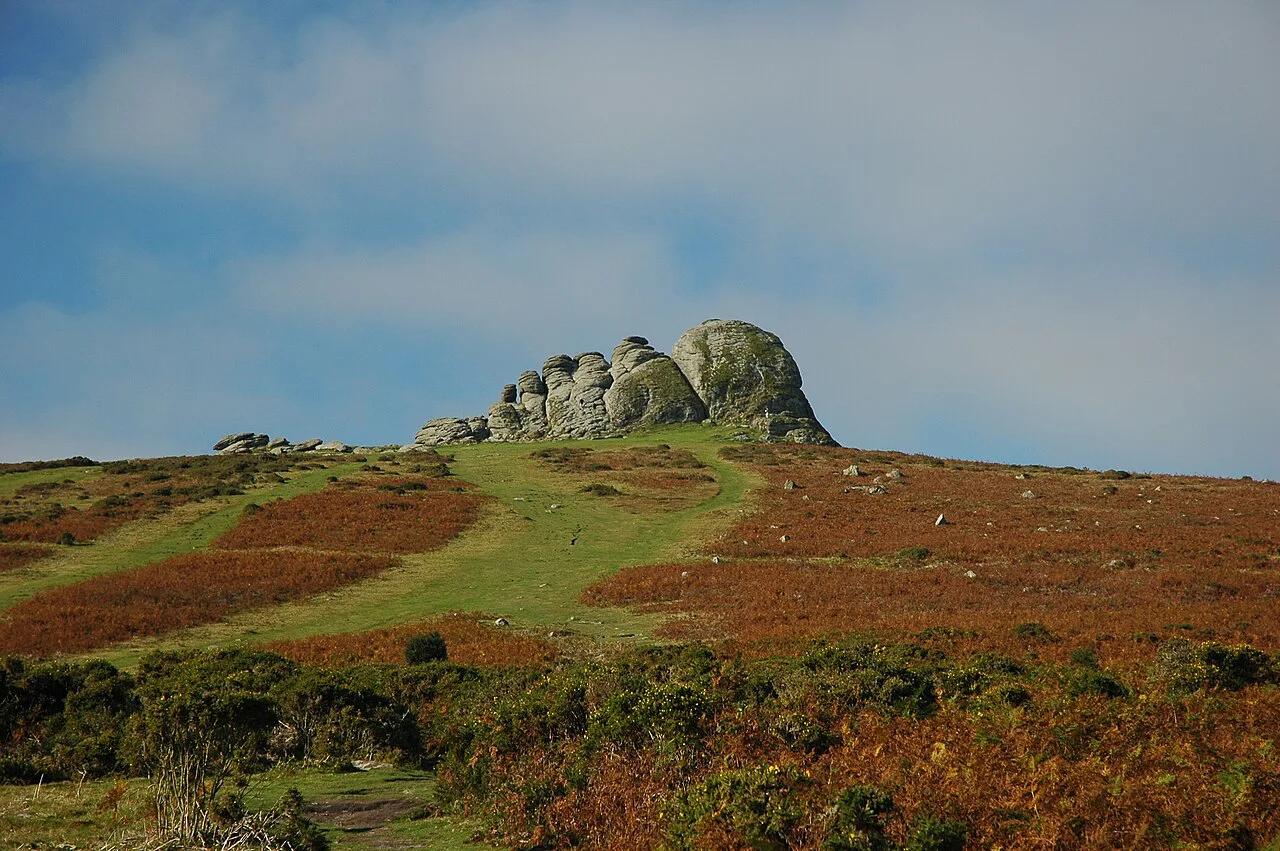
A granite tor is often the most exposed spot in a walk. A stone outcrop offers a little shelter from the wind on the lee side, but it also draws mist and cloud. Valley woods and river corridors can stay calm and mild while the plateau above sits in cloud.
Settlements show the contrast. Princetown sits on the high moor and often gets rain, mist and wind when lower villages do not. Villages tucked into valleys feel milder. Use the Dartmoor Map: Where Things Are and Which Map to Use to see how far a route climbs before you commit.
Dartmoor Weather by Season

Use this table to match the season to your plans. Figures are qualitative planning guides, and the Met Office publishes official forecasts and climate averages for exact values.
| Season | What to expect | Best fit | Pack | Trade-off |
|---|---|---|---|---|
| Spring (Mar–May) | Mixed: bright spells, showers, cold nights, lengthening days | Tor walks, lambing-season lanes, wildflowers | Waterproofs, warm mid-layer, gloves | Showers arrive fast; ground stays wet |
| Summer (Jun–Aug) | Mildest and longest days, with showers and sea-fog drifting in | Long walks, clapper bridges, swimming spots, families | Light waterproof, sun hat, water | Busiest roads and car parks |
| Autumn (Sep–Nov) | Settled spells then wet, windy days; colour in valley woods | Photography, quieter walks, pony viewing | Waterproof trousers, grippy boots | Shorter days; fog on cool mornings |
| Winter (Dec–Feb) | Cold, wet and dark early; frost, ice and occasional snow | Short walks, village stops, clear frosty days | Insulated layers, torch, hat, gloves | Short daylight, icy roads, hypothermia risk |
Spring on the Moor
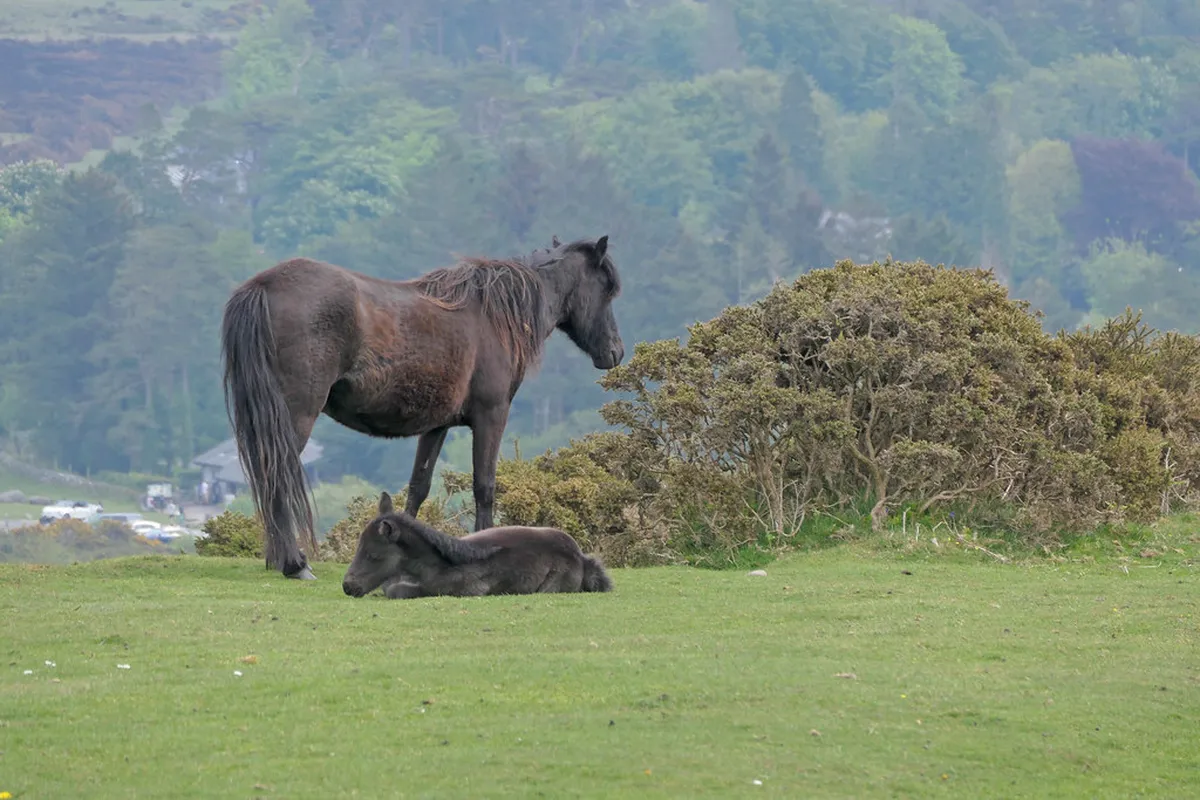
Spring weather swings between sunlit mornings and sharp showers. Nights can still fall to 0°C (32°F), so frost lingers in hollows. Lanes get busier with livestock and young animals. Mud is common on tracks, and streams run high after rain. Pack for all seasons and choose walks with easy exits.
Summer on the Moor
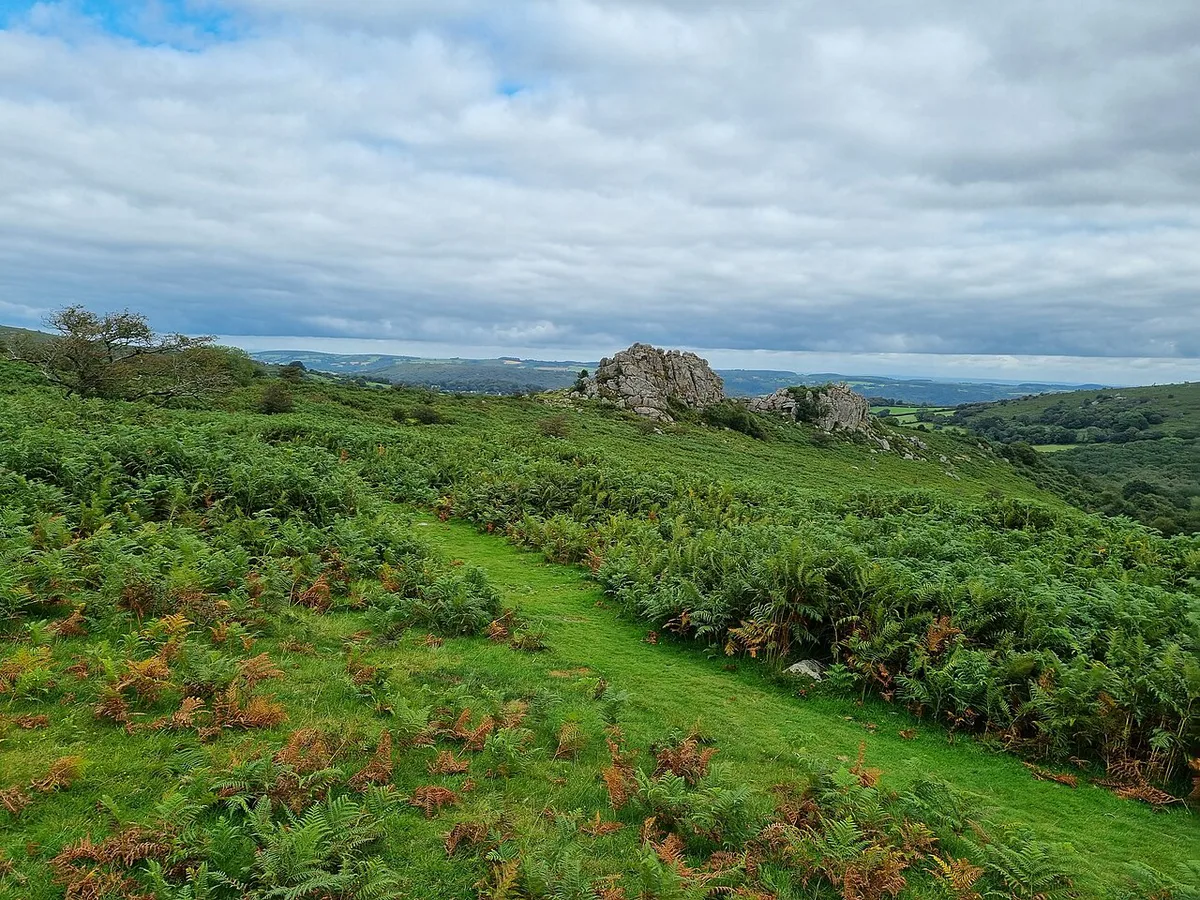
Summer brings the longest daylight and the warmest days, with highs around 18°C (64°F) on a typical afternoon. Cloud can still sit on the tops while the valleys are sunny. Showers and thunderstorms can develop quickly on hot afternoons. Carry water and sun protection, and expect the busiest car parks around midday.
Autumn on the Moor
Autumn can deliver crisp, clear days, and low sun lights up the bracken and valley woods. It also brings the first long wet spells and stronger winds. Fog is more frequent on cool, still mornings. Daylight shrinks quickly through October and November, so plan to be off the tops well before dusk.
Winter on the Moor
Winter is the hardest season to plan. Daytime temperatures often sit near 5°C (41°F), and wind makes it feel colder. Frost, ice and occasional snow can close minor roads and make tracks slippery. Snow tends to settle first on the high plateau and may be absent in lowland Devon. Clear, frosty days are rewarding, but you need an early start and a firm turn-back time.
Best Time to Visit Dartmoor
Late spring and early autumn suit most people because they balance daylight, mild temperatures and quieter lanes. Summer suits families who want long days. Winter suits visitors who accept short daylight in exchange for empty paths.
- Walkers: May to September for daylight, with September for fewer crowds.
- Photographers: autumn and clear winter mornings for light, frost and mist.
- Families: summer for long days and easy stops at villages and clapper bridges.
- First-timers: late spring or early autumn, with a plan B for rain.
- Wet-weather tolerance: any season works if you carry the right kit and keep routes short.
Fog, Rain, Snow and Wind: Staying Safe on the Moor
Fog is the biggest navigation risk. Landmarks vanish, tracks look alike and it is easy to drift off a path. Carry a paper map and compass, and know how to use them, because phone signal and batteries are unreliable on the high moor. The Dartmoor map guide helps you pick routes with clear handrails such as walls and rivers.
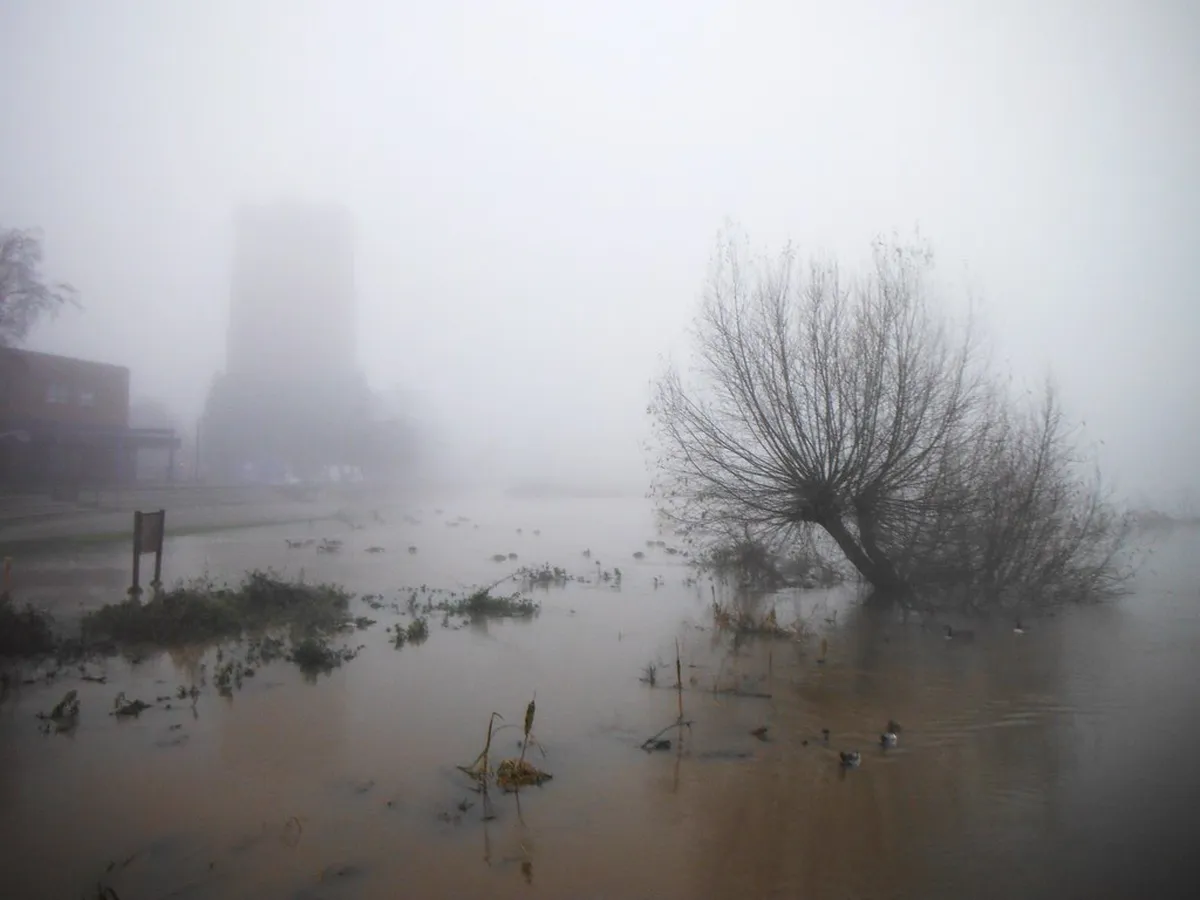
Set a turn-back rule before you start. If visibility drops below the next landmark, retrace your steps rather than pushing on. Do the same if you are cold, wet or running short of daylight.
Wet ground is common and the moor holds water. Boggy patches can swallow a boot, so stay on established tracks when it has rained. Cold plus wind plus wet clothing is the usual route to hypothermia, even in spring and autumn.
Roads need care too. Livestock graze unfenced roads, and Dartmoor Ponies: Where to See Them and How to Act can stand in the road in fog or at dusk. Drive slowly, use dipped headlights and never feed the animals. Check military firing information before walking, because live-firing areas on the moor can affect routes. Look up current range times on official MOD pages, as they change.
| Condition | Go | Adjust | Don't go |
|---|---|---|---|
| Fog | Clear views, familiar path | Stay on tracks, shorten route, navigate with map and compass | Poor visibility and no navigation skills |
| High wind | Light breeze, sheltered valley walk | Skip exposed tors and ridges | Gusts that make standing difficult |
| Snow and ice | Clear roads, grippy footwear | Low-level walks, early start | Icy roads or untrodden snow on the tops |
| Heavy rain | Short riverside or village route | Plan indoor stops, avoid stream crossings | Flooded tracks, swollen rivers |
What to Wear and Pack for Dartmoor
Layer your clothing so you can adjust as conditions change. Cotton holds water and chills you, so choose wool or synthetic fabrics instead. Waterproof boots with good grip matter on wet granite and mud.
- Base layer in wool or synthetic fabric, never cotton.
- Insulating mid-layer such as fleece.
- Waterproof jacket and, from autumn, waterproof trousers.
- Hat and gloves from autumn to spring.
- Torch or head torch in winter, with spare batteries.
- Paper map, compass and a charged phone, plus a power bank.
- Water, snacks and a small first-aid kit.
Weather-Proof Plans: What to Do in Rain or Poor Visibility
Low visibility is the time to leave the tops and choose sheltered options. Valley and village stops keep you off exposed ground and still deliver a good day out. A rainy day can suit a short stroll, a café stop and a drive between villages.

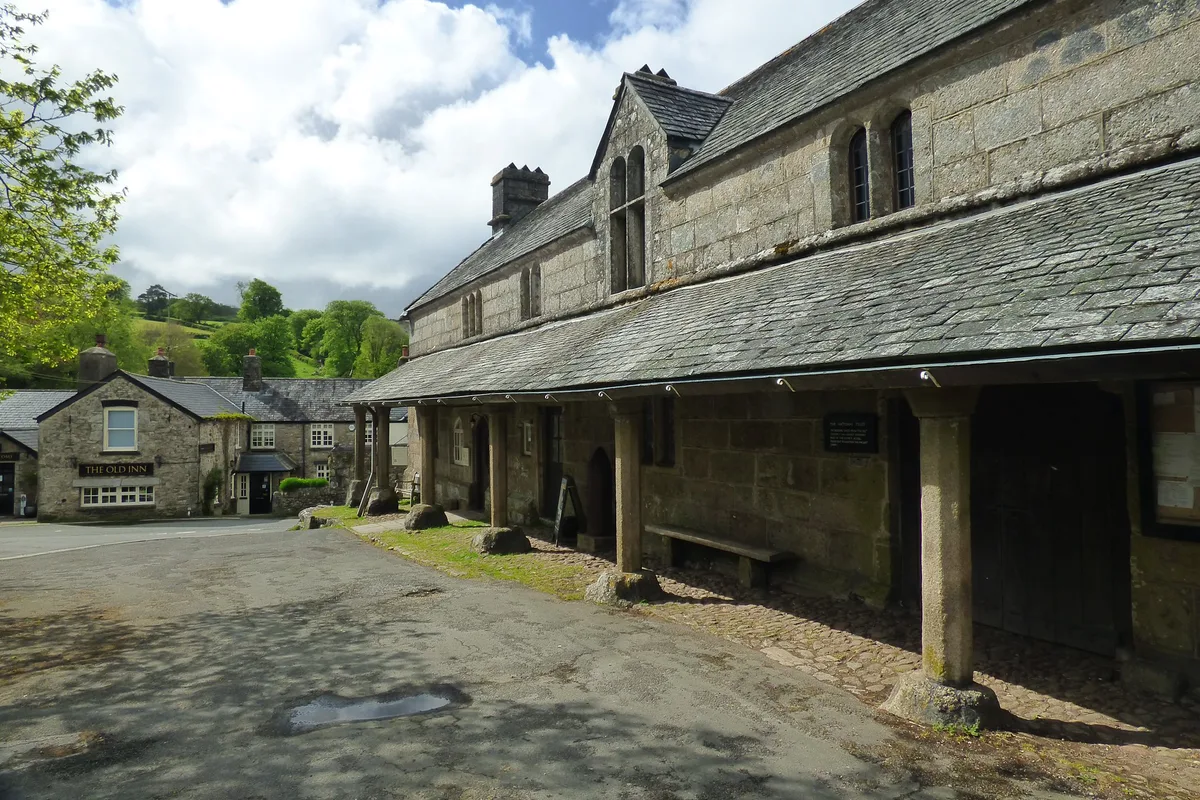
A clapper bridge at Postbridge works well as a short low-exposure stop. A village such as Widecombe-in-the-Moor gives you somewhere to shelter and warm up. At Princetown, Dartmoor Prison: Can You Visit? Museum, History & Princetown Guide and its museum are a likely wet-weather option. Check the Dartmoor Prison Museum site for current opening arrangements before you travel.
| Activity | Good weather | Poor weather | Plan B |
|---|---|---|---|
| Tor walking | Best | Avoid in fog or high wind | Valley path or lane |
| Clapper bridge | Easy | Still good in light rain | Short riverside walk |
| Pony spotting | Good | Harder in fog, drive carefully | Roadside viewing from a safe pull-in |
| Village visits | Good | Good | Café stops in Widecombe or Princetown |
Where to Stay and How to Get Around in Different Conditions
A sheltered valley base is milder and quieter in wind and fog. A high-moor base such as Princetown puts you close to the open tops, but it gets harsher weather and slower winter roads. Browse options on the Dartmoor hotels page and weigh exposure against access.
Prices swing with the season: a double room around £90 a night in a quiet winter month can climb above £150 in August. Summer also brings the busiest car parks.
Cost swings with the season. As an illustrative pattern only, a double room around £90 a night in a quiet winter month can climb above £150 in August. Check live listings for real rates, because they differ by village and property.
Driving is the most flexible way to see the moor, but narrow lanes and fog demand slow speeds. Ice can close minor roads in winter. Check local bus information and road closures through official sources before you rely on public transport.
How to Check the Forecast Before You Go
Use the Met Office for the moor forecast and any weather warnings. Check it the evening before and again on the morning you set out, because conditions change quickly. Look for the forecast of the location you will walk in rather than a town in the lowlands. Visit Dartmoor carries visitor information, and the national park authority publishes safety advice. Before walking, look up the MOD firing range schedule. Treat these notes as last checked November 2026, and recheck warnings and range times before each trip.
Frequently Asked Questions
Does it snow in Dartmoor?
Yes, snow falls on Dartmoor in some winters, and the high plateau sees it before the lowlands. It can lie on the tops while nearby Devon valleys stay clear. Check the Met Office forecast and warnings before travelling.
Is a 14-day weather prediction accurate?
Not for the moor. Forecasts lose accuracy beyond a few days, and Dartmoor changes quickly with height and wind. Use long-range forecasts for general trends and recheck the Met Office the day before you go.
What is the coldest month in Devon?
January and February are typically the coldest months. Dartmoor is colder again than coastal Devon, with frost common on winter nights. The Met Office publishes official climate averages for exact figures.
Notes for your next park visit
Optional updates to our national park guides.
Read next
Keep planning
Picked from the same area