Dartmoor Prison: Can You Visit? Museum, History & Princetown Guide
Can you visit Dartmoor Prison? Learn what is open to the public, how to reach Princetown, the prison's POW history, and what to see nearby.
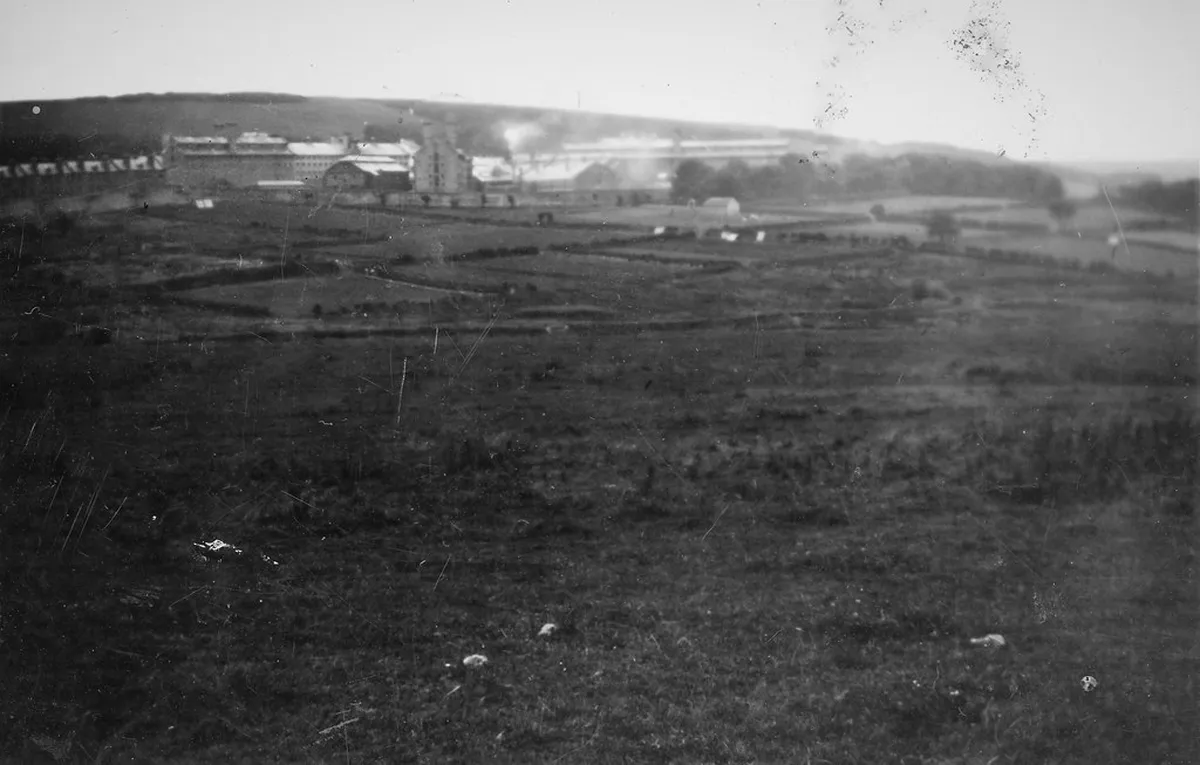
Last updated November 2026: HMP Dartmoor in Princetown has stood empty since July 2024, when its prisoners were moved out after high levels of radon gas were found, and the public cannot tour it. You can see the outside from the road and visit the separate Dartmoor Prison Museum in the village. The Ministry of Justice has called the closure temporary.
Featured image: daves_archive _inactive at current time, CC BY 2.0, via Flickr.
Can You Visit Dartmoor Prison?
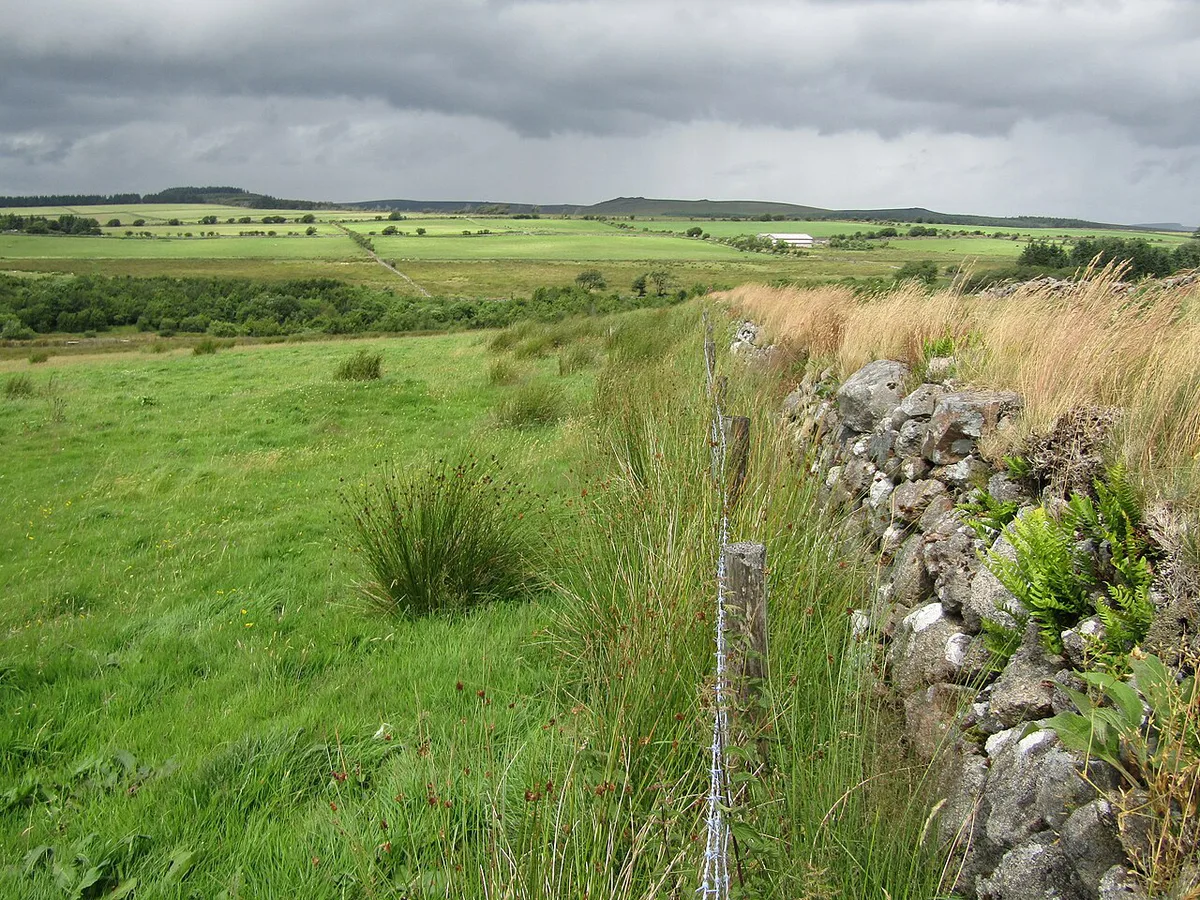
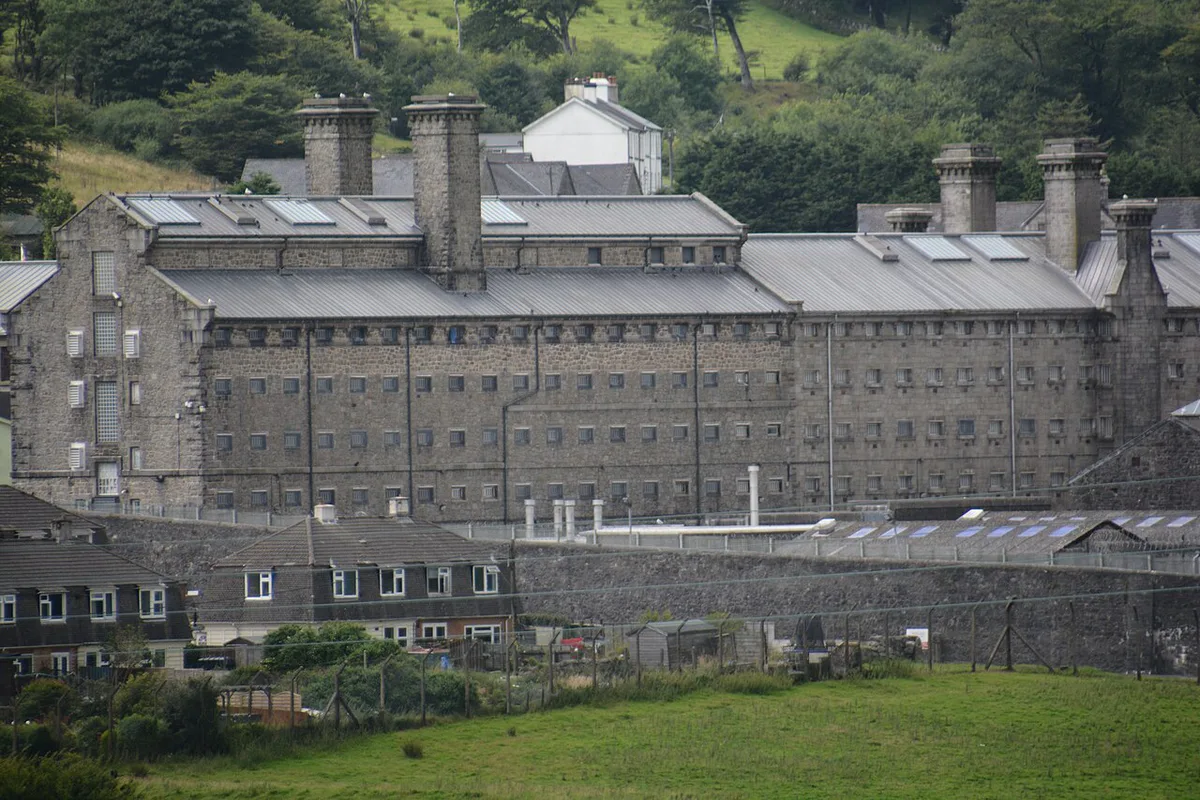
HMP Dartmoor was built in 1809 to hold Napoleonic War prisoners. Until 2024 it was a Category C men's prison for about 640 men, run by HM Prison and Probation Service. In July 2024 the remaining prisoners were moved out after high radon levels were found; the Ministry of Justice called the closure temporary, and its official GOV.UK page carries the latest position. People often confuse three different things, so the table separates them. The prison sits on the high moor inside 10 Best Things to Do in Dartmoor National Park.
| Option | Public access | What to do |
|---|---|---|
| HMP Dartmoor (the prison) | No tours or walk-in visits | View the exterior from public roads only |
| Dartmoor Prison Museum | Yes, open to visitors | The museum site lists current days and hours |
| Prisoner visits | None since the 2024 closure | The GOV.UK prison page carries any change |
Dartmoor Prison Museum: What to Expect
The Dartmoor Prison Museum in Princetown is the way to see the prison's story up close. Exhibits are said to include manacles, weapons and memorabilia from the prisoner-of-war years. It suits history fans, families with older children and anyone needing an indoor plan on a wet day. Opening days, hours, ticket prices and accessibility change, so read them on the museum's own site before you set off.
History of Dartmoor Prison in Brief
The Dartmoor Massacre happened on 6 April 1815. After the War of 1812 ended, American prisoners were still waiting to be sent home, and unrest broke out. British guards fired on the prisoners, killing seven and wounding many more. Treat the site with respect, because this is a sensitive part of its past.
- 20 March 1806: foundation stone laid by Sir Thomas Tyrwhitt.
- 22 May 1809: first prisoners of war arrive from the Napoleonic Wars.
- Late 1809: over 6,000 French prisoners held, with Americans added during the War of 1812.
- 6 April 1815: the Dartmoor Massacre.
- 1850: reopened as a convict prison after a period of closure.
- World War I: used to house conscientious objectors, known as "Conchies".
- 2024: the prisoners were moved out after high radon levels were found; the Ministry of Justice called the closure temporary.
The prison was designed by the architect Daniel Asher Alexander as a ring of granite blocks inside a circular wall, a layout you can still make out from the hills above Princetown. The prisoners of war also left a mark on the village: French and American captives helped build the Church of St Michael and All Angels in Princetown, now cared for by the Churches Conservation Trust and worth a short stop on the way to the museum.
Dartmoor Prison After 1850: Convicts, the 1932 Mutiny and Fiction
The timeline above stops at 1850, but the prison's second life as a convict prison is what shaped its reputation. After 1850 it held long-sentence male convicts, many put to work on the surrounding moor, and it became a byword for harsh, remote punishment.
The 1932 mutiny
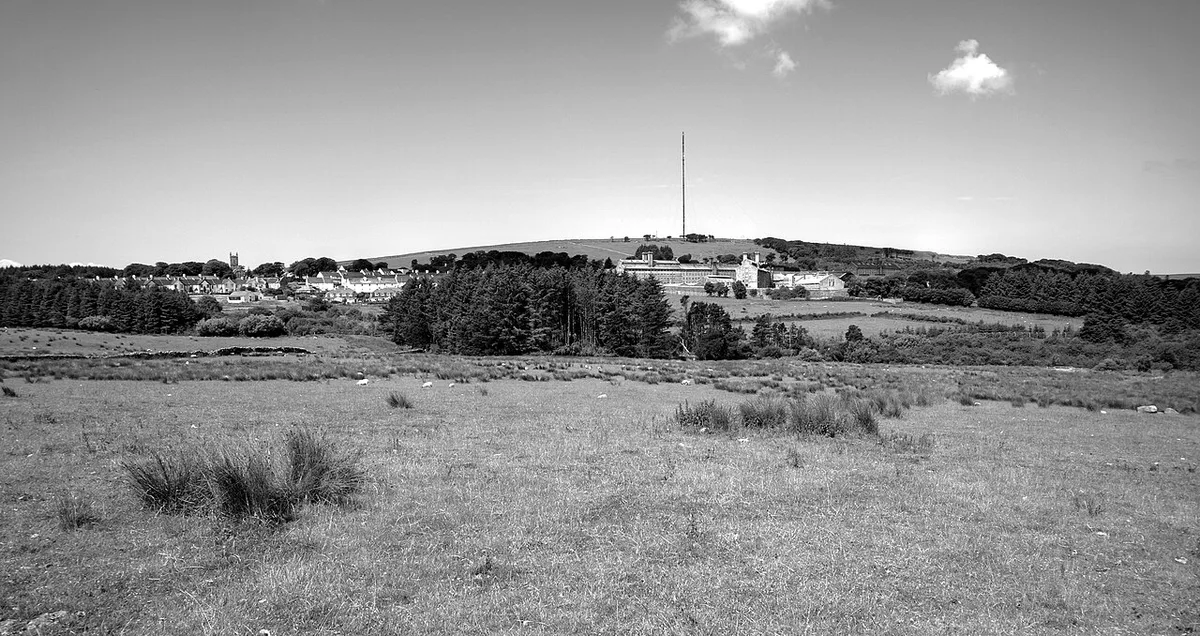
The best-documented event of this period is the mutiny of 24 October 1932. Prisoners took control of parts of the site, and buildings inside were set alight. Order was restored the same day, with extra guards and police brought in. The aftermath led to a review of how the prison was run and secured. Most of the prison you see from the road dates to the original Napoleonic-era design, with later additions.
Escapes and the moor
The moor itself has long been treated as part of the security. Fog, bogs and distance from any town make a walk-out escape dangerous, which is partly why the prison earned its fearsome name. The setting also fed the popular imagination: Arthur Conan Doyle's The Hound of the Baskervilles (1902) features an escaped convict loose on the moor, and the area's atmosphere still draws readers of the novel to Princetown.
What this means for your visit
- Context first: the museum is the place to see how convict life, discipline and daily routine are presented.
- Be wary of dramatic claims: many online stories about Dartmoor exaggerate. Stick to dated events and the museum's own displays.
- Respect the present: the prison is closed, not abandoned, and the Ministry of Justice has called the closure temporary, so treat the walls and gatehouse as a government site rather than a ruin.
How to Get to Princetown and Where to Park
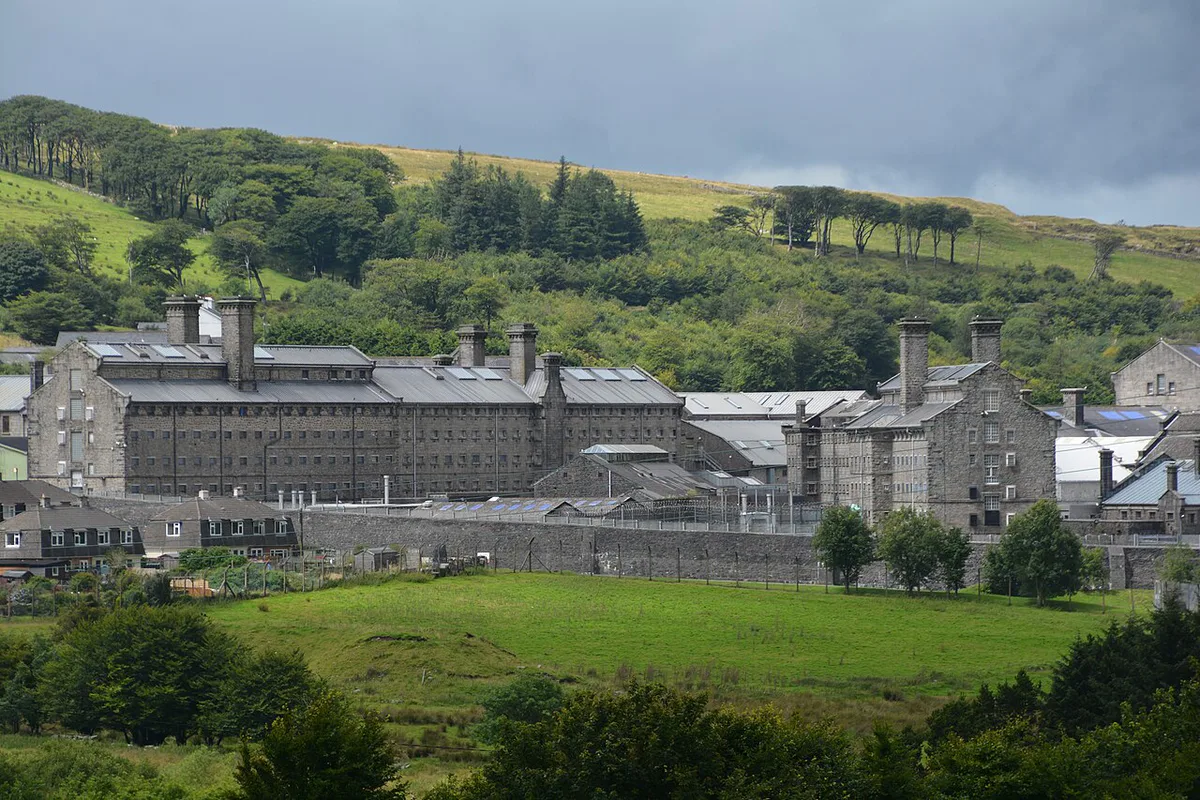
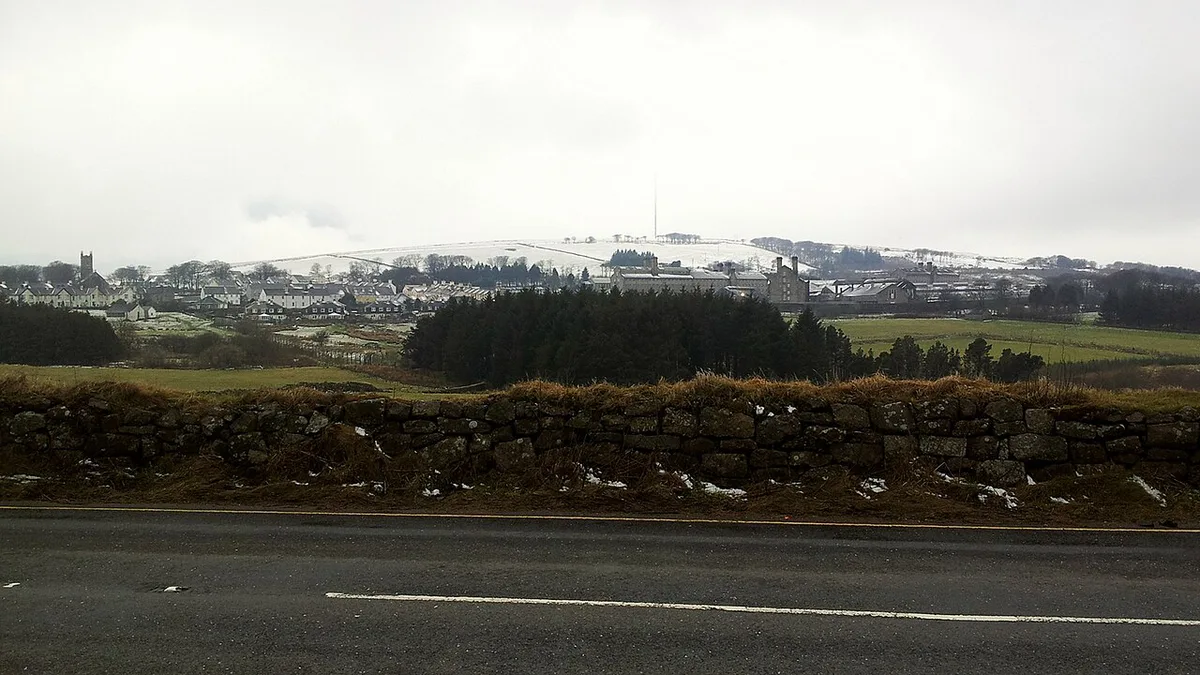
Princetown is the village on the high moor that holds both the prison and the museum. Our Princetown guide covers the village in more detail. Use the Dartmoor Map: Where Things Are and Which Map to Use to plan your road approach, because moorland lanes are narrow and signal can drop out. Without a car, the usual railway station is said to be Plymouth, followed by a bus or taxi. Traveline lists current bus routes and times; services on the moor are thin. Parking for prison visitors and parking for the museum are separate arrangements. Look up the museum's own parking details before you travel.
What You Can See From Outside, and Photography Etiquette
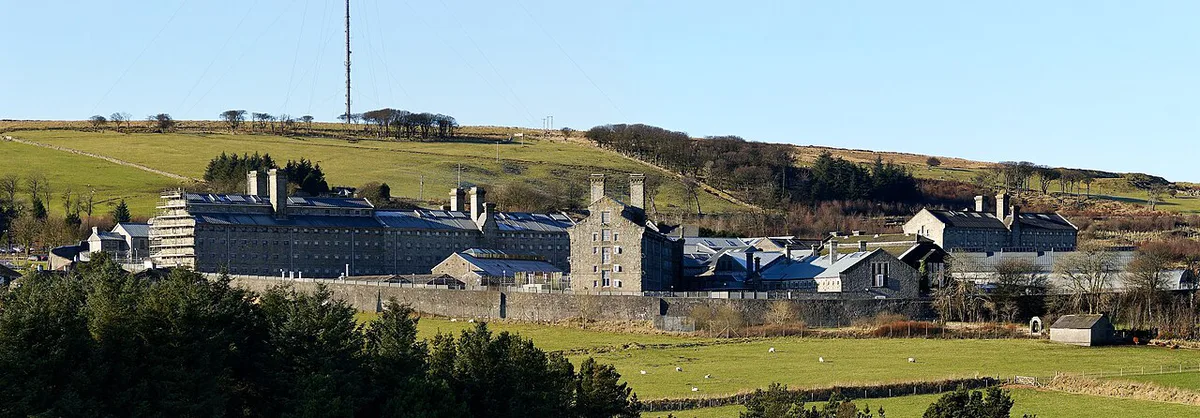
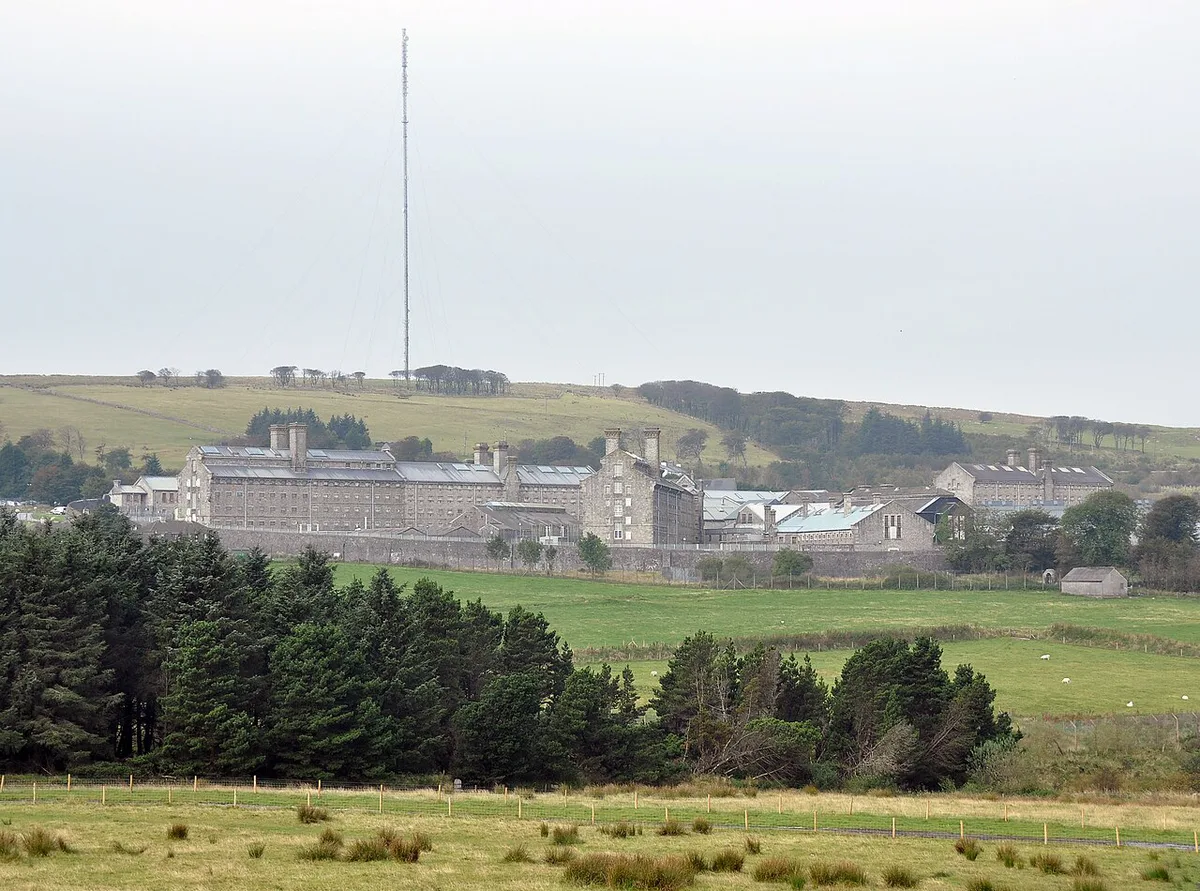
From public roads you can see the granite perimeter and gatehouse of the closed prison. There is no viewing area and no access beyond the public highway. Look for signs and restrictions before you lift a camera. Photograph the walls from a distance and keep people, vehicles and staff out of frame. Do not stop in the road or block the entrance. If staff ask you to move on, do so without argument.
Before the 2024 closure it held about 640 men. Compare that with over 6,000 French prisoners held there in late 1809, a reminder of how the site has changed.
Make a Day of It in Princetown and Around
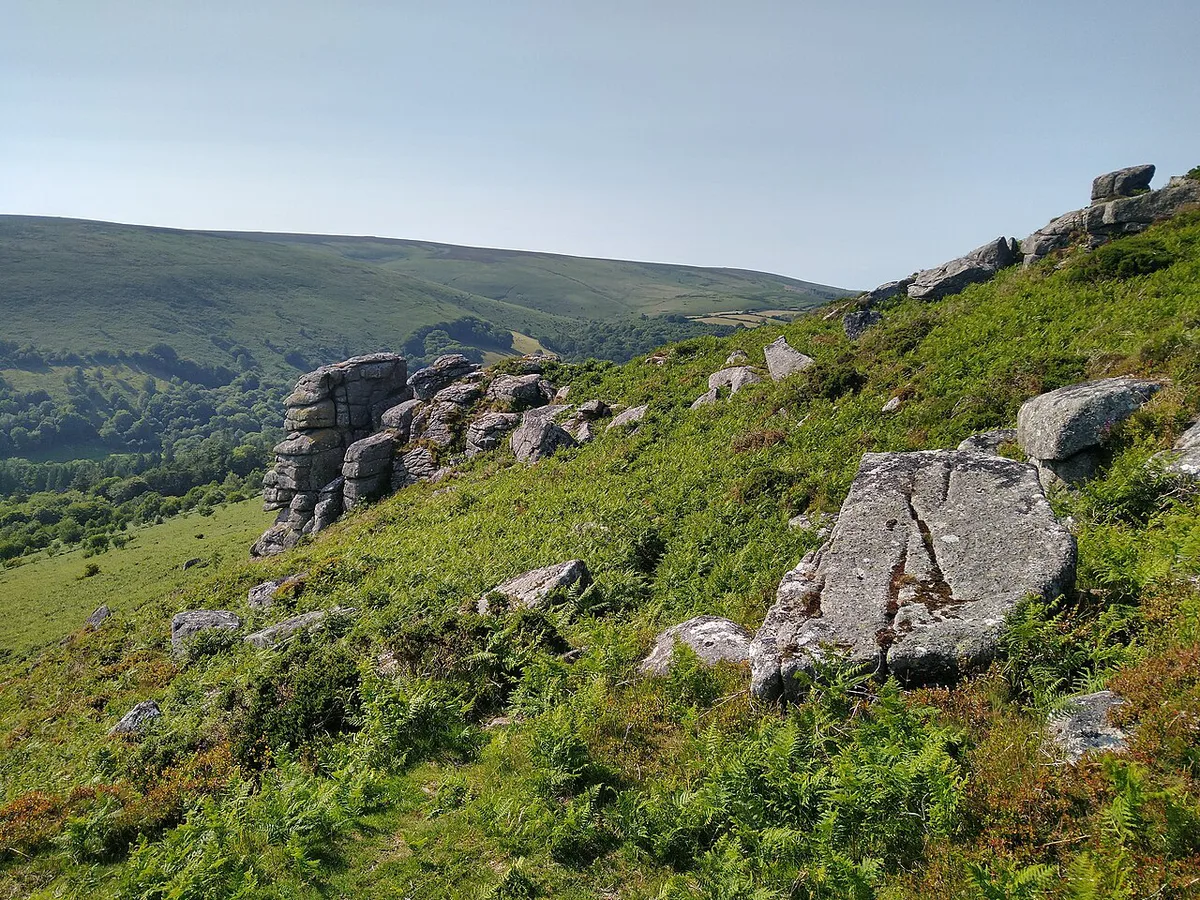
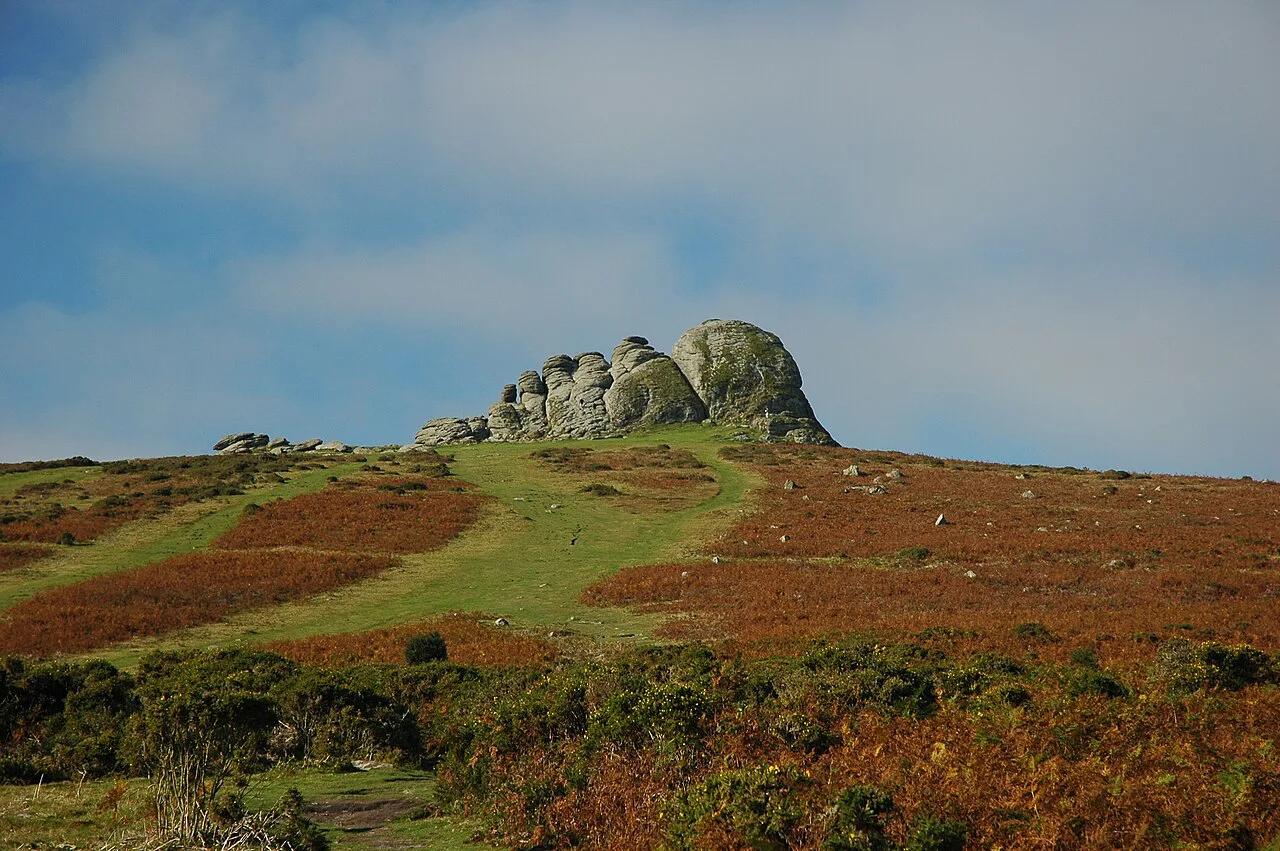
Pair the museum with the moor around it. On a clear day, head for the granite outcrops on our Dartmoor tors guide. Our Dartmoor ponies page explains how to watch the free-roaming herds without feeding them. A short drive takes you to the Postbridge Clapper Bridge: Visiting Guide, Access & Nearby Walks. If you have more time, Widecombe-in-the-Moor makes an optional further stop. The Dartmoor weather forecast is worth a look first. In fog or rain, put the museum first and keep the walking short. For official moor forecasts, use the Met Office. If you want to stay overnight, see Hotels in Dartmoor: Where to Stay by Base & Budget.
- Expecting a prison tour: there is none.
- Dressing for the car park: the high moor is exposed and colder than the lowlands.
- Relying on cover in bad weather: tors and walks have none.
- Assuming plenty of food stops: options in Princetown are limited, so check before you rely on them.
Visiting Someone in Prison
HMP Dartmoor has held no prisoners since July 2024, so there are no visits there. If you are visiting someone who was moved from Dartmoor, use the official visits booking system on GOV.UK for the prison they are in now; it lists visiting times, ID rules and rules on belongings. Do not rely on third-party sites for times or phone numbers.
Frequently Asked Questions
Has Dartmoor Prison closed?
Yes, for now. The prisoners were moved out in July 2024 after high levels of radon gas were found, and the Ministry of Justice described the closure as temporary. An earlier plan to close the prison in 2023 had been dropped. The GOV.UK page for HMP Dartmoor carries the latest position.
Which famous prisoners have been imprisoned at Dartmoor?
One reported name is John Boyle O'Reilly, an Irish poet and journalist, who was held there before transportation to Australia. The prison's earliest inmates were Napoleonic and American prisoners of war.
Notes for your next park visit
Optional updates to our national park guides.
Read next
Keep planning
Picked from the same area