
6 Best Areas of Vatnajokull National Park: Access and Planning
Plan Vatnajökull National Park by region: Skaftafell, Dettifoss, Ásbyrgi, Askja, Kverkfjöll and Laki, with access, season and time trade-offs.
Last updated November 2026. Vatnajökull National Park is a protected area made up of several separate regions, not one entrance you can finish in a day. This guide splits it into six areas across the south, north and highlands, so you can pick the side that fits your car, season and fitness.
Featured image: Marek Ślusarczyk (Tupungato) Photo portfolio, CC BY 3.0, via Wikimedia Commons.
Vatnajokull National Park at a glance
The park is run by the Vatnajökull National Park authority and is split into four regional areas. Skaftafell and the south form one area, and Jökulsárgljúfur in the north forms another. The highlands, with Askja, Kverkfjöll and Laki, are reachable only on rough mountain tracks in summer. Vatnajökull itself is the ice cap at the center, and the park is the protected land around it. Skaftafell is therefore a park region, not another name for the glacier. South and north sit far apart, so most visitors choose one side per trip.
6 Best Areas to Visit in Vatnajokull National Park
Each area below gets a short profile: what it is, what to do, access and who should skip it. Hours, fees and road status change by season, so check the official park site before you set out. Details here were last reviewed in November 2026.
1. Skaftafell and Svartifoss
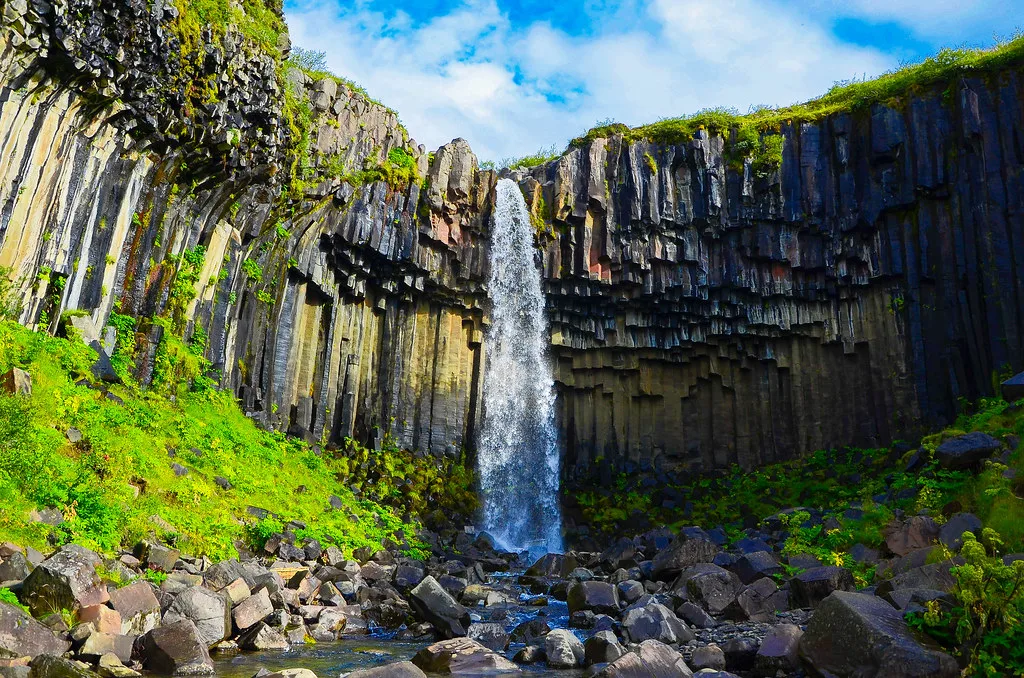
Skaftafell is the south's main hiking base, with marked trails running up from the visitor area toward the ice cap. See the Skaftafell visitor area guide for trail choices. The classic walk is the Svartifoss waterfall trail, about 45 minutes each way to a drop framed by dark basalt columns. Longer options include the Kristínartindar ridge, a 6 to 8 hour day for experienced hikers.
Skaftafell works for first-timers, families and winter visitors on a standard rental car. Skip the ridge routes if you lack hiking experience or the weather is poor.
2. Dettifoss and Jökulsárgljúfur
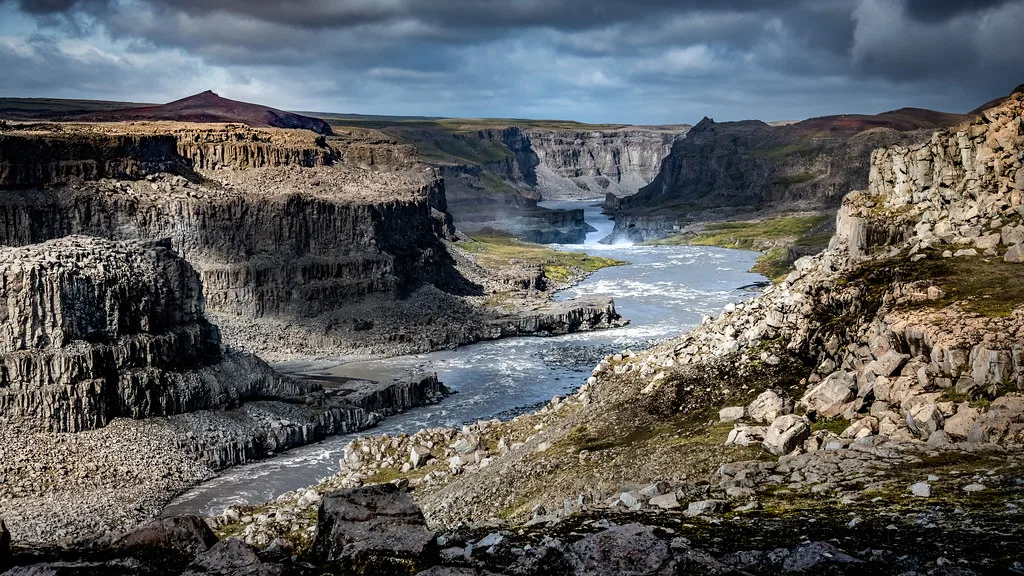
Jökulsárgljúfur is the park's northern area, built around a deep canyon cut by the Jökulsá á Fjöllum river. Its headline stop is Dettifoss, a thundering waterfall best approached with the Dettifoss viewpoints guide. Allow a half day if you add the short walks along the canyon rim.
Winter access on the northern side is limited, so check road conditions at the Icelandic road authority before driving. Skip this area if your trip is confined to the south coast, because the two sides are a long drive apart.
3. Ásbyrgi canyon
Ásbyrgi is also part of the northern Jökulsárgljúfur area and offers a sheltered, quieter counterpart to Dettifoss. Its cliffs enclose a forested floor with easy walking paths, which suits families and anyone avoiding exposed viewpoints. Plan around two hours for a gentle loop, and more if you follow the longer Ásbyrgi walking routes.
Visit Dettifoss and Ásbyrgi on the same day to make the northern drive worthwhile. Skip it if you only want dramatic waterfalls, since the appeal here is shelter and calm.
4. Askja
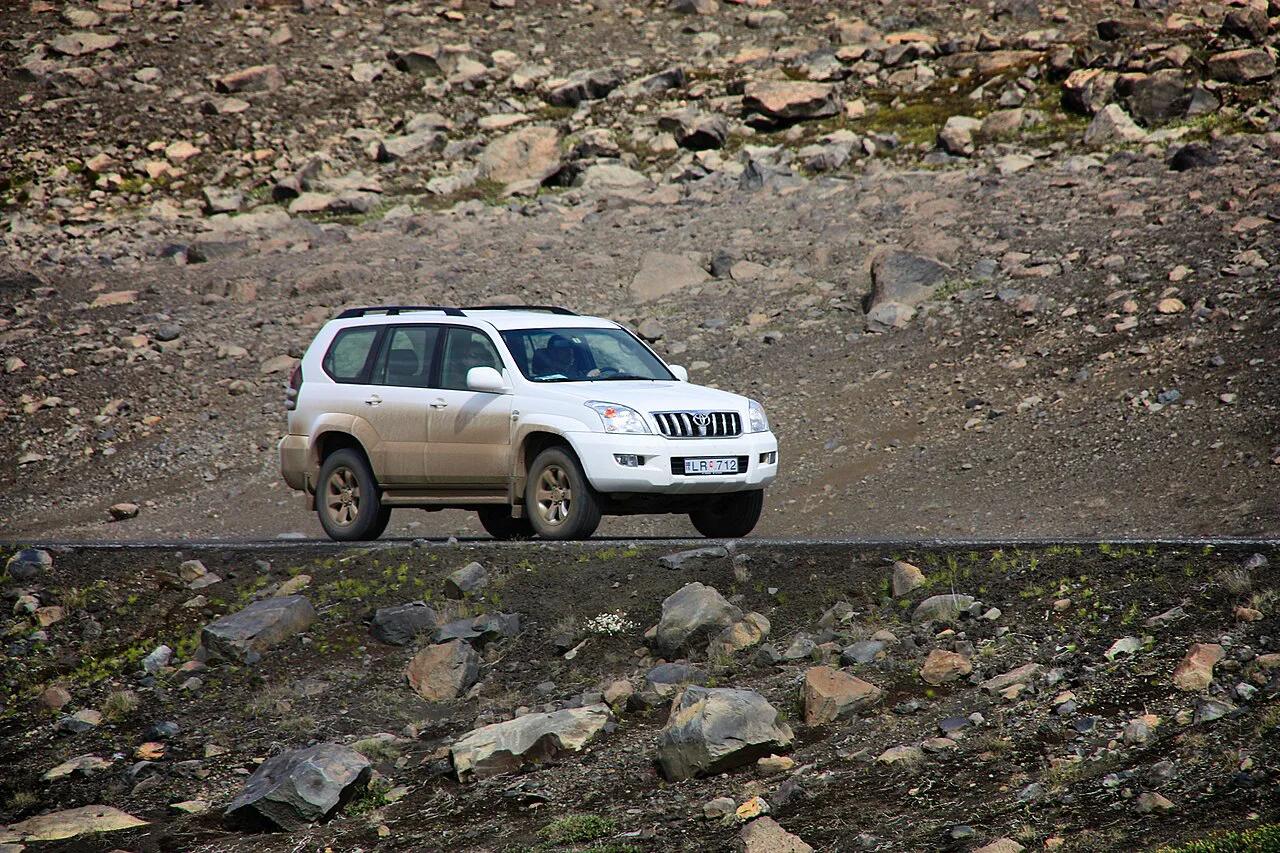
Askja is a volcanic caldera in the highlands, set in barren lava country far from any town. Reaching it means a 4x4 on mountain F-roads, which are open only in summer. The Askja caldera route covers the approach, the walk to the crater lake and what to carry.
Go with a capable vehicle or join a guided highland trip, and check F-road status before leaving. Skip it in winter and in a standard rental car, because neither can make the journey.
5. Kverkfjöll
Kverkfjöll lies on the northern edge of the ice cap and is one of the park's remotest areas. Expect rough tracks, river crossings in season and almost no services, so this suits experienced 4x4 drivers and hikers. The Kverkfjöll highland trip guide explains the approach and the geothermal and glacier scenery.
Bring all food and fuel, because there is no resupply once you leave the ring road. Skip it if this is your first Iceland trip or if you travel without a high-clearance vehicle.
6. Laki
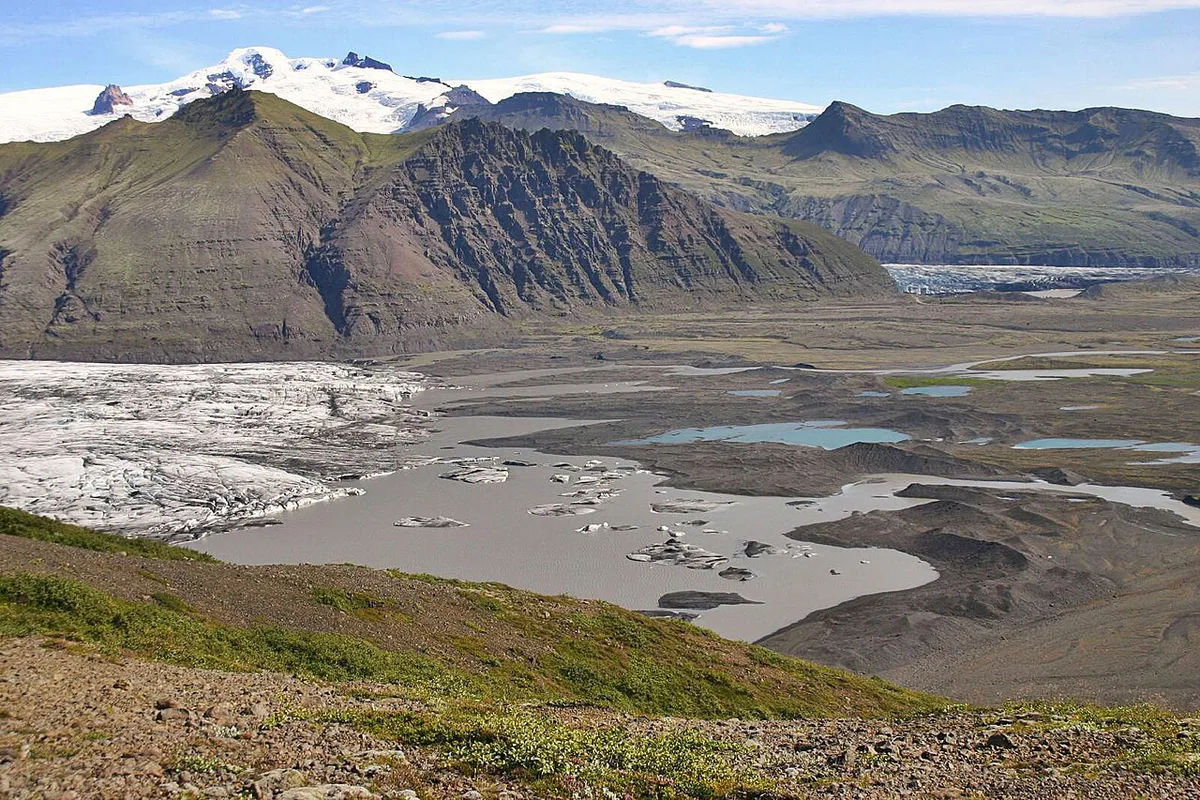
Laki is a long line of volcanic craters in the highlands, reached by a summer-only mountain road. The walk along the crater rim gives wide views over lava fields, and the Laki crater routes guide covers both the drive and the climb. Plan a full day, since the track is slow and the return trip takes as long as the outbound one.
Fill the fuel tank before turning off the main road and carry layers for sudden weather. Skip it in winter, in a two-wheel-drive car, or when you have only a single day in the park.
Which region fits you
This table compares the six areas by access and effort. For a visual layout, use the park area map before choosing a side.
| Area | Region | Car needed | Season | Best for |
|---|---|---|---|---|
| Skaftafell and Svartifoss | South | Standard car | Year-round | First-timers, families, winter |
| Dettifoss | North | Standard car, check roads | Mainly summer | Waterfall seekers |
| Ásbyrgi | North | Standard car | Mainly summer | Easy walks |
| Askja | Highlands | 4x4, F-road | Summer only | Experienced drivers |
| Kverkfjöll | Highlands | 4x4, F-road | Summer only | Remote hikers |
| Laki | Highlands | 4x4, F-road | Summer only | Day-long volcanic trips |
Ice caves and glacier tours: what needs a guide
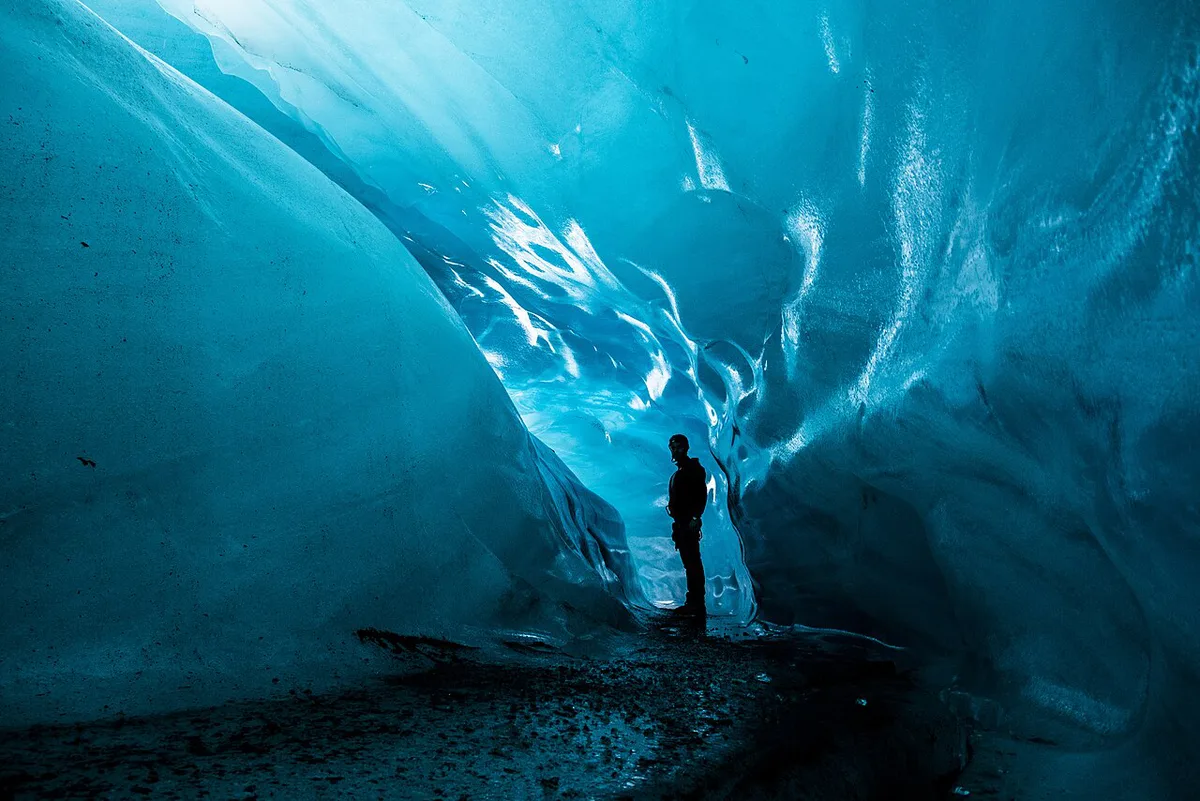
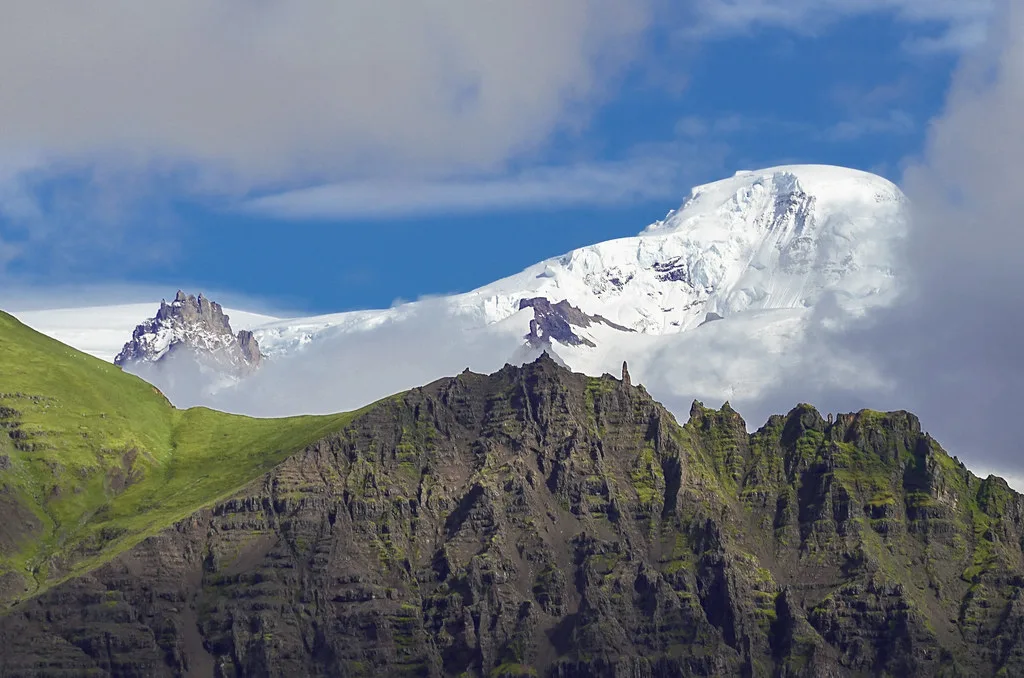
Walking on the glacier needs a guide and proper equipment, because crevasses are often hidden. Ice caves also require a guided tour with a certified operator, since conditions change daily. Natural ice caves are seasonal, so confirm dates with the operator you book. The Falljökull glacier walk is a guided outing of about 3 hours from Skaftafell, with crampons provided. Browse the guided glacier tours page to compare operators and formats.
Vatnajökull is far larger than any glacier on the European mainland. The biggest there is Jostedalsbreen in Norway, covered in our Jostedalsbreen National Park guide, where glacier walks also go out only with a certified guide.
How long to spend
One day suits the Skaftafell area alone. Walk to Svartifoss, which takes about 45 minutes each way, then add a short trail if time remains. Three days lets you add a guided glacier walk or, on the north side, Dettifoss and Ásbyrgi together. A week is enough to combine both sides and one highland trip in summer. Do not try to fit south and north into a single day, because the drive between them is long.
Kristínartindar ridge takes 6 to 8 hour, so on a one-day Skaftafell visit, the Svartifoss walk is the realistic choice.
Getting around, season and what to pack
Roads in the south stay open through winter, but highland F-roads are summer-only and need a 4x4. Check current road conditions before every long drive. Fuel stations are sparse in this region, so keep the tank above half. Cell service is patchy, so download offline maps first. Pack waterproof layers, sturdy boots and extra food, since distances here are deceptive. Summer gives the widest access, while winter limits you to the south and the guided ice cave season.
Costs, permits and entry
Entry to the park itself is not ticketed, but parking and service charges may apply at visitor areas. Guided tours are the main expense, and ice cave and glacier trips cost more than self-guided hikes. The official park site lists current fees and rules. Booking directly with operators can lower the price, and packing your own lunch saves money at the cafes.
Common mistakes and safety
Most problems come from planning, not from the landscape. Avoid these errors:
- Underestimating distances
- South and north are far apart, so pick one side per trip.
- Walking on glaciers without a guide
- Hidden crevasses make unguided glacier walks dangerous.
- Skipping fuel stops
- Fill up before leaving the main road, since stations are sparse.
- Relying on mobile signal
- Download maps and tell someone your route.
- Assuming ice caves run all year
- Natural caves are seasonal, so book guided tours accordingly.
Explore More Guides
Keep planning your trip with these guides.
Guides
Notes for your next park visit
Optional updates to our national park guides.
Read next

Keep planning
Picked from the same area