
Jostedalsbreen National Park: Which Glacier Arm to Visit
Plan a visit to Jostedalsbreen National Park: choose between glacier arms, compare short walks with guided ice hikes, and learn access, timing and costs.
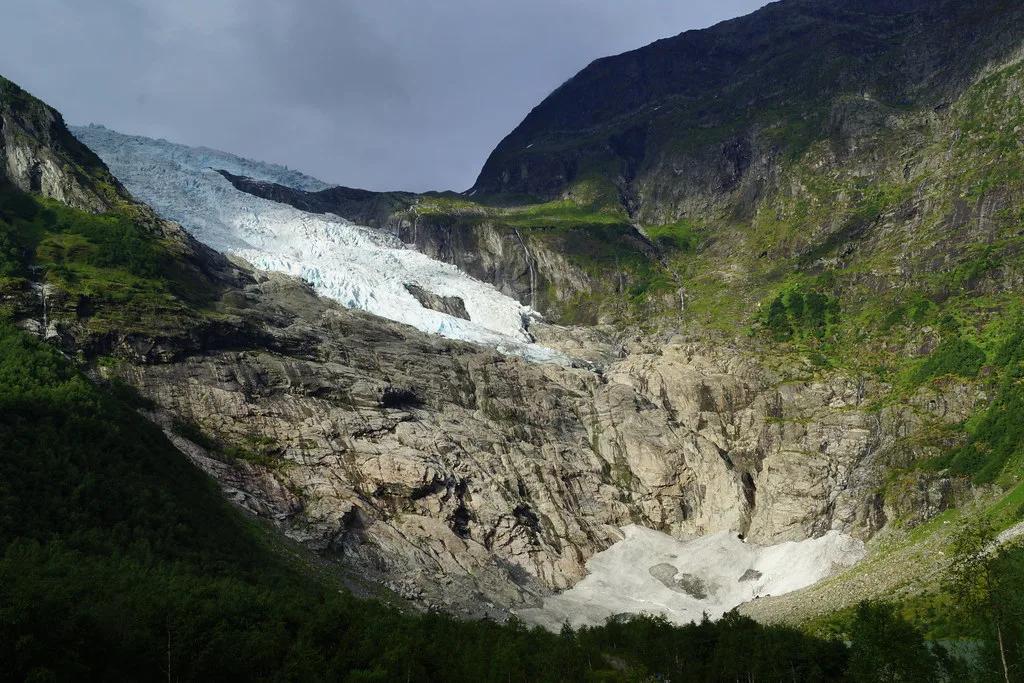
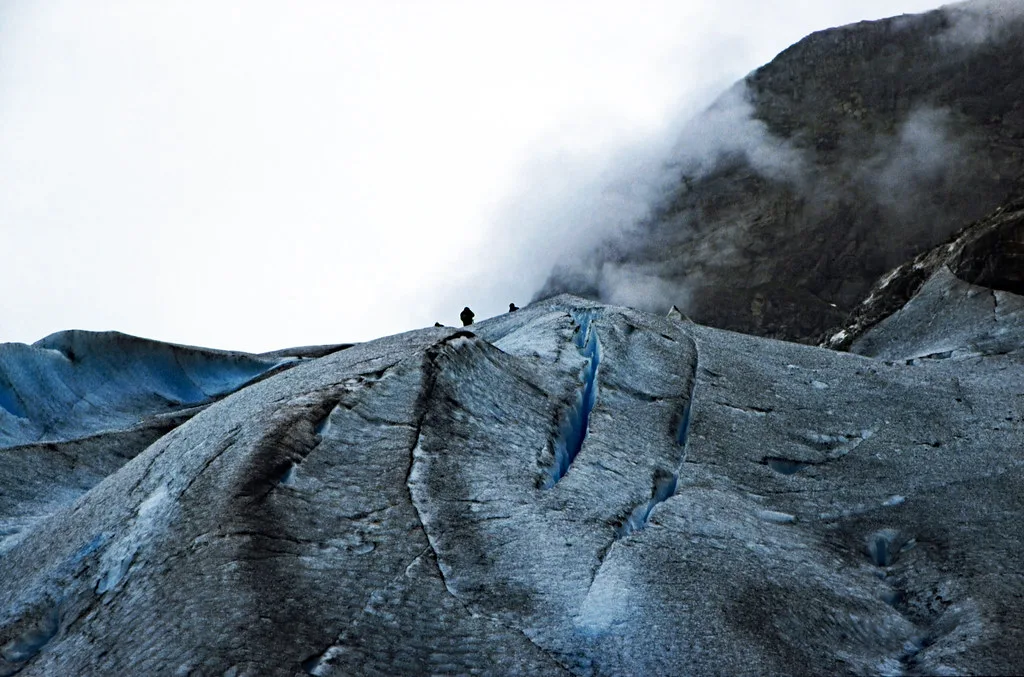
Last updated November 2026: Jostedalsbreen National Park protects mainland Europe's largest glacier, an ice cap in western Norway. There is no single gate or ticket, because separate valleys lead to separate glacier arms. Choose by how you want to meet the ice: view it, walk to it, or walk on it with a guide.
Featured image: Yssso, CC BY-SA 2.0, via Flickr.
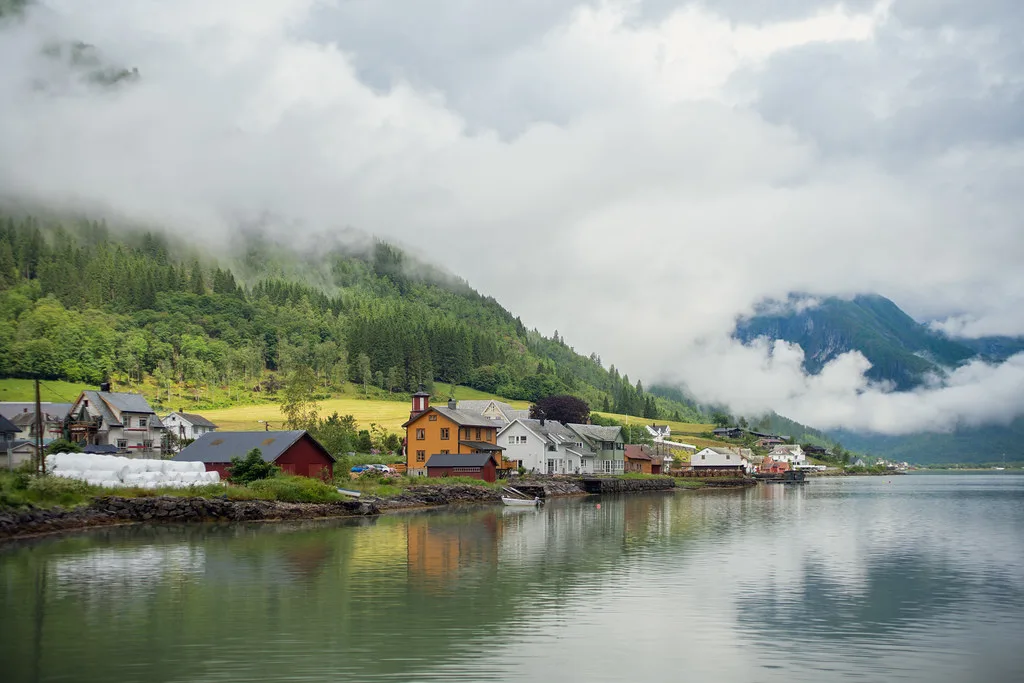
Jostedalsbreen National Park at a glance
Jostedalsbreen is an ice cap, and it feeds glacier arms that spill into separate valleys. Briksdal, Nigardsbreen, Kjenndalen and Fjærland are the arms most visitors target. Each one has its own road and its own services. Fjærland also houses the Norwegian Glacier Museum, which suits a rainy day.
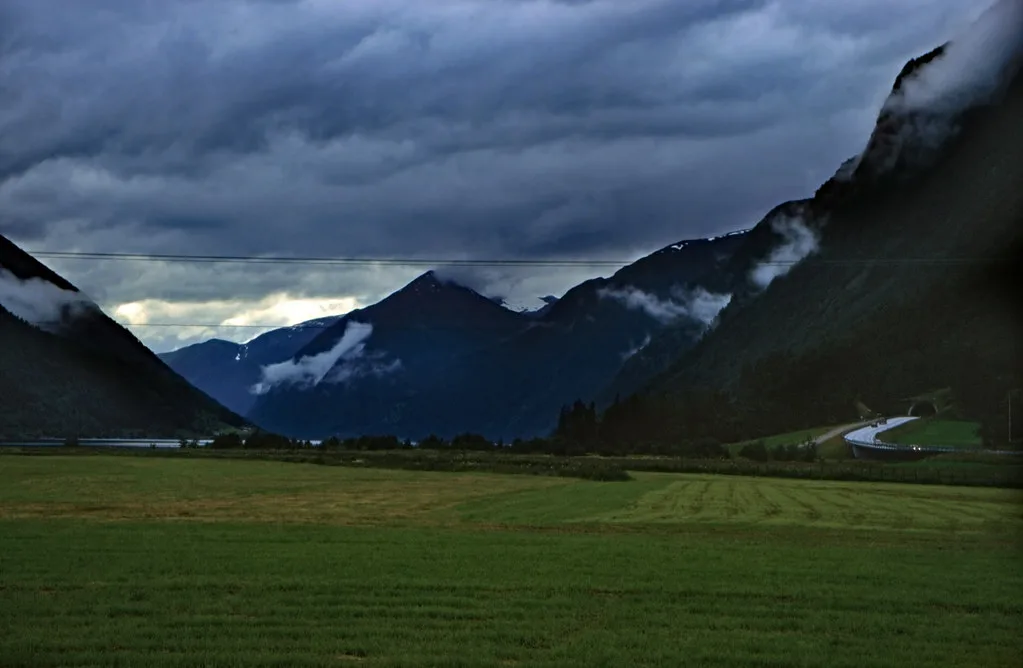
- What it is: mainland Europe's largest glacier and the national park built around it.
- Entrance: no single gate. Valley roads and visitor centres act as the access points.
- Area, ice thickness and elevation: read the park's official pages before quoting figures.
- Ice walking: guided only, with equipment from a certified operator.
Which part of Jostedalsbreen should you visit?
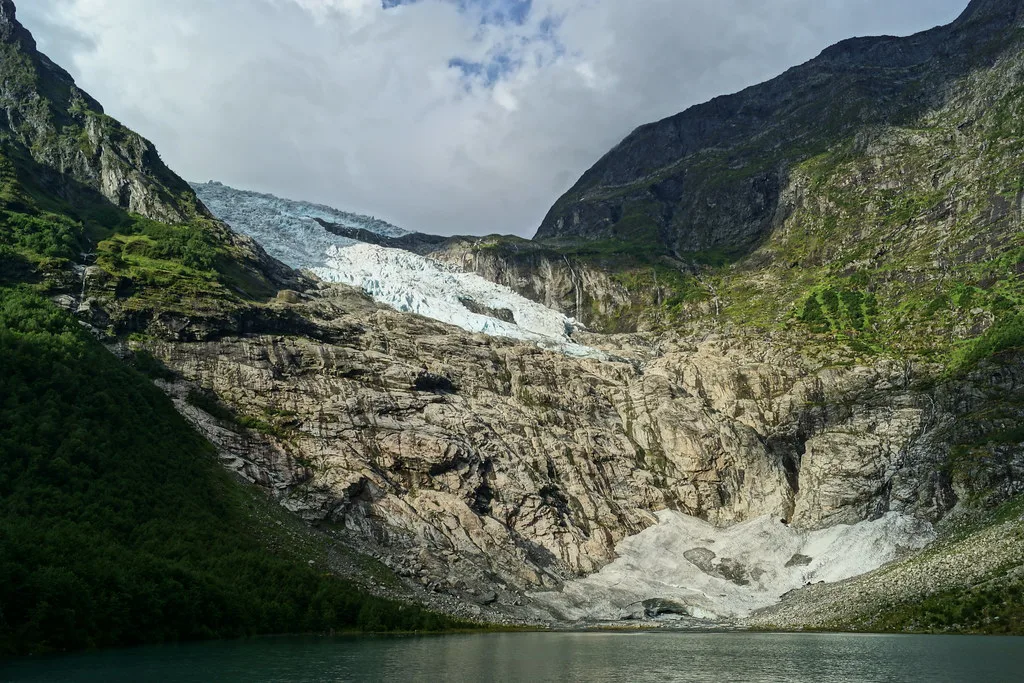
Pick your level of contact first, then the valley. Viewing the ice takes little effort. Walking to the ice front asks for sturdy footwear and a few hours. Walking on the ice needs a certified guide.
| Arm | Access | Effort | Best for | Skip if |
|---|---|---|---|---|
| Briksdal | Valley road, then a walk toward the ice front | Moderate | A first visit or a short trip | You want to step onto the ice without a guide |
| Nigardsbreen | Valley road into Jostedal, with a visitor centre nearby | Easy for viewing, guided for ice | A guided glacier walk | You only have a couple of hours |
| Kjenndalen | Valley walk toward the glacier tongue | Moderate | Quiet walking with fewer services | You want cafés and facilities at the trailhead |
| Fjærland | Road access to the Norwegian Glacier Museum | Low | Learning about glaciers on a wet day | You want to stand beside the ice |
Things to do: viewpoints, short walks and guided glacier hikes
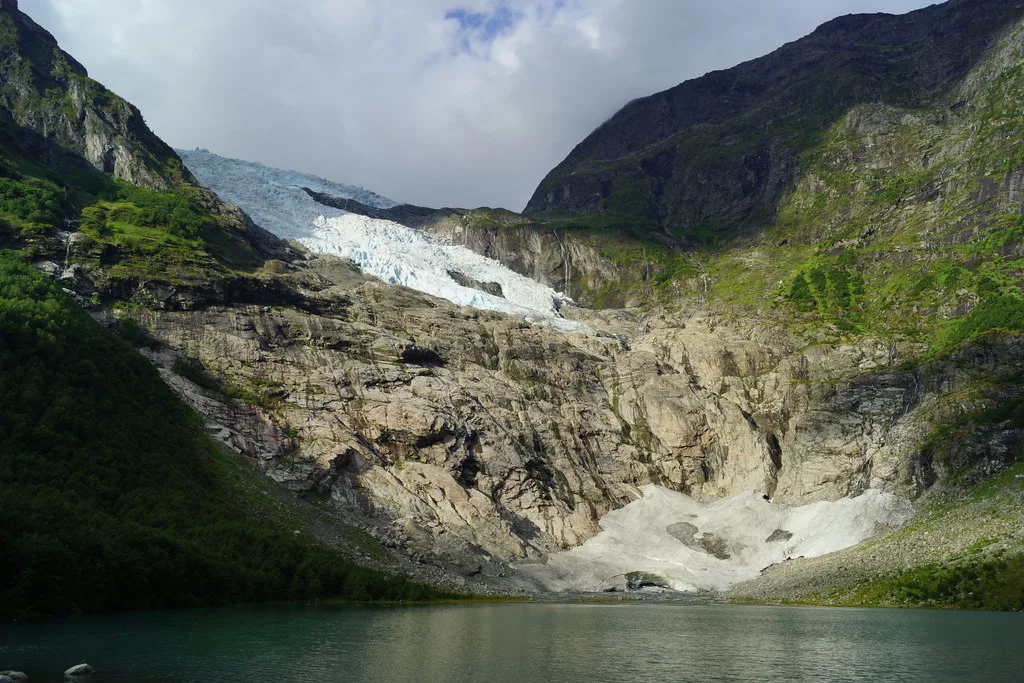
Keep unguided and guided activity separate in your plan. At Briksdal, the walk to the ice front starts near Briksdalsbre Fjellstove. Nigardsbreen is the arm to consider for a guided ice walk. In Jostedal, Breheimsenteret is the visitor centre to ask about trips. Walking on the ice requires a certified guide and the right equipment.
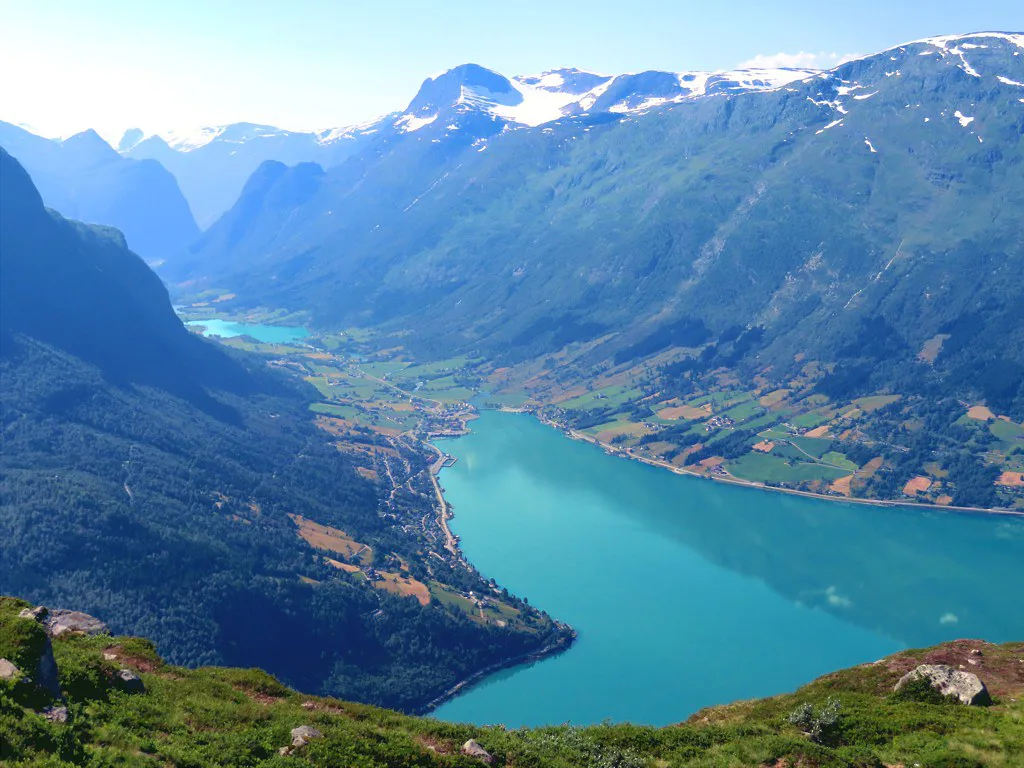
- View the ice: viewpoints and short valley walks, no guide needed.
- Walk to the ice: marked trails to the glacier front, with sturdy boots.
- Walk on the ice: guided groups only, with crampons and ropes supplied by the operator.
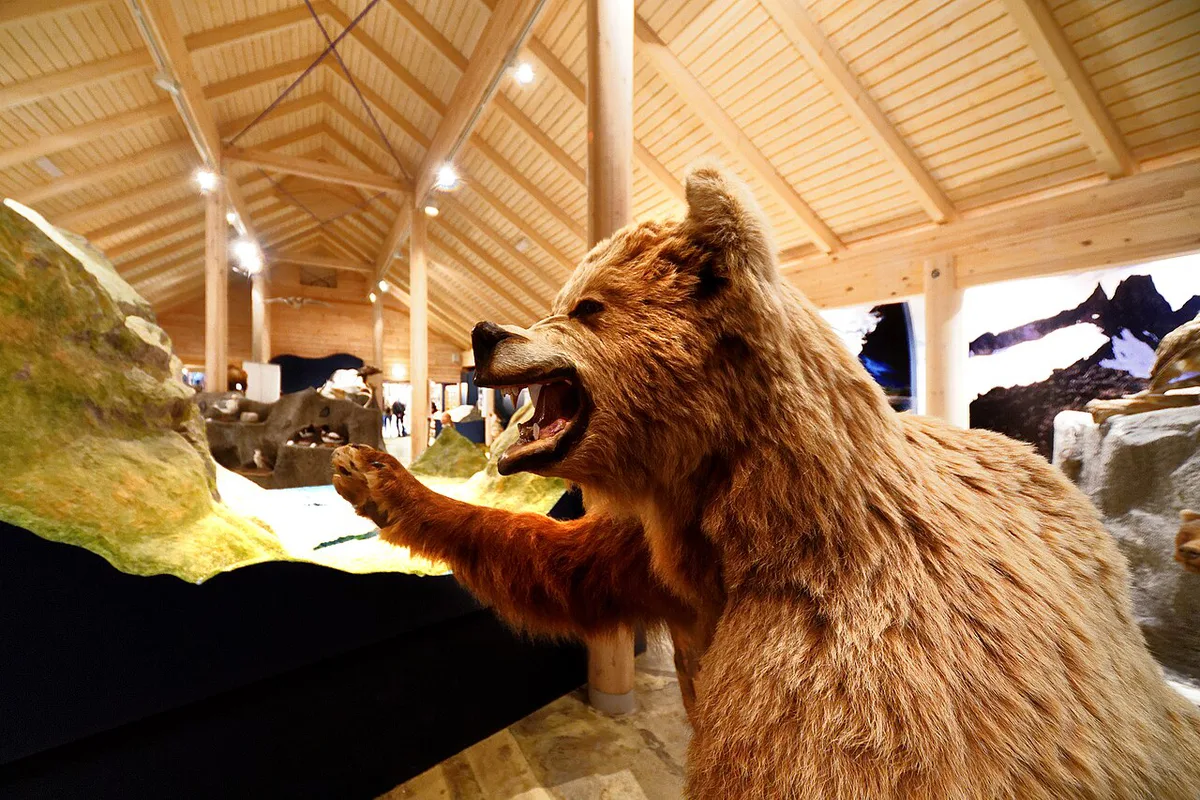
- Learn about the ice: the Norwegian Glacier Museum in Fjærland.
How much time to plan
Time depends on valley friction, not on the park's size. Each arm sits at the end of its own road. Moving between arms eats more of your day than the walks themselves. Use a route planner for current drive times instead of trusting old estimates.
- Half day: one arm, one short walk or a museum visit.
- Full day: one arm with a longer trail, or a guided glacier walk.
- Two to three days: two or three arms, with a night in a valley between them.
Best time to visit and safety
Summer gives the most reliable access to the glacier valleys. Higher roads can close in winter, so read the road authority's status before driving. Meltwater, falling ice and hidden crevasses make independent travel on the glacier dangerous. Weather can change within an hour. Pack a waterproof shell, a warm layer and boots with real grip. Check the Norwegian Meteorological Service for the day's forecast.
Getting there and getting around
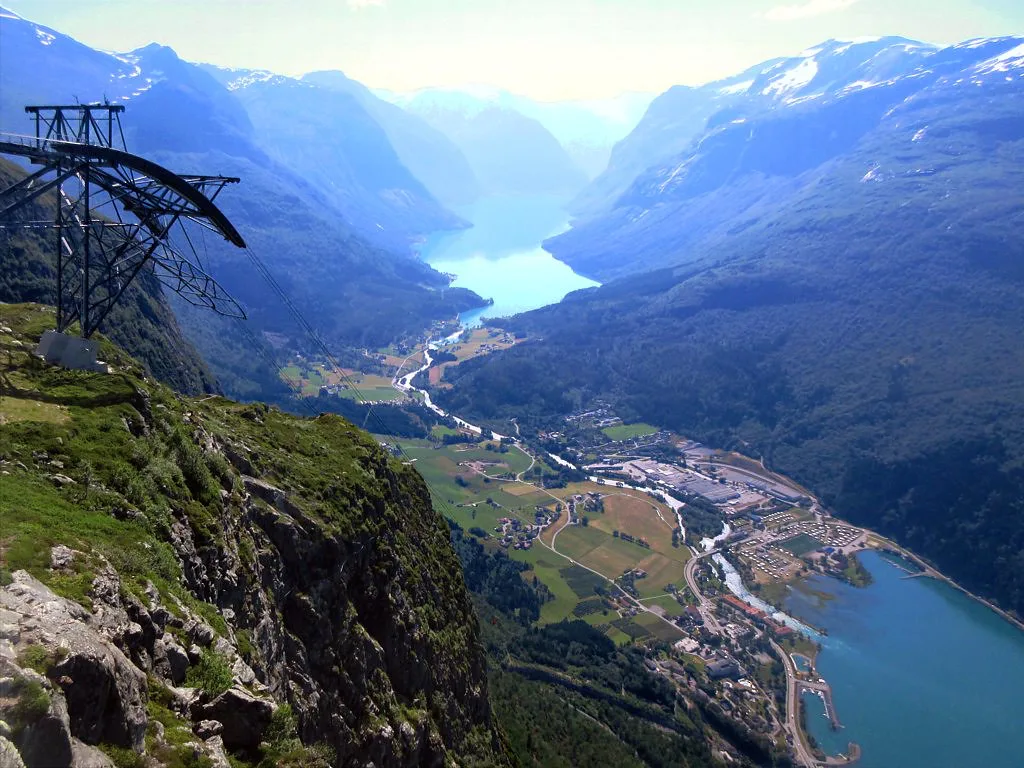
No single hub serves the park. A car gives the most freedom, because every arm has its own valley road. Buses and organised tours cover the best-known arms, mostly in the warm season. Fjord crossings and narrow valley roads add time. Nordfjord tourism is a useful starting point for regional trip planning.
Where to stay
Choose a base by what you want from the morning. A valley stay puts you at the trailhead before the day-trip crowds arrive. A town base gives more restaurants and shops, but adds a daily drive. Staying near one arm suits a single guided walk, and a mid-route base suits a multi-arm trip. Book early for summer, when beds in the valleys are limited.
Costs and booking
Entering the park costs nothing, because there is no single ticket. You pay for specific services. Those are guided glacier walks, parking or tolls on some valley roads, and boats or ferries where they are used. Guided walks are normally the largest cost, while a museum entry or a parking fee is smaller. Operators publish current NOK prices on their own pages. Book guided walks ahead in peak season, since group sizes are limited.
Common mistakes to avoid
Most problems come from treating the park as one attraction.
- Planning one stop. Each arm needs its own half day or more.
- Skipping layers and grippy footwear. Glacier valleys are colder and wetter than the fjord.
- Trusting aggregator listings that say a site is open all day. Use official pages.
- Underestimating drive time between valleys.
- Going onto the ice without a certified guide.
How Jostedalsbreen compares with other Norwegian national parks
Jostedalsbreen suits visitors who want ice rather than peaks. For summits and hut-to-hut hiking, look at Jotunheimen National Park: Hikes, Season, Access and Safety Guide. Folgefonna is another Norwegian glacier park. Open plateau walking is the draw at Hardangervidda. Rondane and Dovrefjell offer high-mountain scenery. Reinheimen and Lofotodden round out the options. Our overview of 8 National Parks in Norway: Compare, Choose and Plan puts them side by side. For a ranked shortlist, read the best parks to visit.
Frequently Asked Questions
Where is the Jostedal glacier?
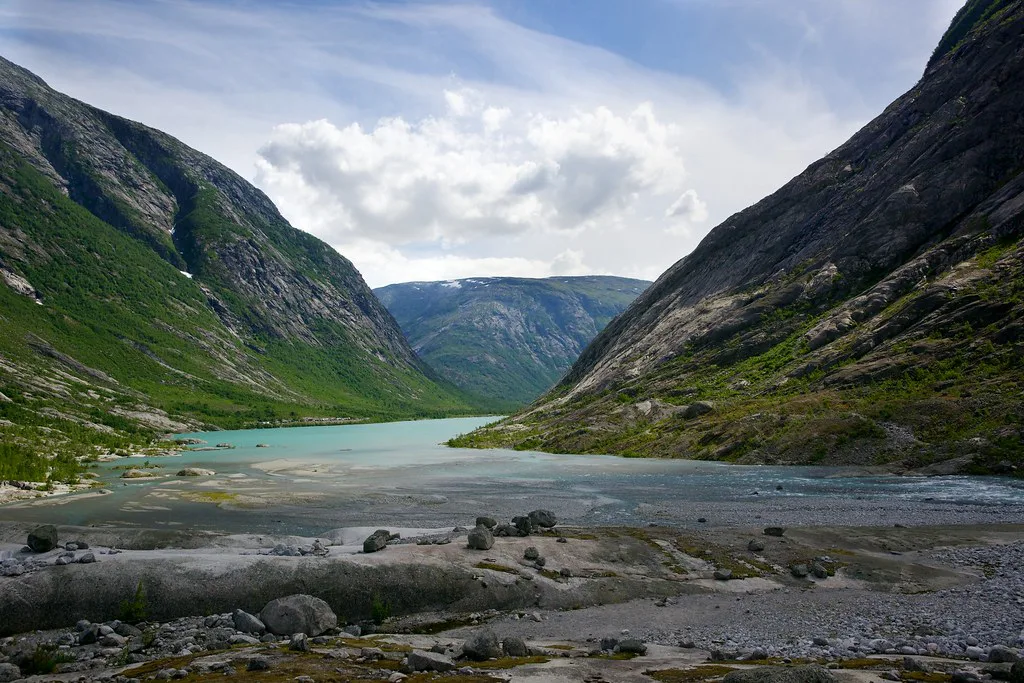
Jostedalsbreen sits in western Norway. It is an ice cap with arms that reach several valleys, including Briksdal, Nigardsbreen, Kjenndalen and Fjærland. Each arm has its own access road.
What is the best national park in Norway?
It depends on what you want to see. Jostedalsbreen suits glacier fans, while Jotunheimen suits hikers who want peaks. Our guide to the best national parks in Norway compares them.
Notes for your next park visit
Optional updates to our national park guides.
Read next
Keep planning
Picked from the same area