
16 National Parks in Germany: How to Choose the Right One
Germany's 16 national parks compared by landscape, access and best season, with a guide to picking the right park for your trip.
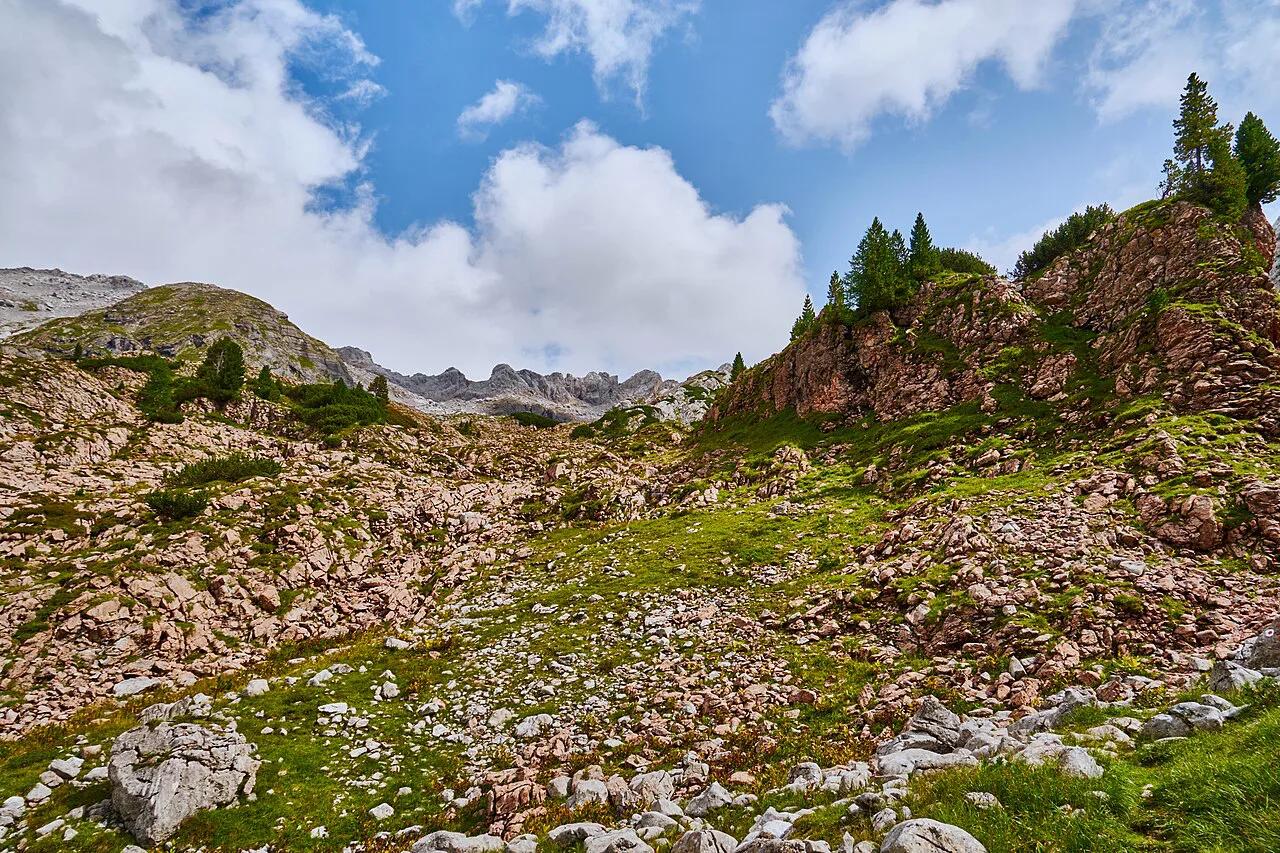
Last updated November 2026: national parks in Germany number 16, running from the North Sea and Baltic coast through central beech uplands to the Alps. This guide groups every park by region and adds a chooser table, so you can pick one or two for a trip. For a shorter shortlist, read our ranked picks.
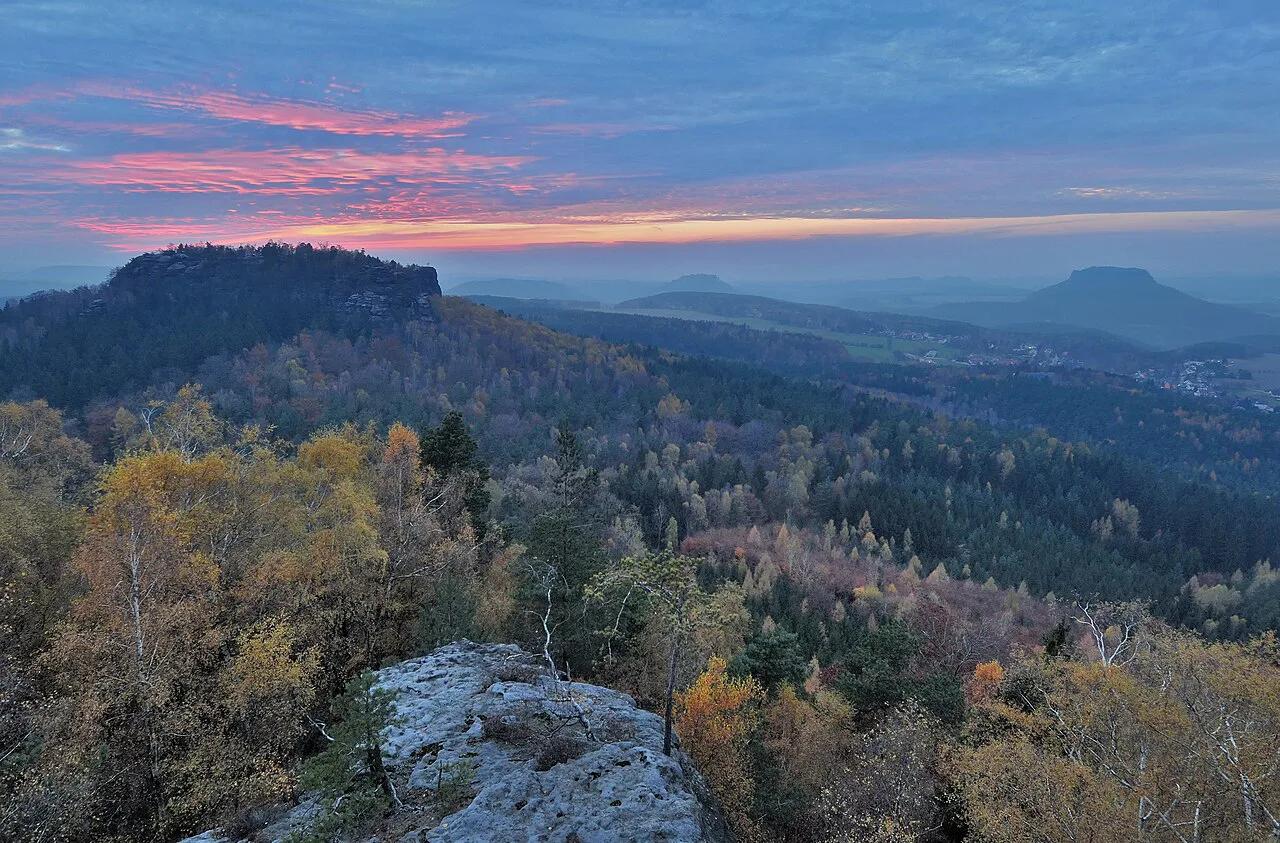
Featured image: Günter Seggebäing, Coesfeld, CC BY-SA 3.0, via Wikimedia Commons.
Germany's National Parks at a Glance
Germany protects 16 national parks, listed by the German National Tourist Board. Three sit on the Wadden Sea, two on the Baltic, and two among northeastern lakes and rivers. Another group covers central uplands and beech forests, and the rest cover Saxony's sandstone, the Rhine uplands, the Black Forest and the Bavarian Alps. Each park keeps its German name, such as Nationalpark Harz, on official signs and maps.
How to Choose Among Germany's National Parks
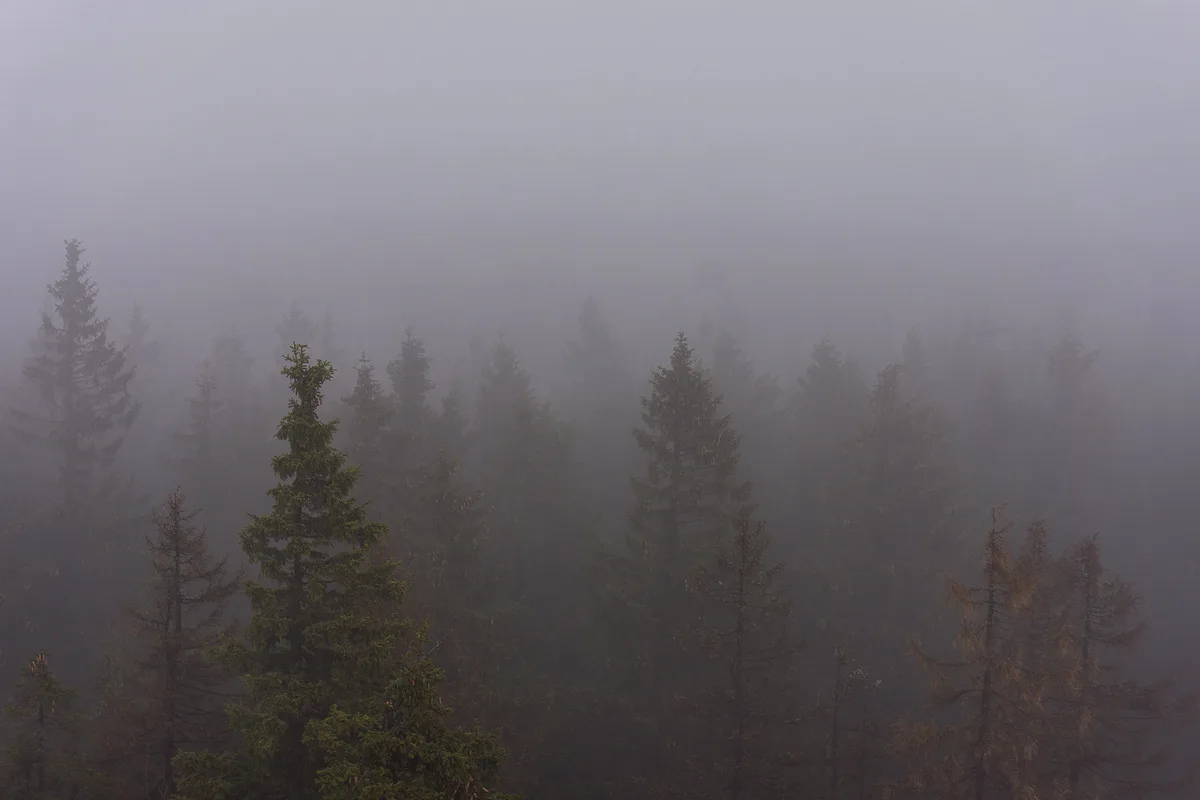
Start with the landscape you want, then check effort, season and how you plan to arrive. Coast parks suit flat walking and wildlife. Upland forests suit long hikes. Berchtesgaden is the only Alpine park, so it is the one for high mountain scenery. Use the table to narrow down, then read the regional entries below.
| Park | Region | Best fit |
|---|---|---|
| Schleswig-Holsteinisches Wattenmeer | North Sea coast | Mudflat walks, seal watching |
| Hamburgisches Wattenmeer | North Sea coast | Island and seabird trips |
| Niedersächsisches Wattenmeer | North Sea coast | Island stays, seals |
| Jasmund | Baltic coast, Rügen | Chalk cliffs, beech forest walks |
| Vorpommersche Boddenlandschaft | Baltic coast | Autumn cranes, paddling |
| Müritz | Mecklenburg lakes | Cycling, birdwatching |
| Unteres Odertal | Oder floodplain | Storks, quiet river landscapes |
| Harz | Central uplands | Hikers, Brocken summit |
| Hainich | Thuringia | Beech forest, tree-top walk |
| Kellerwald-Edersee | Northern Hesse | Foliage hikes by a lake |
| Eifel | Rhine uplands | Marked trails, ranger walks |
| Hunsrück-Hochwald | Rhineland-Palatinate | Quiet beech and bog hiking |
| Schwarzwald | Black Forest | Ridge hikes, river gorge walks |
| Sächsische Schweiz | Saxony | Climbing, viewpoints |
| Bayerischer Wald | Bavarian Forest | Summit hikes, old forest |
| Berchtesgaden | Bavarian Alps | Lake boats, alpine scenery |
16 National Parks in Germany by Region
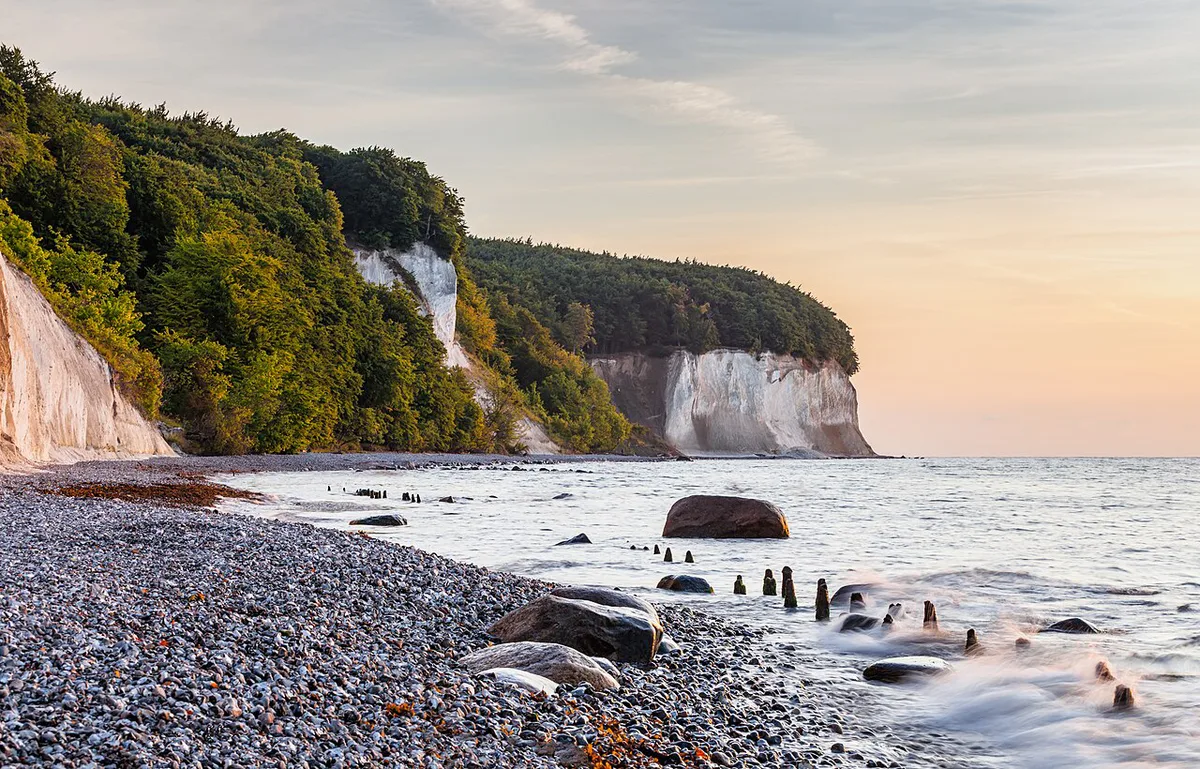
Pick the coast for easy terrain and wildlife, the lakes for cycling and birds, the uplands for hiking, and the south for mountains. Entries below run north to south.
1. Schleswig-Holsteinisches Wattenmeer
This North Sea park covers 4,410 km², making it Germany's largest national park by a wide margin. About 68% of that area lies permanently under water, and a further 30% only dries out periodically.
Mudflat walks and chances to see seals are the main draws, along with beach sailing and other wind sports. Skip it if you want forest hiking, since the terrain is flat and tide-ruled.
2. Hamburgisches Wattenmeer
Despite its name, this park is an exclave of Hamburg, protecting 13,750 hectares northwest of Cuxhaven. It holds the islands of Neuwerk, Scharhörn and Nigehörn, plus seals and grey seals on the sandbanks.
Millions of waders, geese, ducks and gulls gather here, so bird lovers get the most from it. Skip it if you dislike planning around tides and ferries; see the Wadden Sea mudflats section below.
3. Niedersächsisches Wattenmeer
This park stretches from the Dollart on the Dutch border across the East Frisian Islands to Cuxhaven. It protects mudflats, sandbanks, beaches, dunes and salt marshes, and seals rest on the sandbanks.
Plan an island stay if you want dunes and beach days alongside the wildlife. Skip it if you want elevation, since nothing here climbs above dune height. Our Wadden Sea guide covers the coast in more depth.
4. Jasmund
Jasmund is Germany's smallest national park at 3,003 hectares, on the Jasmund peninsula in northeastern Rügen. It protects beech forest, bogs and the well-known chalk cliffs.
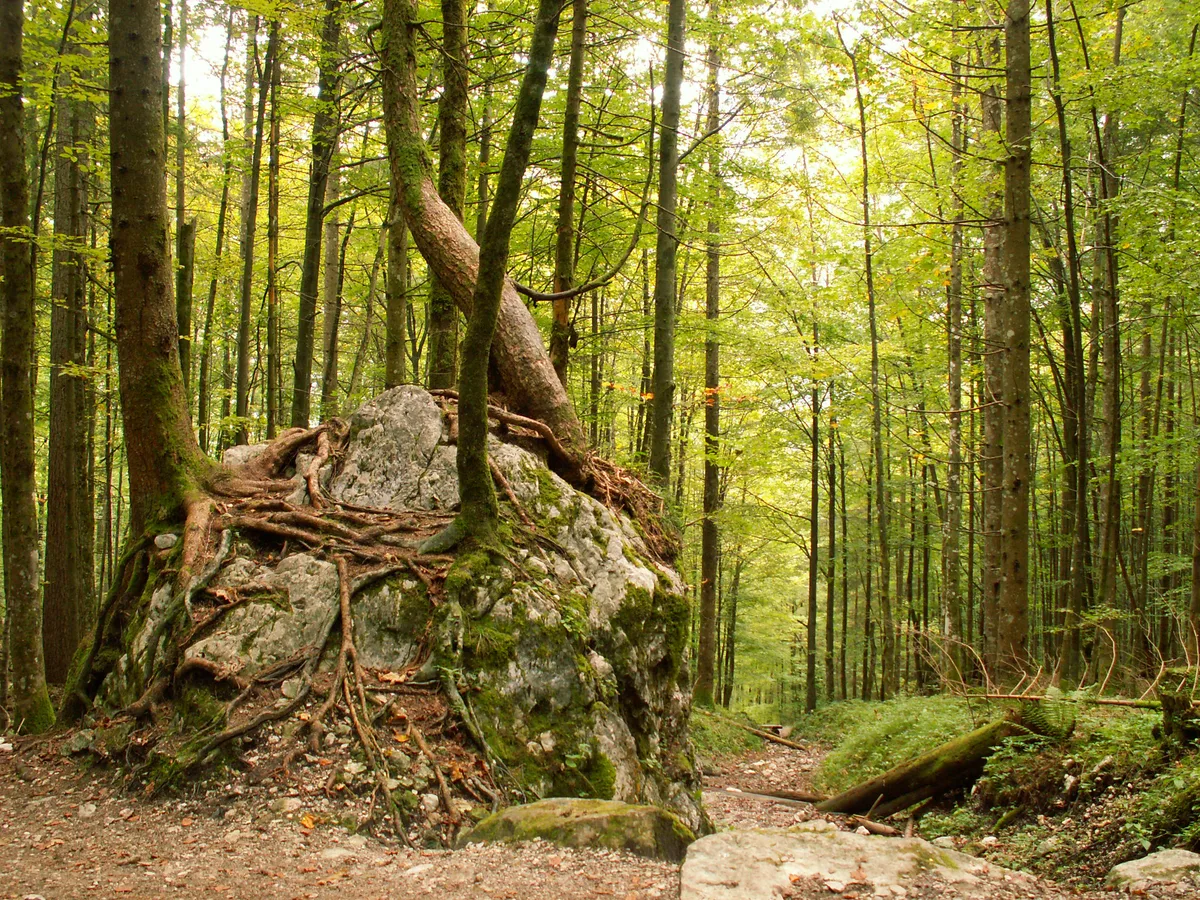
Walk through the forest toward the coast, and look for the Piekberg, which rises 161 m and is the island's highest point. Skip it if you want solitude on a long trek, because the park is compact. Read more on Jasmund's chalk cliffs.
5. Vorpommersche Boddenlandschaft
This Baltic park protects a coast that keeps changing shape in northwestern Mecklenburg-Vorpommern. Erosion strips land in some places, while the Darß and Bessin areas keep adding new land.
Wind flats appear when offshore winds expose shallow areas, which feeds migrating cranes in autumn. Seals and grey seals turn up regularly, and paddleboarding or a sailing trip is the usual way to find them. Skip it in winter if you want easy facilities.
6. Müritz
Müritz has two separate areas in the Mecklenburg lake district and is the largest national park on land. About 72% is forest and 13% is lakes, with small bogs scattered through it.
Watch for sea eagles and ospreys, then use the cycling and walking routes, rest stops, hides and lookout towers. Skip it if you want dramatic relief; this is a gentle lowland of water and woods.
7. Unteres Odertal
This floodplain park follows the lower Oder river and protects wet meadows and river habitats. Beavers live along the water, and white storks nest in the surrounding villages.
Black storks are rarer, but patient birdwatchers have a chance of spotting one. Skip it if you want marked hiking circuits or big viewpoints; this is a quiet park for wildlife watching.
8. Harz
Nationalpark Harz covers nearly 250 km² of central upland around the Brocken, mostly spruce and beech forest. Its high bogs are specially protected, and granite cliffs and mountain streams add variety.
Steep forest paths suit hikers and mountain bikers, and the Brocken summit is the obvious goal. Start with the park's official site for trails. Read our Harz moorland trails guide for planning.
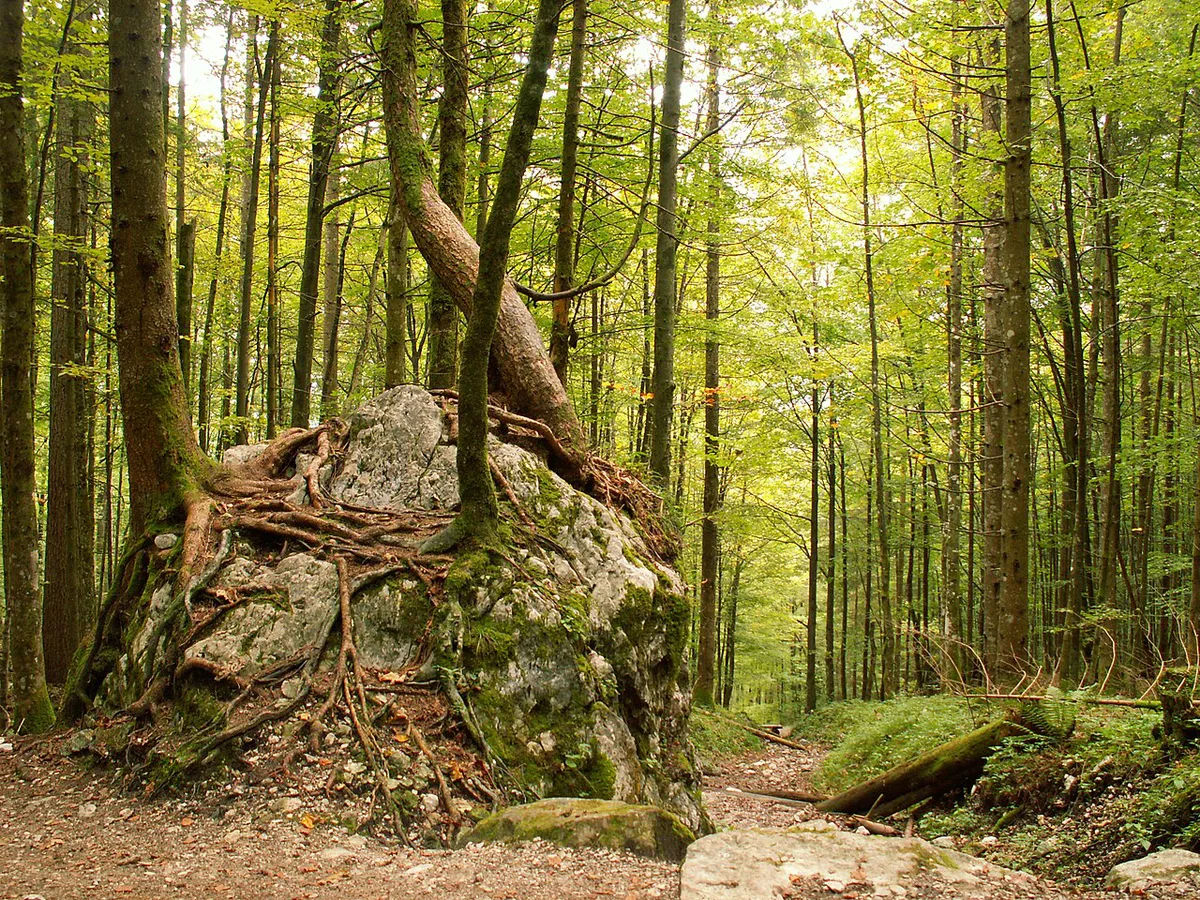
9. Hainich
Hainich was created to protect native beech forest, and it counts as UNESCO natural heritage. The goal is to let a central European primeval forest regrow without human intervention.
Its 530 m tree-top walk lets you see the canopy from above. The park lies in Thuringia and pairs well with Eisenach and the Wartburg. Read about Hainich's beech forest.
10. Kellerwald-Edersee
Red beech forests cover this upland park south of the Edersee in northern Hesse. It is home to 44 mammal species, including red deer, roe deer, foxes, badgers and martens.
Hike the ridges in autumn for color, and look for wildlife at dawn. Skip it if you only want short, paved strolls, as most routes are forest trails. See Kellerwald-Edersee's beech woods.
11. Eifel
Nationalpark Eifel covers about 110 km² of woodland, grassland, lakes and streams, with over 900 Red List species. Hikers have 240 km of marked trails, and trained rangers lead guided walks.
Parts of the park were once a military training ground and may still hold unexploded ordnance. Stay on marked paths at all times. Start with the park's official site, then read about Eifel's marked trails.
12. Hunsrück-Hochwald
Inaugurated at Pentecost 2015, this is Germany's youngest national park. It protects about 10,000 hectares of beech forest, bogs and meadows in the Hunsrück of Rhineland-Palatinate.
Its goal is to leave 75% of the area completely to nature. Skip it if you want a dedicated guide page or big attractions; it rewards quiet hiking instead.
13. Schwarzwald
The Black Forest park covers roughly 100 km² along the main ridge of the northern Black Forest. It has two separate areas, Hoher Ochsenkopf and the zone around Ruhestein.
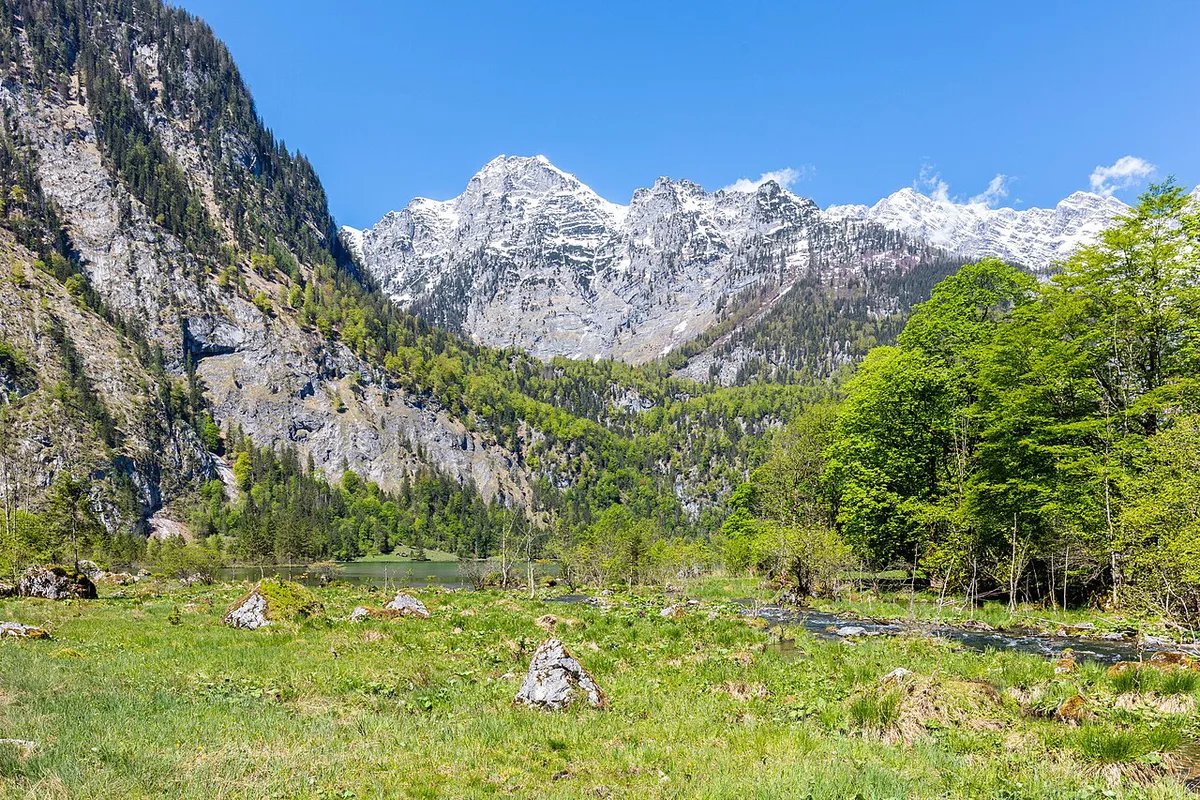
Edible dormice and adders live here, and the Murg riverbed makes a memorable hike. Check the official park site for access. Our Black Forest park guide has more.
14. Sächsische Schweiz
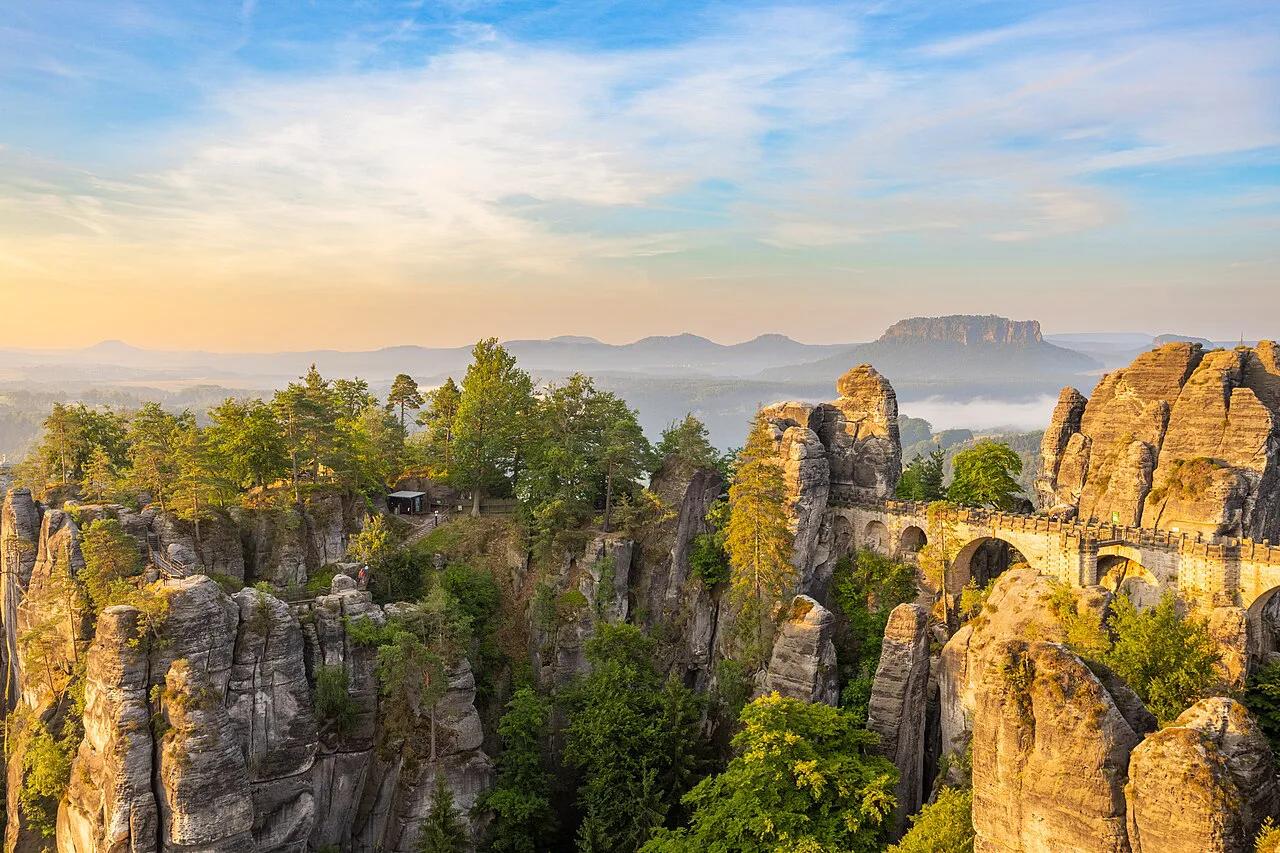
Sandstone formations define this park on the Elbe in Saxony, and climbers come for the rock. Walkers head for the Bastei bridge, the Lilienstein, the Schrammsteine and the Kuhstall rock gate.
The Polenztal is a gentler valley walk, and you can also see the landscape from an inflatable boat on the Elbe. Skip it on peak weekends if you dislike crowded viewpoints.
15. Bayerischer Wald
Founded in 1970, this was Germany's first national park, protecting spruce and mixed forest in high mountain terrain. Three summits anchor the hiking: Großer Falkenstein at 1,315 m, Lusen at 1,373 m and Großer Rachel at 1,453 m.
Some old-growth stands remain, though much of the park still shows its former forestry past. Plan a weekend of summit hikes, using Bavarian Forest peaks to pick a route.
16. Berchtesgaden
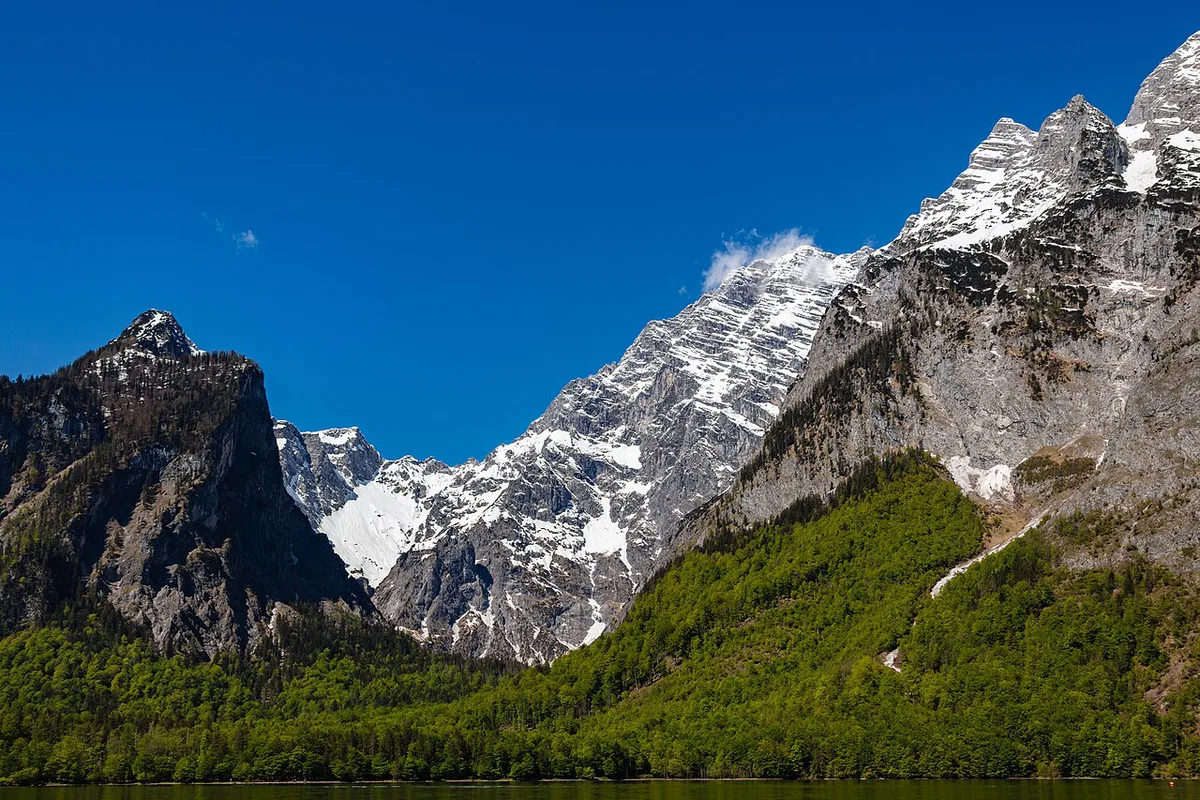
Berchtesgaden is the only national park in the German Alps, and every plant and animal species there is strictly protected. Only near-silent electric boats have run on Königssee for more than 90 years; see the Königssee boat operator.
Swimming is allowed in theory, but the water rarely passes 17 °C. Read Berchtesgaden's alpine scenery and the official park site before you go.
Wadden Sea Parks: Tides, Guides and Ferries
Germany's three Wadden Sea parks are Schleswig-Holstein, Hamburg and Lower Saxony, and they work differently from forest parks. Tides decide when mudflats are safe, so join a certified guide for walks and read tide tables from the park authorities. Island access runs on ferry timetables, which you should check before booking a night on Neuwerk or an East Frisian island. Our Wadden Sea overview covers the coast as a whole.
- Mistake to avoid: Walking mudflats alone
- Tides return faster than most visitors expect, so never set out without a guide or published tide times.
- Mistake to avoid: Leaving marked trails in Eifel
- Former training-ground areas can hold ordnance, so stay on the 240 km of marked trails.
The Wadden Sea continues north into Denmark, where it is protected as Wadden Sea National Park.
Costs, Permits and What's Free
Park entry is generally free, but boats, guided tours, tree-top walks and parking may cost extra. Check each park's official site for current fees and local rules on swimming, camping and trail use.
Park entry is usually free, but Hainich's 530 m tree-top walk may cost extra, so budget for it separately.
Getting Around: Car-Free vs Car Trips
Gateway towns and transit links differ by park, so check each park's website and Deutsche Bahn timetables. Coastal parks need ferries, while the larger forest parks are easier with a car.
- Trade-off: Coast vs mountains vs forest
- Coast parks mean flat walking but tide and wind exposure, while mountains mean steeper effort and weather swings. Forests sit between the two and stay walkable in most seasons.
- Trade-off: Car vs public transport
- A car gives access to trailheads in the Harz or Bavarian Forest. Public transport suits island and town-based trips better.
Best Time to Visit by Park Type
Autumn brings cranes to the Vorpommersche Boddenlandschaft, when migrating birds feed on its wind flats. Beech forests at Hainich and Kellerwald-Edersee turn color in the same season. Berchtesgaden's Königssee stays cold, rarely rising above 17 °C even in summer, so swimming is for the hardy. Coastal walks suit the warmer months when tides and daylight allow longer outings.
Planning a Short Trip
Pair Hainich with Eisenach and its Wartburg for a Thuringia weekend. Combine the Harz with a Brocken climb for a hiking-focused trip. Add Jasmund to a Rügen stay for chalk cliffs and beech woods. Two days suit one park and its gateway town, while five days let you link two nearby parks without constant driving.
Frequently Asked Questions
What is the largest national park in Germany?
Schleswig-Holsteinisches Wattenmeer is the largest, at 4,410 km². Müritz is the largest national park on land.
Explore More Guides
Keep planning your trip with these guides.
Guides
- Brocken Guide
- Berchtesgaden National Park: Plan Your Visit (Königssee, Watzmann)
- Black Forest National Park: Visitor Guide, Trails & Planning
- Harz National Park: Brocken, Gateway Towns and Car-Free Planning
- Eifel National Park Guide
- Bavarian Forest National Park: Planning Guide
- Wadden Sea National Park in Germany
- Jasmund National Park Guide
- Hainich National Park: Visitor Guide to Germany's Beech Forest
- Kellerwald National Park: Hikes, Access and Planning
- 9 Best National Parks in Germany by Traveler Type
Notes for your next park visit
Optional updates to our national park guides.
Read next

Keep planning
Picked from the same area