
Bavarian Forest National Park: Planning Guide
Plan Bavarian Forest National Park: what to see, how to get there without a car, where to base yourself, seasons, and what's free or paid.
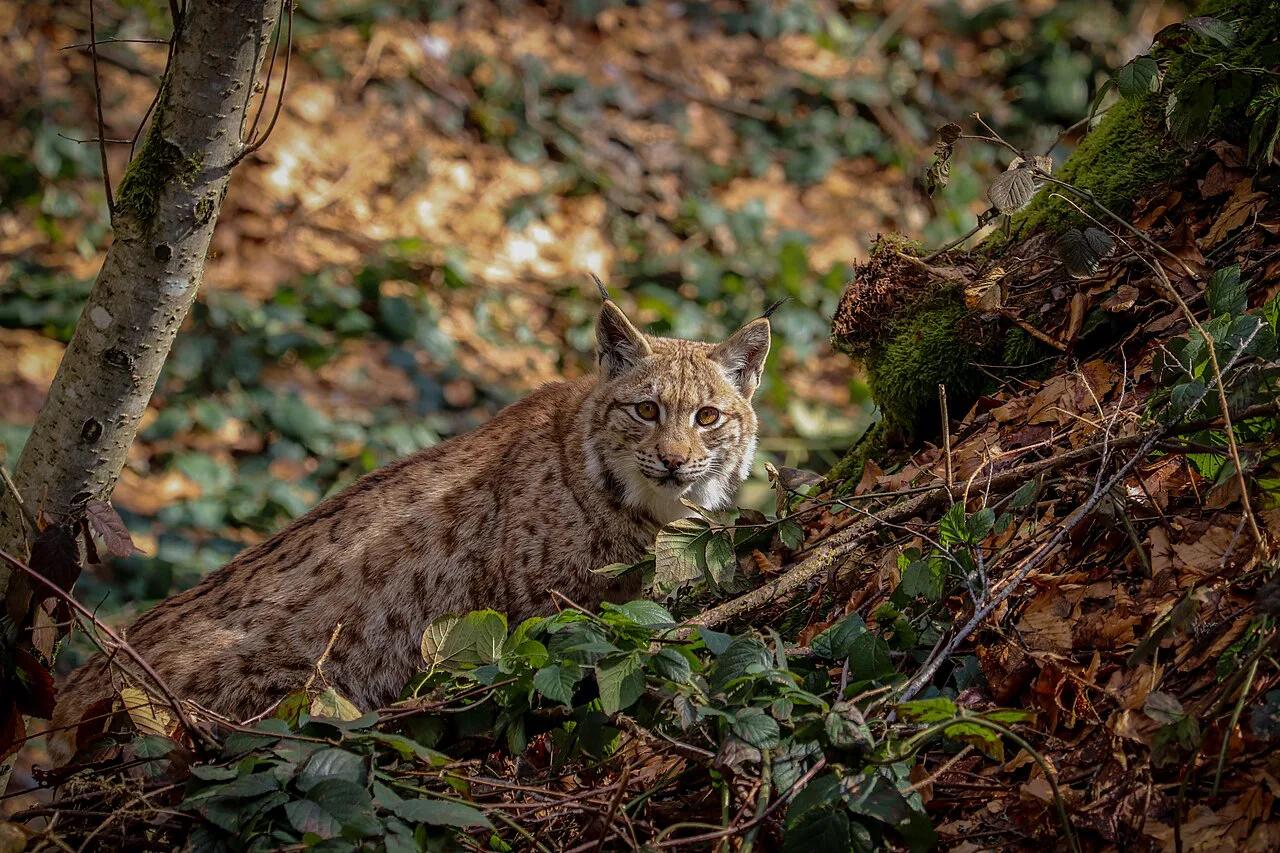
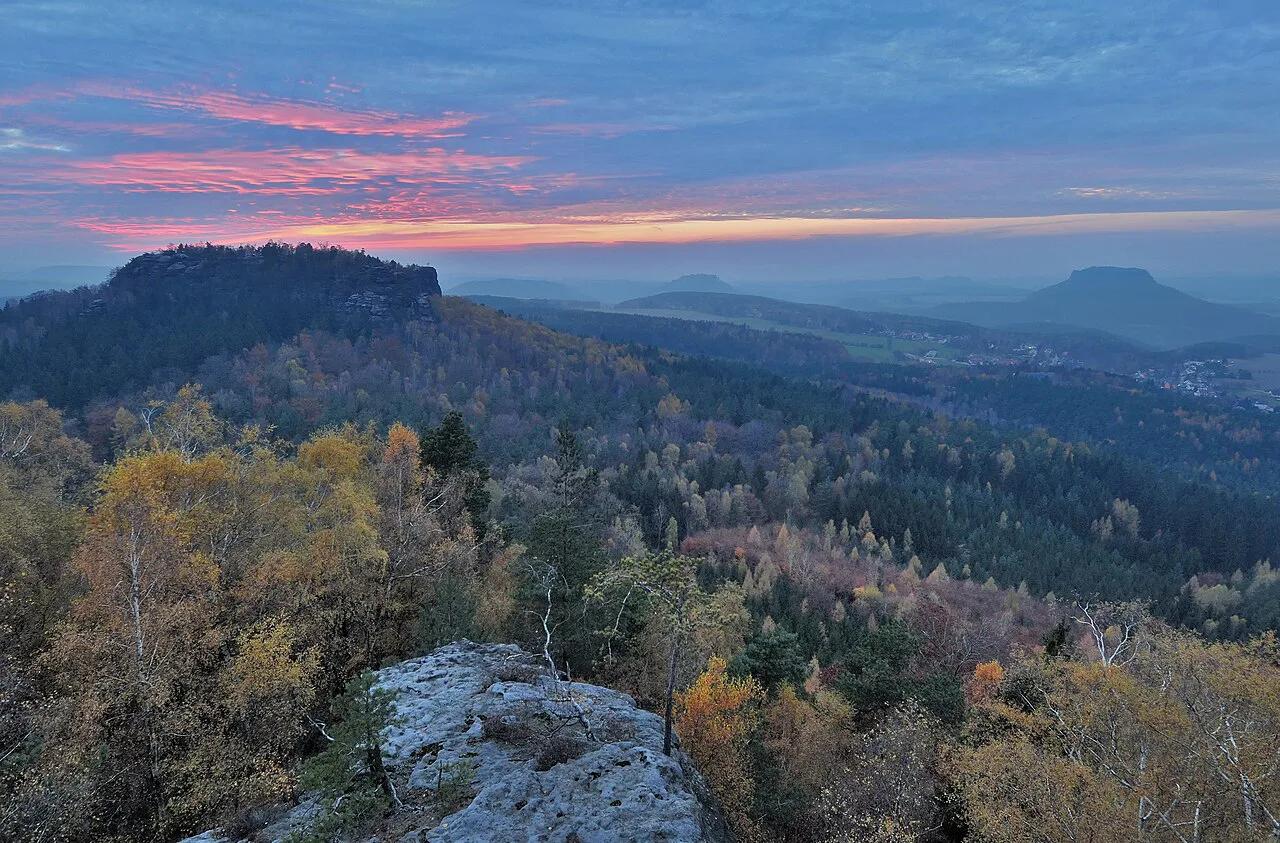
Last updated November 2026: Bavarian Forest National Park is Germany's oldest national park, and it is a hiking and wildlife destination rather than an alpine one. It sits on the Czech border in eastern Bavaria, with visitor access around Grafenau, Neuschönau and Bayerisch Eisenstein. Choose it for quiet forest walks, family-friendly enclosures and rail access without a car, and look elsewhere if you want big peaks.
Featured image: JakobRei, CC BY-SA 4.0, via Wikimedia Commons.
Quick answer: is Bavarian Forest National Park worth visiting?
Yes, if you want woodland rather than mountain drama. Nationalpark Bayerischer Wald is a large forest wilderness where the appeal is slow walking, summit hikes with forest views and a chance to see animals in a natural setting. It is one of the 16 National Parks in Germany: How to Choose the Right One that works well for a calm, low-key trip. Peak-chasers will find it gentler than the Alps, and for many travellers that is the point.
- Best for: hikers who like long forest trails, families, wildlife and nature-photography fans, and anyone who wants quiet.
- Also good for: rail travellers, because the Waldbahn line and the Igelbus network reach the park without a car.
- Skip if: you want jagged alpine scenery, a coastline or a city-based trip with no time for local buses.
What to see and do in the park
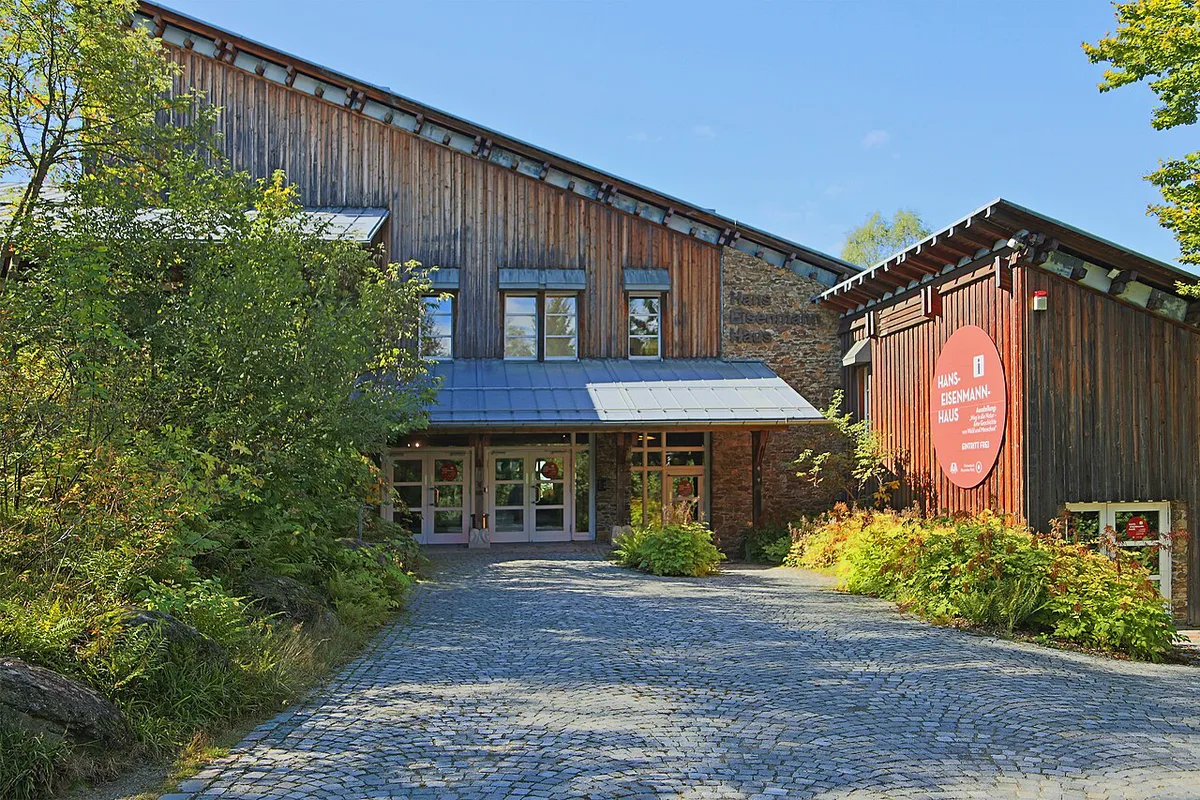
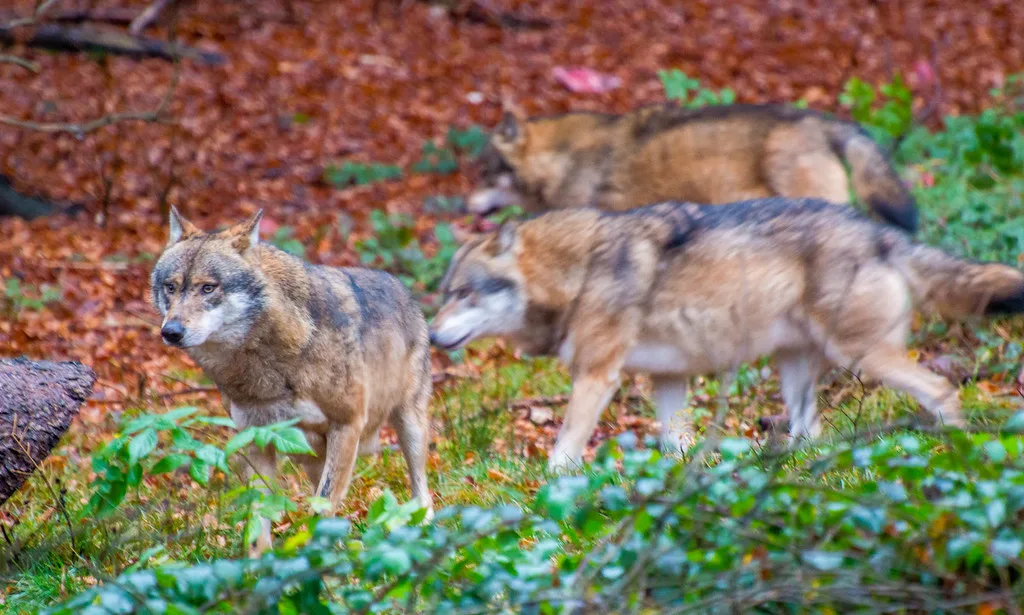
Start with the Hans-Eisenmann-Haus, the park's visitor centre. It is the best place to learn what the forest is and to collect current trail information. The Tree Top Walk (Baumwipfelpfad) lifts you into the canopy without a hard climb. The Tier-Freigelände wildlife enclosures let you see forest animals at close range. For a real hike, head for the summits of Lusen and Rachel. The Falkenstein area is another walking base, and the park also runs guided tours and a Wilderness Camp option.
| Option | Effort | Family fit | Rain-day fit | What you get |
|---|---|---|---|---|
| Hans-Eisenmann-Haus | Low | High | High | Exhibitions and trail advice |
| Tree Top Walk | Low | High | Medium | Canopy views and an easy stroll |
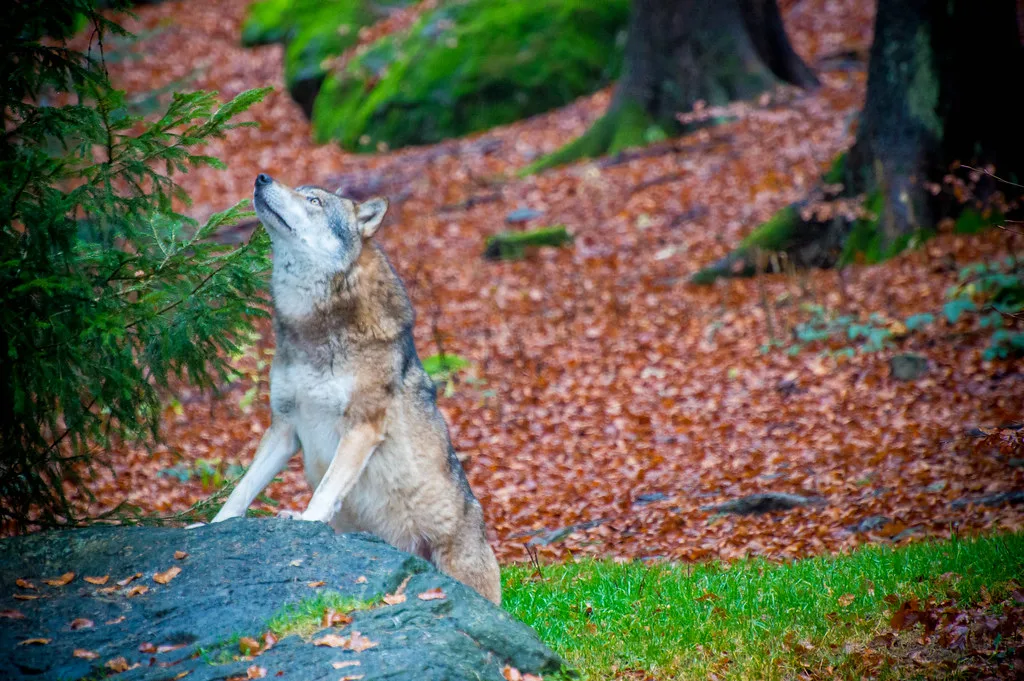
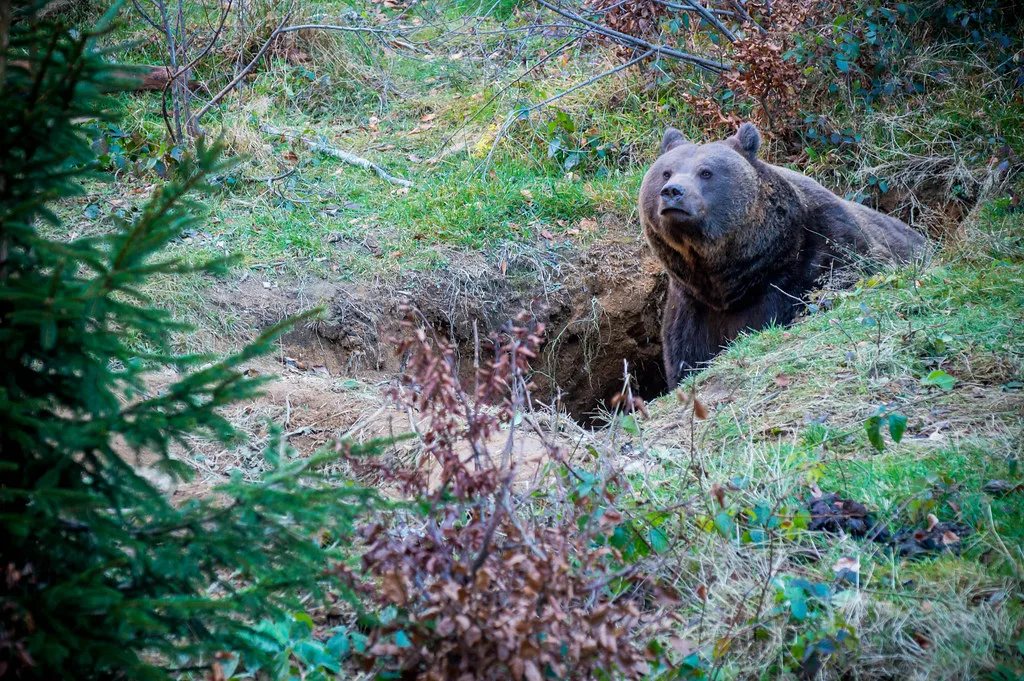
| Tier-Freigelände enclosures | Low to medium | High | Medium | Reliable animal viewing |
| Lusen summit hike | High | Medium | Low | Summit views and big forest |
| Rachel summit hike | High | Medium | Low | Long trail through varied woodland |
| Falkenstein area | Medium | Medium | Low | Forest walking away from crowds |
| Guided tour or Wilderness Camp | Varies | Varies | Varies | Ranger knowledge and deeper immersion |
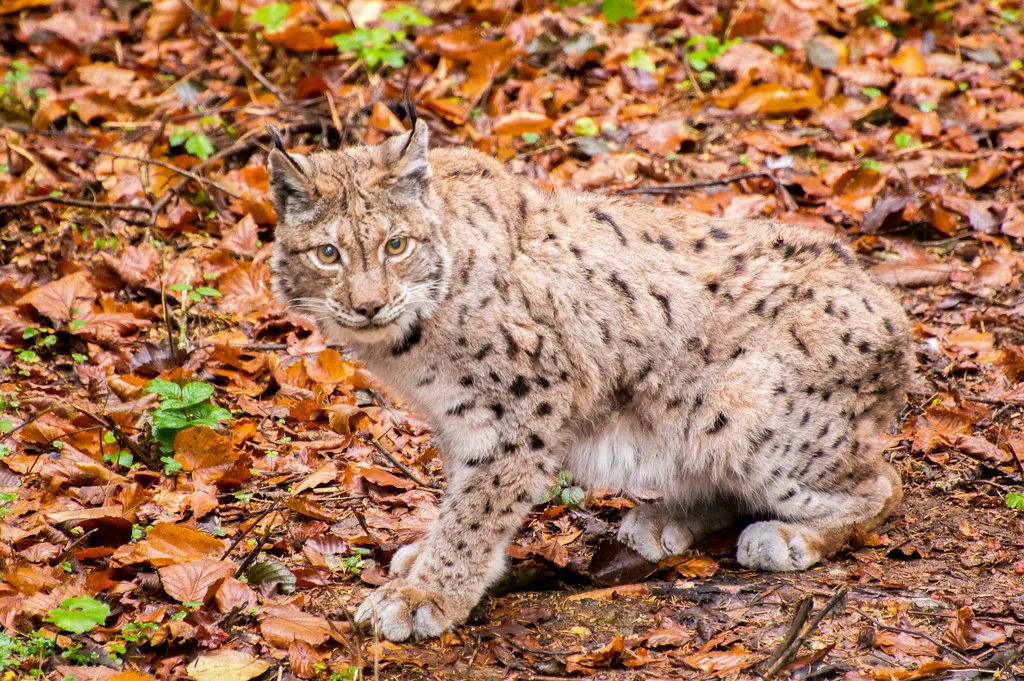
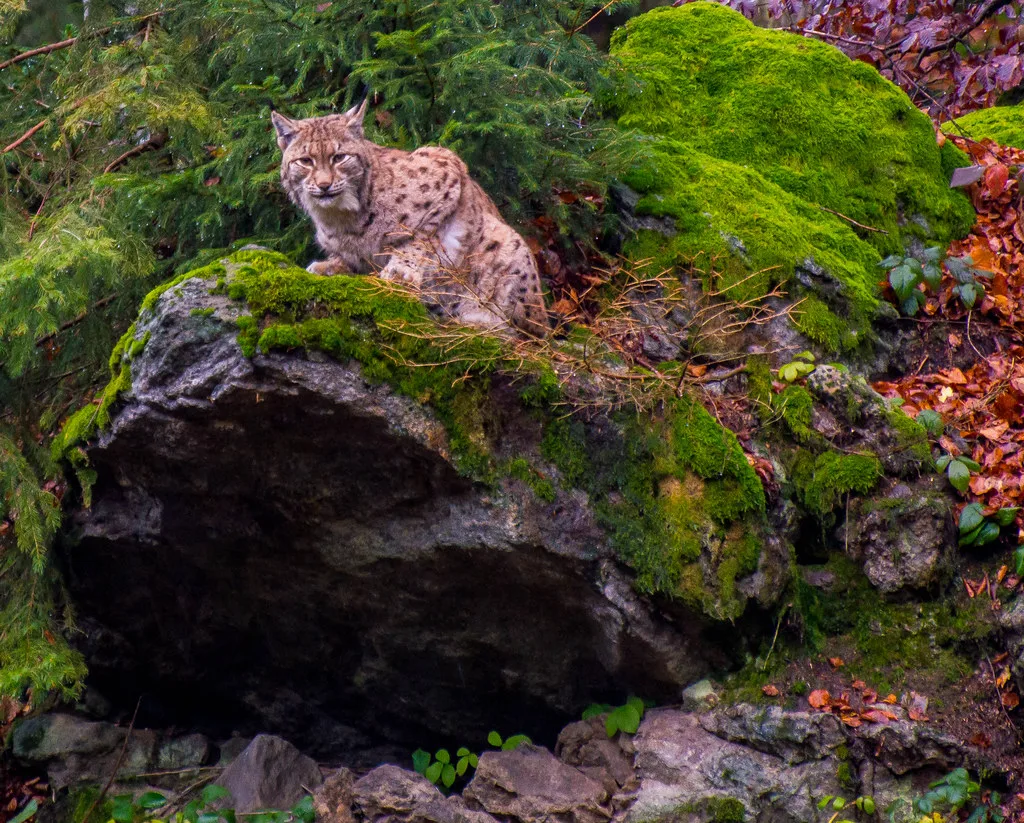
- Enclosure animals are easy to see. Wild animals in the open forest are not, so treat any wild sighting as a bonus.
- Do not plan around spotting lynx, wolves or other elusive species.
How to plan your time
Match the trip to your energy and your base. Each option below is a shape, not a script. Day-trippers from outside the park give up early and late light, spontaneous trail changes and the chance to wait out weather.
- Half day: visit the Hans-Eisenmann-Haus, then walk the Tree Top Walk or the enclosures. This suits families and rainy mornings.
- One day: pair one easy site with one longer walk, such as Falkenstein, and finish before the last bus.
- Two to three days: add a Lusen or Rachel summit hike on a clear day, plus a guided tour or a slower enclosure visit.
- Rain fallback: choose the visitor centre and the enclosures, and save summits for another day.
- Bad visibility: skip the summits in low cloud, because the payoff is the view and forest trails are the better choice.
Best time to visit: seasons compared
Every season changes the trade-offs rather than ruling the park out. Some trails and zones carry seasonal or conservation-based access rules. Read the notices on the official park site before you set a route.
| Season | Strength | Trade-off |
|---|---|---|
| Summer | Best for long hikes, the Tree Top Walk and enclosures | Popular trailheads fill up, so start early |
| Autumn | Forest colour and quieter paths | Daylight shortens, so plan your return |
| Winter | Snow-quiet forest and a calm mood | Public transport and facilities may run reduced schedules; driving can be harder |
| Spring and shoulder months | Fewer visitors | Some routes or services may not be fully open yet |
Costs, tickets and opening hours
Park entry and trails are generally free to walk, but the Tree Top Walk, some enclosures and guided tours are separate matters. Prices and hours change, so use the official Nationalpark Bayerischer Wald site for current figures.
- Cost categories for a day: parking, local transport, paid attractions and food.
- Ask your accommodation whether a regional guest card includes bus travel.
Getting there and getting around without a car
The Waldbahn rail line and the Igelbus network are your car-free options, with Bayerisch Eisenstein and Grafenau among the park's access points. Timetables and seasons change, so check the operators and the park site before you plan.
| Factor | Car | Rail and Igelbus |
|---|---|---|
| Cost | Fuel and parking | Fares, with possible guest-card savings |
| Flexibility | High | Tied to timetables |
| Trailhead access | Direct, but parking can be limited | Good on served routes, thin elsewhere |
| Winter | Driving can be harder | Reduced service is possible |
- Common mistake: reaching a remote trailhead late and missing the last bus.
- Common mistake: assuming winter or off-season service matches summer timetables.
- Common mistake: ignoring limited parking at popular trailheads.
Where to stay: pick your base

Your base decides how car-free the trip can be. Grafenau, Neuschönau and Bayerisch Eisenstein are named access points, so they are natural places to start your search.
- Park-edge villages: shortest walk to trails and attractions, and good for slow mornings.
- Larger gateway towns: more food and shopping choices, with transit links to the park.
- Remote guesthouses: quiet and atmospheric, but usually a car is needed, which makes winter harder.
Bavarian Forest National Park vs other German parks
Choose Berchtesgaden National Park: Plan Your Visit (Königssee, Watzmann) if you want an alpine alternative with mountains. Look at Black Forest National Park: Visitor Guide, Trails & Planning for another forest-and-hiking option with a more developed hiking-resort feel. To compare more options, see the best national parks in Germany. The German National Tourist Board also lists the national parks.
Frequently Asked Questions
Is Bavaria the same as the Black Forest?
No. Bavaria is a large region, and Bavarian Forest National Park sits on its Czech border. The Black Forest is a separate area with its own national park, so plan them as different trips.
What kinds of wild animals can be found at Bavarian Forest National Park?
The Tier-Freigelände enclosures show forest animals up close, which is the reliable way to see them. Wild animals roam the open forest but are hard to spot. Treat any wild sighting as luck, not a promise.
Notes for your next park visit
Optional updates to our national park guides.
Read next

Keep planning
Picked from the same area