
9 Best National Parks in Germany by Traveler Type
Nine of the best national parks in Germany, picked by traveler fit: what each is best for, how long to stay, how to get there and who should skip it.
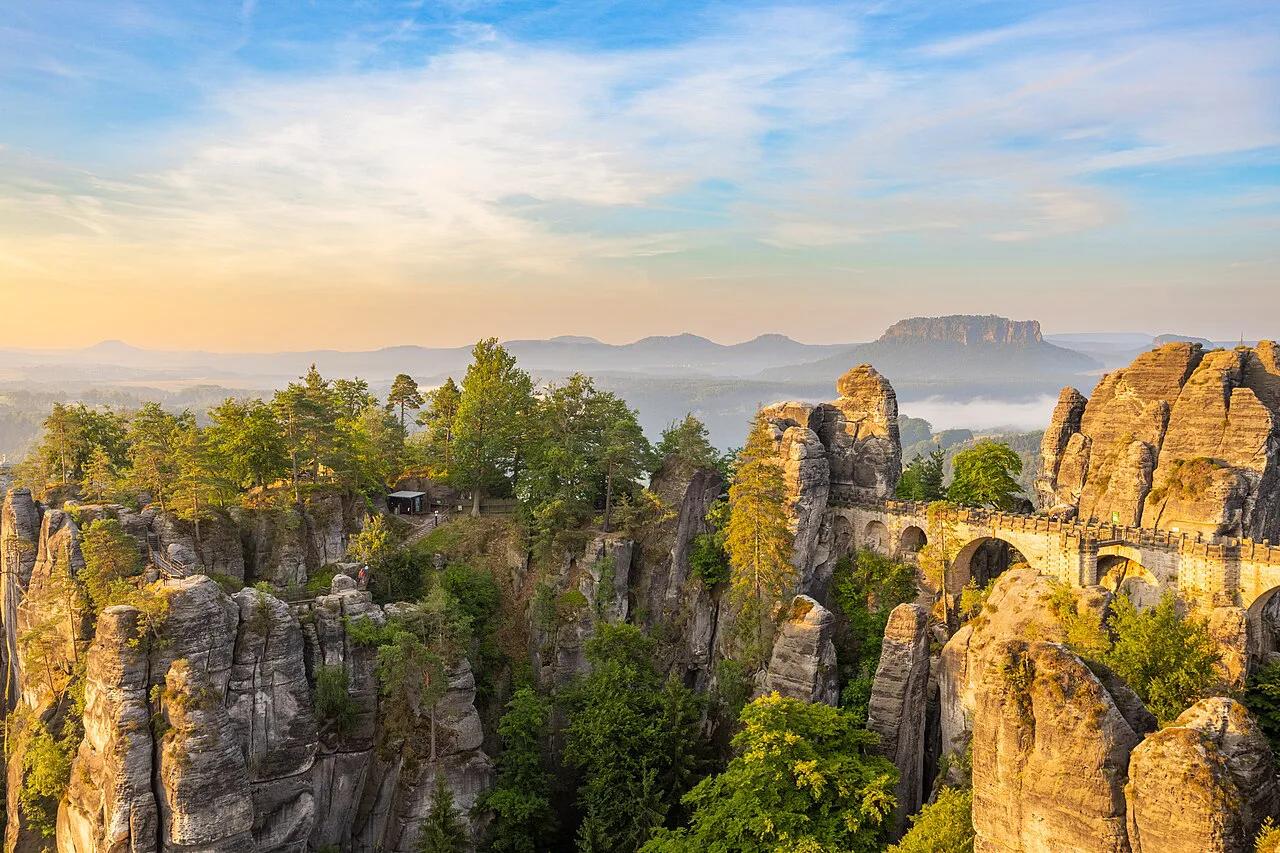
Last updated November 2026: the best national parks in Germany depend on what you want to see. Berchtesgaden wins for Alpine lakes, Jasmund for chalk cliffs, the Harz for its Brocken steam railway and the Wadden Sea for tidal flats. Our shortlist ranks nine parks by traveler fit, and the full country overview sits in our guide to every German national park.
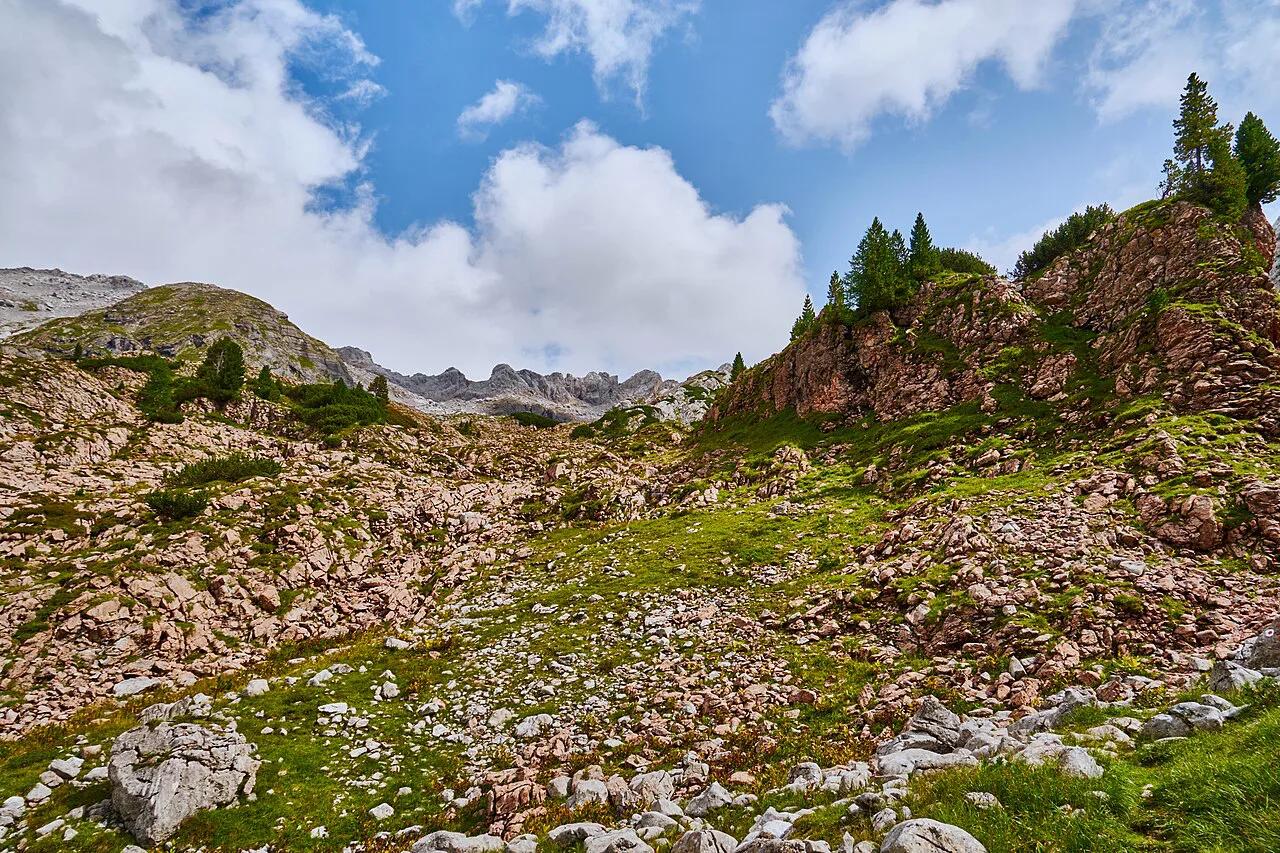
Featured image: Flukes69, CC BY-SA 4.0, via Wikimedia Commons.
Quick answer: the best national parks in Germany at a glance
Pick by landscape first, then by how much time you have. Mountains and lakes point to Bavaria, ancient beech forest points to Thuringia and Hesse, and sea views point to the north coast. The table below sums up each park in one line.
| Park | State | Best for | Typical visit |
|---|---|---|---|
| Berchtesgaden | Bavaria | Alpine peaks and lakes | Full day to several days |
| Bavarian Forest | Bavaria | Wild forest and wildlife | One to two days |
| Black Forest | Baden-Württemberg | Forest hiking | Half day to one day |
| Harz | Saxony-Anhalt and Lower Saxony | Brocken summit and steam railway | One day |
| Eifel | North Rhine-Westphalia | Beech forest and reservoir views | One day |
| Jasmund | Mecklenburg-Western Pomerania | Chalk cliffs on Rügen | Half day to one day |
| Wadden Sea | Schleswig-Holstein, Lower Saxony, Hamburg | Tidal flats and birdlife | One day |
| Hainich | Thuringia | Quiet beech forest | Half day |
| Kellerwald-Edersee | Hesse | Quiet, less-visited trails | One day |
How we chose these parks
We compared parks on five criteria. These were landscape type, hiking difficulty, public-transport access, crowd level and how much time a visit needs. Popularity rankings built on social media followers did not decide anything here. A quiet park such as Kellerwald-Edersee can suit you better than a famous one. Every park below has its own page on this site.
9 Best National Parks in Germany, Ranked by Traveler Fit
Each park below states what it is best for, one signature sight, the time it needs and who should skip it. Facts were checked in November 2026, and we quote no entrance fees because none are confirmed here.
1. Berchtesgaden: best for Alpine scenery
Berchtesgaden National Park: Plan Your Visit (Königssee, Watzmann) was founded in 1978 and covers about 20,804 hectares of peaks, lakes, subalpine forest and alpine pasture. It is the only German national park in the Alps, which gives it a dramatic skyline that no other park here matches. Your signature outing is a boat trip on the Königssee, operated by Bayerische Seenschifffahrt.
Allow a full day for the lake plus a short walk, or several days if you want summit hikes. Skip it if you hate summer crowds or lack mountain-walking fitness, because the best routes are steep.
2. Bavarian Forest: best for wild forest and wildlife
Bavarian Forest National Park: Planning Guide opened in 1970 as Germany's first national park and covers about 24,980 hectares. Its appeal is wild, unmanaged woodland, moorland and boulder fields rather than headline summits. Low-key hiking fits it best, with gentle forest paths that suit families and beginners.
Plan one to two days, since the park is large and quiet. Skip it if you need a single dramatic viewpoint, because the rewards here come slowly through the trees.
3. Black Forest: best for forest hiking with easy access
Black Forest National Park: Visitor Guide, Trails & Planning suits walkers who want dense woodland without committing to a multi-day trip. Its official site, Nationalpark Schwarzwald, lists current trails, visitor facilities and access details. A half day on forest paths is enough for a first taste, and a full day lets you link several trails.
Road and rail access make it a practical pick for travelers building a wider Baden-Württemberg trip. Skip it if you want Alpine drama or sea views, since the scenery is calm forest.
4. Harz: best for the Brocken and steam trains
Harz National Park: Brocken, Gateway Towns and Car-Free Planning straddles Saxony-Anhalt and Lower Saxony and is built around the Brocken summit. Its narrow-gauge steam railway is the signature experience, and timetables are listed by the Harzer Tourismusverband. Treat it as a one-day trip, combining the train ride with a short summit walk.
Summit weather can turn cold and foggy, so pack layers even on a clear morning in town. Skip it if you want guaranteed views, because the Brocken is often clouded in.
5. Eifel: best for beech forest and reservoir views
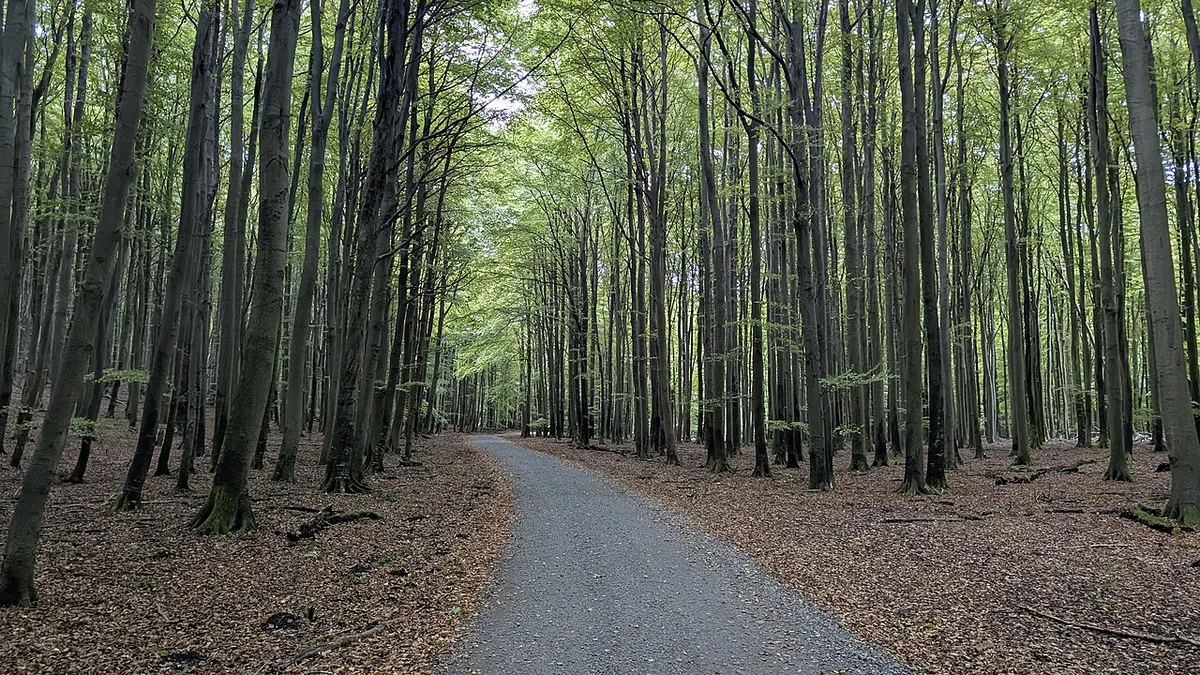
Eifel National Park Guide: Getting There, Rules & What to See was founded in 2004 and covers about 10,770 hectares of beech forest, grassland and the Urft reservoir. Autumn is its main draw, when the beech woods turn gold and copper.
Walks around the reservoir make an easy one-day outing, and the park's own site, Nationalpark Eifel, lists trails and visitor centres. Skip it if you want high mountains, since the terrain is rolling rather than steep.
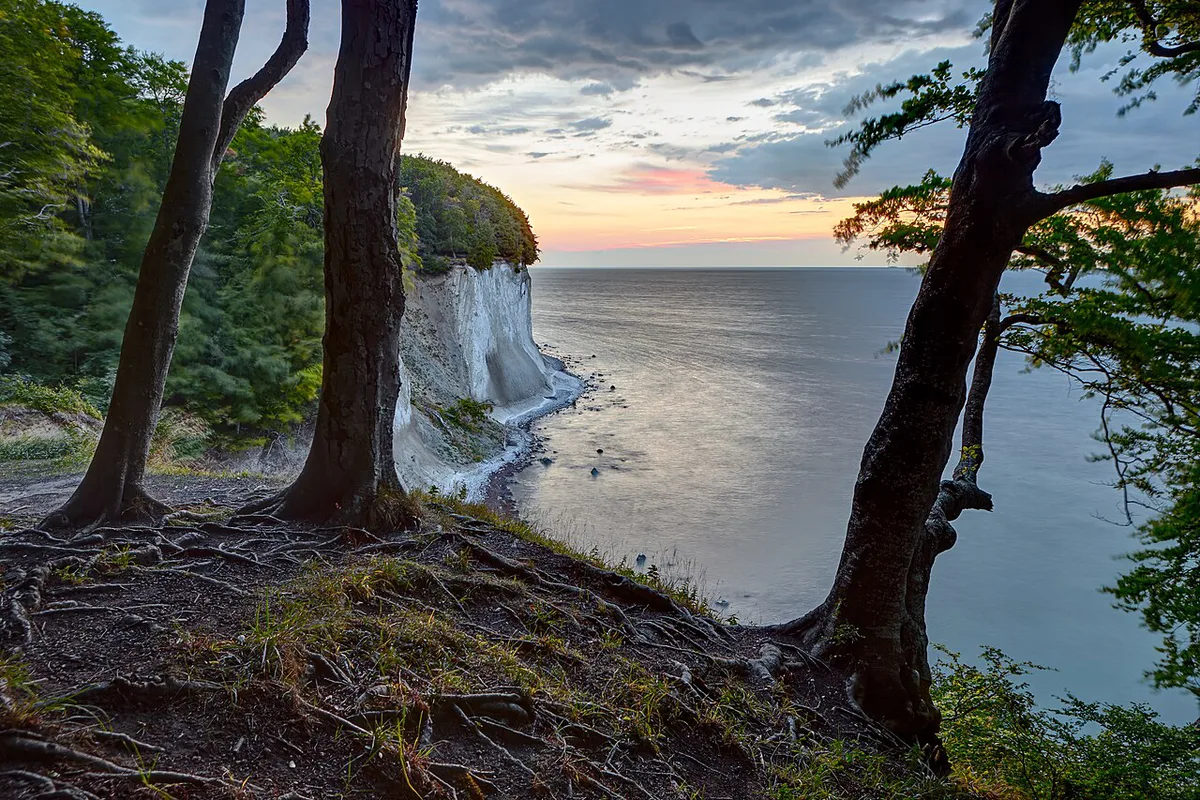
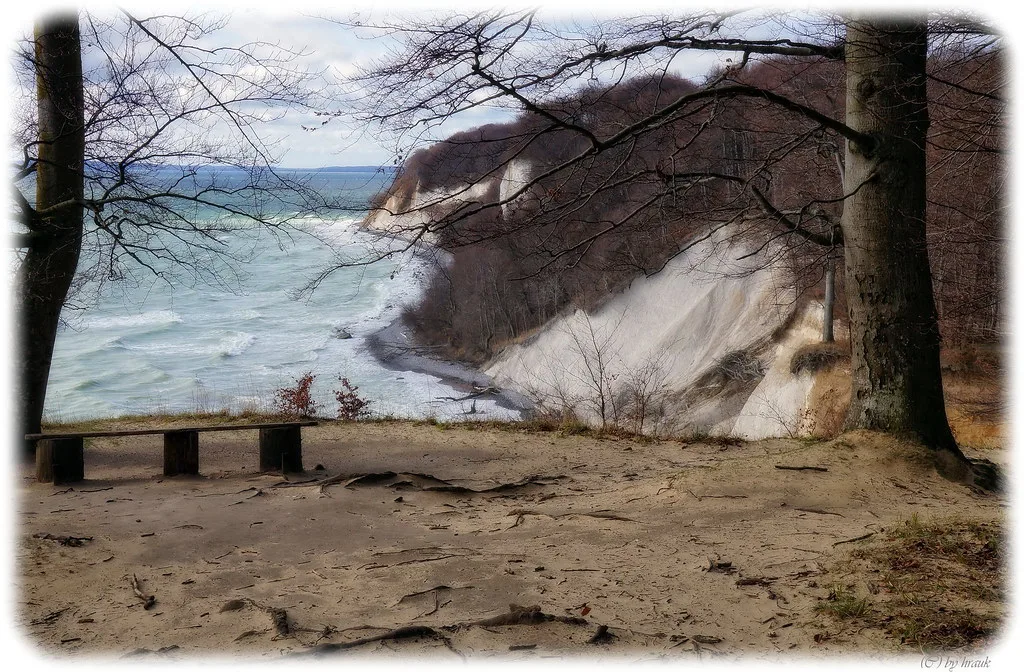
6. Jasmund: best for chalk cliffs on Rügen
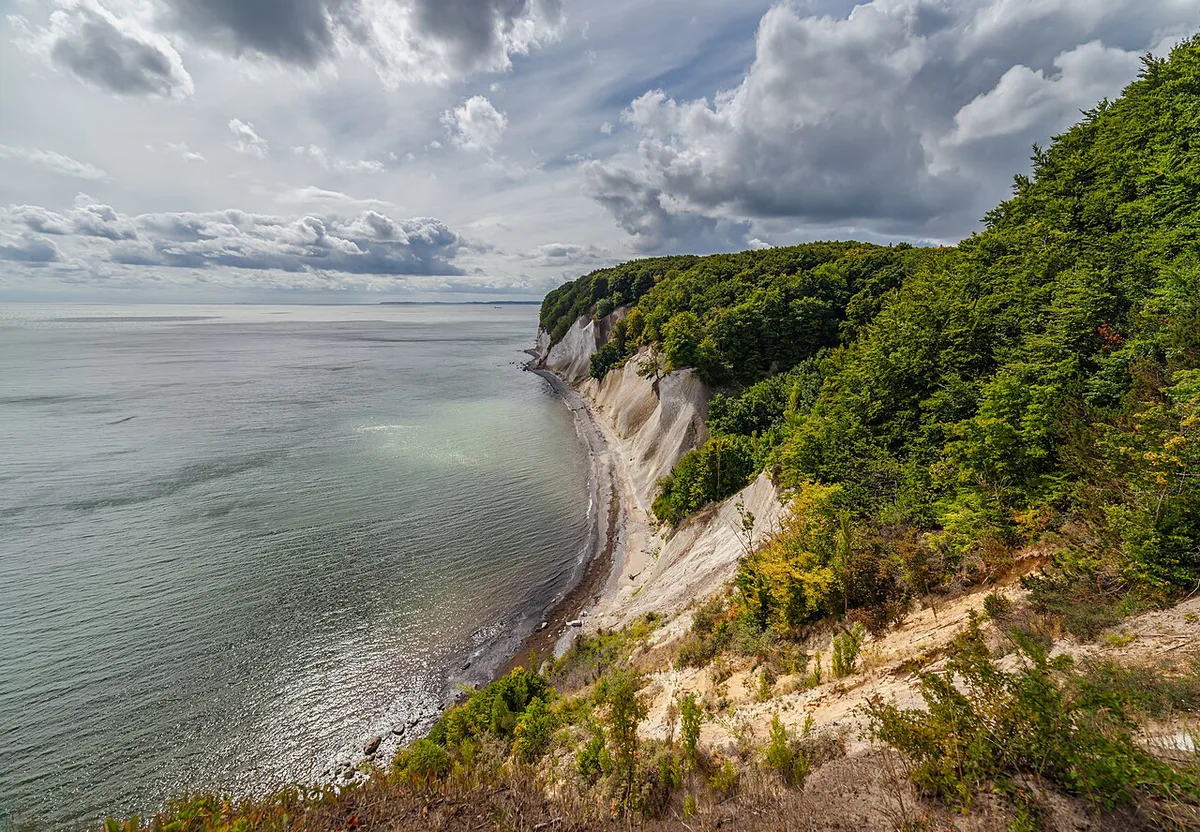
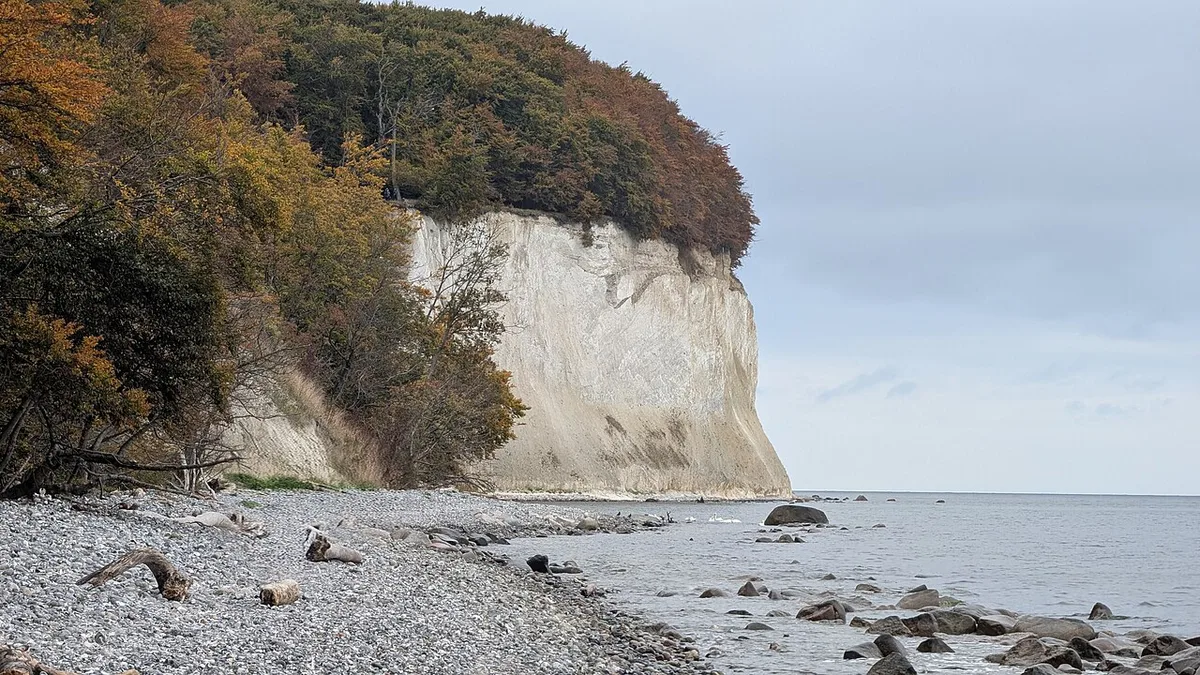
Jasmund National Park Guide: Chalk Cliffs, Trails & Tips sits on Rügen in Mecklenburg-Western Pomerania and is Germany's smallest national park. White chalk cliffs rise above the Baltic Sea, with ancient beech forest on the plateau behind them. This is the scene that inspired Caspar David Friedrich's 1818 painting Chalk Cliffs on Rügen.
Half a day covers the main cliff walk, and a full day adds forest trails. Skip it if you dislike busy paths in summer or want a long wilderness trek.
7. Wadden Sea: best for tidal flats and birdlife
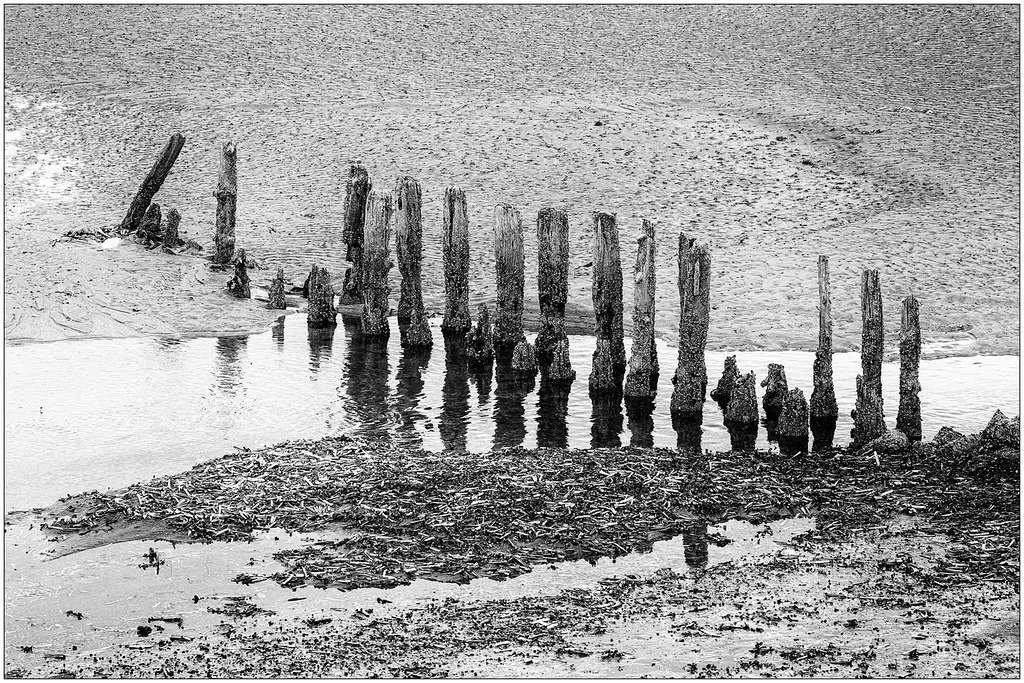
Wadden Sea National Park in Germany: Where to Go & How to Visit is really three separate state parks, in Schleswig-Holstein, Lower Saxony and Hamburg. Decide which coast you mean before you plan, because they are far apart. Its signature experience is the tidal flats, where birds feed at low tide and the landscape changes by the hour.
Tide times decide what is possible, so build the day around the local tide table. Skip it if you want hills or forest, as this is flat, open and exposed.
8. Hainich: best for a quiet beech forest
Hainich National Park: Visitor Guide to Germany's Beech Forest in Thuringia protects old beech forest that feels calm even in good weather. It rewards slow walking more than ambitious routes, with shaded trails and few other visitors. Check the park's visitor information for its canopy walk before you go.
A half day is enough for most visitors. Skip it if you want big views or a famous landmark.
9. Kellerwald-Edersee: best for a quiet, less-visited trip
Kellerwald-Edersee National Park in Hesse protects beech forest above the Edersee reservoir. It draws fewer visitors than the better-known parks, and that is its main advantage. Plan one day of forest walking with lake views, and expect quiet trails even in good weather.
Low online popularity says nothing about quality, so treat it as a calm alternative to busier parks. Skip it if you rely on public transport, because remote parks need more planning.
Which park fits you
First-time Alps visitors should choose Berchtesgaden. Families and short-walk travelers will like the Bavarian Forest and Jasmund. Coast and birdwatching fans should head to the Wadden Sea. Autumn colour is strongest in the Eifel. Travelers without a car should start with the Harz, where the steam railway does much of the work. Anyone after solitude should try Hainich or Kellerwald-Edersee.
Berchtesgaden spans 20,804 hectares while the Eifel spans 10,770, so match park size to how many days you have free.
When to go
Autumn is the classic season for beech forests such as the Eifel, Hainich and Kellerwald. Summer is busiest at Berchtesgaden and Jasmund, so start early. Winter brings snow to the Alps and Harz summits and can limit trails and boat services. The Wadden Sea changes with the tide, not the month, so plan around tide tables whatever the season.
Costs, access and park rules
We found no confirmed entrance fees, parking charges or opening hours for these parks, so we quote none. Check the park's own website and Germany's national tourist board for current details.
Mistakes to avoid and planning a multi-park route
Do not assume each park has one gate. Many have several entry points and visitor centres, so choose a base first. Berchtesgaden and the Bavarian Forest are both in Bavaria but far apart, and Jasmund and the Wadden Sea are on different coasts. Pair parks that sit near each other, and give each at least one full day. When your route is set, our full list of German national parks helps you add more.
Frequently Asked Questions
How many national parks are there in Germany?
Germany has 16 national parks in the count used by our sources. Check the national tourist board's national parks page for the current official total.
Which national park is considered the most beautiful?
That is a matter of taste. Berchtesgaden is the usual pick for Alpine scenery, and Jasmund wins for chalk cliffs on the Baltic. Choose by landscape: mountains, forest or coast.
Notes for your next park visit
Optional updates to our national park guides.
Read next

Keep planning
Picked from the same area