
Jasmund National Park Guide: Chalk Cliffs, Trails & Tips
Plan Jasmund National Park on Rügen: how to reach the chalk cliffs, which trail to pick, Königsstuhl costs and whether to skip it, and safety tips.
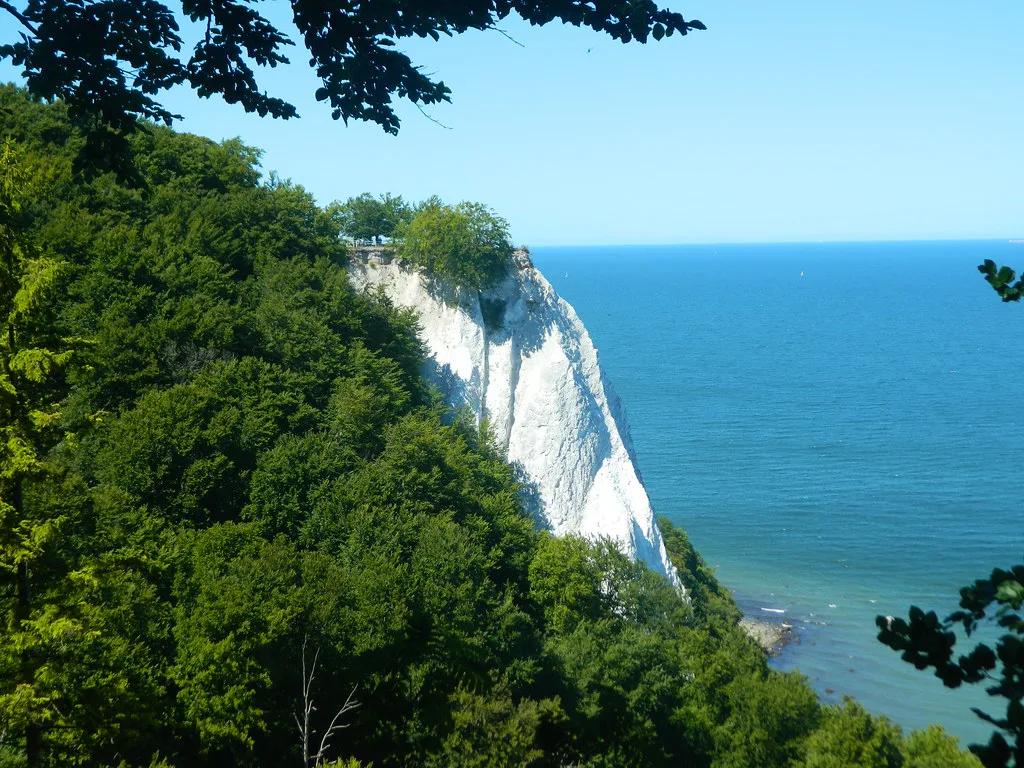
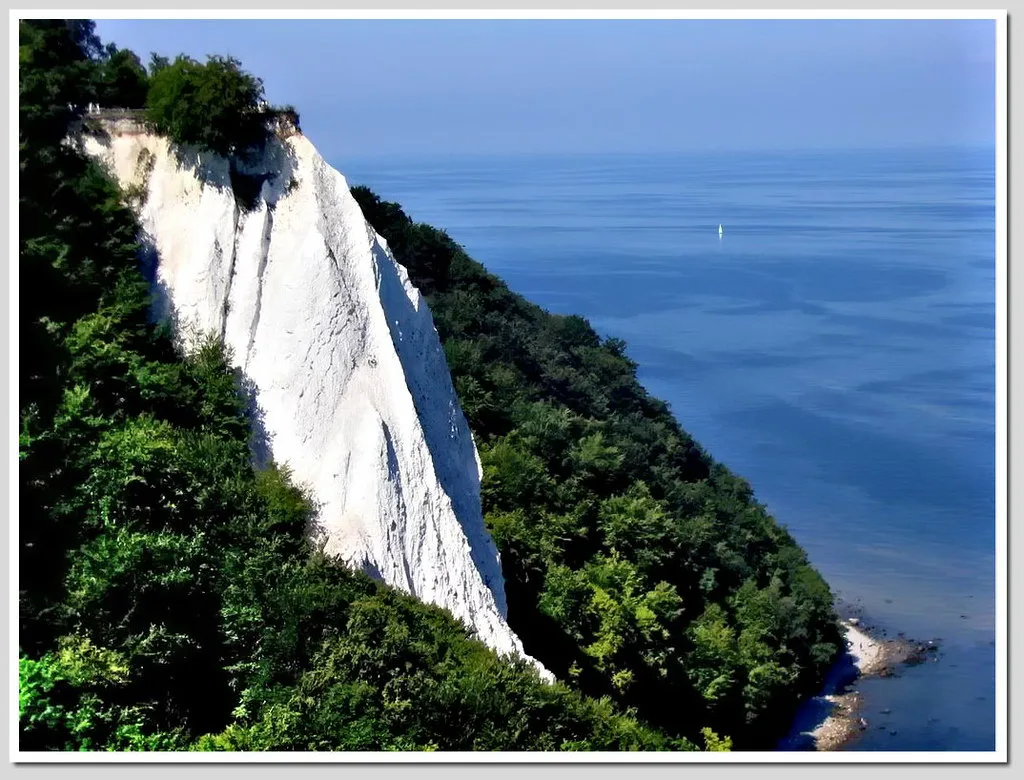
Last updated November 2026. Jasmund National Park is Germany's smallest national park, a strip of Baltic coast on Rügen's Stubnitz peninsula with white chalk cliffs and old beech forest. Plan on one long coastal walk, the Königsstuhl viewpoint and a base in Sassnitz. It is one of the sea-facing stops in our guide to Germany's national parks.
Featured image: Ruben Holthuijsen, CC BY 2.0, via Flickr.
Jasmund National Park at a glance
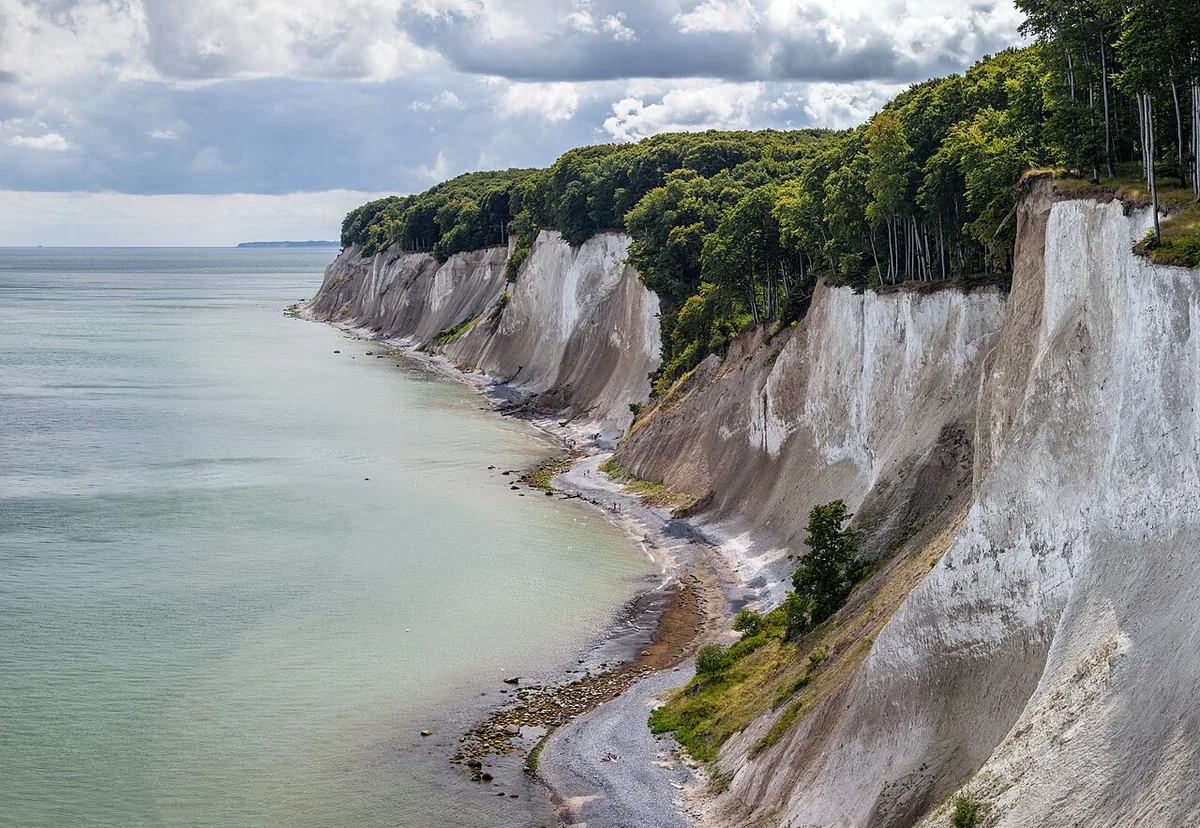
Jasmund is a day-trip park, not a multi-day destination. The highlight is the cliff-top forest path between Sassnitz and the Königsstuhl, with side steps down to a pebble beach. One visitor account from 2016 spent 5 hours on the route. The official park site is the place to check trail status before you set out.
- Location: Stubnitz peninsula, northeast Rügen, on the Baltic Sea
- Known for: chalk cliffs, the Königsstuhl and beech forest above the shore
- Base town: Sassnitz
- Time needed: a half day for the viewpoints, a full day for the whole cliff walk
- Best for: walkers, photographers and anyone already on Rügen
How to get to Jasmund National Park and get around
Sassnitz is the practical base. From there, public transport reaches the Königsstuhl area, so you do not need a car. A 2016 visitor account put the bus fare at about €3 and recommended it over driving. The reason is simple: walking one way and riding back avoids a loop to the car park. Fares and timetables change, so check current prices with the local bus operator and the Königsstuhl site. The Rügensche BäderBahn also serves Rügen's resort coast, which helps if you are staying in Binz or Sellin.
Riding up from Sassnitz for about €3 and walking back down the cliffs covers the one-way route of about 10 km.
- By bus from Sassnitz: the easiest way to reach the Königsstuhl entrance
- By car: possible, but you must return to the same car park
- One-way walk: ride up, then walk the cliff path back to Sassnitz
- Other arrival points: Hagen and the Königsstuhl area
Best ways to see the chalk cliffs on Rügen: route comparison
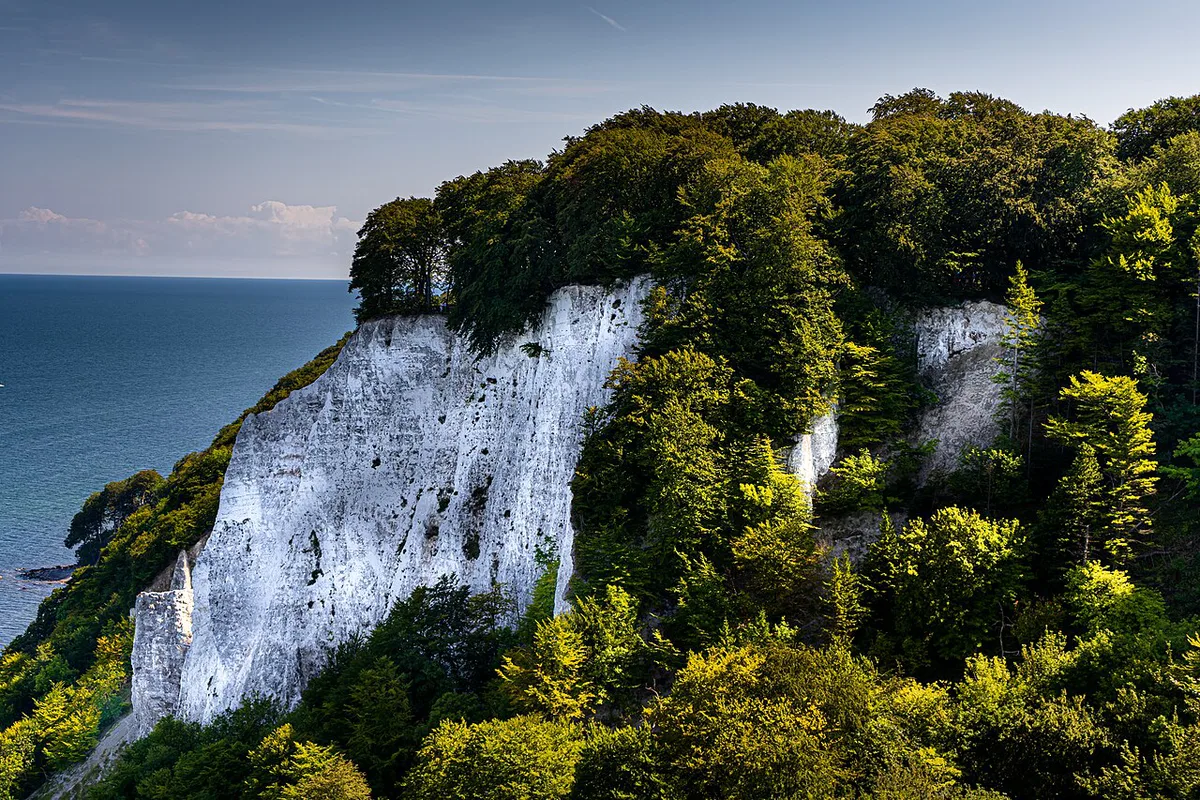
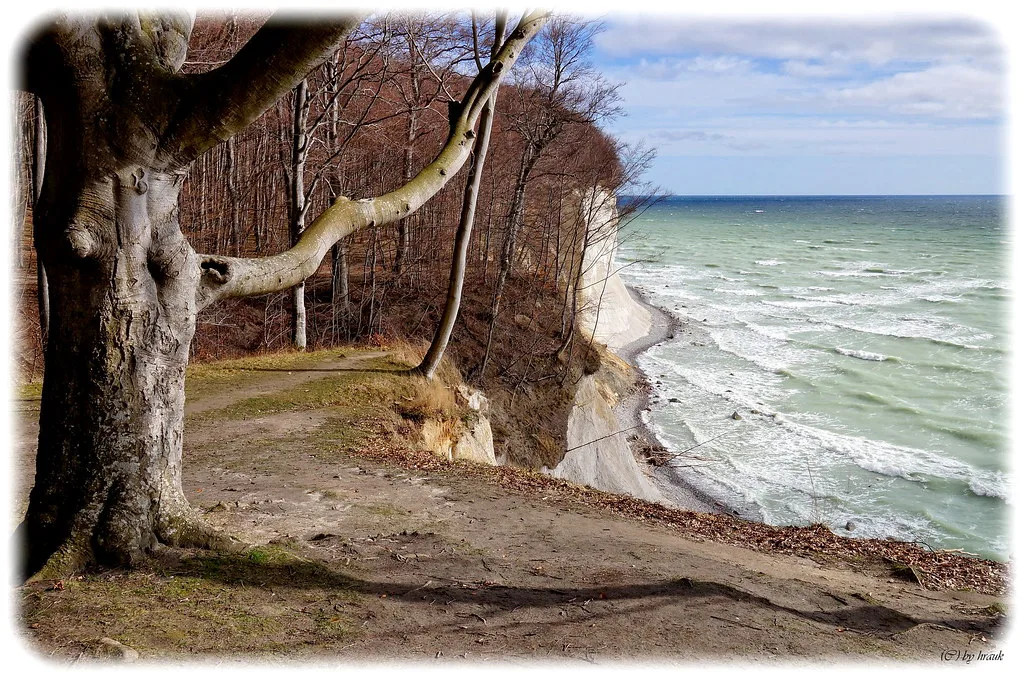
Four options cover most visits. The forest trail (Hochuferweg) is the classic choice, and it is easier underfoot than the beach. A 2016 account described the full walk as about 10 km, and some visitors stretched it to 20 km by doubling back. The park's own trail map gives the official distances. The cliff cruise from Sassnitz takes about 2 hours, according to the same account, and costs roughly €13–15 at the time.
| Route | Approx. time | Effort | Exposure | Best for |
|---|---|---|---|---|
| Forest trail (Hochuferweg) | Half day to full day | Moderate, mostly gentle slopes | Stays back from the edge | Most visitors |
| Beach walk | Slower than the forest | Harder: stones and fallen trees | Landslide and wave risk | Experienced walkers, only when open |
| One-way walk from the Königsstuhl to Sassnitz | About 10 km, bus up | Moderate | Same as forest trail | Visitors without a car |
| Cliff cruise from Sassnitz | About 2 hours | Easy | Open water, weather-dependent | Anyone who wants the cliffs from the sea |
Königsstuhl: is it worth paying for?
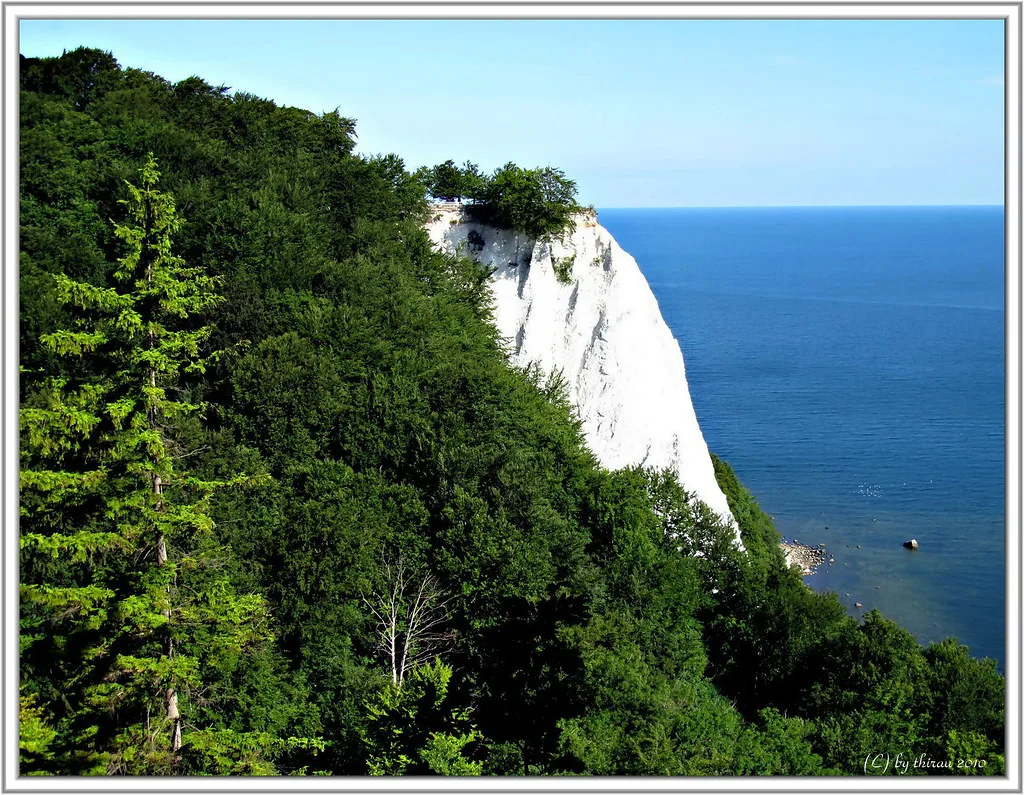
Königsstuhl is the best-known chalk formation in the park. The paid platform and the visitor centre are run by the Nationalpark-Zentrum Königsstuhl. A 2016 account listed entry at about €8, including a small museum and a cinema. The centre's site lists today's fee and hours. Viktoriasicht is a free viewpoint on the trail, and it looks back toward the Königsstuhl. Walkers doing the full route can skip the platform. Pay for it if you are short on time, travelling with children who enjoy exhibits, or want toilets and shelter after the bus ride.
When to go and what to pack
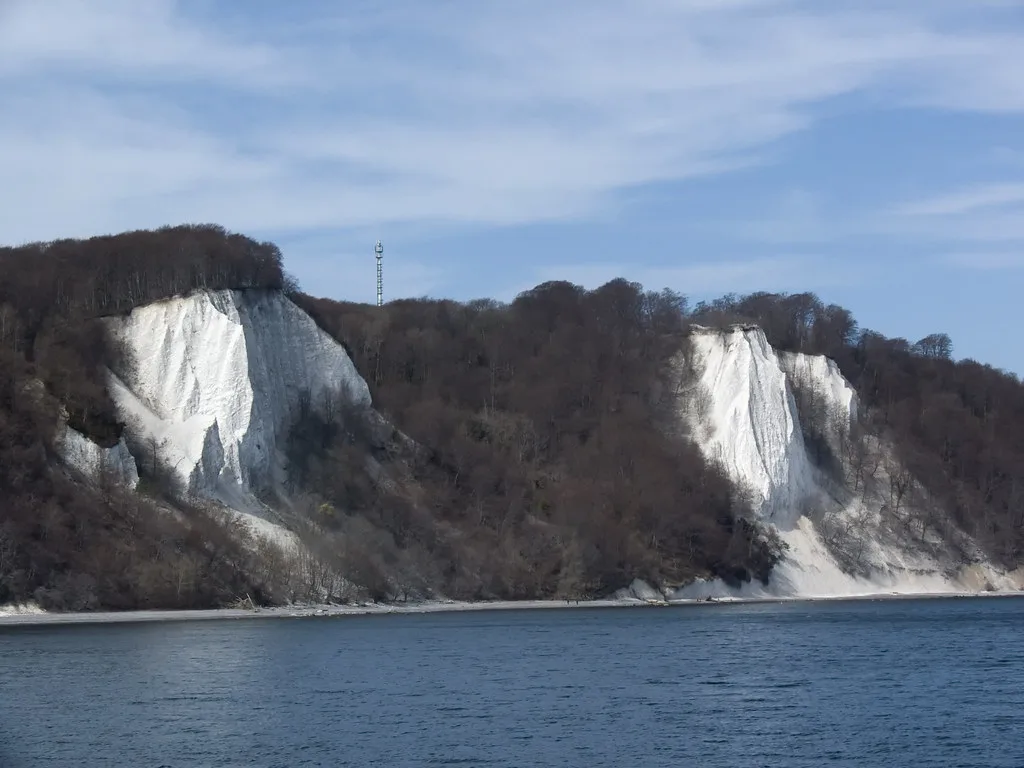
Summer brings the longest daylight and the biggest crowds at the Königsstuhl. Rain makes chalk and forest paths slippery, so wear shoes with grip. Visitors in 2016 noticed flies near the water, so bring repellent in summer. They also found almost no food on the trail, so carry snacks and water from Sassnitz. Add a jacket, because the Baltic wind is cooler than the town.
- Sturdy shoes with grip
- Water and food for 4–5 hours
- Insect repellent in summer
- A layer for wind at the cliff top
- A charged phone to check closure notices
Safety, closures and accessibility
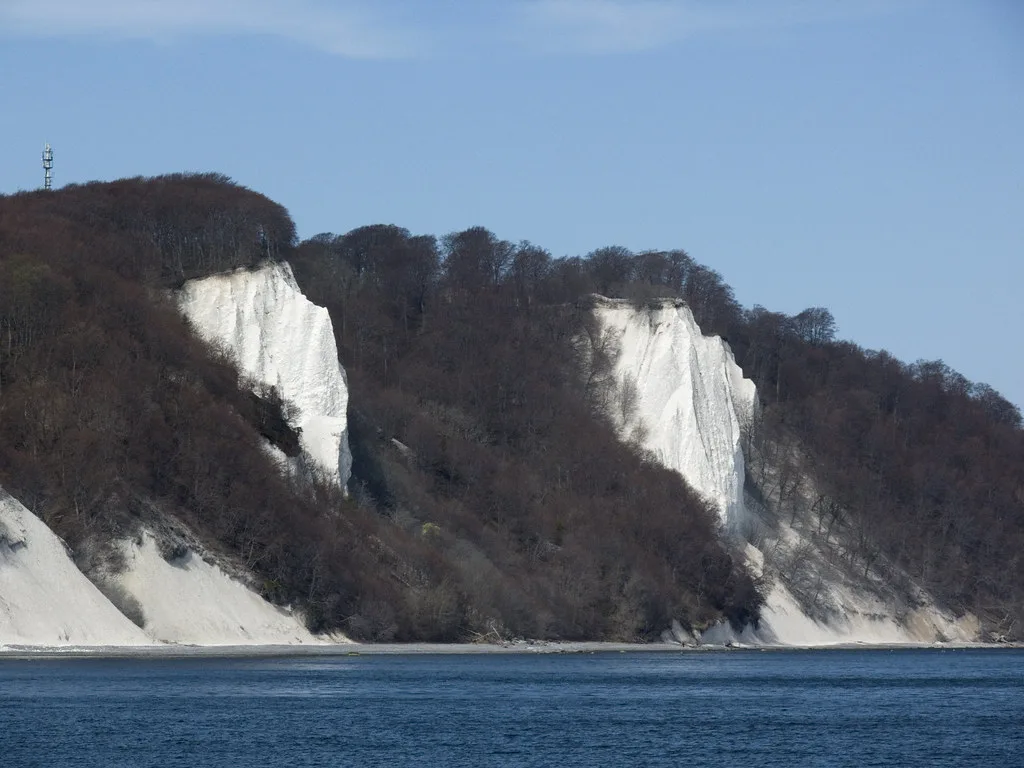
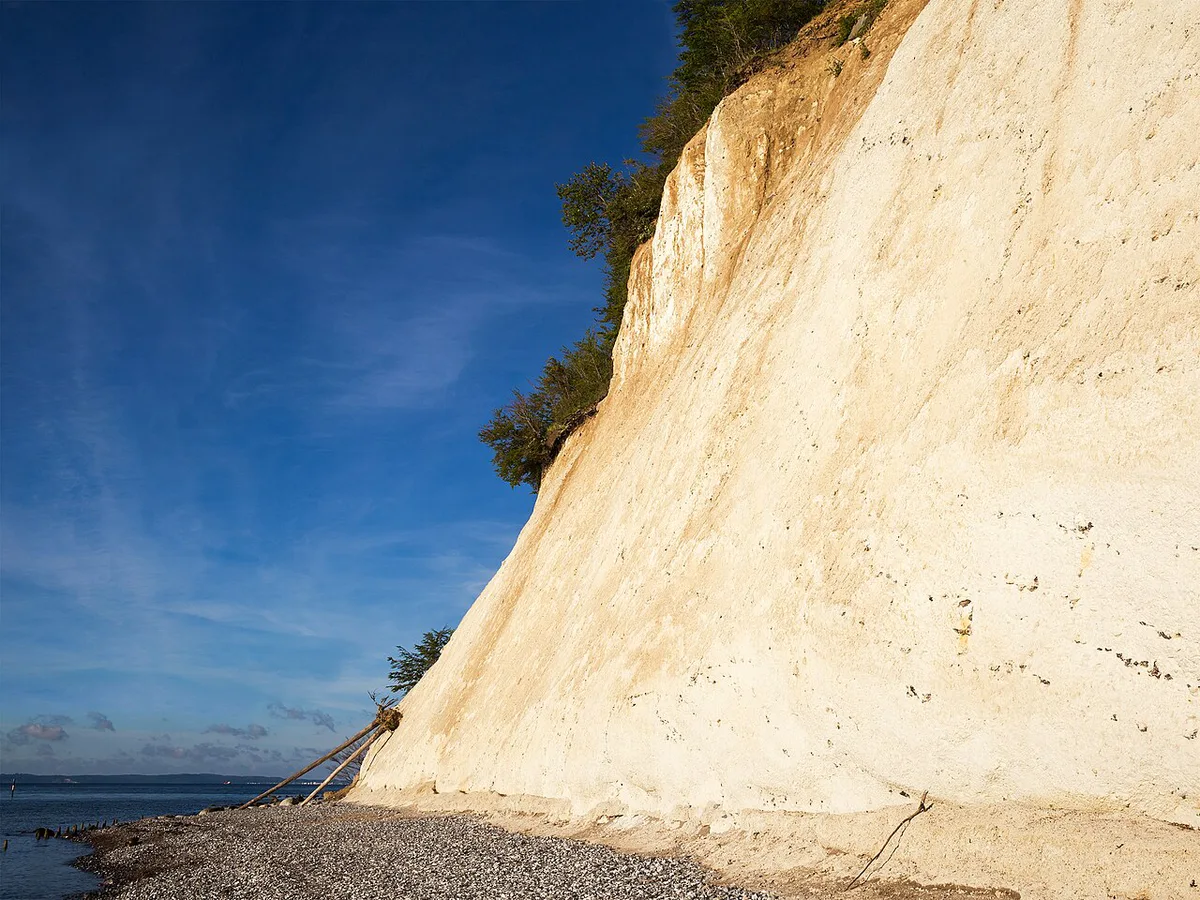
Chalk cliffs erode, and landslides happen. Stay well back from the edge, as there is no fence along much of the route. Beach access can close after a slide, so a staircase that was open one season may not be open the next. Check the official park channels for current beach and trail status before you plan around the shore. The beach stairs are steep and slippery, and that is hard going for young children and older visitors. The forest trail is the better choice for them. Check the visitor centre for stroller and wheelchair access, since details were not confirmed for each path.
Where to stay and how this fits a Rügen itinerary
Sassnitz is the easiest base, with the cruise pier and bus links to the park. Binz and Sellin suit a beach-resort stay with a day trip to the cliffs. Kap Arkona pairs well on a second day, in the island's far north. If you like coast-based parks, compare it with the mudflats of Wadden Sea National Park in Germany: Where to Go & How to Visit. For beech woodland inland, see Hainich National Park: Visitor Guide to Germany's Beech Forest. Kellerwald National Park: Hikes, Access and Planning also shares the beech theme. Prefer hills and forest paths? Try Harz National Park: Brocken, Gateway Towns and Car-Free Planning.
Mistakes to avoid
Most problems come from poor planning rather than the walk itself.
- Driving in and walking one way with no way back to the car
- Skipping food and water on a trail with almost no stops
- Standing near the cliff edge for photos
- Assuming the beach is open without checking
- Starting without checking trail status on the official site
More German national parks to compare
Our 9 Best National Parks in Germany by Traveler Type list puts Jasmund beside the other top choices. For mountains, see Berchtesgaden. The Black Forest park is another forested option. The Bavarian Forest offers wild woodland.
Notes for your next park visit
Optional updates to our national park guides.
Read next
Keep planning
Picked from the same area