
Wadden Sea National Park Denmark: Tides and Where to Go
Plan the Wadden Sea National Park in Denmark: base towns, tide rules, seal safaris, Ribe and Fanø, plus time, access and season trade-offs.
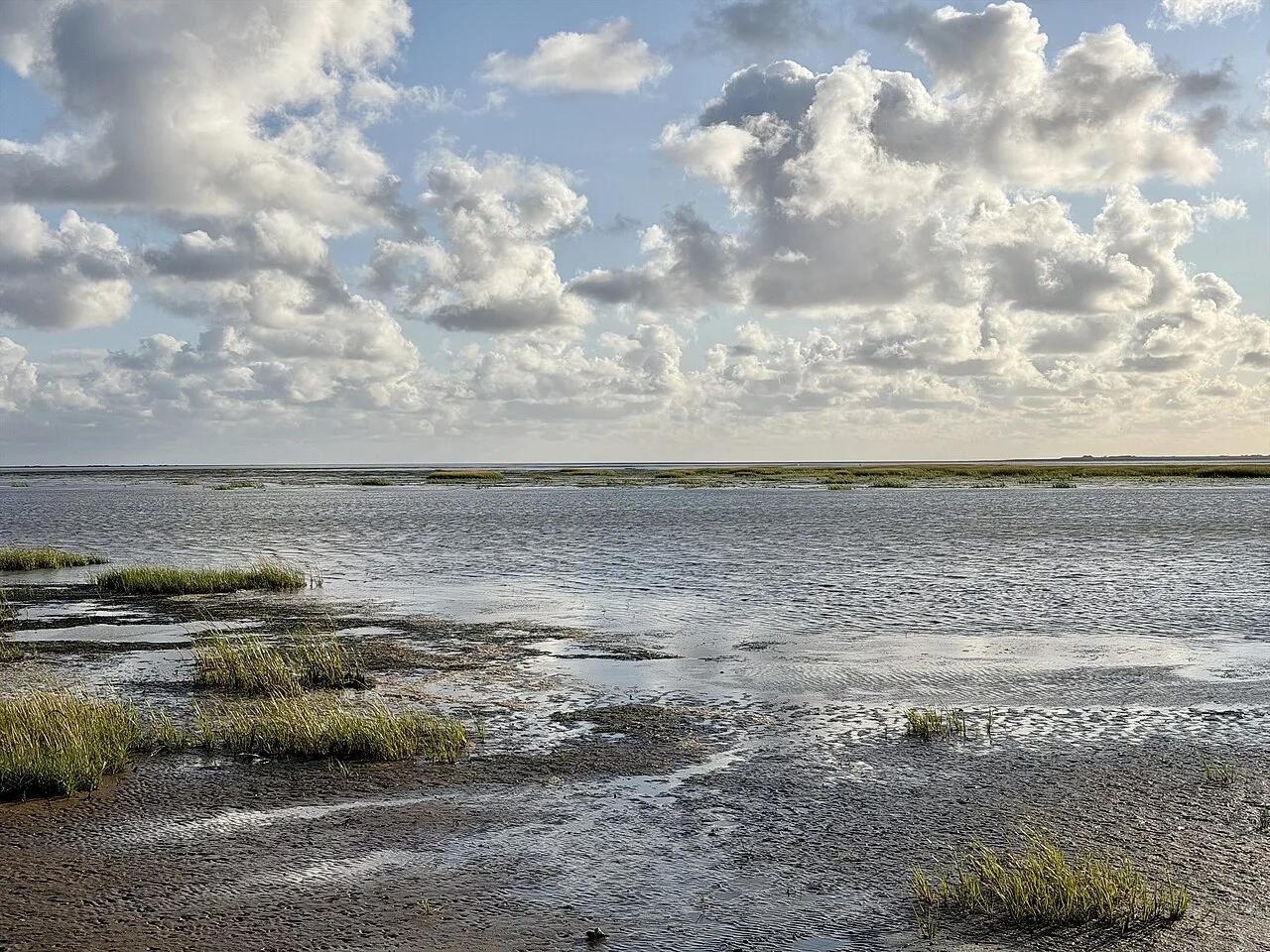
Last updated November 2026. Wadden Sea National Park Denmark is a tidal-flat park on the southwest Jutland coast, and it is part of a UNESCO World Heritage Site listed in 2014. A visit works best when you plan around the tides first and the sights second. Below you will find a base-town comparison, a tide rule, a time-budget split and the wider Danish national parks context.
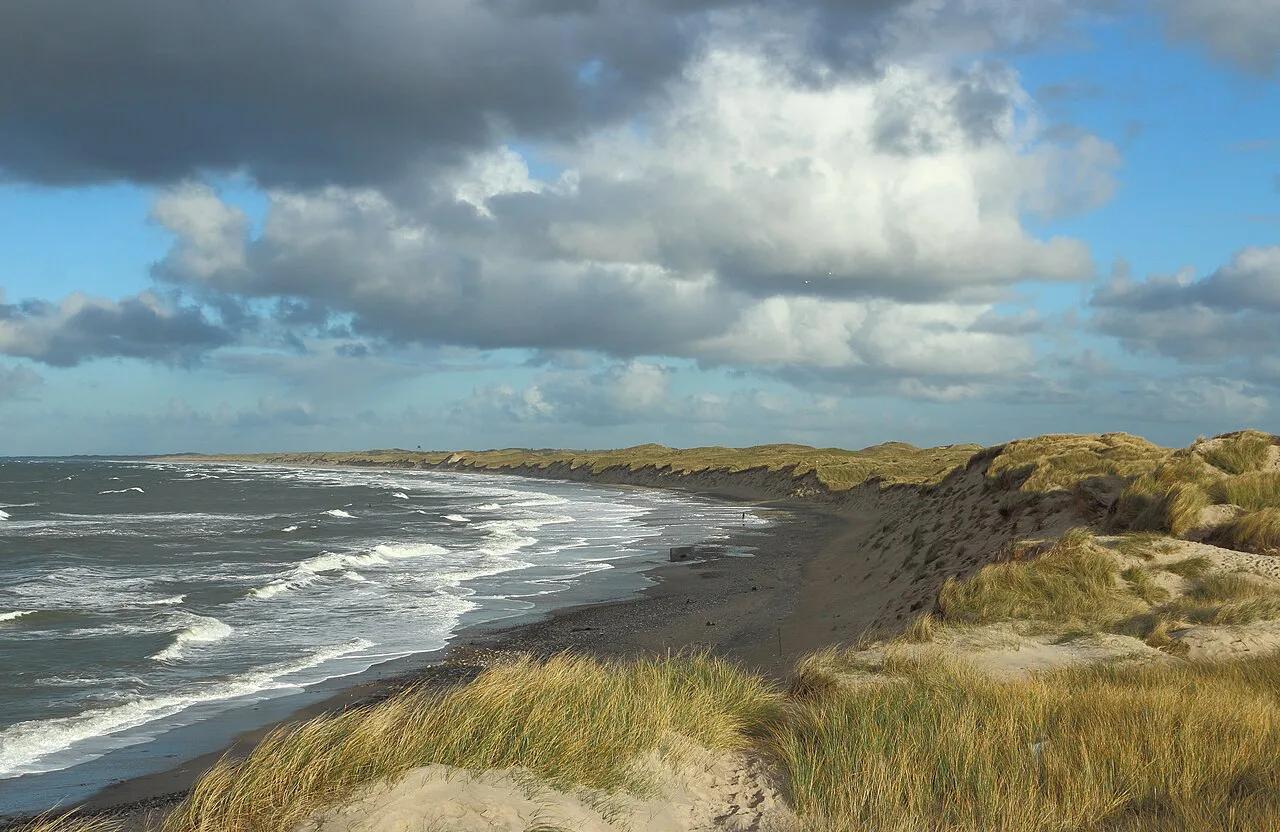
Featured image: Olgierd Rudak, CC BY-SA 4.0, via Wikimedia Commons.
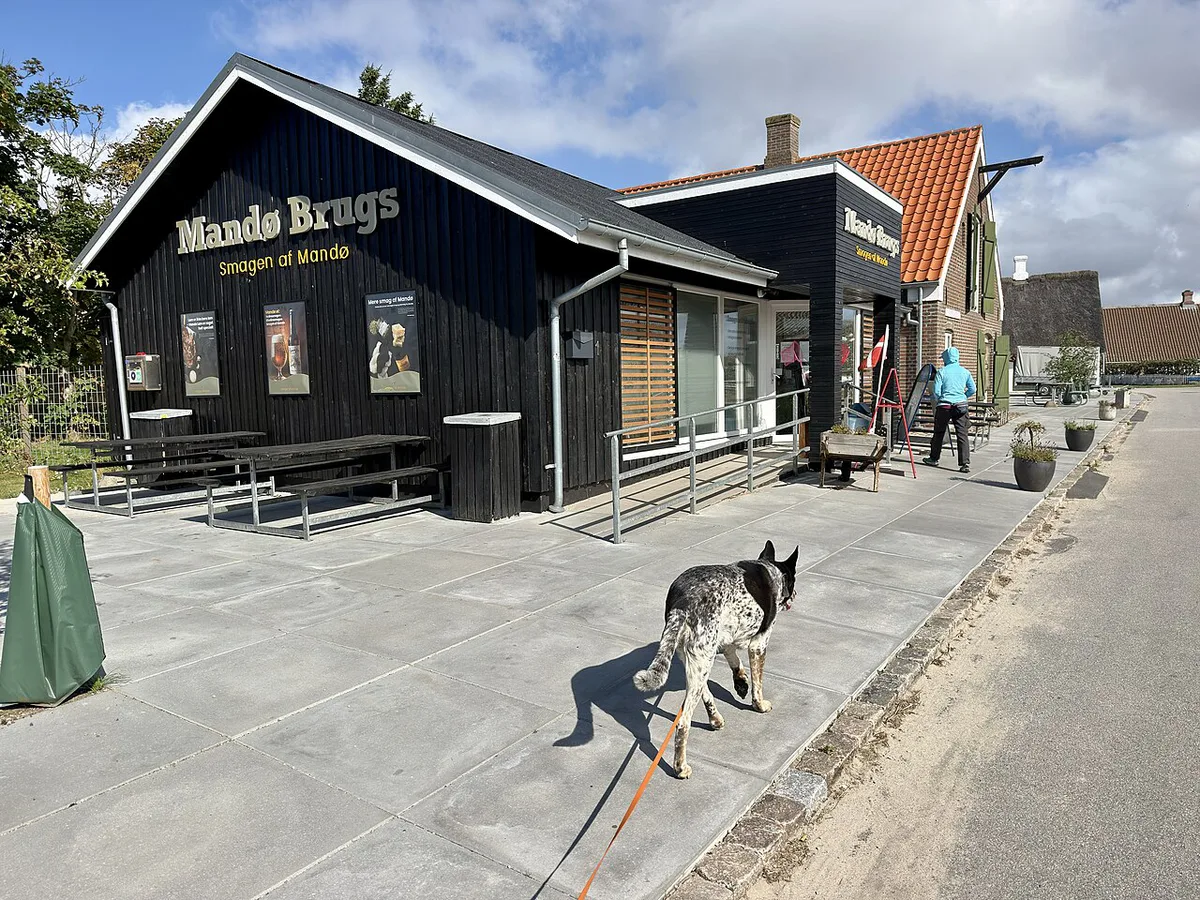
Wadden Sea National Park at a glance
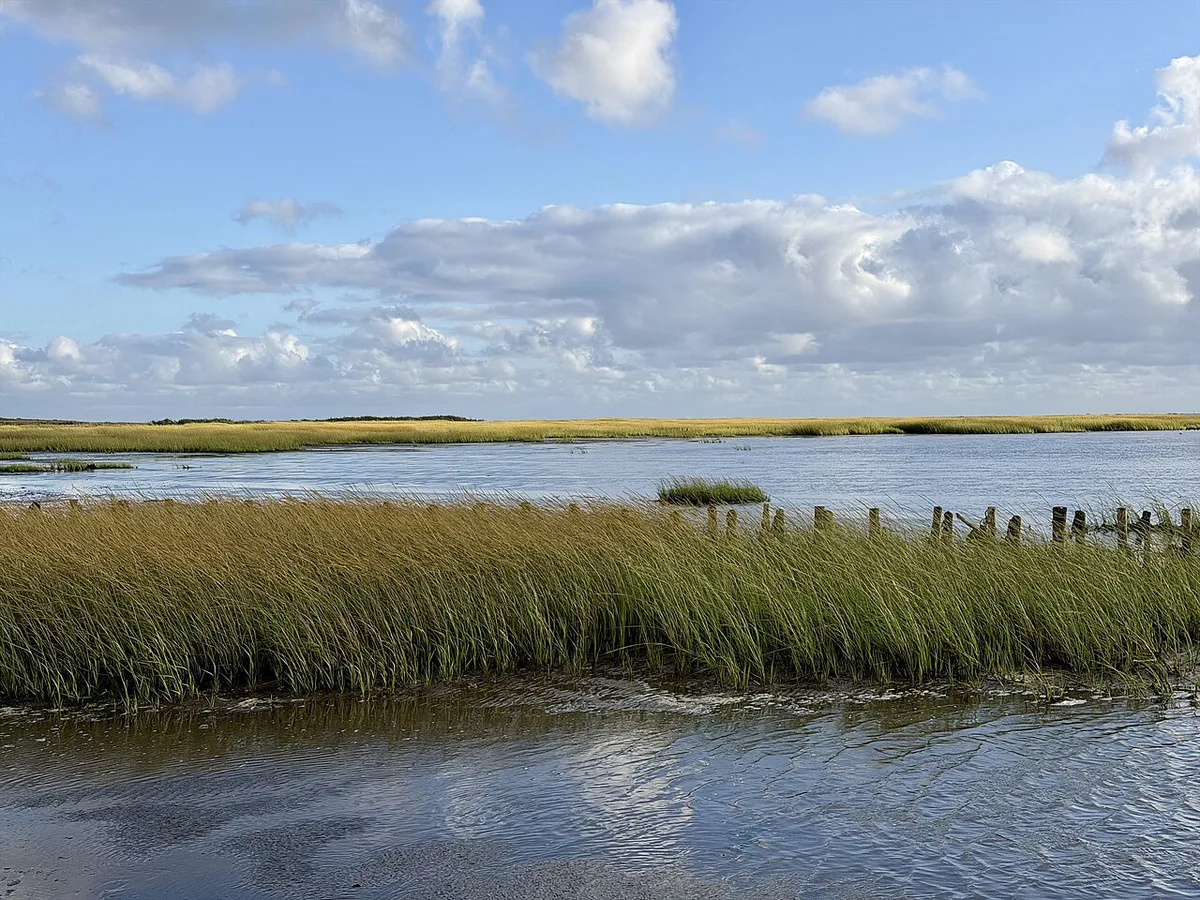
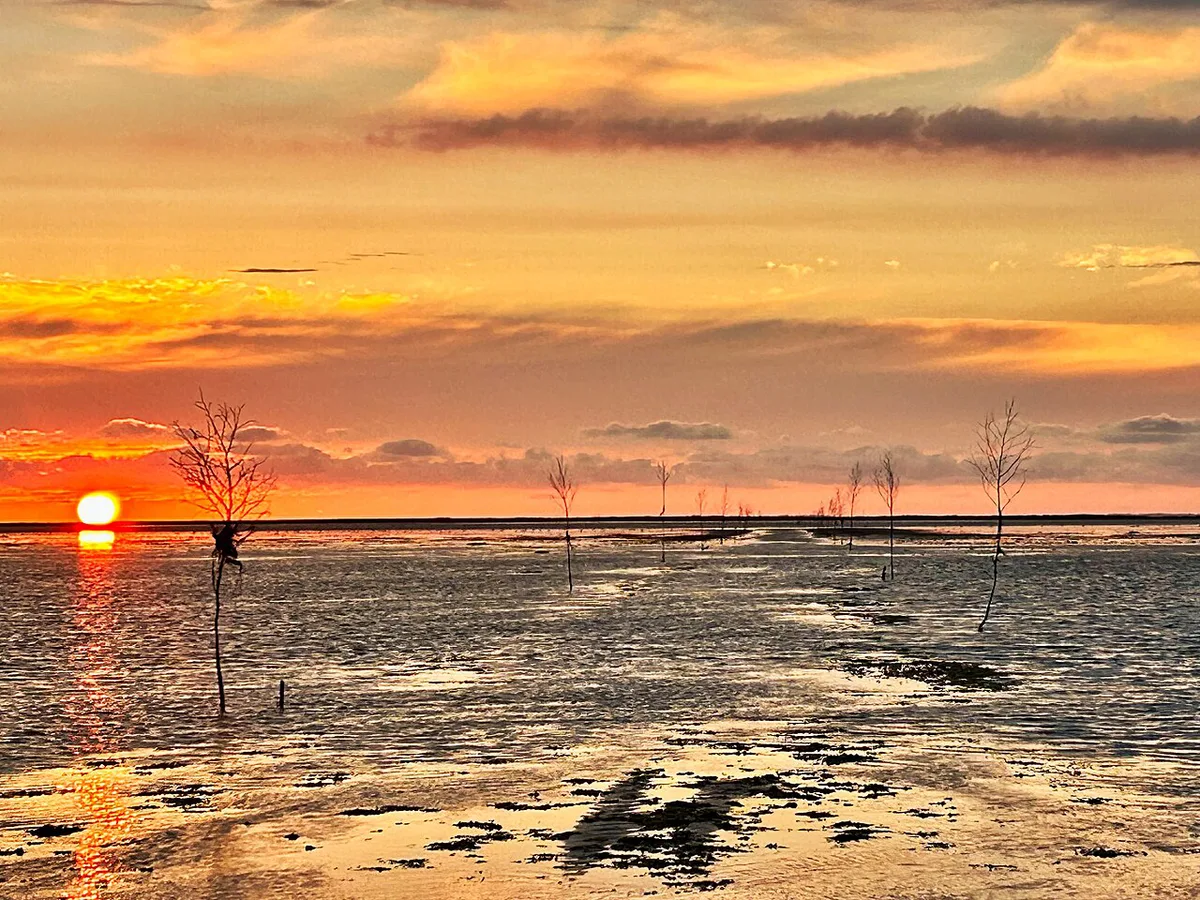
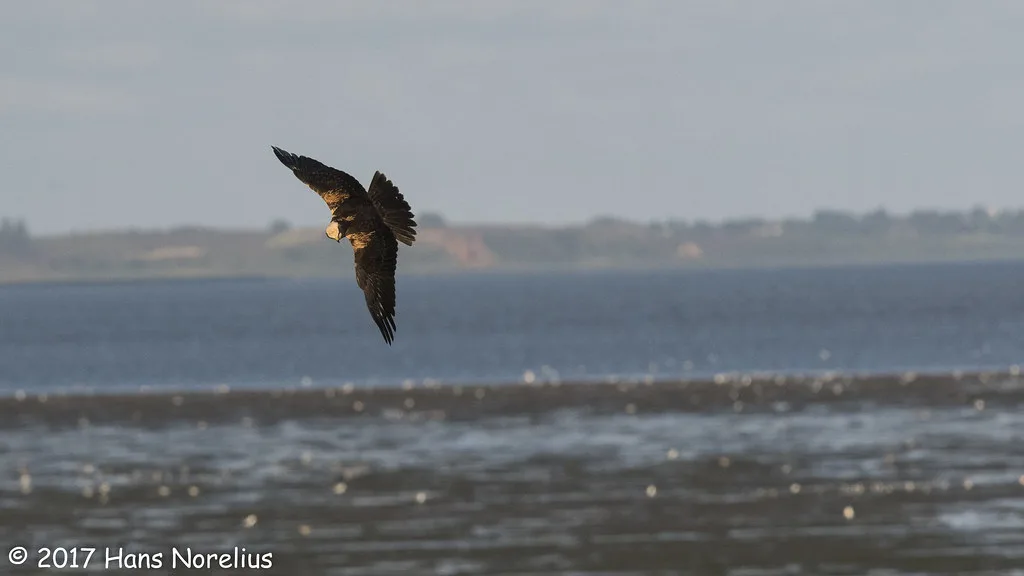
Nationalpark Vadehavet covers the Danish stretch of the Wadden Sea, its marshes and its sandy islands. Ribe, Esbjerg, Fanø, Mandø and Rømø all sit within reach of it. Water leaves and returns twice a day, so the same shoreline can be a seabed walk in the morning and open water by afternoon. Park staff describe the area as a place where light, birds and wildlife change with the tide, according to the official park site. Treat it as a region with several bases, not a single gate with a ticket office.

Where to base yourself: Ribe, Mandø, Fanø, Rømø or Blåvand
Pick the base that matches your interest, then fit the rest around it. Ribe suits history, Mandø suits tide and seal experiences, and Fanø suits beaches and active days. Rømø is the pick for dark skies, while Blåvand and Oksbøl suit walkers who want quieter coast.
| Base | Best for | Access | Time needed | Season sensitivity | Rainy-day fallback |
|---|---|---|---|---|---|
| Ribe | Viking history, medieval streets | Road; check locally for trains | Half day to 1 day | Low; Viking market runs in spring | Ribe Vikinger museum, cathedral |
| Mandø | Tides, seals, island quiet | Road passable at low tide only | Half day to 1 day | High; check seal safari season | Limited; check locally |
| Fanø | Beach, surf, villages | Ferry from Esbjerg | 1 to 2 days | Medium; best in summer | Nordby and Sønderho village walks |
| Rømø | Dark Sky nights, dunes | Check locally | 1 day or overnight | Medium; darkness needs clear nights | Check locally |
| Blåvand and Oksbøl | Quiet coast walks | Car is simplest; check locally | Half day | Medium | Check locally |
How tides shape your day
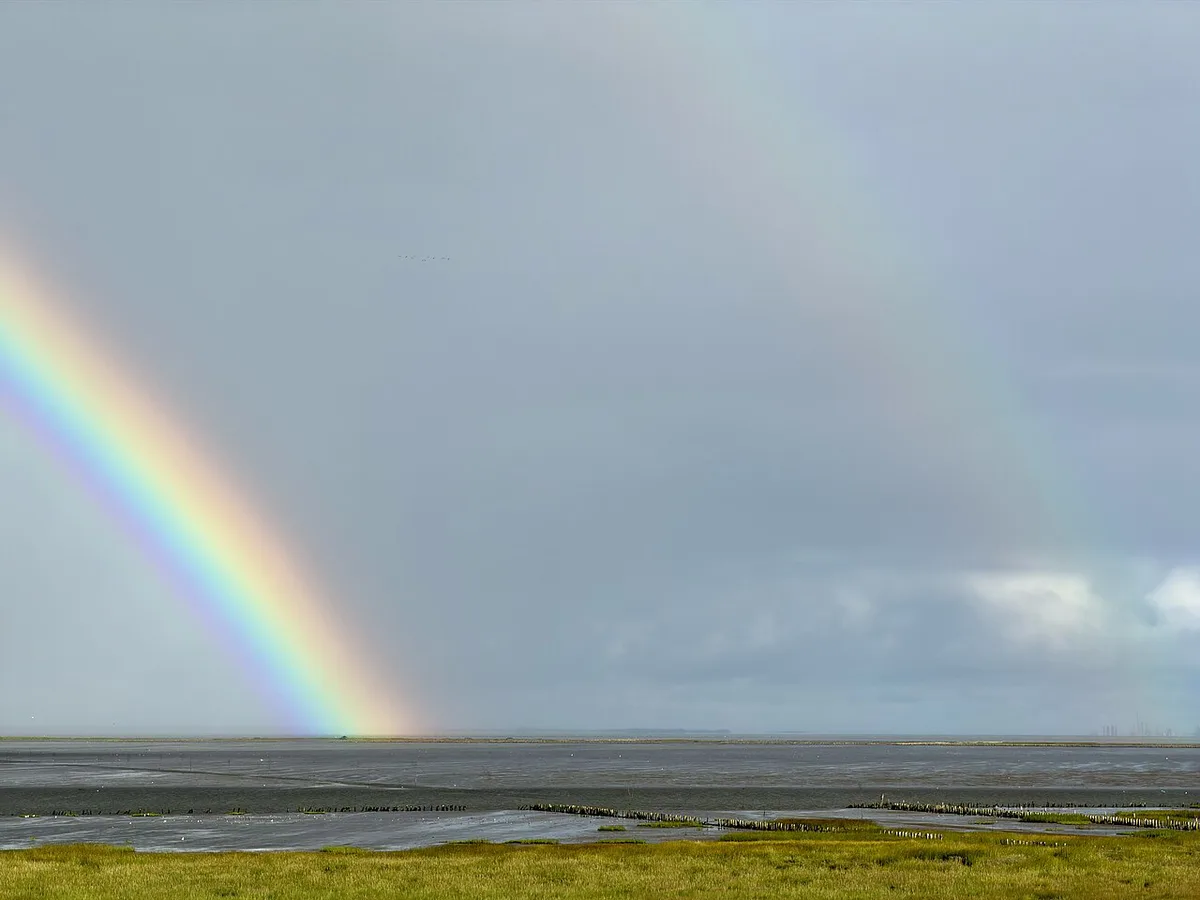
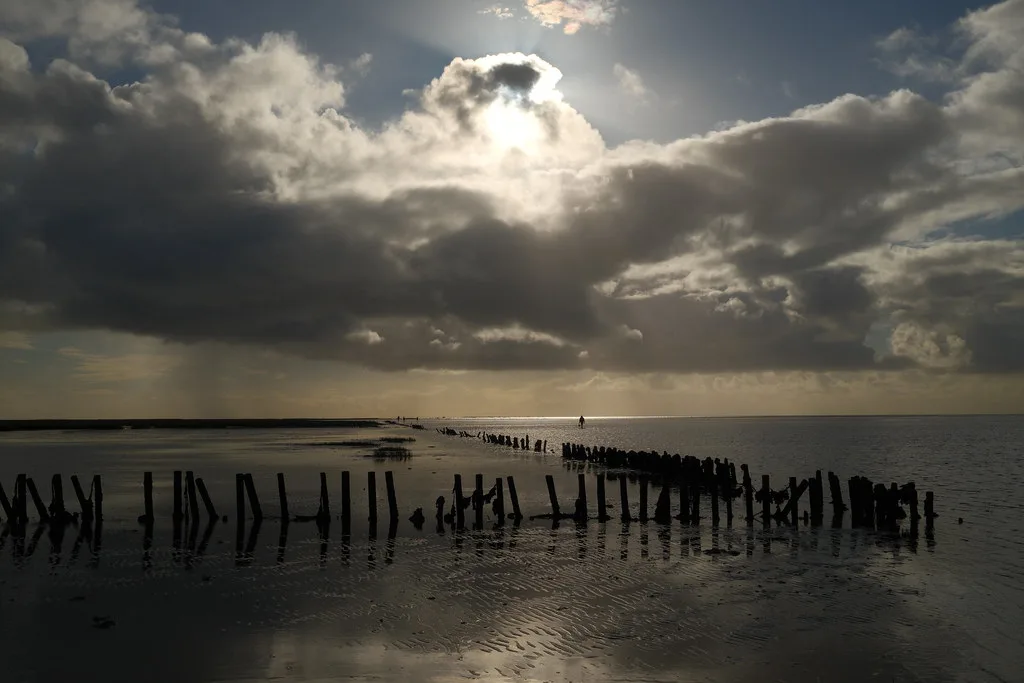
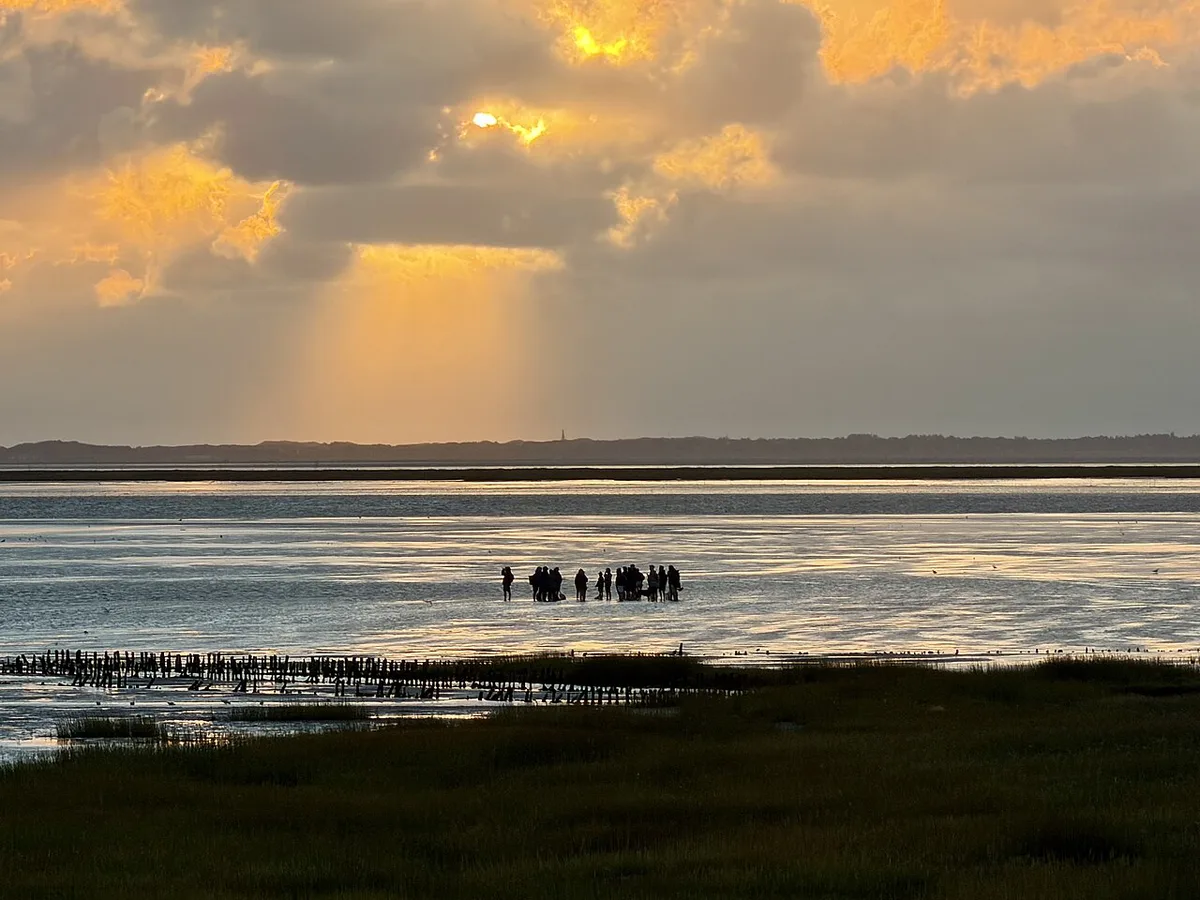
Open the official tide table before you choose activities. Mandø turns into an island twice a day, and you can drive there only twice a day. Koresand, a sandbank southwest of Mandø, is walkable for roughly 3 hours before the high tide cuts it off from the island. Plan a return to Mandø well before the water rises. Do not walk far onto the flats alone, because guided walks exist for a reason. Check the park's tide and crossing guidance on the day you travel.
Best things to do
Each of these pairs well with a specific base. Book guided options ahead where they run.
- Mandø: join a seal safari and look for Mandø Mølle, the island's landmark windmill, as you reach the dike.
- Koresand: walk the sandbank on a guided outing at low tide.
- Esbjerg: eat oysters in season, including at the oyster stage at Skibbroen.
- Fanø: walk or cycle the beach, which stretches about 9 miles (15 km), then visit Nordby and Sønderho.
- Fanø: try surfing, beach cruising, kite flying or horseback riding on the western side.
- Rømø: stay out after dark for Dark Sky conditions on clear nights.
- Esbjerg: visit the Fisheries and Maritime Museum, where dogs are allowed only in the outdoor Friluft area.
Culture and history worth a stop
Ribe is the cultural anchor. Its cobbled medieval centre and cathedral trace back to a Viking market place from about the year 700. Museet Ribes Vikinger explains how Ribe grew into a trading centre. Ribe VikingeCenter rebuilds Viking-age Ribe at full scale, with an international Viking Market in spring. Away from town, the park's culture pages cover storm surges, marsh use, Atlantic Wall defences from World War II and local building traditions. Storm surges hit the coast regularly, which explains the dikes you see on Mandø.
How much time to plan
Two to three days gives you a proper feel for the coast. A single day works if you pick one base and stay on it.
A one-day Mandø trip on a low-tide crossing leaves little slack, since Koresand is walkable for roughly 3 hours before the high tide cuts it off from the island.
- Half day: Ribe only, with the Viking museum and cathedral. Skip the islands.
- One day: Mandø on a low-tide crossing, or Fanø by ferry. Do not combine them.
- Two to three days: Ribe on day one, Mandø or Koresand on day two, then Fanø or Rømø on day three.
Planning notes: costs, tickets and hours
No entry ticket or staffed gate is described for the park itself. Ferry fares, guided tours, parking and museum prices are set by each operator, so read their own pages before you budget.
Getting there and where to stay
A car is the simplest way to link Ribe, Mandø and the coast. Fanø is reached by ferry from Esbjerg, so car-free visitors can base there. Check local bus links for Mandø before you rely on them. Fanø has holiday homes, campsites and hotels scattered across its western dune landscape. Ribe offers holiday-home resorts, and the region also has historic hotels, inns, hostels and campsites. VisitDenmark lists general travel information for the country.
Best season, and when not to go
Match the season to your target. Seal safaris, oysters, the spring Viking market and Dark Sky nights each have their own window, so confirm operator dates. Summer suits beach days on Fanø. Autumn and winter suit dark skies, though storms can disrupt crossings. Skip any tide-dependent plan if the weather is rough or the table gives you a tight margin.
Where next after the Wadden Sea
The Thy National Park Guide: Dunes, Coast & Trip Planning is another west-coast option for a wilder shoreline. For hills and coast, try Mols Bjerge National Park: Hikes, Access & Trip Planning. For forest and lakes, see Skjoldungernes Land National Park Guide.
Frequently Asked Questions
Is Denmark near an ocean?
Denmark's west coast faces the North Sea. In the southwest, the Wadden Sea sits behind islands such as Fanø, Mandø and Rømø.
What are some interesting facts about the Wadden Sea?
Denmark's part was listed as a UNESCO World Heritage Site in 2014. Mandø becomes an island twice a day, and Koresand is walkable for about 3 hours before the tide cuts it off.
Notes for your next park visit
Optional updates to our national park guides.
Read next

Keep planning
Picked from the same area