
Harz National Park: Brocken, Gateway Towns and Car-Free Planning
Plan a trip to Harz National Park: Brocken by foot or steam train, gateway towns, car-free access, seasons, park rules and how it compares with other German parks.
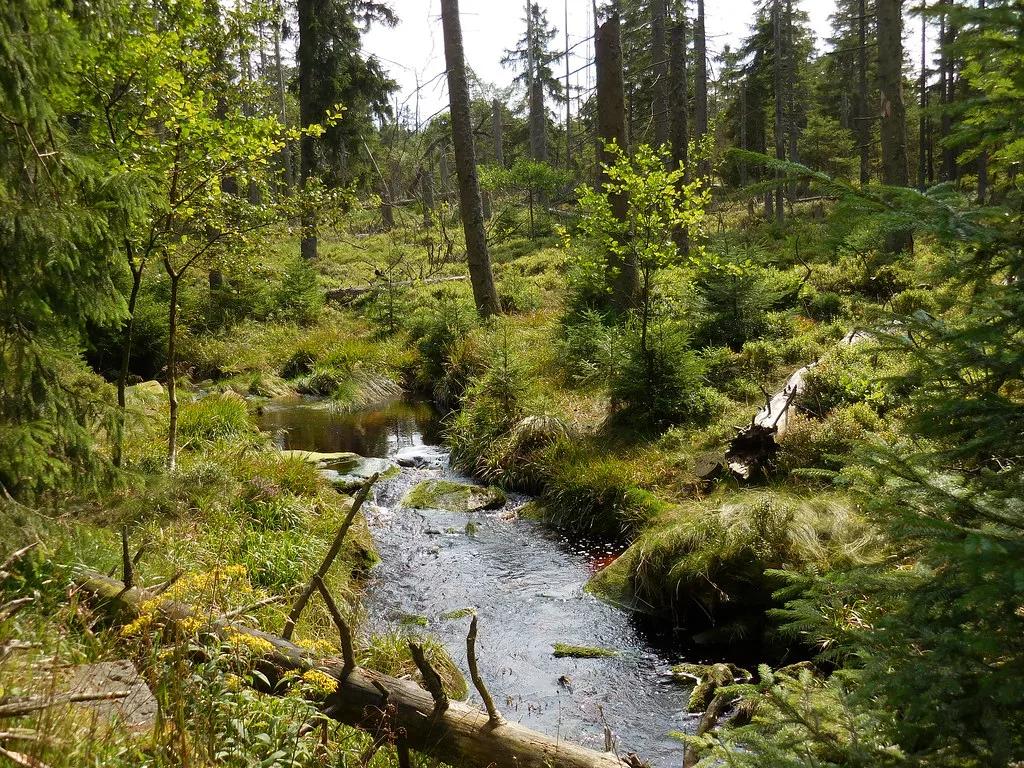
Last updated November 2026. Harz National Park is a forested mountain park that spans Lower Saxony and Saxony-Anhalt, and it suits hikers, rail fans and short-stay visitors alike. Its best-known draw is the Brocken summit, reached on foot or by steam train. This guide helps you choose a route, a base town and a season, and it sits within our wider look at 16 National Parks in Germany: How to Choose the Right One.
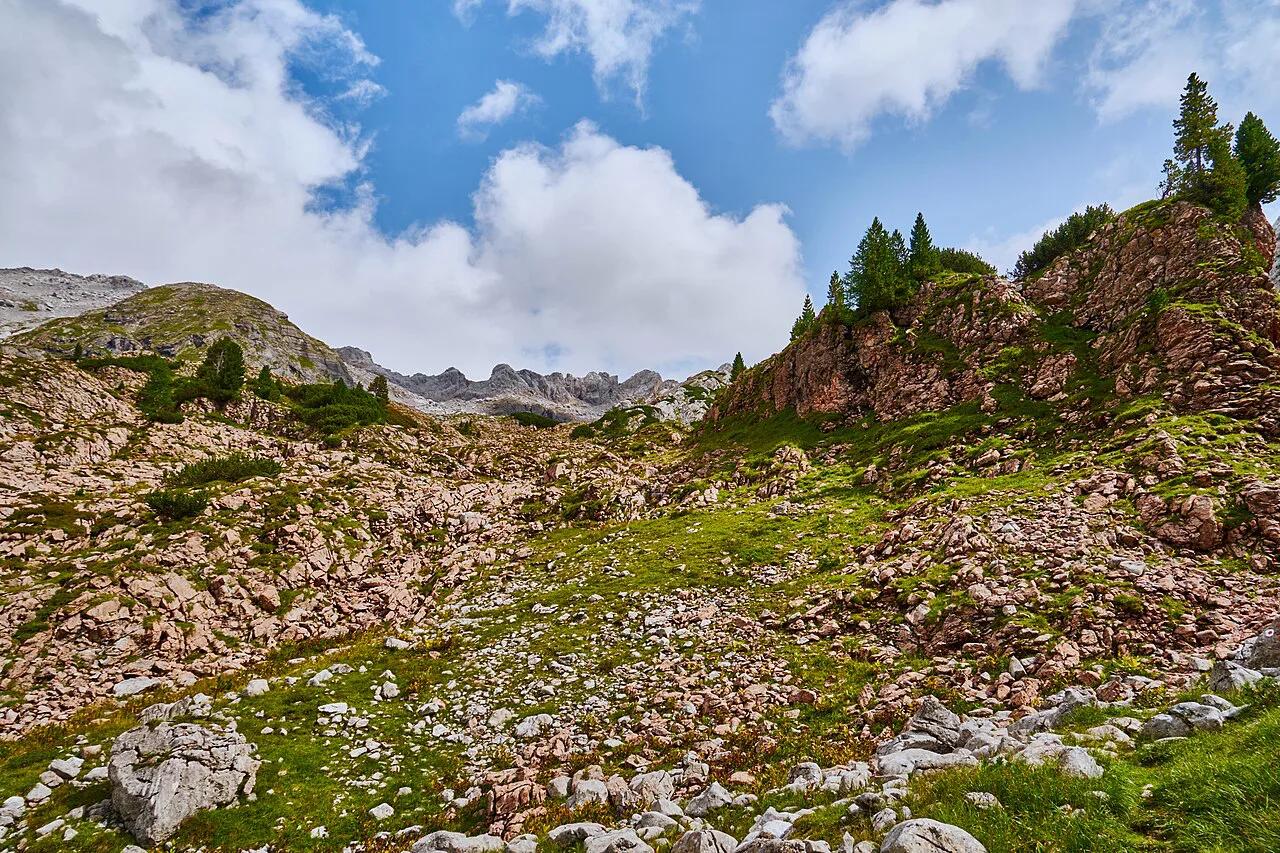
Featured image: BenBenW, CC BY 2.0, via Flickr.
Harz National Park at a glance
Use this summary to decide whether the park fits your trip. Details for each point follow in the sections below. Entry to the park itself is not ticketed. Costs come from add-ons such as the steam train, parking and guided tours.
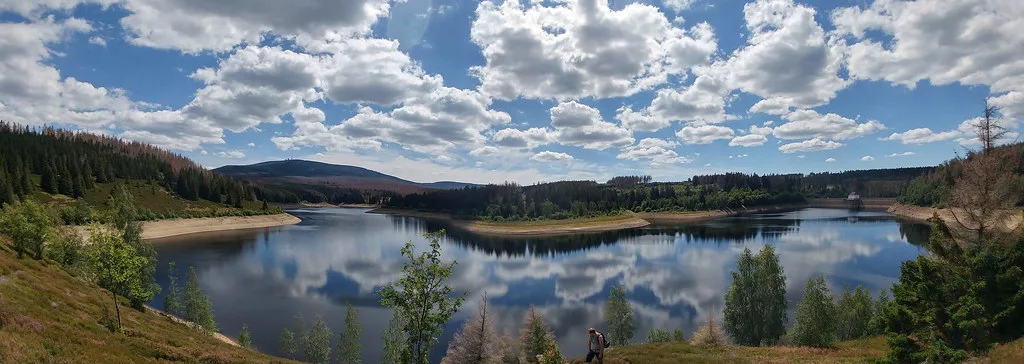
- Best for: forest hikes, the Brocken summit, steam-train journeys and low-key mountain towns.
- Best season: late spring to early autumn for easy walking, winter for snow and a quieter feel.
- Time needed: one full day for the Brocken, two to three days for several valleys.
- Without a car: workable via rail and regional buses to the gateway towns, with limits on late departures.
- Cost level: free to enter, with paid extras for the steam train, parking and guided tours.
What Harz National Park is and how the two sides differ
The park covers part of the Harz mountains and crosses the border between Lower Saxony and Saxony-Anhalt. In practice that means two sets of access points, two regional tourism networks and different bus and rail operators depending on where you start. Bad Harzburg, Torfhaus and St. Andreasberg are popular starting points on one side of the park. Schierke and Ilsenburg are popular starting points on the other.
- Bad Harzburg: a rail-connected town and a practical base for visitors arriving by train.
- Torfhaus: a small settlement used as a trailhead for walks toward the high plateau.
- St. Andreasberg: a quieter base for forest walking away from the summit crowds.
- Schierke: a classic starting point for the walk up the Brocken.
- Ilsenburg: a valley base with routes that climb toward the high ground.
Getting to Harz National Park by train, bus or car
Without a car, plan around the gateway towns rather than the park boundary. Use the Deutsche Bahn journey planner to reach a town such as Bad Harzburg or Ilsenburg, then switch to a regional bus or walk from the station. The national park authority publishes visitor information, trail details and centres on its official site. Last buses can be early on rural routes, so check the final departure before you commit to a one-way hike.
- Rail-first visitors: base yourself in a station town and do loop walks from there.
- Hikers doing a one-way route: book accommodation at the finish, not the start, so you avoid a late bus gamble.
- Drivers: parking near trailheads is usually paid and fills up on fine weekends, so arrive early.
- Luggage: leave bags at your lodging, because storage at remote trailheads is limited.
Brocken: on foot, by steam train or both
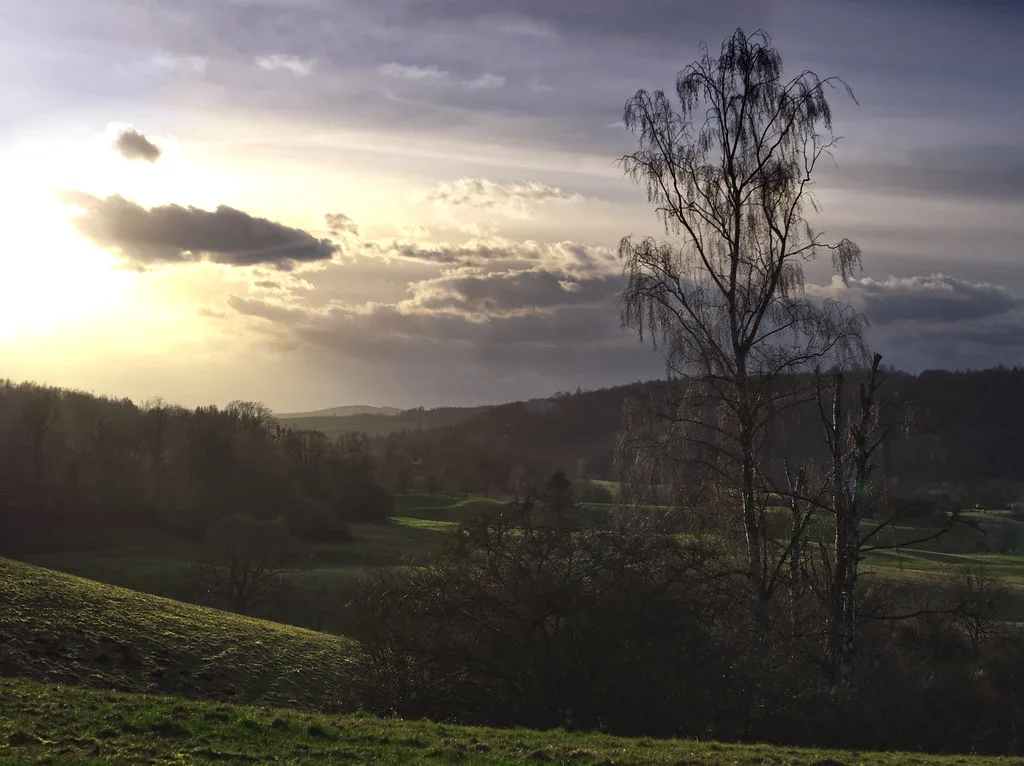
The Brocken is the park's signature summit, and our Brocken guide covers it in depth. Your choice comes down to effort, time and weather. Walkers get the forest and the gradual change in vegetation. Rail travellers get the narrow-gauge steam journey and a seat for most of the climb. Many visitors combine the two, walking up and riding down or the reverse.
- Walk up and ride down: best for fit hikers who want a guaranteed way off the summit.
- Ride up and walk down: best if you want views first and an easy descent through forest.
- Steam train both ways: best for families, older travellers and anyone short on time.
- Skip the summit: a valley walk is the better call if cloud is forecast at the top.
Best hikes and walks by effort and time
Match the route to your legs and the forecast, not to a famous name. Short forest loops from Bad Harzburg or St. Andreasberg work when you have a half day. A valley route from Ilsenburg suits a full day with moderate climbing. The Schierke approach to the Brocken is the strongest choice for a summit day on foot. Exposed high ground can be windy, cold and foggy even in summer, so carry layers whatever the valley looks like.
| Visitor type | Suggested base | Plan |
|---|---|---|
| Short stop | Bad Harzburg | Easy forest loop from town |
| Hiker | Schierke | Walk up the Brocken, return by train or on foot |
| Rail-first | Ilsenburg | Valley walk, return by regional bus or on foot |
| Quiet-trail seeker | St. Andreasberg | Forest walks away from the summit route |
| Trailhead-focused | Torfhaus | Walks toward the high plateau |
Where to stay: base choices by trip style
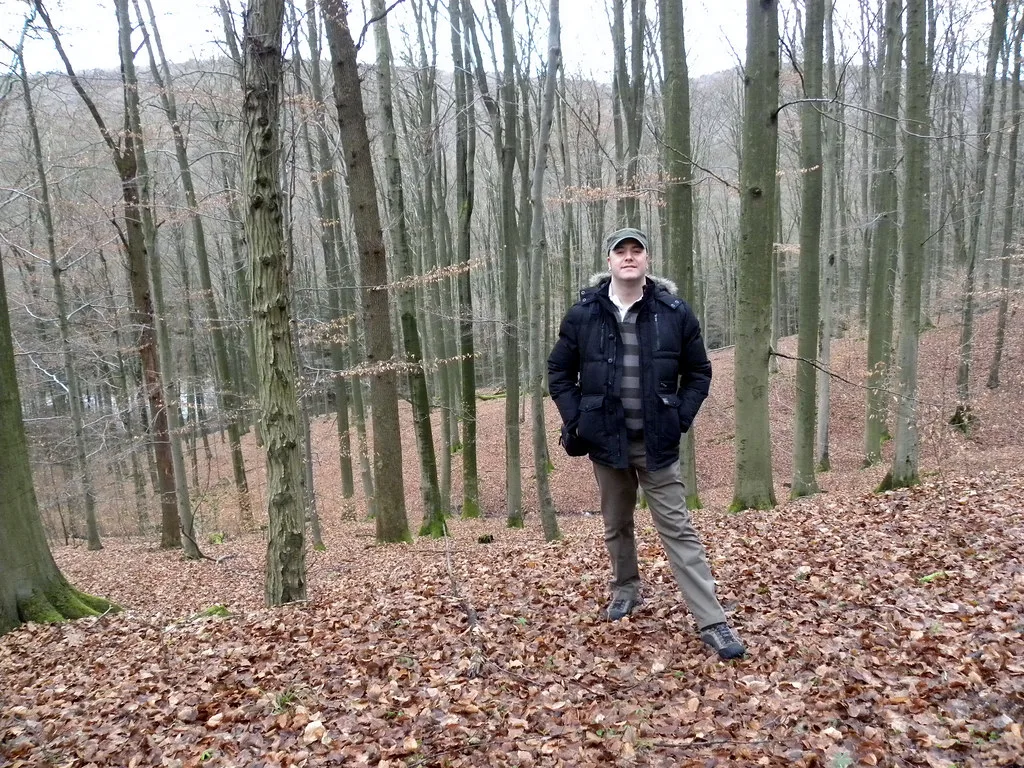
Pick a base by transport first and scenery second. Bad Harzburg suits train arrivals and short trips. Schierke puts you closest to the Brocken approach. Ilsenburg gives access to valley hiking, while St. Andreasberg works for slow, quiet days. Torfhaus is best for drivers who want an early start on the high ground. Book ahead for weekends and holidays, and look at the regional tourism board for lodging listings.
When to go: season-by-season trade-offs
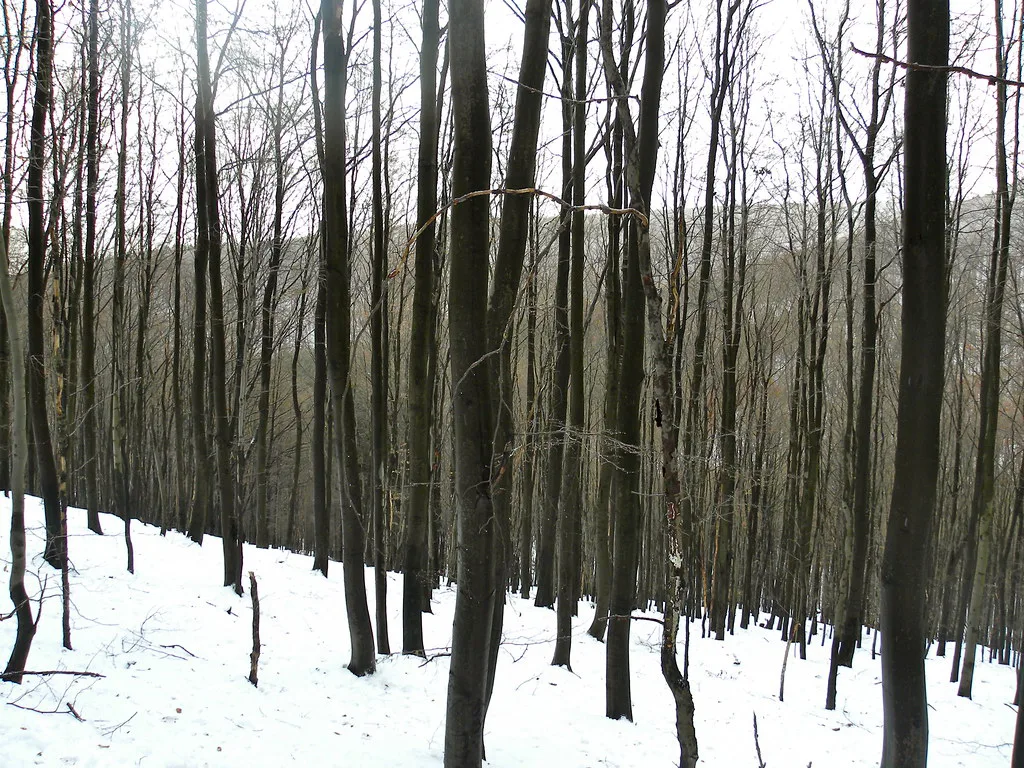
Summer gives the longest daylight and the easiest hiking, but fine weekends bring the most visitors. Autumn brings colour in the forest, cooler air and shorter days, so start earlier. Winter brings snow and ice on the high ground, shorter daylight and possible reductions in bus and train services. In winter, treat the summit as a weather-dependent plan and keep a valley walk as the fallback. Spring conditions vary, with snow lingering at height after the valleys turn green.
Allow 1 full day for a Brocken plan, and in winter keep a valley walk ready since the summit is weather-dependent and bus and train services may be reduced.
Park rules and responsible-visit notes
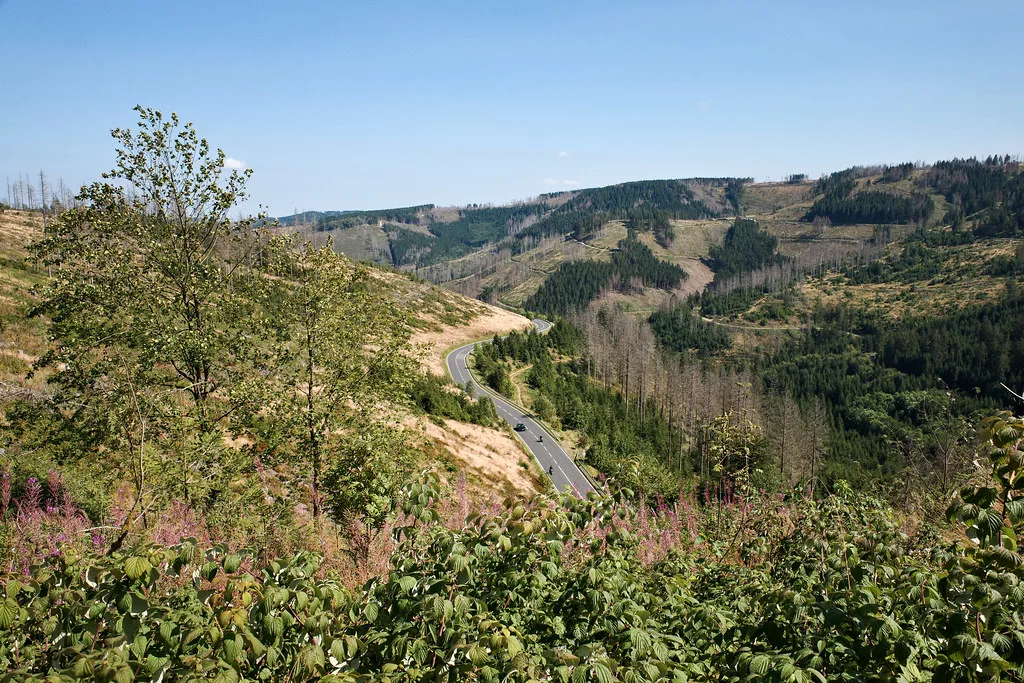
A national park protects natural processes, so more is restricted than in an ordinary forest. Stay on marked trails, follow signs on dogs, fires and camping, and check the park authority's rules on cycling before you ride. Rules differ by zone, so read the notice at the trailhead. The official park site lists the current regulations.
Harz vs other German national parks
Harz works best for hiking, a summit and steam rail in one trip. Other parks suit different priorities. Our roundup of the 9 Best National Parks in Germany by Traveler Type helps you compare, and the table below points to each sibling guide.
| If you want | Consider |
|---|---|
| Alpine peaks and lake scenery | Berchtesgaden |
| Forest ridges and moorland | Black Forest |
| Wooded hills and lakes | Eifel |
| Deep woodland and wildlife | Bavarian Forest |
| Tidal flats and coast | Wadden Sea |
| Chalk cliffs and beech forest | Jasmund |
| Old beech woodland and a canopy walk | Hainich |
| Quiet hiking in beech hills | Kellerwald |
How to plan for Harz weather and pack for the summit
Weather can decide whether the Brocken is rewarding or frustrating. High ground can be windy, cold and foggy even during summer. Check the forecast before leaving your base, then keep a lower valley walk available if cloud is expected at the summit. In winter, snow and ice add risk, while bus and train services may be reduced.
Allow 1 full day for a Brocken plan, including changes of transport and a weather backup. Give yourself 2–3 days if you want to explore several valleys, rather than treating every day as a summit attempt. A short forest loop from Bad Harzburg or St. Andreasberg is a useful alternative when the forecast changes.
Carry a waterproof outer layer, warm mid-layer, water, food and a charged phone. Wear footwear suitable for wet, uneven paths. Start earlier in autumn and winter because daylight is shorter. Conditions can differ sharply between a sheltered town and the exposed summit, so pack for the higher elevation rather than the valley temperature.
Frequently Asked Questions
Where is Harz mountain located?
The Harz is a mountain range in central Germany. The national park covers part of it and spans Lower Saxony and Saxony-Anhalt, with gateway towns such as Bad Harzburg, Schierke and Ilsenburg.
Does Germany have any national parks?
Yes, Germany has several national parks, from alpine and forest parks to coastal ones. Our guide to German national parks lists them and links to each one.
Notes for your next park visit
Optional updates to our national park guides.
Read next
Keep planning
Picked from the same area