
Eifel National Park Guide: Getting There, Rules & What to See
A practical guide to Eifel National Park in Germany: how to reach it by public transport, where to start, the rules to know, and how long to stay.
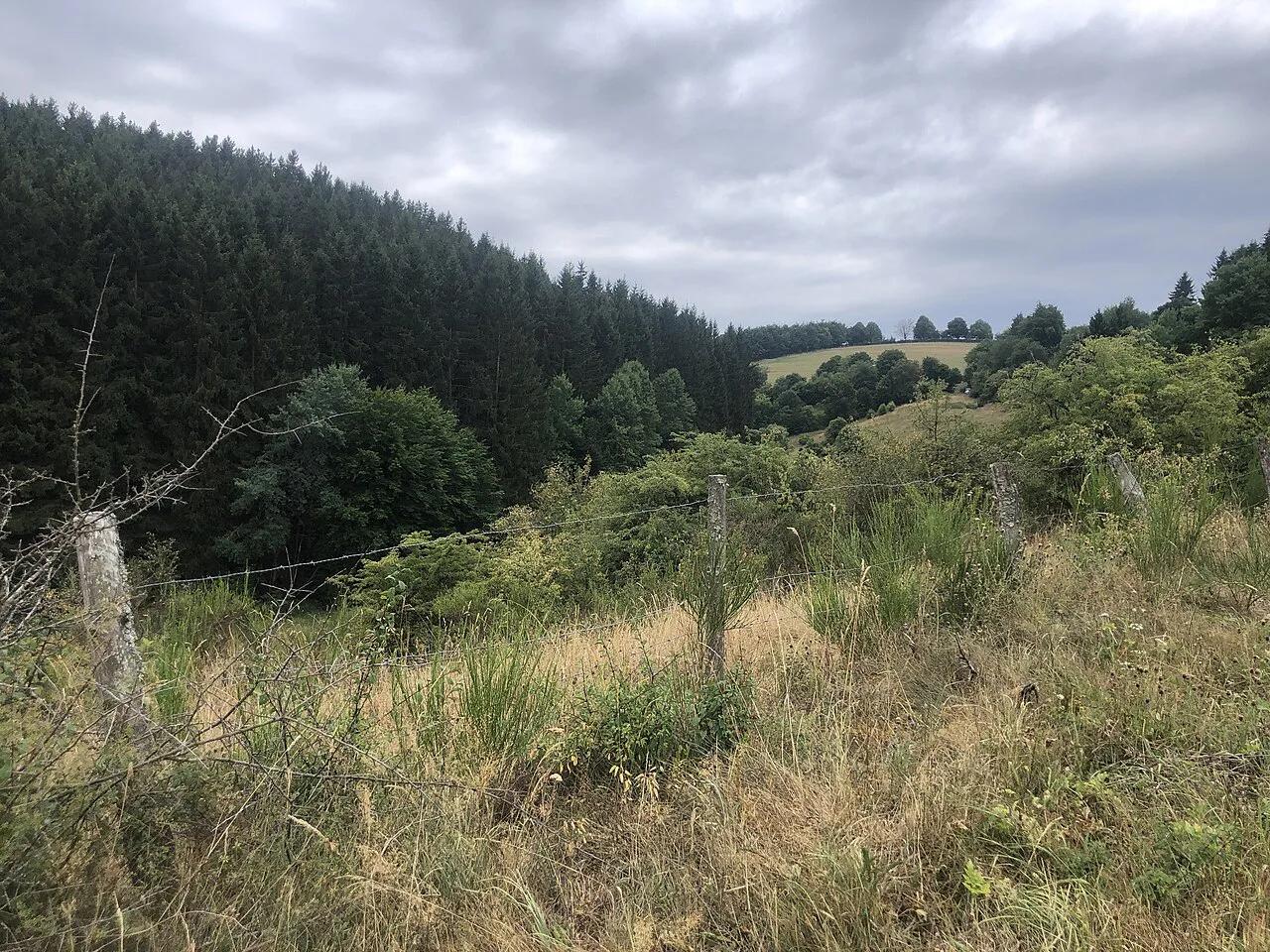
Last updated November 2026: Eifel National Park is North Rhine-Westphalia's only national park, a beech-forest and reservoir landscape about 30 km south-east of Aachen. It covers roughly 108.71 km² and suits a day trip or one to two nights. This guide helps you pick an entry point, travel without a car and follow the rules, alongside Germany's other national parks.
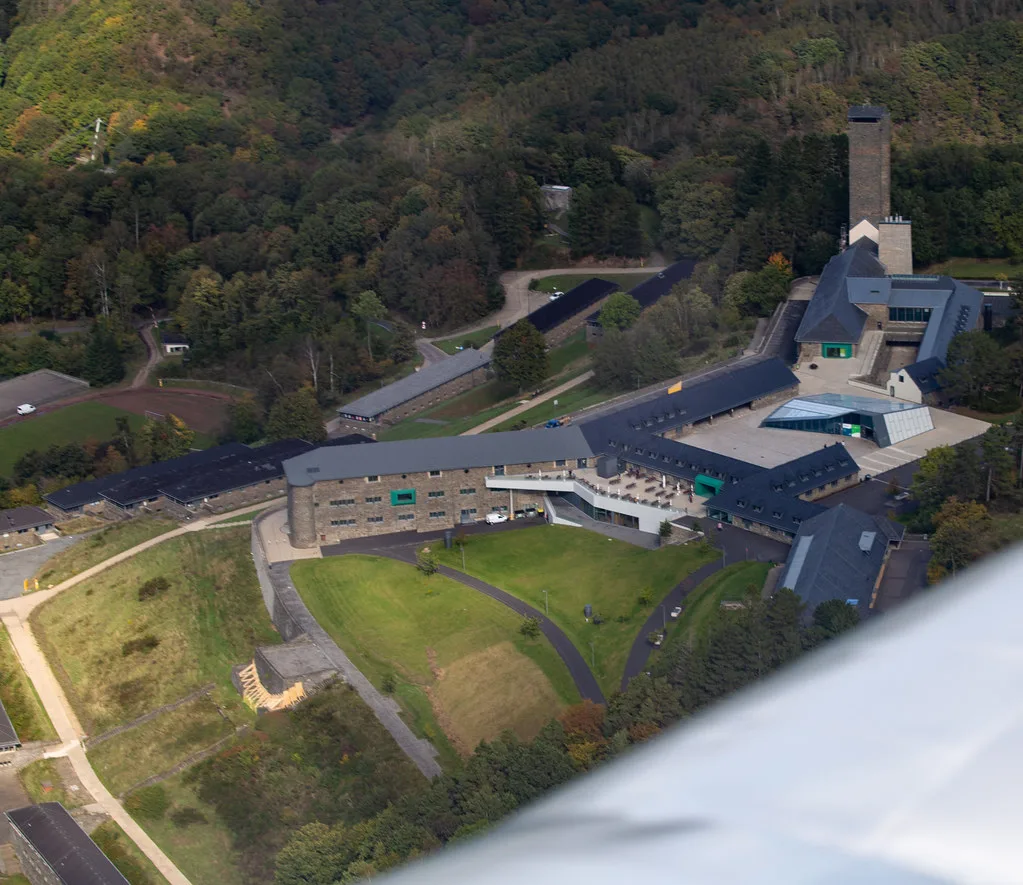
Featured image: ManonB2018, CC BY-SA 4.0, via Wikimedia Commons.
Eifel National Park at a glance
Nationalpark Eifel protects deciduous forest, spring areas, stream valleys and open grassland. Its motto is "Let nature be nature", and the stated goal is to leave 75% of the area free of human intervention by 2034. Valley villages sit around 300 m above sea level, and the hills rise to about 600 m. Park records give 2004 as the founding year, so check the official park site if you need the legal and opening dates.
- State: North Rhine-Westphalia, across the districts of Düren, Euskirchen and the Aachen region.
- Area: about 108.71 km².
- Park office: Urftseestraße 34, Schleiden-Gemünd.
- Nearest cities: Aachen and Cologne.
- Best for: forest walks, reservoir views, wildlife-minded visitors and accessible nature outings.
Is Eifel National Park worth visiting?
Yes, if you want quiet beech woods, reservoir views and a strong visitor centre rather than big peaks. It sits close to Aachen and Cologne, so it works as an easy first park. Beech-forest fans can compare it with Hainich's ancient beech woods. Anyone chasing alpine scenery or tidal flats should skip ahead to Berchtesgaden's mountain lakes. Tidal mudflat walkers will prefer the Wadden Sea coast. Our ranking of the best parks shows where Eifel fits in a longer trip.
How to get to Eifel National Park without a car
Take a train to Düren or Euskirchen, then change to regional services and buses. Rurtalbahn trains and local buses link those towns with the park valleys. The nearest stations named for park access are Kall and Heimbach, with onward buses from both. From Aachen central bus station, the SB63 reaches Einruhr in around 1h20. Local buses are usually described as hourly, but weekend and winter timetables are thinner. Check them with the regional operator before you commit to a day trip.
| Starting point | Route | Notes |
|---|---|---|
| Aachen | SB63 from central bus station to Einruhr | About 1h20; direct, no rail change |
| Cologne | Train to Euskirchen, then local bus | Base in Cologne works for a long day |
| Düren | Rurtalbahn rail, then bus | Rail gateway on the northern side |
| Kall or Heimbach | Station, then onward bus | Named access stations for park villages |
Where to start: choosing your entry point
Pick one gateway rather than trying to see everything. The Wilder Weg is about a 20-minute drive from Vogelsang, so combining the two by public transport takes planning.
Vogelsang's exhibition takes at least 90 minutes, and the Wilder Weg is a 20-minute drive away, so a two-stop day needs planning.
| Gateway | Best for | Time needed | Who should skip it |
|---|---|---|---|
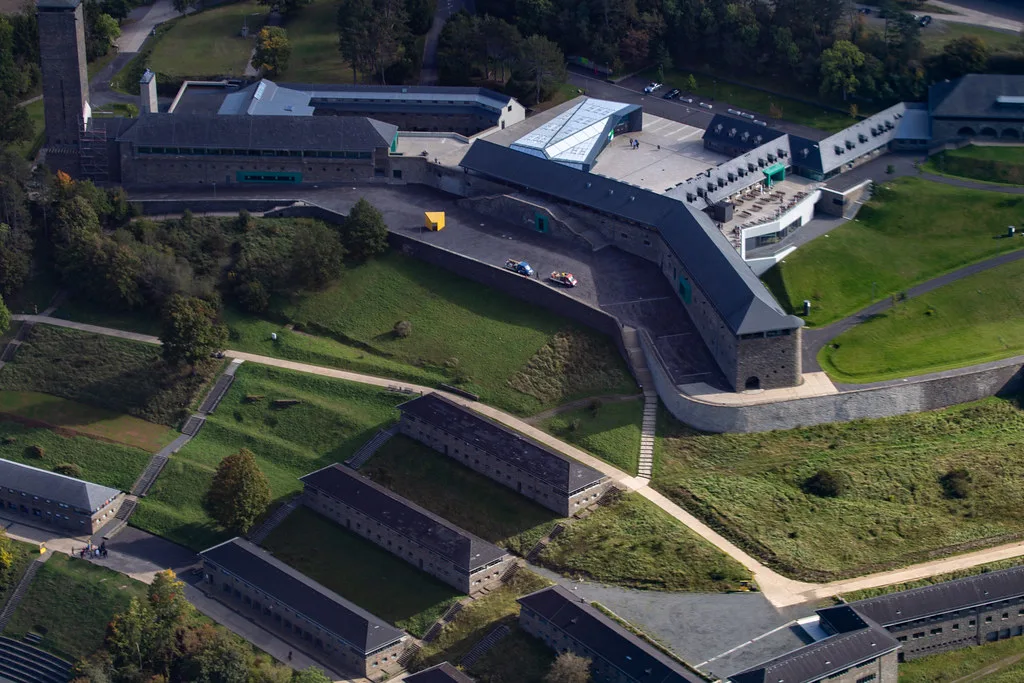
| Vogelsang IP | Exhibition, covered viewing area, free telescopes | At least 90 minutes | Visitors who want a pure forest walk |
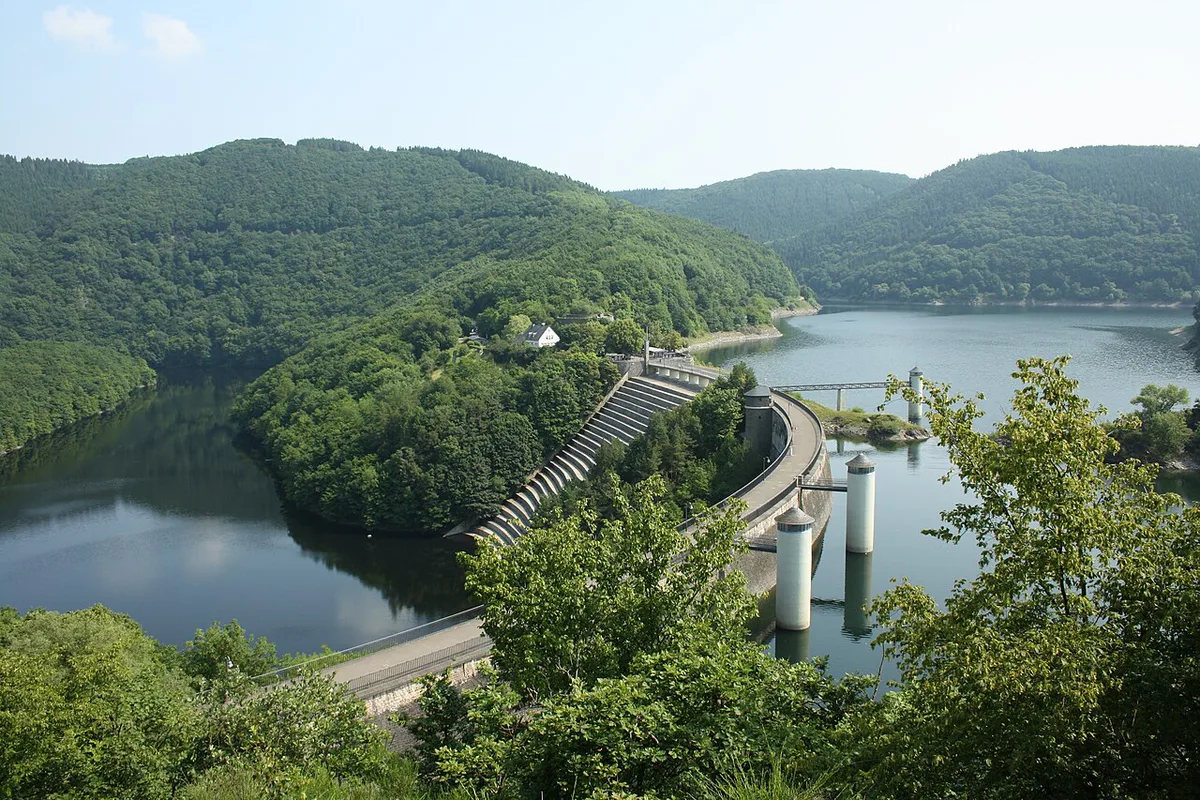
| Gemünd and Schleiden, Urft reservoir | Park office, reservoir walks | Half day | Those short on time |
| Einruhr, Rur reservoir | Direct SB63 bus from Aachen, lake views | Half to full day | Anyone wanting indoor exhibits |
| Heimbach | Rail access via the station | Half day | Visitors needing step-free routes first |
| Kermeter and Wilder Weg | Accessible loop and nature adventure area | 1 to 2 hours | Strong hikers wanting distance |
Things to do in Eifel National Park
Start with the "Dreams of Wilderness" exhibition at Vogelsang IP. It takes at least 90 minutes, and a self-guided audio trail is free of charge. The covered viewing area looks across the beech woods and lakes, and its telescopes are free to use. Walking is the main activity, along marked paths around the Urft and Rur reservoirs. The 1.5 km Wilder Weg loop is wheelchair accessible and leads to the accessible Kermeter adventure area. Vogelsang adds tactile signage, floor orientation guides and audio guides. Its sensory design also considers visitors with dementia or autism.
How much time to plan
A day trip from Aachen or Cologne covers one gateway and one walk. Two days let you pair Vogelsang with the Wilder Weg or a reservoir shore. Wet weather is manageable, since the 90-minute exhibition and covered viewing area keep you dry.
- Mistake to avoid: leaving marked paths, which is banned.
- Mistake to avoid: packing swimming gear for the reservoirs.
- Mistake to avoid: flying a drone for photos.
- Mistake to avoid: expecting a guaranteed wildlife sighting.
- Mistake to avoid: assuming weekend buses run like weekday ones.
Rules and etiquette
Park rules are strict because nesting birds and shy mammals need quiet. Visitors may only enter on designated paths. Motor vehicles are limited to public roads, and camping with vehicles is banned from 21:00 to 08:00. Dogs must be leashed in designated areas. The park publishes its own ordinance and a separate drone ordinance (Drohnen-Verordnung), so read them on the official site.
- No swimming or water sports: use a public pool or a lake outside the park.
- No camping or bivouacking: book a hostel or guesthouse in a nearby village.
- No fire or smoking.
- No drones or model aircraft, which applies to photographers too.
- No picking plants or mushrooms, no fishing, no feeding animals.
- No cutting or injuring trees, and no playing loud audio.
Wildlife and seasons
Species named for the park include wildcat, black stork, eagle owl, red kite, fire salamander and brown long-eared bat. Most are shy, so treat any sighting as a bonus. Eagle owls can abandon broods if disturbed, and black storks nest from March or April to early August. Wild daffodils flower from March to late April in a few valleys, and they are rare in Germany. Winter brings plenty of snow. Wolf and wild boar also occur, so check current park guidance on boar health notices.
Costs, fees and where to stay
The park pages do not list an entry charge for walking the paths, but check the official site for current exhibition tickets. Regional guides have reported an overnight tax of around €1.50 per night and youth hostel beds under €30 per person. Treat both as guides and check current rates when you book. Wild camping is banned, so stay in Gemünd, Schleiden, Heimbach or Einruhr. For a woodland trip elsewhere, the Black Forest park offers more mountain terrain.
From military training ground to wilderness
Eifel’s quiet woodland has a recent, complicated past. Parts of the landscape were used as a British military training area before becoming a national park in 2004. That history helps explain why some areas still show human-made infrastructure beside recovering forest and reservoirs.
The park’s direction is now deliberately different. Its long-term aim is for 75% of the park to develop without direct human intervention by 2034. Visitors support that transition by staying on marked routes and leaving plants, fungi and dead wood where they are. These details are part of the habitat rather than obstacles to a walk.
Vogelsang IP is a useful place to put the landscape in context before heading outdoors. Allow at least 90 minutes for its “Dreams of Wilderness” exhibition, then choose a short marked walk rather than trying to cover several distant gateways in one day.
Notes for your next park visit
Optional updates to our national park guides.
Read next

Keep planning
Picked from the same area