
Potes, Spain: Is It Worth Visiting? Base Guide
Potes guide: how long to stay, where to base for Fuente Dé, parking, food and when to visit the Liébana valley in Picos de Europa.
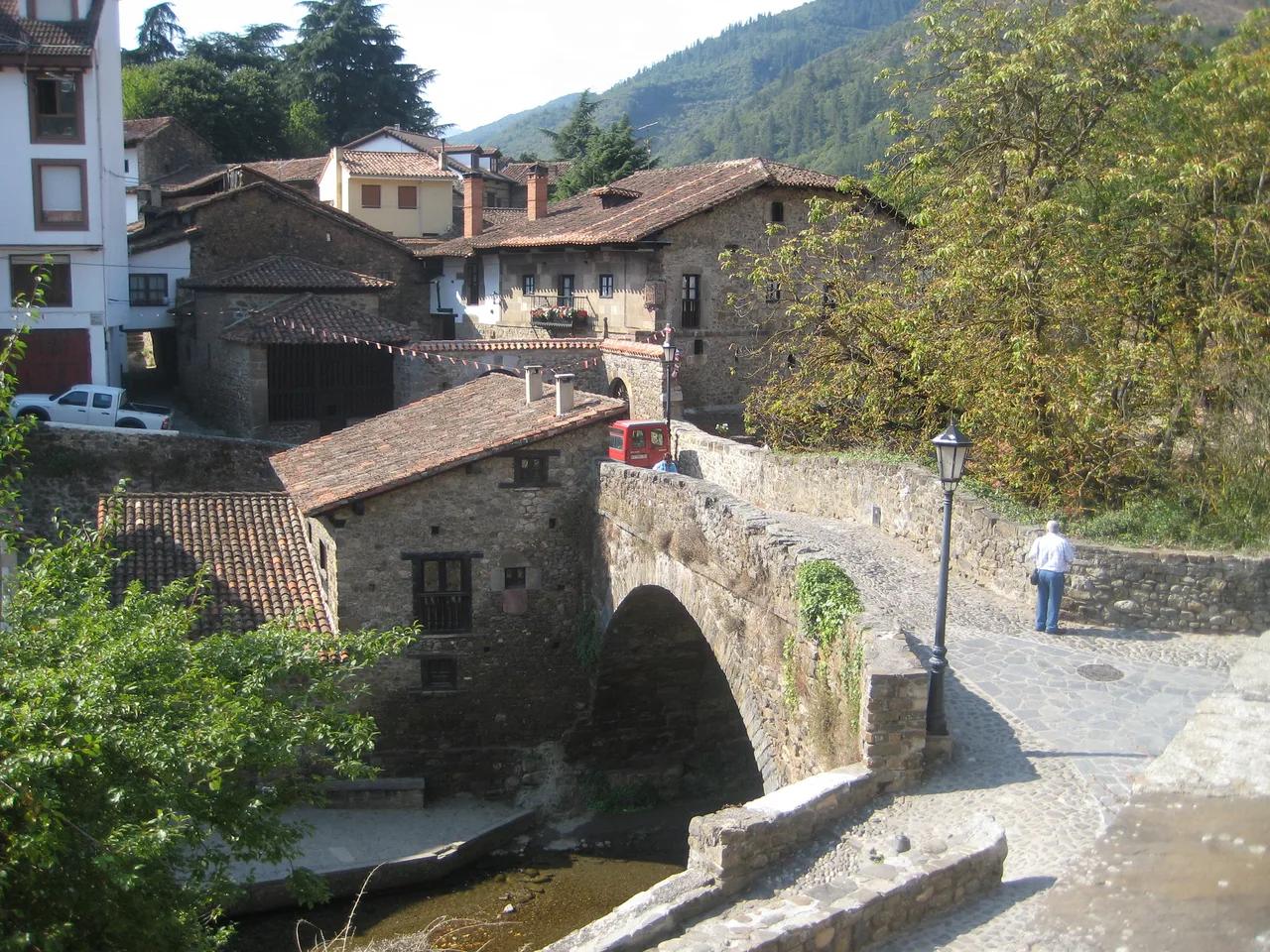
Last updated November 2026: Potes is a small mountain town in Cantabria's Liébana valley, where the Deva and Quiviesa rivers meet. It is the main gateway to the Cantabrian side of Picos de Europa National Park Guide: Where to Go and How Long to Stay. Use it as a base for Fuente Dé and the valley, or as a half-day or one-night stop.
Featured image: AndyRobertsMusicIOW, CC BY 2.0, via Flickr.
Potes at a glance
Potes is in Cantabria, not Asturias. Cangas de Onís and the Covadonga lakes lie on the Asturian side, in a different part of the range. What is Potes famous for? It is the Liébana valley's main base for the Fuente Dé cable car, and it sits near the Monasterio de Santo Toribio de Liébana. For the whole range, start with our Picos de Europa overview.
- Region: Liébana comarca, Cantabria
- Setting: the meeting point of the Deva and Quiviesa rivers
- Role: gateway town for the Cantabrian side of the park
- Fits: Fuente Dé base, half-day stop, one-night stay
Is Potes worth visiting?
Yes, if you want a practical base on the Cantabrian side. Hikers get the shortest approach to Fuente Dé. Road-trippers get a walkable evening and a proper mountain lunch. Families can combine short riverside walks with a cable car day, though the town itself needs only an hour or two. Skip Potes if your plans centre on Covadonga, Bulnes or Cangas de Onís. Those places sit on the Asturian side and make a poor fit for a Potes base.
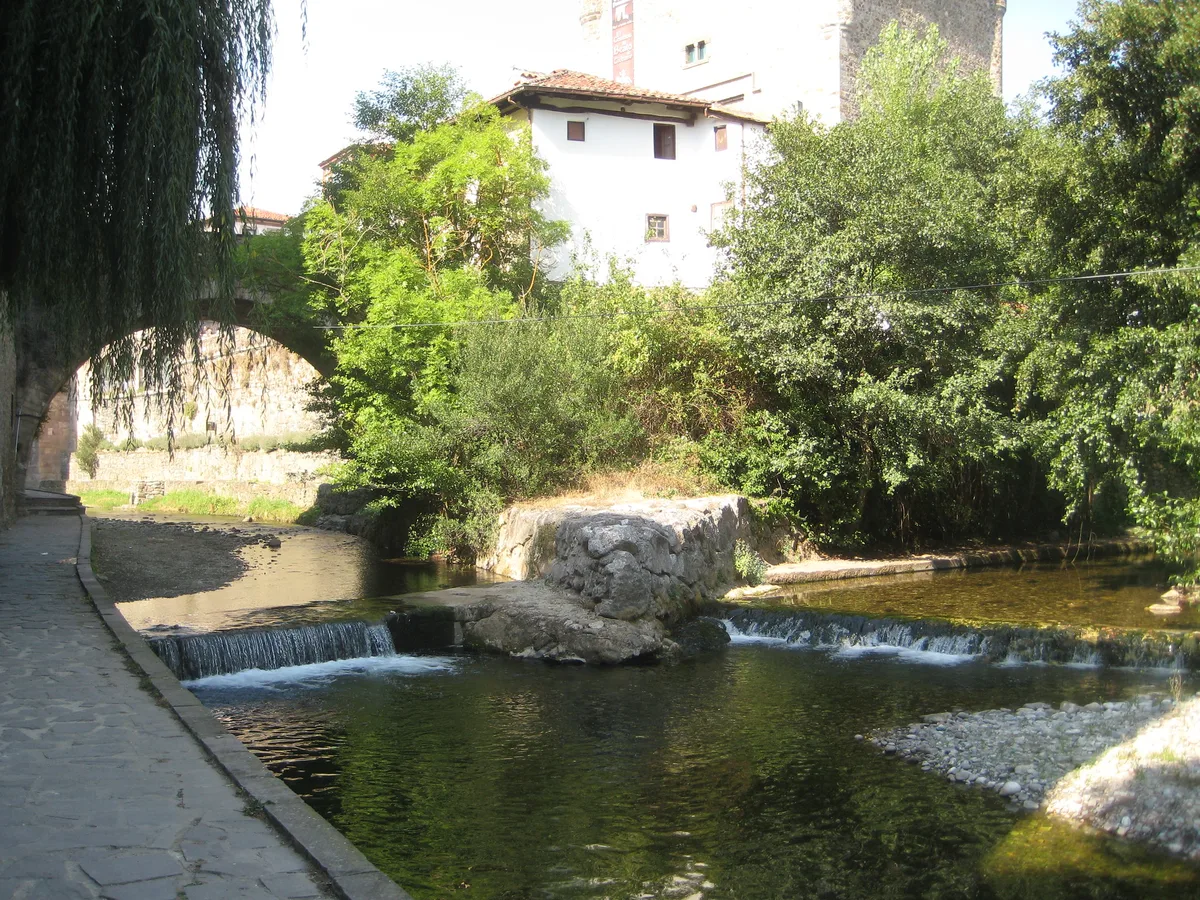
Where Potes is and how to get there
Santander is the nearest big city, roughly 116 km away. Bilbao is roughly 238 km away, and Madrid is roughly 450 km, or about 5 hours by road. Check a route planner for current times. Coming from the coast, you drive through the Desfiladero de la Hermida gorge. Travellers describe that road as winding and in poor shape in places. Allow extra time, and avoid driving it tired or after dark. Without a car, buses and taxis are possible but limited, and services vary by season. Check ALSA's current Liébana routes before you plan around them. Our guide to getting to Picos de Europa covers the full picture.
How long to stay in Potes
Match your stay to what you want from the valley. Potes rewards a short visit, but it works best as a base if you plan to hike or ride the cable car.
| Time budget | What fits | Best for | Main trade-off |
|---|---|---|---|
| 2–3 hours | Old town walk, bridges, lunch | Drivers passing through | No time for the cable car |
| Half day | Town plus Santo Toribio | Culture-focused visitors | Fuente Dé needs its own day |
| 1 night | Town, dinner, early Fuente Dé start | Short trips | Weather can cancel the cable car |
| 2–3 nights | Fuente Dé, valley villages, one flexible day | Hikers and slow travellers | Asturian highlights stay far off |
Best things to do in Potes
The centre is small and works on foot. Plan a short loop, then add food stops. The Ayuntamiento de Potes publishes local events and practical notices.
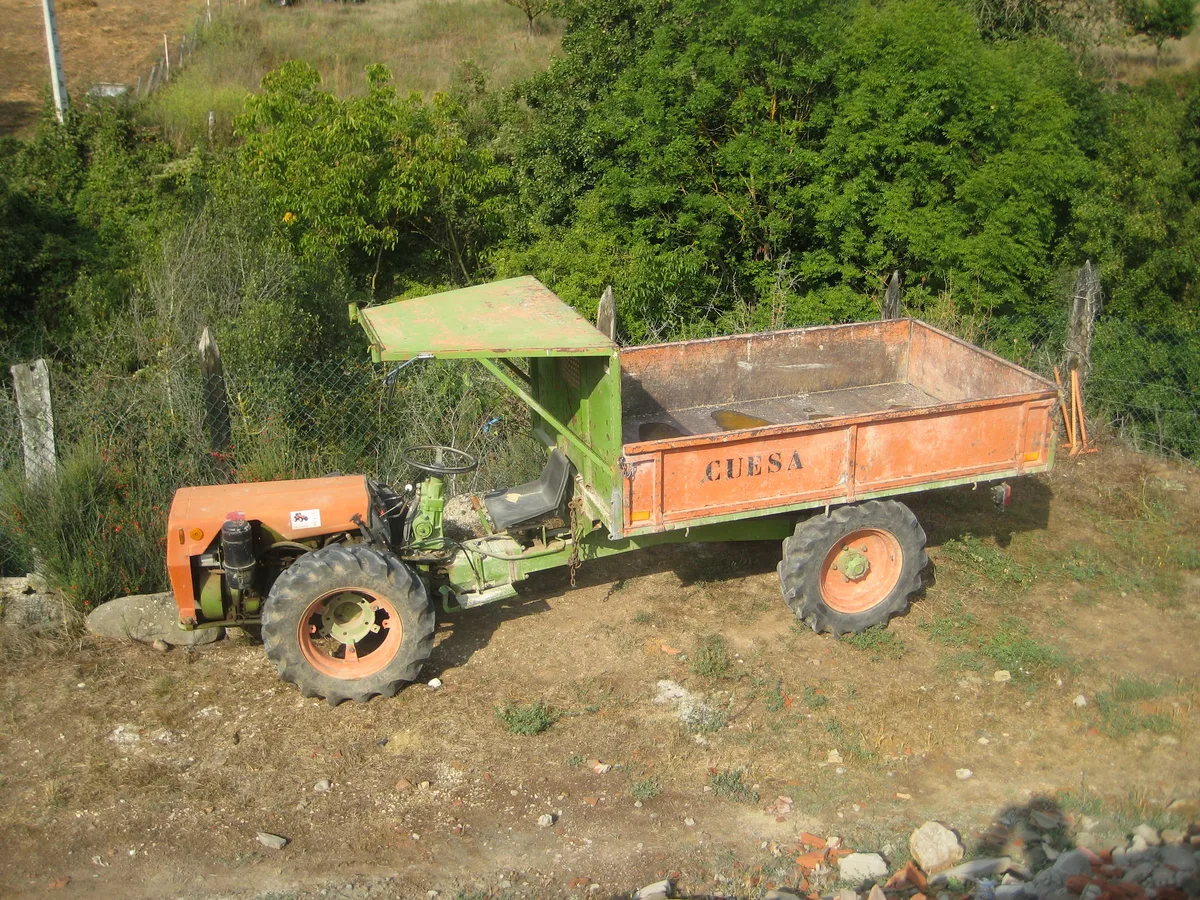
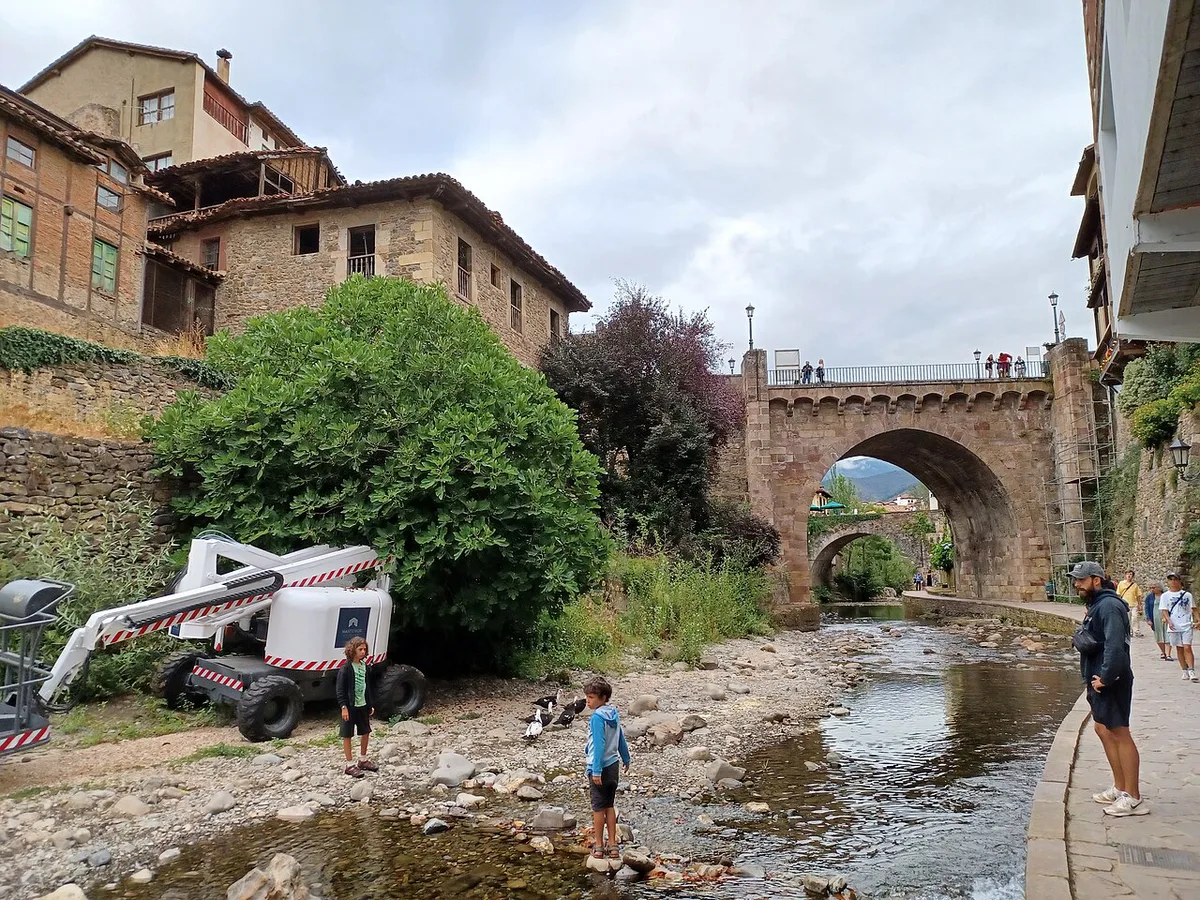
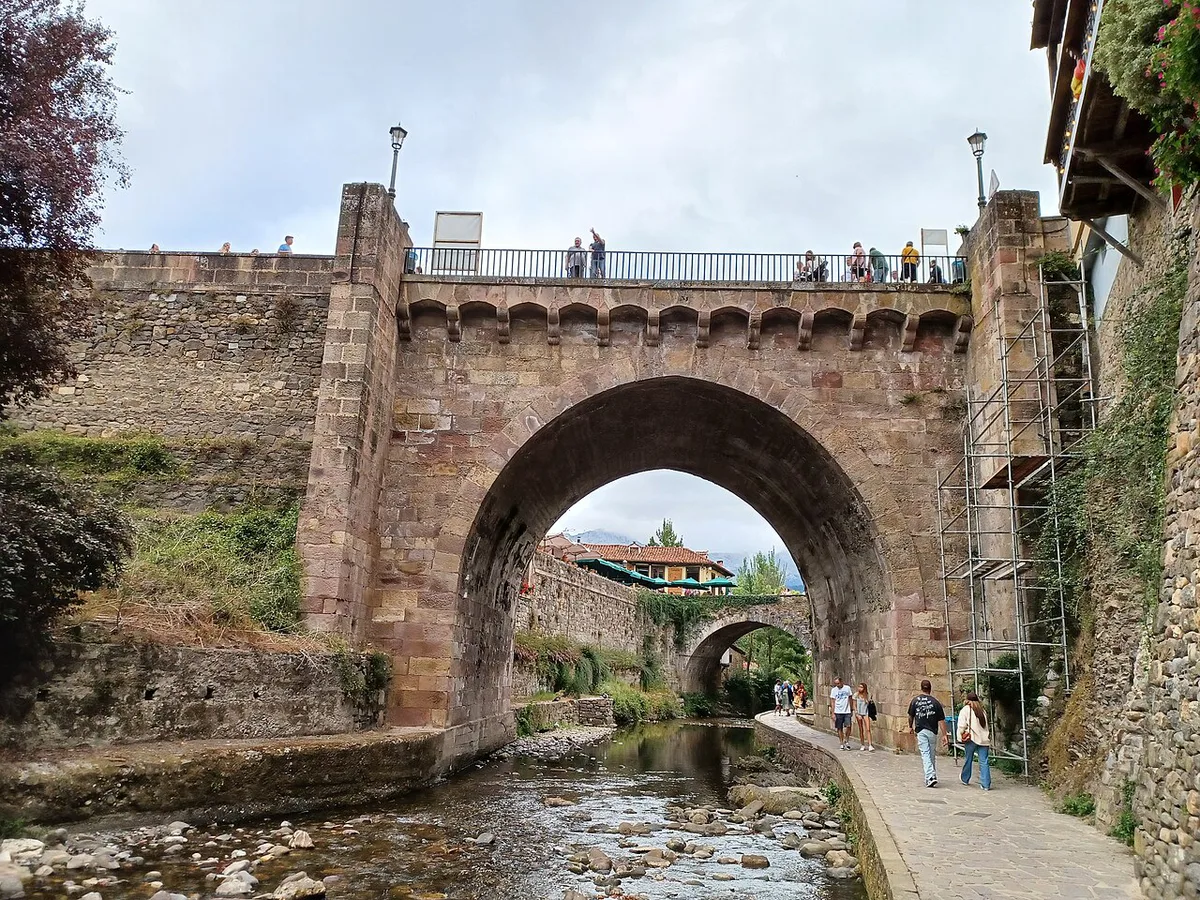
- Old town walk: cross the bridges over the Deva and Quiviesa, then follow the stone lanes. Allow about an hour. Streets fill up at midday in peak periods.
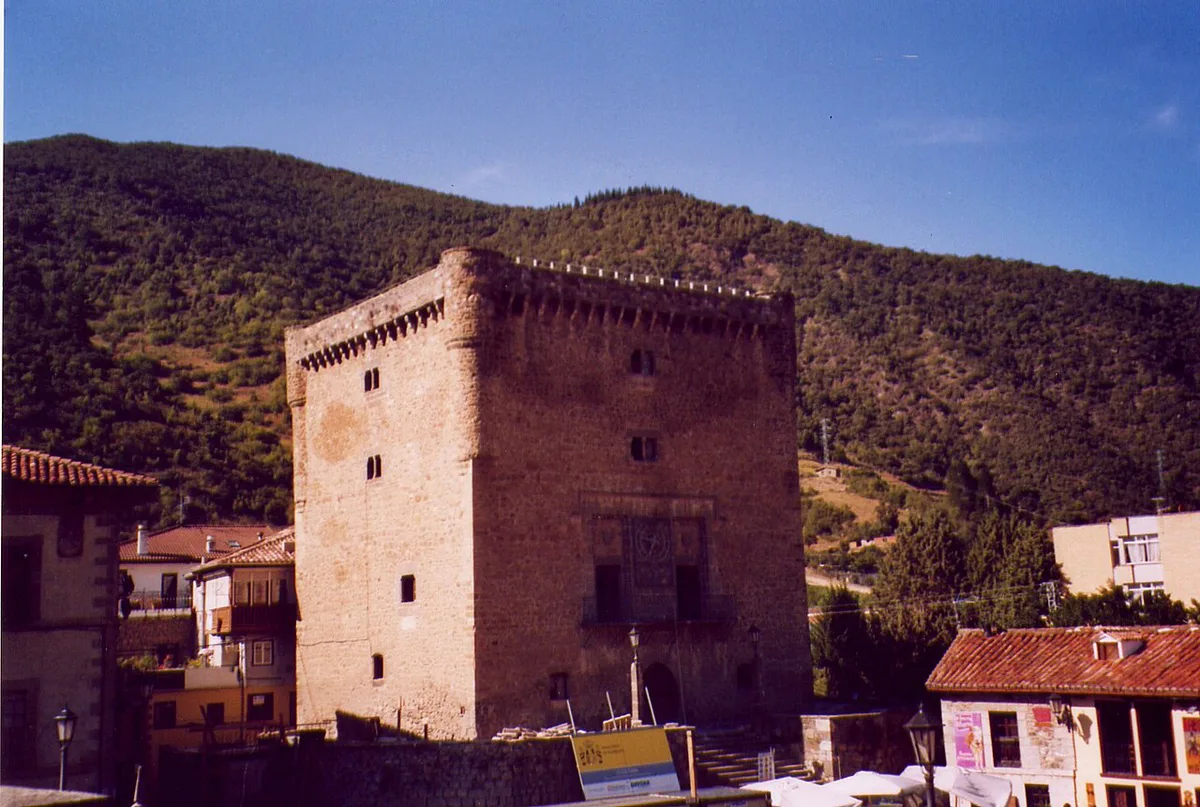
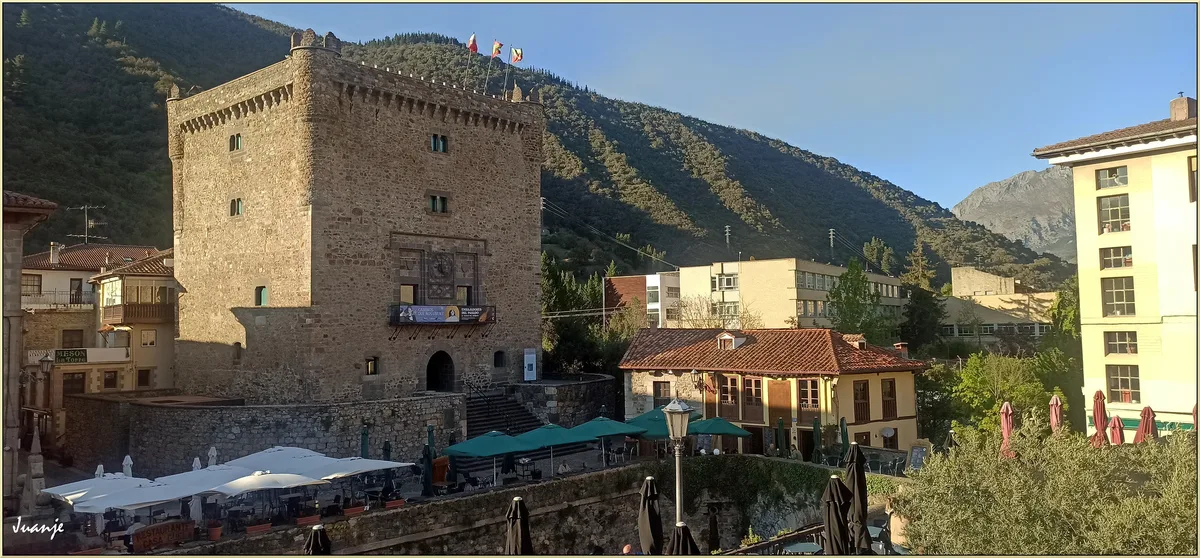
- Torre del Infantado: the tower anchors the old centre. Its current use and opening hours change, so ask locally.
- Weekly market: ask the municipality for the current market day. Go early for easier parking.
- Food stops: leave time for a sit-down lunch rather than a snack, since the local dishes are heavy.
Walks and river stops around Potes on foot
Potes works well for walkers who do not want a full mountain day. Most options start from the town or from the Fuente Dé area and need no technical skill. Trail conditions change with snow and rain, so ask at the tourist office for current route notes before you set out.
| Outing | Rough time | Character |
|---|---|---|
| Riverside stroll along the Deva and Quiviesa | 30-60 minutes | Flat, easy, good before dinner |
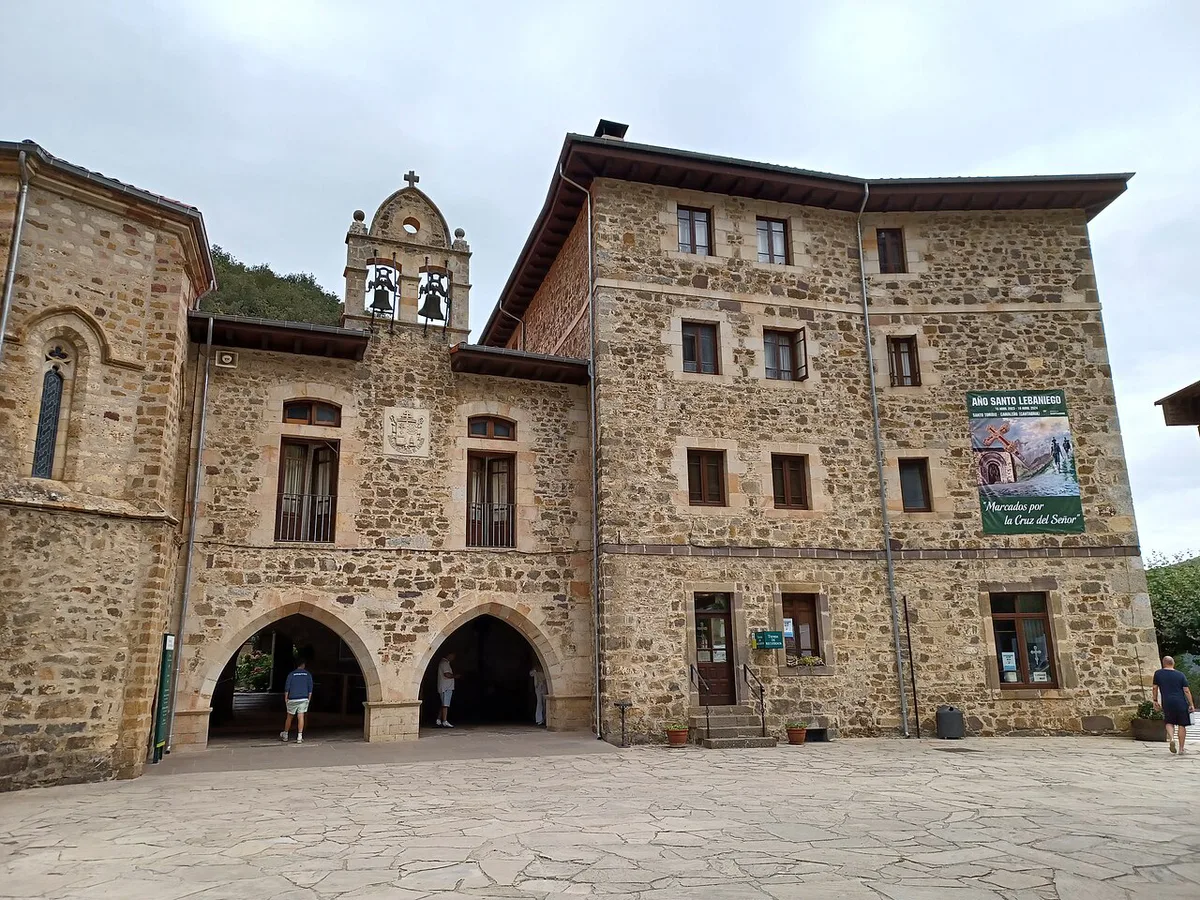
| Potes to Santo Toribio de Liébana on foot | About 1 hour each way | Roughly 3 km, mostly uphill, on the pilgrim approach |
| Short walk from the Fuente Dé upper station | 1-3 hours | High-altitude viewpoints; the upper station is at about 1,823 m |
Walking to Santo Toribio
The monastery is the end point of the Camino Lebaniego, so the approach is a walk many pilgrims know. Start early, carry water, and plan a lift or taxi back if your legs are tired from a cable car day.
Picnics and swimming
The rivers around Potes are a pleasant place for a bread, cheese and fruit picnic in summer. Mountain water stays cold, and levels rise quickly after rain or snowmelt. Swim only where locals do, in calm, shallow pools, and never in fast water. Take rubbish with you.
Choosing your level
- Easy: riverside paths and the old town loop.
- Moderate: the Santo Toribio walk and gentle trails near Fuente Dé.
- Demanding: high routes in the Central Massif. Check the weather, start early, and tell someone your plan.
Day trips from Potes
Fuente Dé is the usual first choice. Read our Fuente Dé cable car guide before you go. Book ahead in peak season. Cloud can hide the upper station, so check the forecast. Operator Cantur lists current prices and hours. Santo Toribio de Liébana works as a half-day add-on. Check on foot or by car how you will reach it from town. Official sources list the Jubilee Year status. Jubilee years follow years when 16 April falls on a Sunday, with irregular gaps. Valley villages fill out a second or third day. Use the Picos de Europa Map: Massifs, Gateways & Trailheads to see how the two sides relate. Covadonga, Cangas de Onís and Bulnes are on the Asturian side. Do not treat them as short hops. See the Covadonga lakes and Cangas de Onís for that side. Bulnes village and Naranjo de Bulnes (Picu Urriellu): Views, Hikes & Climbs have their own guides.
What to eat in Potes
Cocido lebaniego is the dish to plan around. This chickpea-based stew is a heavy, multi-course meal. Eat it after a hike, not before a cable car ride and a mountain walk. Queso de Liébana is the local cheese, and its exact Denominación de Origen wording is worth checking on the producers' labels. Orujo de Liébana is the local spirit, usually served after a meal. Book restaurants in busy periods, and ask about hours when you arrive.
Best time to visit Potes
Late spring and early autumn balance trail access with smaller crowds. Summer is busiest. Winter can bring cable car disruption. Check AEMET forecasts and our Picos de Europa weather guide. Festival dates change, so ask the municipality before you plan around one.
| Season | Crowds | Trails and cable car |
|---|---|---|
| Spring | Moderate | Snow may linger high up; weather changes fast |
| Summer | Highest | Best access; book ahead and arrive early |
| Autumn | Moderate | Good walking; shorter days |
| Winter | Low | Closures and cloud risk are higher |
Where to stay and park in Potes
Staying in town suits travellers without a car and anyone wanting dinner on foot. A casa rural in a valley village suits drivers who want quiet. A campsite fits tent and van travellers; see our Picos de Europa camping guide. Parking gets tight in town at peak times. Look for municipal car parks and pedestrian-street limits on arrival, and book beds well ahead for summer.
Common mistakes to avoid
Most problems come from timing and distance, not from the town itself.
- Treating Potes as a short drive from Covadonga.
- Arriving at midday in peak season with no parking plan.
- Going to Fuente Dé without checking weather or booking.
- Driving the La Hermida road tired or after dark.
- Eating cocido just before a hike.
Frequently Asked Questions
Where are Potes in Spain?
Potes is in Cantabria, in northern Spain. It sits in the Liébana valley, where the Deva and Quiviesa rivers meet. It is the gateway to the Cantabrian side of Picos de Europa.
Notes for your next park visit
Optional updates to our national park guides.
Read next
Keep planning
Picked from the same area