
Cangas de Onís Guide: Sights, Covadonga Access, Stay
A practical guide to Cangas de Onís: what to see, how to reach Covadonga and the Lakes, where to stay, and how long to spend.
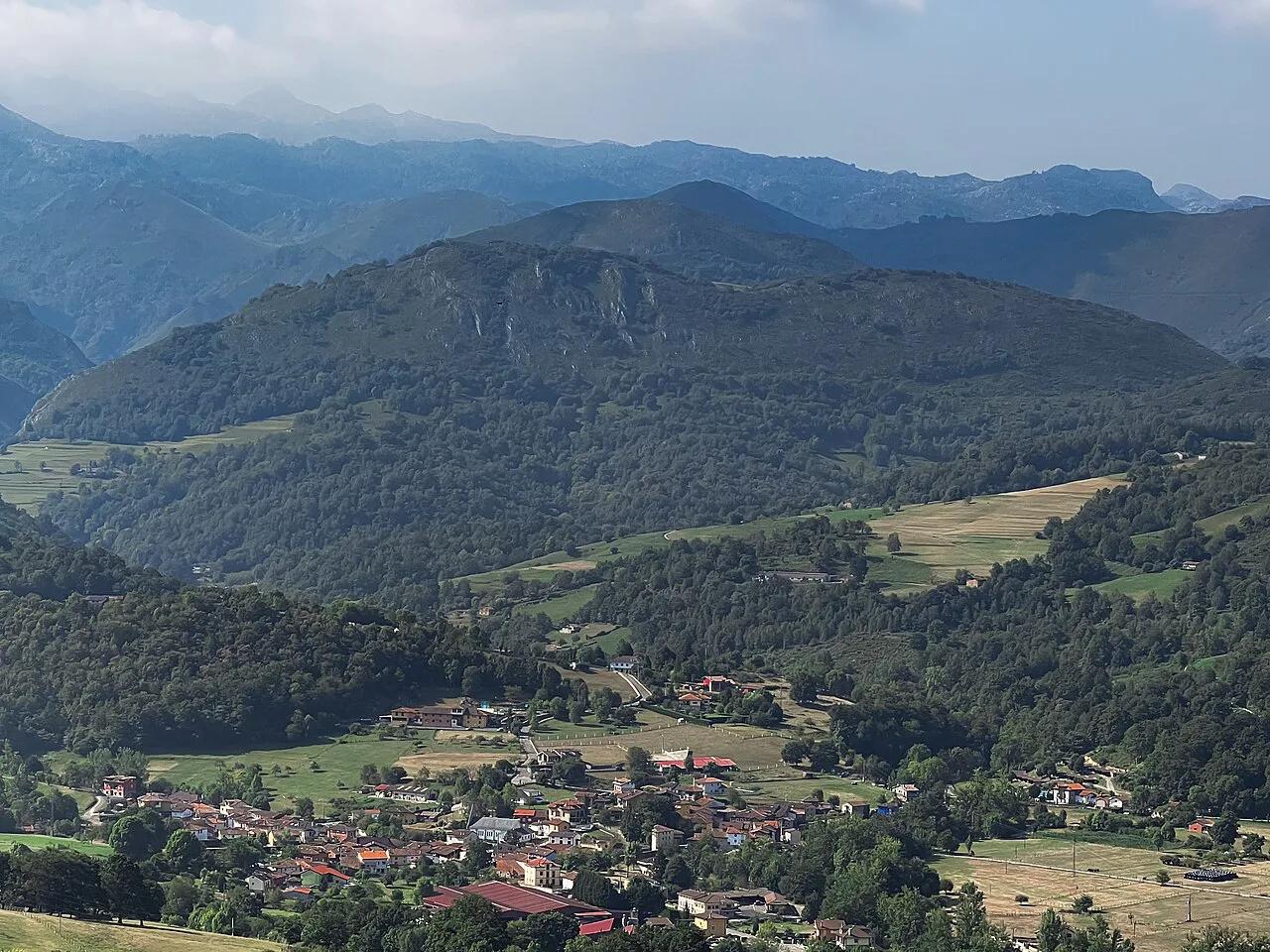
Last updated November 2026, and Cangas de Onís still works best as a gateway to Covadonga and the Lakes rather than a destination in its own right. Its medieval Roman Bridge and its past as the first capital of the Kingdom of Asturias justify a half-day stop. Treat it as a base if you want early mountain starts, and skip the overnight if you only have one day.
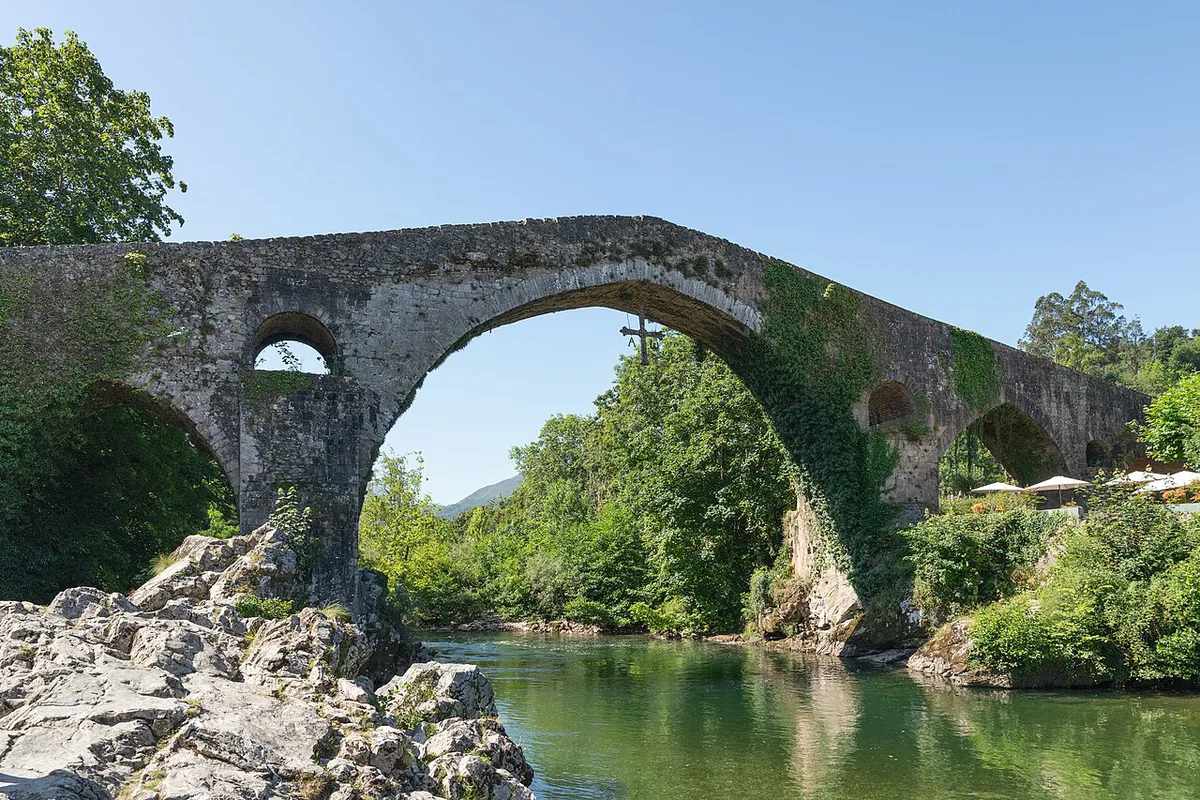
Featured image: WMrapids, CC0, via Wikimedia Commons.
Is Cangas de Onís worth visiting?
Yes, as a half-day stop and as a base. Allow 2 to 3 hours for the town itself. Spend the rest of your time on Covadonga, the Lakes and the Sella valley. Travelers who want river, mountain and food within one short drive get the most from it. Anyone aiming for Fuente Dé or Bulnes will do better sleeping closer to those trailheads. For the whole range, start with our Picos de Europa overview. Park regulations sit with the national park authority. Background on the protected area is in our national park guide.
What to see in Cangas de Onís
Start at the tourist office at Avenida de Covadonga 1, listed on the municipal tourism site. Everything in the list below sits in the town center except the monastery. San Pedro de Villanueva belongs to the parish of Villanueva, so add travel time for it. Budget about 90 minutes for the main stops in town, using these editorial time estimates.
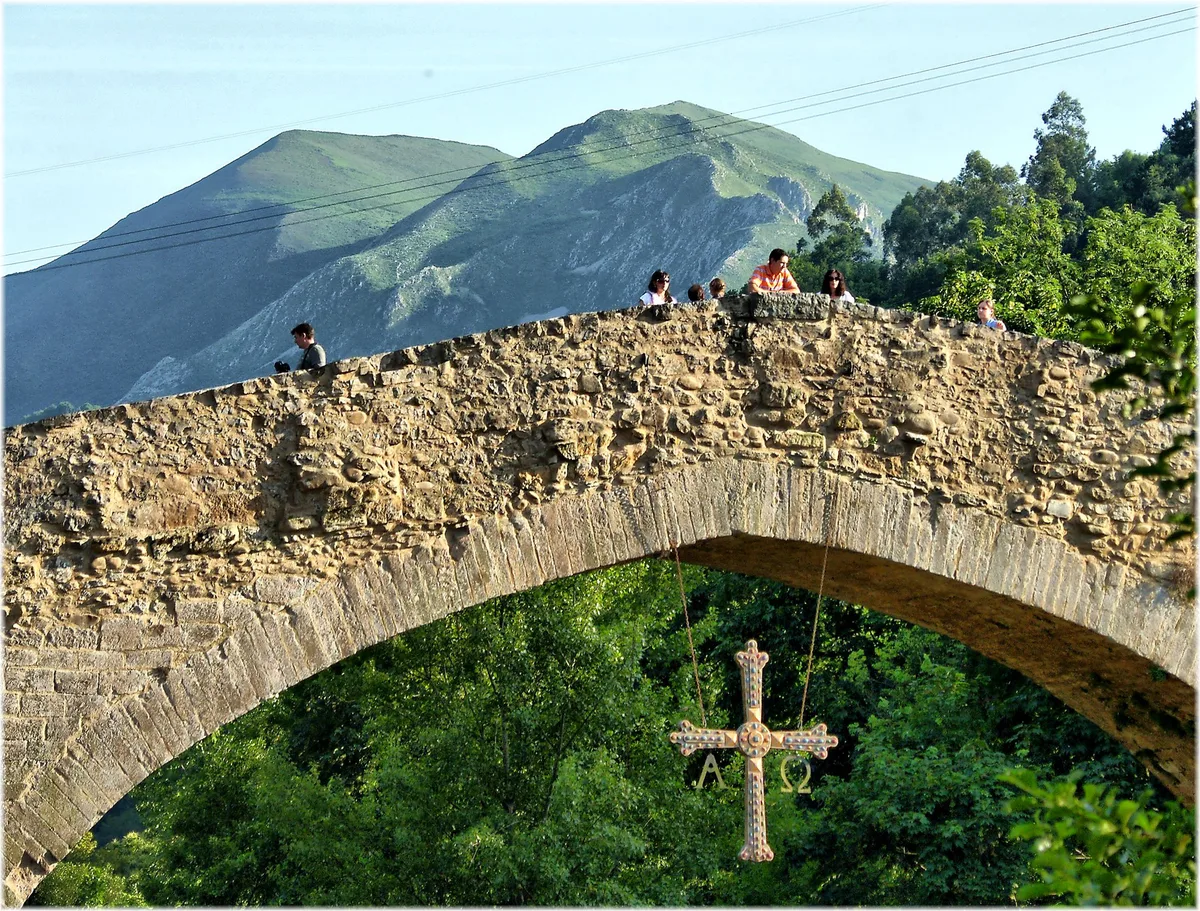
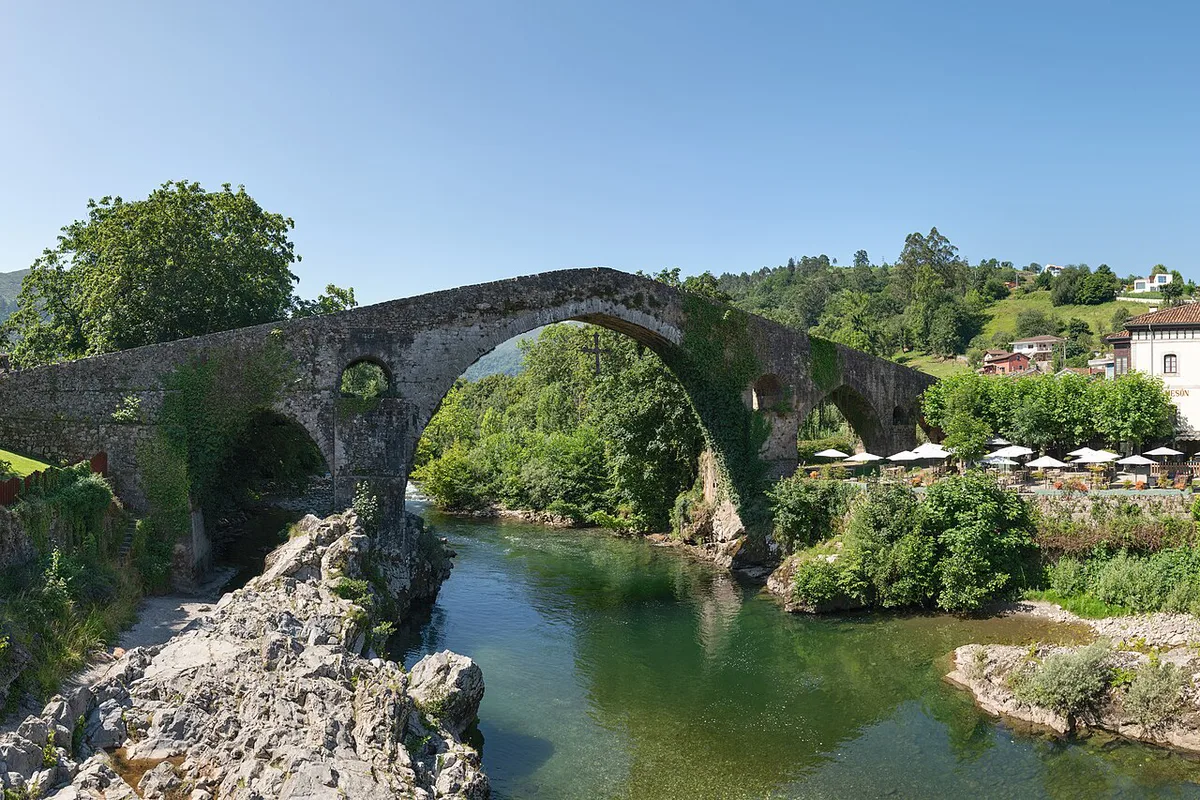
- Puente Romano: a hump-backed bridge over the Sella with one tall pointed arch and two smaller, unequal arches. It is medieval, not Roman, although a Roman road did cross here. Allow 15 minutes. Worth it.
- Capilla de la Santa Cruz at Cruces: a small chapel built over a Neolithic dolmen, rebuilt after the Civil War by Luis Menéndez-Pidal. The dolmen sits in the crypt. Allow 30 minutes. Worth it for history; ask the tourist office about opening hours.
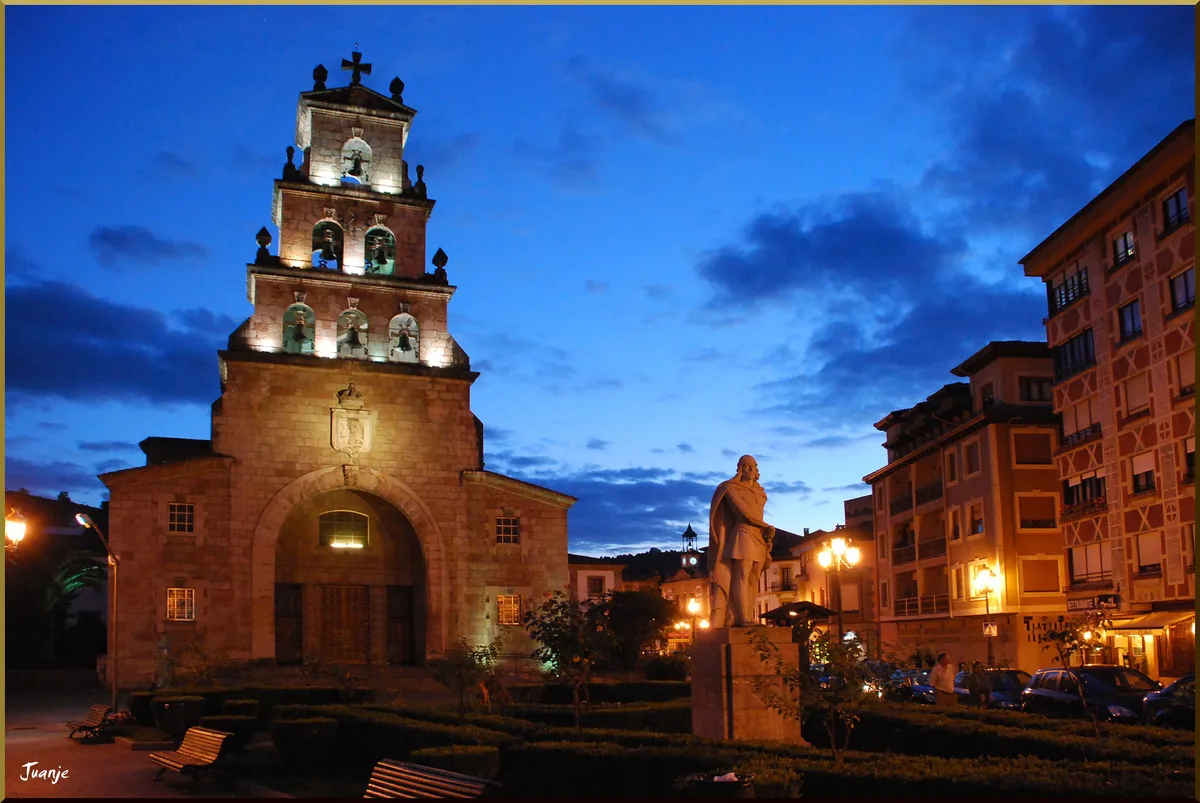
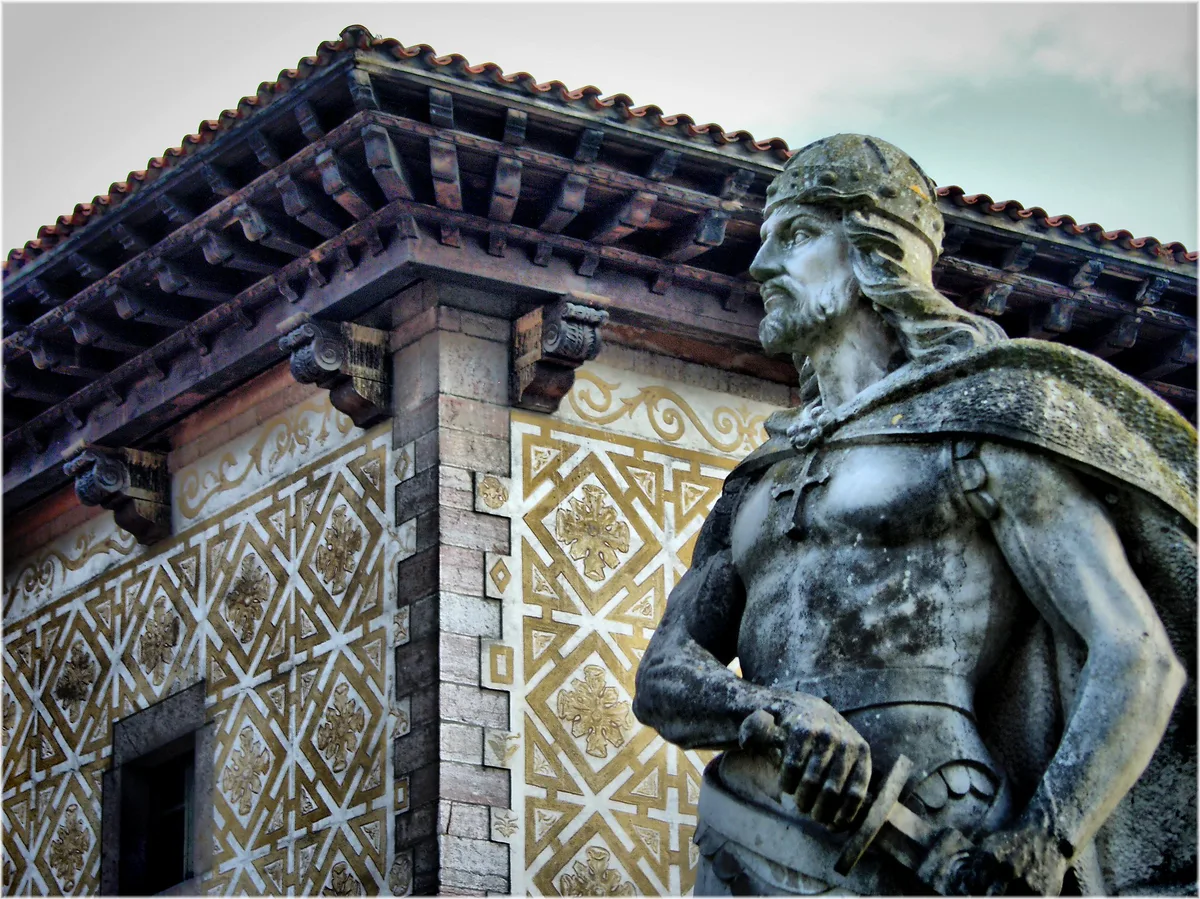
- Monument to Pelayo: a statue of the king who launched the Asturian monarchy. Allow 10 minutes. A quick photo stop on the way to lunch.
- Sunday market: the weekly market that regional tourism pages describe as one of the best known in Asturias. Allow 1 hour. Worth planning the trip around if Sunday fits.
- Monastery of San Pedro de Villanueva: a 12th-century church and monastery. Allow 45 minutes plus travel. Worth it if you like Romanesque architecture; otherwise skip.
A short history that explains the sights
Pelayo's victory at Covadonga around 722 launched the Kingdom of Asturias, and he chose Cangas de Onís as its capital. Cangas held that role until 774. Regional tourism material describes it as the first capital of the Kingdom of Asturias. City status arrived in 1908, and the Picos de Europa National Park was created in 1918. In 1978 the town hall hosted the constitution of the Regional Council of Asturias, the body that prepared the autonomy statute. Three places carry the story on the ground.
- Puente Romano: a medieval bridge on the line of an older Roman road.
- Santa Cruz chapel: a Christian chapel raised over a prehistoric dolmen.
- Covadonga: the cave sanctuary where the 722 battle is remembered, and the place where Pelayo is buried.
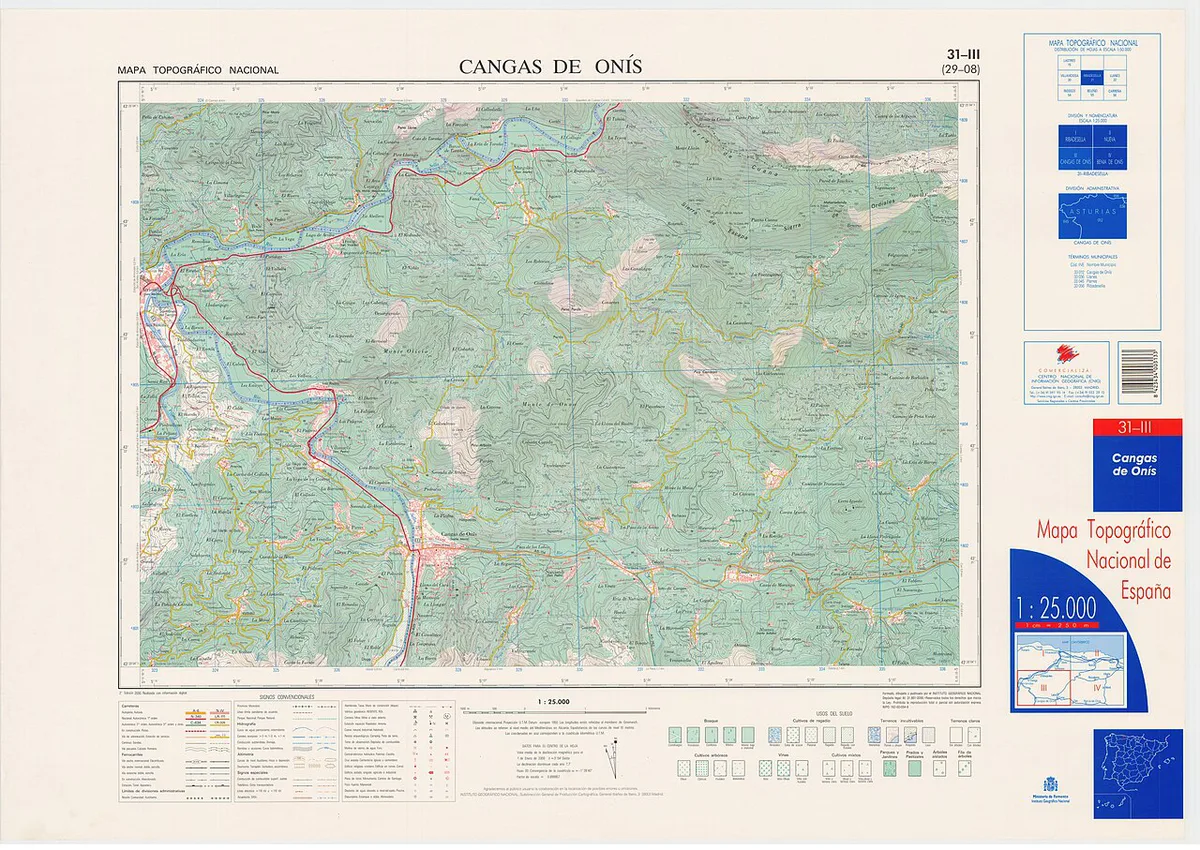
Covadonga and the Lakes from Cangas de Onís
Covadonga lies on the AS-262, the road that leaves Cangas toward the national park. Enol and Ercina, the two permanent lakes, sit about 12 km beyond the sanctuary. Bricial, the third, holds water only during the thaw. Cyclists treat the 12 km climb as an achievement in its own right. Access rules change by date and season, so read the Covadonga and Lakes page on the official tourism portal before choosing. Our Lakes of Covadonga guide covers viewpoints and walks. Peak days make queues likely, so an early start beats any other trick.
| Option | Time and effort | Restriction risk | Cost level | Best for |
|---|---|---|---|---|
| Drive | Fastest, low effort | High on busy days | Fuel and parking | Flexible stops and families |
| Bus or shuttle | Moderate, fixed schedule | Low once seated | Budget | Travelers without a car |
| Cycle | Slow, strenuous 12 km climb | Low | Free after bike hire | Fit riders |
| Guided | Set schedule, little effort | Low | Moderate to high | First-timers who want a route |
Day plans: half day, one day or a multi-day base
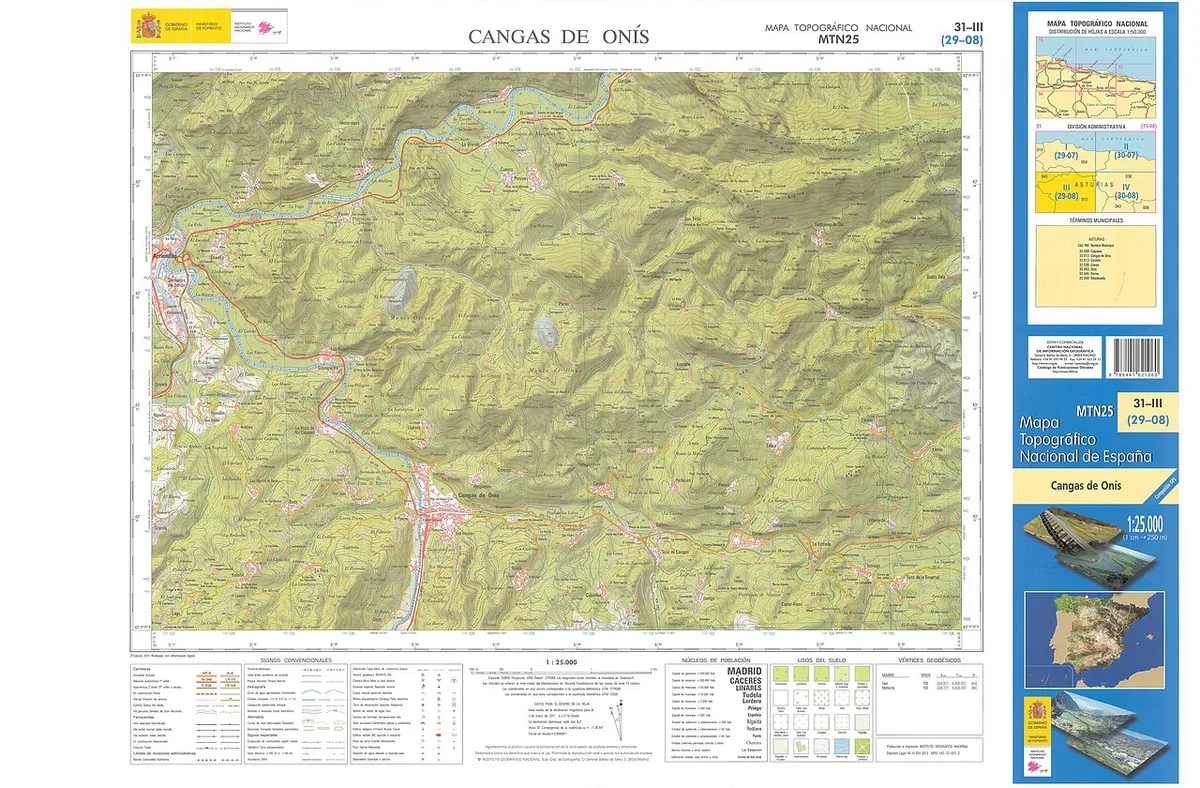
Three plans cover most trips. Each assumes spring to autumn weather. Assume a rental car unless the plan says otherwise. Mark your route on our Picos de Europa Map: Massifs, Gateways & Trailheads before leaving. Time budgets below are editorial estimates, not operator figures.
A Covadonga and Lakes day runs 8 to 10 hours, with Enol and Ercina about 12 km beyond the sanctuary.
| Plan | Assumptions | Time budget | What fits |
|---|---|---|---|
| Half day in town | No car needed | 3 to 4 hours | Roman Bridge, Santa Cruz, Pelayo monument, lunch; add the market on a Sunday |
| Town, Covadonga and the Lakes | Car, shuttle or guided tour | 8 to 10 hours | 2 hours in town, 90 minutes at the sanctuary, 3 to 4 hours at the Lakes |
| Base-camp stay | Car, 3 to 4 nights | 3 to 4 days | Lakes day, Sella canoe or canyoning day, Dobra River walk, one day at another gateway |
Outdoor activities around Cangas de Onís
Regional tourism listings for 2026 show three priced activities run from Cangas, from €35 to €55 per person. Prices and hours checked November 2026. Operators set final rates, so confirm at booking. For a rest day, the Dobra River and San Vicente route is easy, without major elevation changes.
- Descent of the Sella by canoe: €35 per adult, a family-friendly river day.
- Canyoning baptism: €45 per person, a simple canyon with slides and jumps into small pools.
- Ascent to the Lakes and guided route: €55 per person.
Food and the Sunday market
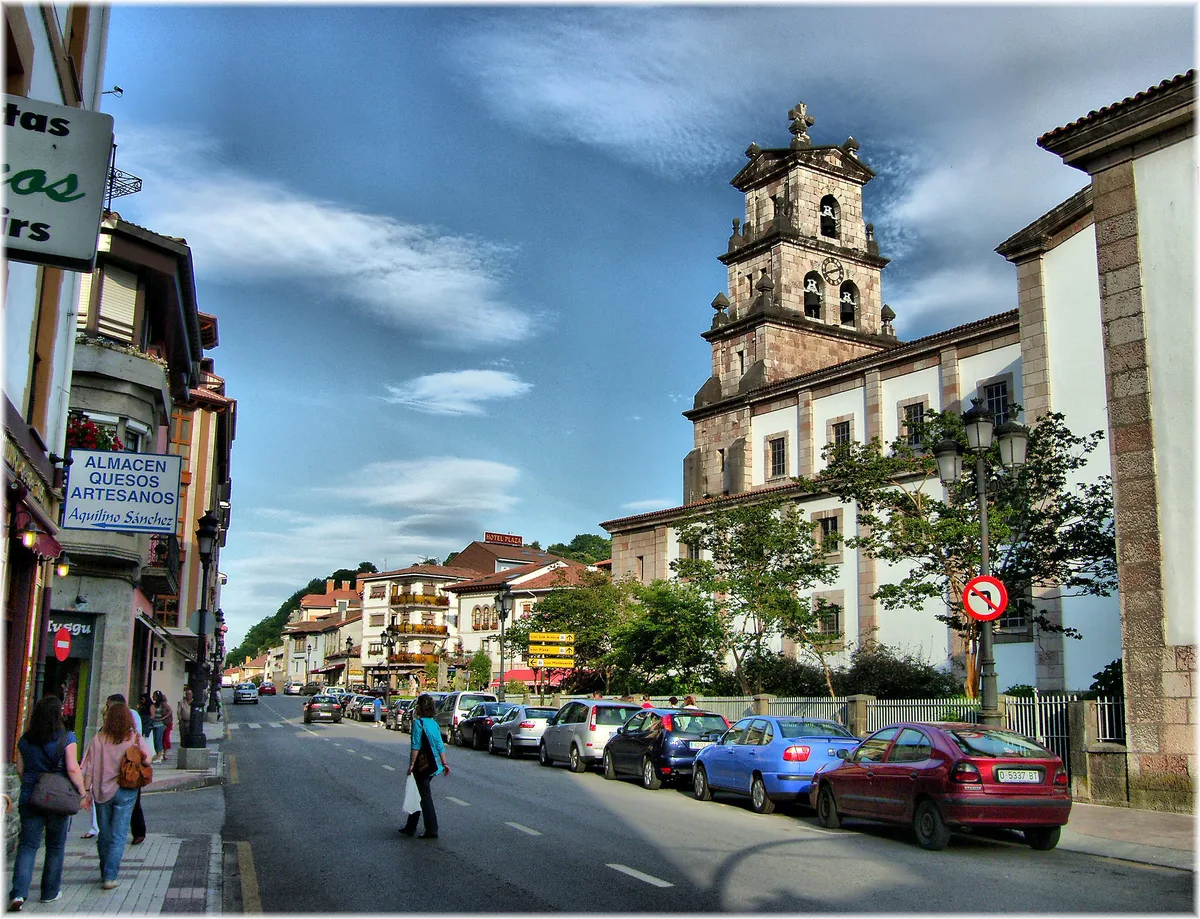
Sunday is market day, and local producers sell cheese, sausages, vegetables and eggs. Ask the tourist office for current stall hours and the location of the stalls. Check the parking page on the municipal portal before you drive in. A cheese exhibition contest is held on 12 October, and the Autumn Fair falls on the same date. Order these dishes at a cider house or restaurant in town.
- Fabada: the Asturian bean stew.
- Cachopo: breaded veal stuffed with ham and cheese.
- Gamonéu: a cheese from the Cornión mountains, tied to the local area.
- Sella salmon: a river specialty, celebrated at gastronomic days in June.
- Sidra: poured from height at cider houses in the capital.
Where to stay: Cangas de Onís versus other bases
Pick Cangas de Onís for evening life, restaurants and the widest choice of hotels, rural houses and apartments. Choose Covadonga or a village nearby when an early Lakes start matters most. Oviedo is 71 km away, so a Cangas base beats a daily commute from the capital. Campers should read our Picos de Europa camping guide. Use the table to compare bases by access, Lakes proximity and car-free viability. Arenas de Cabrales suits the central massif; our guides to Bulnes and the Naranjo de Bulnes (Picu Urriellu): Views, Hikes & Climbs explain that side. Walkers heading to Fuente Dé should read about the Fuente Dé cable car. Our Potes guide covers the town that serves that cable car.
| Base | Access | Lakes proximity | Car-free viability |
|---|---|---|---|
| Cangas de Onís | Good road links, town services | Short drive to Covadonga | Best of the group |
| Covadonga or nearby village | Single mountain road | Closest | Limited |
| Arriondas | Downstream on the Sella | Further | Moderate |
| Potes | Serves Fuente Dé | Far | Moderate |
| Arenas de Cabrales | Central massif access | Far | Limited |
Getting to Cangas de Onís and getting around
Cangas de Onís is 71 km from Oviedo. Drivers arrive on the N-634, which links Oviedo and Santander. ALSA is the long-distance bus operator to check for services toward Cangas, because frequency varies. Check the ALSA timetable for your date. Onward buses or shuttles to Covadonga are listed on the municipal portal. Our guide to getting to the Picos de Europa compares every gateway. Parking in town is listed on the municipal portal, and the tourist office at Avenida de Covadonga 1 can point you to car parks.
- N-634: connects Cangas with Oviedo and Santander.
- N-625: links to León through the Picos de Europa.
- AS-114: runs to Onís, Cabrales and Panes.
- AS-262: climbs to Covadonga and the national park.
- AS-340: connects to Llanes.
When to go: festivals, crowds and weather
Summer weekends and festival dates bring the heaviest traffic to Covadonga and the Lakes. Shoulder seasons are calmer, with the Spring Fair on 23 April and the Autumn Fair on 12 October. A cycling classic to the Lakes runs each spring. Forecasts for the mountains come from AEMET. Read our Picos de Europa weather guide before choosing a month.
- San Antonio festivities: the patron saint celebrations in the capital in June.
- Fiesta del Pastor: held at Vega de Enol at the end of July, coinciding with the feast of St James.
- Día de la Santina: 8 September at Covadonga, also a regional holiday, so expect crowds.
Mistakes to avoid
Four errors cause most of the disappointment on this trip.
- Assuming Lakes access is free and open all year.
- Arriving at peak times without checking restrictions.
- Relying on a day in town alone, when the mountains are the main draw.
- Treating the Roman Bridge as Roman; it is medieval.
Frequently Asked Questions
¿Por qué es famoso Cangas de Onís?
Cangas de Onís is known for its medieval Roman Bridge and its role as first capital of the Kingdom of Asturias. It is also the gateway to Covadonga and the Lakes.
¿Qué quiere decir Cangas en asturiano?
Canga is an Asturian word for valley or canyon, and cangues is its plural. The name fits a town set between the Sella and Güeña rivers.
Notes for your next park visit
Optional updates to our national park guides.
Read next

Keep planning
Picked from the same area