Picos de Europa Weather: Best Time to Go & What to Expect by Season
Picos de Europa weather by season and altitude: what to pack, which forecast to trust, and how rain, snow and cloud affect trails and cable car plans.
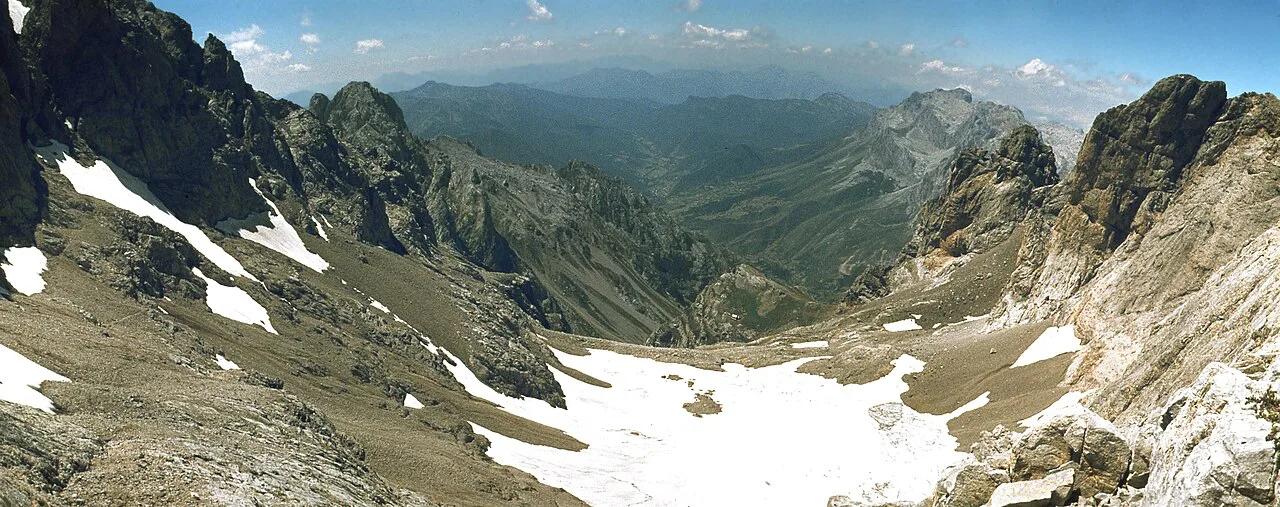
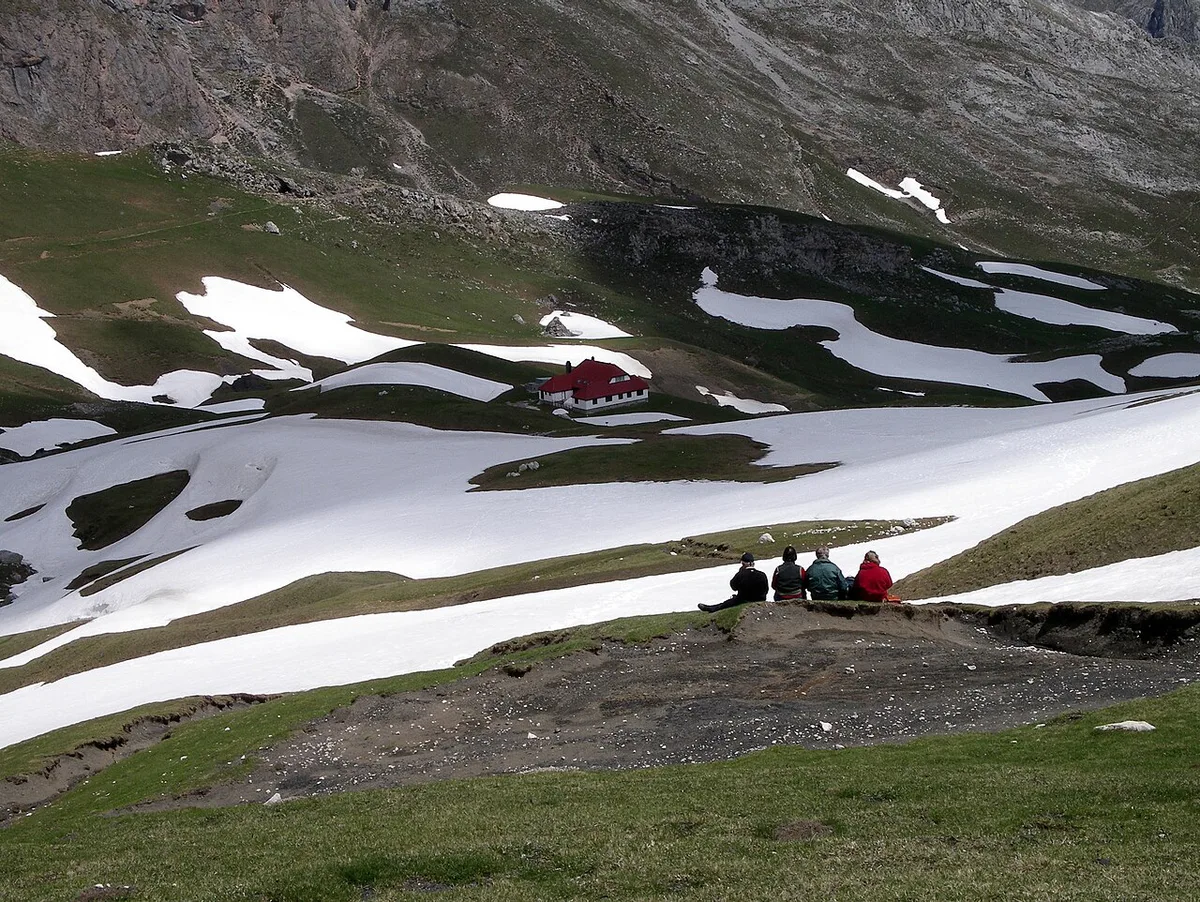
Last updated November 2026: Picos de Europa weather is changeable and depends heavily on altitude and on which side of the range you stand. Valley villages can sit at 14°C (57°F) while the high ground is below freezing on the same day. Plan around the mountain forecast, not the village one, and read this alongside our Picos de Europa guide.
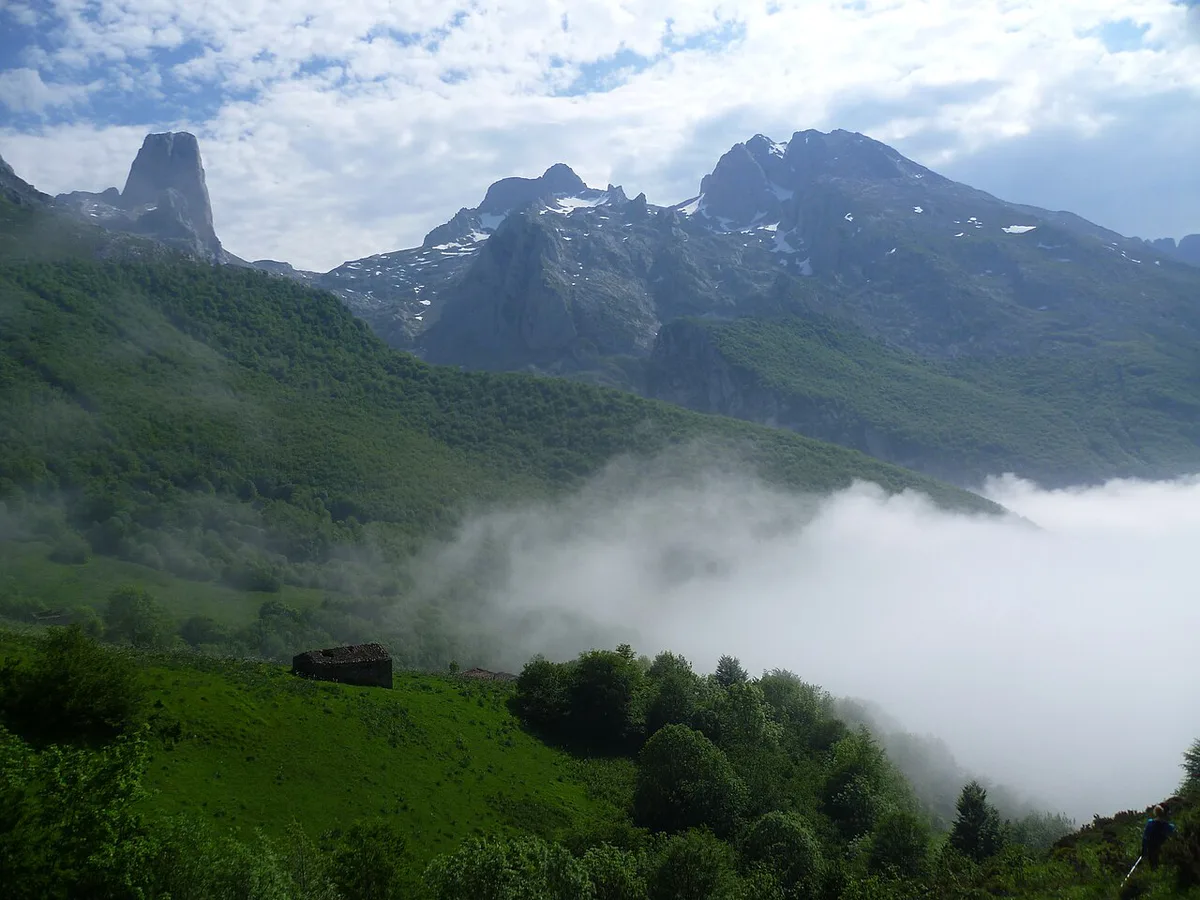
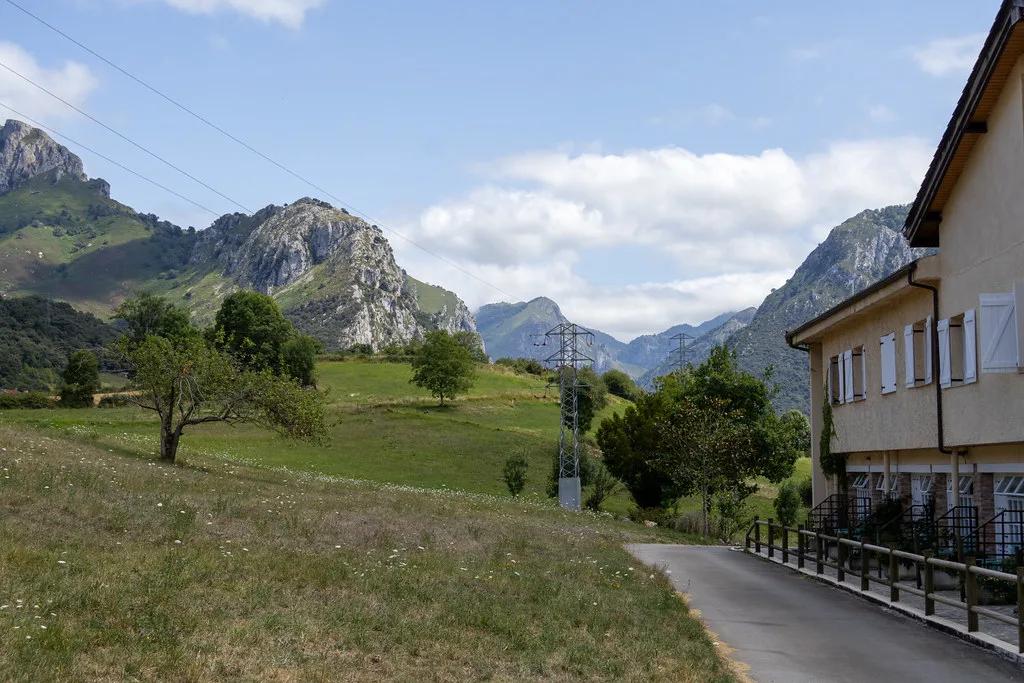
Featured image: LBM1948, CC BY-SA 4.0, via Wikimedia Commons.
Picos de Europa weather in short
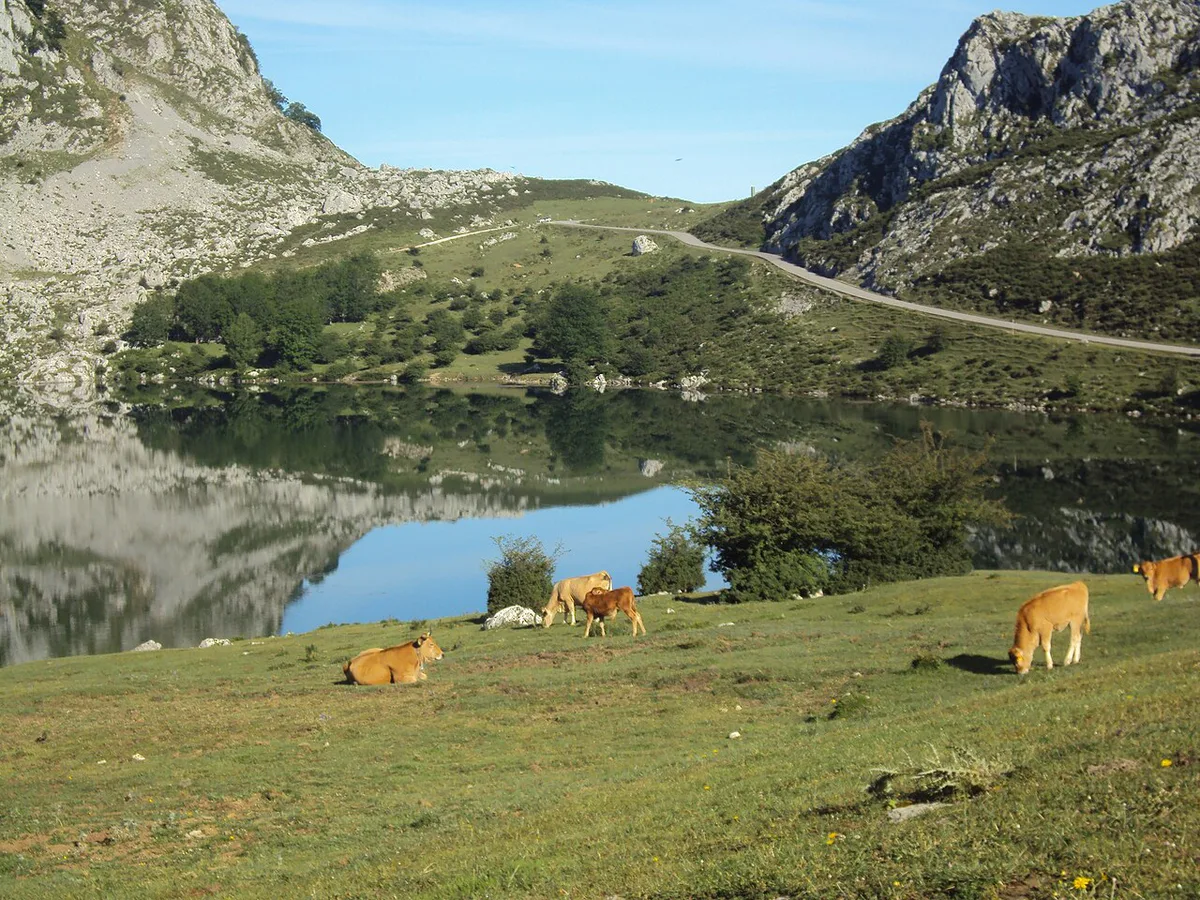
Expect Atlantic moisture on the Asturian and Cantabrian side, with cloud and rain possible in any month. The Liébana side around Potes is generally drier. Snow cover at height is normal in winter, and AEMET's mountain bulletins run from December to May. Check AEMET's live forecasts and warnings before any mountain day. The park's overview is in our national park guide.
Weather by season
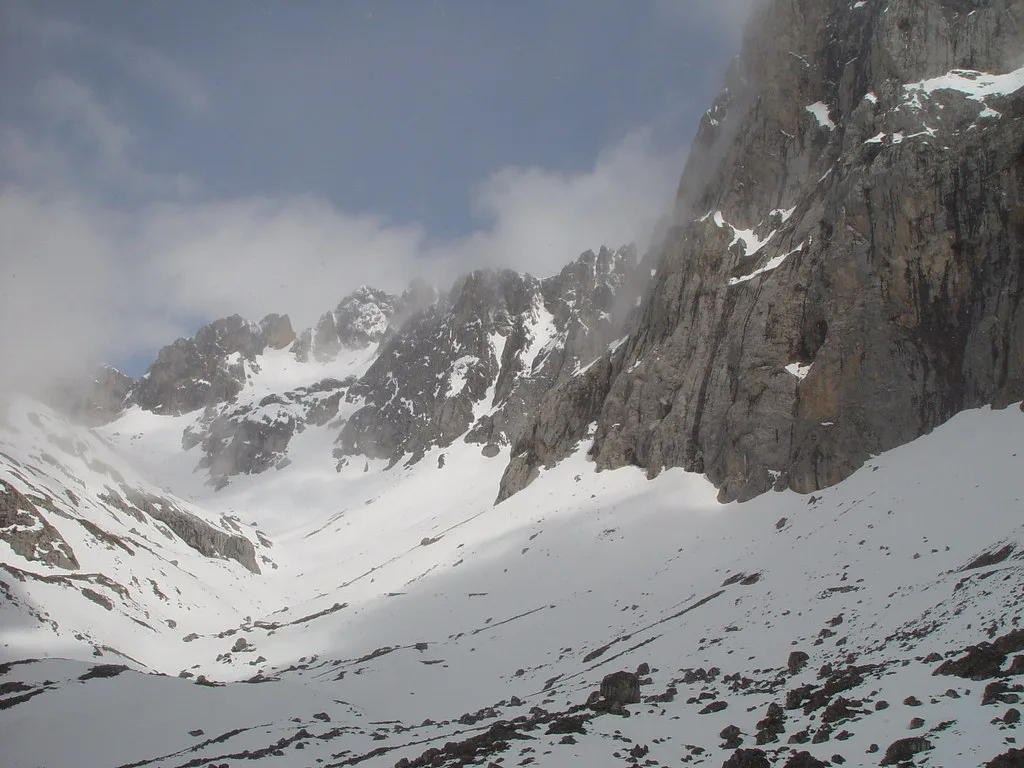
Seasons here are best described by character rather than exact numbers. Lodging follows the same curve. In our editorial planning estimate, a double room in a base town such as Cangas de Onís runs around €70 in spring or autumn against €120 or more in August. Treat those figures as a guide and check current rates with your hotel.
| Season | Typical conditions | What it means for plans |
|---|---|---|
| Spring (Mar–May) | Mild valleys, wet spells, snow lingering on high ground | Valley walks are fine. High routes may still be snowbound. |
| Summer (Jun–Aug) | Warmest and most settled, but cloud and storms still occur | Best for high trails and the cable car. Start early and carry a waterproof. |
| Autumn (Sep–Nov) | Changeable, with rain and fog risk growing | Good colour in the valleys. Check warnings before every high outing. |
| Winter (Dec–Feb) | Cold, snow at height, short days | Snow and avalanche bulletins apply. Stay low unless trained and equipped. |
Why valley and summit forecasts disagree
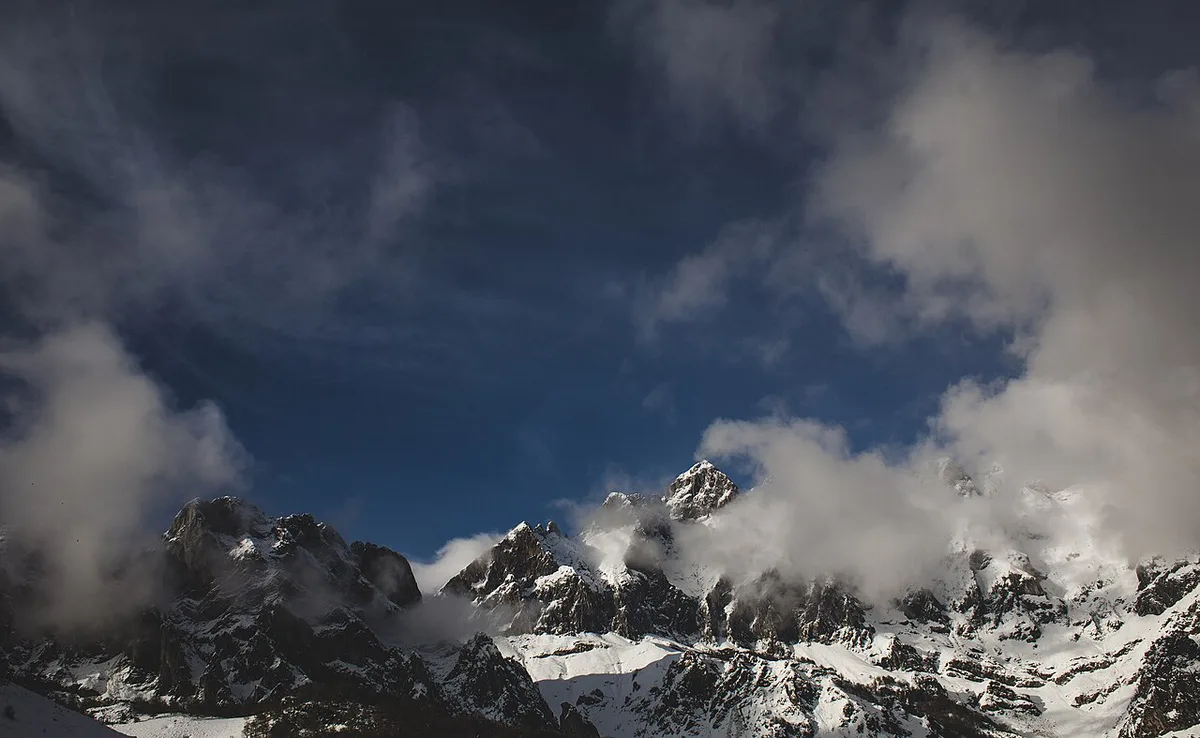
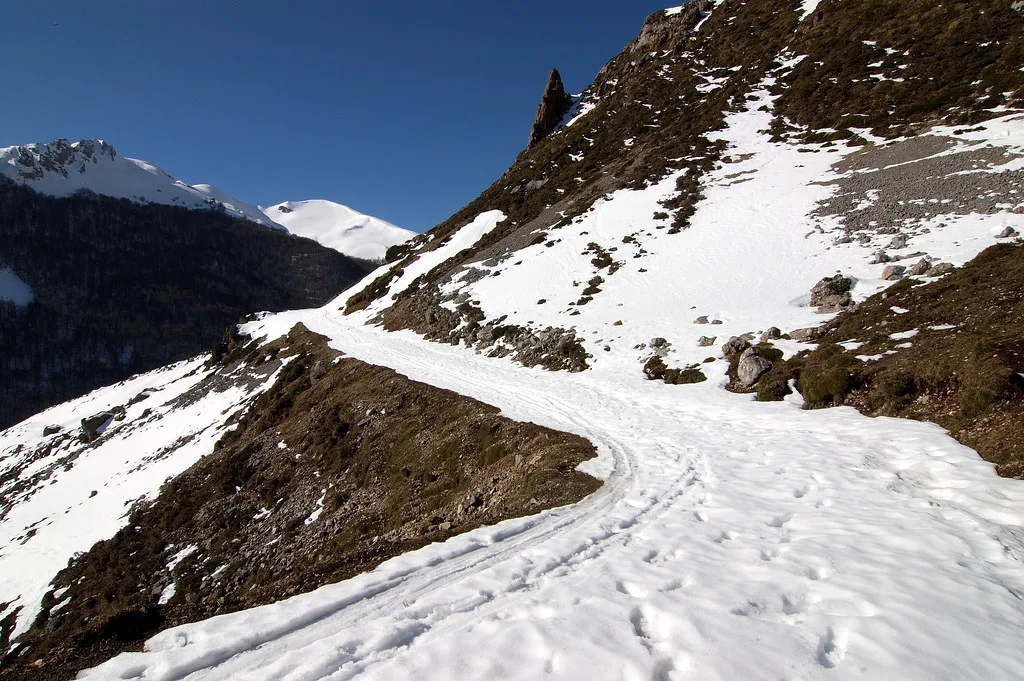
On 21 November 2026, a village point near Benia de Onís showed highs around 14°C (57°F). A Yr point listed at 2380 m on the León side read 0°C (32°F), feeling like -5°C (23°F). A Yr hotel point at 14 m in Cantabria showed 17°C (63°F). That spread comes from elevation and exposure, and these numbers are a one-day snapshot, not climate normals. Mistake to avoid: trusting a valley forecast for a summit day.
Which forecast to check
Use the right tool for the plan. AEMET's mountain page covers Picos de Europa with a current-day forecast plus 4 days. Its first two days include freezing-level data for the 0°C (32°F) and -10°C (14°F) isotherms. Warnings are split into three zones, listed below.
- Hiking or scrambling: AEMET mountain forecast and warnings for Cordillera Cantábrica de León, Cordillera y Picos de Europa, and Liébana.
- Village stays: a town forecast for Cangas de Onís or Potes.
- Quick second opinion: Yr, choosing a point close to your route's altitude.
How weather affects access
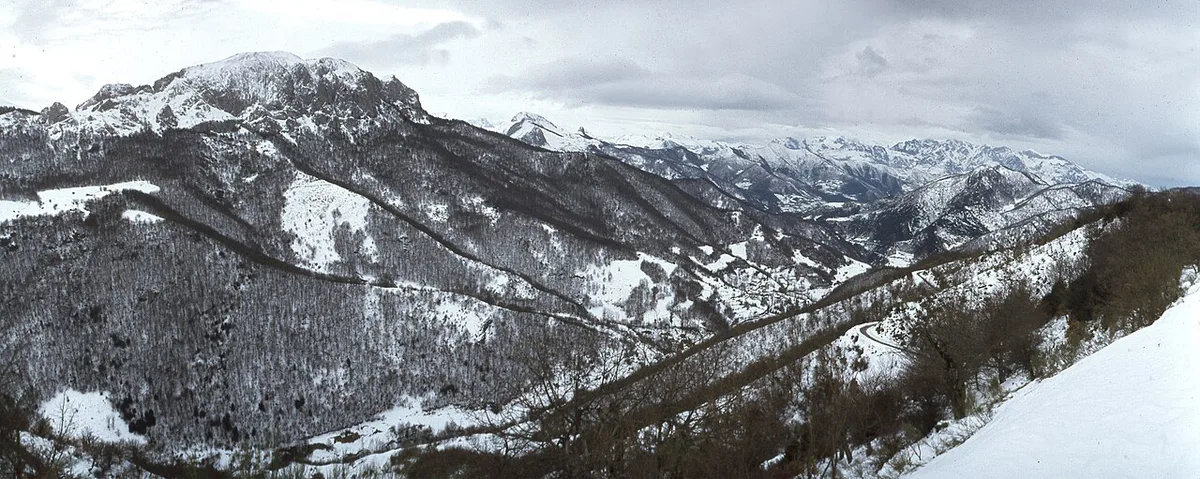
Wind, cloud and ice can change what runs and what is worth doing. The Fuente Dé cable car is operated by Cantur, so check its site on the day. The road to the Lakes of Covadonga: Access, Hikes & Time Needed and the Bulnes route are also weather-sensitive. Approaches to Naranjo de Bulnes (Picu Urriellu): Views, Hikes & Climbs can be icy or snowy outside summer. Winter driving is covered in How to Get to Picos de Europa: Routes, Gateways & Access Rules.
What to pack
Layers matter more than any single garment. Bring a waterproof shell, a warm mid-layer and grippy boots in every season. Add sun protection for summer ridges and gloves for autumn onward. Campers should plan for wet, cold nights, as covered in our Picos de Europa camping guide.
Bad-weather plan B
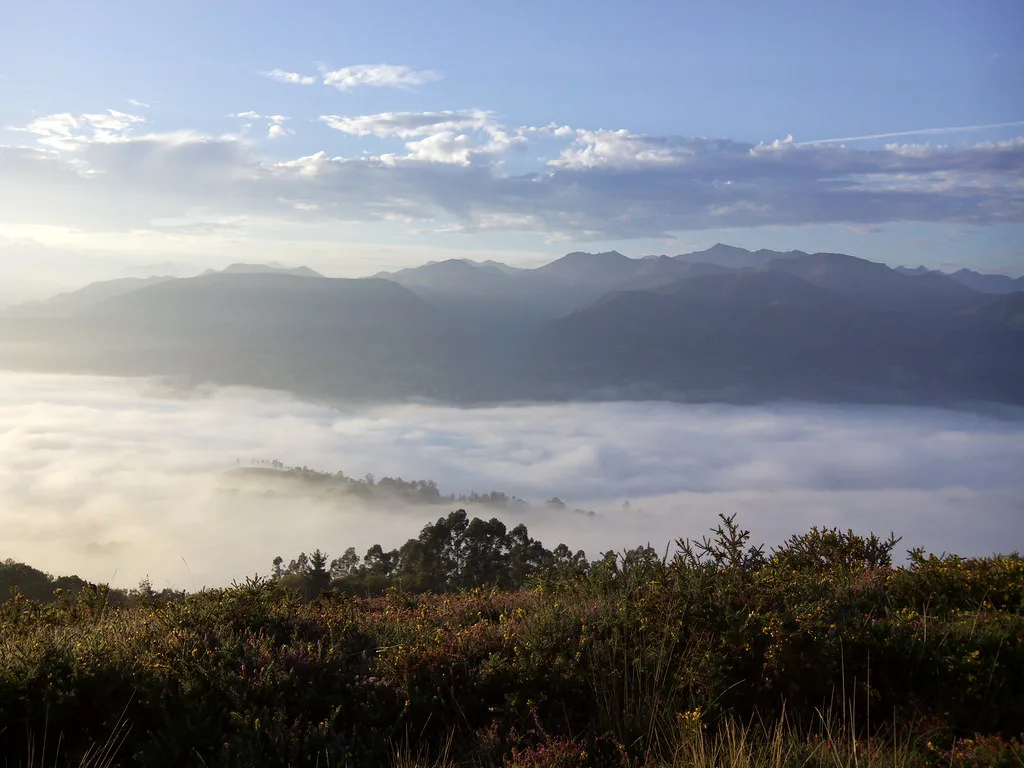
Low cloud makes high viewpoints pointless, so switch to lower ground. Options include market and cheese-tasting stops in Potes, a lower valley walk near Cangas de Onís, or a transfer day between bases. The Picos de Europa Map: Massifs, Gateways & Trailheads helps you pick a route that stays low. Trade-offs: villages cost little time but offer no views, while transfer days use a full morning.
Best time to visit by goal
For high-level hiking and the cable car, summer gives the best odds. For quiet valleys and autumn colour, pick September to November and accept more rain. For snow and solitude, winter works only with proper equipment and a current AEMET bulletin. Families do best in late spring or early summer, when valley walks are comfortable and mountain conditions are easier to read.
Summer gives the best odds for high trails, but a base-town double costs €120 or more in August against about €70 in spring or autumn.
Winter snow and avalanche checks
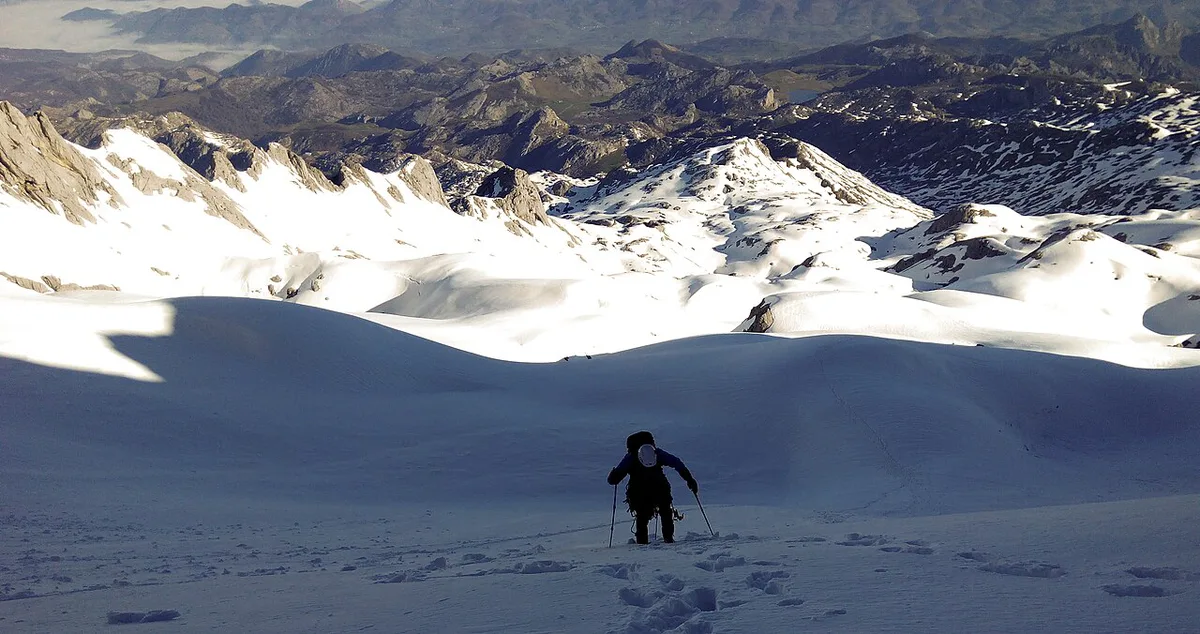
Winter mountain plans need more than a village weather check. Snow and avalanche bulletins for Picos de Europa generally run from December to May, when high routes, gullies and approaches can hold snow or ice. A clear forecast in Potes or Cangas de Onís says nothing certain about conditions higher up.
Use AEMET’s mountain forecast before setting out. It covers the current day plus 4 days and includes the altitude of the 0°C and -10°C isotherms for its first two days. Those levels help show whether precipitation may fall as rain, sleet or snow at your intended height.
Check the relevant warning area: Cordillera Cantábrica de León, Cordillera y Picos de Europa, or Liébana. Change plans if warnings, poor visibility, fresh snow or ice affect the route. Keep to lower valley walks unless everyone has suitable equipment and the skills to use it safely.
Notes for your next park visit
Optional updates to our national park guides.
Read next
Keep planning
Picked from the same area