
7 National Parks in France: Which to Visit and When
A practical guide to 7 national parks in France, with a comparison table, best season, car-free access and how to choose between them.
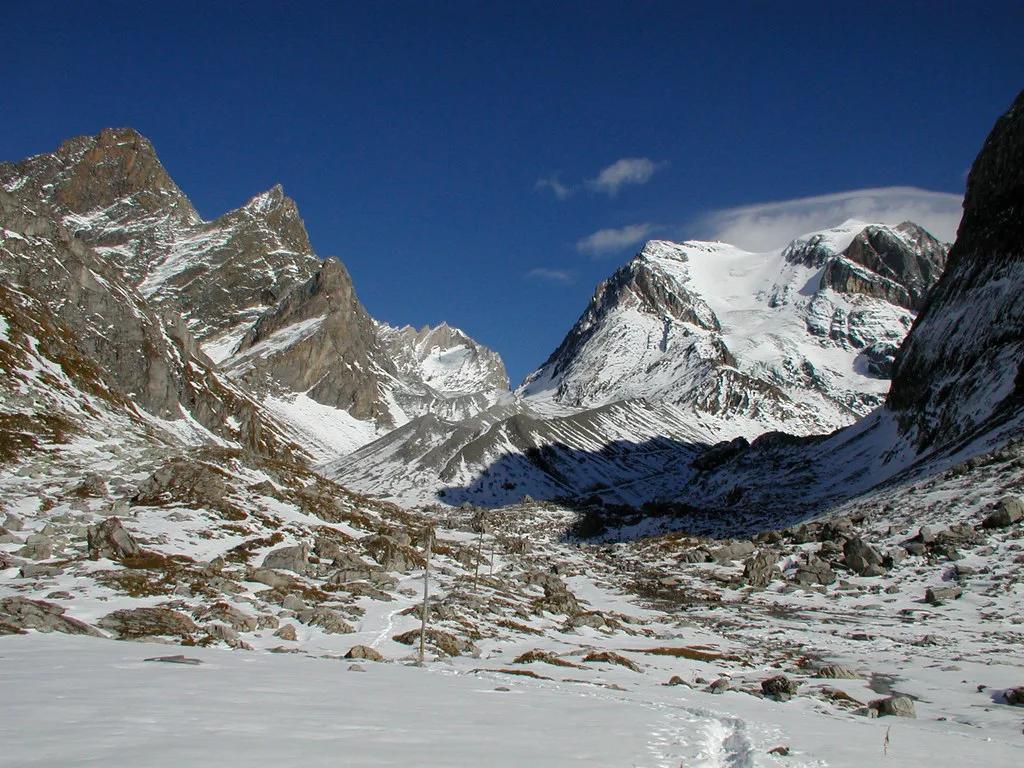
Last updated November 2026: national parks in France are a small network run under Parcs nationaux de France, and this guide covers seven on the mainland. Match a park to your region, season and activity: high Alps in summer, the Mediterranean coast outside peak weekends, or the Pyrenees for mountain villages. Use the table below to sort parks by season and by whether you need a car.
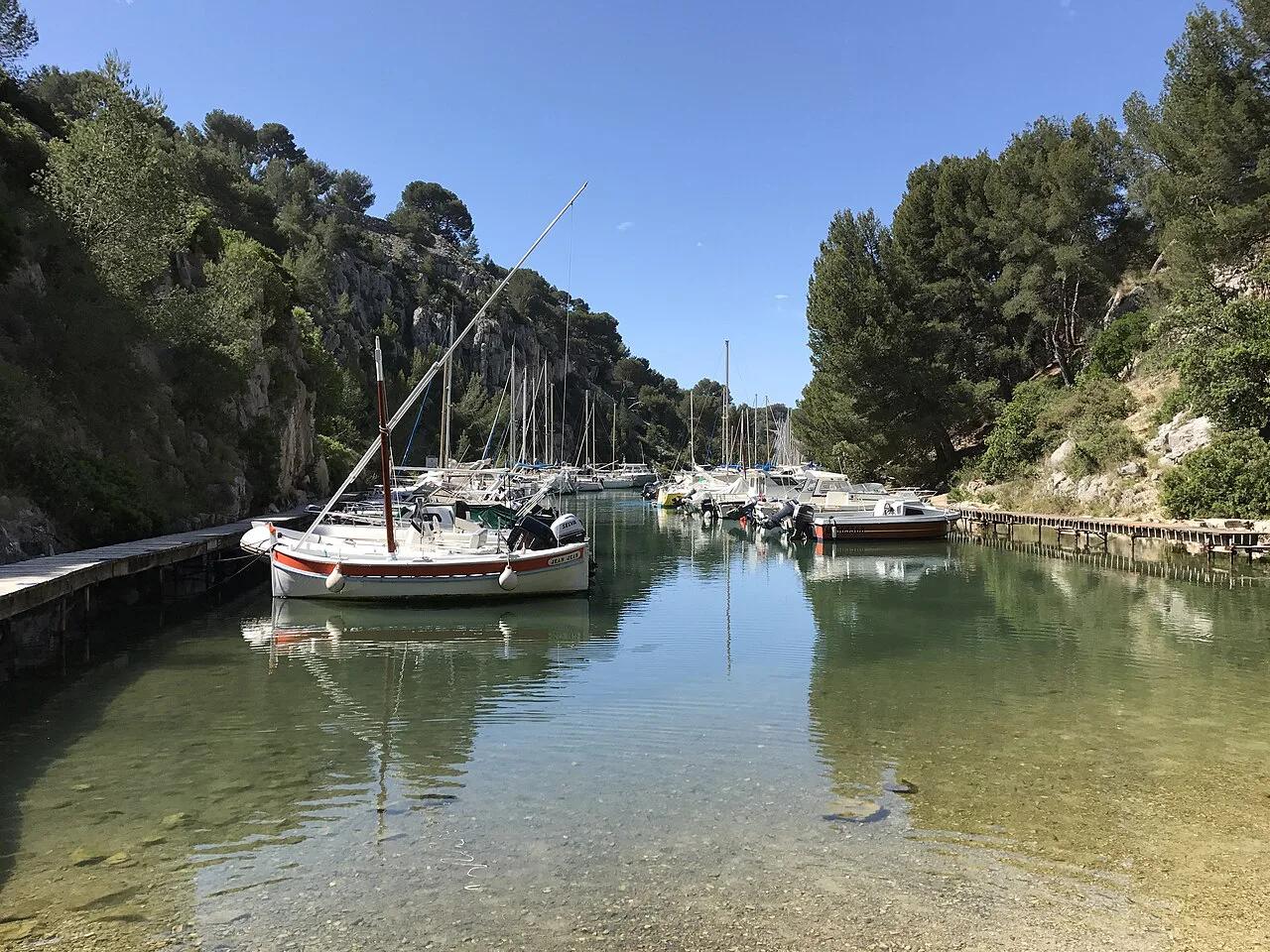
Featured image: Richard Allaway, CC BY 2.0, via Flickr.
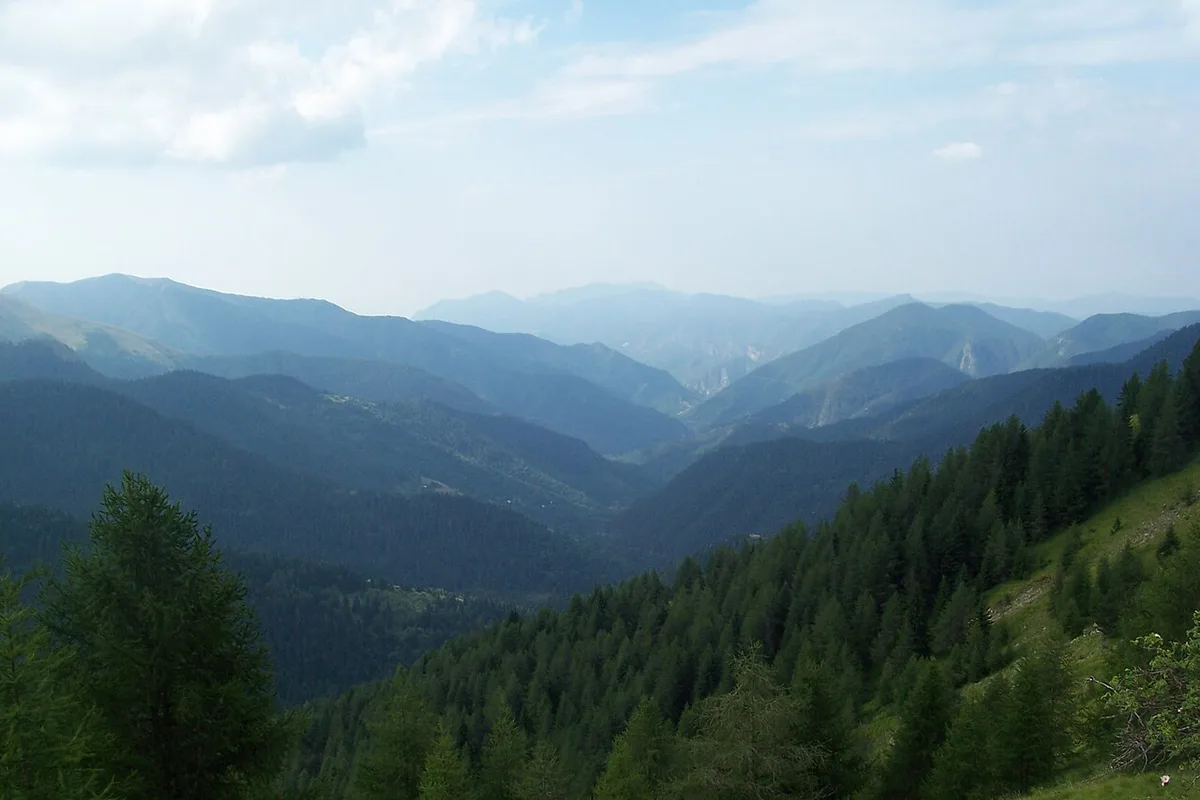
France's national parks at a glance
Founding dates run from Vanoise and Port-Cros in 1963 to Calanques in 2012. Pyrénées followed in 1967, Cévennes in 1970, Écrins in 1973 and Mercantour in 1979. Newer entries such as the forests park also exist, so check the official list for the current count. The table sorts the seven mainland parks covered here by region, season and car need.
| Park | Region | Best season | Car needed? | Best for | Who should skip it |
|---|---|---|---|---|---|
| Vanoise | Savoie, French Alps | Midsummer to early autumn | Partly | High-alpine hiking, ibex | Anyone wanting a coast or snow-free shoulder season |
| Écrins | Dauphiné Alps | Summer | Partly | Hut-to-hut trekking, climbing | Casual walkers wanting short, flat routes |
| Mercantour | Alpes-Maritimes and Alpes-de-Haute-Provence | Summer to early autumn | Yes | Seven valleys, rock engravings | Car-free travelers |
| Pyrénées | Hautes-Pyrénées and Pyrénées-Atlantiques | Summer | Mostly yes | Mountain villages, Mont Perdu | Anyone on a one-day schedule |
| Cévennes | Southern France | Spring to autumn | Yes | Gorge, caves, long-distance walking | Alpine summit seekers |
| Port-Cros | Island east of Toulon | Summer and early autumn | No, ferry | Island walks, snorkeling and diving | Travelers prone to seasickness |
| Calanques | Coast near Marseille | Spring and autumn | Partly | Cliff hikes, climbing | Visitors who want solitude in peak summer |
7 National Parks in France, Region by Region
Each entry covers what the park is, one thing to do there and who should look elsewhere. Pyrénées National Park alone includes 86 mountain villages and about 40,000 residents, so expect lived-in valleys rather than empty wilderness. Calanques has no dedicated guide on our site yet, so it is described here only.
1. Vanoise National Park
Vanoise sits between the Tarentaise and Maurienne valleys in Savoie and was established on July 6, 1963. It is a high-mountain park for hiking, mountaineering and wildlife watching. Alpine ibex and chamois are the signature animals, with marmots and bearded vultures also on the species list.
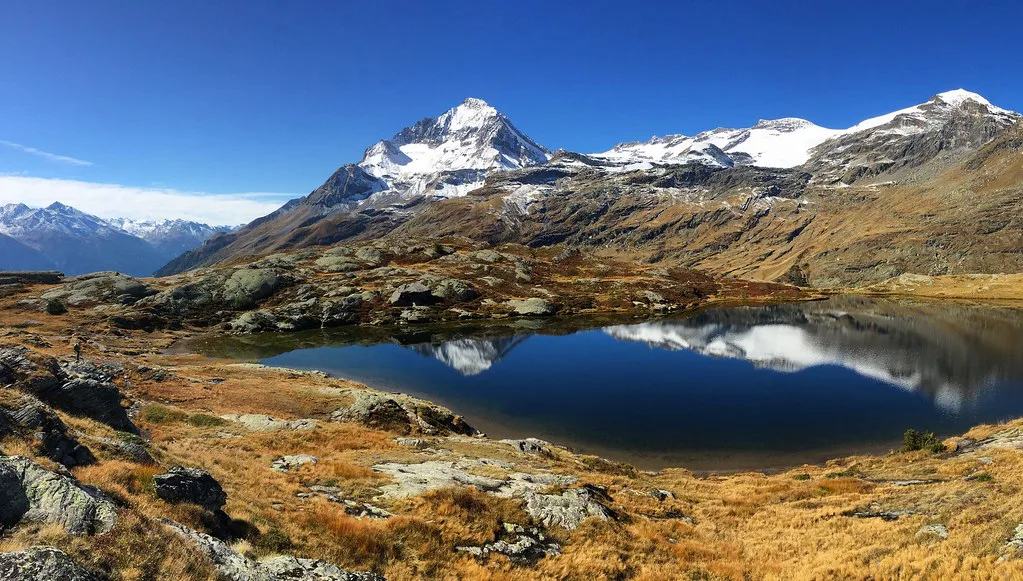
Our Vanoise trail guide covers routes and bases. Trail conditions and refuge details are on the Vanoise official site. Travelers who want a snow-free spring or a beach should look elsewhere.
2. Écrins National Park
Écrins lies in the Dauphiné Alps of south-eastern France and was established on March 27, 1973. It suits backpackers, with well-marked trails and a network of alpine huts. Climbers also come for sport, multi-pitch, ice and alpine routes, plus bouldering.
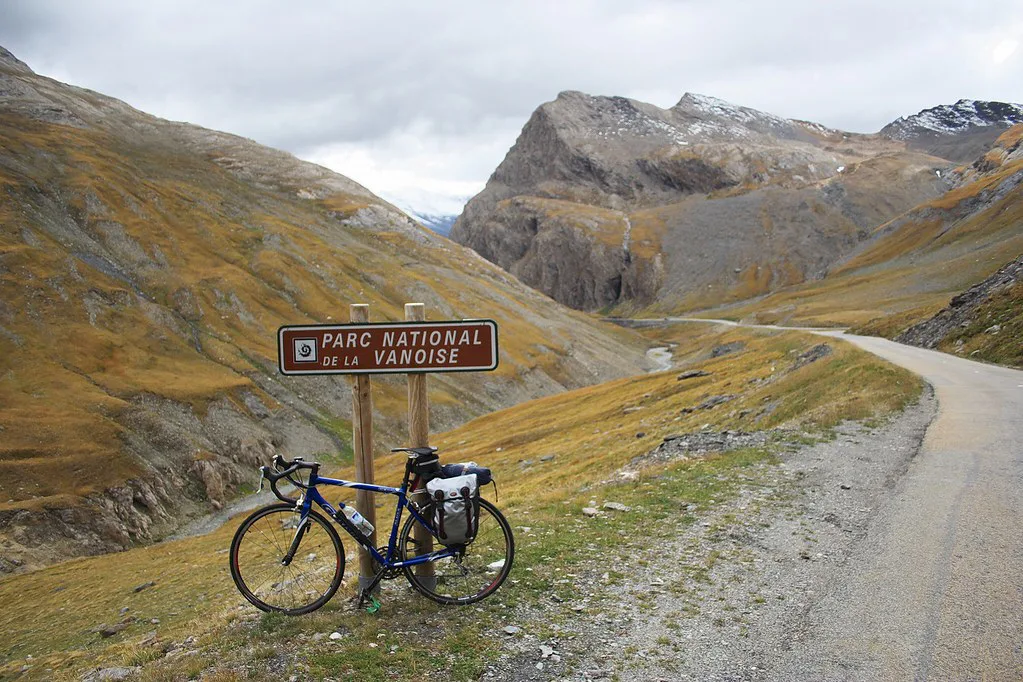
Start with our Écrins hiking guide before you book huts. Day-hikers who want short, flat walks will find most of the park too demanding.
3. Mercantour National Park
Mercantour spans seven valleys across the Alpes-Maritimes and Alpes-de-Haute-Provence and was established on August 18, 1979. Paths link small villages, and chamois are easy to spot. Edelweiss blooms in spring. Our Mercantour valley guide sorts the valleys by access.
Seasons and rules are listed on the Mercantour official site. Plan on a car, because valley bases are spread out. Car-free travelers will find better-connected options on the coast.
4. Pyrénées National Park
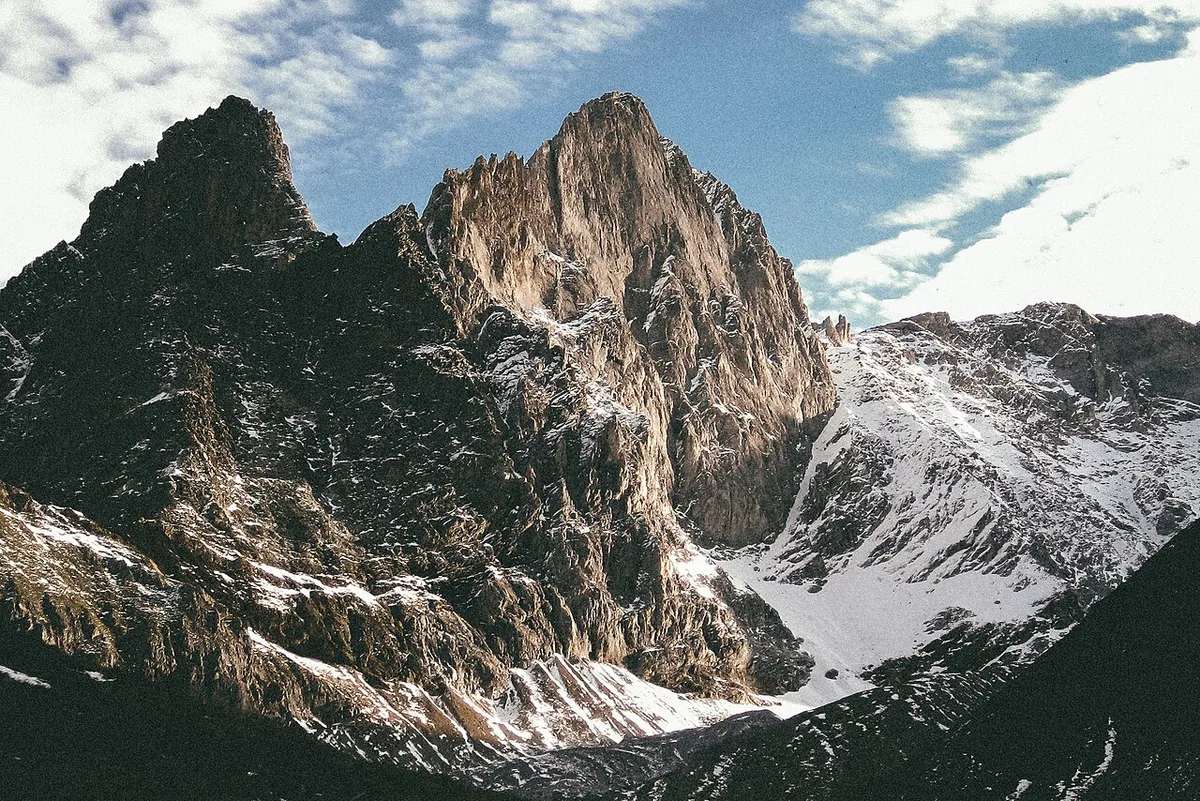
Pyrénées National Park runs along the Spanish border through the Hautes-Pyrénées and Pyrénées-Atlantiques, and was established on March 23, 1967. Elevations range from 3,478 to 10,820 feet. Mont Perdu, the third-highest peak in the Pyrenees, and routes on the Vignemale massif anchor the hiking.
Our Pyrenees park guide lists villages to base yourself in. Opening windows are on the Pyrenees official site. This park is not a fit for a rushed single-day visit.
5. Cévennes National Park
Cévennes lies in the Cévennes mountains of southern France and was established on September 2, 1970. Kayaking, canoeing and climbing in the Tarn gorge are the active draws. Three caves, Aven Armand, Dargilan and Bramabiau, suit a rainy day.
Spring and summer bring slipper orchids, lilies and wild daffodils. Our Cévennes route guide covers the Stevenson trail and Mont Aigoual. Anyone chasing glaciers or 3,000-meter summits should head for the Alps.
6. Port-Cros National Park
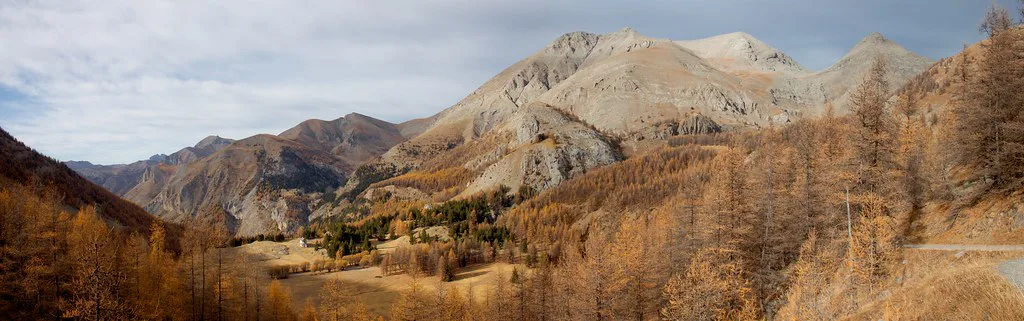
Port-Cros is a Mediterranean island east of Toulon, protected since December 14, 1963. The island covers about 3 square miles, so you can walk its paths in near solitude. Divers can reach well-known sites that include sunken ships, by chartered boat.
Ferries are the only way in, and sailings set your day. Read our Port-Cros island guide for walking loops. Travelers prone to seasickness or wanting mountain scenery should pick another park.
7. Calanques National Park
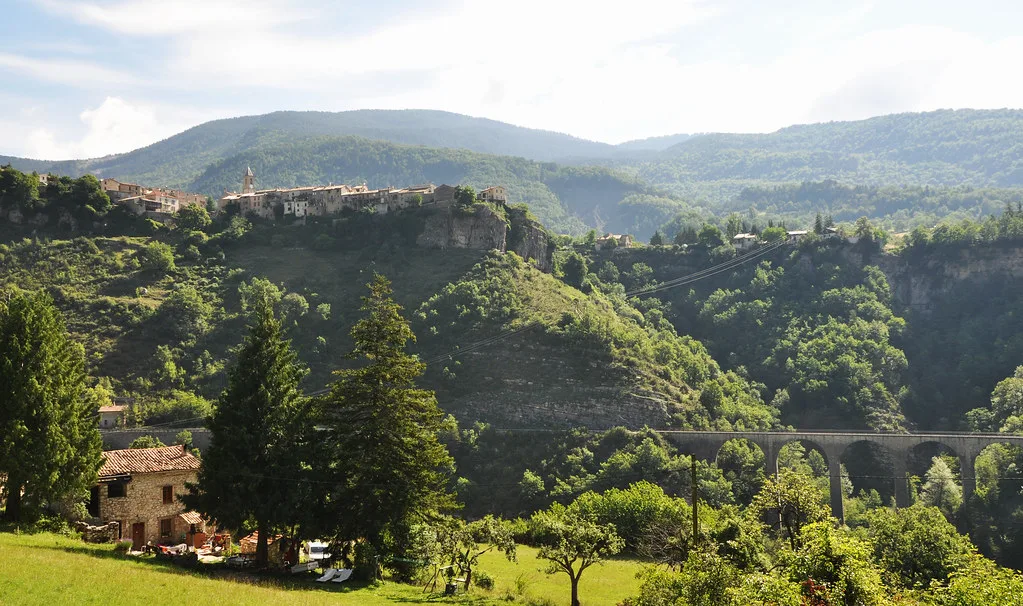
Calanques lies along the coast of south-eastern France near Marseille and was established on April 18, 2012. Limestone cliffs drop to the sea, and the park draws climbers and cliff-path hikers. Prehistoric cave drawings are in the same area.
Summer access rules, including any visitor limits, are published by the park, so read them before a July or August trip. Visitors who want empty trails in peak summer should choose Vercors-style mountain terrain instead, or come in spring or autumn.
National park vs regional park: what the label means
National parks are protected under the Parcs nationaux de France system, with stricter rules on what visitors may do. Regional natural parks are built around living landscapes and local communities. Camargue and Verdon are regional parks, not national parks, so they do not appear in the table above. Our ranked companion guide gives an opinionated shortlist if you want fewer options.
How to choose a national park in France
Match the park to what you actually want to do. These blocks give the short answer for each goal.
- High-alpine hiking
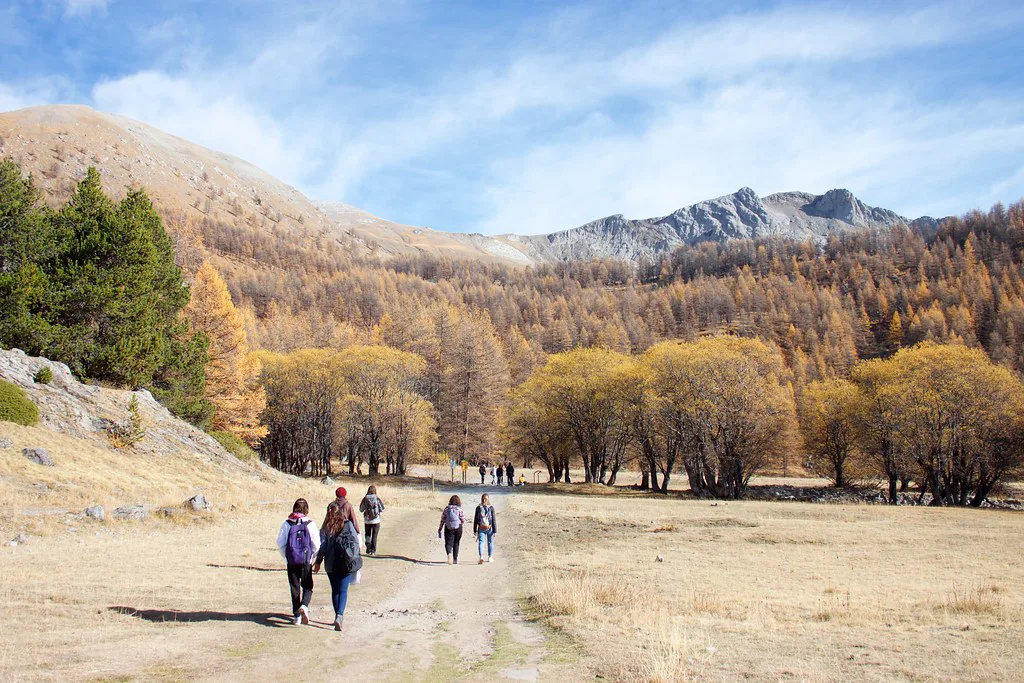
- Go to Vanoise or Écrins for summer trekking and huts.
- Wildlife
- Go to Vanoise for ibex and chamois, or Mercantour for chamois and edelweiss.
- Mediterranean coast without crowds
- Go to Port-Cros in the shoulder season, or Calanques in spring and autumn.
- A gorge or cave day
- Go to Cévennes for the Tarn gorge and the Aven Armand, Dargilan and Bramabiau caves.
- A trip without a car
- Go to Port-Cros, which you reach by ferry, or base yourself in Marseille for Calanques.
Nearby natural sights worth pairing
Two sights suit a park trip as a change of pace. Add Vallée des Merveilles to a Mercantour route if you want rock engravings alongside mountain walking. Add Pont d'Arc if your route crosses southern France and you want a river arch plus the replica cave at Caverne du Pont d'Arc. Each takes a half day, so they fit between park days without a separate base.
The Pyrenees National Park adjoins Spain’s Ordesa y Monte Perdido National Park, and the two are often combined on a cross-border hiking trip.
Planning: when to go, how long to stay, and how to get there
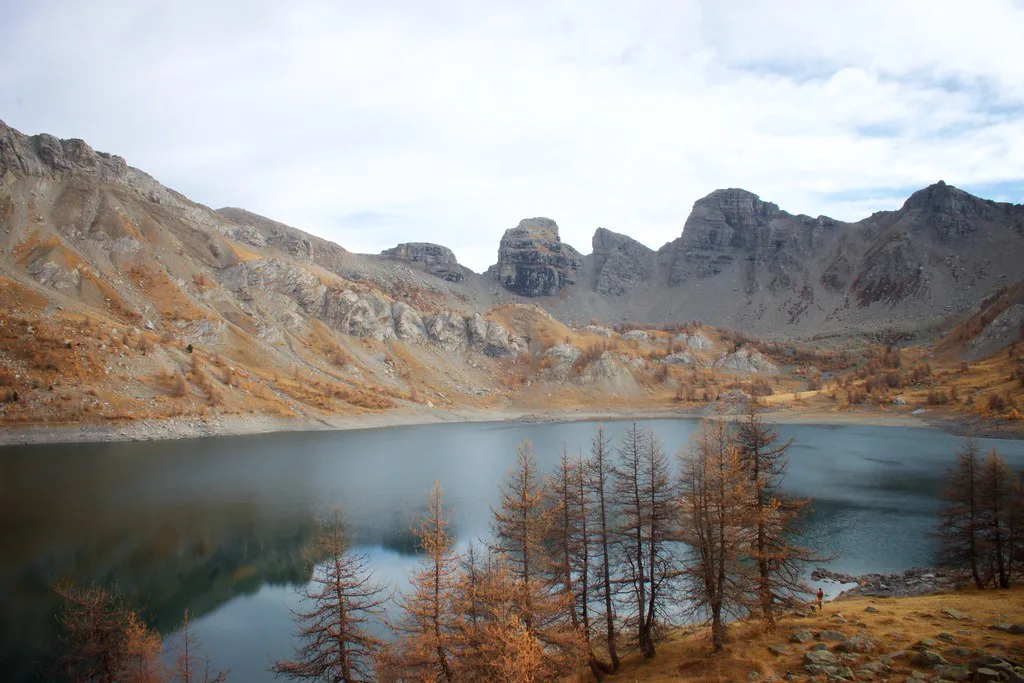
Alpine trails depend on snowmelt, while coastal parks depend on summer access rules. Mistake to avoid: booking high-Alps routes early in the season, when passes can still hold snow. Reach mountain bases by rail to the nearest hub and then bus or car. Use a ferry for Port-Cros. The table pairs parks by time available.
| Time available | Suggested pairing | Getting around |
|---|---|---|
| One weekend (2 days) | Calanques, or Port-Cros as a day by ferry | Marseille base; ferry for the island |
| One week (7 days) | Vanoise and Écrins in the Alps | Car or bus to trailheads; huts for overnight stays |
| Two weeks (14 days) | Écrins, Mercantour, Calanques and Port-Cros, or Pyrénées with Cévennes | Car for Mercantour, Pyrénées and Cévennes; ferry for the island |
Costs, permits and rules
Entry fees, hut and bivouac booking, camping, dog and drone rules vary by park, and we do not list figures here. Read each rule on the Parcs nationaux de France site or the park's own page before booking.
At about 3 square miles, Port-Cros is small, yet its ferry crossing usually costs more than park access itself.
- Biggest cost drivers
- Mountain huts, ferry crossings to Port-Cros and any lifts or cave tickets usually cost more than park access itself.
Explore More Guides
Keep planning your trip with these guides.
Guides
- Mercantour National Park Guide
- Vanoise National Park: Planning Guide, Best Season and Bases
- Pyrenees National Park Guide
- Ecrins National Park: Where to Base and How to Visit
- Cevennes National Park Guide
- Pont d'Arc, Ardèche
- Vallée des Merveilles Guide
- Port-Cros National Park
- 7 Best National Parks in France
Notes for your next park visit
Optional updates to our national park guides.
Read next
Keep planning
Picked from the same area