
6 National Parks in the Alps, Country by Country
Which national parks are in the Alps? Compare 6 main parks by country, rules, access base and best season, with practical trade-offs.
Last updated November 2026. The Alps cross eight countries, and the national parks in the Alps differ in status, rules and access from one border to the next. This guide groups the main parks by country and compares them side by side. Use the table and the trip-type selector to pick the right one.
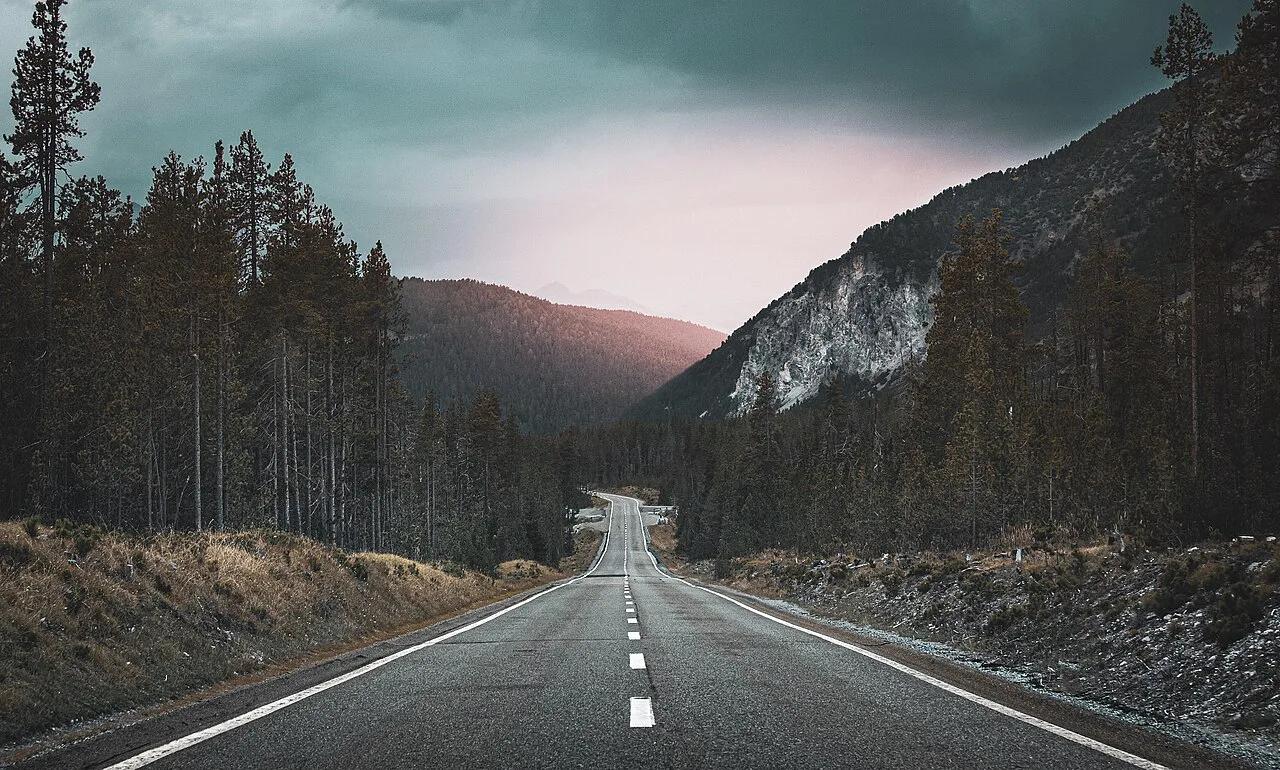
Featured image: Sebastian Messingschlager, CC BY-SA 4.0, via Wikimedia Commons.

Quick answer: national parks in the Alps
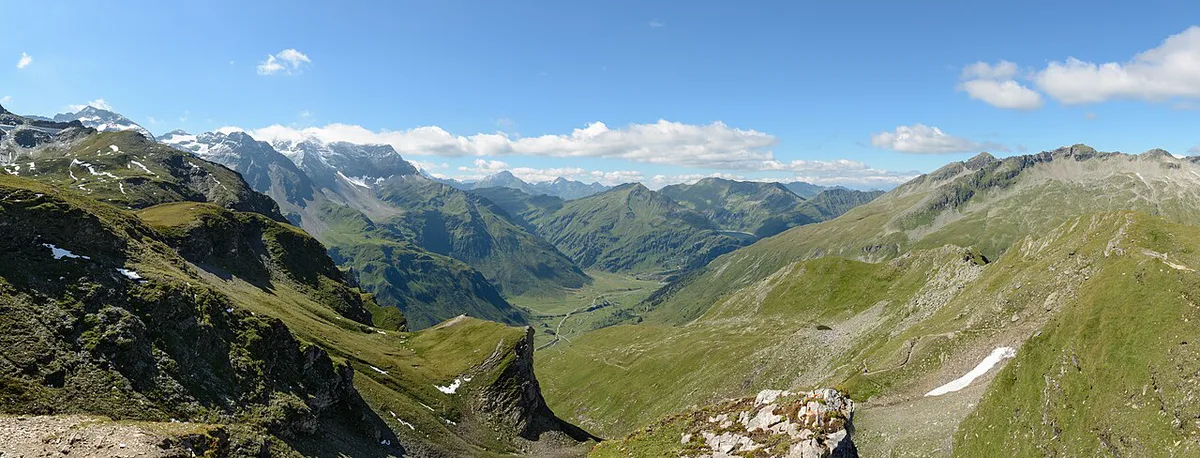
Switzerland has the Swiss National Park in Graubünden. Austria has Hohe Tauern, Kalkalpen and Gesäuse. France has Vanoise, Écrins and Mercantour. Italy has Stelvio, Germany has Berchtesgaden, and Slovenia has Triglav. Not every protected area people call a park carries national park status. Regional and nature parks follow looser rules, so check each park's own authority before you plan around a specific restriction.
6 National Parks in the Alps Worth Planning Around
These six cover the main choices across Switzerland, Austria, France and Italy. Each one suits a different kind of trip. Rules and opening seasons change, so use each park authority's site for current details.
1. Swiss National Park (Switzerland)
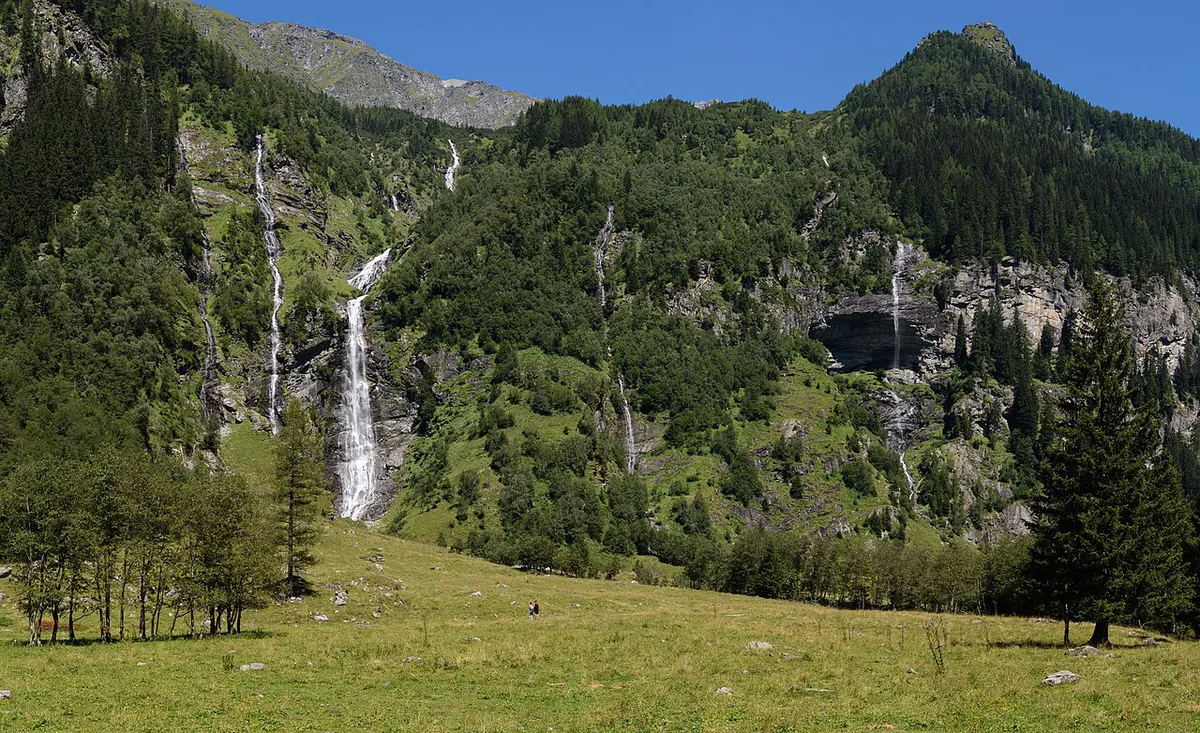
Swiss National Park protects high-alpine valleys in Graubünden, and Zernez is the practical base village. It has the strictest rules in this guide: stay on marked paths, leave dogs at home, do not camp and do not pick plants. Come for wildlife watching and quiet marked trails rather than lifts and resorts.
Our guide to entry points and park rules covers the Swiss side in more detail. For the wider Swiss picture, read about Switzerland's protected areas. Skip it if you travel with a dog or want a campsite inside the park. Opening details are on the official park site.
2. Hohe Tauern (Austria)
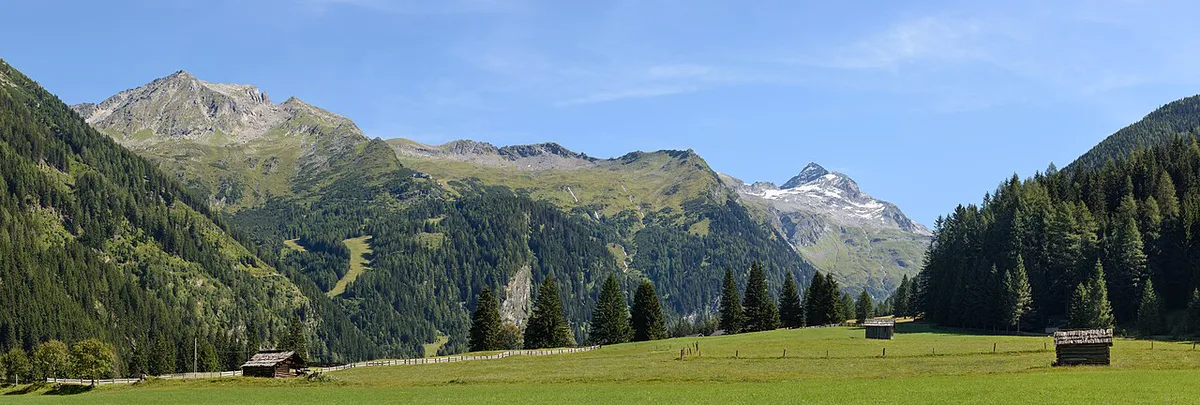
Hohe Tauern is Austria's high-alpine national park and the pick for glacier and big-mountain scenery. It suits hikers who want serious altitude and are happy to plan a multi-day route. Austria's parks share a national network, and Austria's national park network lists each park's visitor centres.
To compare Austrian options, see our ranking of Austrian parks. Skip it if you want a short, easy day out, because the big scenery sits at higher altitude and rewards longer plans.
3. Kalkalpen (Austria)
Kalkalpen is the lower-Alps alternative: forest and limestone rather than glaciers. It works well for walkers who want woodland trails, quieter paths and a gentler altitude profile. Our page on Kalkalpen's forests and limestone ridges covers the park in more depth.
The Kalkalpen park authority publishes visitor information. Gesäuse is another Austrian national park with a limestone character, so consider it if Kalkalpen is full. Skip both if glacier views are the goal. For a wider Austrian comparison, start with Austria's national park overview.
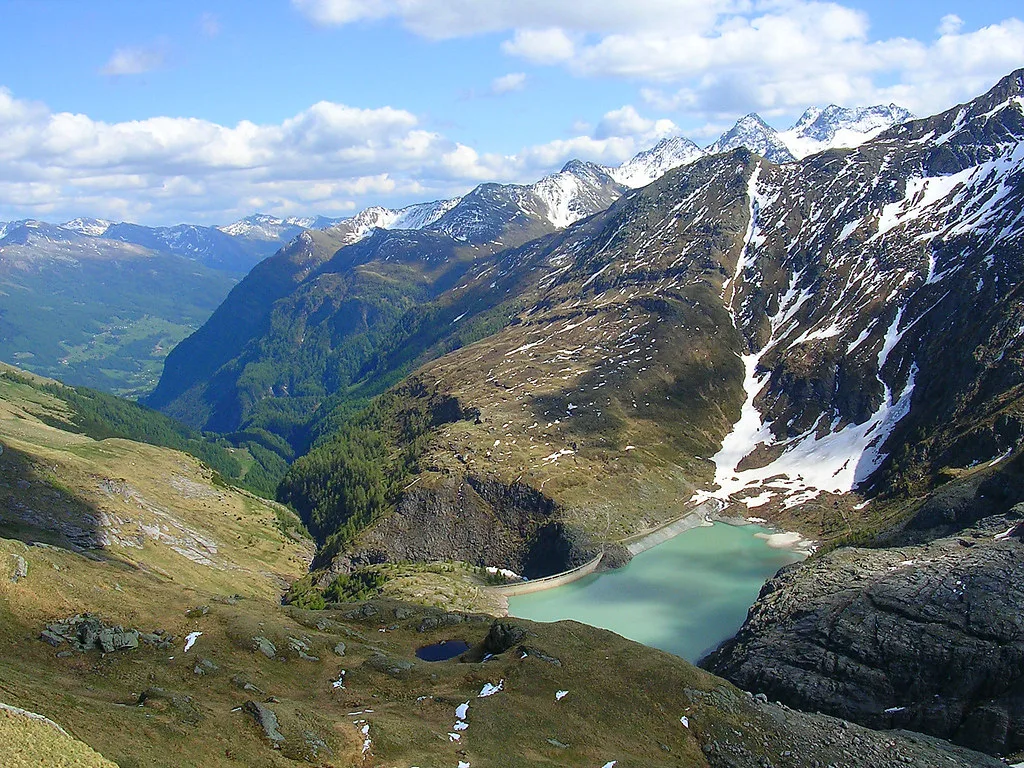
4. Vanoise (France)
Vanoise is a French national park in Savoie, and it is a mountain park with alpine terrain. It suits walkers who want a classic French alpine trip with a clear park boundary. French park rules differ from the Swiss regime, so check Vanoise's own authority on dogs and camping before you go.
Pair it with Écrins for a longer French Alps trip that needs no border crossing. Skip it if you need a car-free itinerary, because access links are not covered here and need checking.
5. Écrins (France)
Écrins sits in Hautes-Alpes and is the French park to choose for glaciers and rivers. It is a larger-scale mountain park, so it rewards trips of several days rather than a single detour. Visitors usually combine it with nearby valleys and villages, which makes it a flexible base.
Mercantour is the other French option, in the Maritime Alps, and it suits a warmer, southern trip. Skip Écrins if you only have a day and a half, because the park rewards slower travel.
6. Stelvio (Italy)
Stelvio is Italy's high-mountain park and a natural partner for the Swiss National Park. The route idea runs from the Engadin to Vinschgau, so you cross a border and a mountain pass. Pass road closures can change the plan, so check the road status before you commit to a date.
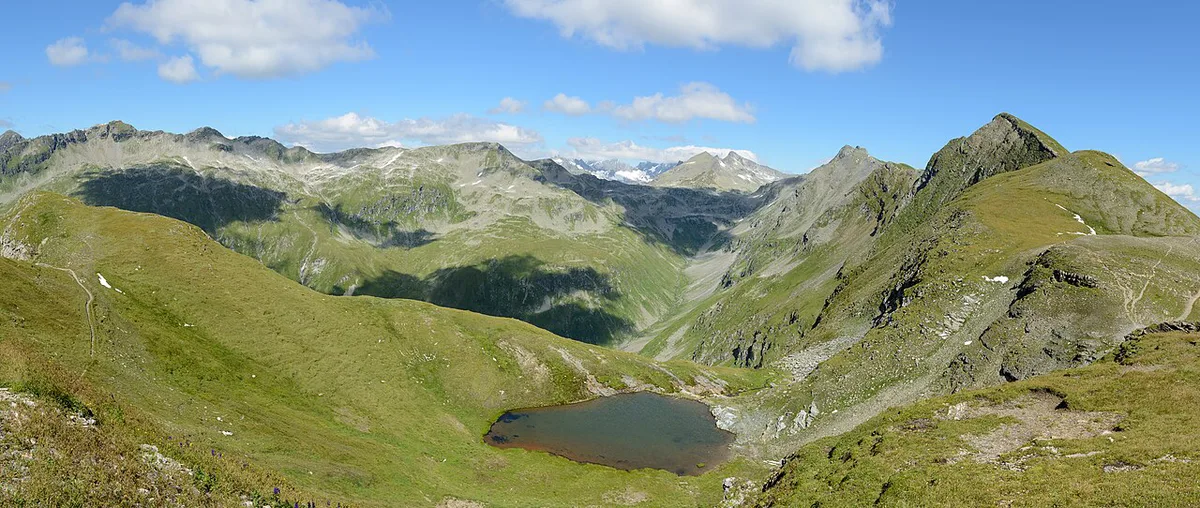
Gran Paradiso is another Italian Alpine park worth checking against the official list. Skip Stelvio if you dislike long mountain drives, because the pairing costs transit time.
National parks in the Alps compared
This table puts the main parks side by side. Where a cell says check official site, confirm the detail with the park authority.
| Park | Country | Best for | Access base | Main trade-off |
|---|---|---|---|---|
| Swiss National Park | Switzerland | Wildlife, strict protection | Zernez | No dogs, no camping |
| Hohe Tauern | Austria | Glaciers, high altitude | Check official site | Longer routes need planning |
| Kalkalpen | Austria | Forest and limestone walks | Check official site | Few glacier views |
| Vanoise | France | Classic alpine hiking | Check official site | Check park rules |
| Écrins | France | Glaciers, multi-day trips | Check official site | Needs time |
| Mercantour | France | Southern Maritime Alps | Check official site | Check park rules |
| Stelvio | Italy | High mountain driving and hiking | Check official site | Pass closures |
| Berchtesgaden | Germany | Border-region Alps | Check official site | Check park rules |
| Triglav | Slovenia | Eastern Alps | Check official site | Check park rules |
How to choose: pick by trip type
Match the park to the trip, not the other way around.
| Trip type | Best fit |
|---|---|
| Strict wilderness and wildlife | Swiss National Park |
| Glaciers and high altitude | Hohe Tauern or Écrins |
| Gentle forest walks | Kalkalpen or Gesäuse |
| Easy access without a car | Check each park's gateway first |
| Families with a dog | Avoid the Swiss National Park |
| Shoulder-season visits | Check opening dates for each park |
Rules that differ between parks
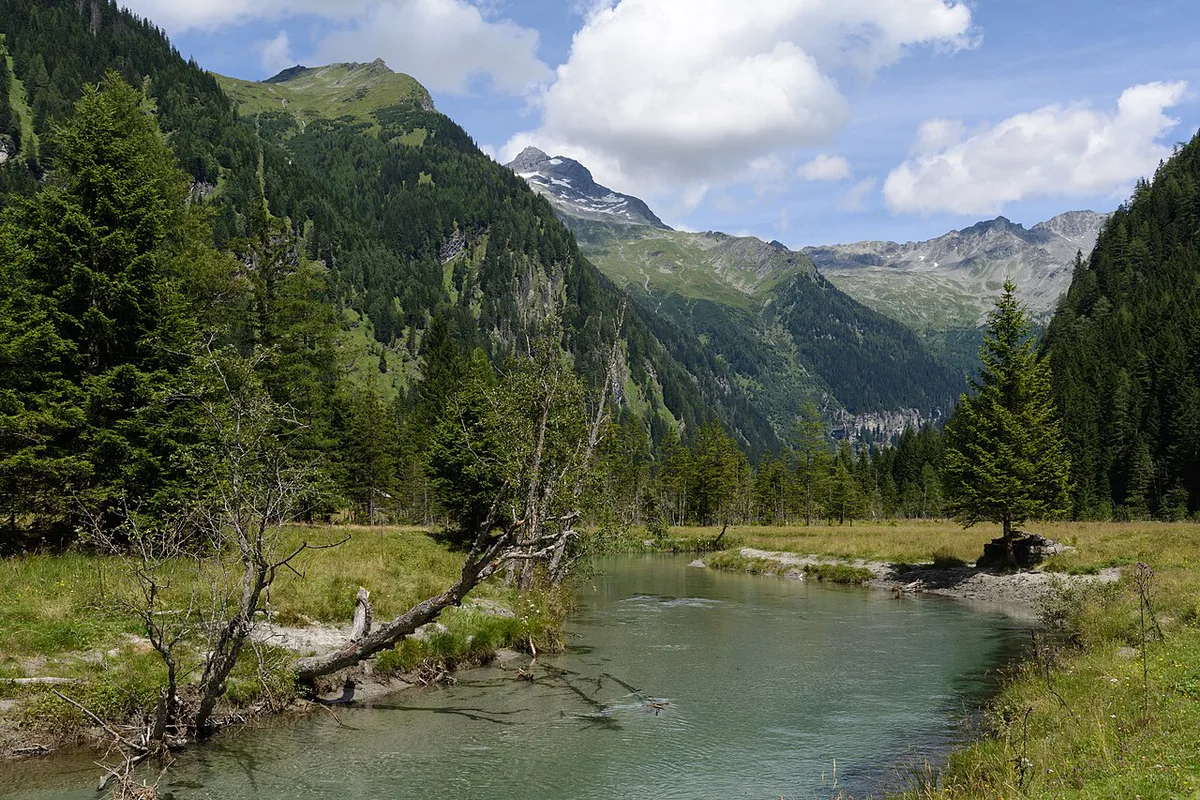
The Swiss National Park bans dogs, camping and plant picking, and it requires you to stay on marked paths. Other Alpine parks use different rules, and dogs, drones, fires and camping vary from park to park. The most common mistakes are expecting camping to be allowed, bringing a dog to a strict park and underestimating pass and snow closures. Read the park authority's rules page before you book.
When to go
July to September is the main hiking window across the Alps. Snow, lift closures and hut opening dates shift each year, so use each park's official calendar rather than a fixed date. Shoulder months can mean quieter trails but more closed facilities.
Getting there and getting around
Rail or bus usually reaches a gateway village such as Zernez, and the Zernez municipality site lists local access. Check the operator for timetables and fares.
Sample cross-border pairings
Swiss National Park with Stelvio links the Engadin to Vinschgau, and it costs time at the border and on the mountain pass. Hohe Tauern with Berchtesgaden links Austria and Germany in a single trip. Vanoise with Écrins keeps you inside France, so no border delay applies. Check pass status before any mountain crossing.
Frequently Asked Questions
Where are the Alps mountain ranges?
The Alps form an arc across eight countries in central Europe. This guide covers parks in Switzerland, Austria, France, Italy, Germany and Slovenia.
Does Switzerland have national parks?
Yes. The Swiss National Park in Graubünden is the main one, with Zernez as its base village. Our guide to Swiss protected areas covers the wider picture.
Explore More Guides
Keep planning your trip with these guides.
Guides
- Swiss National Park Guide
- Zernez Travel Guide
- National Parks in Switzerland: The One Park, Plus the Alternatives
- Donau-Auen National Park
- National Parks in Austria: Which to Visit and How to Choose
- Kalkalpen National Park Guide
- Thayatal National Park: Hikes, Hardegg & Visit Tips
- Best National Parks in Austria: 6 Parks Compared
Notes for your next park visit
Optional updates to our national park guides.