Peak District Camping: Campsites, Wild Camping Rules and Bases
Plan peak district camping: whether wild camping is allowed, which areas and campsite types suit you, and how to get there without a car.
Last updated November 2026: peak district camping means a booked campsite or a pitch the landowner has agreed to. Wild camping in the Peak District National Park is generally not a right, and permission is needed. This guide sits under the National Park overview and covers rules, bases, weather and car-free options.
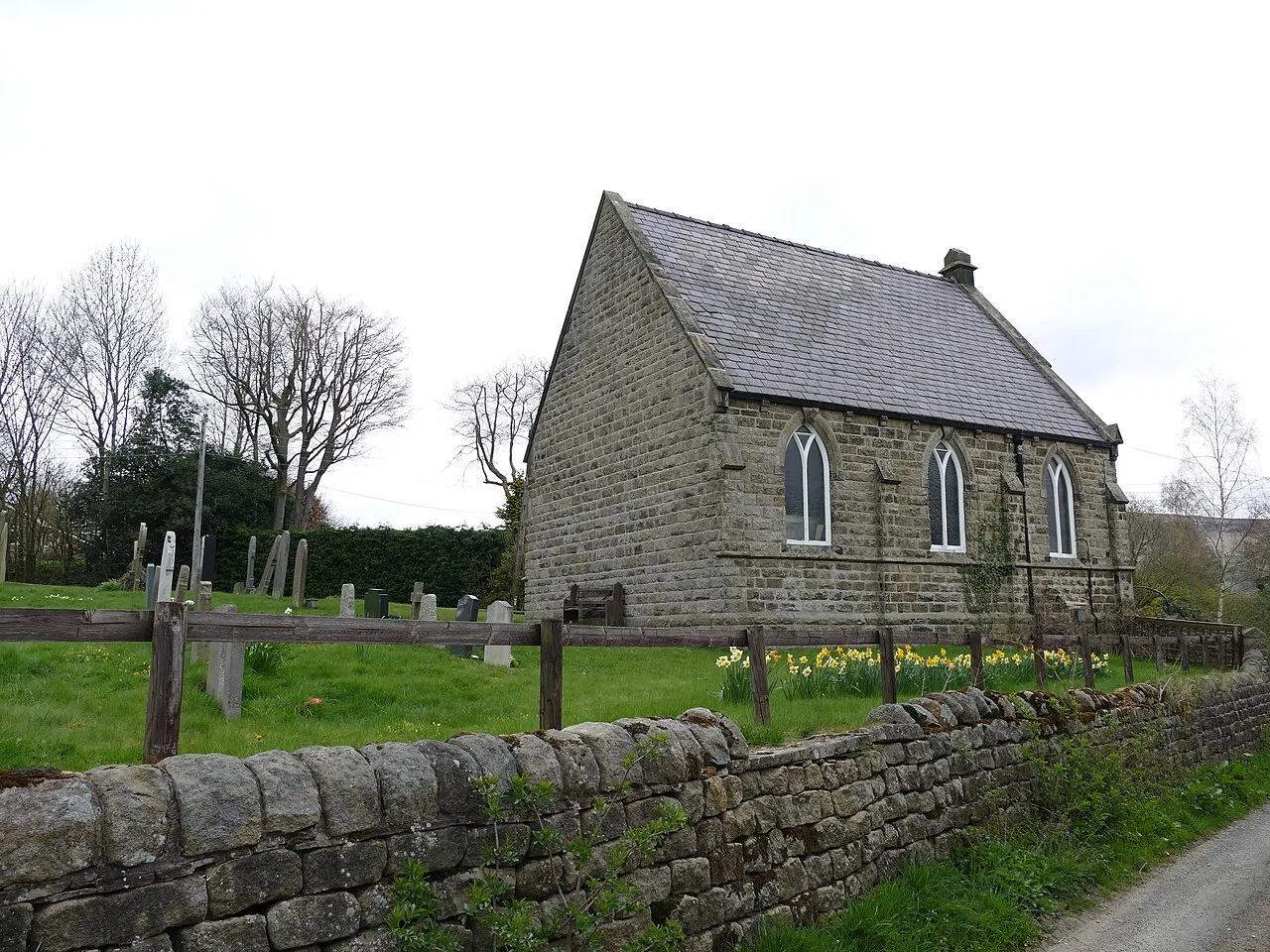
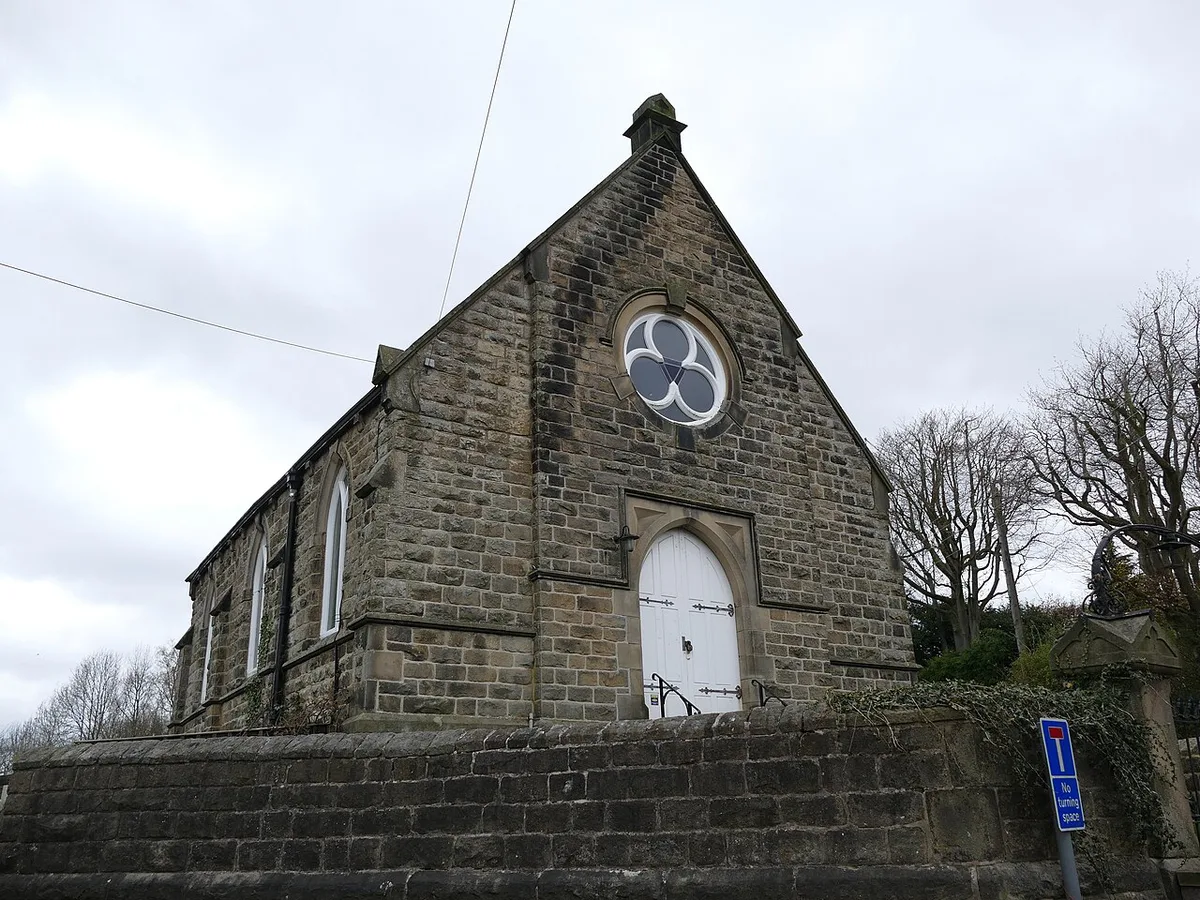
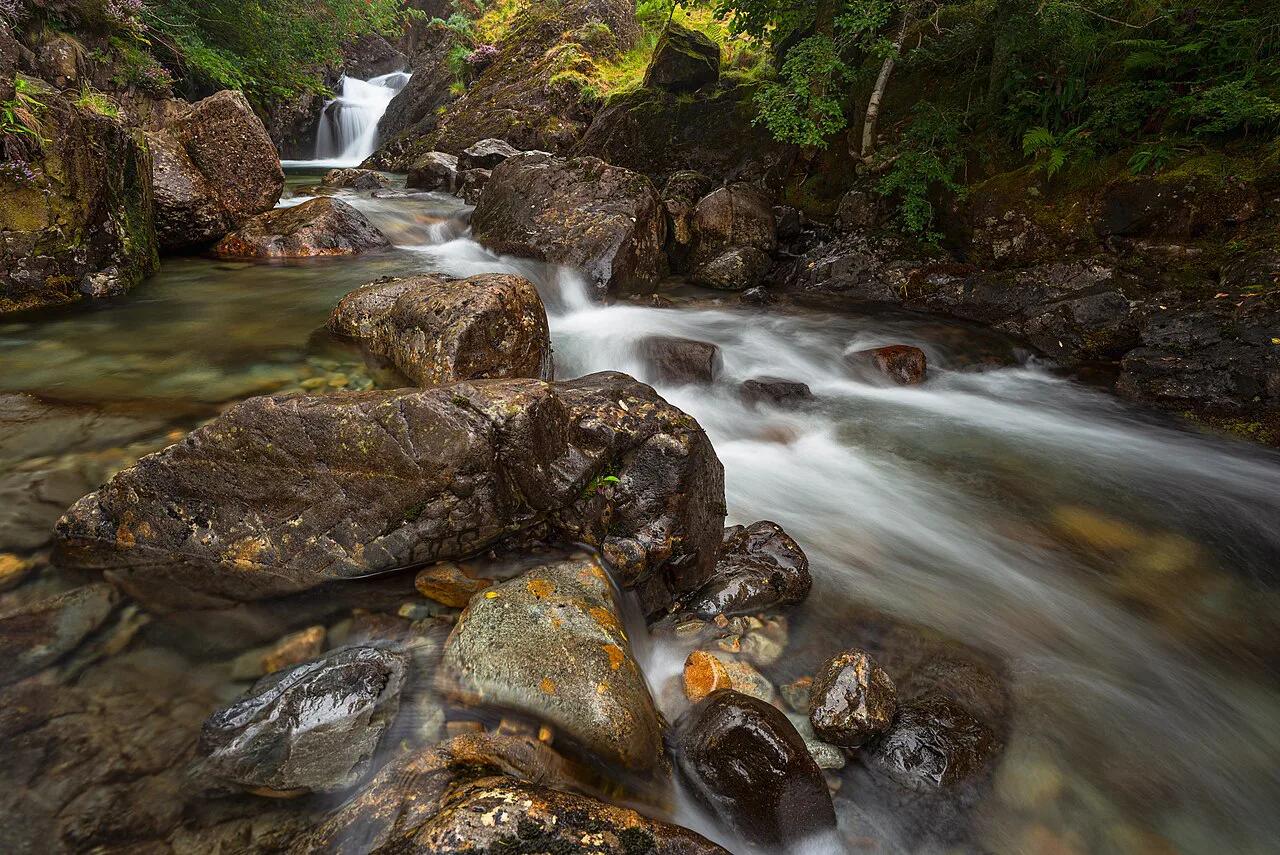
Featured image: © Peter Potrowl, CC BY-SA 4.0, via Wikimedia Commons.
Peak District camping: the quick answer
Legal camping here means a campsite, a camping barn or a farm pitch that you have booked. Wild camping needs the landowner's permission. Match your site type to your trip using the table below. Then pick a base area by the day's walk, not by the campsite.
| Your trip | Best site type | Why |
|---|---|---|
| First-time tent camper | Serviced campsite | Showers, a shop and clear pitch rules |
| Walker on a tight budget | Basic or farm site | Quieter and cheaper, with fewer facilities |
| Wet or cold forecast | Camping barn or bunkhouse | A roof and drying space |
| Special occasion | Glamping pod | No tent to pitch, higher cost |
| Experienced backpacker | Permitted pitch | Only with the landowner's agreement |
Can you wild camp in the Peak District?
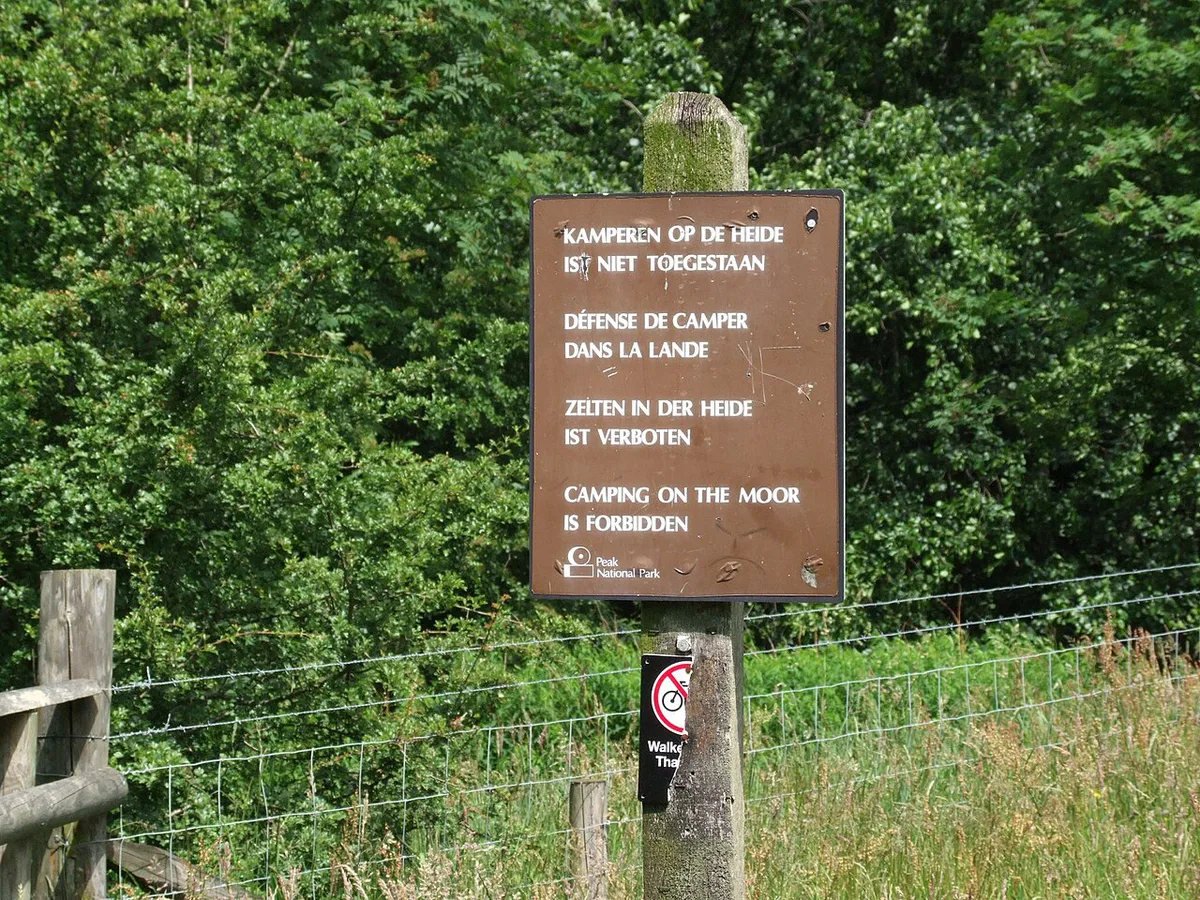
Not as a general right. Much of the land is privately owned, and the Peak District National Park Authority does not give blanket permission to pitch anywhere. Open access land lets you walk, but it does not let you camp. Pitching for one night without asking is not a loophole, because permission is what counts. Read the authority's current guidance before you plan a backpacking route.
- Fires: skip open fires and disposable barbecues. Moorland wildfire risk rises in dry spells.
- Litter: carry everything out, including food waste.
- Livestock and birds: keep dogs on a lead near sheep and ground-nesting birds. Seasonal access rules are on the authority's website.
- Kinder Scout: camp in the valley bases such as Edale or Hayfield, not on the exposed plateau. Carry a map and compass.
- If you are stopped: stay polite, explain that you are walking, and offer to move on. A landowner can ask you to leave.
Types of campsite and what to expect
Both authority-run campsites and private farm sites operate in the park. Serviced sites usually offer showers and a shop. Basic farm sites tend to be quieter and cheaper but may be further from pubs. Each site's own page lists its dates, facilities and pitch rules.
| Type | Cost level | Facilities | Booking difficulty |
|---|---|---|---|
| Serviced campsite | Mid-range | Showers, toilets, often a shop | Hard on summer weekends |
| Basic or farm site | Budget | Water and toilets, little else | Moderate |
| Pop-up site | Budget to mid-range | Varies by season | Often seasonal only |
| Camping barn or bunkhouse | Budget | Roof, bunks, shared kitchen | Moderate |
| Glamping pod | Premium | Bed, heating, sometimes a kitchenette | Hard in peak season |
Best areas to base yourself
Choose the base by the day you want. A map of the whole park shows how far apart these areas sit. More options are in our guide to nearby villages and hamlets.
- Edale and Castleton: best for Kinder Scout, the Mam Tor to Lose Hill ridge and the caves. Trade-off: summer weekends are busy. Our Castleton village guide covers the sights.
- Hayfield and Kinder: best for approaching Kinder Scout from the west. Trade-off: the Castleton caves are further away.
- Hathersage and Stanage Edge: best for climbers and edge walkers. Trade-off: Stanage car parks fill early on summer weekends, so arrive early.
- Bakewell, Chatsworth and Monsal Trail: best for gentler days and cycling. Start with the Bakewell town guide.
- Ladybower and the Derwent reservoirs: best for reservoir-side walks. Trade-off: exposed ground means wind on open sites.
When to go and what the weather means for camping
Moorland sites get wind and rain in any month, and midges can bother you on still evenings. Many sites shorten their season in spring and autumn, so look at opening dates before you book. Pick sheltered valley pitches over open edges. Our weather month by month page helps with timing. The Met Office forecast is the one to read the night before you pitch.
Getting there and getting around without a car
The Hope Valley rail line serves Edale and Hathersage. A simple car-free plan is to take the train to Edale and walk to a nearby campsite. Buses link villages such as Castleton and Hayfield, but timetables change, so check National Rail and Traveline before you travel. If you would rather not plan it yourself, look at guided day tours.
Costs and booking tips
Basic farm pitches sit at the budget end, serviced sites in the middle, and glamping pods at the premium end. Some sites charge per pitch and others per person, so compare the total for your group. Book early for bank-holiday and summer weekends. Prices, season dates and minimum-stay rules are on each campsite's own website.
- Mistake: pitching on the Kinder Scout plateau instead of a valley base.
- Mistake: arriving after reception closes without telling the site.
- Mistake: lighting a fire or barbecue on dry moorland.
- Mistake: leaving dogs unleashed near livestock.
- Mistake: booking a basic site and expecting a shop on the doorstep.
Days out from your tent
Rain does not have to end the trip. Four show caves around Castleton are dry alternatives, and nearby houses offer more shelter. For more ideas, see more days out in the park. Not a camper after all? Hotels across the park are the dry fallback.
- Chatsworth: a house and gardens day, with details on the Chatsworth official site. Our guide to Chatsworth House and gardens covers the visit.
- Haddon Hall: a medieval manor house for a rainy afternoon. Check its own site for hours.
- Peak Cavern: see Peak Cavern's huge entrance in Castleton.
- Speedwell Cavern: read about boat trips at Speedwell Cavern, an underground canal tour.
- Blue John Cavern: see Blue John mineral caves, or the official Blue John site for hours.
- Eyam: the Eyam Museum tells the village's plague story.
- Monsal Trail: a flat route for walking or cycling from a Bakewell base.
Notes for your next park visit
Optional updates to our national park guides.
Read next
Keep planning
Picked from the same area