Highland Wildlife Park: Visit Planning Guide (Time, Tickets, Getting There)
Plan a visit to Highland Wildlife Park in the Cairngorms: drive-through vs walking, how long to allow, getting there, and what to wear.
Last updated November 2026. Highland Wildlife Park near Kincraig is run by the Royal Zoological Society of Scotland and sits inside the 8 Best Things to Do in Cairngorms National Park. It combines a drive-through reserve with a walk-around zoo section. Allow at least half a day, and plan a full day if you want both parts without rushing.
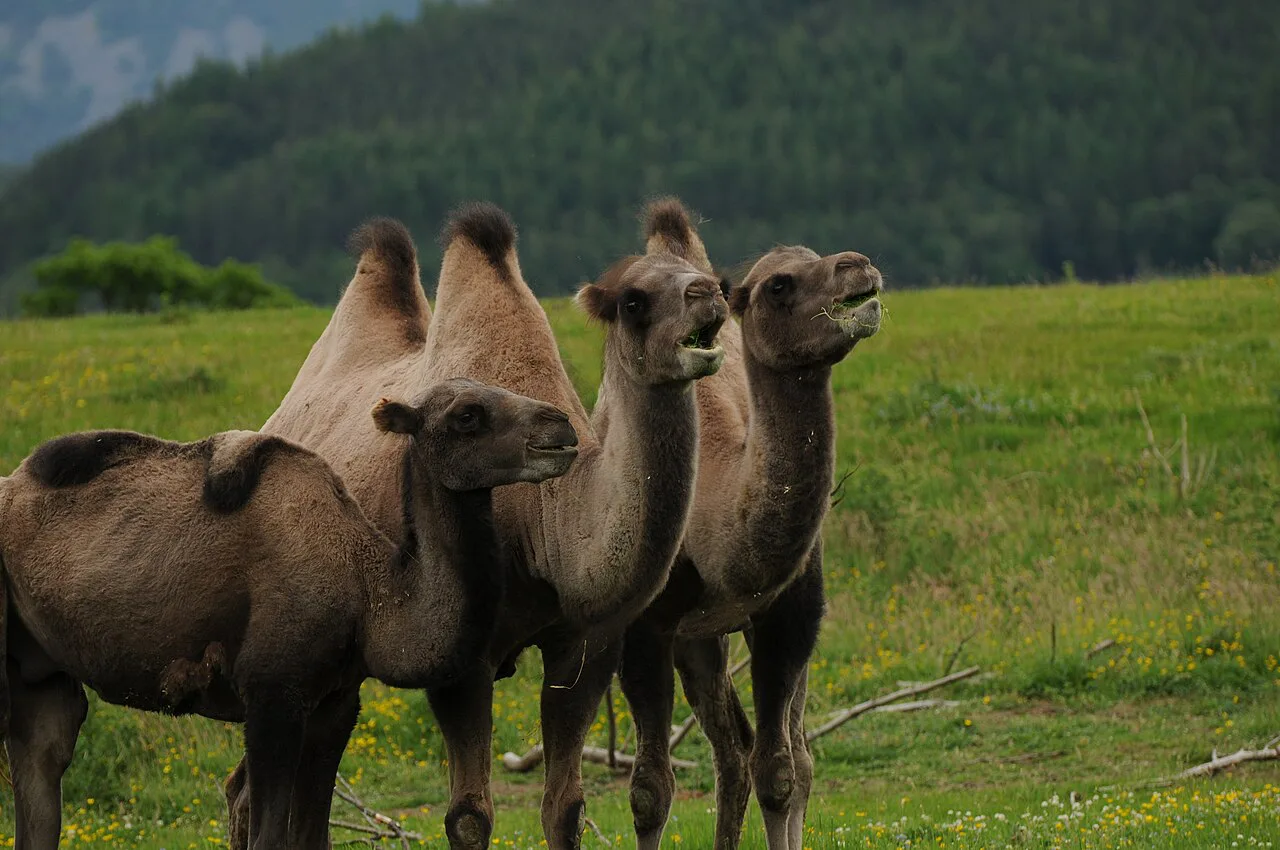
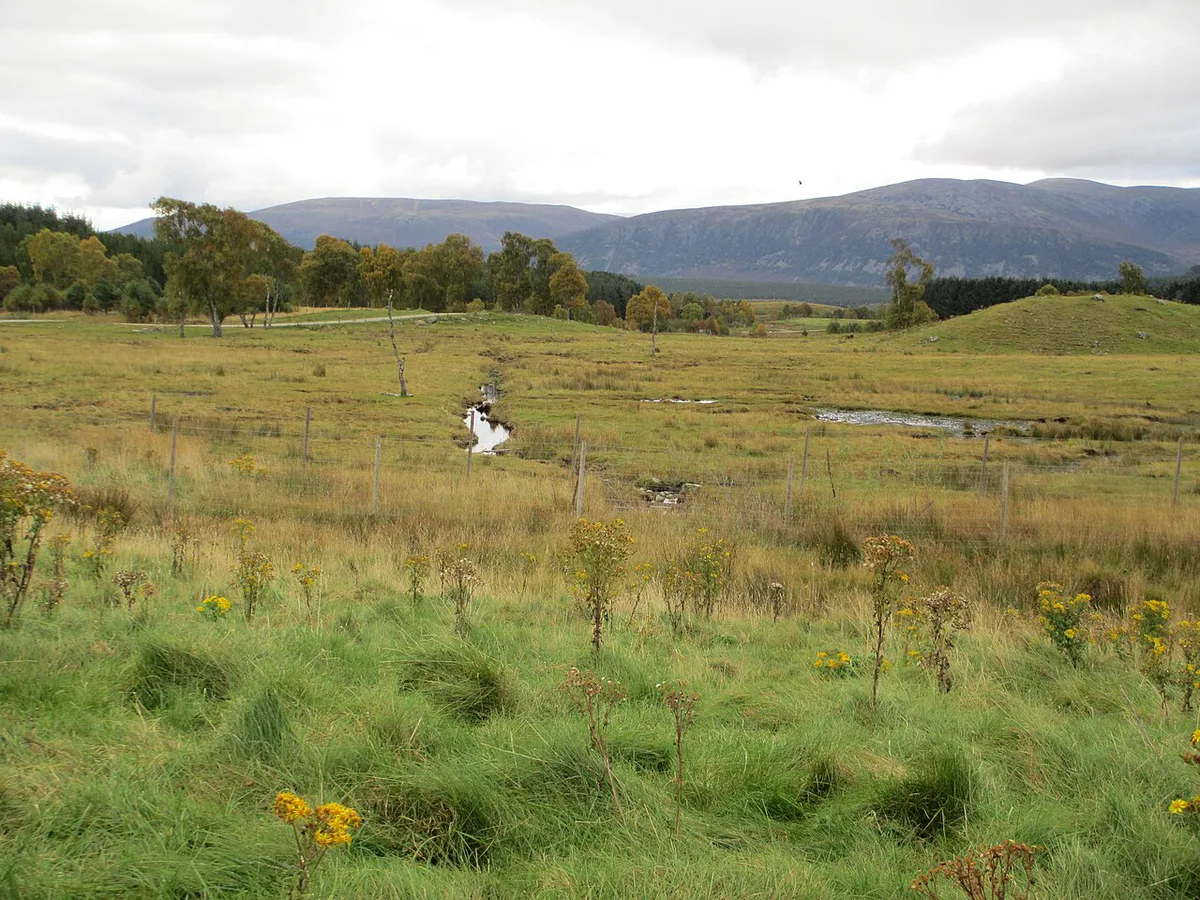
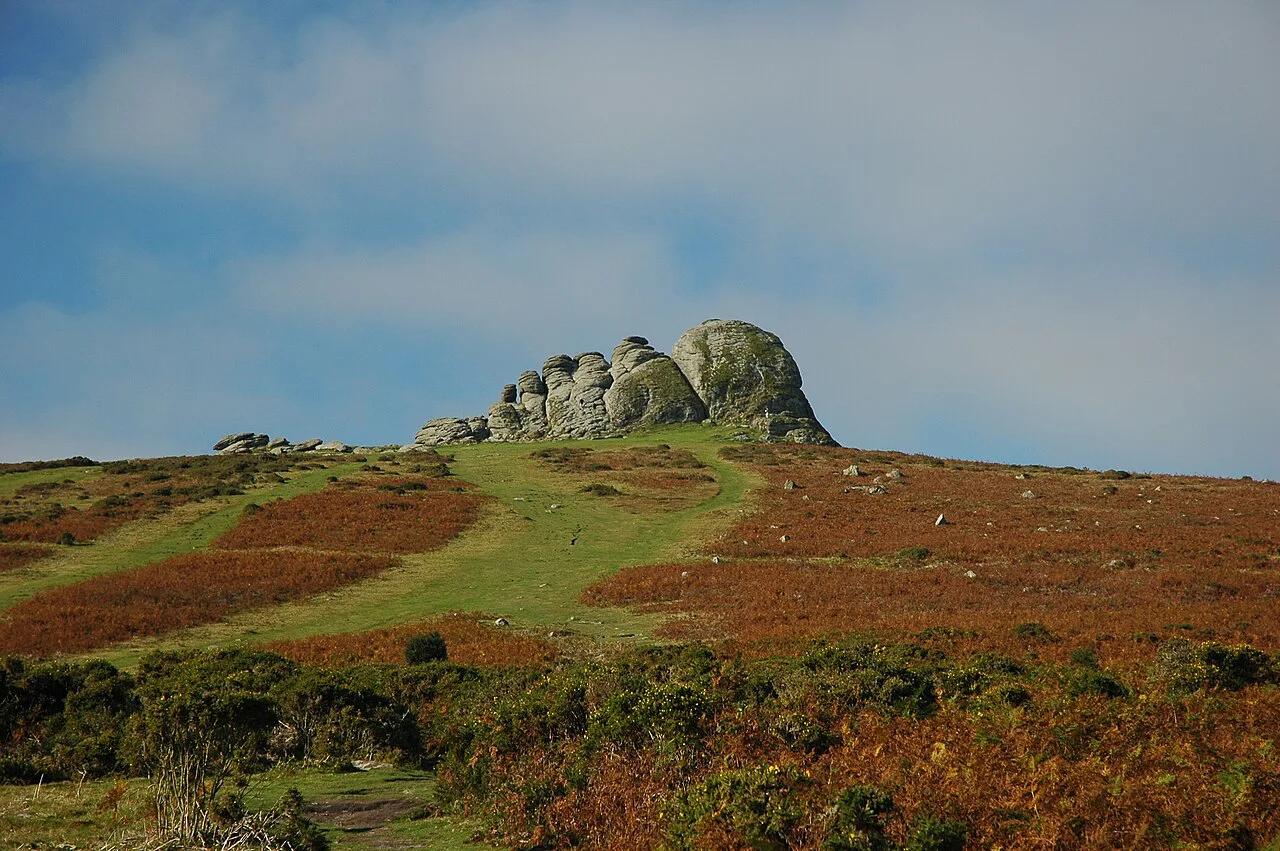
Featured image: Aaronsneddon, CC BY-SA 3.0, via Wikimedia Commons.
Highland Wildlife Park at a glance
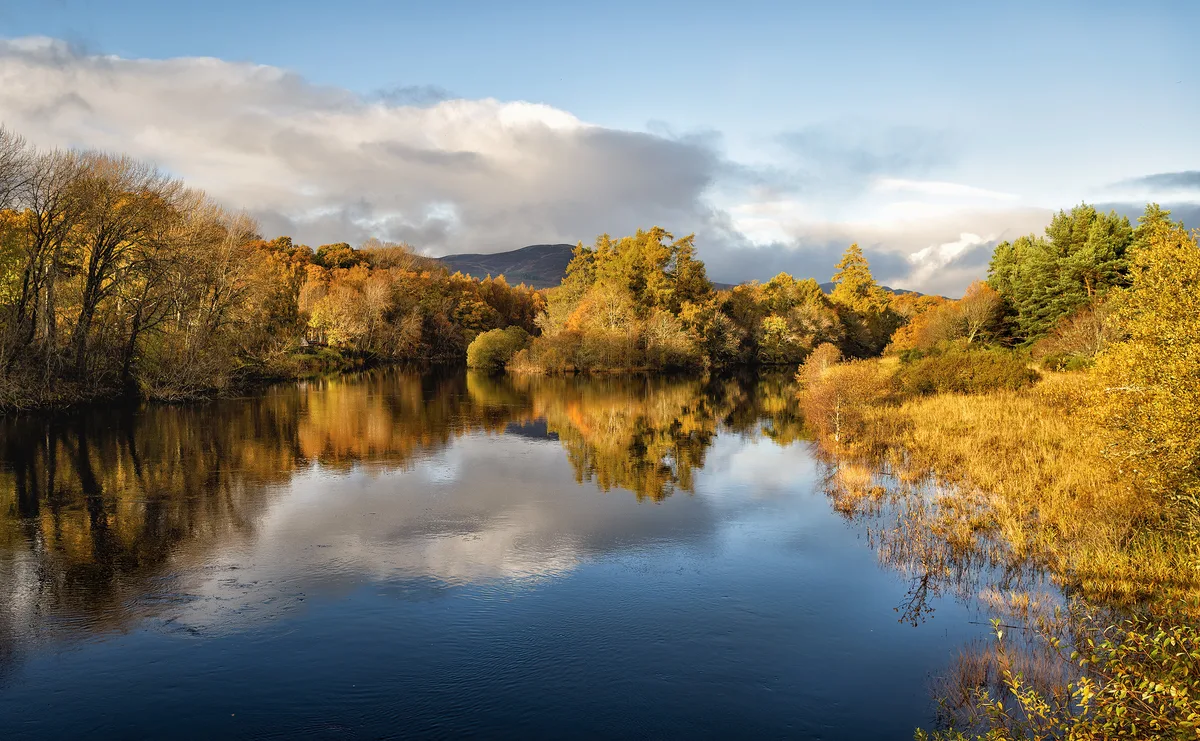
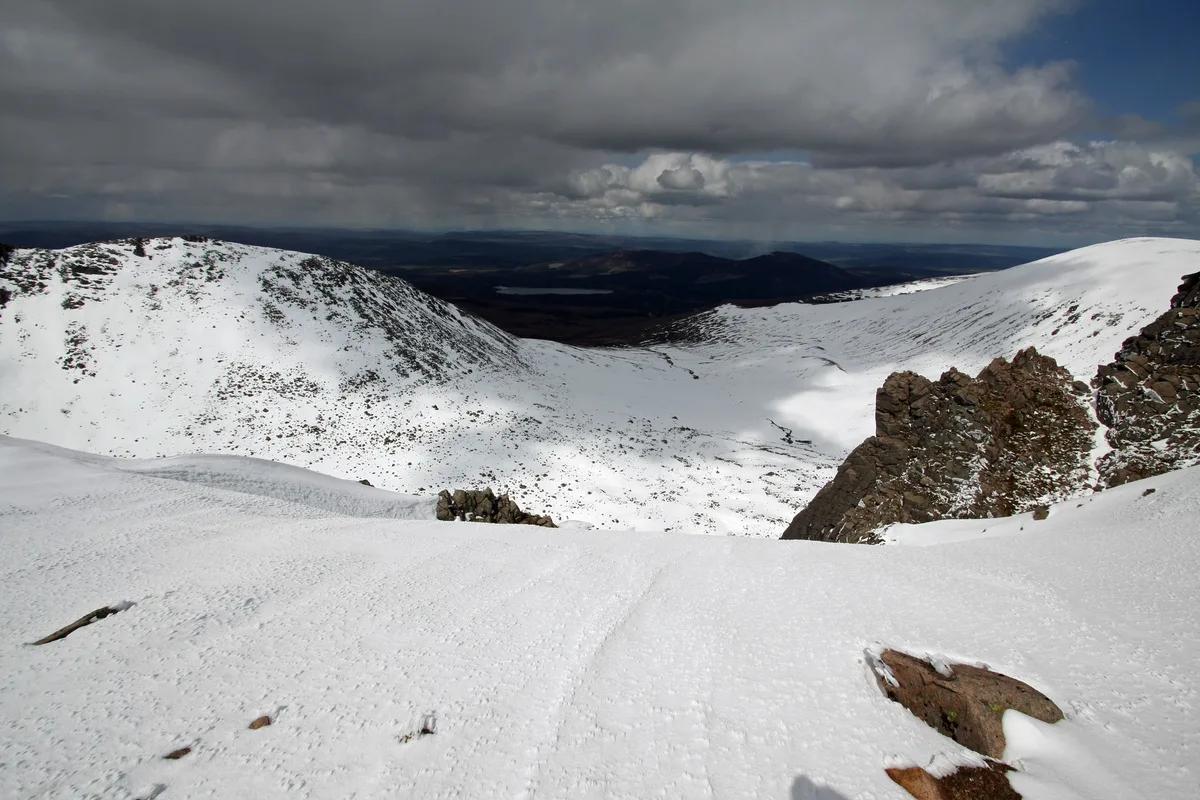
The park lies off the B9152, which leaves the A9 between Kingussie and Aviemore. Its address is Kincraig. Per the official park website, it is a Royal Zoological Society of Scotland site. It covers about 105 hectares and stands at roughly 250–260 m above sea level. That altitude explains the cold, and it shapes the whole visit. The collection focuses on cold-climate and mountain species, alongside native Scottish wildlife. Verdict: worth the trip if you like animals and have a half day spare.
- Location: Kincraig, between Kingussie and Aviemore
- Size: about 105 hectares
- Altitude: about 250–260 m
- Format: drive-through reserve plus walk-around area
- Suggested time: 4–5 hours for both sections
Drive-through reserve vs walk-around area
The park has two distinct parts. In the drive-through reserve you stay in your vehicle and move slowly past larger herds. European bison, red deer and wild horses are the usual names. It feels closer to a safari than a zoo. The walk-around area works like a traditional zoo on foot. Paths link the enclosures for the smaller or more dangerous species. Most visitors start with the drive-through and then park up to walk. Paths in the walk-around section are hilly, so pace yourself.
- Drive-through: you need a vehicle, so no-car visitors should ask the park what it offers before arriving.
- Walk-around: wear sturdy shoes and expect slopes.
- Which can you skip? The drive-through is the easier part to drop if you arrive late in a winter afternoon.
Animals you can expect to see
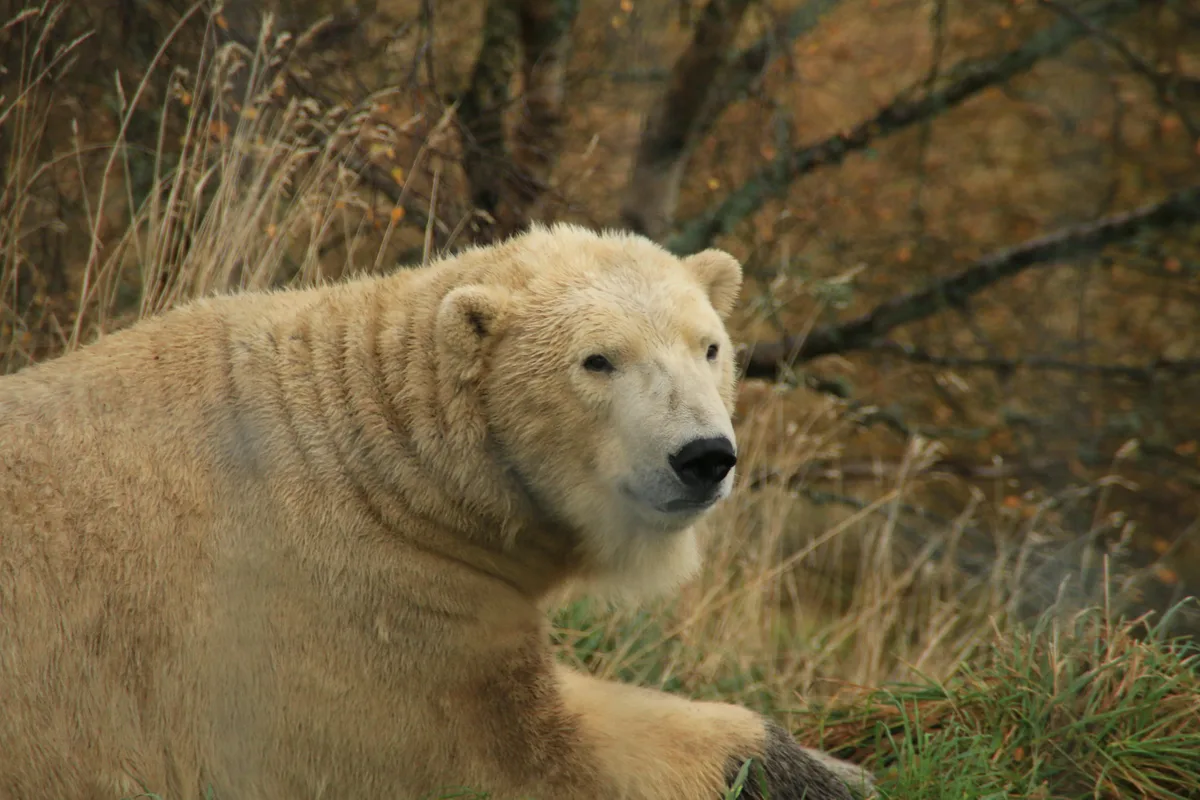
Animal lineups change, so treat this as a guide to the park's focus. Native species include red deer, pine marten and wildcat. Animals from Scotland's past include wolves, lynx and beavers. The walk-around area has housed Amur tigers, snow leopards, wolverines, red pandas, Bactrian camels and snow monkeys. A polar bear has also been a headline attraction. If one species is the reason for your trip, the park's animal list shows which animals are on site now.
How long to spend: 2-hour, half-day and full-day plans
Allow 4–5 hours if you want the full drive-through and the walk-around area. A 2-hour visit is possible if you drive the reserve and see only the main walk-around highlights. Start with the animals you most want to see, because enclosures are quieter earlier in the day. Save the cafe for the middle of the visit. In winter, daylight is short, so begin as soon as the park opens.
| Plan | Time | What it covers |
|---|---|---|
| Quick visit | About 2 hours | Drive-through plus one or two walking highlights |
| Half day | About 3–4 hours | Drive-through and most of the walk-around path |
| Full day | 4–5 hours | Both sections at a relaxed pace, with a cafe break |
Tickets, opening hours and booking
Entry is not cheap, according to visitor reviews, and the park does not suit a spur-of-the-moment stop. Prices, opening hours and booking rules change, so check the official site for current figures. Ask whether booking ahead is advised for your date. The park is said to open every day of the year, weather permitting. A school-holiday weekend is the day to book first.
Getting there: by car, and by train or bus
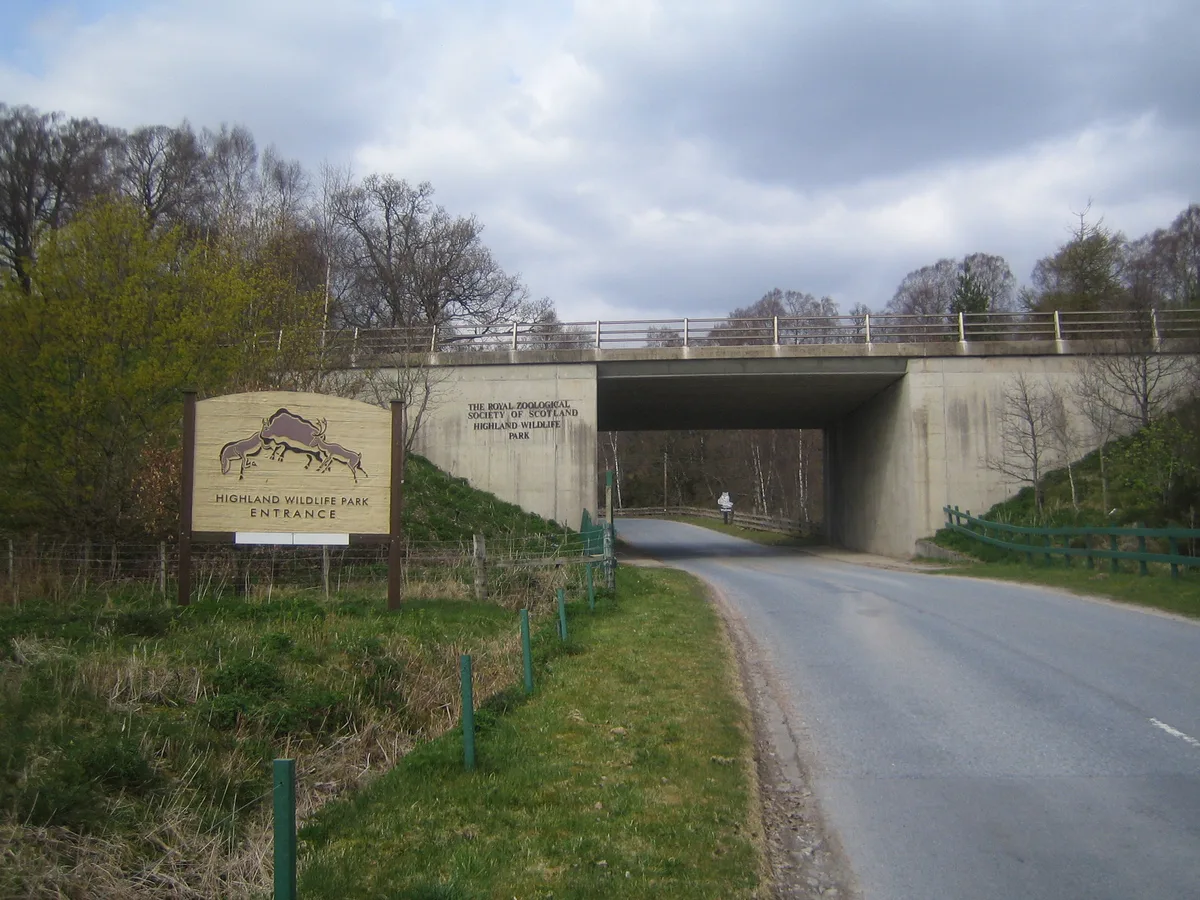
Driving is simplest, and the drive-through section requires it. From the A9, follow the B9152 between Kingussie and Aviemore. Our Cairngorms Map: Where Everything Is and Which Map to Use helps you place the park against nearby stops. Without a car, take a train or bus to Aviemore or Kingussie. Then use a local bus or a taxi for the last stretch. Local timetables change by season, so check the operator before you set out.
Best time to visit and what to wear
The park is open through the year, and each season suits a different trip. Spring brings young animals. Summer has the longest daylight and mildest weather. Winter is cold, with ice underfoot and short days. On a late-November day, forecasts for this area have shown highs near 1°C and lows near −7°C. Bring warm layers, a waterproof and windproof jacket, a hat, gloves and sturdy shoes. See Cairngorms Weather: What To Expect By Season And Altitude for seasonal expectations. Skip the park, or shorten it, on days with heavy ice or storm warnings.
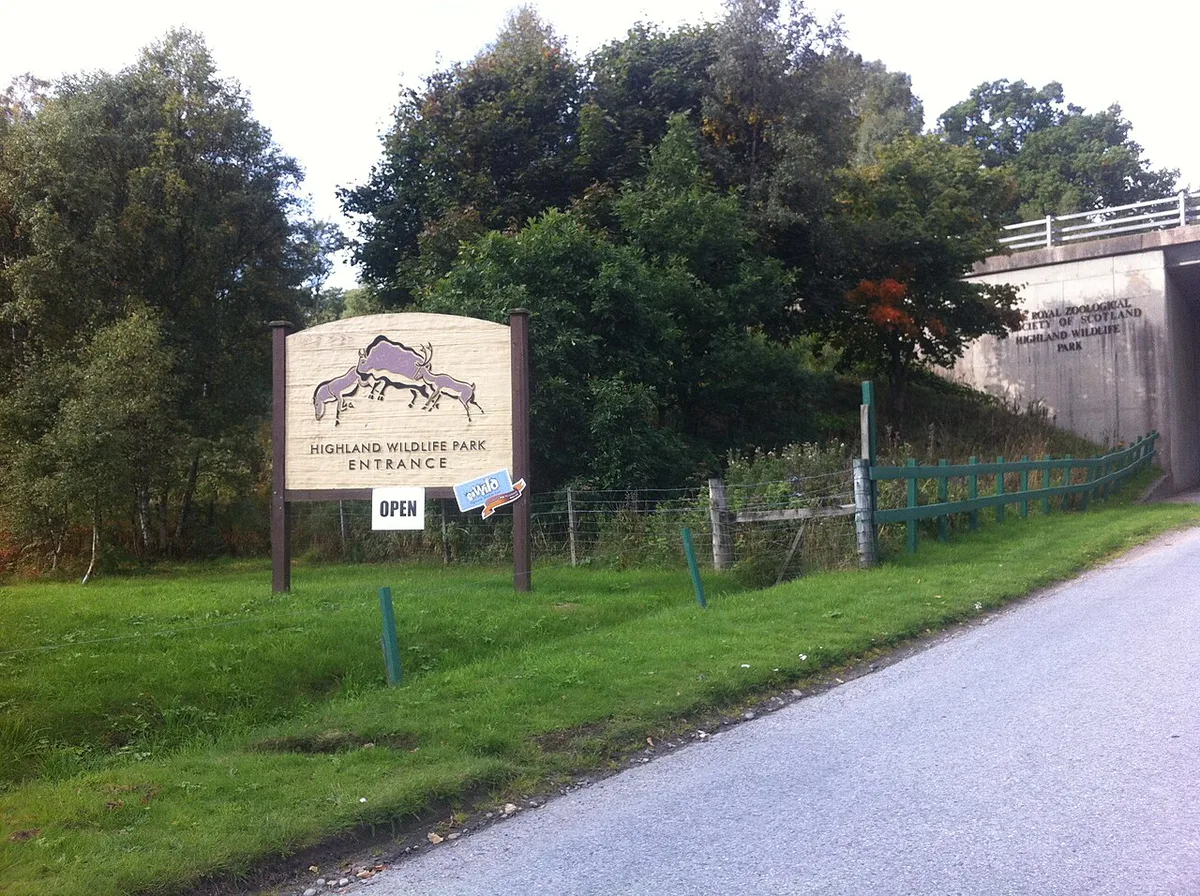
Late-November forecasts have shown lows near −7°C, and the walk-around area is exposed, so carry a flask along with warm layers.
Accessibility, families and dogs
The drive-through section needs no walking, which helps visitors with limited mobility. Walk-around paths are hilly, so pushchair and wheelchair users should plan routes in advance. Ask the park about accessible toilets and the steepest sections. Families will find a polar-bear-themed play area and keeper experiences, though availability and booking rules should be checked. Dogs other than assistance dogs are said not to be allowed, so arrange care at your lodging. If you need a base, see places to stay in the Cairngorms.
Food, facilities and practical tips
Cafes and picnic areas are available. Carry a flask in winter, because the walk-around area is exposed. Common mistakes are easy to avoid:
- Arriving too late to do both sections
- Leaving warm layers in the car
- Expecting a flat city-zoo layout
- Leaving the dog at the park entrance with no plan
- Not checking booking before a busy day
Nearby places to combine with the park
For more wildlife, the reindeer experience is a separate trip from the park's wild-animal viewing. Mountain days belong to Cairngorm Mountain Guide: Funicular, Skiing & Walks, and the funicular railway climbs it. Gentler walks include Rothiemurchus estate and Glenmore Forest Park: Loch Morlich, Trails & Planning Tips. In Aviemore, Aviemore activities fill a spare afternoon. Further afield, Braemar and Balmoral Castle Visitor Guide: Tickets, Access and Tips suit a separate day.
For trip-planning details, see VisitScotland Highland Wildlife Park.
Frequently Asked Questions
Are there polar bears in Scotland?
Highland Wildlife Park has housed a polar bear, and it has long been one of its best-known animals. Lineups change, so check the park's animal list before you go.
What kinds of wild animals can be found in the Scottish Highlands?
Native species include red deer, pine marten and wildcat. Highland Wildlife Park also shows animals that once lived in Scotland, such as wolves, lynx and beavers.
Notes for your next park visit
Optional updates to our national park guides.
Read next
Keep planning
Picked from the same area