Cairngorms Weather: What To Expect By Season And Altitude
Plan around Cairngorms weather: how conditions differ between valley and summit, what to expect each season, and what to do when it turns.
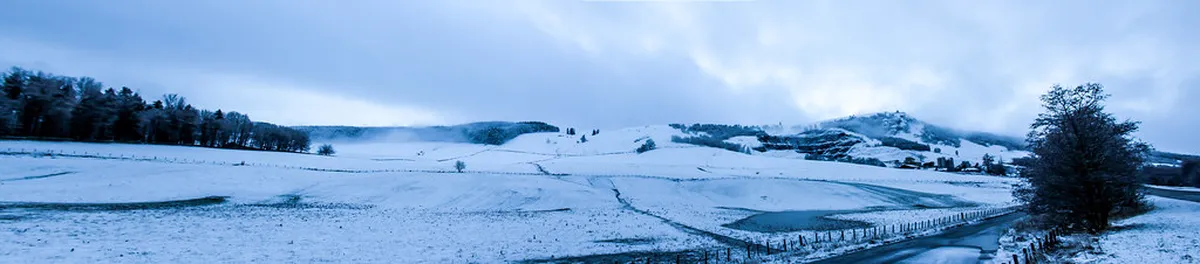
Last updated November 2026. Cairngorms weather changes sharply with altitude and can turn within hours. Valley bases such as Aviemore, Glenmore and Braemar are usually much milder than the plateau and summits, where wind and cold make winter walking unsafe for unprepared visitors. Use this guide to pick a season, choose between valley and mountain days, and plan a fallback before you drive up to 8 Best Things to Do in Cairngorms National Park.
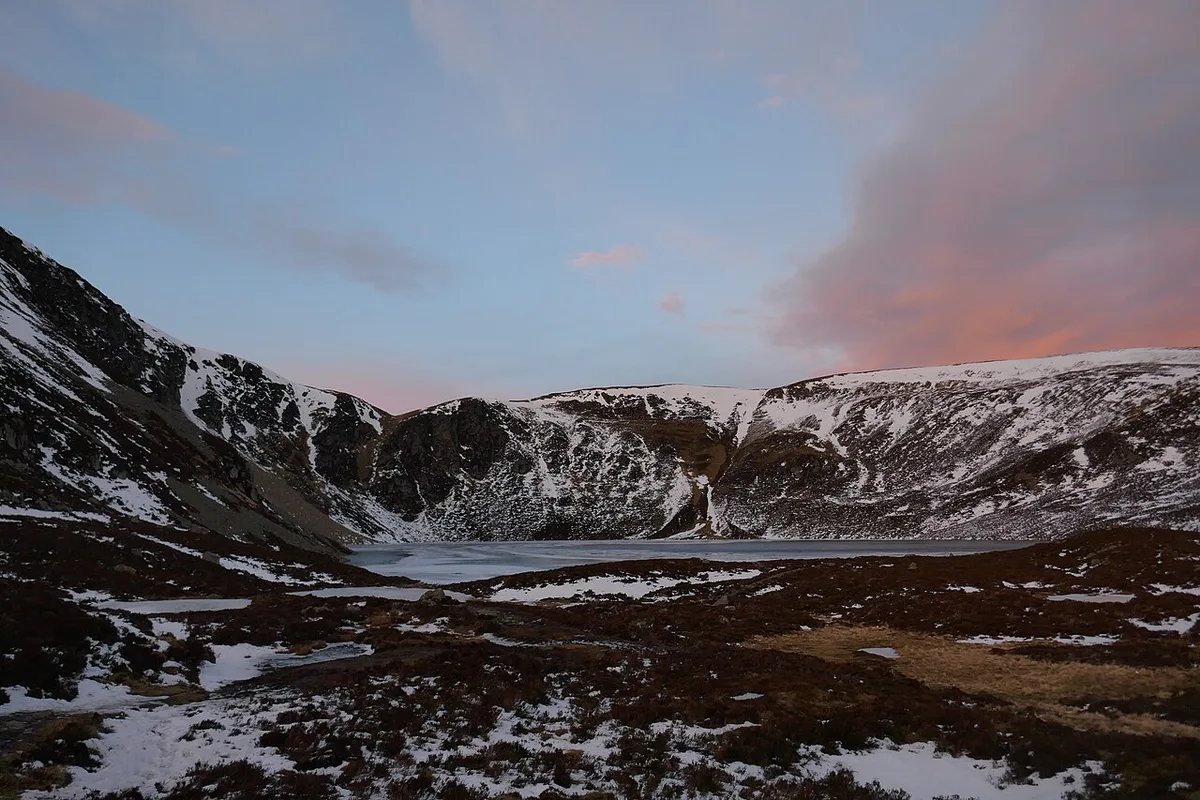
Featured image: iAREsean, CC BY 2.0, via Flickr.
Cairngorms Weather At A Glance
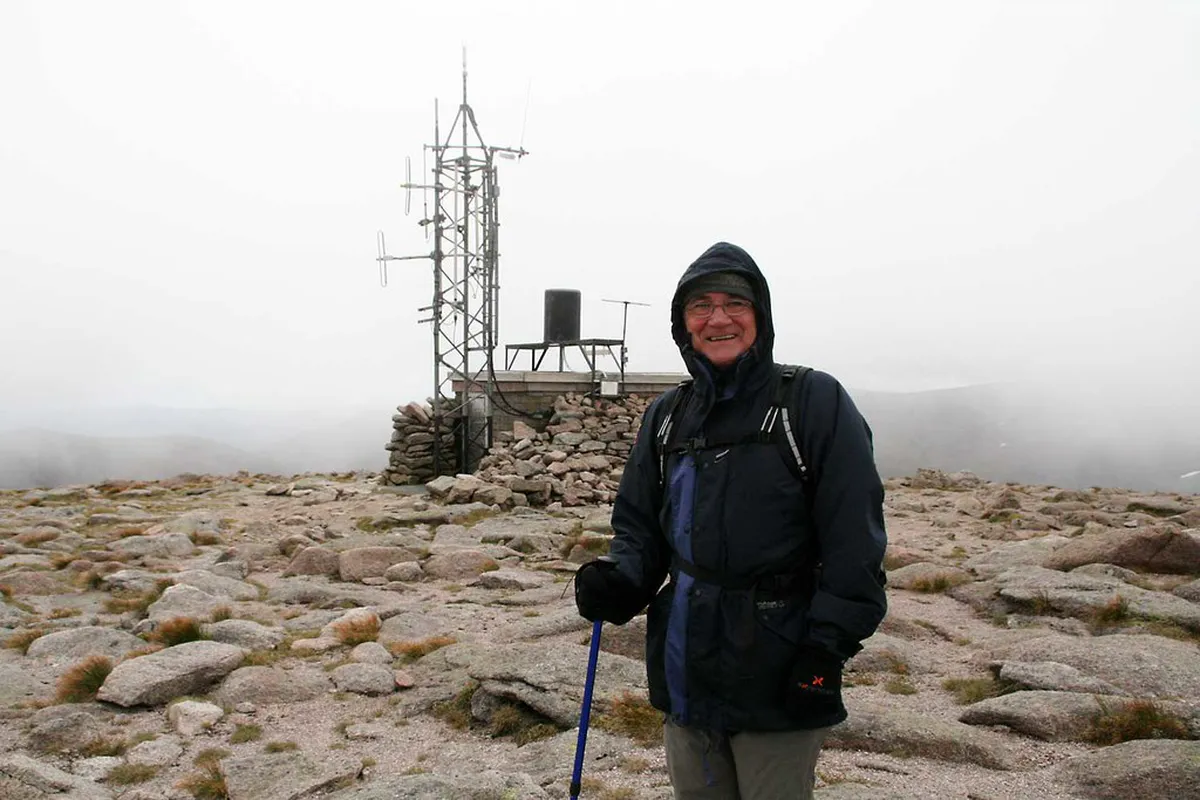
Treat the Cairngorms as two climates. Valley floors are cool and changeable. The high plateau around Cairn Gorm is colder, windier and often in cloud. A Met Office point forecast for Coire na Ciste on 21 November 2026 showed -2°C (28°F) with a feels-like value of -6°C (21°F). That is a one-day snapshot, not a climate norm. Use it to see how wind chill cuts the real temperature, then check live forecasts for your own dates.
| Season | Valley feel | High ground feel | Main risk |
|---|---|---|---|
| Winter (Dec–Feb) | Cold, short days, frequent frost | Snow, strong wind, whiteout possible | Navigation and avalanche hazard |
| Spring (Mar–May) | Variable, often mild by afternoon | Lying snow and melt, fast changes | Mixed conditions and icy patches |
| Summer (Jun–Aug) | Mildest, long daylight | Cooler and windier than the valley | Hill fog, rain, midges in the valleys |
| Autumn (Sep–Nov) | Crisp, colourful, shortening days | Early snow and ice possible | Early dark and sudden wintry showers |
Valley Vs Summit: Why The Forecast Differs By Altitude
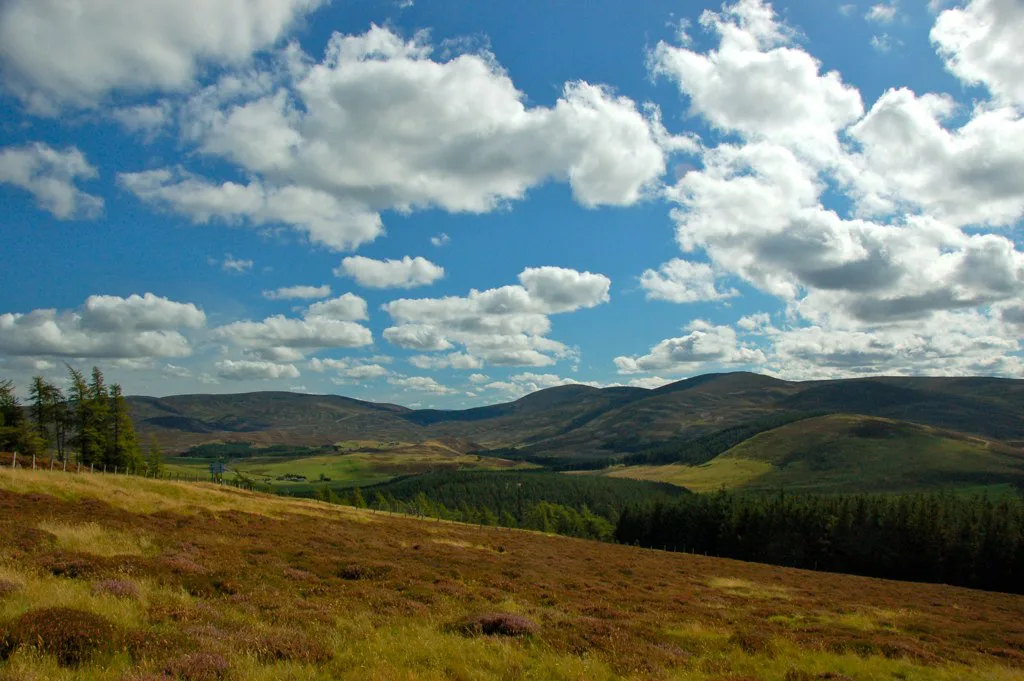
A village forecast describes Aviemore or Ballater. It does not describe the plateau. Air cools with height, wind speeds climb, and cloud often sits on the tops while the valley is clear. On the Met Office snapshot, the Coire na Ciste figure of -2°C (28°F) is a corrie location, not the summit. The Cairn Gorm summit will usually be harsher. Use the Cairngorms map to judge how far above the valley you will be.
| Zone | Temperature feel | Wind | Visibility | Typical use |
|---|---|---|---|---|
| Base (Aviemore, Glenmore) | Coolest valley air, mildest of the three | Moderate, sheltered by trees | Usually good | Forest walks, wildlife, cafés |
| Mid-mountain (corries, funicular base) | Noticeably colder | Often gusty | Changeable | Ski slopes, short walks |
| Plateau and summit | Much colder, strong wind chill | Strongest, gusts common | Can drop to near zero in cloud | Experienced hillwalking only |
Cairngorms Weather By Season
Each season suits a different trip. Match your plans to the main hazard, not just the headline temperature.
- Winter: Snow cover brings skiing and snowshoeing around Cairngorm Mountain Guide: Funicular, Skiing & Walks. Days are short and storms can close lifts. Pack insulation, waterproof shells and a head torch.
- Spring: Snow melts unevenly and conditions vary by the hour. Low ground is pleasant while upper slopes can still hold ice. Pack layers and grippy boots.
- Summer: This is the easiest season for walking and wildlife. Hill fog and rain still arrive without warning. Midges can bother you on still evenings near water and forest.
- Autumn: Colour peaks in the pine and birch woods, and the deer rut brings wildlife interest. Early snow can dust the tops. Pack warm layers and allow for earlier dark.
Wind, Gusts And Feels-Like Temperature
Wind matters more than air temperature on the hills. The Met Office snapshot for Coire na Ciste showed gusts of 15mph on Saturday, 31mph on Monday and 39mph on Tuesday. On that Tuesday the feels-like low reached -8°C (18°F), against an air maximum of 2°C (36°F). Sustained wind is the steady speed. Gusts are short peaks that can knock you off balance and slow a walk. They also affect lifts and the Cairngorm Funicular: Is It Worth It? Tickets, Access & Tips. Operators set their own wind limits, so check their live status rather than guessing.
Gusts of 39mph on a high-ground day, paired with under eight hours of November light, leave little margin for a summit walk.
Daylight And Seasonal Timing
Winter daylight is the main constraint. On 22 November the Met Office listed sunrise at 08:10 and sunset at 15:51, which is under eight hours of light. Treat that as a late-November example and check the times for your date. Start early, set a turnaround time before you leave, and carry a head torch. Summer light is far longer, so the same route can be done at a relaxed pace.
What To Do In Different Weather
Match the plan to the conditions before you set out. In heavy rain or low cloud, drop to the valley. In high wind, avoid exposed ground and check lift status first.
| Conditions | Good options |
|---|---|
| Rain | Highland Wildlife Park: Visit Planning Guide (Time, Tickets, Getting There) by car, or indoor stops in Aviemore |
| High wind | Sheltered paths in Glenmore Forest Park: Loch Morlich, Trails & Planning Tips or Rothiemurchus |
| Low cloud | Woodland and loch walks rather than summit views |
| Snow | Skiing, snowshoeing, or a visit to the reindeer centre |
| Clear and cold | Mountain trips with proper kit, and wide views |

- Bad-weather fallback: browse 8 Things To Do in Aviemore: Best Picks, Costs & Tips for indoor options.
- Deeside option: Balmoral Castle Visitor Guide: Tickets, Access and Tips and Braemar suit a rain day on the eastern side.
How To Check Forecasts, Warnings And Mountain Conditions
A village forecast is not a mountain forecast. The Met Office publishes a North Grampian mountain forecast alongside its point forecasts, and it covers the high ground. Check avalanche information from SAIS in winter. Look at the lift operator's status on the Cairngorm Mountain site before you travel. Watch for weather warnings, and treat whiteout, cornices, ice and river crossings as the main hazards. Park authority guidance is on the Cairngorms National Park Authority site.
What To Pack By Season
Pack for the hills, not the village. Dressing for Aviemore on a summit day is the most common error.
| Season | Essentials |
|---|---|
| Winter | Insulated layers, waterproof shell, hat, gloves, boots, head torch, map and compass |
| Spring | Layers, waterproofs, grippy boots, spare gloves |
| Summer | Light layers, waterproof jacket, midge repellent, sun protection |
| Autumn | Warm mid-layer, waterproofs, hat, head torch for early dusk |
Planning And Getting Around When Weather Turns
Winter snow and ice can affect access roads, so check road and transport updates before you leave. Driving gives flexibility, but trains and buses can be steadier on bad days. Flexible bookings protect you when lifts close. As an illustrative editorial planning estimate, a midweek November double room might run about £80 against £150+ in school holidays, so compare rates early. Browse hotels in the Cairngorms and read cancellation terms. Buying flexible lift tickets rather than fixed ones costs little when wind closures are possible.
Common Mistakes
A few errors repeat every season.
- Dressing for the village rather than the summit.
- Relying on a phone forecast for the plateau.
- Ignoring gusts when the air temperature looks mild.
- Starting late in short winter days.
- Assuming the funicular means a summit walk is safe.
Frequently Asked Questions
Do the Cairngorms get a lot of snow?
Snow is common on the high ground through winter, and early or late snow can appear outside it. Valley bases see less and it melts faster. Check the mountain forecast and avalanche information before heading up.
Notes for your next park visit
Optional updates to our national park guides.
Read next
Keep planning
Picked from the same area