8 Best Things to Do in Connemara National Park
Plan Connemara National Park: Diamond Hill walks, visitor centre, getting there from Galway, and how to add Kylemore Abbey to your day.
Last updated November 2026: Connemara National Park is a national park in County Galway, run by the National Parks and Wildlife Service and centred on Letterfrack and Diamond Hill. Plan on the lower Diamond Hill loop as the best single walk, at roughly 1 to 1.5 hours. Trail entry is understood to be free, and the official NPWS park page lists current fees and visitor centre hours.
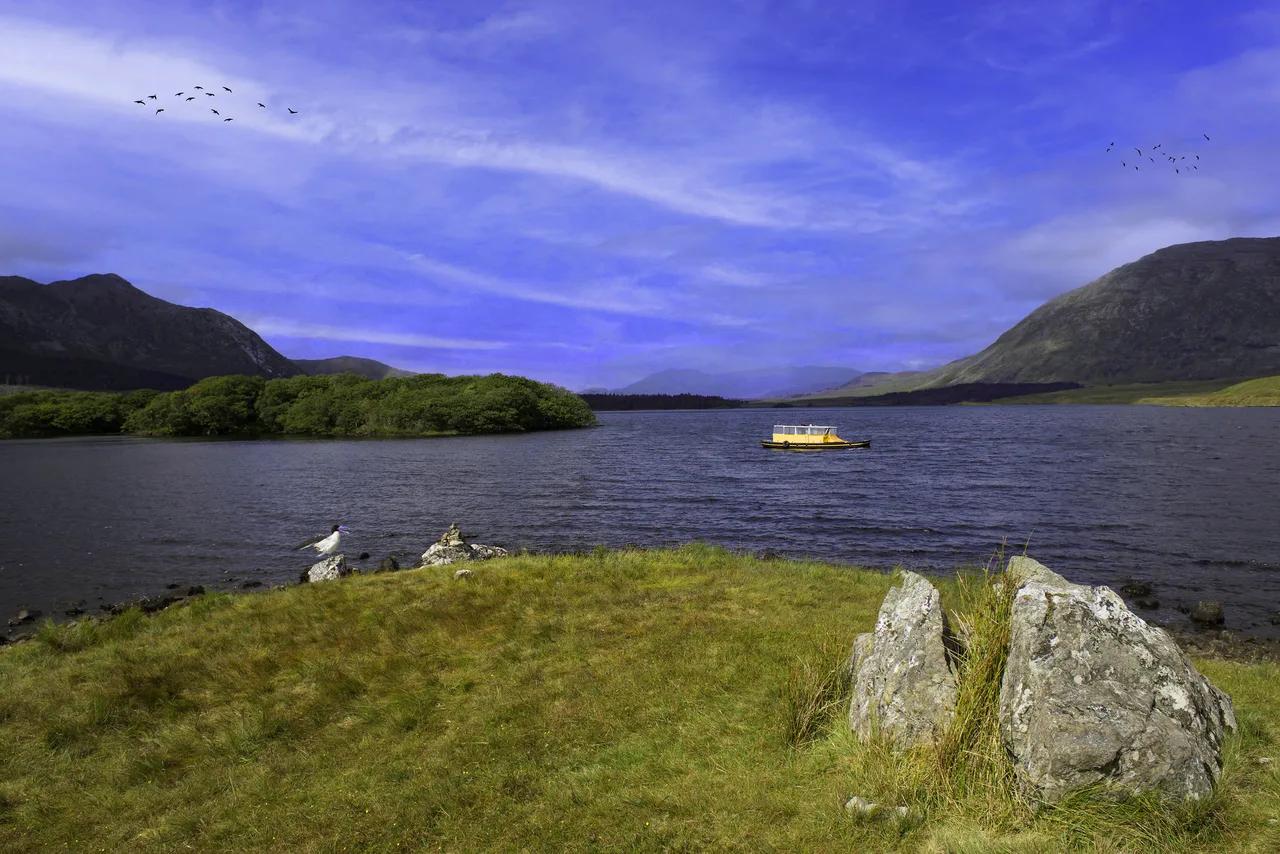
Featured image: Ron Cogswell, CC BY 2.0, via Flickr.
Connemara National Park at a glance
Connemara National Park sits beside Letterfrack in County Galway, and the NPWS visitor centre is the access point for the main trails. Most visitors spend 3 to 5 hours on one walk plus the exhibits. This park suits walkers who want bog, mountain and clear signage in one place. Anyone who wants a ticketed headline attraction, or has no time to walk, should look elsewhere.
| Detail | What to know |
|---|---|
| Location | Letterfrack, County Galway |
| Managed by | National Parks and Wildlife Service (NPWS) |
| Entry | Trails listed as free; visitor centre charges set by NPWS |
| Best walk | Lower Diamond Hill loop |
| Time needed | 3 to 5 hours with exhibits |
| Nearest village | Letterfrack |
| Who should skip it | Visitors wanting a ticketed attraction or with no time to walk |
8 Best Things to Do in Connemara National Park
Prices and hours checked November 2026; this page quotes no fees, because NPWS sets them. Seven of the eight picks below sit inside the park. Kylemore Abbey is a labelled add-on outside it. Start with Diamond Hill if time is short.
1. Diamond Hill walks
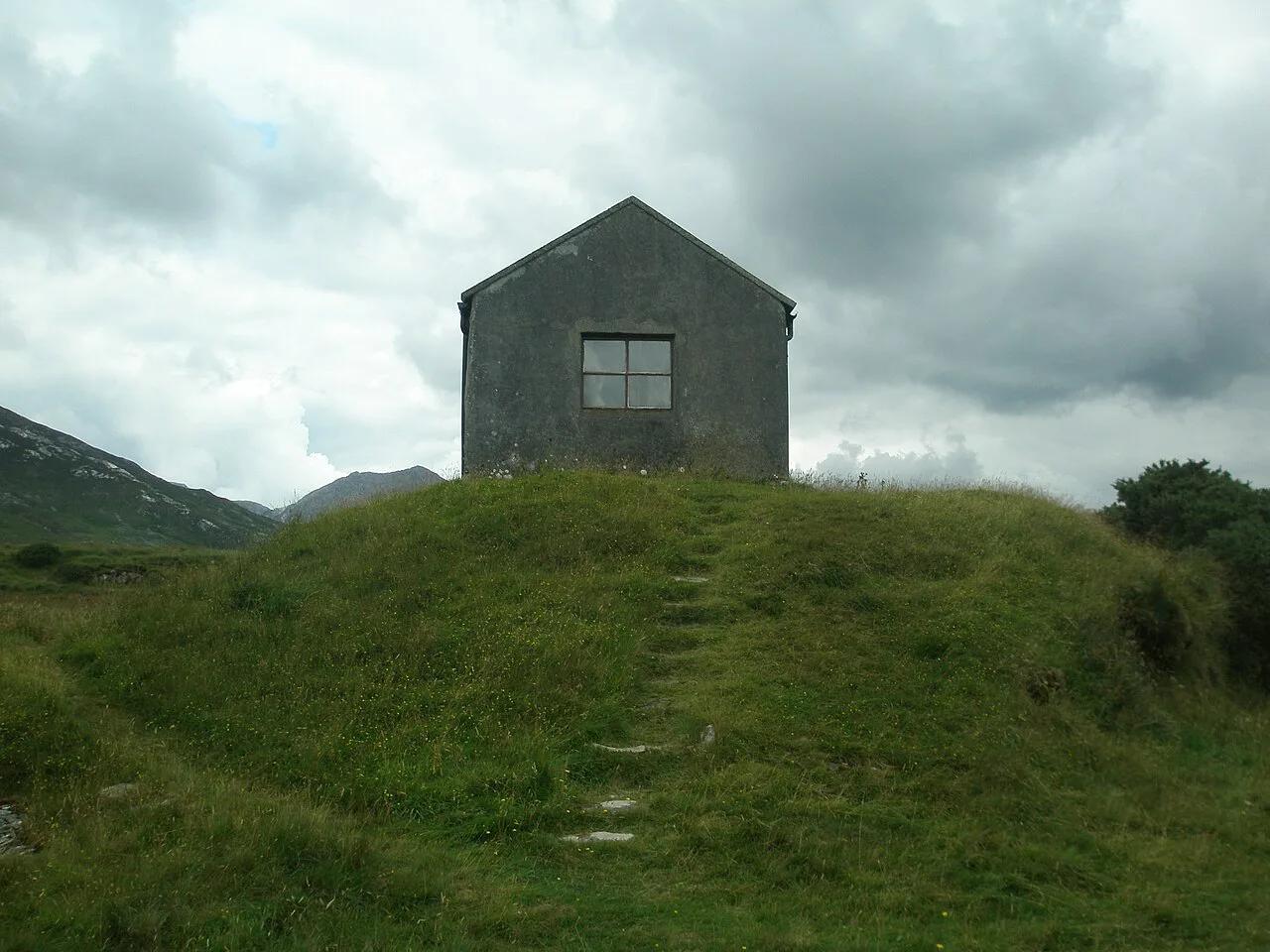
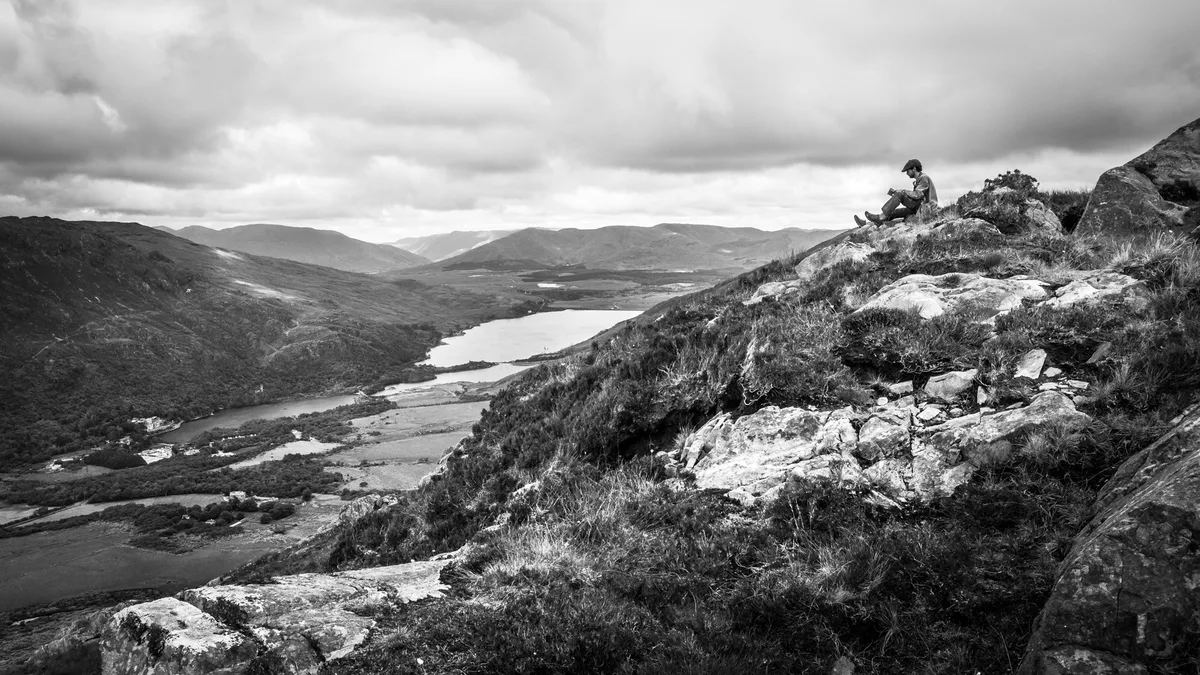
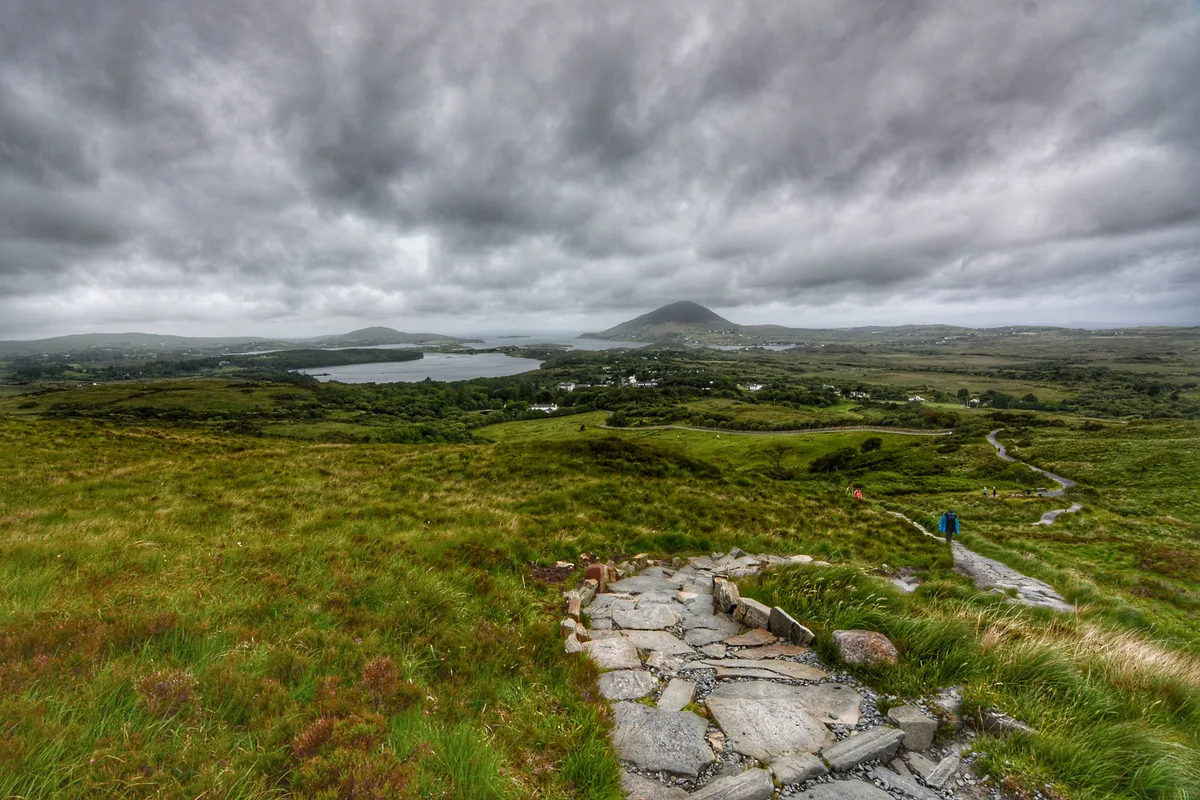
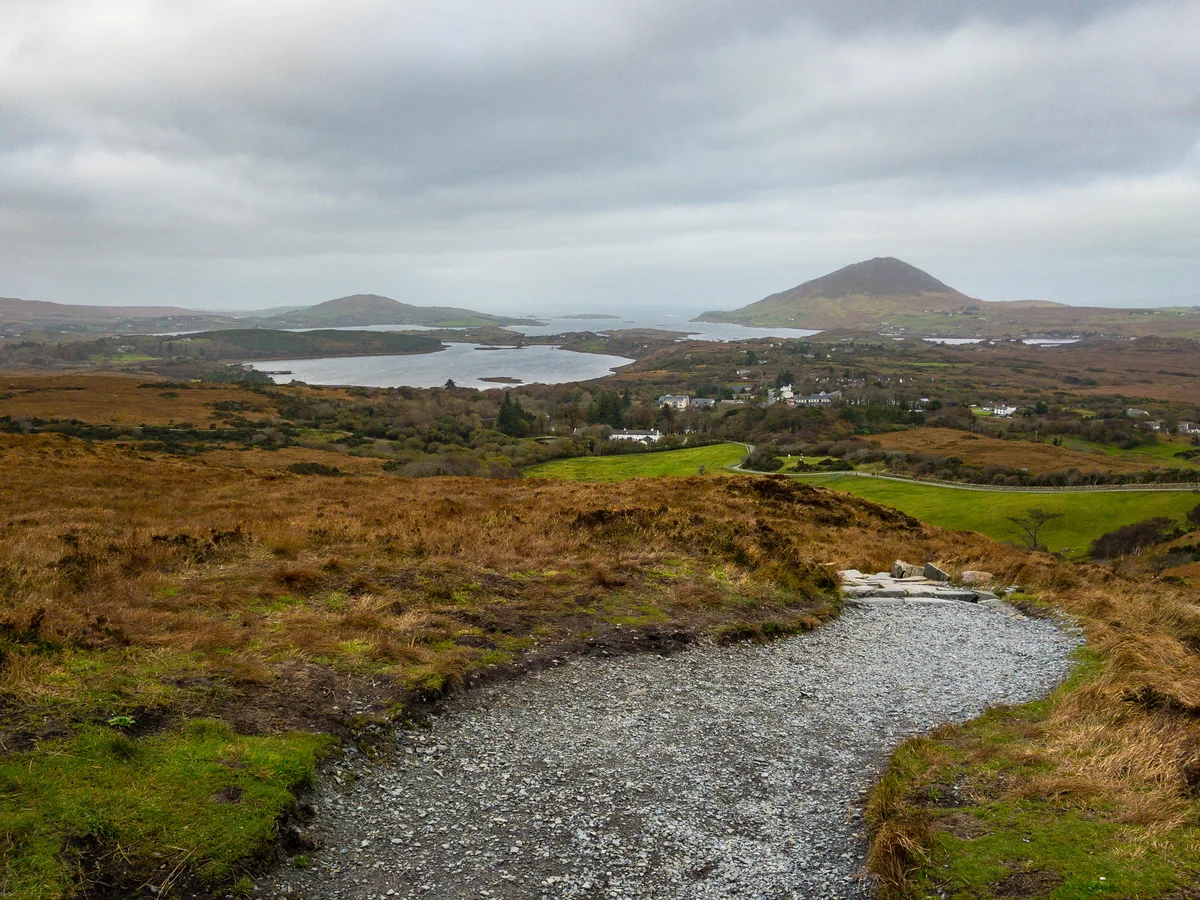
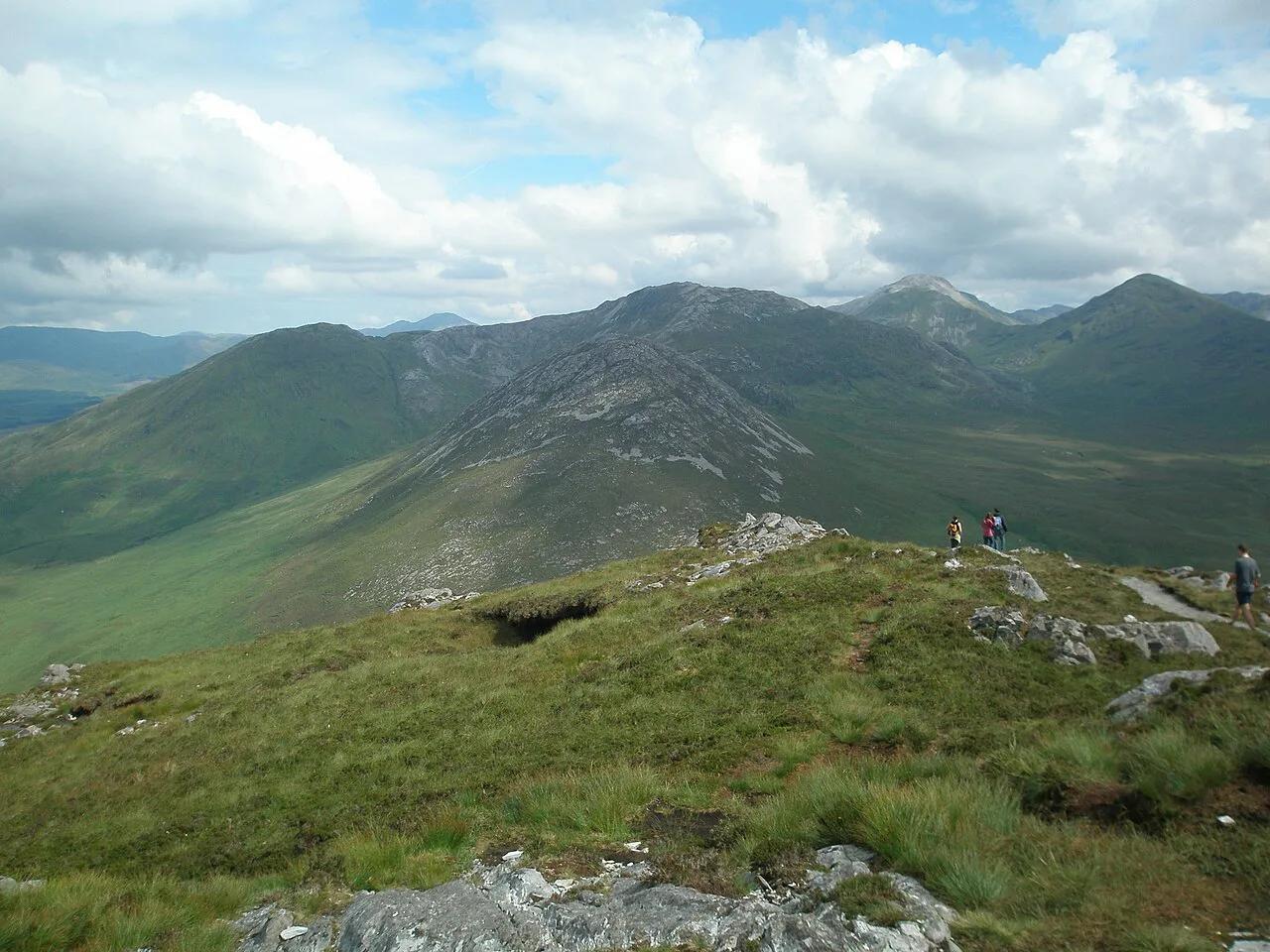
Diamond Hill is the park's best single walk and the reason most visitors arrive. Trails leave from the visitor centre near Letterfrack, and the summit stands at about 445 m (roughly 1,460 ft). Boardwalk and gravel sections cross wet bog before the path climbs over quartzite steps.
Published times are 1 to 1.5 hours for the lower loop and 2.5 to 3 hours for the summit. Route notes and trail colours are in our Diamond Hill walking guide. Give the summit a miss in strong wind or low cloud, when the exposed ridge offers little view.
2. Twelve Bens viewpoints
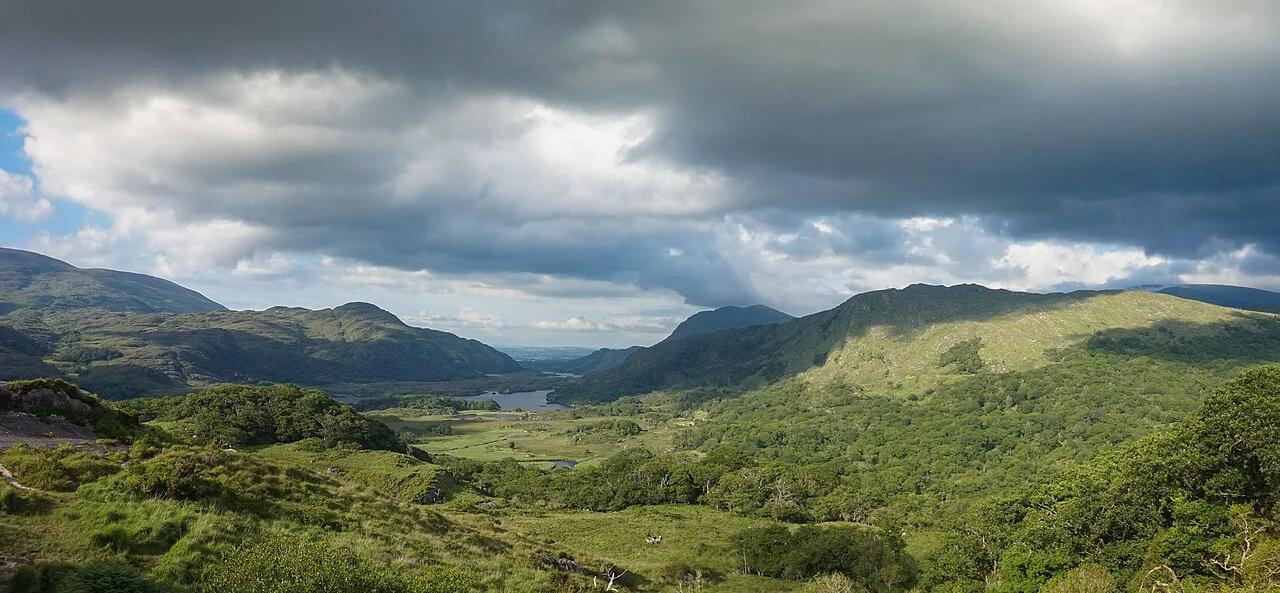
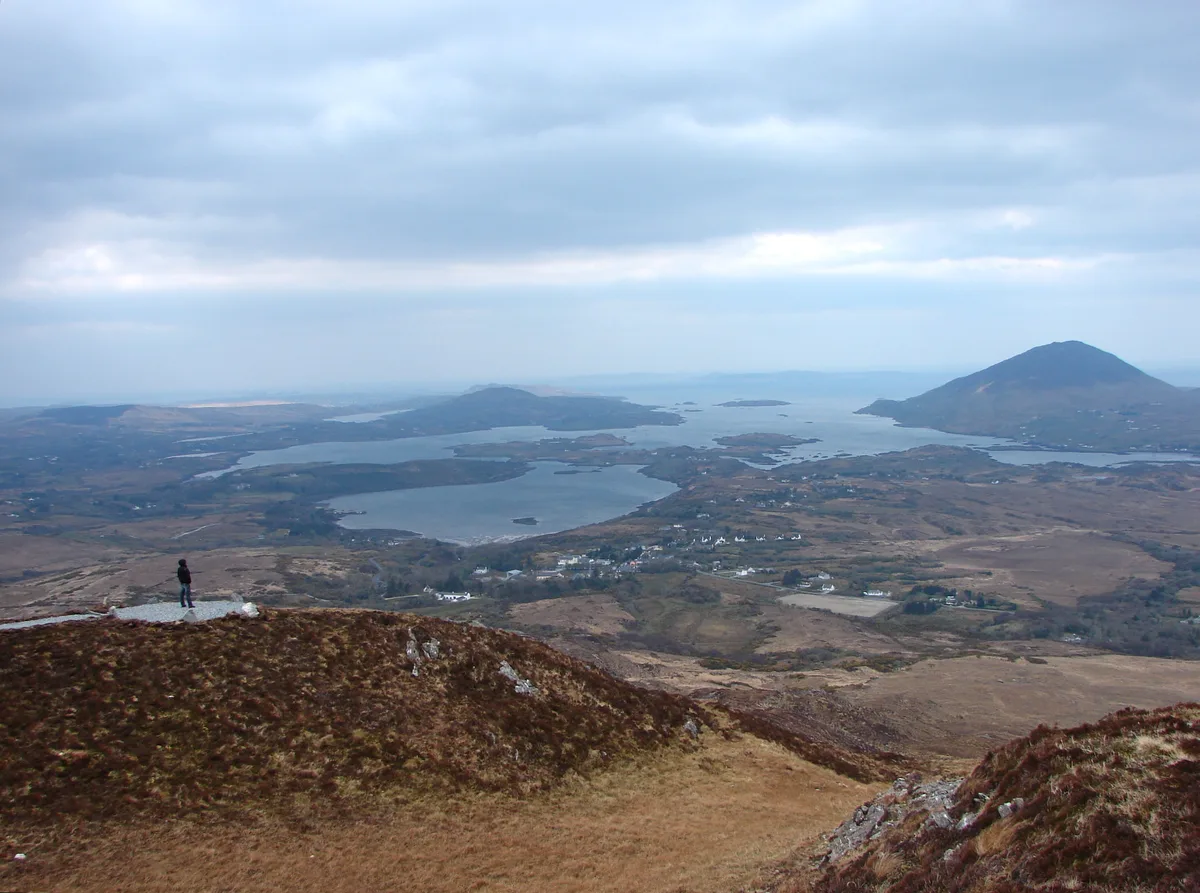
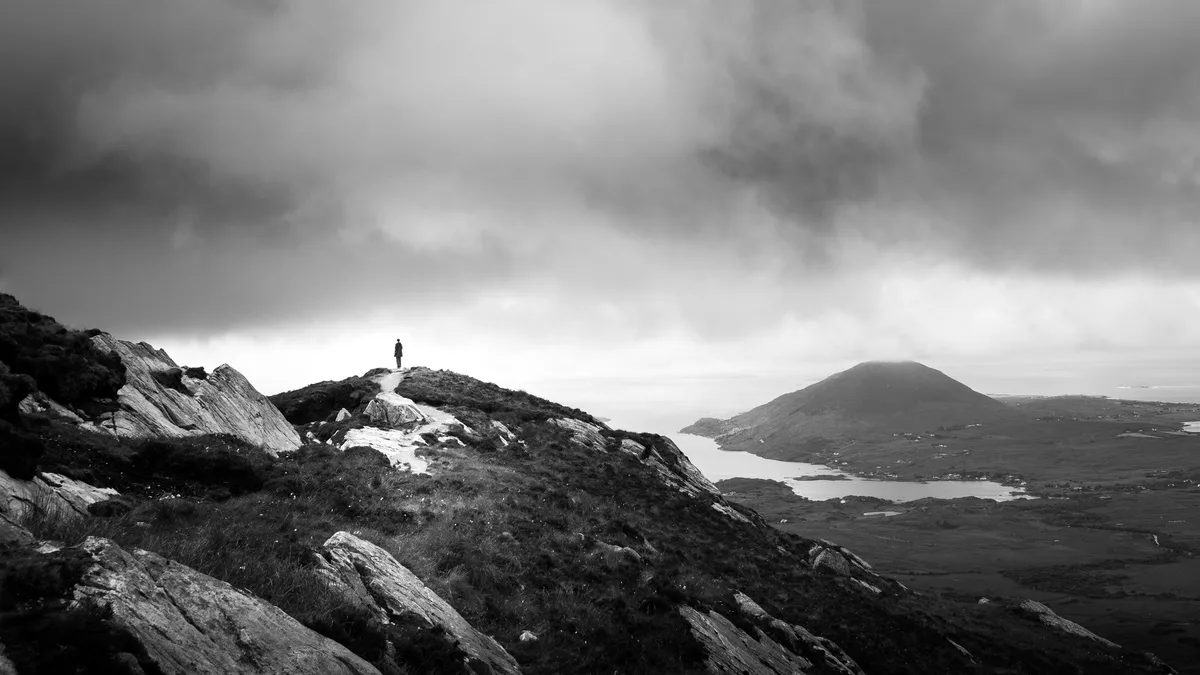
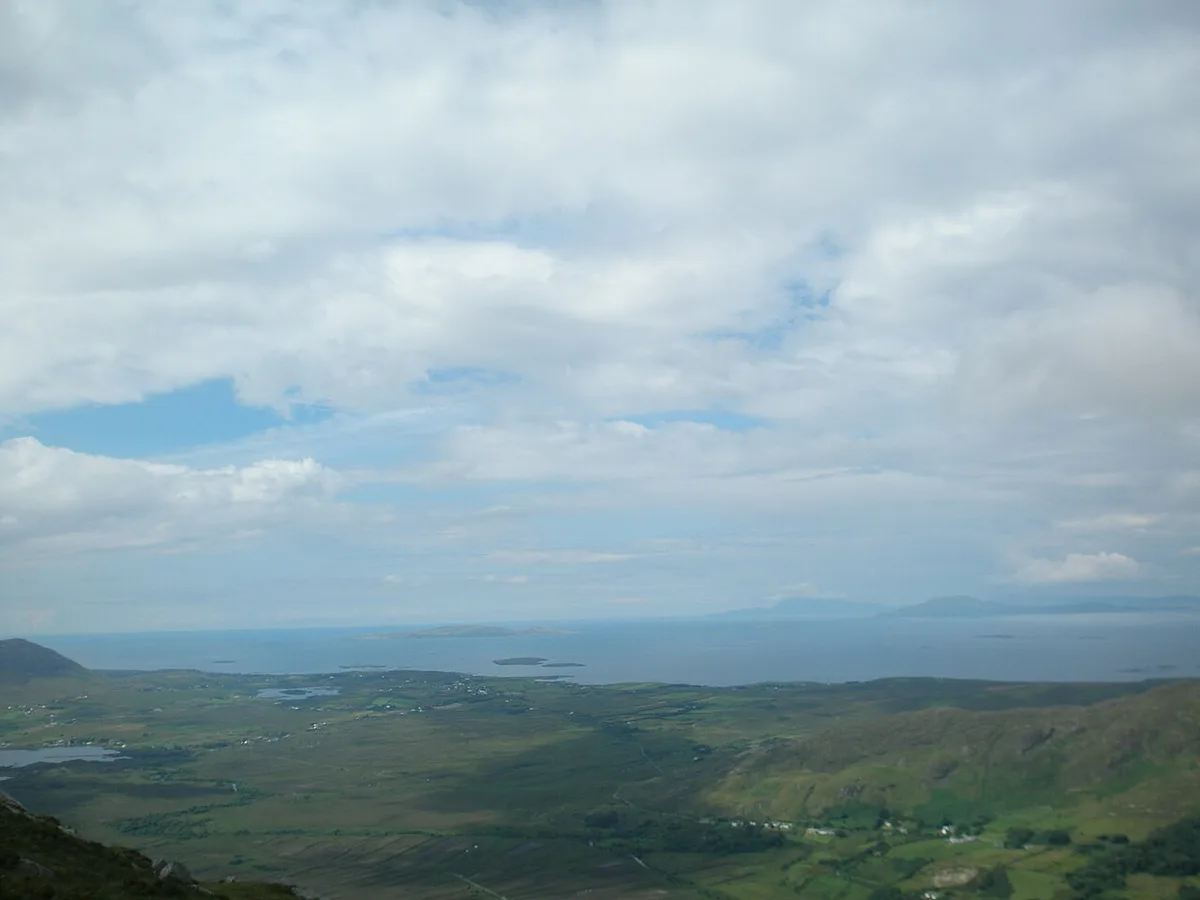
The Twelve Bens are the jagged quartzite range that dominates the skyline from Diamond Hill's upper slopes. Irish speakers call them Na Beanna Beola, and Benbaun reaches 729 m. You do not need to climb them, because Diamond Hill gives the scale without a backcountry route.
Our Twelve Bens guide covers the range in more depth. Moving cloud shadows reward a longer pause at the summit cairn in late afternoon. Leave the upper slopes for another day if cloud sits on the ridge, because the range disappears.
3. Visitor centre and exhibits
The NPWS visitor centre in Letterfrack is the access point for the park's trails. Displays cover blanket bog ecology, wildlife and farming history, and trail maps are available. Opening season, hours and any exhibition charge are listed on the NPWS park page.
What to expect inside is covered in our visitor centre guide. Go here first on a wet morning, since the exhibits give you a dry hour before you pick a walk. Not essential if daylight is short and you came only for the summit.
4. Ellis Wood, Sruffaunboy and the Bog Walk
The park's shorter walks start near the visitor centre and suit small children and slow walkers. Ellis Wood Nature Trail is listed at 0.5 km and Sruffaunboy Walk at 1.5 km. Bog Walk forms part of the 3 km Lower Diamond Hill Walk and shows sundews and bog cotton at close range.
Lengths differ between published sources, so read the trail board before you set off. These walks work well in drizzle, when the summit loses its point. Walkers wanting height and a panorama should head for the upper loop instead.
5. Blanket bog, flora and wildlife
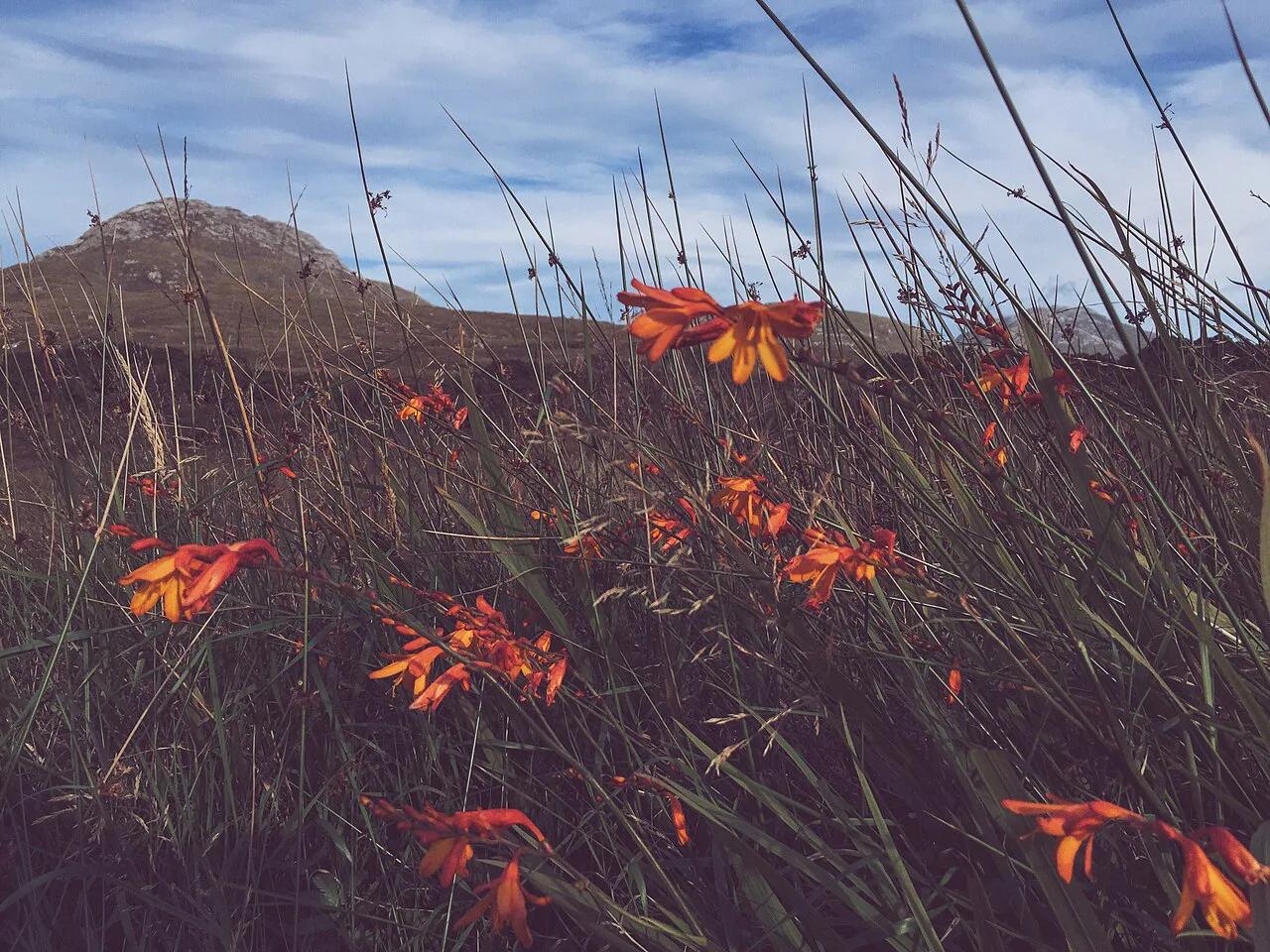
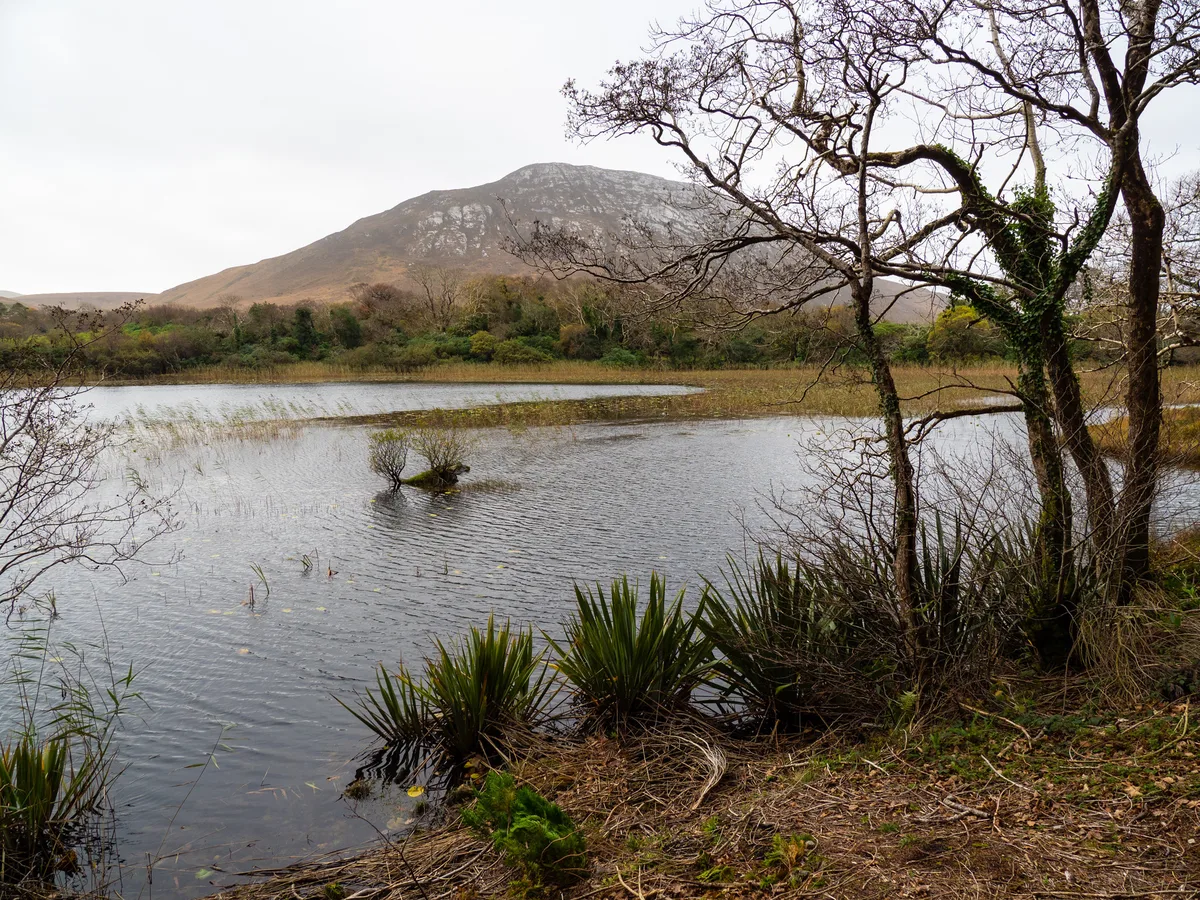
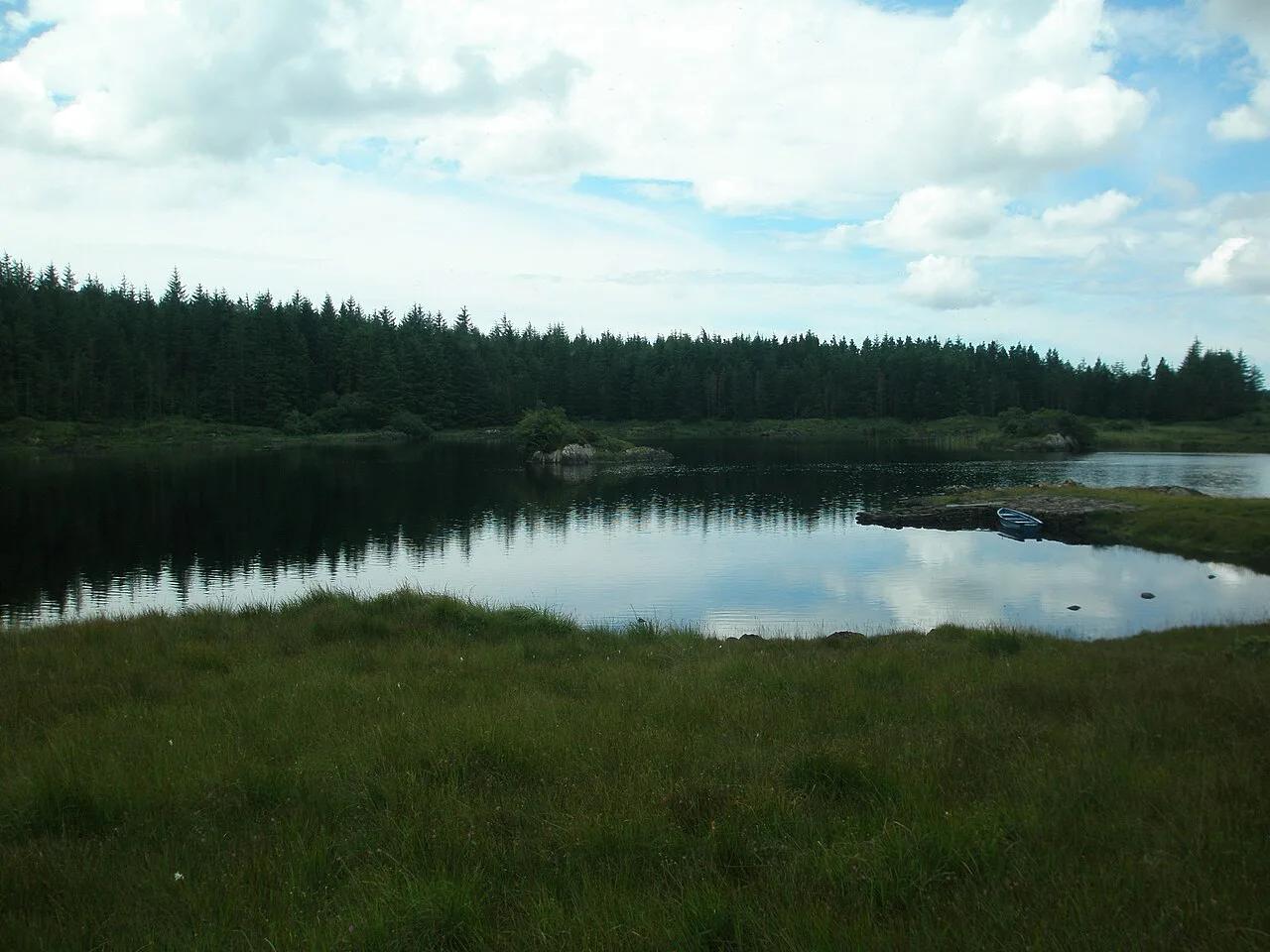
Much of the park's lower ground is blanket bog, a wet habitat where heather and bog cotton dominate. Insect-eating sundews and butterworts grow in the bog community. Meadow pipits and skylarks are common songbirds. Kestrels and peregrine falcons are sometimes seen.
Roseroot and mountain sorrel grow high up and are rare in Ireland. Regional tourism listings also record court tombs about 4,000 years old and a 19th-century graveyard within the park. No sighting is guaranteed, so treat wildlife as a bonus rather than the plan.
6. Connemara ponies
Connemara ponies are the region's native breed, and they graze parts of the surrounding countryside. They are domestic animals, so sightings depend on where owners keep them, not on a park schedule. Exhibits at the visitor centre cover the breed's role in local farming life.
Where to look is explained in our Connemara ponies guide. Breed history sits with the Connemara Pony Breeders' Society. Avoid stopping on narrow lanes to chase a photo, because parked cars block farm traffic.
7. Letterfrack village
Letterfrack is the small village beside the park, and it works as both start point and post-walk stop. A few cafés and shops let you buy lunch or fill a water bottle before heading out. Practical stops are listed in our Letterfrack village guide.
Mobile signal and services can be limited on the trails, so buy supplies here first. On a clear day, spend daylight on the hill rather than lingering in the village.
8. Kylemore Abbey (outside the park)
Kylemore Abbey is not inside Connemara National Park, so do not count it as park time. Listings place it about 5 km (roughly 3 miles) from Letterfrack along the N59. Its best-known features are said to include a lakeside Victorian Gothic building and a walled garden.
Admission, hours and shuttle details sit on Kylemore's own website, not the park's. Add it after a morning walk, or drop it if you only have a half day.
Which walk should you choose?
Match the walk to your weather and legs, not to the longest line on the map. Families and casual walkers usually start with the lower loop, which a regional listing puts at 3 km. The upper loop adds the summit and suits confident walkers in proper footwear. Its length varies by source: one regional listing says 3.7 km, while a commercial guide says about 7 km. Trail colours are explained in our Diamond Hill route notes.
| Walk | Listed length | Best for | Footwear |
|---|---|---|---|
| Ellis Wood Nature Trail | 0.5 km | Small children, short stops | Trainers |
| Sruffaunboy Walk | 1.5 km | Easy outing on a wet day | Waterproof shoes |
| Lower Diamond Hill Walk (with Bog Walk) | 3 km | Families, first visit | Walking shoes |
| Upper Diamond Hill Walk | 3.7 km, 2.5 to 3 hours | Confident walkers in fair weather | Waterproof boots |
How to plan your time
Drive time from Galway is about 1 hour each way on the N59, so add 2 hours to any day trip from the city. A half day on site runs 3 to 4 hours, and a full day runs 7 to 8 hours. One commercial guide reports that the visitor centre car park fills by 10:30 on fine summer mornings, so arrive early. If cloud closes in, swap the summit for the visitor centre, Ellis Wood and Kylemore Abbey.
Kylemore Abbey is about 5 km from Letterfrack, so treat it as a separate stop on top of the 2 hours of N59 driving for a Galway day.
| Plan | Time on site | Route |
|---|---|---|
| Half day | 3 to 4 hours | Lower loop and visitor centre exhibits |
| Full day | 7 to 8 hours | Lower loop, lunch in Letterfrack, upper loop, Twelve Bens views |
| Two days | 2 days | Day 1 Diamond Hill; day 2 Kylemore Abbey and ponies |
Costs, tickets and opening hours
Trail access and visitor centre parking are listed as free, and only the exhibition area is said to carry a small charge. NPWS sets current fees, so read the NPWS park page before you travel. What needs booking is tracked in our tickets guide. Tiers below are relative: € is cheapest and €€€ is dearest.
| Item | Cost | Source to check |
|---|---|---|
| Park trails | Reported free | NPWS |
| Visitor centre parking | Reported free | NPWS |
| Visitor centre exhibition | Small charge reported | NPWS |
| Kylemore Abbey admission | €€ | Kylemore Abbey website |
| Guided Diamond Hill hike from Galway | €€ to €€€ | Tour operator |
| Full-day park and Kylemore tour | €€€ | Tour operator |
| Self-drive fuel, about 160 km round trip from Galway | € to €€ | Your own vehicle |
Getting to Connemara National Park from Galway
Connemara National Park is about a 1-hour drive from Galway via the N59. Our Galway to Connemara route guide covers stops along the way. A bus route 419 is reported to serve Letterfrack in season, so check Transport for Ireland for current times. Organised day tours leave Galway for people without a car.
| Option | Time from Galway | Cost tier | Flexibility |
|---|---|---|---|
| Drive | About 1 hour each way | € to €€ | High; stop where you like |
| Bus 419 (seasonal) | Check timetable | € | Low; fixed times |
| Day tour | 3 to 10 hours depending on tour | €€ to €€€ | Medium; set stops |
Guided tours versus going alone
Listed guided options include a Diamond Hill hike from Galway at 3 to 4 hours and a full-day park and Kylemore tour at 8 to 10 hours. Tours suit anyone arriving without a car, or who prefers not to navigate rural roads. Going alone suits walkers who want to set their own pace and weather call. Current departures are on our guided tour options page. Avoid the full-day tour if long minibus legs wear you out.
Where to stay and eat nearby
Letterfrack, Kylemore and Clifden make practical bases. Letterfrack puts you beside the visitor centre, which helps for an early start. Compare rooms in our places to stay near the park. Cafés and shops in Letterfrack cover lunch, but carry snacks for the trail.
Best time to visit and what to wear
May to September is reported to give the longest daylight and the driest bog. Winter visits are possible, but short days and mist cut the summit reward. Midges can bother walkers on still summer days. Wear waterproof boots, because the boardwalks cross wet bog. Add a waterproof jacket and layers year-round, plus a windproof layer for the 445 m summit. Weather on the Atlantic coast is reported to turn to sea mist within about 30 minutes, so look at the forecast before you climb.
Connemara’s mix of blanket bog, heath and quartzite peaks has more in common with the western Highlands of Scotland than with most of Ireland’s farmland. If that landscape appeals, our guide to national parks in Scotland covers the Scottish options.
Park map and trailheads
Every walk starts at the visitor centre near Letterfrack, so orient yourself there. Pick up the trail map and check the junction markers between loops before you leave. A route overview is on our park map page.
Common mistakes to avoid
Most problems come from timing, weather and expectations.
| Mistake | Better move |
|---|---|
| Expecting Kylemore Abbey to be inside the park | Treat it as a separate stop, about 5 km away |
| Underestimating the summit wind | Carry a windproof layer and turn back in low cloud |
| Leaving no time for the drive | Add about 2 hours of N59 driving to a Galway day |
| Arriving late on a summer morning | Reach the car park before 10:30 |
Frequently Asked Questions
Is Connemara National Park worth visiting?
Yes, if you want a bog-and-mountain walk with clear signage. Diamond Hill gives views of the Twelve Bens, and the visitor centre adds context. Skip it if you want a ticketed headline attraction.
Are the Cliffs of Moher in Connemara?
No. The Cliffs of Moher are in County Clare, not in Connemara or County Galway. Connemara National Park is a separate stop, centred on Letterfrack.
Explore More Guides
Keep planning your trip with these guides.
Guides
- Connemara Ponies: Where to See Them and What to Know
- Letterfrack, Connemara
- Diamond Hill Connemara: Trails, Time & Tips
- Galway to Connemara: Routes, Times & Day Trip Tips
- Twelve Bens, Connemara
- Connemara National Park Tours: Which Option to Book (or Skip)
- Connemara National Park Visitor Centre: Opening Days, Getting There & What to Do
- Connemara National Park Accommodation: Where to Stay
- Connemara National Park Map: Trails, Boundary & Terrain
- Connemara National Park Tickets: Entry, Tours and Costs
Notes for your next park visit
Optional updates to our national park guides.
Read next
Keep planning
Picked from the same area