
6 Best National Parks in Ireland, Ranked by Trip Type
Compare Ireland's 6 national parks by access, hiking, wildlife and crowds. Find the best park for your trip, with timing and cost tips.
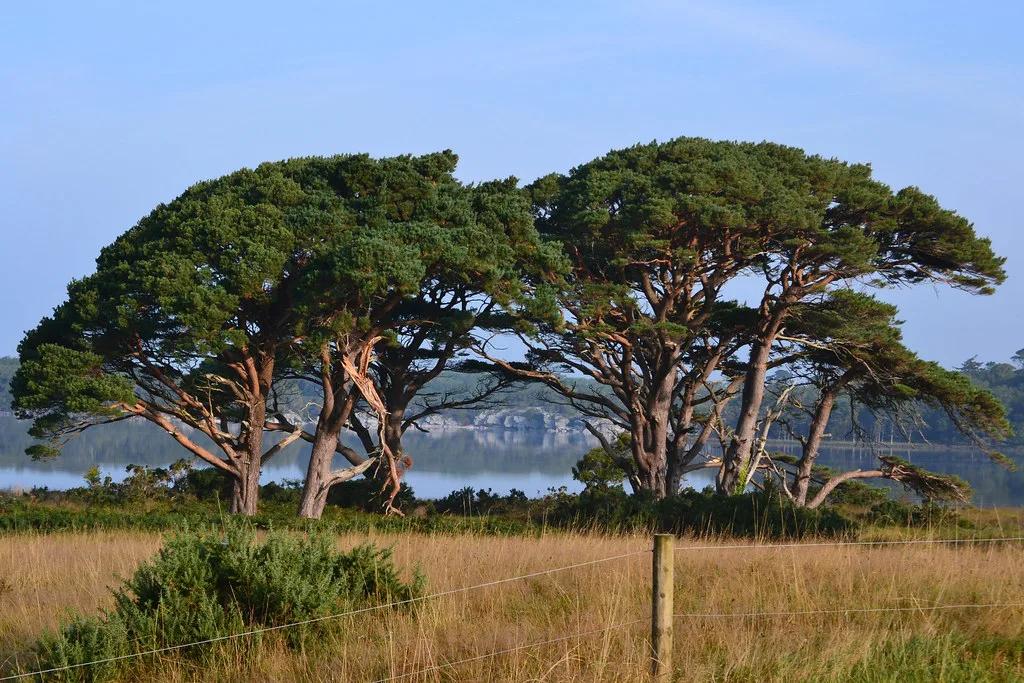
Last updated November 2026: the best national parks in Ireland depend on whether you have a car, how many days you have and how much solitude you want. Killarney suits first-timers, Wicklow Mountains works as a day trip from Dublin, and Wild Nephin offers the quietest dark skies. Our full guide to all of Ireland's national parks covers the basics, and this page ranks them for specific trips.
Featured image: larrywkoester, CC BY 2.0, via Flickr.
Ireland's national parks compared at a glance
Rows follow our editorial ranking, not alphabetical order. Time needed is a planning estimate for a satisfying visit, and crowd levels are relative to each other. Wicklow Mountains is about an hour's drive from Dublin, while Killarney is roughly 3.5 hours away by car.
| Park | County | Best for | Time needed | Car needed? | Crowds | Access note |
|---|---|---|---|---|---|---|
| Killarney | Kerry | First-timers, lakes | 1-2 days | Helpful | Busiest | Free to enter; paid house and garden visits |
| Wicklow Mountains | Wicklow | Dublin day trip, hiking | Full day | Easiest by car | Busy at Glendalough | Information office closes by 5:30 PM |
| Glenveagh | Donegal | Castle, gardens, red deer | Full day | Yes | Moderate | Visitor centre opens 9:15 AM |
| Connemara | Galway | Diamond Hill, Twelve Bens | Half to full day | Yes | Moderate | Visitor centre at Letterfrack |
| Burren | Clare | Limestone flora and geology | Half day | Yes | Light | No entrance gate, no visitor centre |
| Wild Nephin (Ballycroy) | Mayo | Dark skies, solitude | 1-2 days | Yes | Quietest | Visitor centre is seasonal |
6 best national parks in Ireland, ranked
Each entry gives the reason it ranks here, one thing to do, the practical friction and who should skip it. Prices and hours checked November 2026. Entry to the parks is generally free, so costs come mainly from parking, tours and accommodation.
1. Killarney National Park, County Kerry
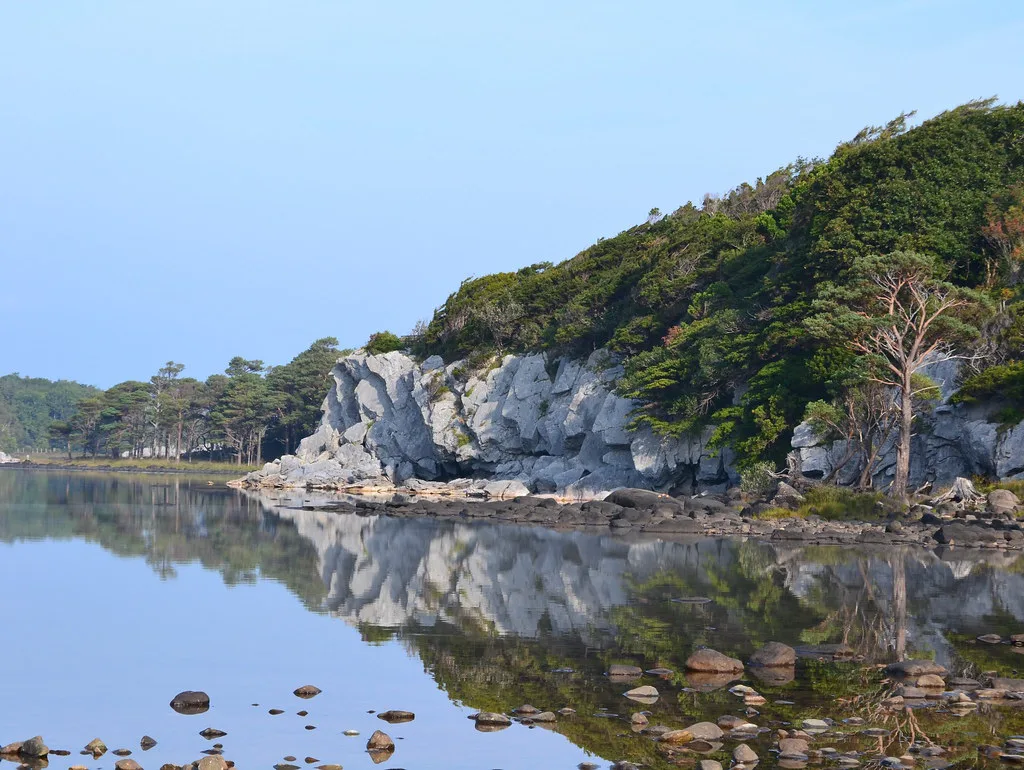
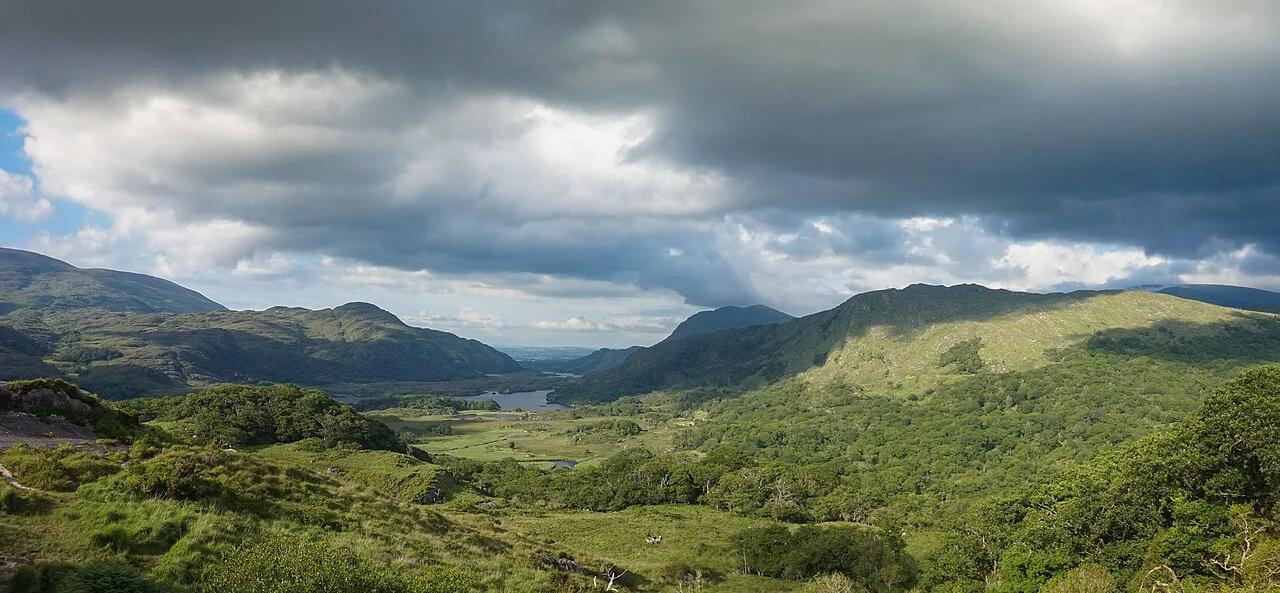
Killarney was established in 1932 as Ireland's first national park, and it covers 10,236 ha of lakes, oak woods and mountains. It ranks first because Muckross House, Torc Waterfall, Ross Castle and Ladies View all sit in one park. Start with the Meeting of the Waters and Ladies View, which deliver the classic lake scenery without a long hike.
Friction: this is the busiest park on our list, and tour buses crowd the best viewpoints in summer. Late spring and early autumn are calmer, and Dublin is roughly 3.5 hours away by car. Skip it if you want silence or empty trails. Our national parks overview has alternatives.
2. Wicklow Mountains National Park, County Wicklow
Wicklow Mountains ranks second because it is the easiest park to reach from Dublin, about an hour's drive away. Glendalough is the anchor, with its monastic site, round tower and glacial valley. Heritage Ireland publishes visitor details for Glendalough. Do the Spinc trail above the lakes for the best views. The Military Road toward Sally Gap and Lough Tay is the scenic drive.
Friction: the information office opens 10 AM to 5:30 PM from March to October and 9:30 AM to 4:30 PM from November to February. Glendalough fills up on fine weekends. Skip it if you want solitude. Our guide to Wicklow Mountains National Park: Glendalough & Hikes covers quieter corners.
3. Glenveagh National Park, County Donegal
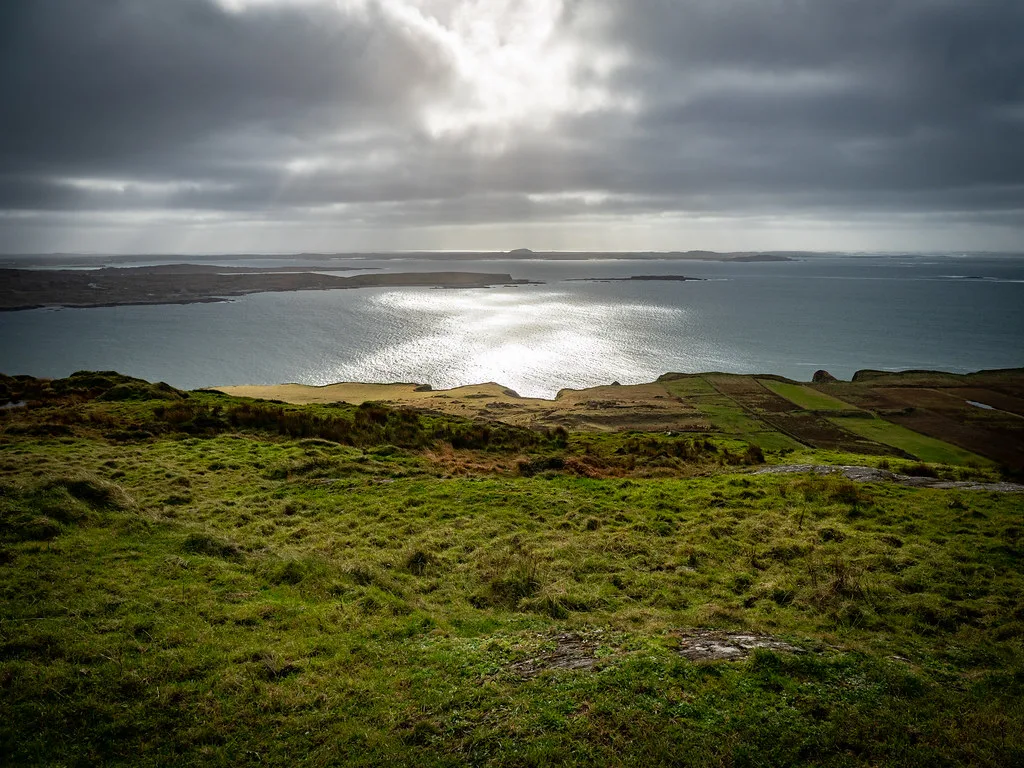
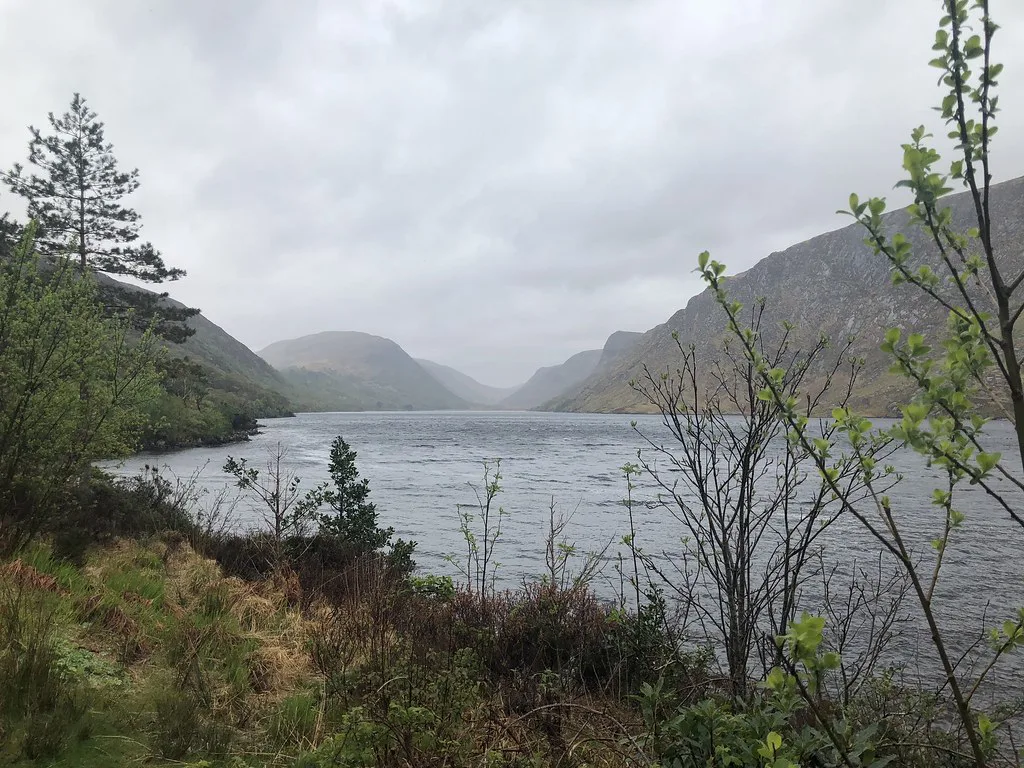
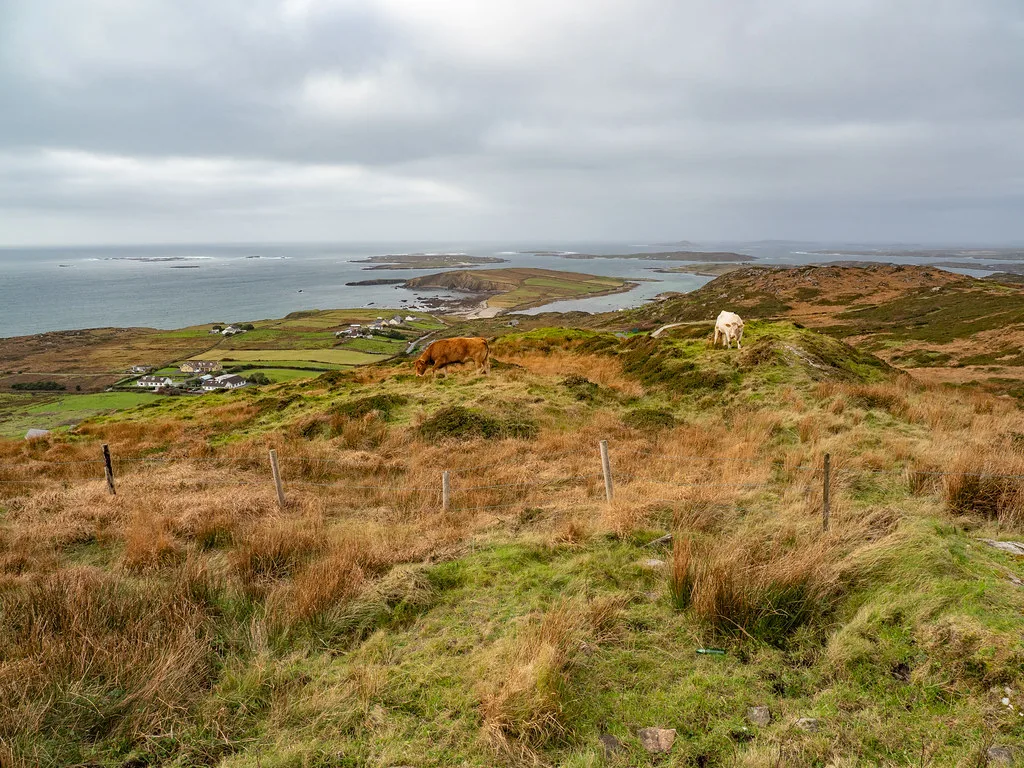
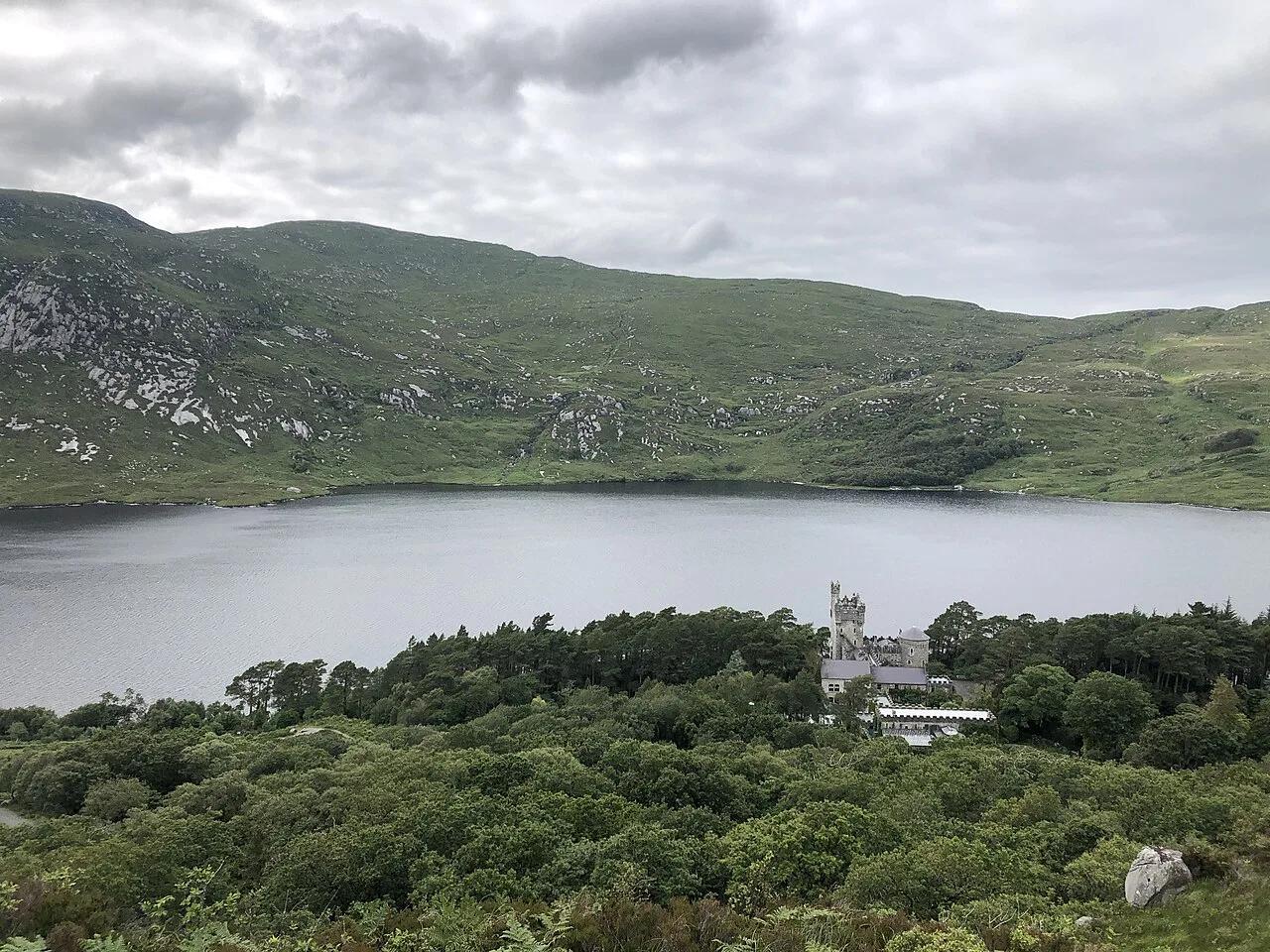
Glenveagh covers 16,000 ha of the Derryveagh Mountains and ranks third for its mix of castle, gardens and wildlife. Red deer roam the hills, and golden eagles were reintroduced in 2000. Glenveagh Castle sits beside Lough Veagh and is surrounded by gardens. Walk toward the Poisoned Glen for the wilder side of the park. The official Glenveagh site lists castle tour details.
Friction: the visitor centre opens at 9:15 AM and closes at 5:30 PM. Donegal is remote, so do not pair it with Killarney in one day. Skip it if you rely on public transport. Our Glenveagh National Park guide covers the routes.
4. Connemara National Park, County Galway
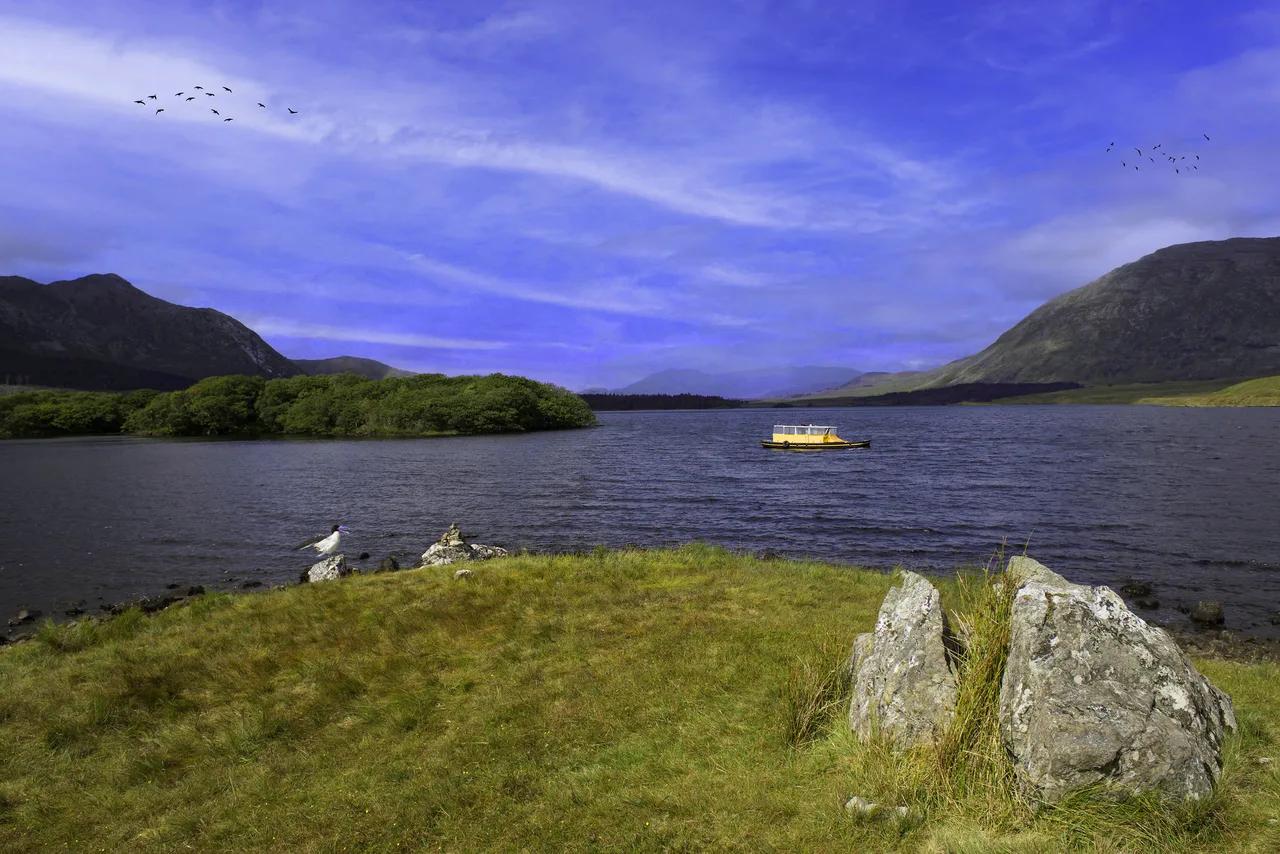
Connemara covers 2,000 ha of mountain, bog and valley, and it ranks fourth because hiking here is short and rewarding. Climb Diamond Hill, a cone-shaped peak with a 445 m (about 1,460 ft) summit. Two trails lead up, and the upper one gives wide views of the Twelve Bens. The visitor centre at Letterfrack is open 9 AM to 5:30 PM. Kylemore Abbey is nearby but not part of the park.
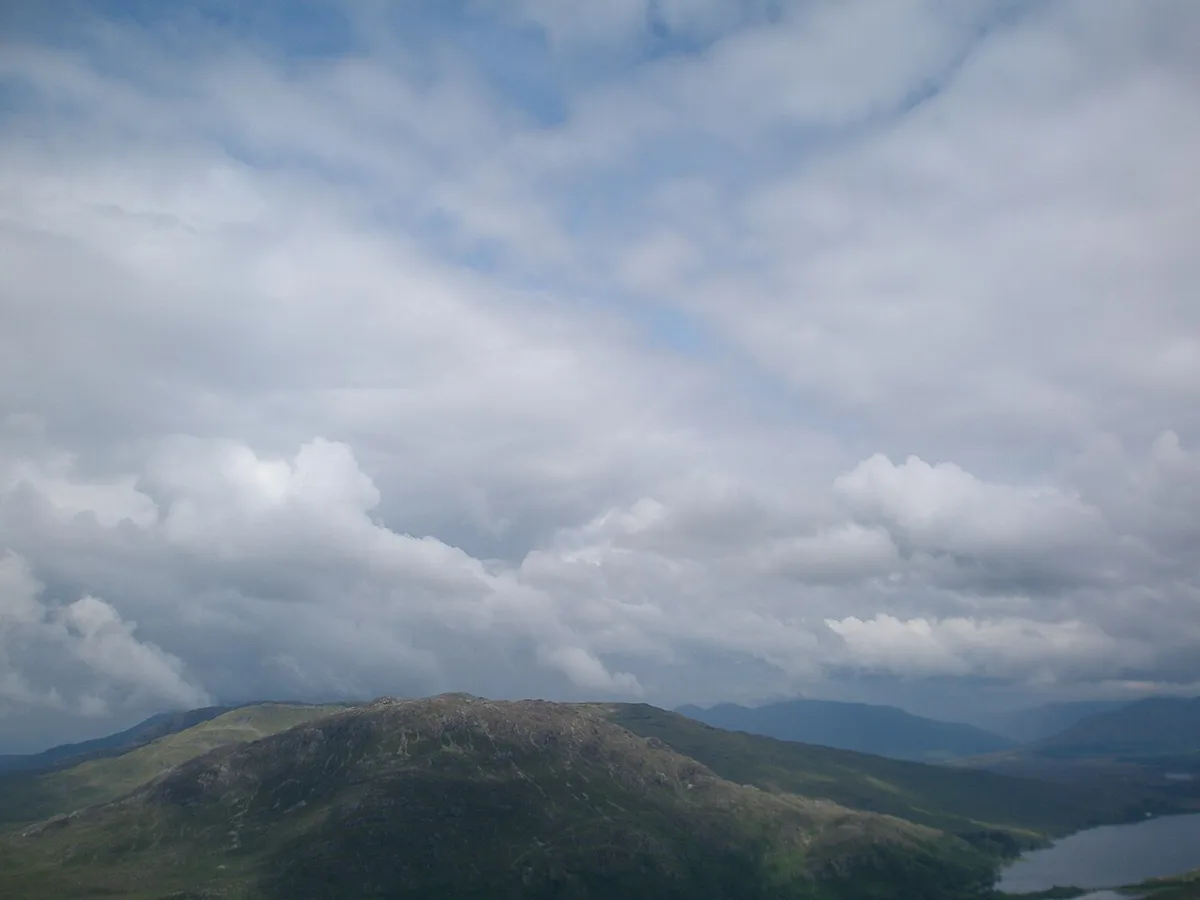
Friction: Atlantic weather can close views fast, so save the summit for a clear day. See the full park comparison for wet-weather alternatives. Skip it if you want a long multi-day trek.
5. The Burren, County Clare
The Burren opened as a national park in 1991 and is the one park here with no entrance gate and no camping. It ranks fifth because the draw is subtle: limestone pavement, rare flowers and Mullaghmore hill. The Burren and Cliffs of Moher Geopark explains the geology. Walk toward Mullaghmore for the clearest sense of the karst landscape. Poulnabrone dolmen and Corcomroe Abbey are nearby geopark stops.
Friction: there is no visitor centre, only the Corofin information point. It opens 10 AM to 5 PM from October to April and 9:30 AM to 5 PM from May to September. Skip it if you want big mountains. Cliffs of Moher are outside the park. Read our Burren guide first.
6. Wild Nephin National Park (Ballycroy), County Mayo
Wild Nephin covers 15,000 ha of blanket bog and the Nephin Beg range, and it ranks sixth only because of its remoteness. Wild Nephin and Ballycroy are one park with two names. Our Wild Nephin guide covers the forest side, and our Ballycroy guide covers the visitor centre. Walk the three looped trails in Letterkeen Woods. The 24-mile Bangor Trail is the serious option, and Coillte manages the forest side.
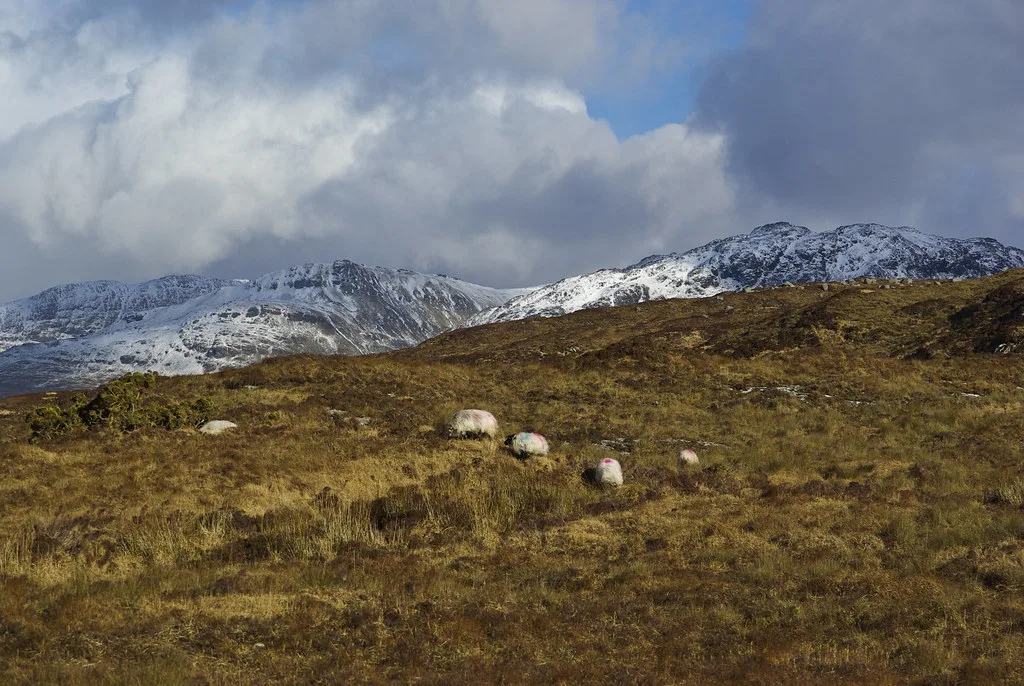
Friction: the Ballycroy visitor centre opens 10 AM to 5:30 PM from mid-March to early November. This is an International Dark Sky place. Skip it if you need cafes, crowds or short drives between sights.
How to choose a national park in Ireland
Match the park to your main constraint, then use the table above to check time and access.
- No car and one day: Wicklow Mountains is the realistic option from Dublin. Check current Transport for Ireland services before you go.
- Wet weather: Killarney House and Gardens and Glenveagh Castle give you indoor options.
- Kids or dogs: choose the Killarney lakeshore paths, and keep dogs on leads around deer and sheep.
- Serious hiking: Wicklow's Spinc trail, Diamond Hill in Connemara or the Bangor Trail at Wild Nephin.
- Stargazing: Wild Nephin (Ballycroy) is the Dark Sky pick.
- Photography: Lough Tay in Wicklow, Ladies View in Killarney and the Twelve Bens in Connemara.
When to go and what it costs
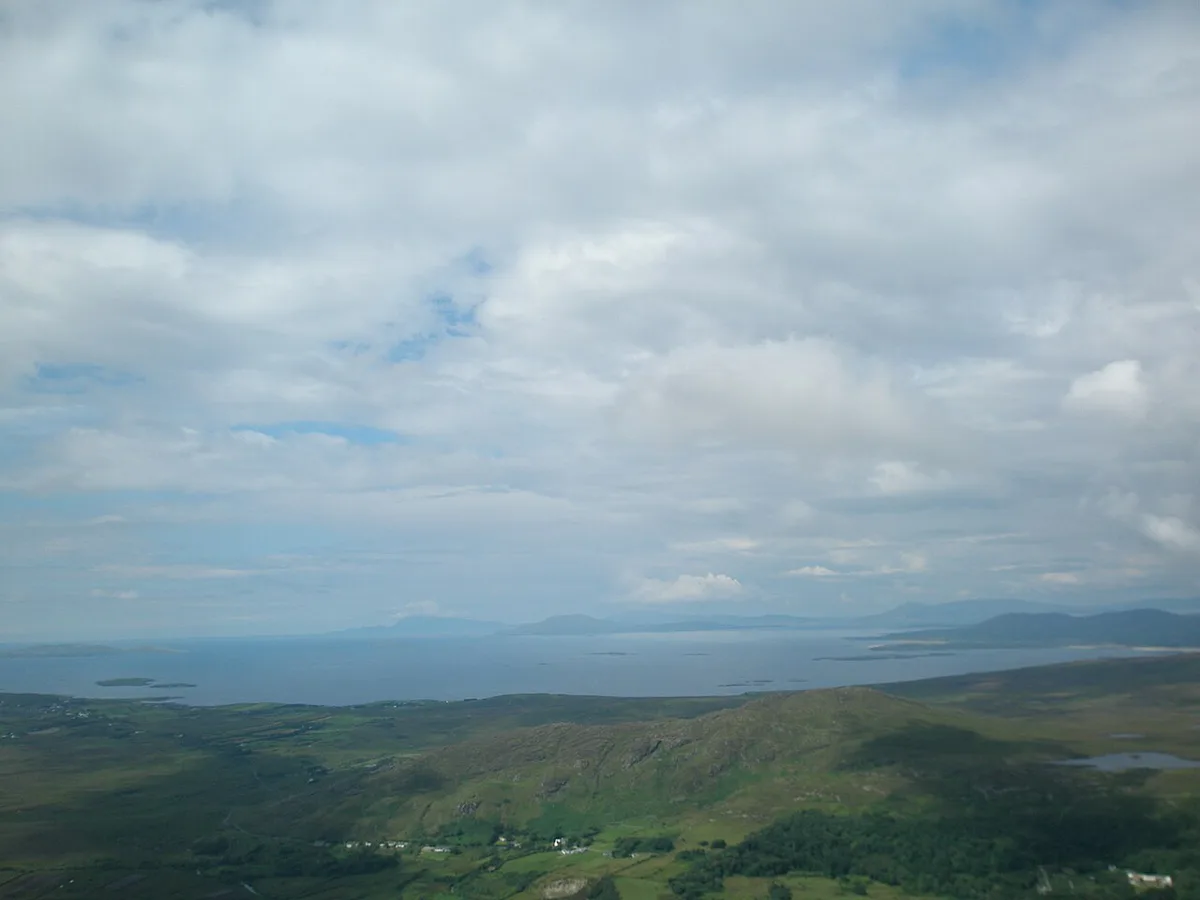
Late spring and early autumn avoid the heaviest crowds at Killarney and Glendalough. Ballycroy's visitor centre only runs from mid-March to early November, so plan winter stargazing around that. Park entry is mostly free, so budget for parking, castle or house tours, boat trips, guided walks and accommodation. Operators change fares each season, so check the National Parks and Wildlife Service and each operator's site for current prices.
Combine parks: sample routes
Distances in the west and north-west are longer than they look. Check drive times in a maps app before you commit, and do not promise yourself more than two parks per trip.
Killarney is a separate trip from the capital. Dublin is roughly 3.5 hours away by car, so plan it as an overnight rather than a day trip from there.
- Burren with Connemara: a Clare-to-Galway route that pairs limestone flora with mountain hiking.
- Killarney with the Burren: a west-coast route that links lakes with karst.
- Glenveagh with Wild Nephin: a north-west route for deer, castle and dark skies.
- Dublin base: Wicklow Mountains as a single day trip.
Mistakes to avoid
These errors cost the most time on a national parks trip.
- Choosing the Burren or Connemara summit on a day of low cloud.
- Visiting Glenveagh Castle in peak season without checking tour rules first.
- Trying Killarney and Donegal in one day.
- Wild camping without checking NPWS rules for that specific park.
- Letting dogs off leads near deer or sheep.
- Treating Cliffs of Moher or Powerscourt as national park sights. Neither is inside a park.
Frequently Asked Questions
Why is Killarney National Park famous?
Killarney was established in 1932 as Ireland's first national park. It combines lakes such as Leane and Muckross with Torc Waterfall, Ross Castle and Muckross House. It is also a UNESCO Biosphere Reserve.
Notes for your next park visit
Optional updates to our national park guides.
Read next
Keep planning
Picked from the same area