
Glenveagh National Park Guide: Walks, Castle & Tips
Plan Glenveagh National Park in Donegal: castle, walks, getting there without a car, seasons and costs to check, plus who should skip it.
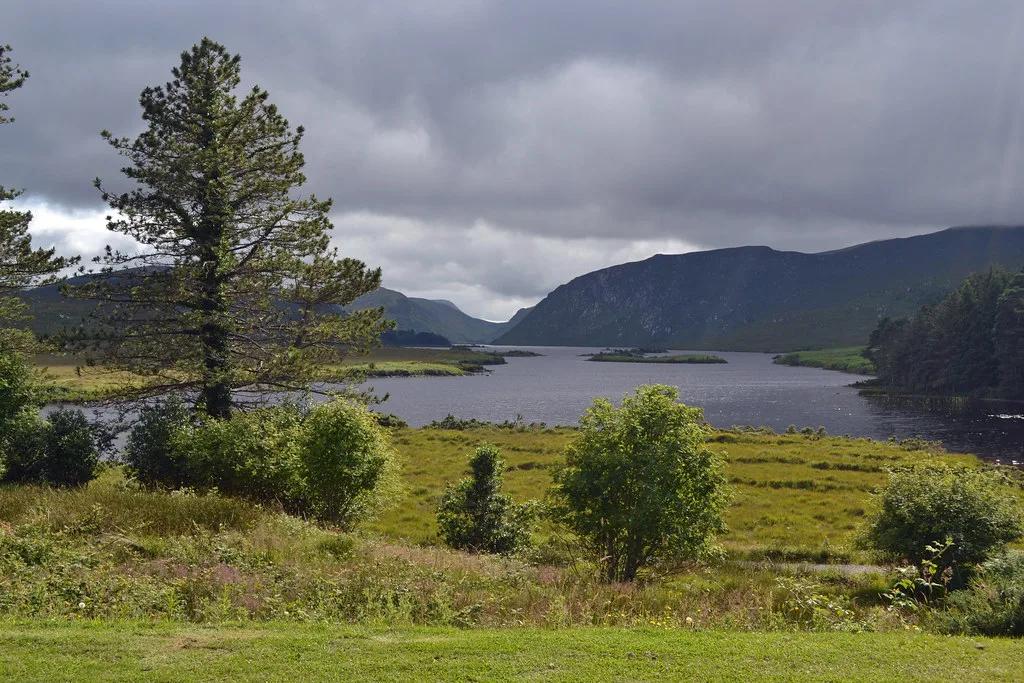
Last updated November 2026. Glenveagh National Park is a protected landscape of lakes, glens, woodland and mountains in County Donegal, and it works as a day trip from Donegal base towns. Plan a half day to see the castle and gardens, or a full day if you want to walk beyond the lakeshore. This guide covers time, access, costs and seasons, and it sits within our national parks of Ireland overview.
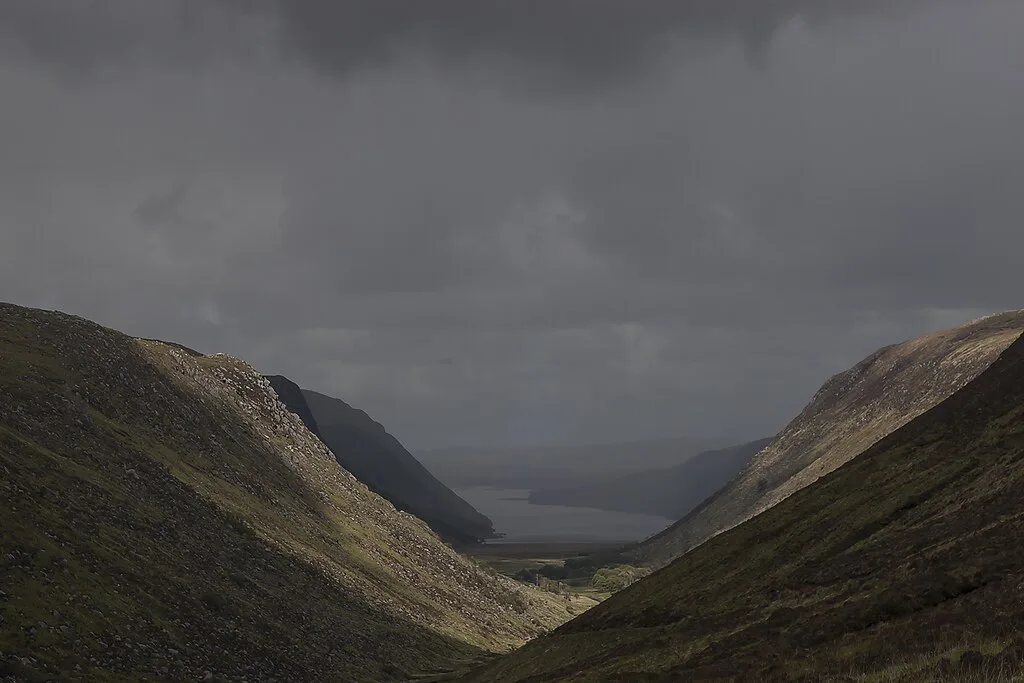
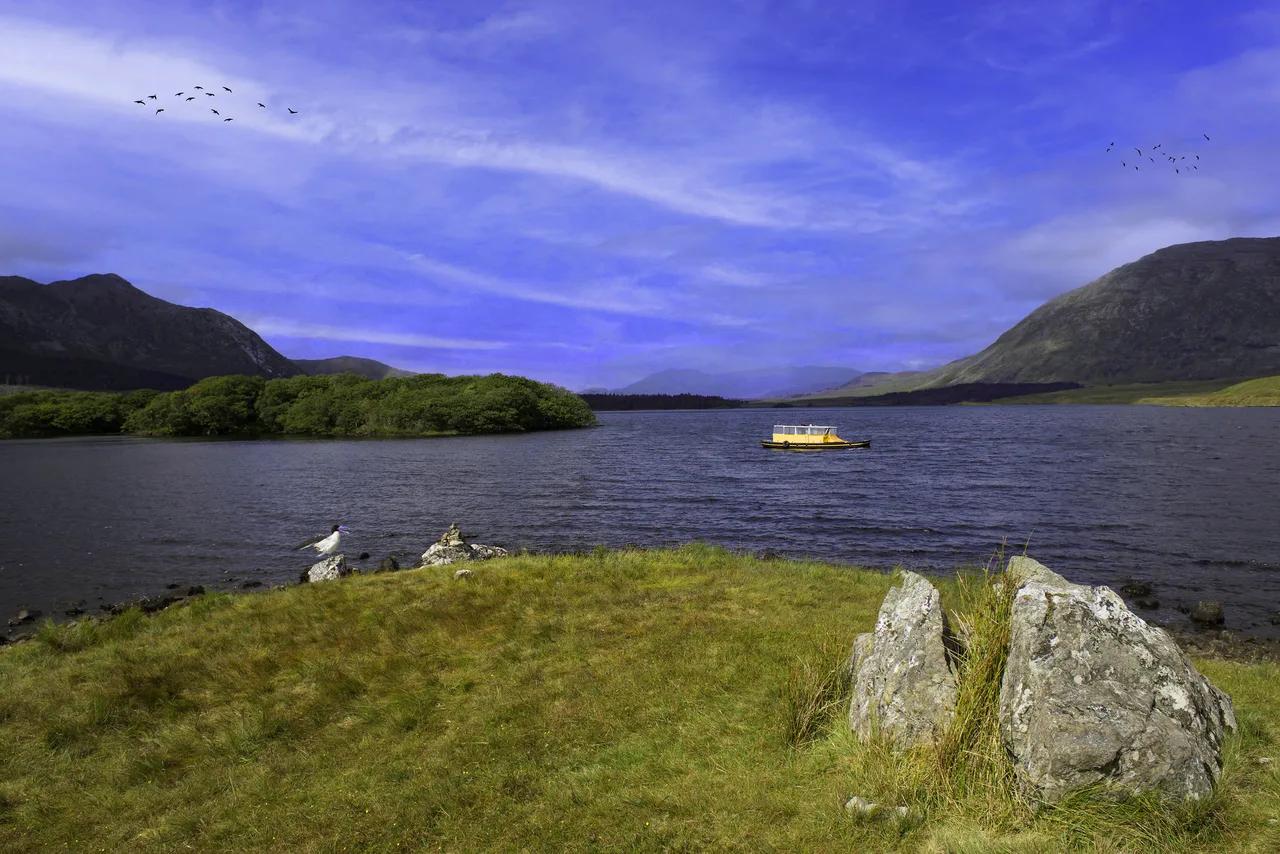
Featured image: conall.., CC BY 2.0, via Flickr.
Glenveagh National Park at a glance
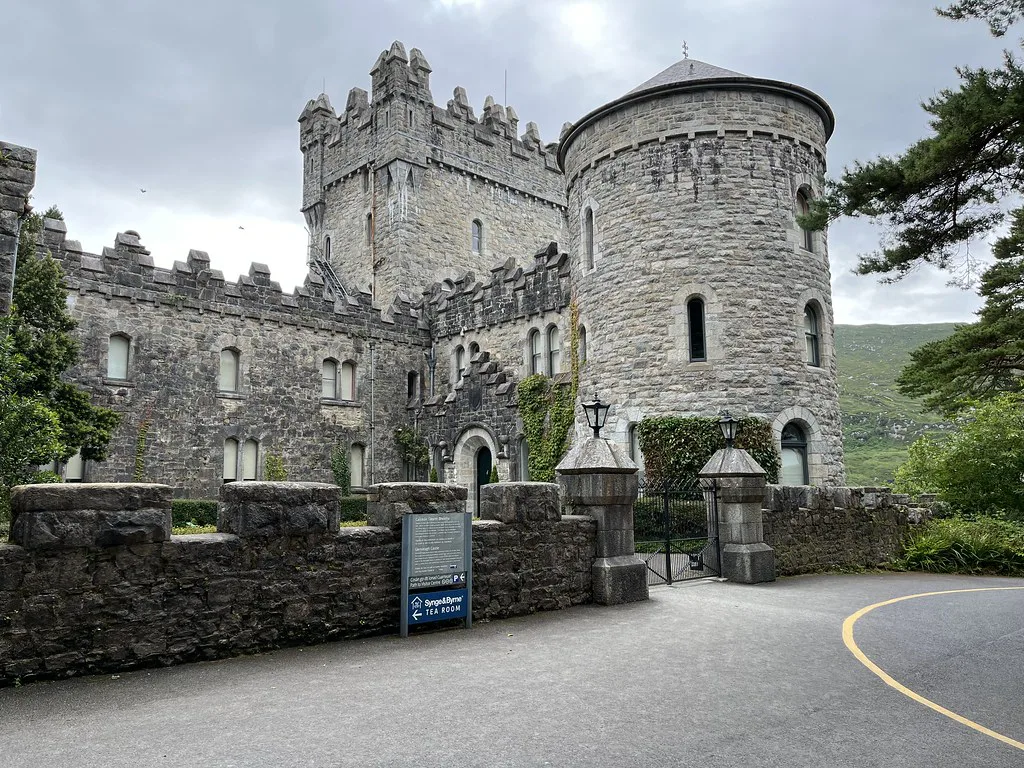
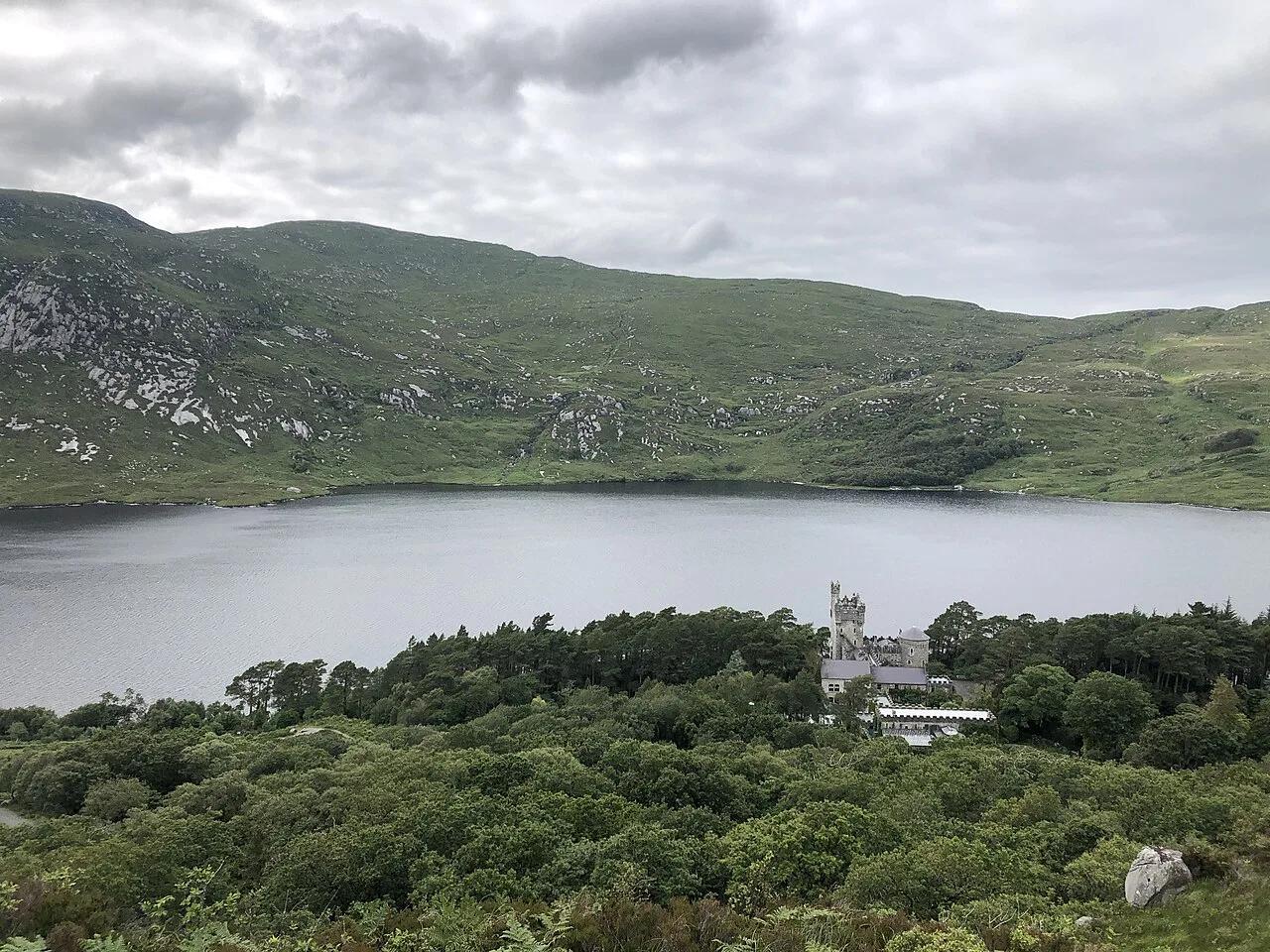
Glenveagh lies in north-west County Donegal, with its visitor centre near Churchill. The park is a designated special area of conservation, protected under EU and Irish law for its habitats and wildlife. Golden eagles are associated with the park, and it is reported to hold the largest red deer herd in Ireland. At its centre stands Glenveagh Castle, built in the 19th century as a hunting lodge, with Victorian-style gardens around it. Guided castle tours can be booked on arrival. Visitors can explore on foot or by bike, and fishing is also possible. For the current park area and conservation details, see the National Parks and Wildlife Service.
- Base: the visitor centre near Churchill
- Main sight: Glenveagh Castle and its gardens
- Best for: walkers, cyclists and wildlife watchers with their own transport
- Time needed: half a day at minimum, a full day for longer walks
How long to spend: short visit, half day or full day
Match your time to your energy rather than to a checklist. The table below shows realistic shapes for each length of stay. Exact trail names, lengths and walking times are listed on the official Glenveagh park site, so pick routes there rather than relying on rough estimates.
| Visit length | Route | Effort | Best for |
|---|---|---|---|
| Short visit | Visitor centre, then the castle and gardens by shuttle | Low | Travelers passing through Donegal |
| Half day | Castle tour and gardens, then a lakeside walk | Low to moderate | Most first-time visitors |
| Full day | Castle, gardens and a longer official trail into the glen or hills | Moderate to high | Walkers and cyclists |
Best things to do in Glenveagh
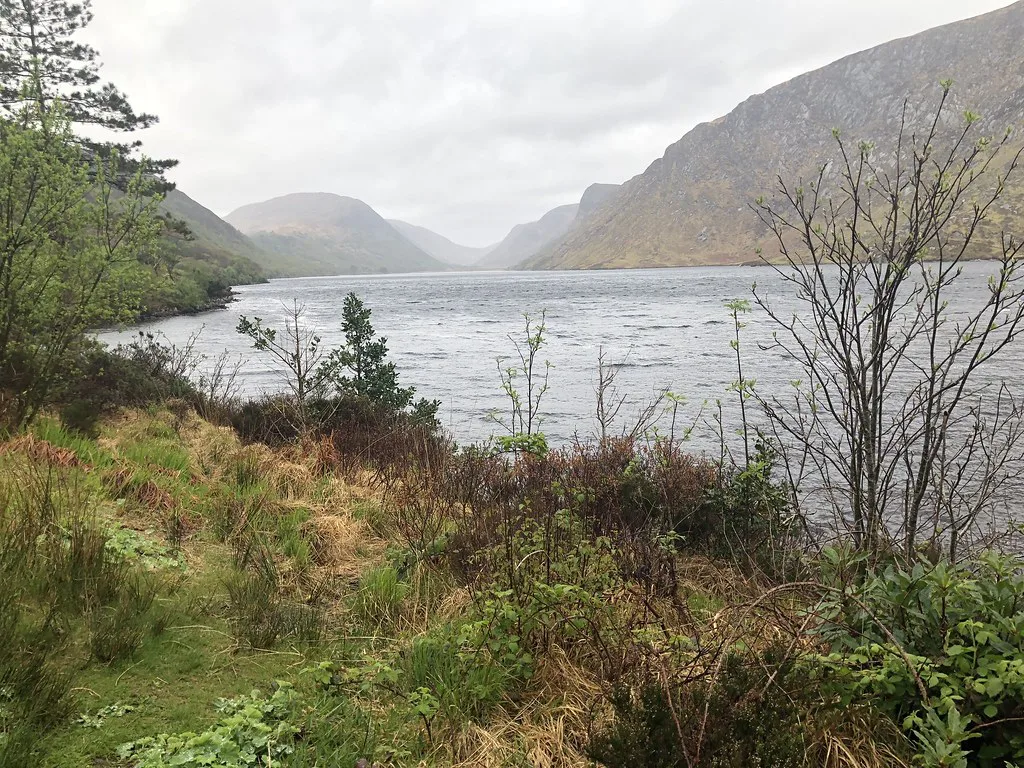
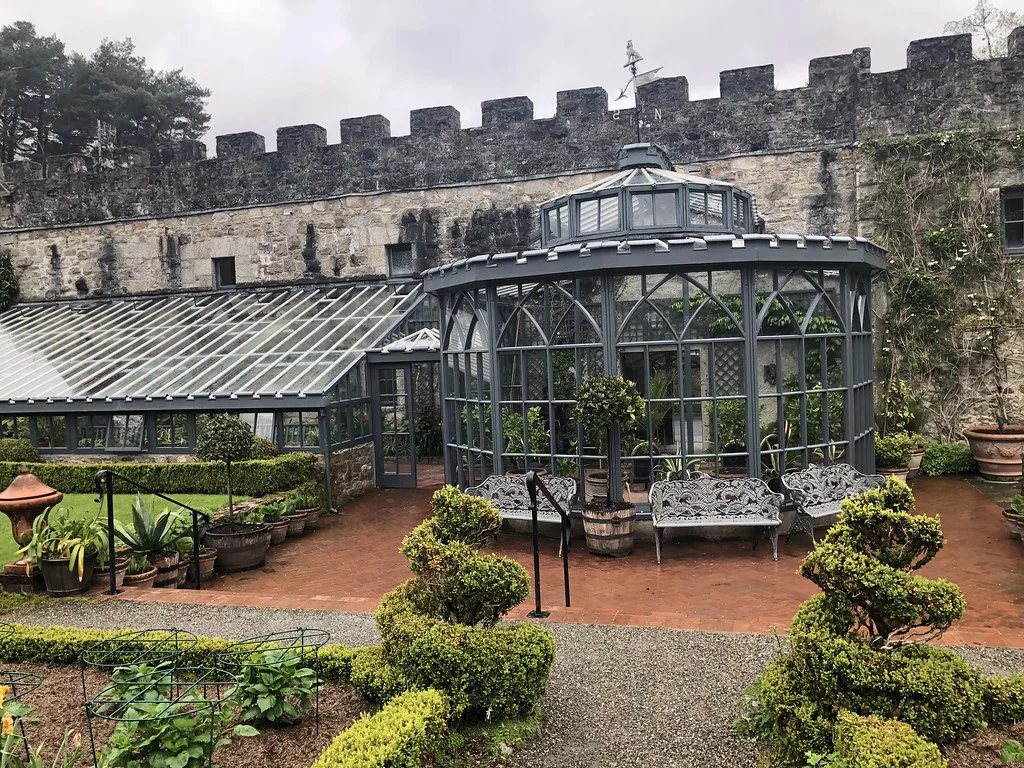
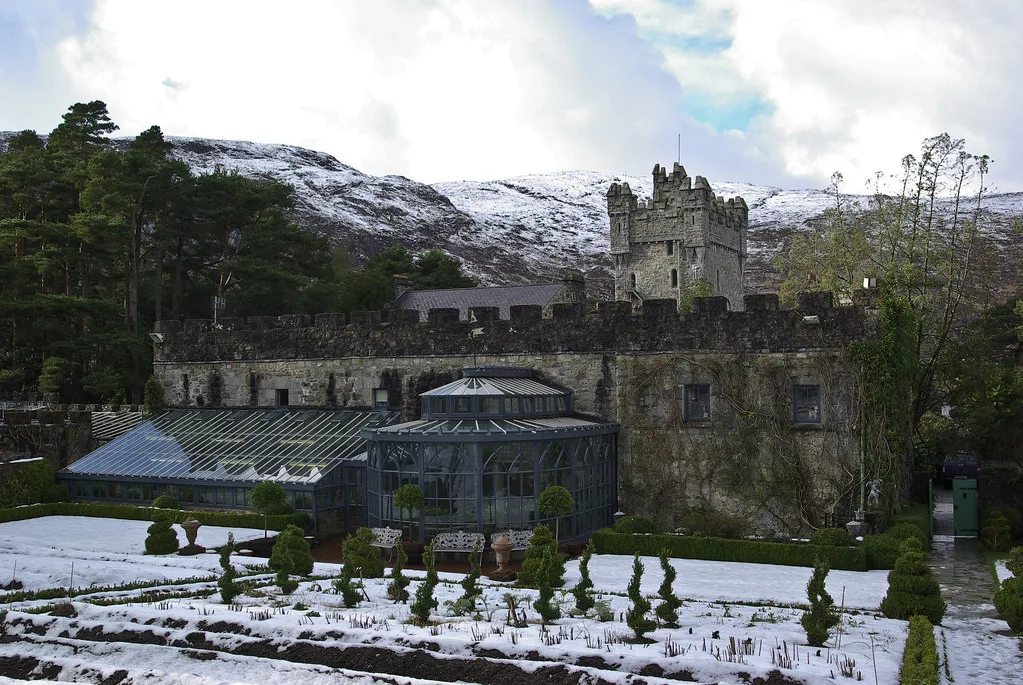
Start with the castle. Guided tours go through the 19th-century hunting lodge, and the gardens around it are laid out in a Victorian highland style. After that, walk the glen and the lakeshore, where the scenery is the main draw. Cycling is a popular way to reach the castle, and bike hire is available at the park. Look for red deer on open ground and keep your distance. Golden eagles are rarely seen, so treat a sighting as a bonus rather than a plan.
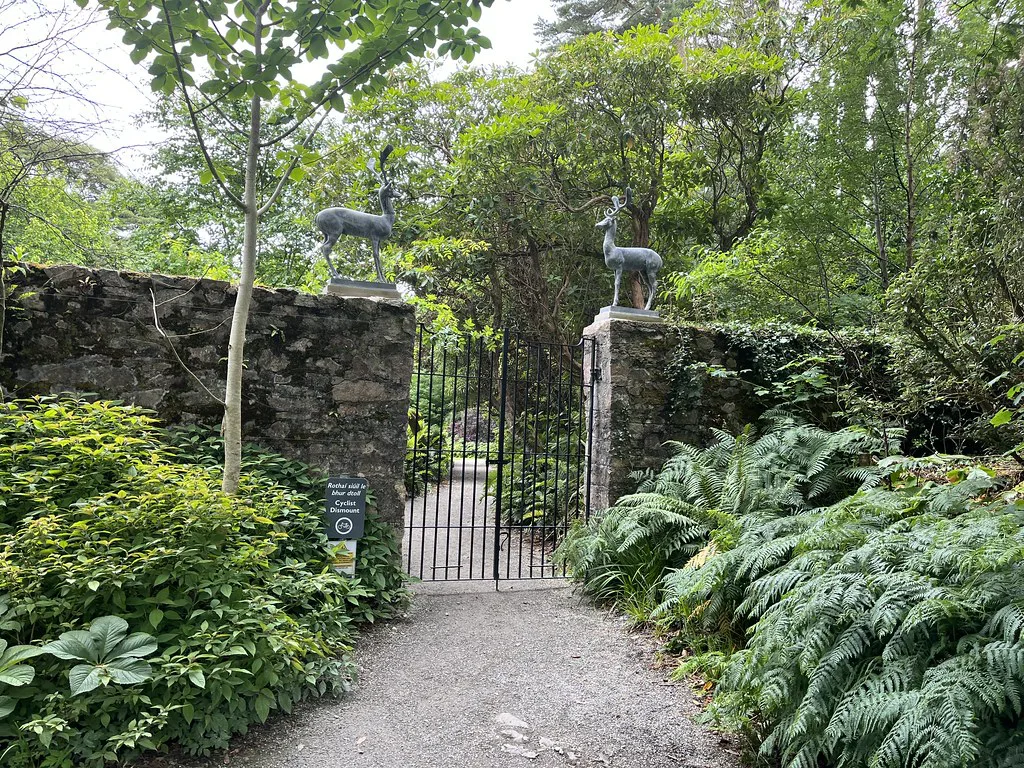
- Castle guided tour and gardens
- Lakeside and glen walking on marked trails
- A mountain walk only on routes the park lists as official
- Cycling the path to the castle
- Wildlife watching from a distance, with red deer the most likely sighting
Glenveagh Castle history and the Derryveagh evictions
The castle is worth more than a photo stop once you know who built it and why the glen looks so empty. Visitors who skip the background often miss what makes the landscape feel the way it does.
- The evictions (1861): The landowner John George Adair cleared dozens of tenant families from the Derryveagh area to make room for sheep. The evictions are among the best-known episodes of the Famine-era land struggle in Ulster, and they explain the lack of farms and villages in the glen today.
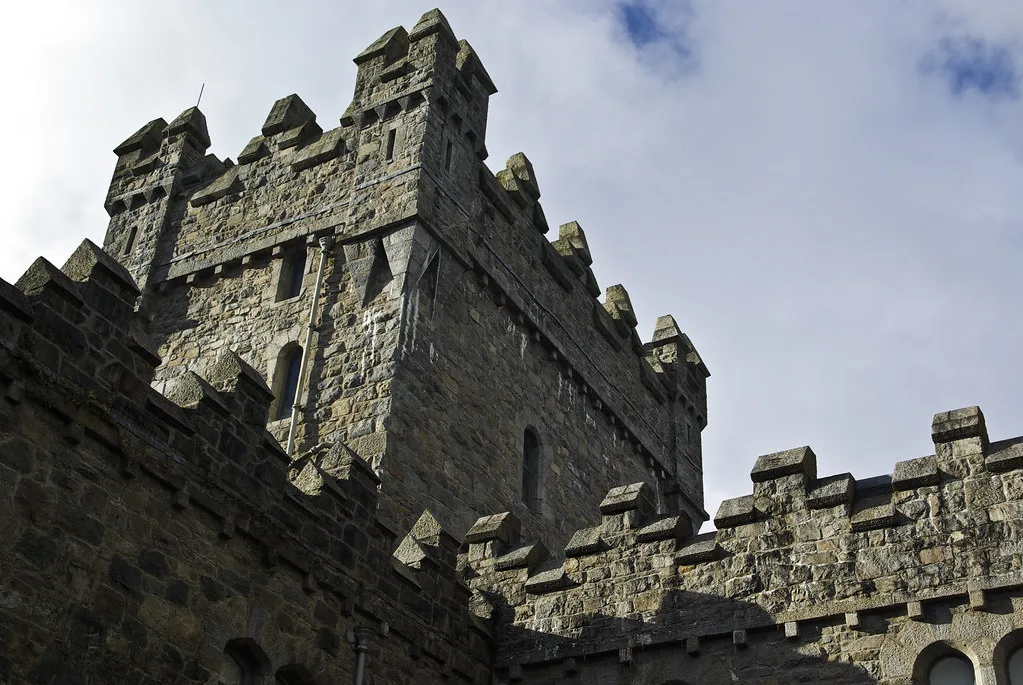
- The castle (1870s): Adair then built the castle as a hunting lodge beside Lough Veagh. Its stone tower and battlements are more Scottish baronial than Irish.
- The gardeners and owners: The American art historian Arthur Kingsley Porter owned the estate in the late 1920s and early 1930s. Henry McIlhenny of Philadelphia bought it later and developed the gardens that visitors walk through now.
- Public ownership: McIlhenny gave the castle and gardens to the Irish state in the early 1980s, and the national park opened soon after.
The guided tour covers the furnished rooms. The visitor centre exhibition covers the wider story of the estate and the landscape. If you only have time for one, take the tour and read the exhibition panels afterwards. Confirm tour times and booking on the official Glenveagh page before you travel.
Getting to Glenveagh and getting around the park
A car is by far the easiest way to reach Glenveagh from Letterkenny, Derry or Donegal Town. Check journey times on a mapping service for your travel day. Public transport to this corner of Donegal is limited. Look at regional bus and Local Link timetables, or consider a taxi from Letterkenny. Inside the park, the castle sits a distance from the visitor centre. A park shuttle runs between the two, and you can also walk or cycle.
| Option | Effort | Cost | Notes |
|---|---|---|---|
| Walk | Moderate | Free | Allow extra time, and take the same path back |
| Bike | Moderate | Check current price | Bring your own or hire at the park |
| Shuttle | Low | Check current price | Easiest option for limited mobility |
Combining Glenveagh with Errigal and the Poisoned Glen
Glenveagh sits in the Derryveagh Mountains, and the best nearby scenery lies just outside the park boundary. Pairing it with these stops makes a stronger day than driving back and forth to a base town.
- Errigal: At 751 m, this quartzite cone is the highest mountain in County Donegal. It is visible from much of the road between the park and Gweedore. Treat the summit as a proper hill walk, not a stroll, and choose a clear day.
- The Poisoned Glen: This glacial valley near Dunlewey is best seen from the road and short paths. Its name and the ruined church nearby are part of its local character.
- Dunlewey and Gweedore: These are the practical places for a cafe stop or a bed if you want to extend the trip.
Donegal roads are narrow and slow, so allow generous drive times between stops and check them on a map the day before. A sensible plan is to do the castle and lakeside first, while tours and shuttles are running, then drive to Errigal in the afternoon for the views. In winter, daylight is short, so keep the second stop to a viewpoint rather than a hill walk.
Costs, opening times and booking
Prices and hours checked November 2026. Park entry is believed to be free, but fees can apply to parking, castle tours, the shuttle and bike hire. Current amounts, 2026 opening dates and tour booking rules are published on the official Glenveagh National Park page. Tours can be booked on arrival, but they can fill on busy summer days, so go to the castle first.
Best time to visit and weather planning
Glenveagh is a mountain and lake landscape, and weather changes quickly on the hills. Pack waterproofs and warm layers in every season. Summer gives the longest daylight and the fullest services. Shoulder seasons are quieter, but the visitor centre, castle and any café may run on shorter hours. Midges can be a nuisance on still, damp days. On a wet day, the visitor centre exhibits and the castle interior still work, while mountain walks and viewpoints do not.
Where to stay near Glenveagh
Letterkenny is the largest practical base, with the widest choice of rooms and restaurants. Gweedore and the Dunlewey area suit walkers who want mountain scenery close by. Donegal Town is further south and works better as a wider county base. Check drive times to the park on a map before you book, since Donegal roads are slow.
Who should skip it, and mistakes to avoid
Skip Glenveagh if you only have an hour in Donegal. It also suits few travelers without a car or a taxi budget, since transport is limited. Visitors expecting a manicured park may be disappointed, because the landscape is wild. Do not rely on mobile signal for navigation. Follow park rules on wild camping and drones, and check the official site for any seasonal closures.
- Arriving late in the day and missing the last castle tour
- Assuming a shop or café is open off-season
- Trusting phone signal instead of carrying a map
- Skipping waterproofs and warm layers
Glenveagh vs other Irish national parks
Glenveagh suits readers who want mountains, lakes and a castle in one visit. Our 6 Best National Parks in Ireland, Ranked by Trip Type guide helps you choose between parks. If Donegal is out of reach, the Wicklow Mountains hills are an easier trip from Dublin. In Mayo, Wild Nephin forest trails offer a similar remote feel. Nearby in Mayo, Ballycroy blanket bog is another option. For a contrast, the Burren limestone karst in County Clare is a very different landscape.
Frequently Asked Questions
What size is Glenveagh National Park?
Glenveagh covers a large area of the Derryveagh Mountains in County Donegal. Check the National Parks and Wildlife Service or the official park page for the current area figure.
Notes for your next park visit
Optional updates to our national park guides.
Read next
Keep planning
Picked from the same area