
The Burren, Ireland: Visitor Guide, Time & Tips
Plan a visit to the Burren in County Clare: what to see, how long to stay, getting around, seasons and mistakes to avoid.
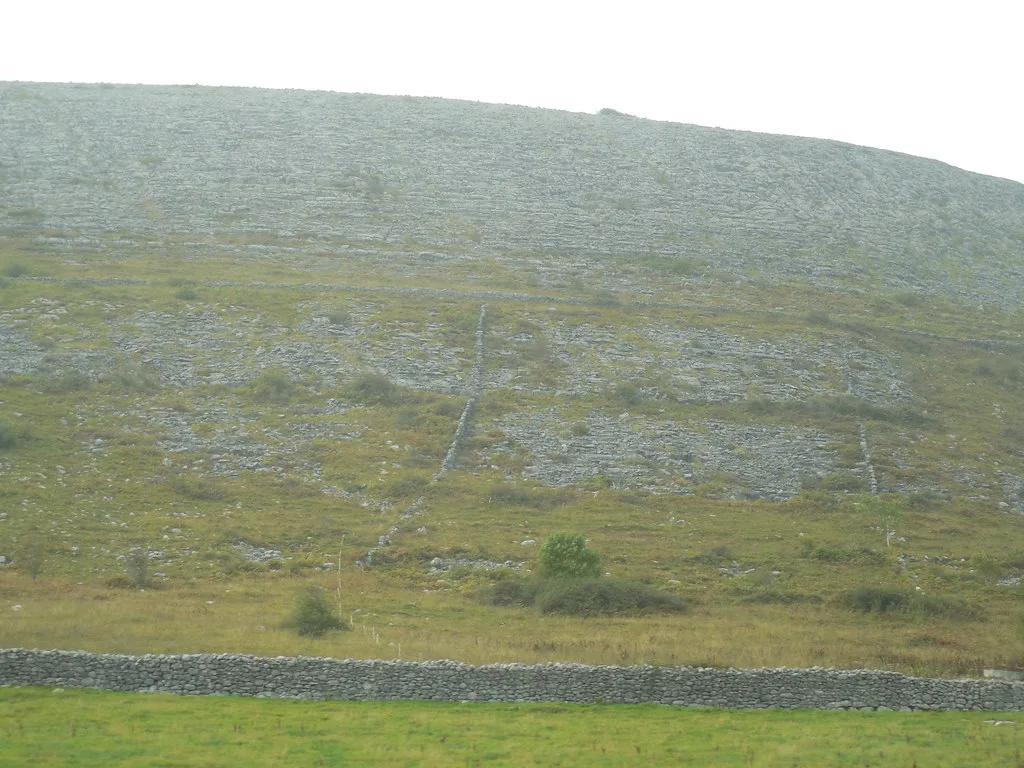
Last updated November 2026: the Burren is a karst limestone region in County Clare, western Ireland, and one of the most distinctive landscapes in the Irish national parks set. Its national park is only a small part of the wider region, which spreads around Ballyvaughan, Lisdoonvarna, Corofin and Kilfenora. Plan around a car, sturdy footwear and a flexible day.
Featured image: Dougtone, CC BY-SA 2.0, via Flickr.
What the Burren is and why it is worth a visit
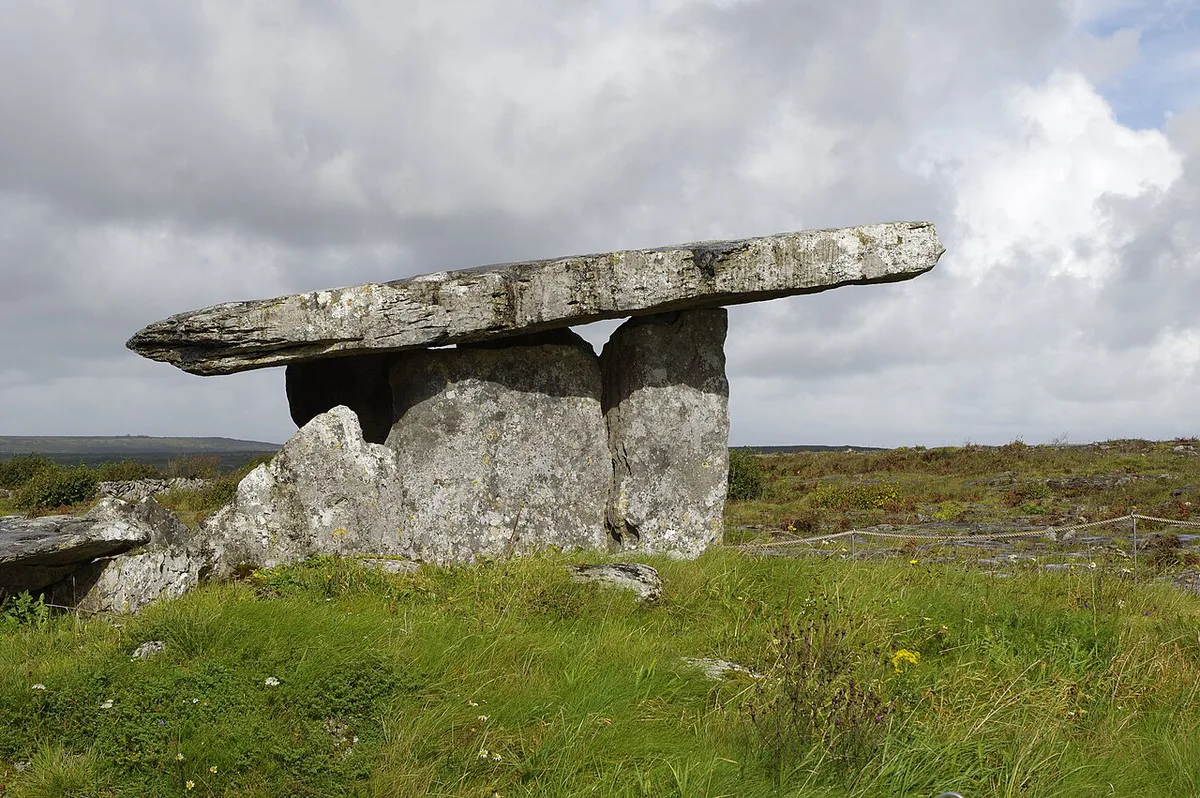
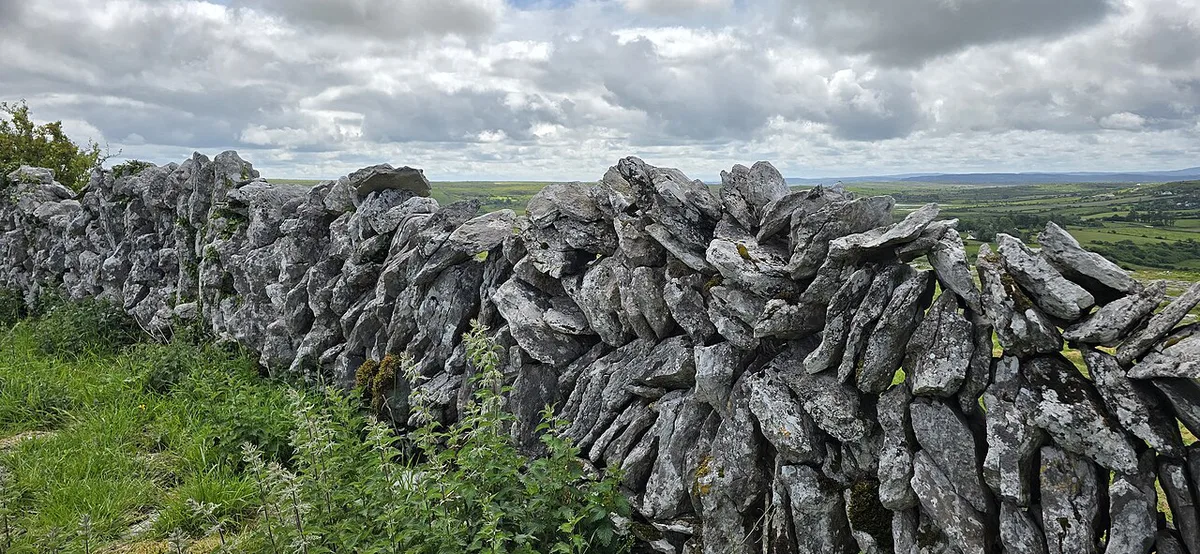
Pale limestone pavement, split by deep cracks called grykes, covers much of this landscape. Arctic-alpine and Mediterranean plants grow side by side in those cracks. Neolithic tombs and early Christian sites add a layer of archaeology to the walking. Visitors often confuse three different things, so the table below separates them.
| Name | What it means | Why it matters to you |
|---|---|---|
| Burren National Park | A small area managed by the National Parks and Wildlife Service | Free landscape to walk, but only a fraction of what you came to see |
| The wider Burren | The whole limestone region of north Clare, much of it working farmland | Where most of the caves, villages, food stops and heritage sites sit |
| Burren and Cliffs of Moher Geopark | A UNESCO Global Geopark covering the Burren and the coastal cliffs | The best single source for trails, events and local guides |
Best things to do in the Burren
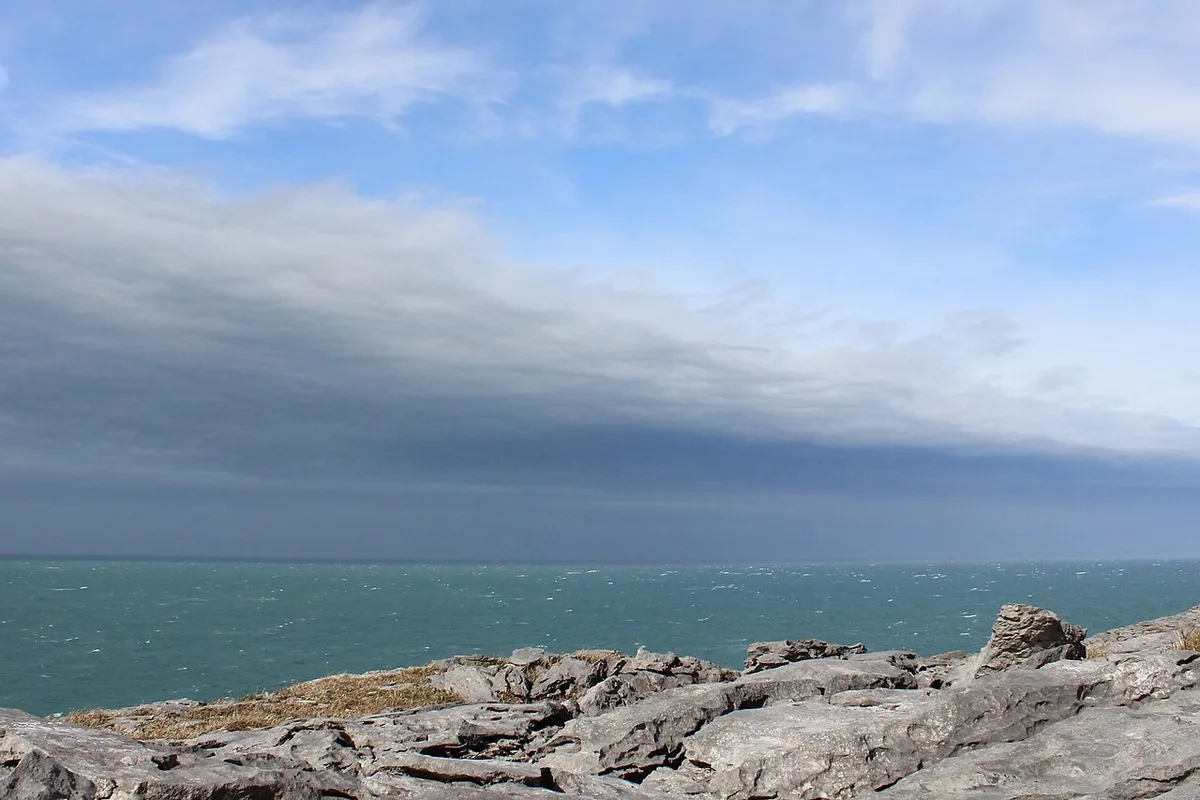
Group your stops by type rather than ticking off a flat list. Landscape comes first, since the limestone itself is the main attraction. Official detail on the national park is on the NPWS Burren National Park page.
- Landscape and walking: walk the open limestone pavement near the national park and look into the grykes for wildflowers. Keep to waymarked routes where they exist.
- Caves: the region has show caves and wild caves. Visit only commercial caves with an operator, and check each one's official site for tours.
- Archaeology and heritage: look for Neolithic portal tombs and early Christian church ruins around Kilfenora and Corofin.
- Food and local producers: base a lunch stop in Ballyvaughan or Lisdoonvarna and buy from local makers where you find them.
- Scenic drives: link the villages by minor roads, with frequent stops where the pavement meets farmland or the Atlantic.
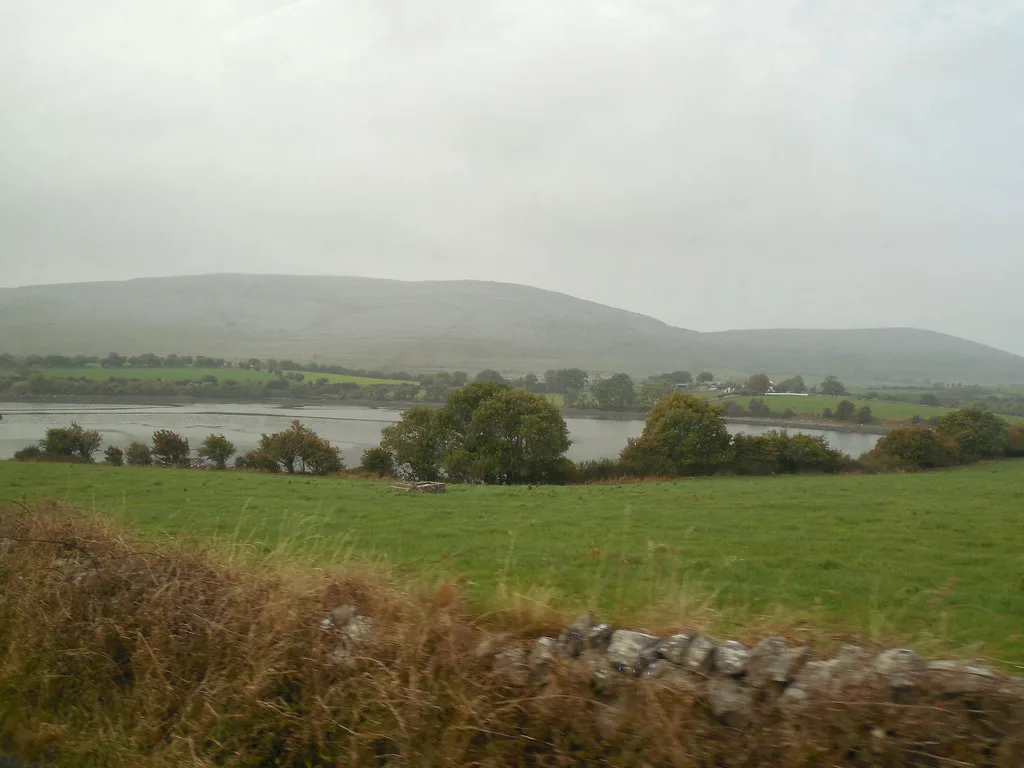
Named stops worth building a Burren day around
The list above groups stops by type. These are the specific places most visitors end up planning around, with the stretch of road each one sits on. Check each operator's official site for current prices and opening hours before you drive out.
| Stop | Where | What to expect |
|---|---|---|
| Poulnabrone portal tomb | Roadside on the R480, between Ballyvaughan and Corofin | A Neolithic dolmen on open limestone, roughly 5,800 years old. It is free to see and takes 20 to 30 minutes, so it works as a first or last stop. |
| Mullaghmore | Burren National Park, south of Corofin | The main walking area inside the national park, with waymarked loops across pavement and hazel scrub. Confirm current route details on the NPWS page. |
| Black Head coastal road | R477 between Ballyvaughan and Fanore | The best drive for seeing pavement meet the Atlantic. Pull in only at marked laybys and allow extra time for photo stops. |
| Aillwee Cave | Near Ballyvaughan | A guided show cave that suits a wet-weather swap from a pavement walk. |
| Doolin Cave | Near Doolin | A guided show cave known for its very long free-hanging stalactite. It pairs easily with a Cliffs of Moher day. |
| Caherconnell Stone Fort | Near Carron | A well-preserved early medieval stone ringfort with an on-site visitor centre. |
| Corcomroe Abbey | Near Bellharbour, on the north coast | A ruined 13th-century Cistercian abbey in a quiet valley, usually far less busy than the better-known sites. |
A sensible one-day loop starts at Poulnabrone, continues to Aillwee Cave and Ballyvaughan for lunch, then takes the Black Head road, with Corcomroe Abbey as an optional detour on the way. Mullaghmore sits on the southern side, so pair it with Corofin or Kilfenora, and give it its own morning if you want a full walk.
Most of these stops are 10 to 25 minutes apart by car, but the roads are narrow and often slowed by farm traffic and tour coaches. Plan for fewer stops than the map suggests.
How to plan your time in the Burren
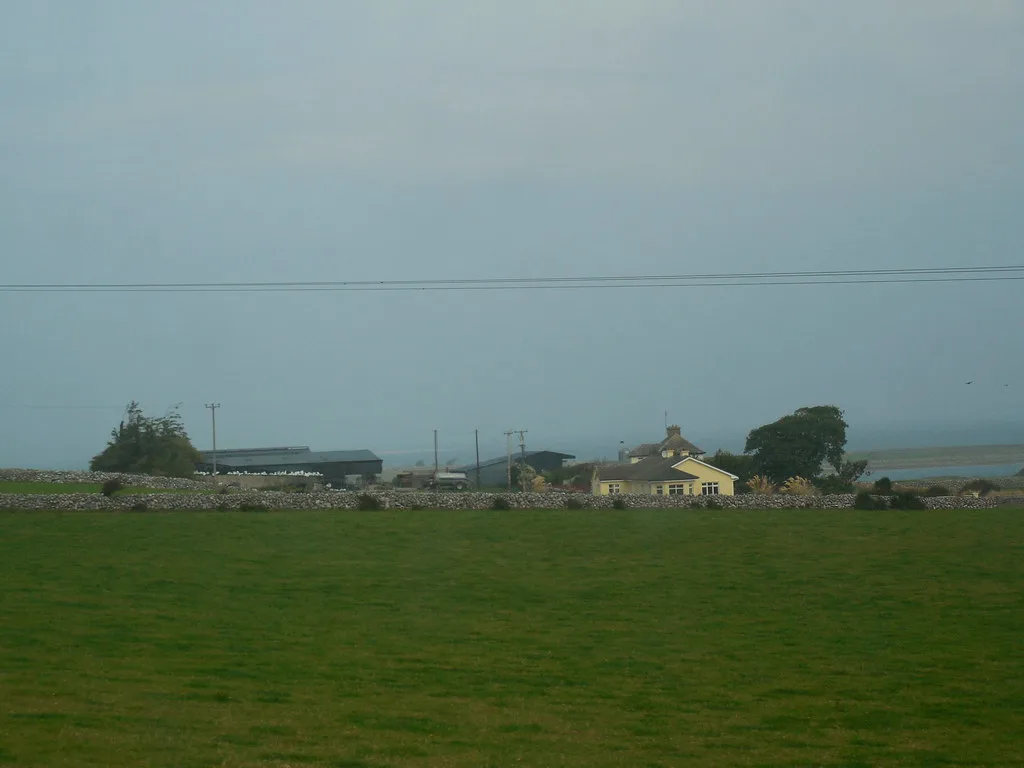
Plan a sequence that avoids backtracking. Start at one end of the region, work through the villages in a loop, and finish at your base. The Burren Geopark site lists current trails, guides and events to build the loop around.
| Time you have | Suggested focus | Trade-off |
|---|---|---|
| Half day | One walk on the limestone plus one village stop, such as Ballyvaughan | Little room for caves or archaeology |
| One day | A walk, a cave or heritage site, and lunch in Lisdoonvarna or Kilfenora | Full driving day with limited slack for rain |
| Two days | Split inland and coastal sections, adding Corofin and a slower pace | Needs an overnight base and a car |
Costs, tickets and opening hours
Open landscape and national park access are free to walk. Caves, visitor centres and heritage sites charge on their own schedules, so read each operator's official site for current prices and hours.
When to go: seasons, wildflowers and weather
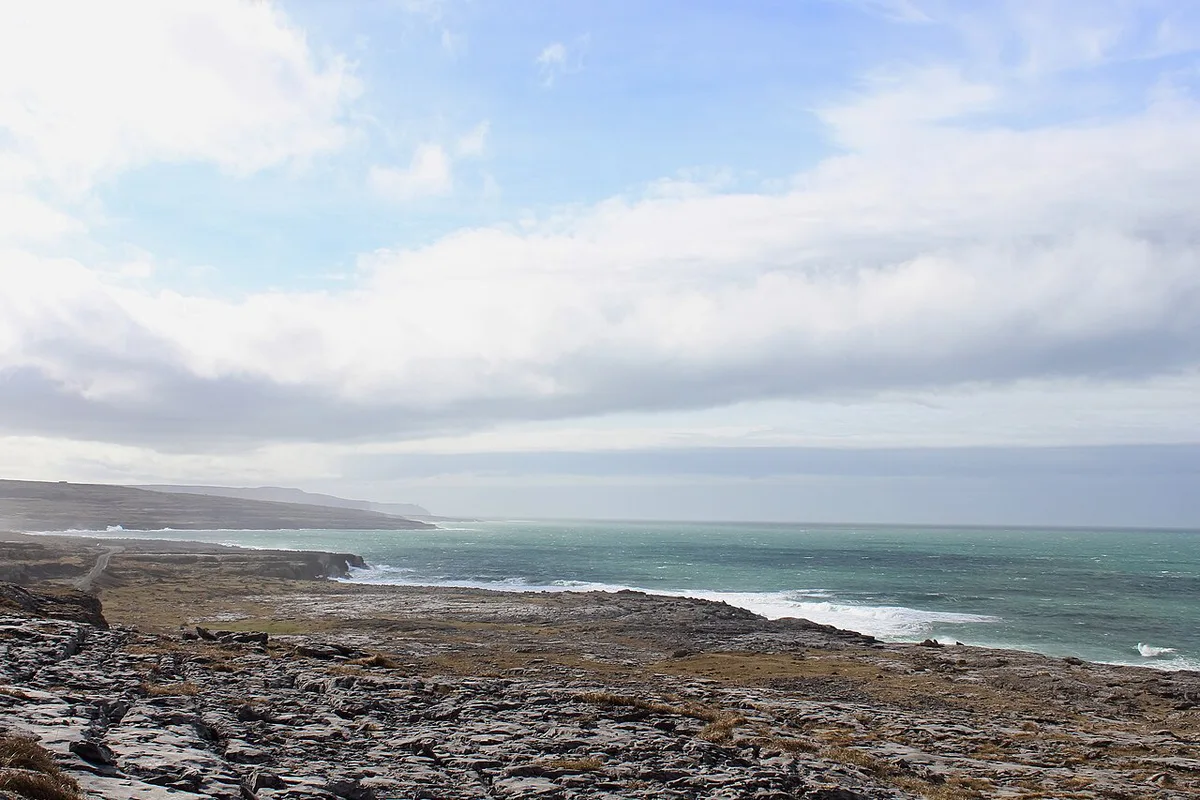
Spring and early summer are the usual wildflower window, and that is also when the roads and car parks fill up. Shoulder seasons are quieter but wetter, with exposed rock and strong Atlantic wind. Winter brings reduced hours at some attractions, so look at each site before driving out. In wet weather, swap a long pavement walk for a cave visit or a village and museum stop.
Getting there and getting around
A car makes the region far easier, because the best stops are spread across small roads. Many visitors drive from Shannon, Galway or Limerick. Without a car, use public transport and organised tours to reach a base town, then stay local. Timetables change, so check Transport for Ireland for the current service.
Where to stay near the Burren
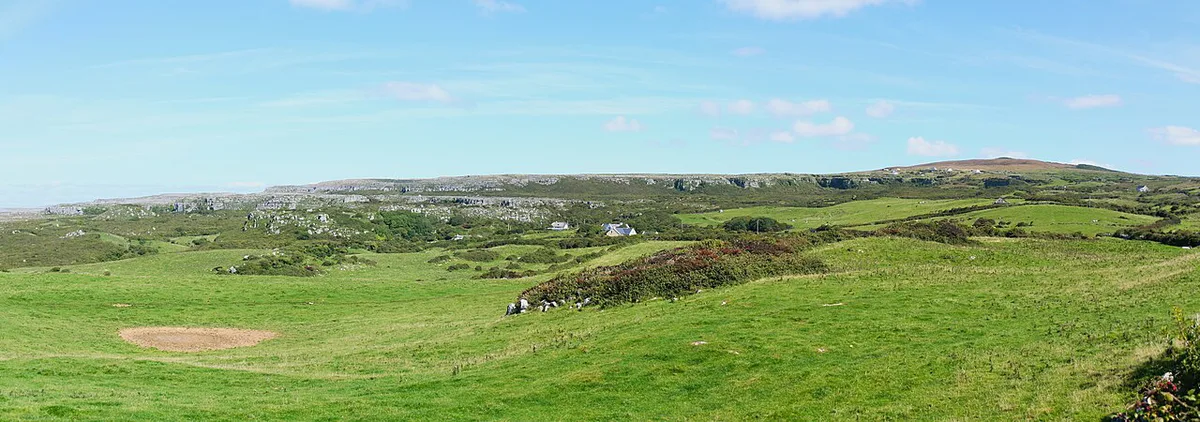
Pick a base by what you want from the evenings. Staying near the Cliffs of Moher puts you on the coast, while inland bases keep you among the limestone and the quieter lanes.
| Base | Best for | Trade-off |
|---|---|---|
| Ballyvaughan | Walkers and couples, with the coast and pavement close by | Quiet in the evening |
| Lisdoonvarna | Music, pubs and a lively evening | Less tranquil than the coast |
| Doolin | Music and easy access to the cliffs | Busy in peak season |
| Corofin | Quiet stays and families | You need a car for most stops |
| Kinvara | A calm southern edge of the region | Further from the western coast |
| Ennis | Buses, shops and more accommodation choice | A longer drive into the limestone |
Safety, etiquette and mistakes to avoid
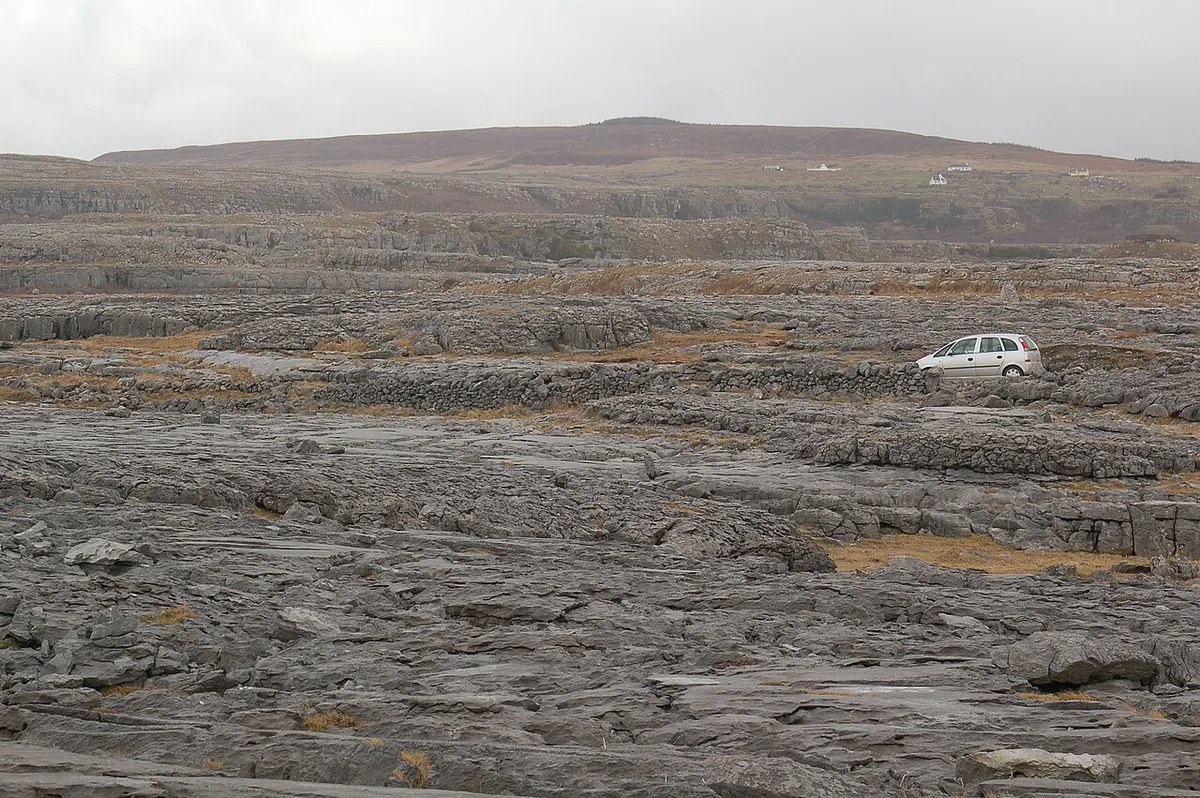
Wet limestone is slippery, and grykes can turn an ankle. Wear boots with grip, even on a dry day. Weather changes fast on open ground, so carry a waterproof layer.
- Close farm gates behind you and respect private land.
- Do not pick plants or move stones.
- Avoid caves after heavy rain, since flooding is a risk.
- Stay well back from cliff edges if you add the Cliffs of Moher.
How the Burren compares with other Irish parks
Limestone karst sets the Burren apart from Ireland's mountain, bog and forest parks. For mountain scenery close to Dublin, see Wicklow Mountains National Park: Glendalough & Hikes. For remote Donegal hills, read about Glenveagh National Park Guide: Walks, Castle & Tips. For wide bog landscapes in the west, try Wild Nephin National Park: Visitor Guide to Mayo's Dark Sky Park. A neighbouring bog park is Ballycroy National Park: Visitor Guide, Getting There & Wild Nephin. To choose between all of them, use our ranking of Irish national parks.
Frequently Asked Questions
Why is the Burren so popular?
It combines karst limestone pavement, an unusual mix of Arctic-alpine and Mediterranean plants, and Neolithic and early Christian archaeology. Villages such as Ballyvaughan and Lisdoonvarna make it easy to build a day around food, walking and music.
Is the Burren an Irish pub?
Not in this guide. Some pubs and restaurants abroad use the name, but the Burren here is the limestone landscape in County Clare, Ireland.
Notes for your next park visit
Optional updates to our national park guides.
Read next
Keep planning
Picked from the same area