
Bad Schandau Travel Guide: Base, Spa & Hikes
Plan Bad Schandau: how to get there, what to do, spa tips, and whether to stay here or in Dresden or Rathen.
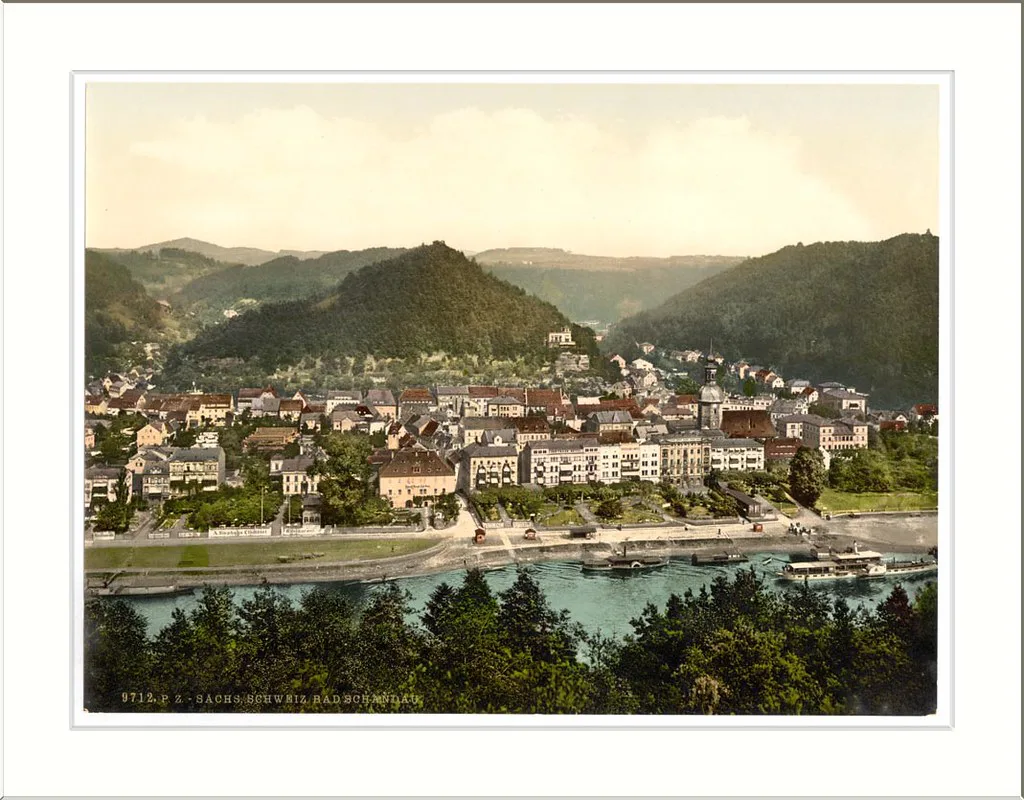
Last updated November 2026: Bad Schandau is a small spa town on the Elbe's right bank, close to the Czech border. It works as a hiking and transport base for Saxon Switzerland National Park. Choose it for trailheads, trains and a spa, or pick Dresden or Kurort Rathen for city evenings or a short Bastei trip.
Featured image: snapshotsofthepast.com, CC BY-SA 2.0, via Flickr.
Bad Schandau at a glance
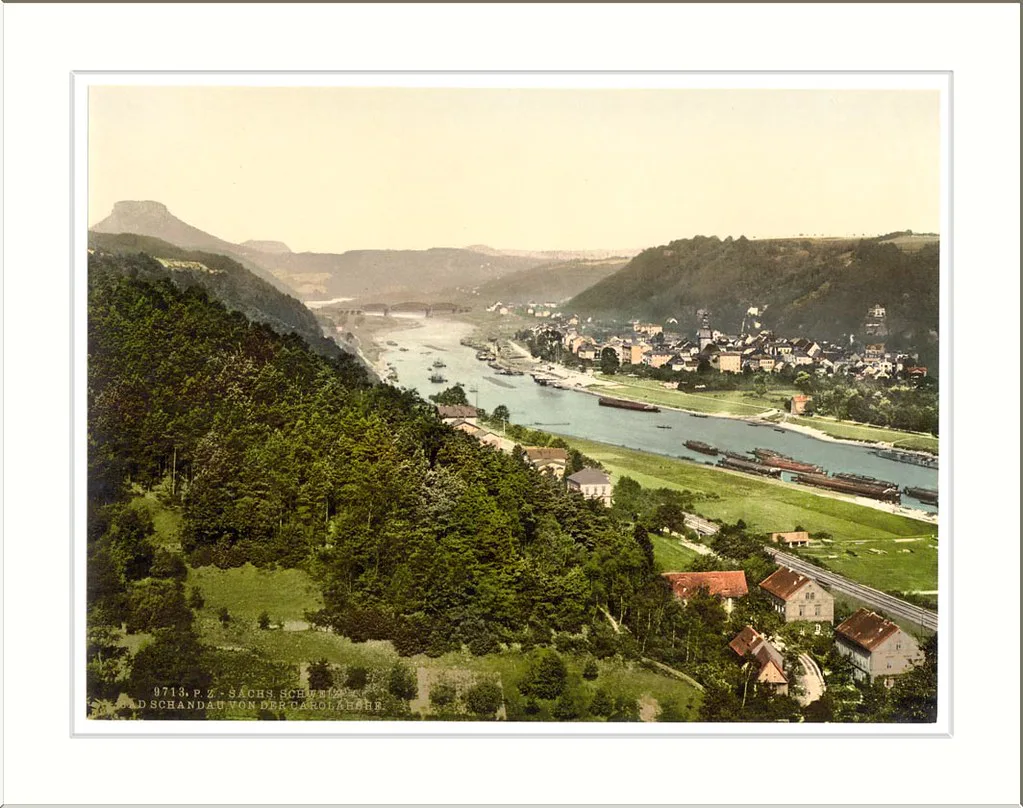
Bad Schandau sits 127 m above sea level on the Elbe's right bank in Saxony. Dresden is about 50 km (31 miles) away, roughly 50 minutes by car. Trains, a ferry, a tram and a historic lift all start in or beside town. Trails climb into the sandstone from the edge of town.
| Fact | Detail |
|---|---|
| Location | Right bank of the Elbe, near the Czech border, Saxony |
| Elevation | 127 m (417 ft) |
| Dresden by car | About 50 km, roughly 50 minutes |
| Königstein | About 5.8 km away in a straight line |
| Rail | S1 from Dresden; onward trains toward Děčín and Prague |
| Local transport | Kirnitzschtalbahn tram, Elbe ferry, Personenaufzug lift |
| Suits | Hikers, rail travellers and spa visitors |
| Skip if | You want nightlife or a full museum day |
Is Bad Schandau worth visiting? Base vs day stop
Most visitors ask whether this town earns an overnight stay or just a lunch stop. Your answer depends on how much of the park's wider trail network you want to walk. In our editorial assessment, Bad Schandau is the strongest base for the eastern half of the park, because trains, tram and lift all start here. For a short stay centred on Bastei, Rathen as a base works better. Dresden wins for museums, restaurants and airport access.
| Base | Hiking access | Transit | Atmosphere | Trade-off |
|---|---|---|---|---|
| Bad Schandau | Trailheads, tram and lift in or near town | Rail, tram, ferry | Quiet spa town | Few evening options |
| Dresden | Needs a train ride first | Best rail and airport links | City, museums | Longest trip to the trails |
| Kurort Rathen | Short walk to Bastei routes | Rail plus ferry | Small and calm | Fewer services |
| Königstein | Fortress and Lilienstein area | Short hop from Bad Schandau | Small town | Less choice of hikes from the door |
- Stay here if you want to start hikes from town by tram, lift or on foot.
- Stay here if you prefer rail over a rental car.
- Stay in Dresden if evenings, museums and flights matter more than early trailhead starts.
- Stay in Kurort Rathen if Bastei is your one big goal.
Getting to Bad Schandau and around the valley
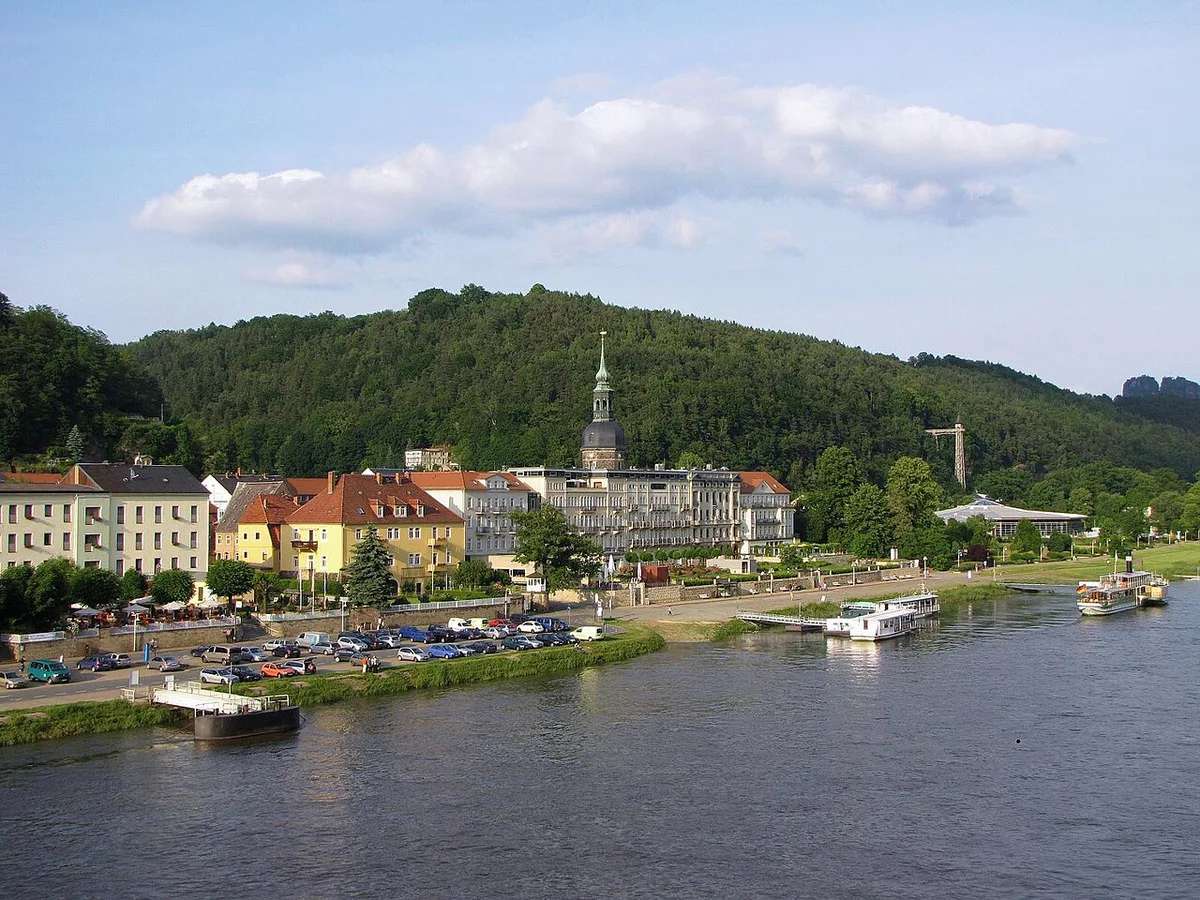
You can reach town from Dresden by S1 rail, by car or by Elbe boat. Rail is simplest and avoids parking. Check journey times and fares with Deutsche Bahn or VVO before you travel. By car, Dresden is about 50 km away and takes roughly 50 minutes. Elbe steamers are slower but scenic. Sächsische Dampfschifffahrt runs them, so look up its timetable for your date. Onward trains reach Děčín and Prague, which makes a Bohemian Switzerland day trip realistic. A car gives you flexibility, but trailheads fill quickly on summer weekends. Trains tie you to a timetable and remove parking stress. Mistake to avoid: leaving a late hike without checking the last tram, bus or train back. Winter and off-season service can differ, so check each operator for your day.
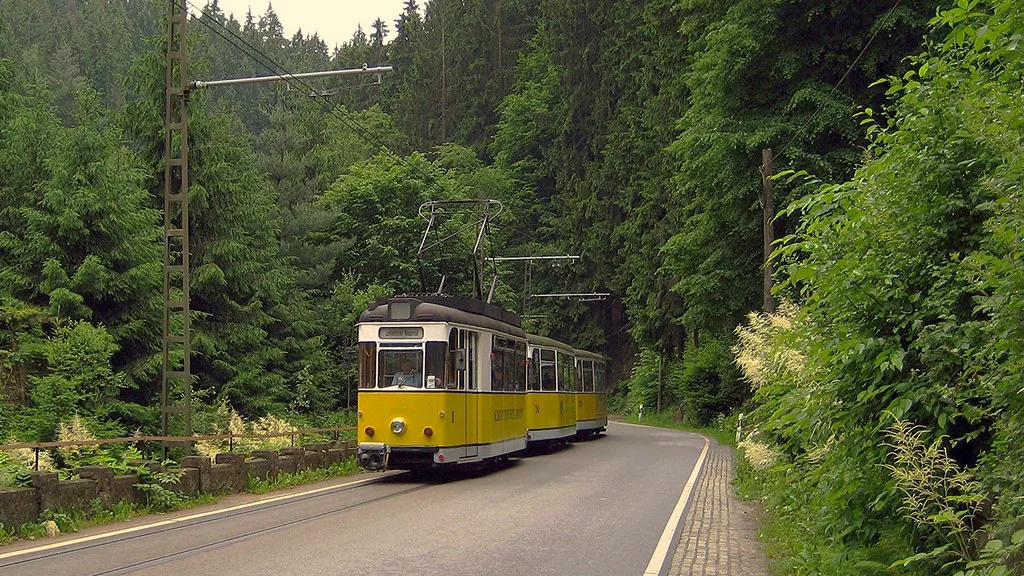
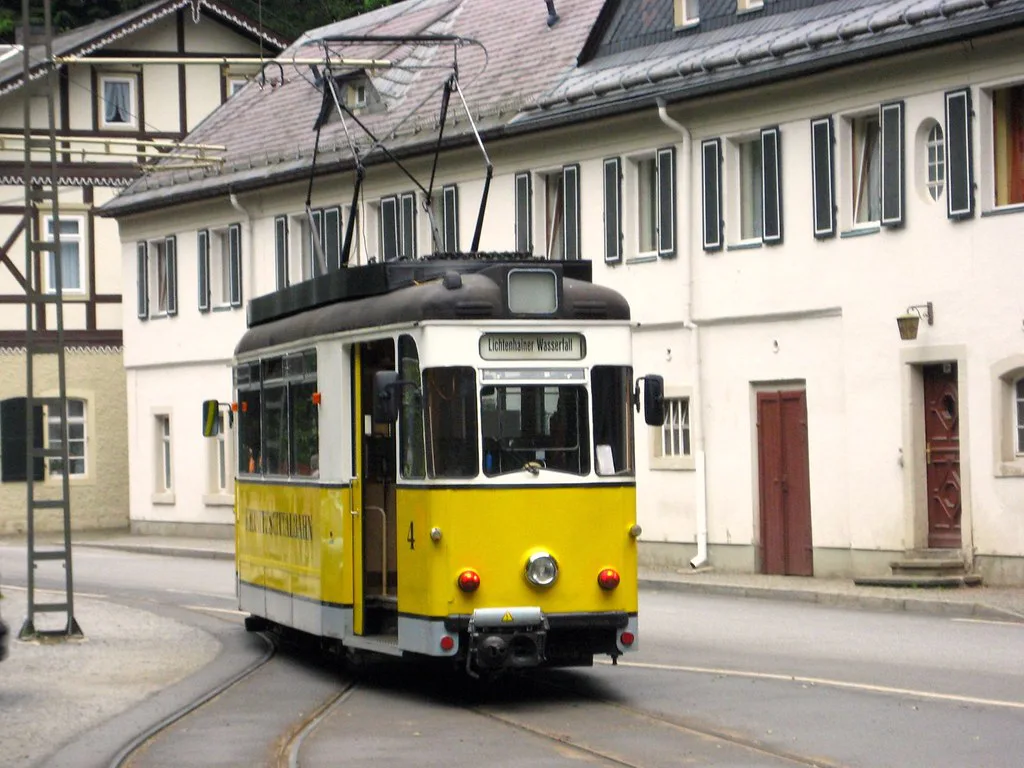
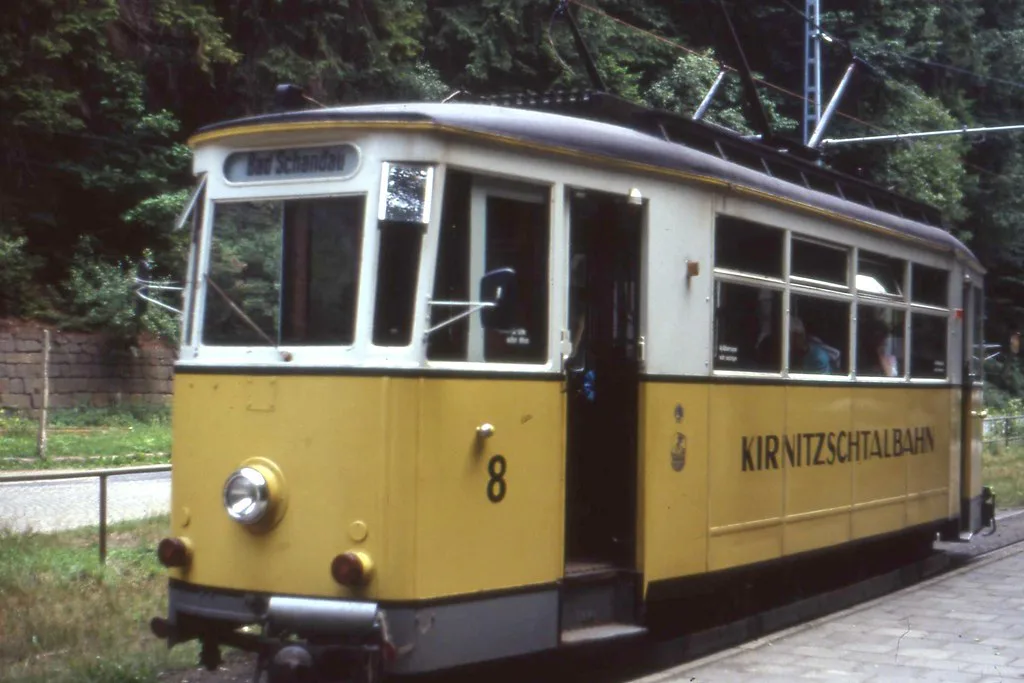
- Kirnitzschtalbahn tram: runs up the Kirnitzsch valley toward Lichtenhain waterfall; check the operator's timetable.
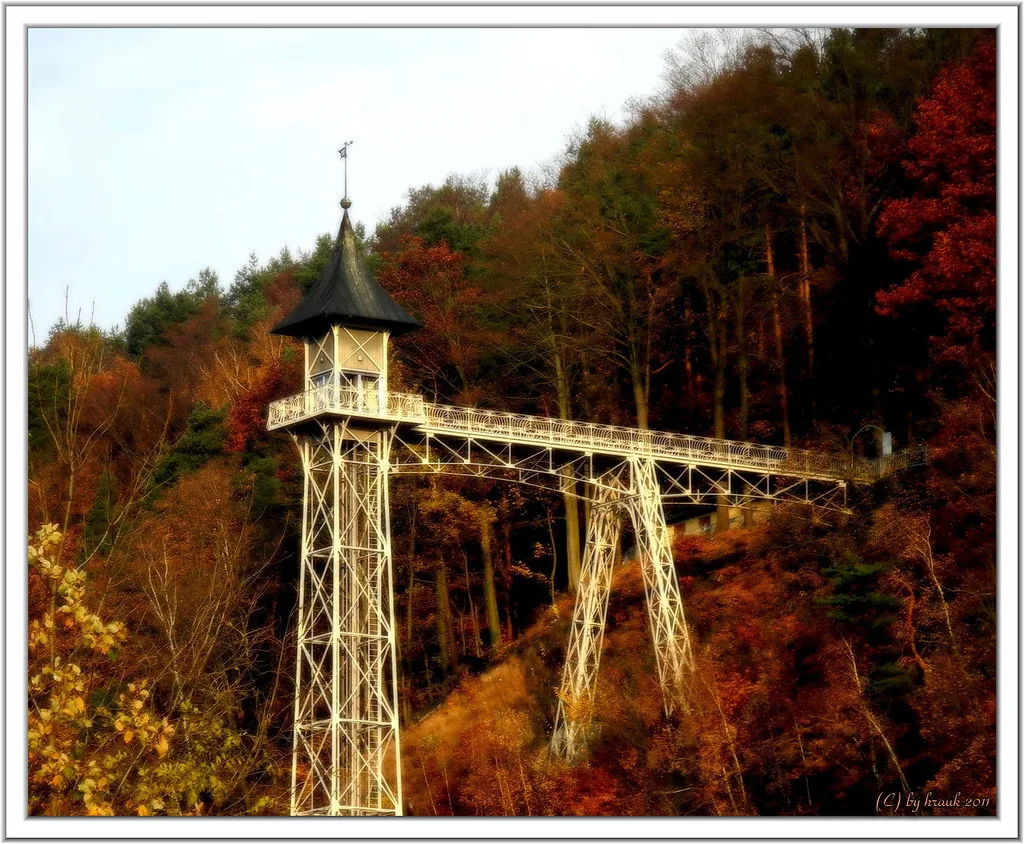
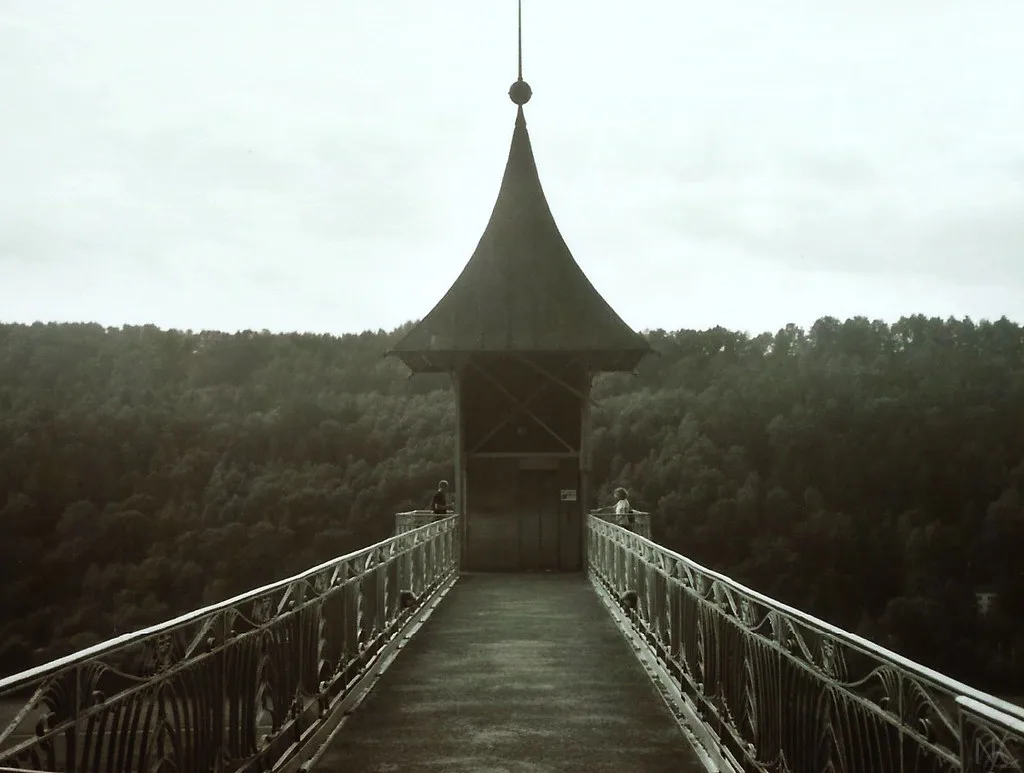
- Personenaufzug lift: built in 1904, it carries you from the Elbe level up to forest paths above town.
- Elbe ferry: crosses the river for walks on the far bank; its hours decide how you plan a loop.
Best things to do in Bad Schandau
Town sights fit into a half day. Nationalparkzentrum sells maps and explains where to walk. Trail status and closures are published by the national park authority. Personenaufzug, built in 1904, lifts you to forest paths above the Elbe. St. John's Church faces a fountain on the market square. Toskana Therme is the main wet-weather option. Hiking is the bigger draw. For rock-tower views, the Schrammsteine ridge is the main hike from town. Kuhstall, a rock arch reached past Lichtenhain waterfall, suits a first hike. Bastei sits outside town and is easiest from Rathen, so treat the Bastei viewpoint walk as its own outing. Add the Lilienstein plateau for a wide Elbe panorama. History fans can pair a walk with the fortress at Königstein, about 5.8 km away. Opening hours and tickets are listed on the Festung Königstein official site.
| Activity | Effort | Time block | Best for |
|---|---|---|---|
| Nationalparkzentrum | Low | Short stop | Maps, trail status, rainy days |
| Personenaufzug lift | Low | Short stop | Views and a shortcut to upper paths |
| Toskana Therme | Low | Half day | Rest after hiking |
| Elbe boat | Low | Half day | River views without climbing |
| Kuhstall via Lichtenhain waterfall | Moderate | Half day | A first hike |
| Schrammsteine ridge | High, steep | Half to full day | Rock-tower views |
| Lilienstein plateau | Moderate to steep | Half day | Elbe panorama |
| Königstein Fortress | Moderate | Half to full day | History and views |
Sample days: 1 day, 2 days and a rainy day
Each plan below trades distance against flexibility. Pick the hiking option only if you have confirmed your return transport.
- 1 day, easy: ride the Personenaufzug up in the morning, walk the forest paths, then return for St. John's Church and a boat or spa hour.
- 1 day, hiker: take the Kirnitzschtalbahn tram to Lichtenhain waterfall, walk on to Kuhstall, and plan your return before you leave.
- 2 days, day one: walk the Schrammsteine ridge and finish with a rest at the spa.
- 2 days, day two: visit Königstein Fortress, or head to Rathen for Bastei with a ferry crossing.
- Rainy day: start at Nationalparkzentrum, then Toskana Therme, then an Elbe boat if services run.
- Spa day instead of a hike: book a time block at Toskana Therme, then take an evening stroll in town.
- Mistake to avoid: expecting every viewpoint to be walkable from town, since Bastei, Lilienstein and the fortress need their own transport.
Bad Schandau Toskana Therme: what to know before you go
Toskana Therme is the town's main spa, and visitor opinion is split. Fans praise the pools, the saunas and the quiet outdoor areas. Critics mention dated facilities, cool pool water and the textile-free rules. The sauna zone is textile-free, so swimwear goes in a locker or box before you enter. Families and first-timers should read the house rules before paying. Tariffs run by time block, and towels cost extra, so check the spa's own site for current prices.
- Skip the sauna zone if nudity makes you uncomfortable; the pool areas are swimsuit areas.
- Skip it as hike recovery if you expect hot water, since some visitors found the pools cool.
- Plan towels and parking in advance so the time block is spent in the water.
When to go: Bad Schandau weather by season
Spring and autumn are quieter than summer, and both suit longer hikes. May averages roughly 18°C (64°F) by day and 7°C (45°F) at night, based on approximate climate data. July highs reach about 25°C (77°F), with lows near 14°C (57°F). January sits near 1°C (34°F) by day and -5°C (23°F) at night. Late November forecasts have shown about -3°C to 4°C. Check the Deutscher Wetterdienst for current forecasts, and the town tourism page for events.
| Season | Conditions | Trade-off |
|---|---|---|
| Spring | Mild; May highs about 18°C | Quieter trails, some chilly days |
| Summer | Warmest; July highs about 25°C | Busiest; book weekends early |
| Autumn | Cooling days | Quiet trails, shorter days |
| Winter | Cold; January highs about 1°C | Short days; check trail, ferry and tram limits |
Where to stay and eat
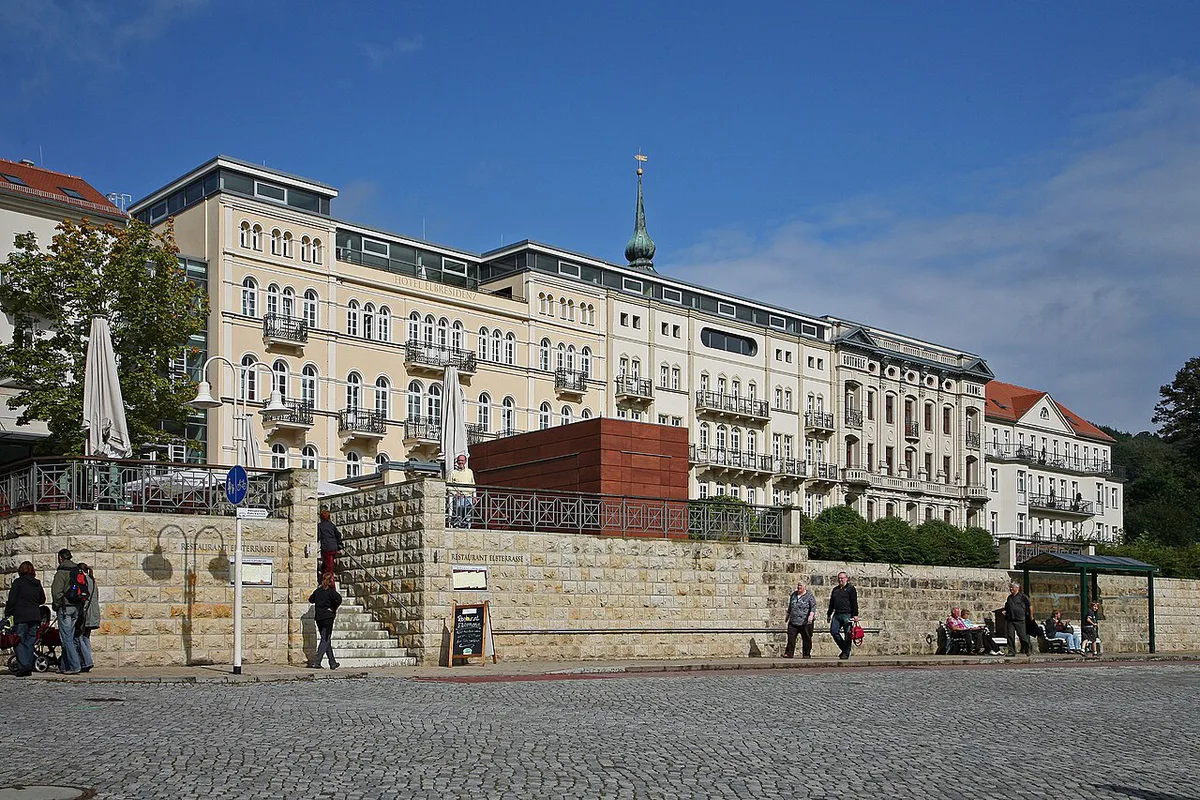
Stay in the town centre around St. John's Church for restaurants and short walks. Choose a trail-access hotel if you want early starts. Summer weekends sell out first, so book early. Eat near the market square, and pack lunch for long hikes, since trail cafés keep their own hours. Check that any venue is open before you build a day around it.
Costs and budget
Prices and hours checked November 2026. National park entry is reported as free, and walking in town costs nothing. The Rathen ferry is reported at €1.50 one-way and €3 return. Operators set the rest, so look up fares for the tram, lift and Elbe boat. Budget travellers can lean on free trails and rail. Comfort travellers add the spa and a boat.
A Rathen-to-Bastei day in the two-day plan includes a ferry crossing, at about €1.50 one-way and €3 return.
| Cost type | Examples | Notes |
|---|---|---|
| Free | Park entry, town walks, trails | Facilities such as museums keep their own hours |
| Low-cost | Rathen ferry, lift, tram | Fares set by each operator |
| Paid | Elbe boat, Königstein Fortress | See operator sites |
| Spa | Toskana Therme | Time-block tariff plus towels |
Next steps
Bad Schandau works best as the anchor of a multi-day plan. Plot your routes on the Saxon Switzerland trail map. Bastei is best planned through the Bastei access guide. Pair the valley with a fortress history visit.
Frequently Asked Questions
What is Bad Schandau famous for?
Bad Schandau is known as a spa town and a gateway to Saxon Switzerland National Park. Its best-known sights are Toskana Therme, the 1904 Personenaufzug lift and the Kirnitzschtalbahn tram.
Is Bad Schandau worth visiting?
Yes, if you want hiking with rail access and a spa afternoon. Skip it for a big-city evening and choose Dresden instead.
Notes for your next park visit
Optional updates to our national park guides.
Read next
Keep planning
Picked from the same area