
Thingvellir Weather: What to Expect by Season and How to Plan
See what Thingvellir weather is like in each season, how wind, rain and short days change your visit, and when to go.
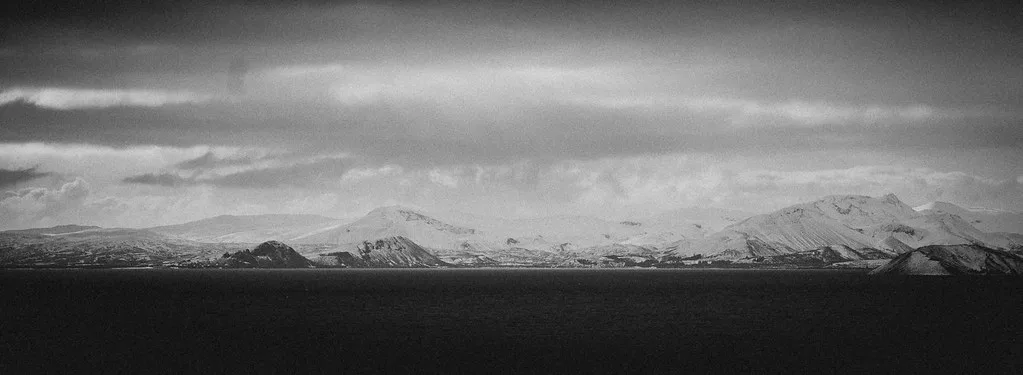
Last updated November 2026. Thingvellir weather is changeable, windy and exposed in every season, so pack layers and a waterproof shell. Check the live forecast and road status on the day, then use this guide to decide what to do at Þingvellir National Park.
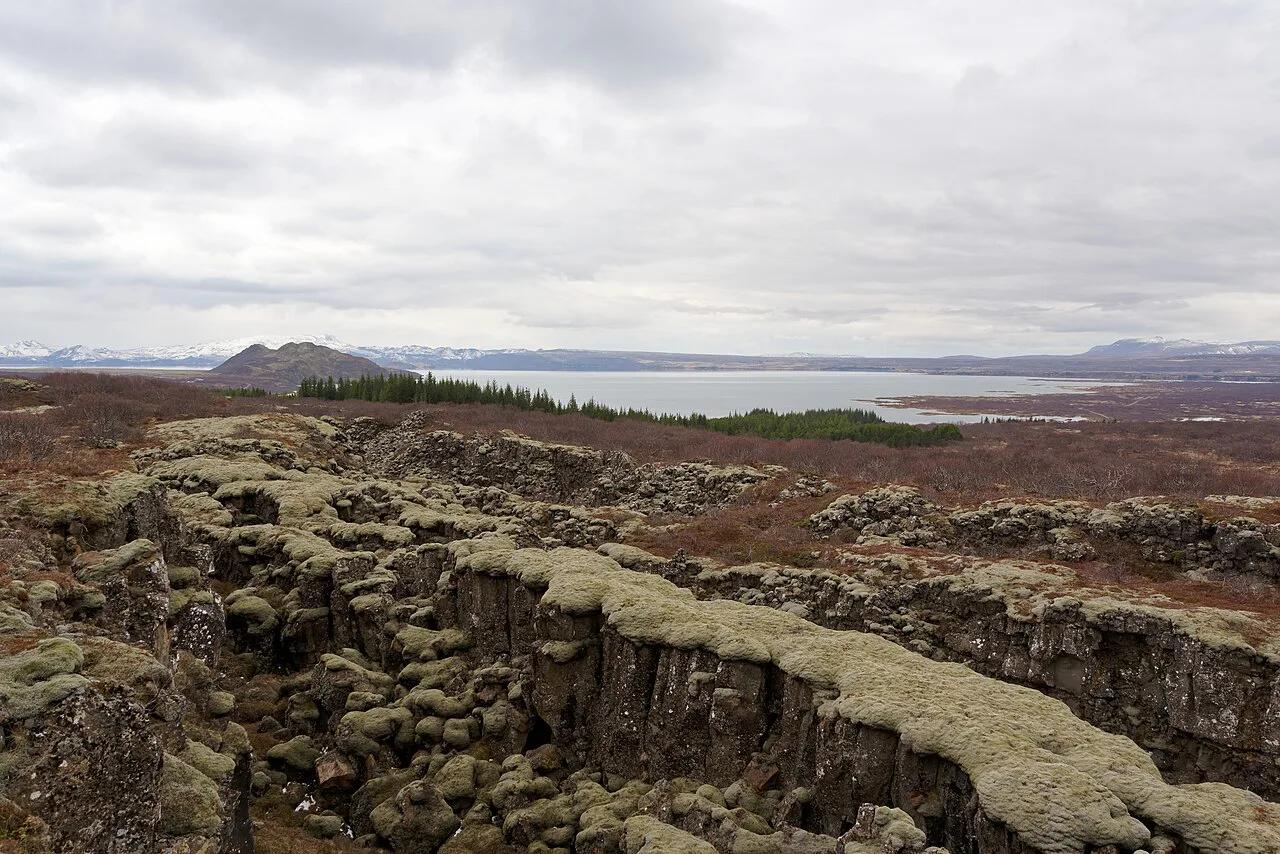
Featured image: Claudia Regina CC, CC BY-SA 2.0, via Flickr.
Thingvellir weather at a glance
Þingvellir sits on an open rift valley, so conditions shift within an hour. Summer daytime highs are often around 10–15°C (50–59°F). Winter hovers near 0°C (32°F) and drops to -5°C (23°F) or lower in cold snaps. Figures are approximate, so use the Icelandic Met Office forecast for your dates.
| Season | Typical conditions | Daylight | Main risk | Best for |
|---|---|---|---|---|
| Summer (Jun–Aug) | Cool, mild, showers | Near-continuous light in June | Sudden rain and gusts | Walking the rift, Öxarárfoss, camping |
| Autumn (Sep–Nov) | Cold, wet, increasingly windy | Shrinks fast | Storms and slick paths | Quiet paths, autumn colour |
| Winter (Dec–Feb) | Around freezing, snow and ice | Just over four hours in late December | Icy roads and paths | Snow scenery, aurora chances |
| Spring (Mar–May) | Cold to cool, changeable | Lengthens quickly | Freeze-thaw ice, late snow | Fewer crowds, lengthening days |
Weather by season
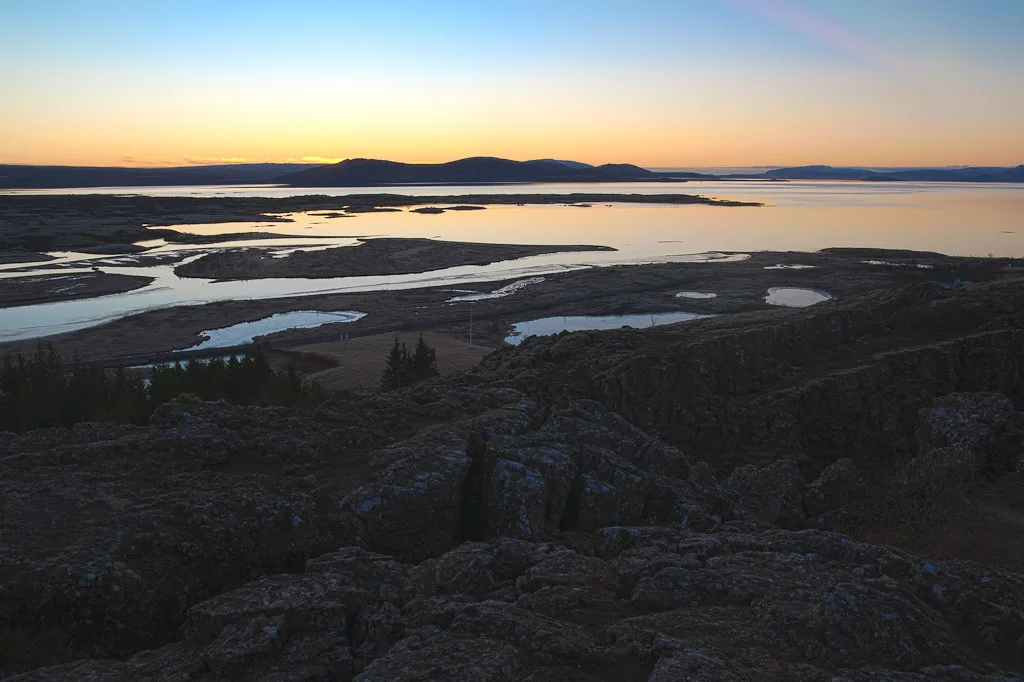
Each season catches visitors out in a different way. Read the one that matches your dates, then compare it with the live forecast.
- Summer: Showers pass quickly, but wind can still make 12°C (54°F) feel colder. Bring a shell even on a bright morning.
- Autumn: Rain and wind increase through October and November. Wet boardwalks and gravel are the main surprise.
- Winter: Expect snow, ice and short days. Paths along the rift can be slick, so wear traction soles.
- Spring: Thaw and re-freeze create ice patches, even when a day looks mild at 4°C (39°F).
Wind, rain and the exposed rift valley
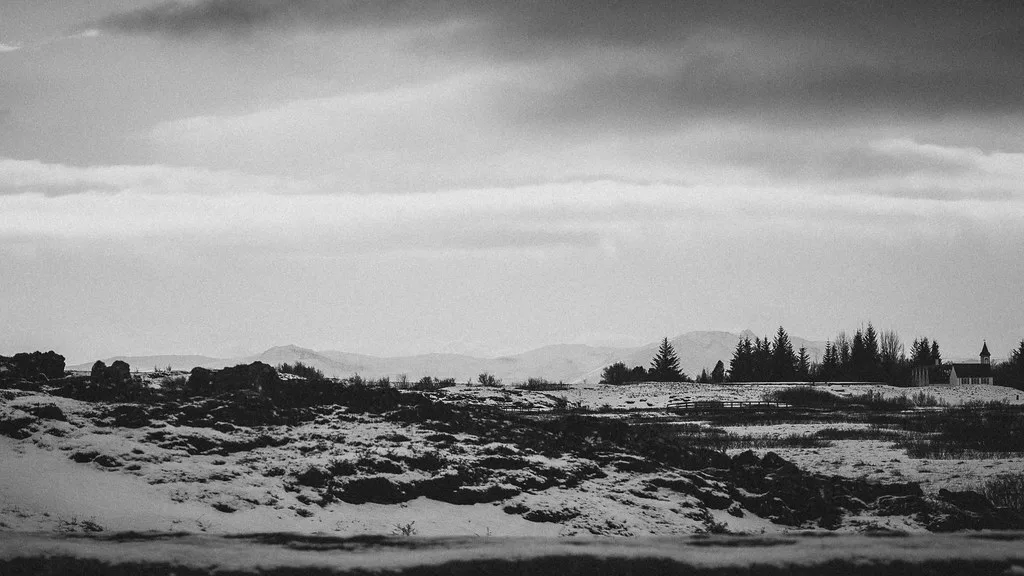
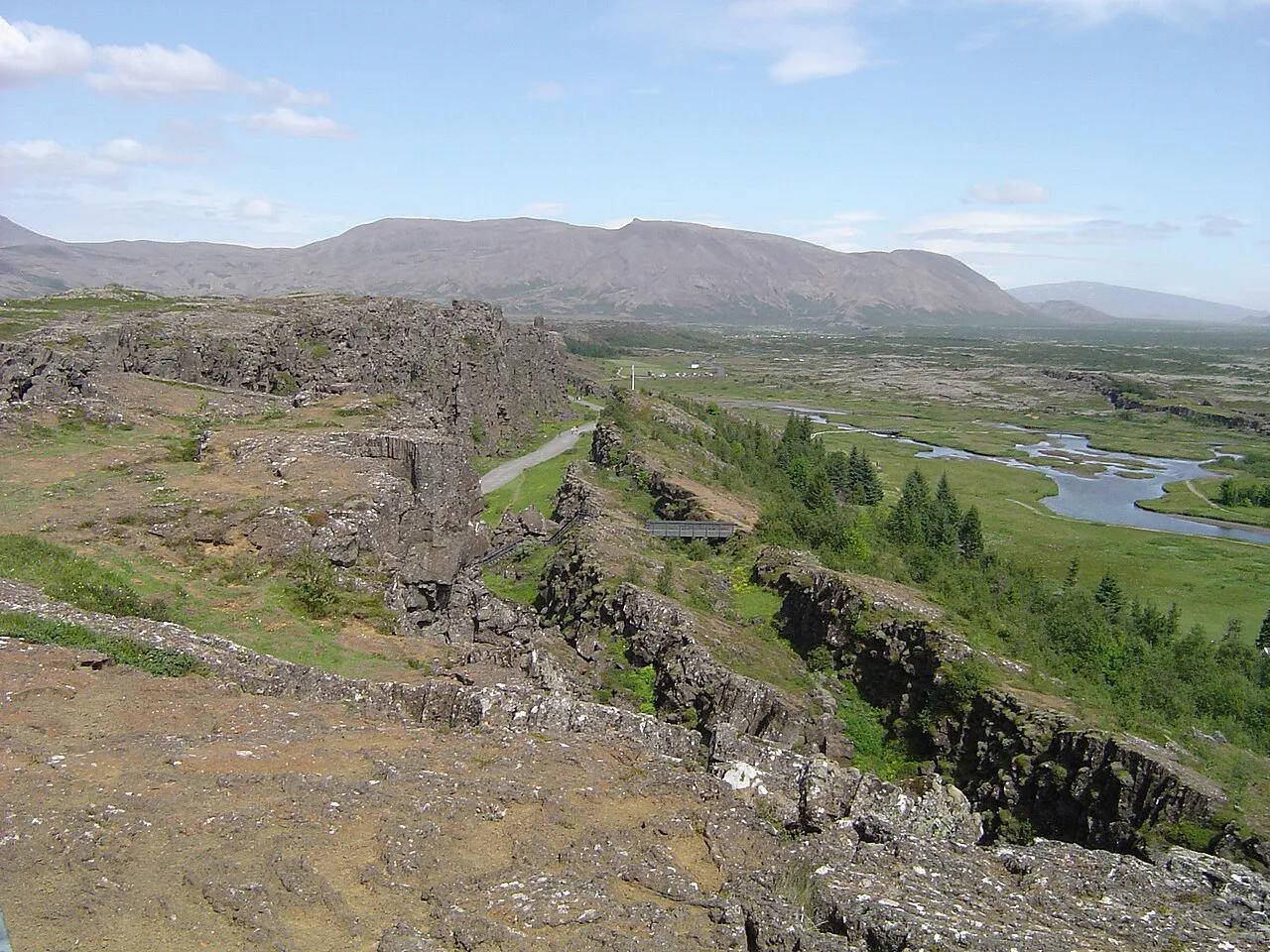
Þingvellir feels colder than the Reykjavik forecast because the plain has little shelter. Wind funnels along the walls of Almannagjá, and rain arrives sideways. Walls and the lower path give some cover, while the open plain does not. Dress in three layers: a base layer, a warm mid-layer and a waterproof shell. Campers should read the Thingvellir camping guide before pitching a tent in gusts.
Daylight and photography light
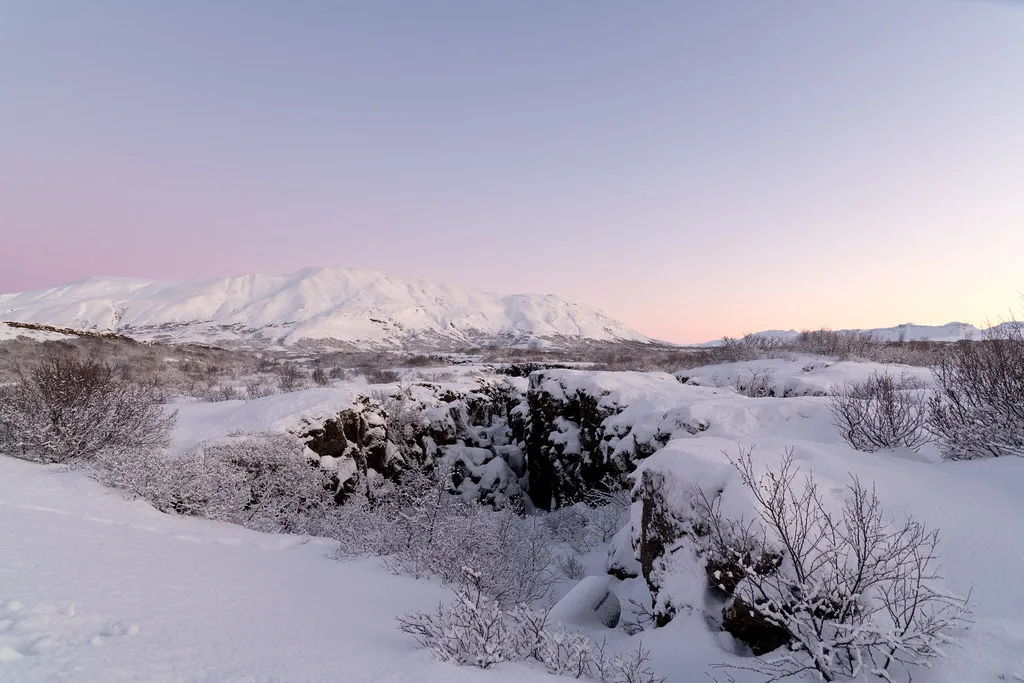
Daylight swings from near-continuous light around the June solstice to just over four hours in late December. Low winter sun gives long golden hours but a short window. Aurora is possible on dark, clear winter nights, but it is never guaranteed. The Icelandic Met Office publishes an aurora forecast with cloud cover, and cloud is what usually ruins a night.
How weather changes what you can do
Bad weather mostly adjusts plans rather than cancelling them. Operators decide on the day, so ask about rebooking terms when you book.
| Activity | Weather effect | What to do |
|---|---|---|
| Rift walk and Öxarárfoss | Ice and wind make paths slow | Shorten the route or wear traction soles |
| Silfra snorkelling or diving | Strong wind or storms can lead to cancellation | Book flexibly and ask the operator |
| Tours and day trips | Storms or road closures can change departures | Check with the operator the morning of travel |
| Camping | Gusts strain tents | Pitch low and sheltered, or skip a night |
Roads and driving in bad weather
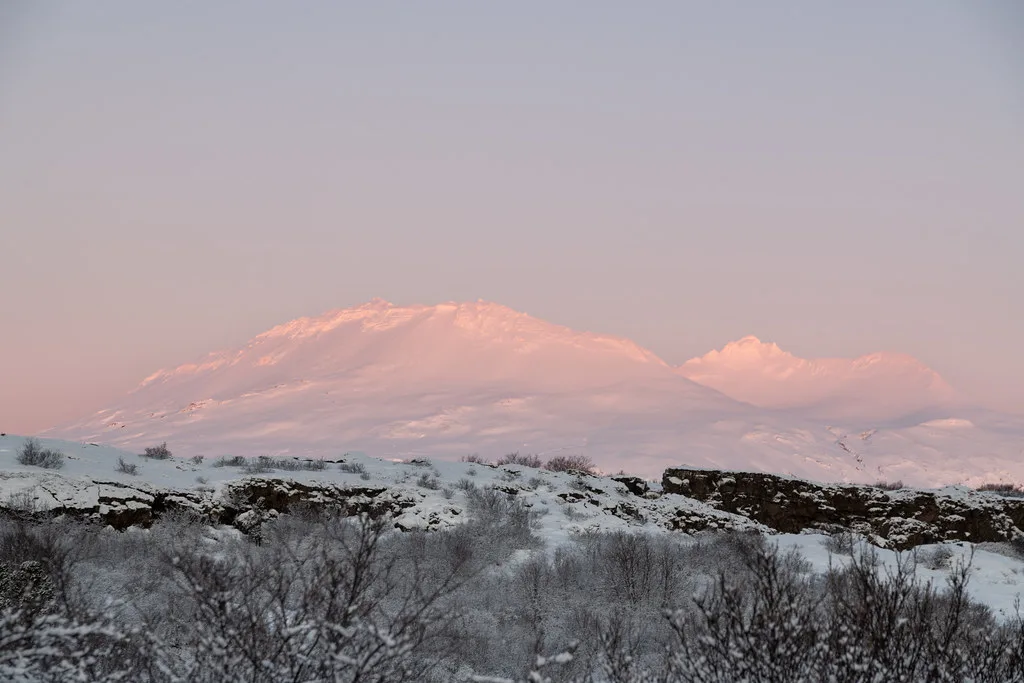
The drive from Reykjavik is short, but ice and crosswinds can make it slow in winter. Check road conditions and closures before you leave. Parking is a small cost that does not change by season: the park site lists 1,000 kr per car per day. See the parking guide for car park details. A Golden Circle Tour From Reykjavik: Which Option Fits You avoids winter driving but fixes your timing. Self-driving on the wider Golden Circle gives flexibility if you check conditions daily. Compare operators on the Thingvellir tours page.
What to wear and pack by season
Layers matter more than any single heavy coat. Prices and hours checked November 2026 on official pages.
- All year: waterproof shell, waterproof trousers, warm hat and gloves.
- Summer: fleece mid-layer, sturdy walking shoes, sunglasses for low sun.
- Winter: thermal base layer, insulated jacket, traction cleats, headlamp.
- Mistake to avoid: relying on an umbrella, which wind can wreck in seconds.
- Mistake to avoid: wearing trainers on wet boardwalks or ice.
Go, adjust or skip: a quick decision guide
Match the conditions to a simple response.
Winter days are short, with just over four hours in late December, so an early start suits clear, cold weather.
- Rain: shelter at the visitor centre and walk a shorter section.
- High wind: stay on the lower path or visit the Þingvellir church area, then move on.
- Snow or ice: use cleats, drive slowly, or reschedule if road.is shows closures.
- Clear and cold: go early, dress warmly and add a night at Hotels Near Thingvellir: Where to Stay (Honest Guide) if you want a late aurora window.
- Storm warning: skip the visit and reorder your Golden Circle stops.
Where to check the live forecast
Use the Icelandic Met Office for forecasts and warnings. Use Road.is for roads. The park's official site posts path closures. Use the Thingvellir Map: Park Layout, Sights & Parking to plan a shorter loop.
Frequently Asked Questions
What is the weather like in Iceland in November?
Expect cold, wet and windy days, with temperatures near 0°C (32°F) and short daylight. Snow and ice become more likely at Þingvellir as the month goes on.
What is the weather like in Iceland?
Iceland is changeable and windy in every season. Summers are cool, and winters are milder than the latitude suggests but wet and stormy.
Notes for your next park visit
Optional updates to our national park guides.
Read next
Keep planning
Picked from the same area