
7 Best Things to Do in Peneda-Gerês National Park
Plan Peneda-Gerês National Park: what to do, how to reach it from Porto, when to go, hikes, swim spots and who should skip the day tour.
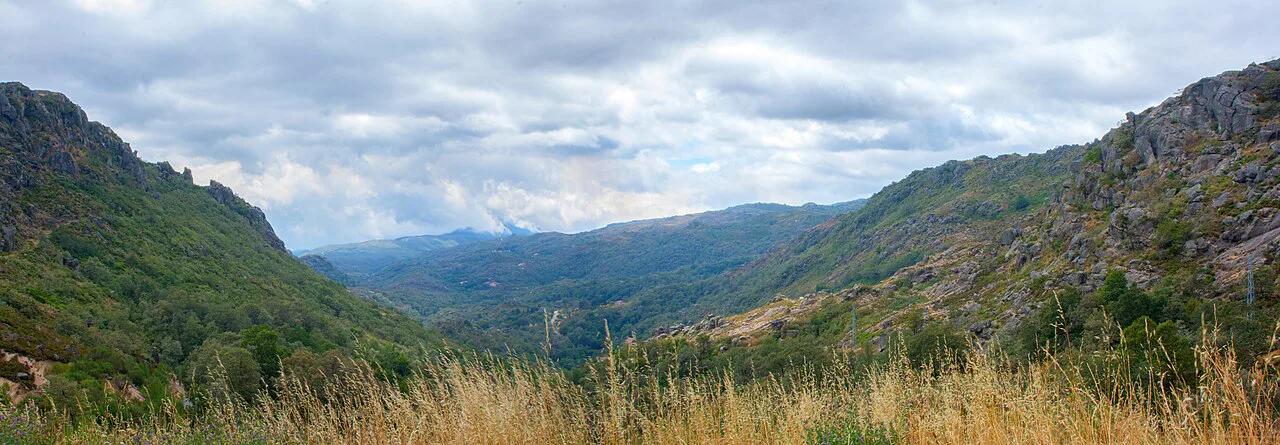
Last updated November 2026: this guide to peneda geres national park covers Portugal's only national park, in the north on the Spanish border. It suits hikers, swimmers and village-minded drivers, and it works best with a rental car or a Porto day tour. For a wider comparison, see our overview of National Parks in Portugal: Which Ones to Visit and How.
Featured image: Harpagornis, CC BY-SA 4.0, via Wikimedia Commons.

Peneda-Gerês at a glance
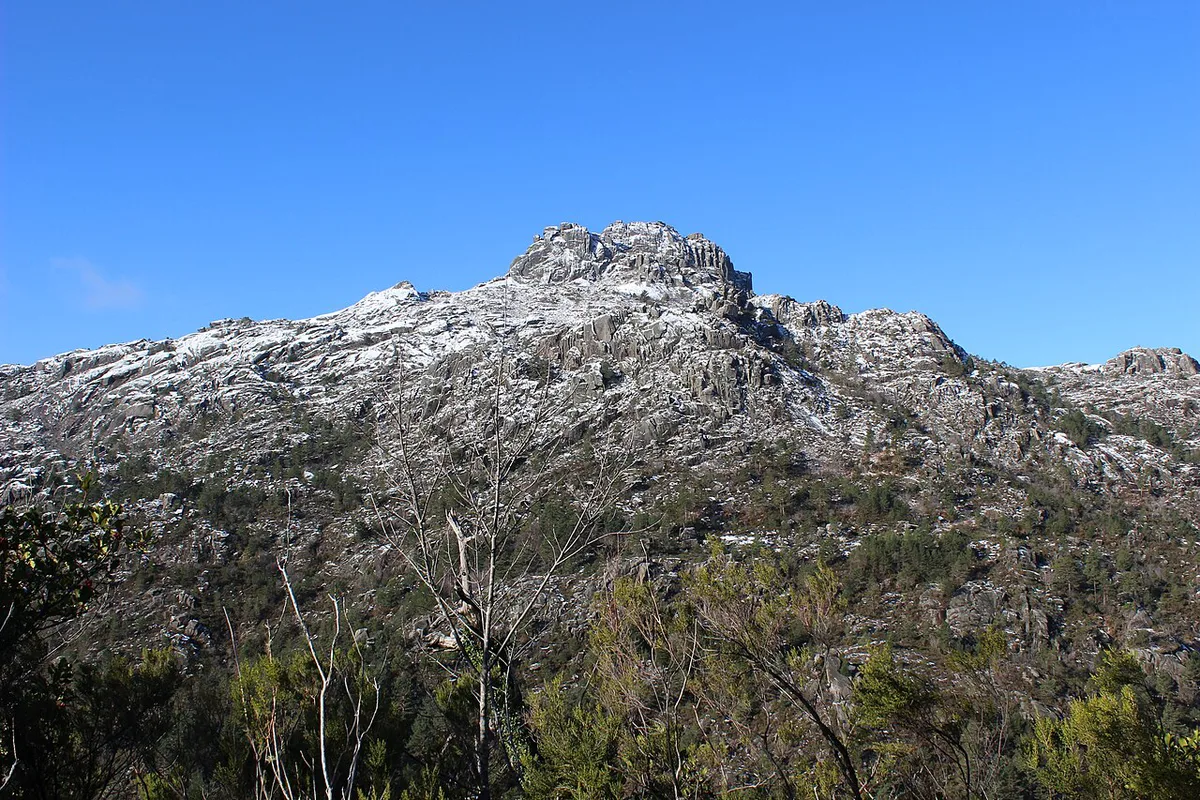
Peneda-Gerês was established as a national park in 1971 and covers about 70,000 hectares. Its land spans the districts of Braga, Viana do Castelo and Vila Real along the Spanish border. Granite mountains, deep valleys, forests and fast rivers shape the landscape. Roman roads and stone villages add a cultural layer. Rules, fees and visitor-centre details sit on ICNF's protected-area pages. Four main areas organize a visit: Gerês, Peneda, Soajo and Castro Laboreiro. Pick one or two per trip, because mountain roads are slow. Choose Gerês for water and Soajo for villages.
7 Best Things to Do in Peneda-Gerês National Park
Prices and hours checked November 2026. Trail lengths differ between guides, so treat them as ranges. Each entry gives time, effort and who should skip it.
1. Pedra Bela viewpoint
Pedra Bela is a rocky lookout with views over the Cávado River and the mountains around it. Descriptions differ: one guide gives a moderate trail of about 7 km, while a tour stop needed only a rock scramble of about 5 minutes. Ask at a park visitor centre which approach is open before you commit to either.
Effort ranges from a short stop on a tour to a longer walk on foot. Skip the scramble if the rock is wet or you have limited mobility.
2. Mistura das Águas trail
Mistura das Águas leads to the confluence of the Homem and Gerês rivers. One guide lists the trail at about 10 km and rates it moderate, with riverside views along the way. Treat that length as approximate and confirm the trailhead and current access with the park before you set out.
Wear sturdy shoes, because uneven granite punishes city footwear. Carry water and a map or GPS. Skip it if you have only a few hours, since 10 km is a half-day walk.
3. A natural swimming pool
Rivers and streams in the park form natural pools that fill with swimmers in warm months. On a small-group tour from Porto, the route to one pool took about 20 minutes downhill and 20–25 minutes back up. Water is cold, which feels good after a hot day.
Bring a swimsuit and a towel, and expect other people at the water. Skip it if the climb back is a problem, and avoid late summer if you want flowing waterfalls nearby.
4. Rio Caldo waterfront
Rio Caldo is a waterfront area ringed by mountains, with emerald-green water. People boat, kayak, jet ski and swim there, and the shore has hotels, restaurants and beach bars. A drive through town took about 10 minutes on one return trip from the park.
Stay here for water activities and easy dining, or stop on the way back toward Porto. Summer draws crowds, so skip it if you want quiet.
5. Soajo village
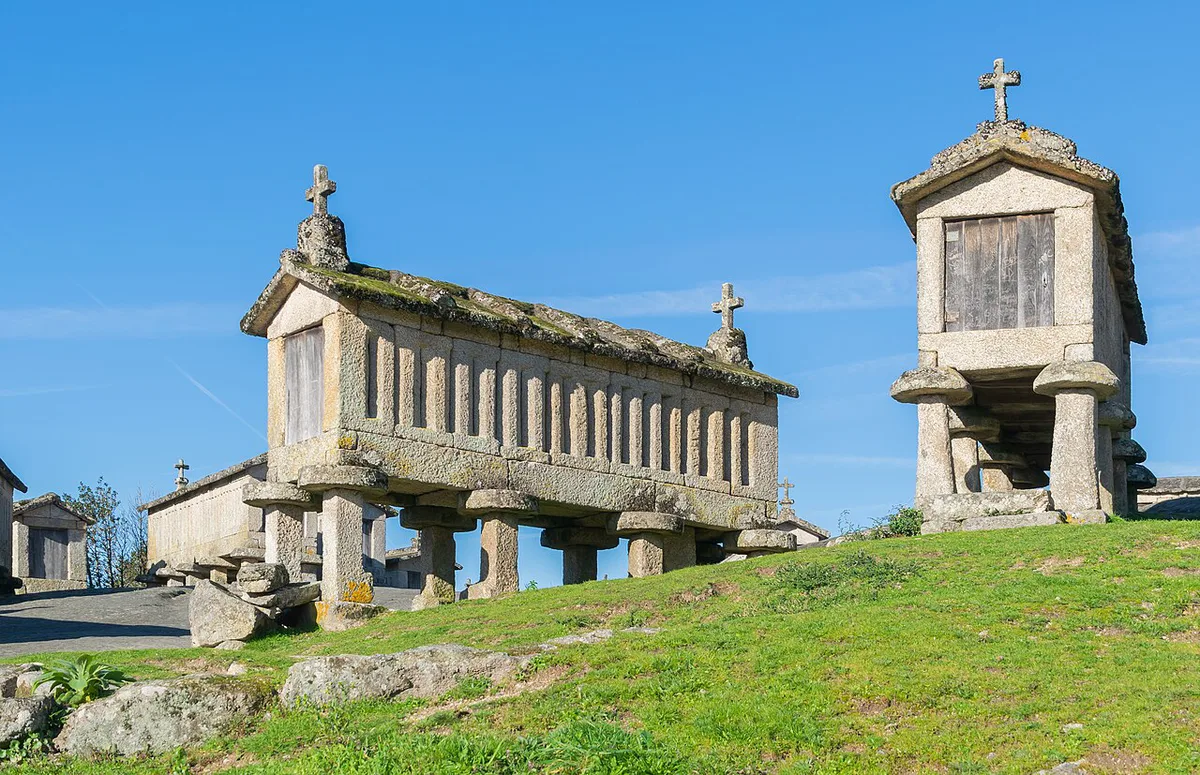
Soajo is one of the park's four main areas and shows its granite-village side. Read about the granite village of Soajo before you go. Stone houses, old churches, agricultural terraces and traditional granaries reflect farming life in the region.
Villages like this reward slow wandering rather than sight-ticking. Stay nearby for quiet evenings, and skip it if you want water sports or nightlife.
6. Waterfalls and Cascata do Arado
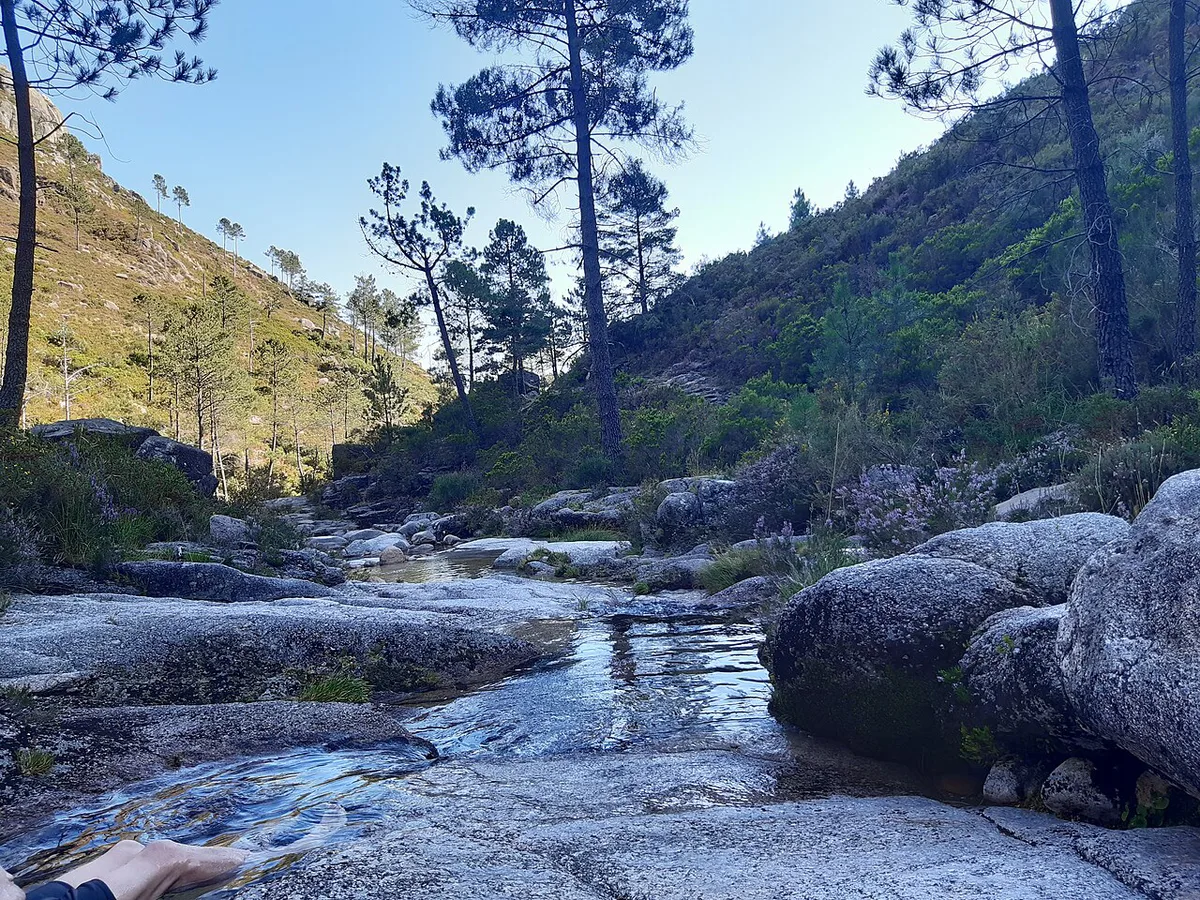
Waterfalls are among the park's most photographed sights, and their flow depends on the season. One visitor found a waterfall reduced to a stream in August, while March and April bring heavier flow. For a named option, read our guide to Cascata do Arado, Gerês: How to Get There and When to Go.
Look at a park map for its position relative to the park boundary before you build a day around it. Skip waterfall chasing in late summer if big water is the goal.
7. Montalegre and the 7 Lagoons
Local operators promote the 7 Lagoons (Sete Lagoas) near Montalegre as a Gerês highlight. Sources place the area loosely, so check how far it sits from the park boundary. Culture-minded drivers can add Pitões das Júnias village in the Barroso area.
Expect lakes and rural landscapes rather than the Gerês-side reservoir scene. Skip this side on a single day from Porto, because the extra driving eats your hiking time.
Which part of the park to choose
Gerês and Soajo are the best-documented areas for visitors. Peneda and Castro Laboreiro need extra planning, so read ICNF's current trail notes first. Use the table to match an area to your trip.
| Area | Best for | Base | Access | Season | Trade-off |
|---|---|---|---|---|---|
| Gerês side | Water activities, dining | Rio Caldo | Drive | Summer | Crowds |
| Pedra Bela area | Viewpoints over the Cávado | Gerês side | Drive, short scramble or trail | Spring, autumn | Rock underfoot |
| Soajo | Granite village, quiet | Soajo | Drive | Spring, autumn | Narrow mountain roads |
| Montalegre and 7 Lagoons | Lakes, Barroso villages | Montalegre | Drive | Summer | Distance from the Gerês side |
How much time to plan
Of a 10-hour Porto tour day, about 4 hours go to driving. That leaves roughly 6 hours in the park. More time lets you add trails and a second area.
A Porto day tour leaves roughly 6 hours in the park, so a trail where 10 km is a half-day walk would use most of that time.
- One day from Porto: choose one area, such as Pedra Bela plus one swim stop, and skip the rest.
- Two days: add a second area, for example Rio Caldo on day one and Soajo on day two.
- Three or more days: add a long trail such as Mistura das Águas and the Montalegre side.
Costs, access and opening hours
No park entry fee, parking charge or visitor-centre hours are confirmed for 2026. Check ICNF for current figures before you go.
Getting there, getting around and where to stay
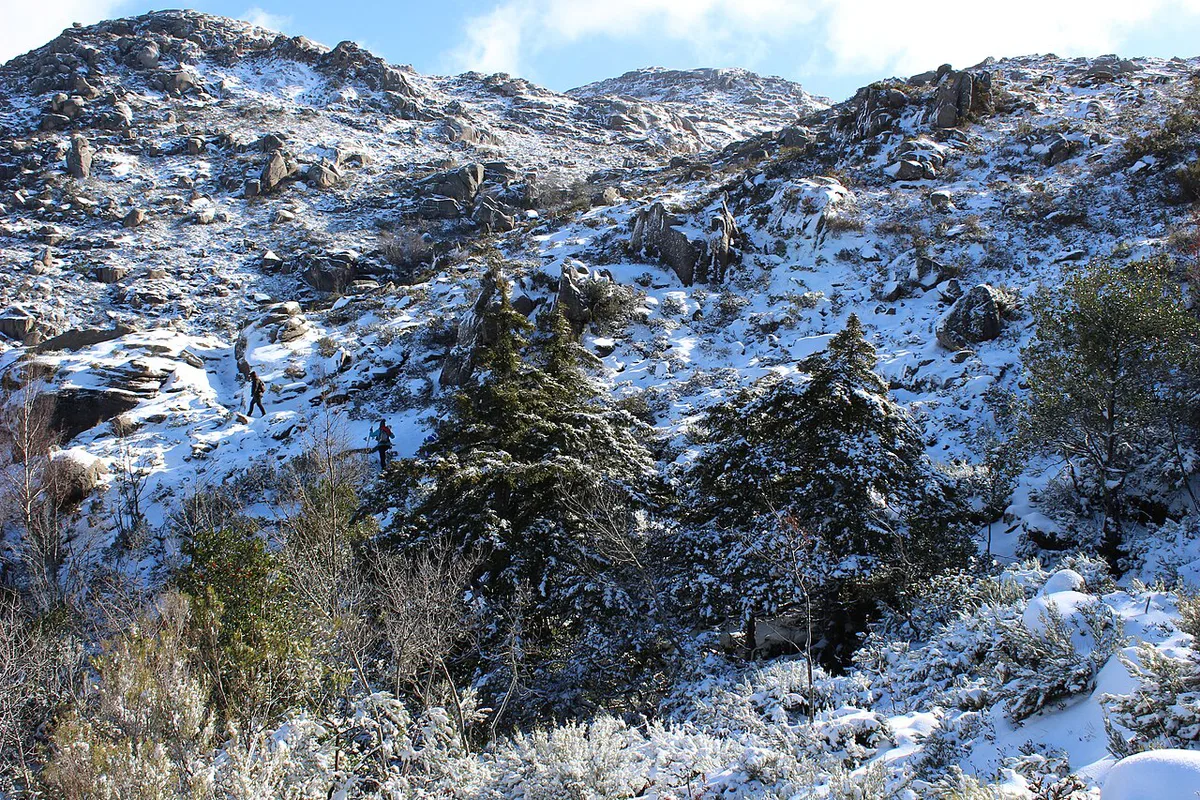
Porto is about two hours from the park by road, based on small-group tour reports. Braga, Viana do Castelo and Vila Real are other districts the park spans. Narrow, winding mountain roads and summer parking pressure shape every option below. Stay at Rio Caldo for water, or in a village near Soajo for quiet.
- Guided tour: about 10 hours from Porto, no mountain driving, lunch often included, little time on trail.
- Rental car: full flexibility, plus costs for fuel, tolls, parking and meals; check fuel and phone signal before entering.
- Public transport: thin and unverified, so see Visit Portugal's travel pages before relying on it.
Porto day trip versus the Douro Valley
Choose Peneda-Gerês for mountains, swimming and viewpoints. Choose the Douro Valley for vineyards, wine tasting and a river boat. Skip the park day tour if you want a long hike, because it leaves little time on trail. Operator prices change, so compare current rates for tours and a rental car.
Best time to visit
March and April bring heavier waterfall flow, while August can leave streams close to dry.
| Season | What to expect |
|---|---|
| Spring and autumn | Flowers or colour, comfortable hiking |
| Summer | Swimming, crowds, heat, fire risk, low flow |
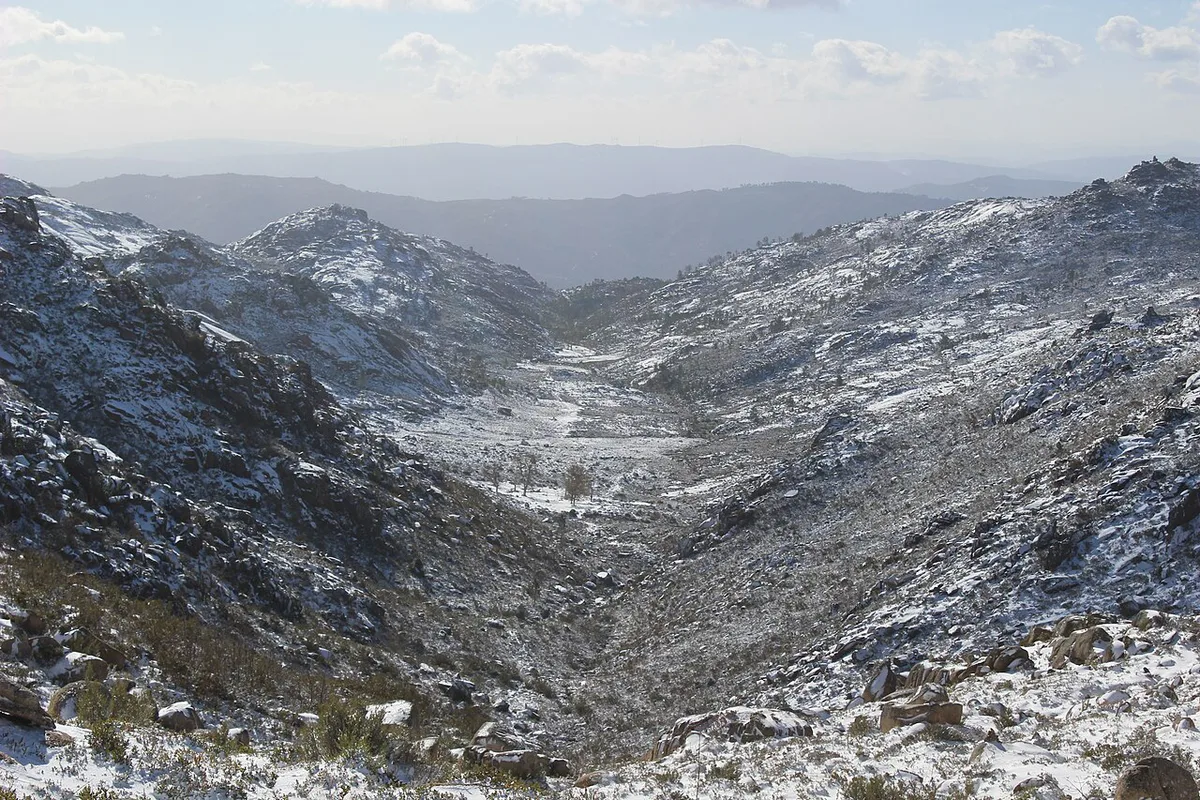
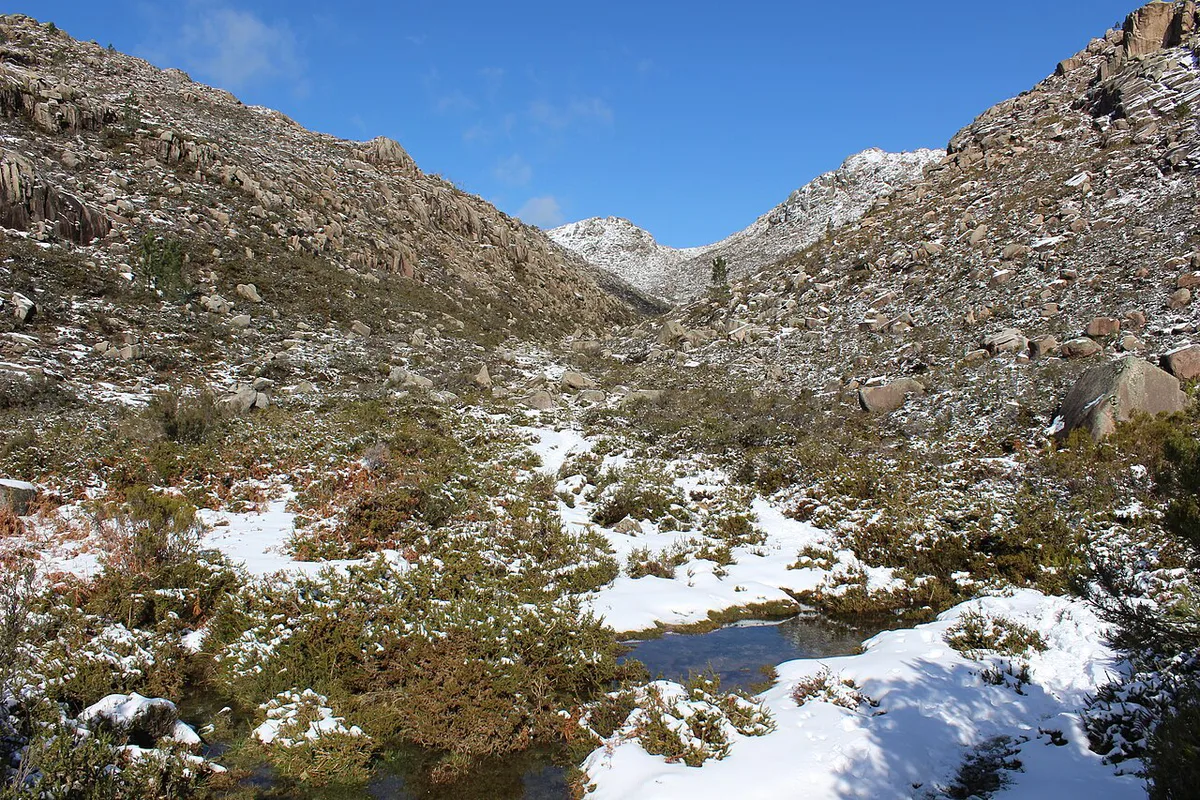
| Winter | Snow at height, shorter days, harder roads |
Mistakes to avoid
Most problems come from over-packed plans and thin preparation.
- Trying to cover the whole park in one day trip.
- Entering without checking fuel and phone signal.
- Planning a late-summer swim around a waterfall that may be dry.
- Wearing city shoes on granite trails.
- Relying on one source's trail length.
Who Peneda-Gerês suits and what to try instead
Peneda-Gerês suits hikers, swimmers and drivers who want granite villages. Skip it if you dislike winding roads or need fixed timetables. For another mountain destination, see the Serra da Estrela range. For a comparable border-region park, read about the Montesinho border-region park. Coast lovers can try Arrábida's coastal park. Another option is the Sintra-Cascais coastal park. In the south, there is Ria Formosa's southern park.
The protected mountains continue across the border into Spain as the Baixa Limia–Serra do Xurés natural park. For Spain’s national parks, see our guide to national parks in Spain.
Fire Safety and Low-Impact Visiting
Peneda-Gerês has protected about 70,000 hectares since its establishment in 1971. Treat that scale as a reason to plan carefully, especially in dry weather. Summer brings heat, crowds and a higher fire risk, while smaller roads can make an improvised change of plan slow.
Check ICNF notices on the day you travel for trail restrictions, fire warnings and access changes. Do not assume a waterfall, riverbank or forest track is open because it appeared in an older itinerary. Use marked paths, park only in designated spaces, and take all litter away with you.
A Porto tour day can last about 10 hours, with roughly 4 hours spent driving. That makes it tempting to rush stops. Choose fewer places instead, keep enough fuel for the return journey, and avoid lighting fires or leaving a vehicle where dry vegetation could be affected.
Frequently Asked Questions
Is Peneda Geres worth visiting?
Yes, if you want mountains, swimming spots and granite villages within about two hours of Porto. Skip it if you want only a short city escape, because a day tour leaves about 6 hours in the park.
Are there wolves in Peneda-Gerês National Park?
One travel guide lists the Iberian wolf among the park's wildlife. Visitors should not expect to see one on a day trip. Check ICNF for verified species before planning wildlife watching.
Explore More Guides
Keep planning your trip with these guides.
Guides
Notes for your next park visit
Optional updates to our national park guides.